





Payloads: Astrobee: The Perching Arm hardware was installed onto the Astrobee flyer (Bumble) in preparation for the Kibo-Robot Programming Challenge 4 Rehearsal. Astrobee is made up of three free-flying, cube-shaped robots. These robots are designed to help scientists and engineers develop and test technologies for use in microgravity to assist astronauts with routine chores, and …
Busy Crew Assists Each Other for Space Science and Lab Upkeep

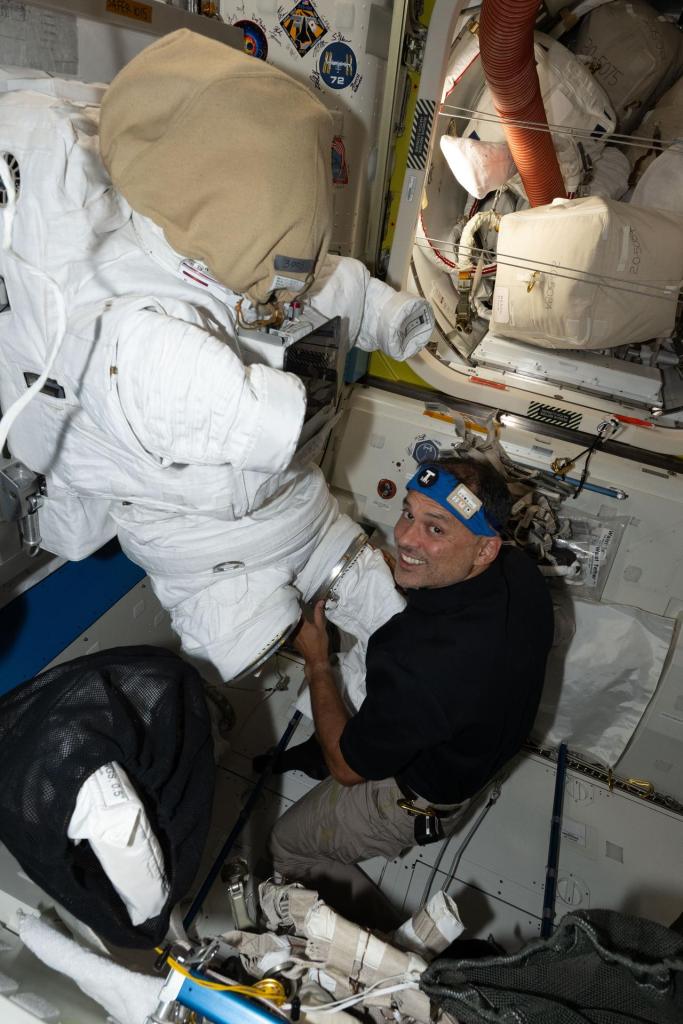
The seven-member Expedition 69 crew conducted a wide variety of experimental work on Tuesday including more life science and physics research and installing new science hardware. The maintenance duties aboard the International Space Station included lab stowage work and orbital plumbing tasks. The station astronauts split their day assisting each other on a host of …
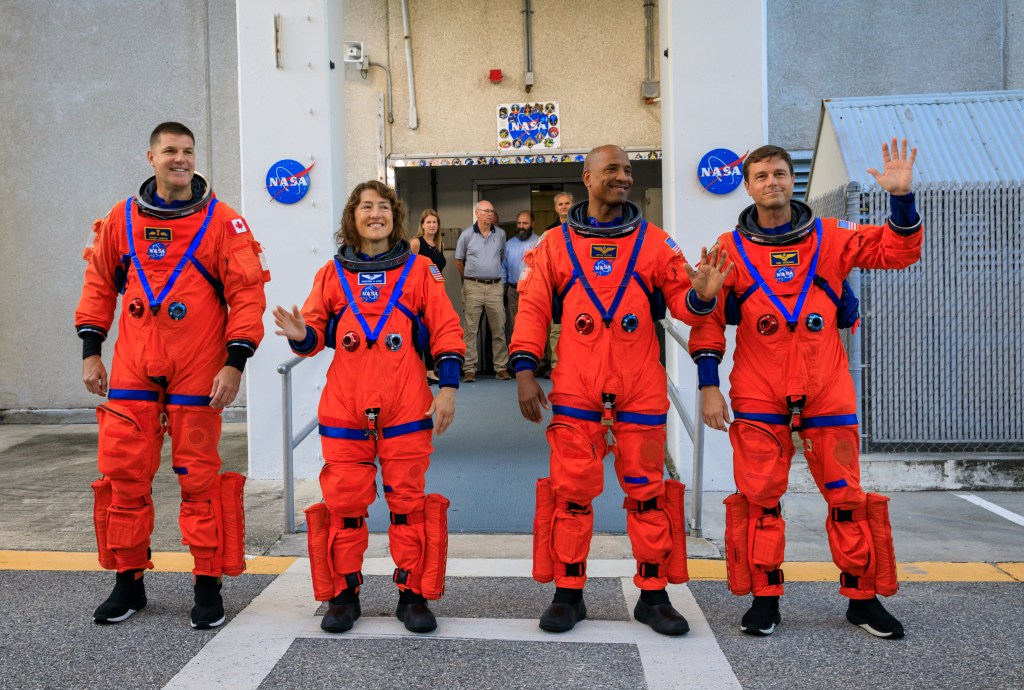
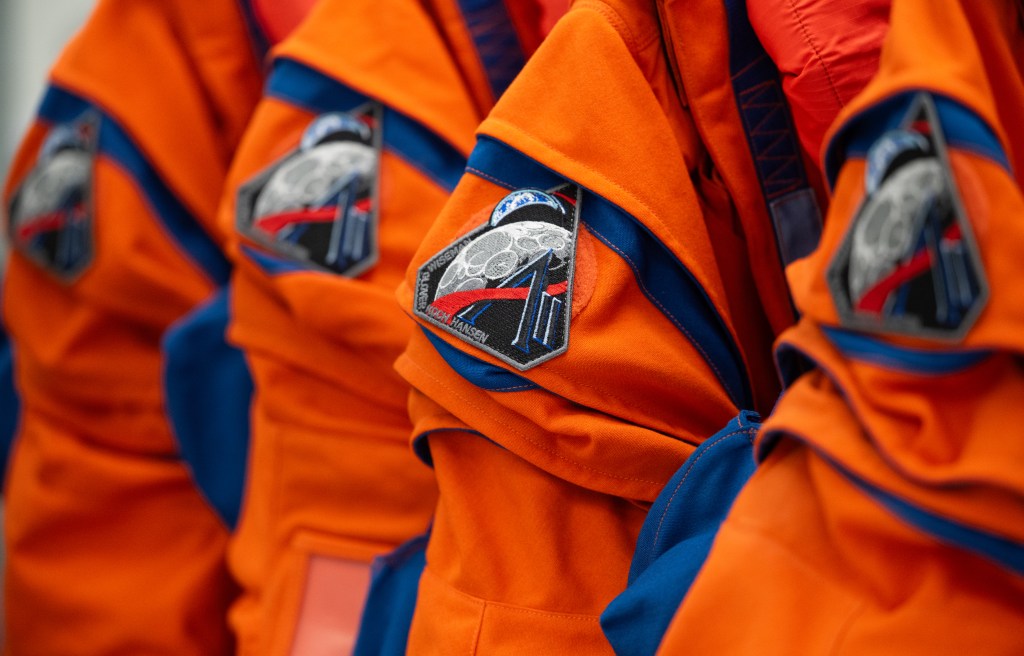
Artemis II Orion Crew Module Acoustic Testing Complete

On Aug. 13, engineers and technicians inside the high bay of the Neil Armstrong Operations and Checkout Building at NASA’s Kennedy Space Center in Florida successfully completed a series of acoustic tests to ensure the Orion spacecraft for NASA’s Artemis II mission can withstand the speed and vibration it will experience during launch and throughout …
Talking with Webb using the Deep Space Network

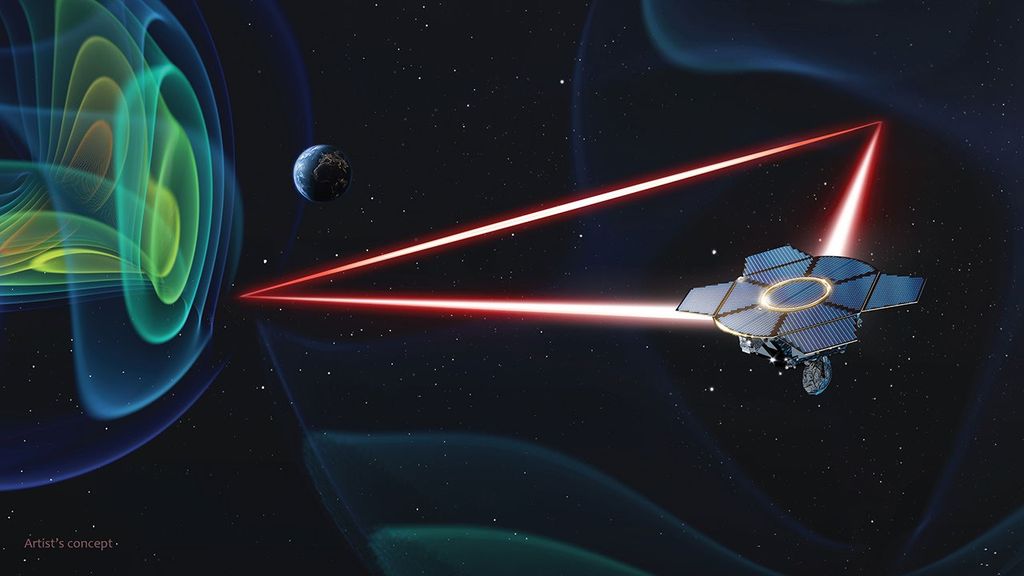
NASA’s James Webb Space Telescope is nearly 1 million miles (1.5 million kilometer) away from Earth, orbiting around the Sun-Earth Lagrange point 2. How do we send commands and receive telemetry – the science and engineering data from the observatory – from that far away? We use the DSN (Deep Space Network) to communicate with …
ISS Daily Summary Report – 8/14/2023
Payloads: Cardiobreath: Bio-Monitor wearable hardware was donned and data was collected during a Cycle Ergometer with Vibration Isolation and Stabilization (CEVIS) Exercise session. Astronauts experience changes in their cardiovascular, respiratory, and musculoskeletal systems during spaceflight, which can affect their capacity to exercise and to maintain blood pressure when standing after return to Earth. Causal Analysis of …
Crew Studies Life Science to Improve Health on Earth and in Space

Life science to benefit humans on Earth and in space was the top research priority aboard the International Space Station on Monday. The Expedition 69 crew also worked on housekeeping tasks and cargo craft duties to start the workweek. Research in microgravity reveals new phenomena that would be impossible to discover or observe in Earth’s …
From Thunderstorms to Rainbows
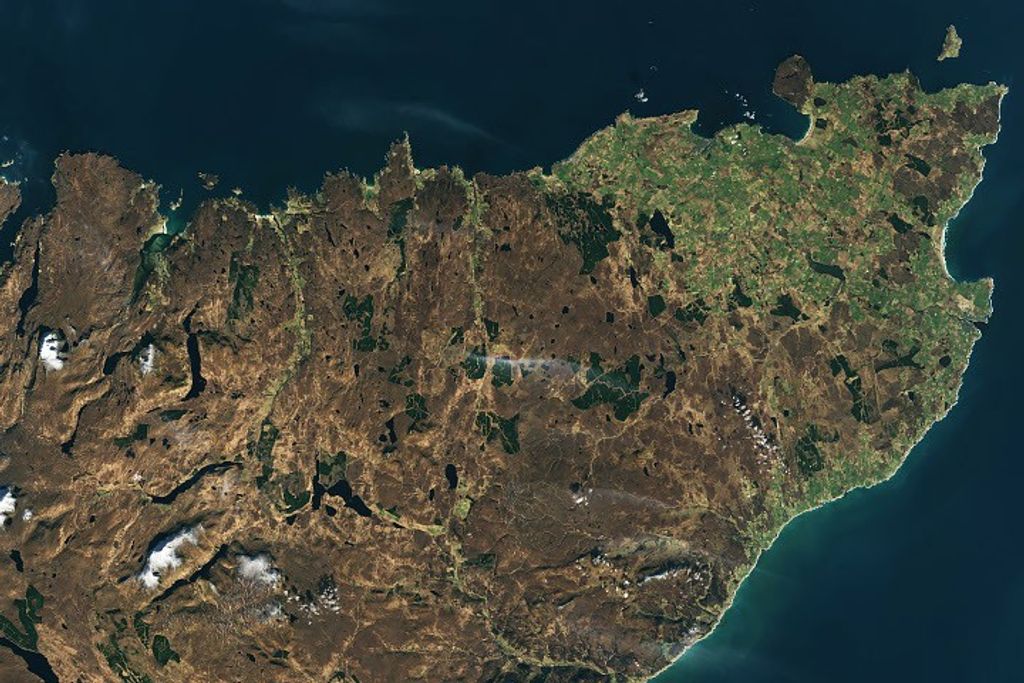
The day was full of surprises for a team sampling burn scars in the tundra of southwest Alaska.
ISS Daily Summary Report – 8/11/2023
Northrup Grumman – 19 (NG-19) Cygnus Reboost: Today, the ISS successfully performed a 1.345 m/s reboost using Cygnus Delta Velocity Engine (DVE) thruster starting at 9:35 CT with a burn duration of 22 minutes and 48 seconds. This reboost sets up phasing for 85P launch and rendezvous on GMT 235, and is one of two …
Durable Parker Solar Probe Going Strong After First Five Years

On Aug. 12, 2018 – five years ago this week – NASA’s Parker Solar Probe blasted off atop a powerful Delta IV rocket.
Crops and Manufacturing Studies as Station Orbits Higher

Botany and physics topped the research schedule as spacewalk cleanup duties continued aboard the International Space Station on Friday. The Expedition 69 crew also focused on life support maintenance as a U.S. cargo craft fired it engines to boost the orbital outpost. Sustaining crews independently of cargo missions and taking advantage of microgravity for better …