
An airplane carrying a rocket loaded with a robotic spacecraft designed to raise NASA’s Swift departed the Wallops Flight Facility in Virginia Thursday.
Aircraft Carrying Swift Boost Satellite Takes off From NASA Wallops
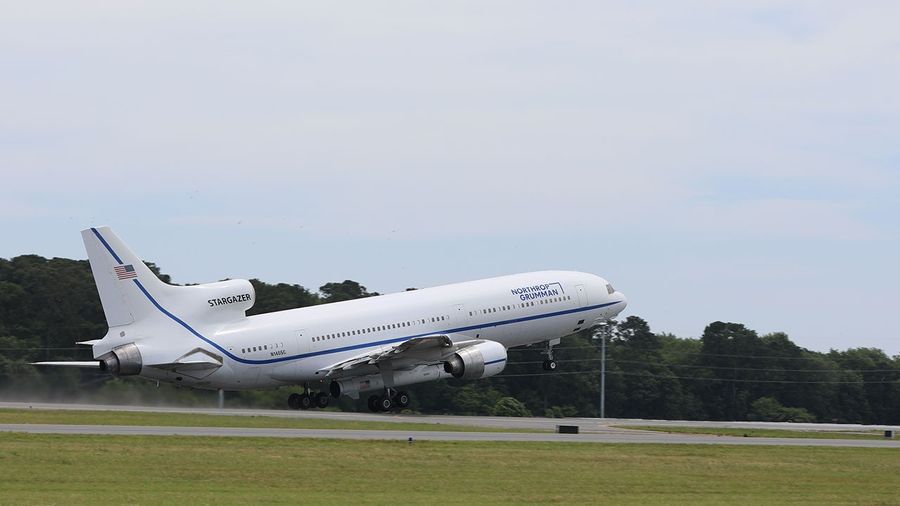














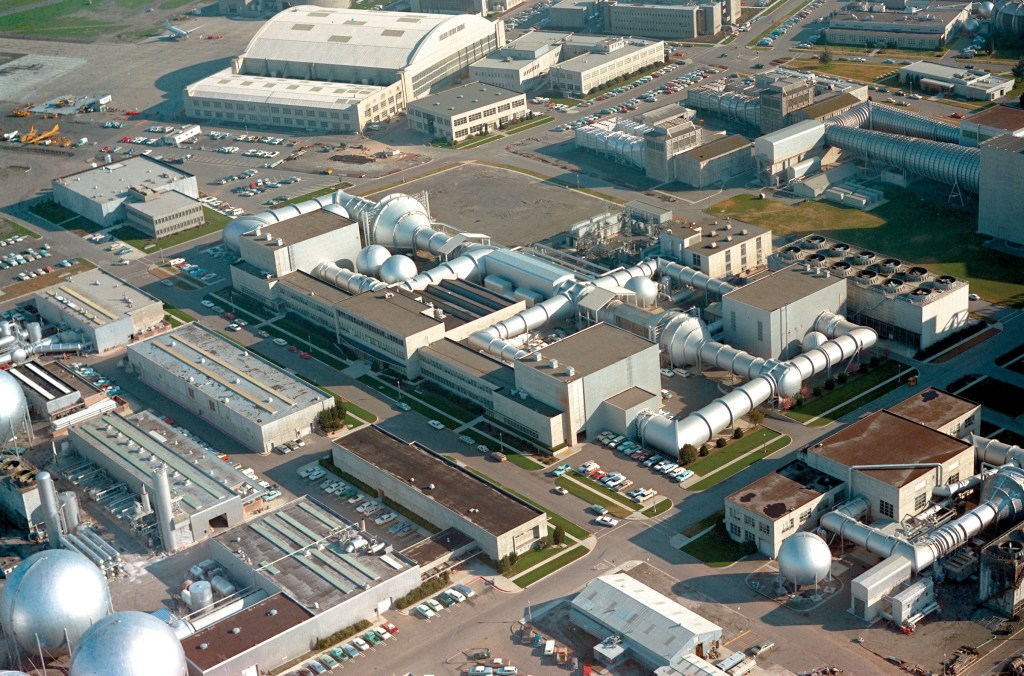
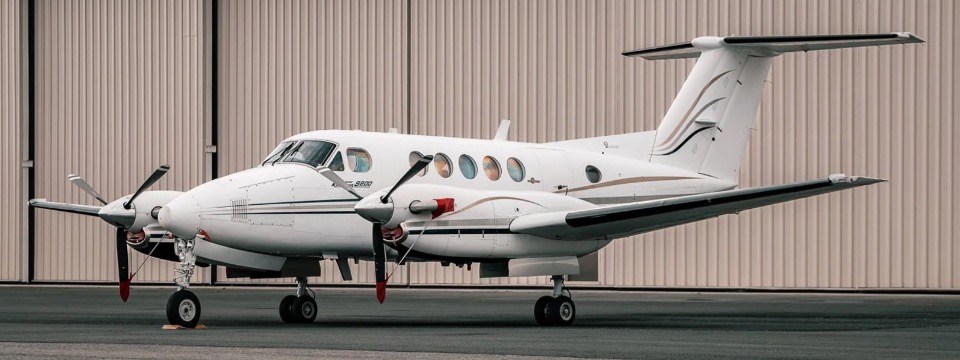





An airplane carrying a rocket loaded with a robotic spacecraft designed to raise NASA’s Swift departed the Wallops Flight Facility in Virginia Thursday.
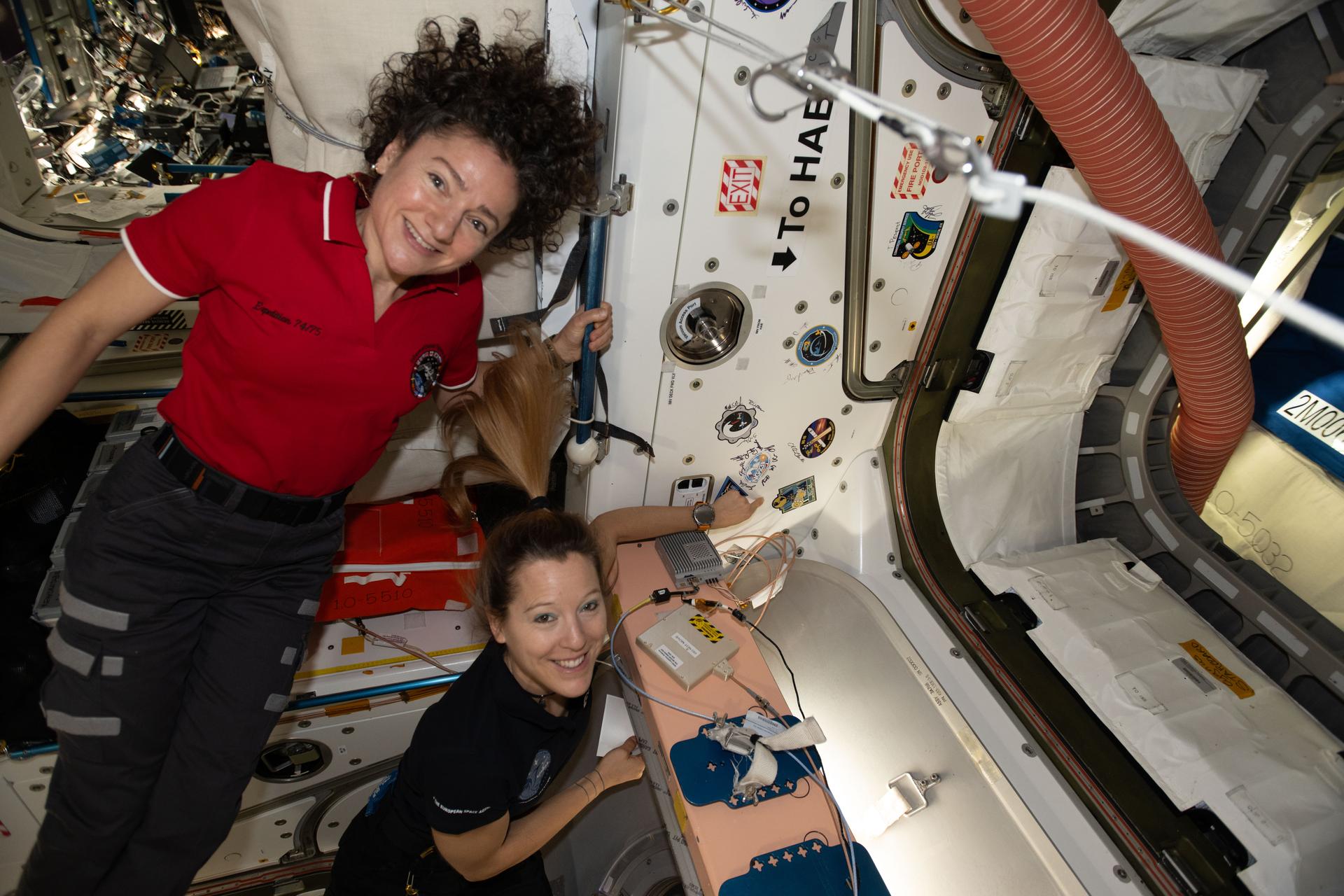
The Expedition 74 crew explored how weightlessness affects cartilage growth and the digestive system on Thursday to protect crew health and improve patient care on Earth. The orbital residents are also gearing up for a robotics maintenance spacewalk at the end of the month on the International Space Station.
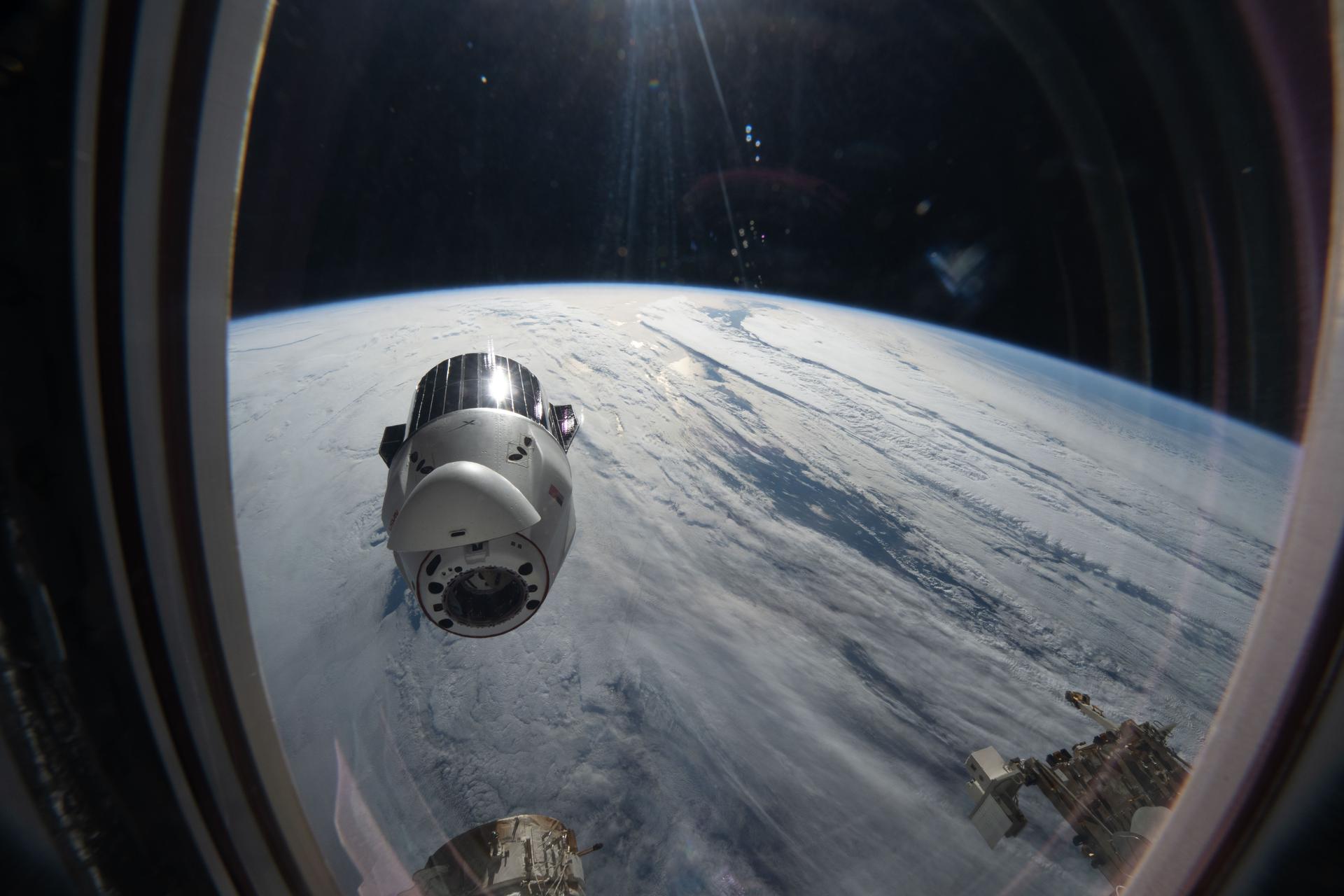
Biomedical tests using augmented and virtual reality tools to advance space health dominated the research schedule aboard the International Space Station on Wednesday. The Expedition 74 crew is also turning its attention to a spacewalk at the end of the month following the departure of a U.S. cargo spacecraft.
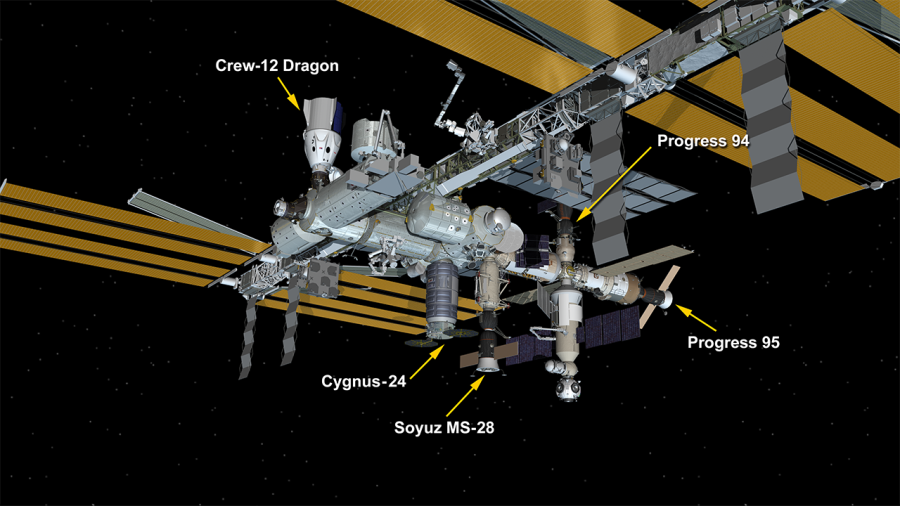
At 5:11 a.m. PDT (8:11 a.m. EDT), the unpiloted SpaceX Dragon spacecraft splashed down off the coast of California near Oceanside, marking the return of the 34th SpaceX commercial resupply services mission to the International Space Station for NASA.
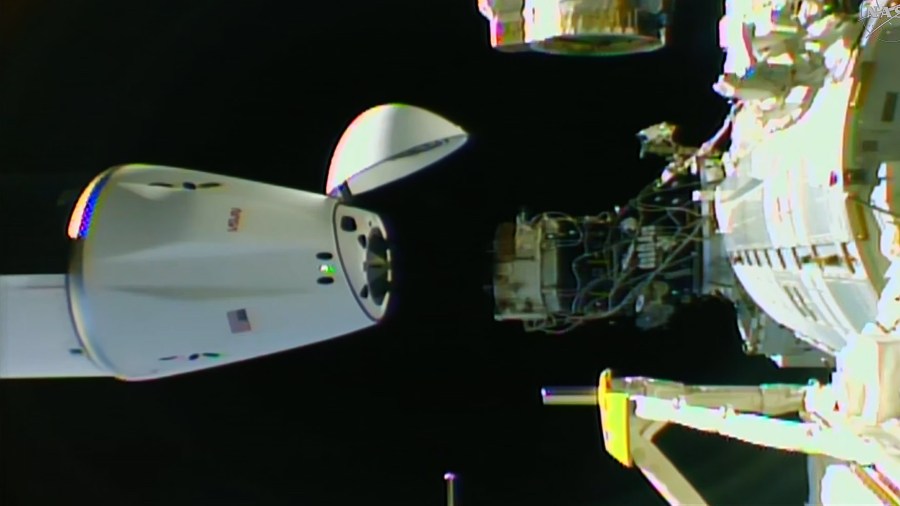
At 12:25 p.m. EDT, the unpiloted SpaceX Dragon spacecraft undocked from the forward‑facing port of the International Space Station’s Harmony module after a command from SpaceX ground controllers. Flight controllers delayed the undocking slightly to power‑cycle a navigation sensor and restore full redundancy before departure.
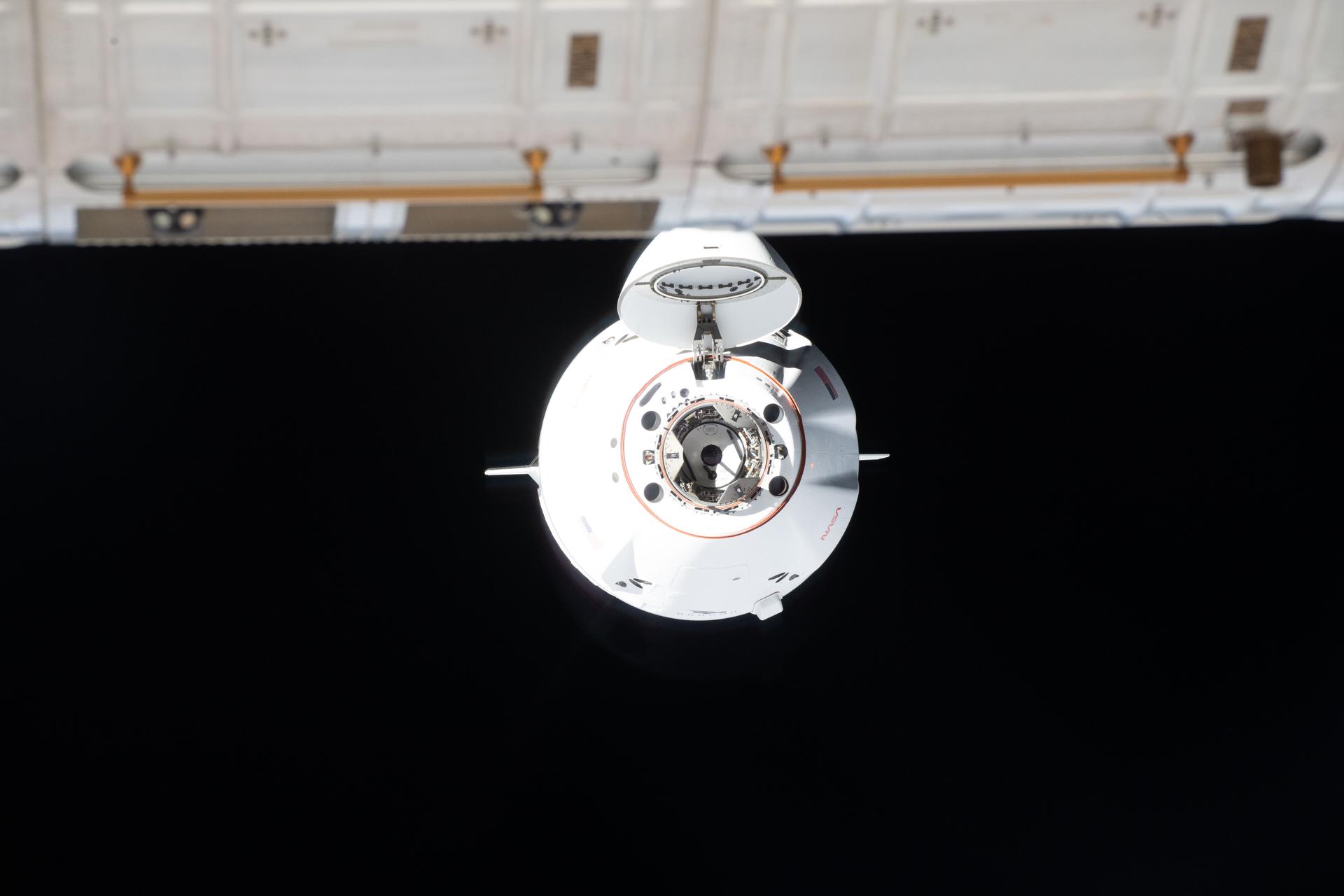
The unpiloted SpaceX Dragon spacecraft will undock at approximately 12:05 p.m. EDT from the forward-facing port of the station’s Harmony module and fire its thrusters to move safely away from the orbital complex.
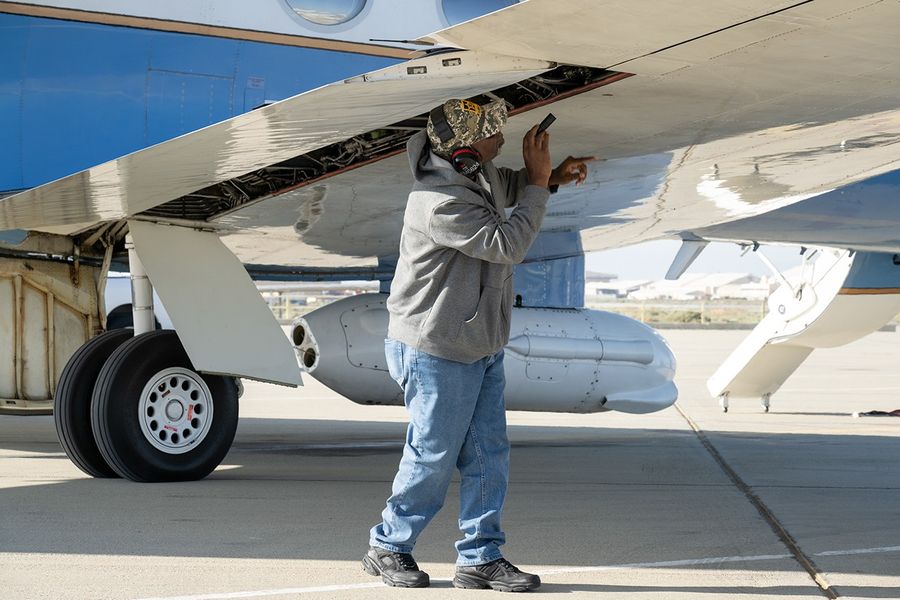
Data from a NASA campaign in Panama and Peru will help communities prepare for tropical floods in cloud-covered areas, improve scientific understanding of forest health, and support planning for spaceborne missions. NASA’s C-20A aircraft from Armstrong Flight Research Center in Edwards, California, flew the Uninhabited Aerial Vehicle Synthetic Aperture Radar (UAVSAR) instrument, developed at NASA’s […]
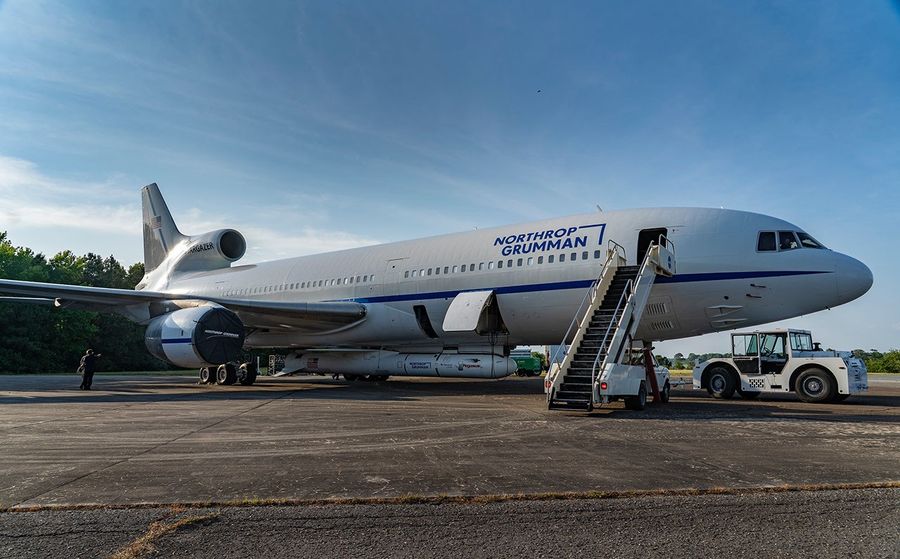
Engineers attached a Northrop Grumman’s Pegasus XL rocket to the company’s Stargazer aircraft at NASA’s Wallops Flight Facility in Virginia on Friday, June 12.
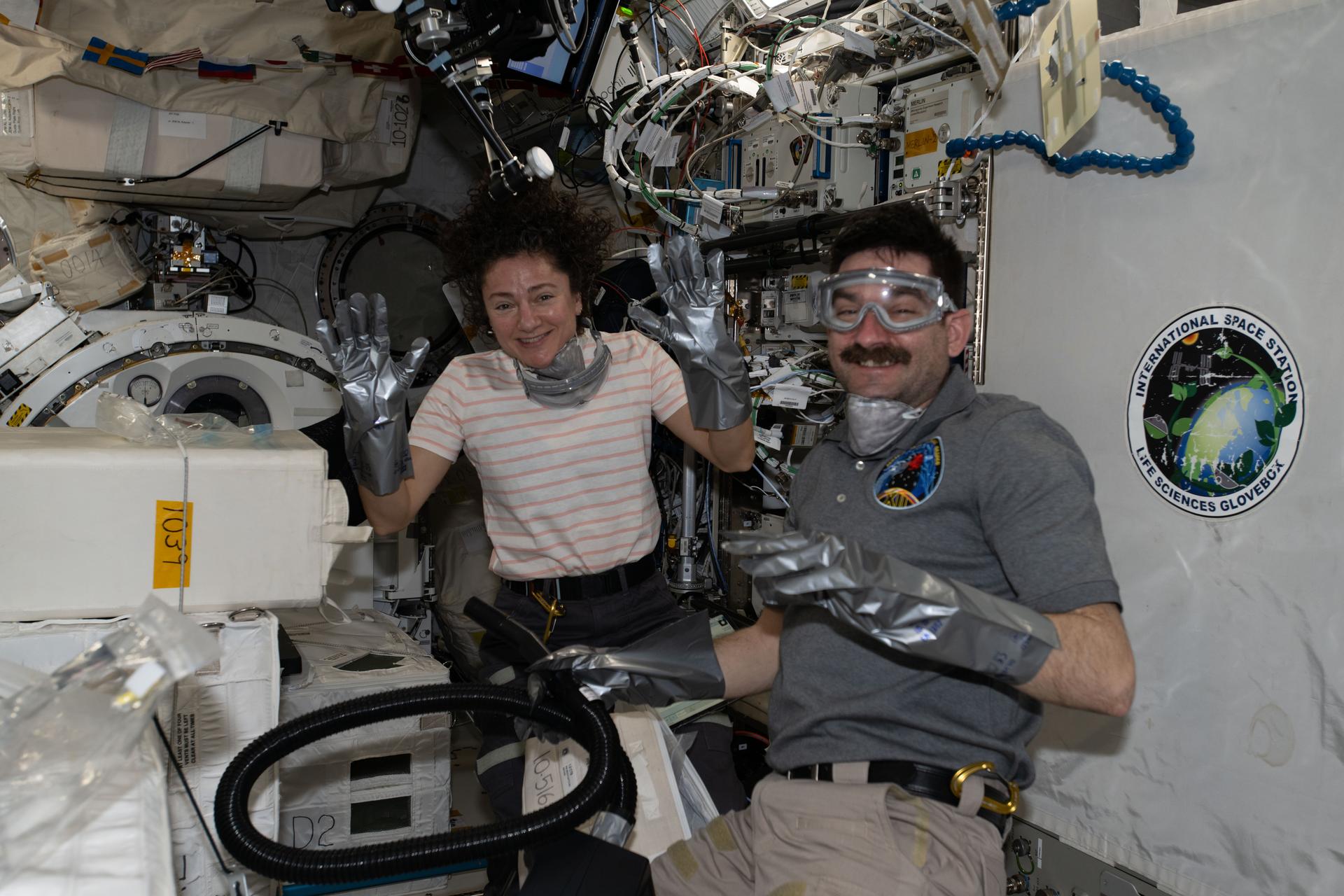
The Expedition 74 crew members packed a U.S. cargo spacecraft on Monday with sensitive science experiments and lab hardware for return to Earth. The orbital residents also configured spacewalking tools and conducted cardiac research to kick off the week aboard the International Space Station.
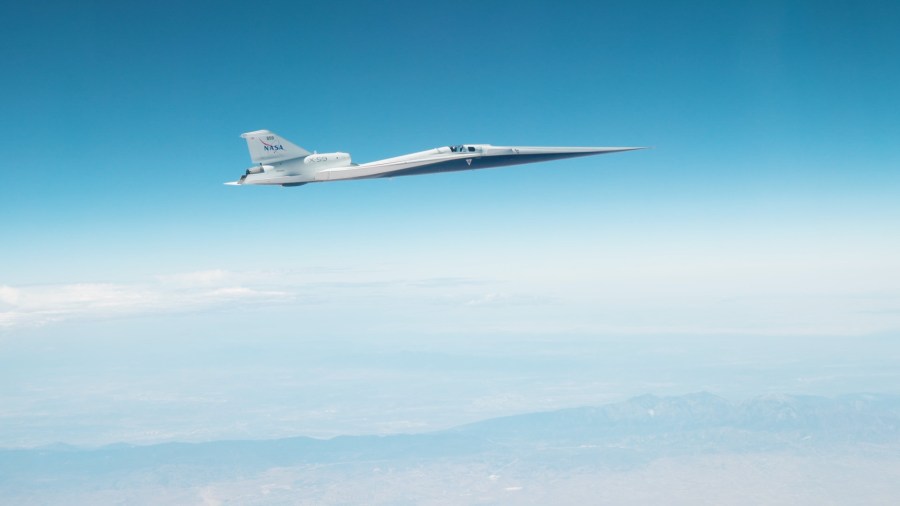
NASA’s X-59 experimental aircraft reached a major milestone Friday, June 12, flying Mach 1.4 (about 924 mph) and an altitude of 55,000 feet, the conditions required for the aircraft to make future flights critical to its mission. The X-59 still has months of performance testing ahead, but after those are complete, NASA’s Quesst mission will fly the […]