











Suggested Searches

Blogs

  • NASA Flights Map Tropical Ecosystems, Water, Ice

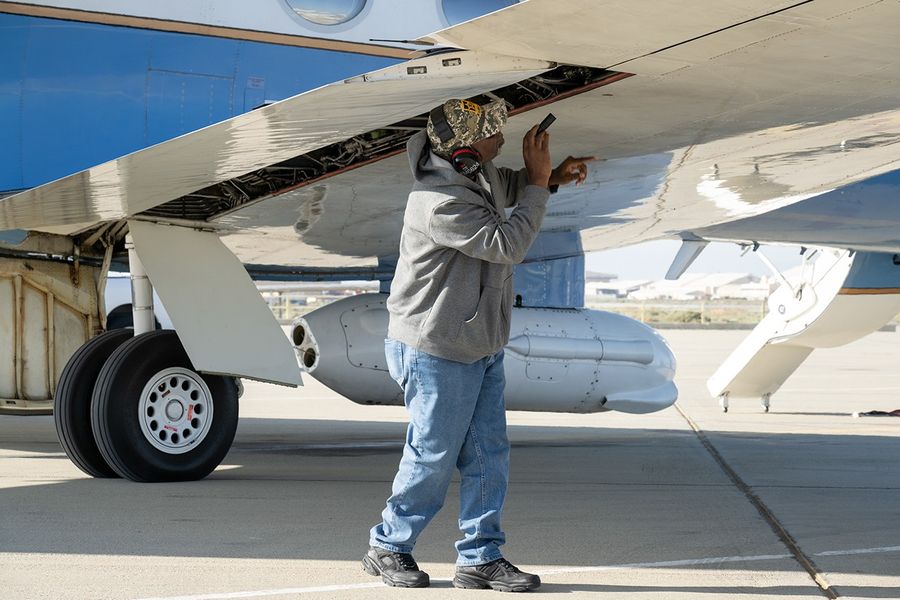
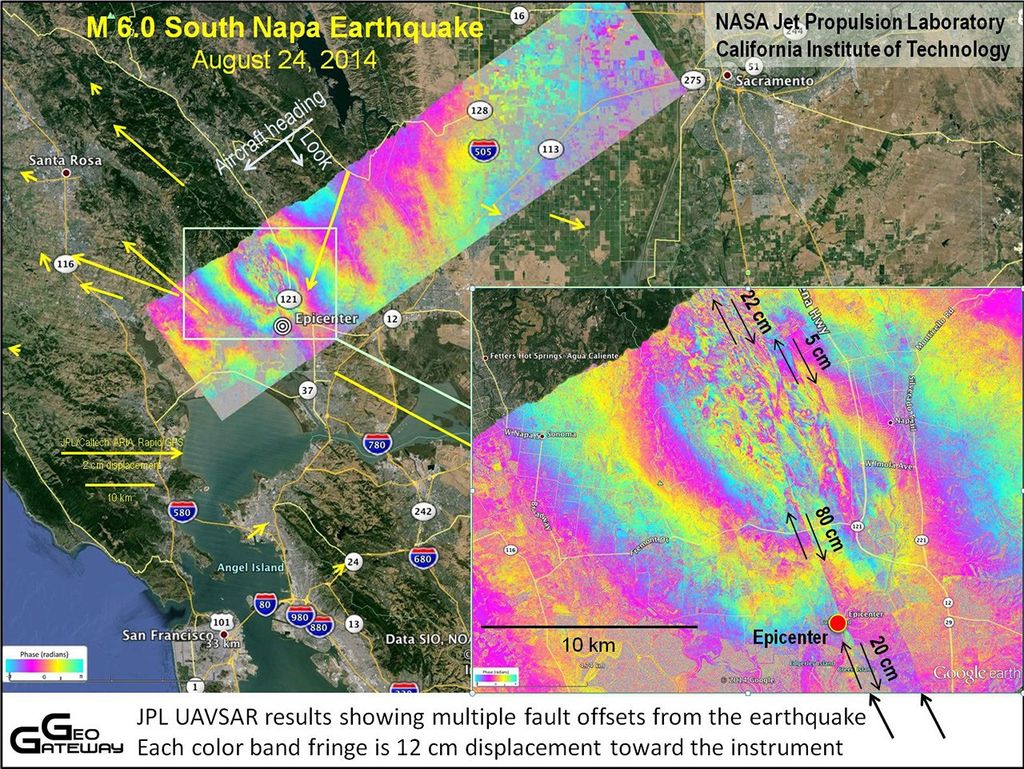
    Data from a NASA campaign in Panama and Peru will help communities prepare for tropical floods in cloud-covered areas, improve scientific understanding of forest health, and support planning for spaceborne missions. NASA’s C-20A aircraft from Armstrong Flight Research Center in Edwards, California, flew the Uninhabited Aerial Vehicle Synthetic Aperture Radar (UAVSAR) instrument, developed at NASA’s […]

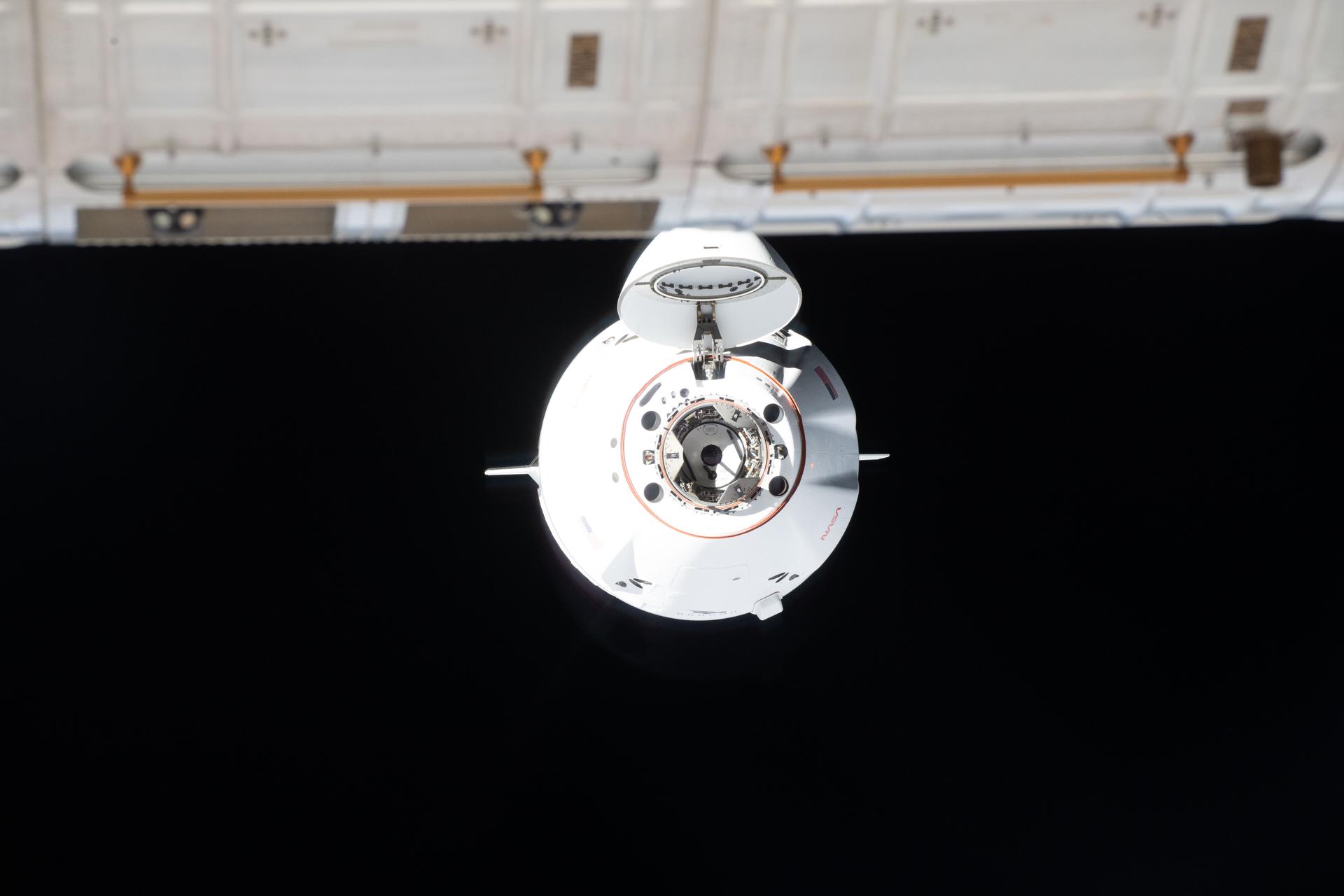
  • Crew Packs Dragon for Tuesday Departure and Preps for Spacewalk

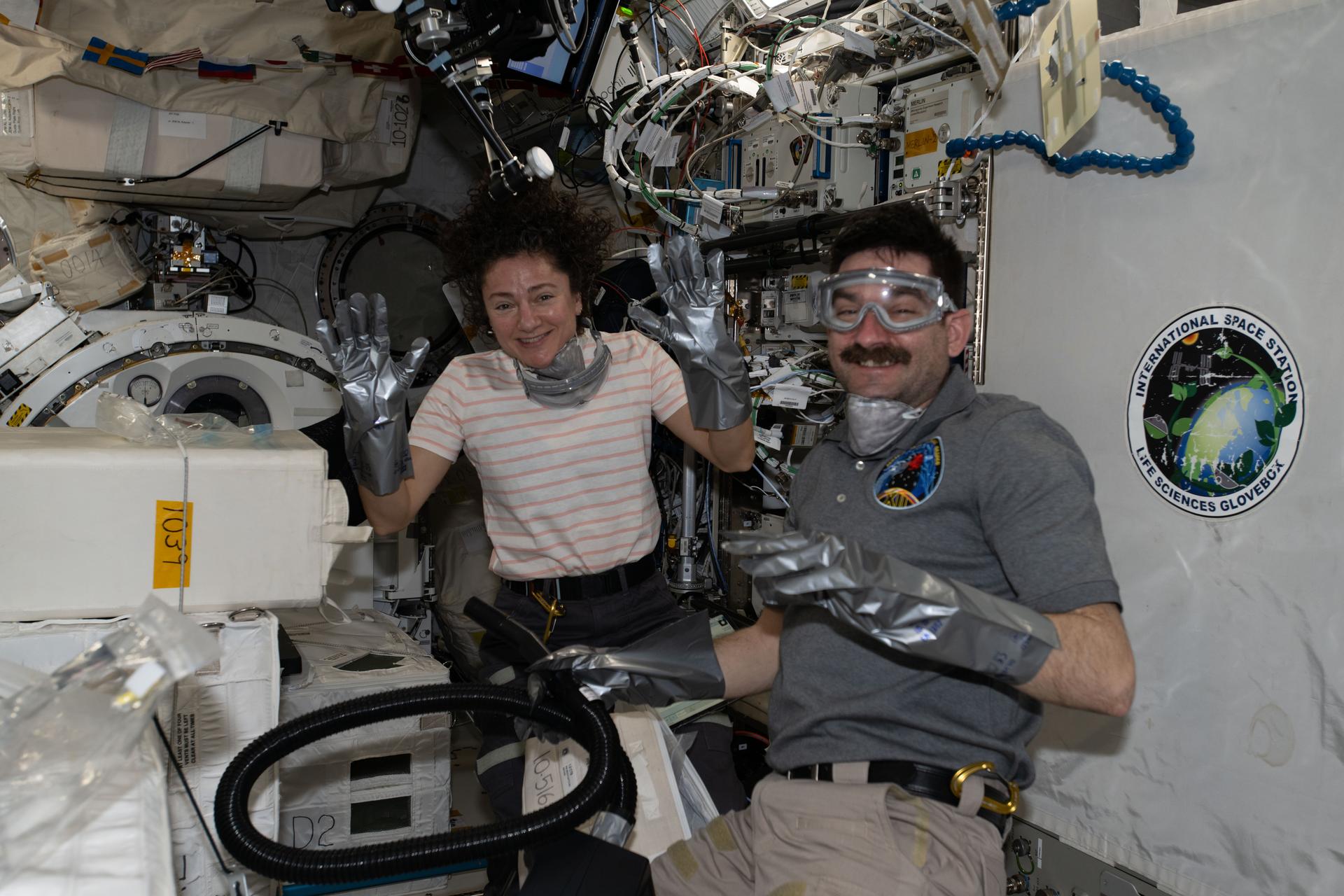
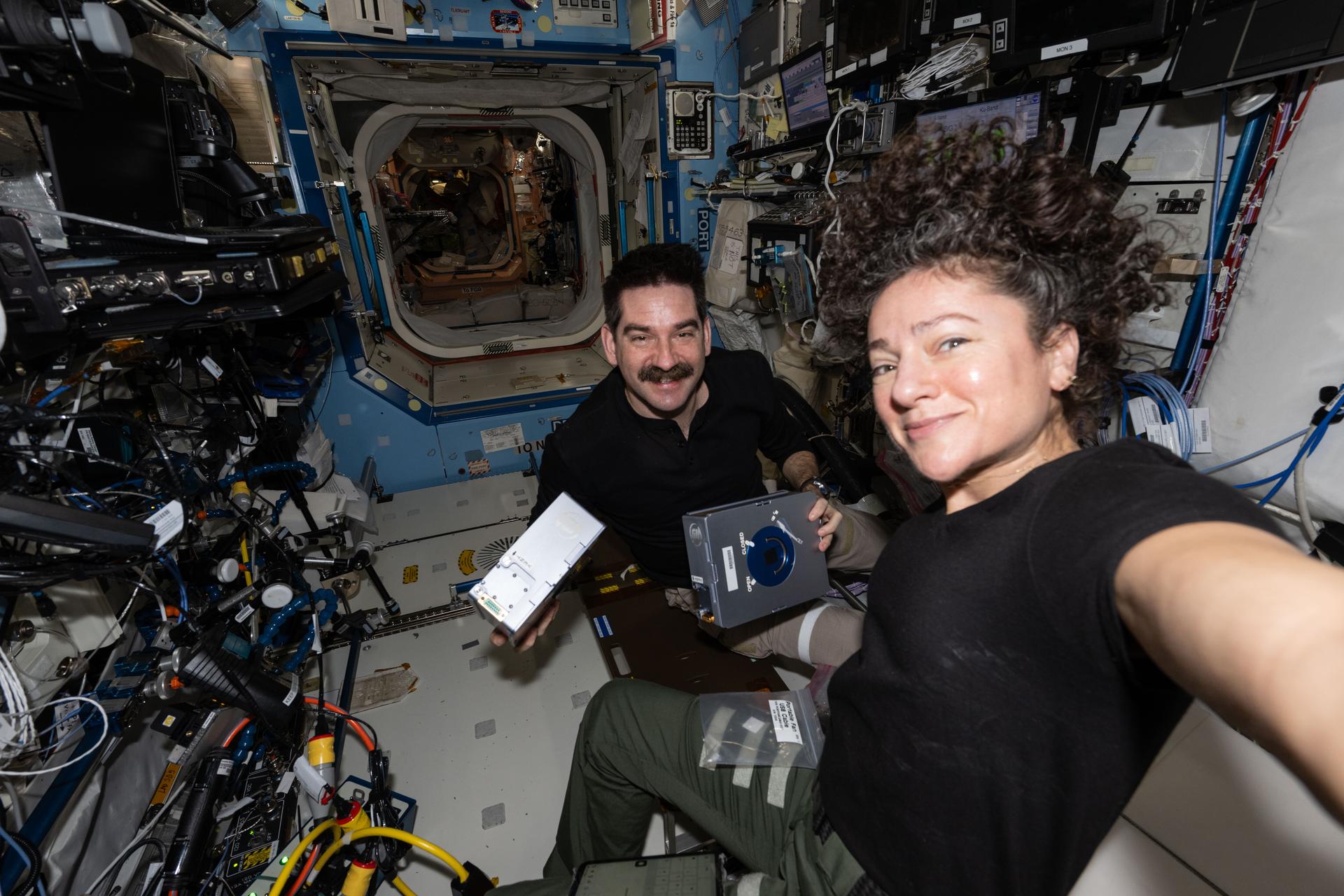
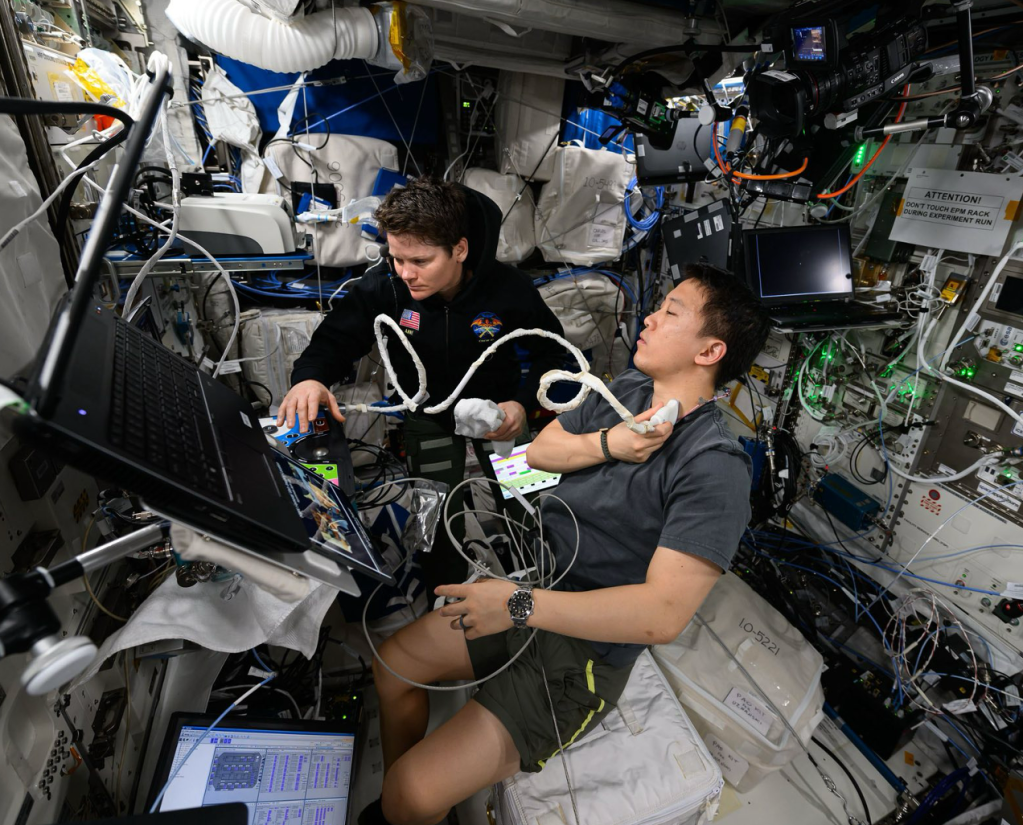
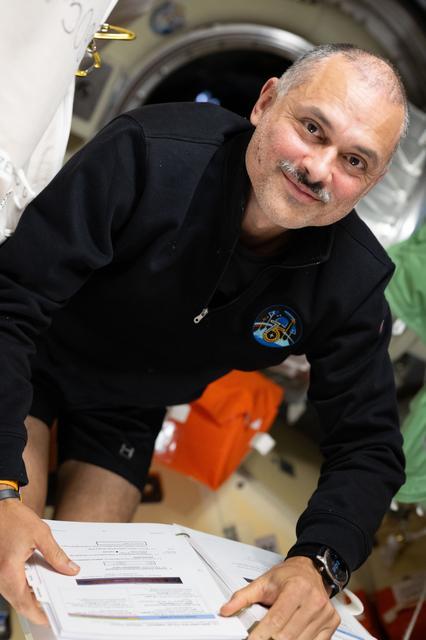
    NASA astronauts Jessica Meir and Jack Hathaway, both Expedition 74 flight engineers, wear disposable gloves, dust masks, and safety goggles while unpacking temperature‑controlled scientific samples from a SpaceX Dragon cargo spacecraft and stowing them inside research facilities located aboard the International Space Station’s Kibo laboratory module.

    The Expedition 74 crew members packed a U.S. cargo spacecraft on Monday with sensitive science experiments and lab hardware for return to Earth. The orbital residents also configured spacewalking tools and conducted cardiac research to kick off the week aboard the International Space Station.

  • NASA’s X-59 Reaches Speed, Altitude for Future Quiet Supersonic Flights

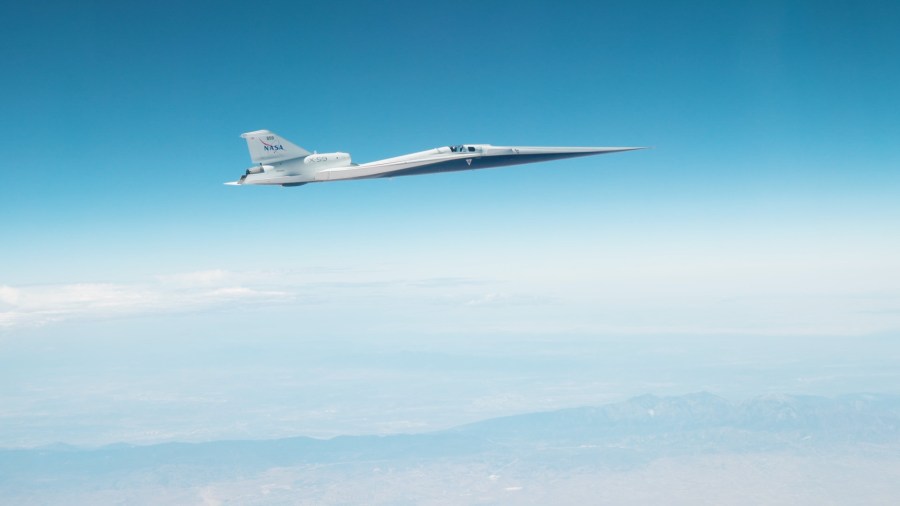
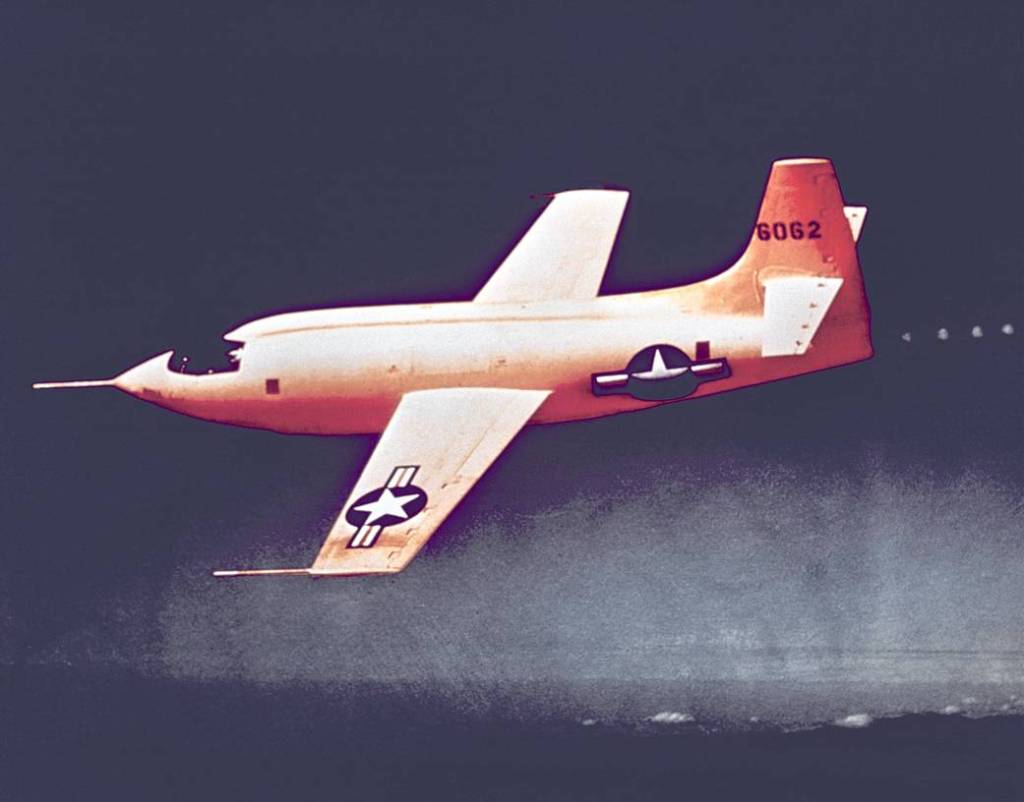
    The X-59 in flight on June 12, 2026 against a blue sky.

    NASA’s X-59 experimental aircraft reached a major milestone Friday, June 12, flying Mach 1.4 (about 924 mph) and an altitude of 55,000 feet, the conditions required for the aircraft to make future flights critical to its mission.   The X-59 still has months of performance testing ahead, but after those are complete, NASA’s Quesst mission will fly the aircraft over several U.S. communities to collect data on public perception of the quiet sonic thump it will make at […]

  • NASA-Funded Research Follows Bird Flight; Birds Follow Their Noses

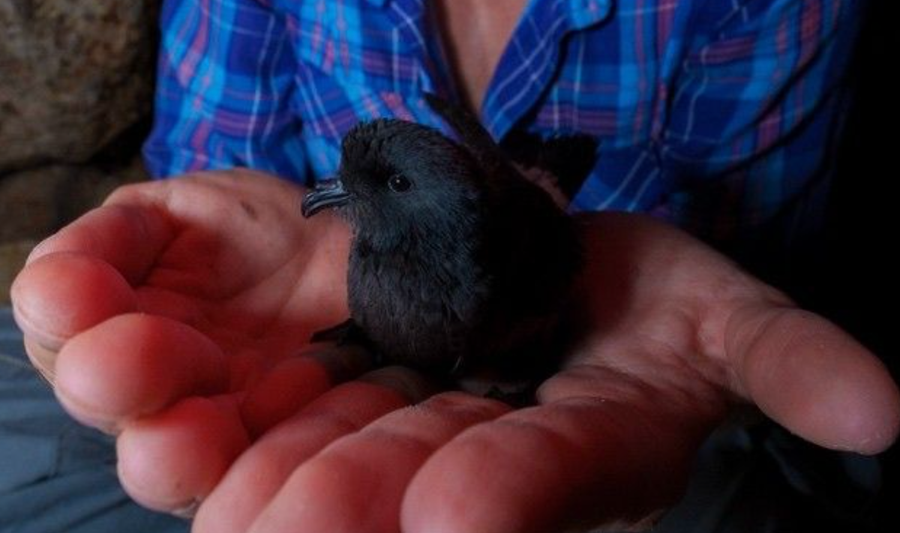
    You might think birds skimming over the ocean wouldn’t seek wind unless it was pushing them in the right direction, but NASA-funded researchers have learned that storm petrels find stiff crosswinds worth the slowdown, in return for the clues and cues the gusts carry. In a paper published by the Royal Society’s Biology Letters May 13, researchers from Woods Hole Oceanographic Institution (WHOI) and the Italian Institute for […]

  • Parker Solar Probe Makes 28th Close Pass of Sun

    NASA’s Parker Solar Probe completed its 28th close approach to the Sun on June 8, again matching its record distance of 3.8 million miles from the solar surface. The flyby allowed the spacecraft to continue its measurements of the solar wind and solar activity at their source, while adding to our understanding of how the […]