
















NOAA’s DSCOVR spacecraft is on the way to deep space!
Falcon 9 Tanks Pressurizing
The rocket is starting its pressure cycle before lighting the nine engines of the first stage.
Range Green
The Eastern Range is go for launch, everything on track for 6:03 p.m. EST liftoff.
Go for Launch!
DSCOVR and Falcon 9 are GO for launch, mission director confirms.
T-3 Minutes and Counting
No technical issues or weather concerns.
Strongback Retracting
The support structure around the Falcon 9 rocket is moving into launch position.
DSCOVR Team Polling for Launch
DSCOVR is ready for launch, its team has confirmed.
DSCOVR on Internal Power
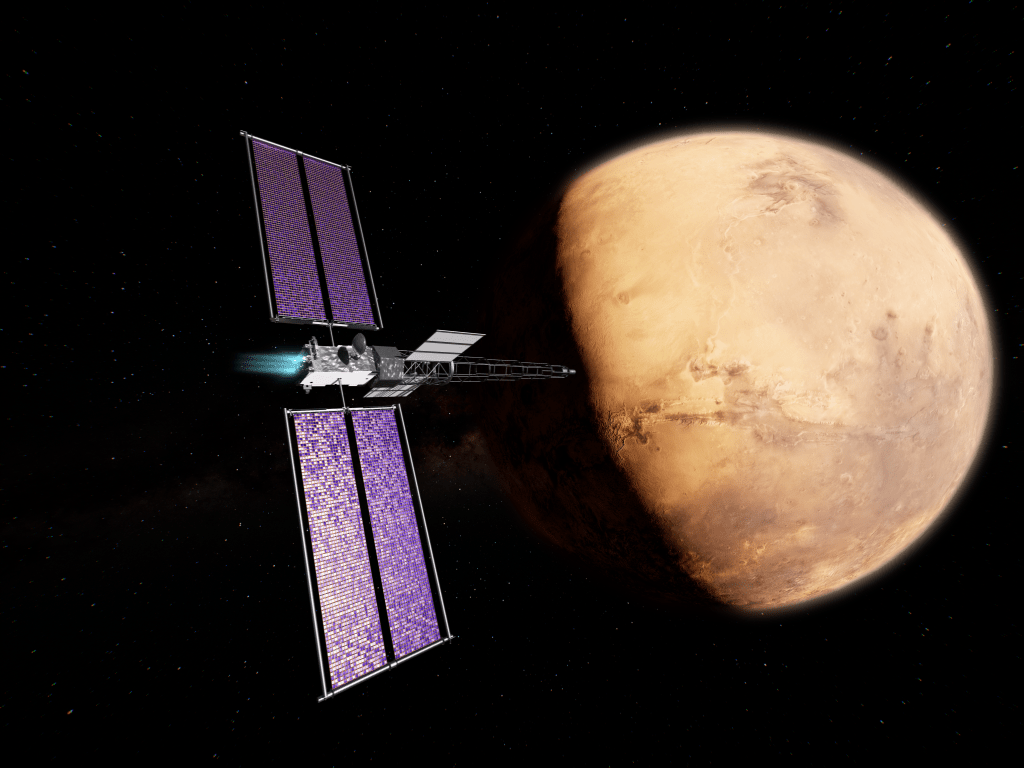
NOAA’s DSCOVR spacecraft is operating on its own battery power now. It will recharge its batteries in space using solar panels.
T-10 Minutes – Terminal Countdown Under Way
The automated terminal phase of the countdown has begun. The rest of the countdown will be controlled by the computers that operate the automated sequencer. DSCOVR will be switched to its own battery power in two minutes.
‘Go’ for Terminal Countdown
The launch team is go to proceed to the terminal phase of the countdown which will be controlled by automated sequencer.