















Suggested Searches

Blogs

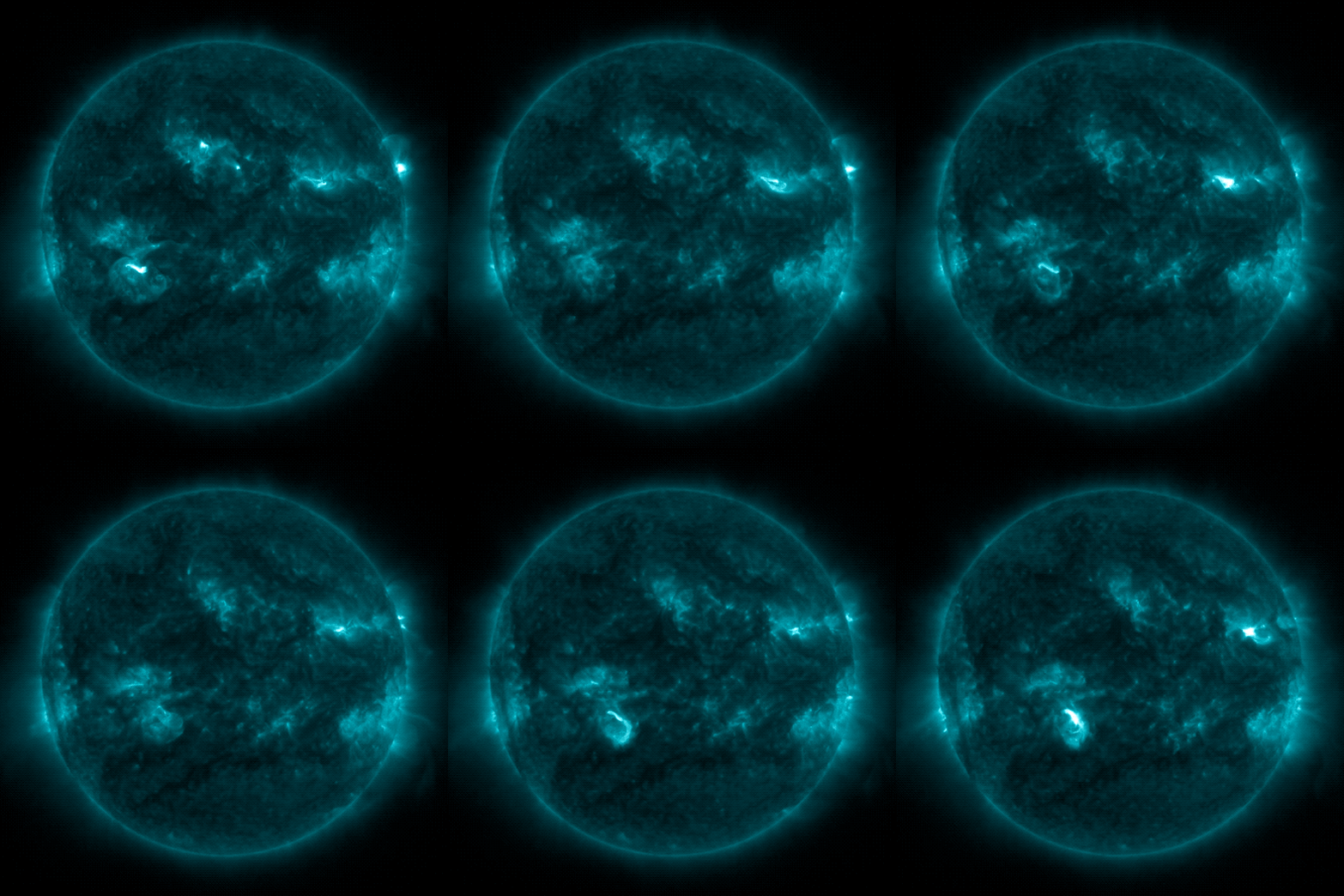
    Sun Releases 3 Strong Solar Flares

    The Sun emitted three strong solar flares on Dec. 29, 2024, peaking at 2:18 a.m. ET, 11:14 p.m. ET, and 11:31 p.m. ET. The National Oceanic and Atmospheric Administration’s Solar Ultraviolet Imager, which watches the Sun constantly, captured images of the events. Solar flares are powerful bursts of energy. Flares and solar eruptions can impact radio …

    Read Full Post

    Station Crew Works Science Installs and Spacewalk Cleanup Before Holidays

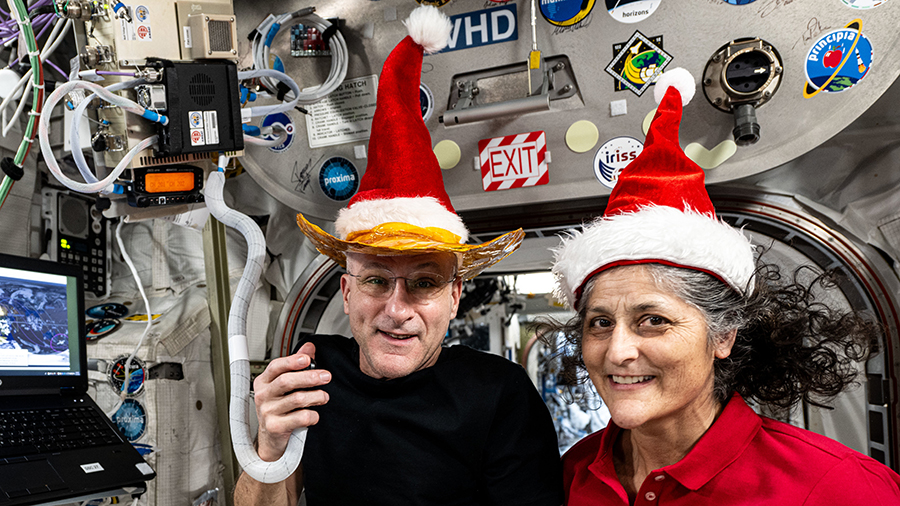
    NASA astronauts Don Pettit and Suni Williams pose for a fun holiday season portrait while speaking on a ham radio inside the Columbus laboratory module.

    Science hardware installations wrapped up the week for the Expedition 72 crew members aboard the International Space Station. The cosmonauts also slept in on Friday following a spacewalk the day before. NASA Flight Engineers Don Pettit and Nick Hague finalized the installation of the European Enhanced Exploration Exercise Device that provides advanced bicycling, rowing, and …

    Read Full Post

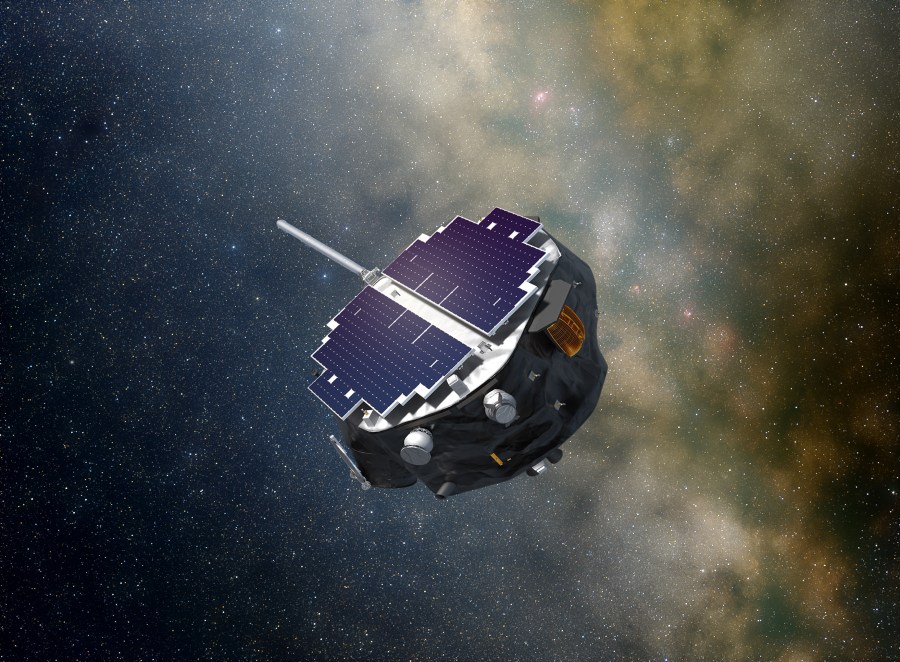
    NASA, ISRO Aiming to Launch NISAR Mission in March 2025

    NASA and the Indian Space Research Organisation (ISRO) are looking at a likely launch date in March 2025 for the NISAR satellite. Short for NASA-ISRO Synthetic Aperture Radar, NISAR will scan nearly all of Earth’s land and ice surfaces twice every 12 days to measure changes in the planet’s ecosystems, its land and sea ice, …

    Read Full Post

    Roscosmos Spacewalkers Finish External Science Work

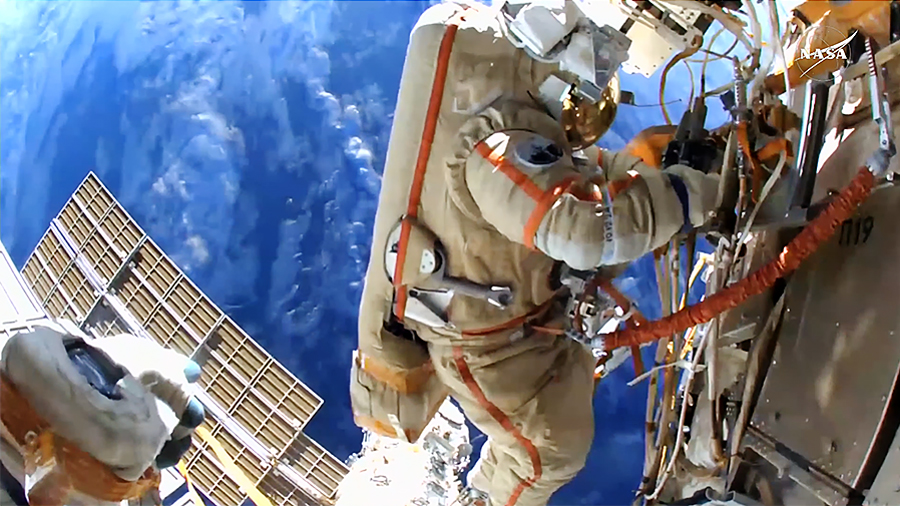
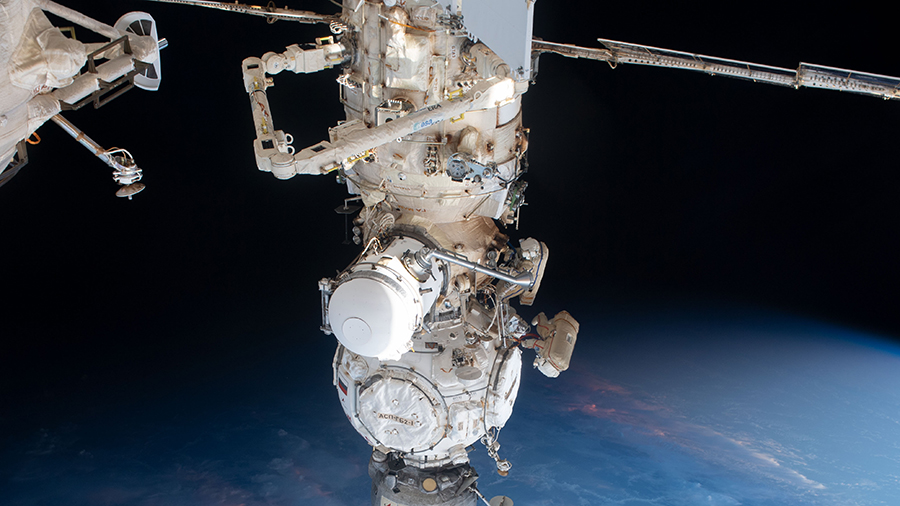
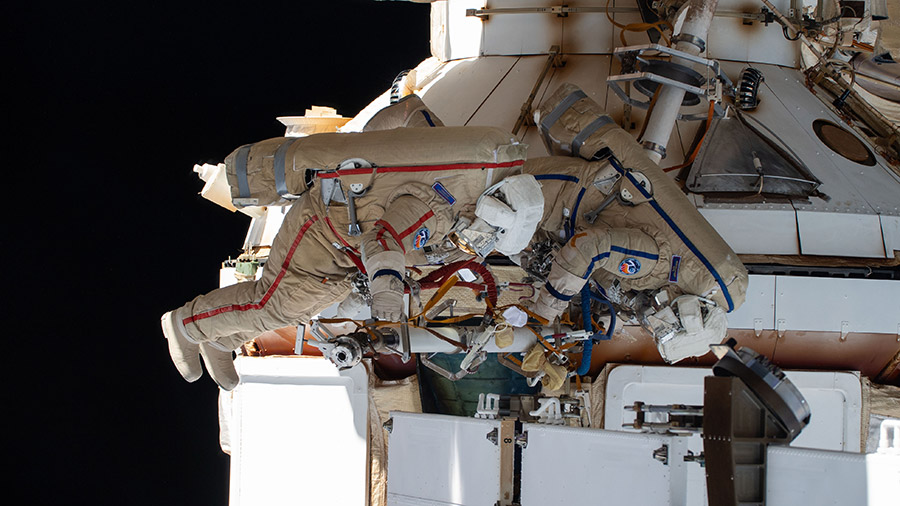
    Cosmonaut Alexey Ovchinin conducts a spacewalk 260 miles above the Earth's surface and removes science hardware attached to the space station's Poisk module. Credit: NASA+

    Roscosmos cosmonauts Alexey Ovchinin and Ivan Vagner concluded their spacewalk Dec. 19 at 5:53 p.m. EST after seven hours and 17 minutes. Ovchinin and Vagner completed all of their major objectives, which included installing an experiment package designed to monitor celestial x-ray sources and new electrical connector patch panels and removing several experiments for disposal. …

    Read Full Post

    Spacewalkers Exit Station for Science and Robotics Work

    Two cosmonauts work outside the space station to activate a radiator on the Nauka science module during a spacewalk on May 12, 2023. At top, is the European robotic arm attached to Nauka.

    Roscosmos cosmonauts Alexey Ovchinin and Ivan Vagner began a spacewalk at 10:36 a.m. EST to install an experiment package designed to monitor celestial x-ray sources and new electrical connector patch panels and remove several experiments for disposal. The two cosmonauts will also relocate a control panel for the European robotic arm, which is attached to …

    Read Full Post

    Cosmonauts Prepare for Science and Robotics Spacewalk

    Cosmonauts Oleg Kononenko (left) and Nikolai Chub (right) are pictured during a spacewalk on Oct.25, 2023, working on the Nauka science module.

    NASA coverage is underway for today’s spacewalk with Roscosmos cosmonauts Alexey Ovchinin and Ivan Vagner. The duo will venture outside the station’s Poisk airlock to install an experiment package designed to monitor celestial x-ray sources and new electrical connector patch panels and remove several experiments for disposal. Additionally, the two cosmonauts will relocate a control …

    Read Full Post

    Artemis Launch Team Successfully Test Upgraded Launch Software

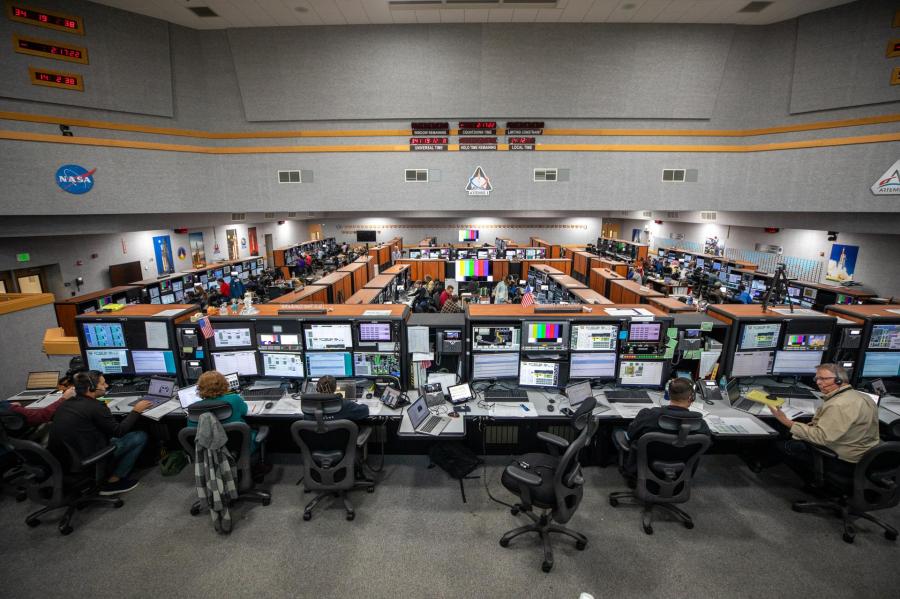
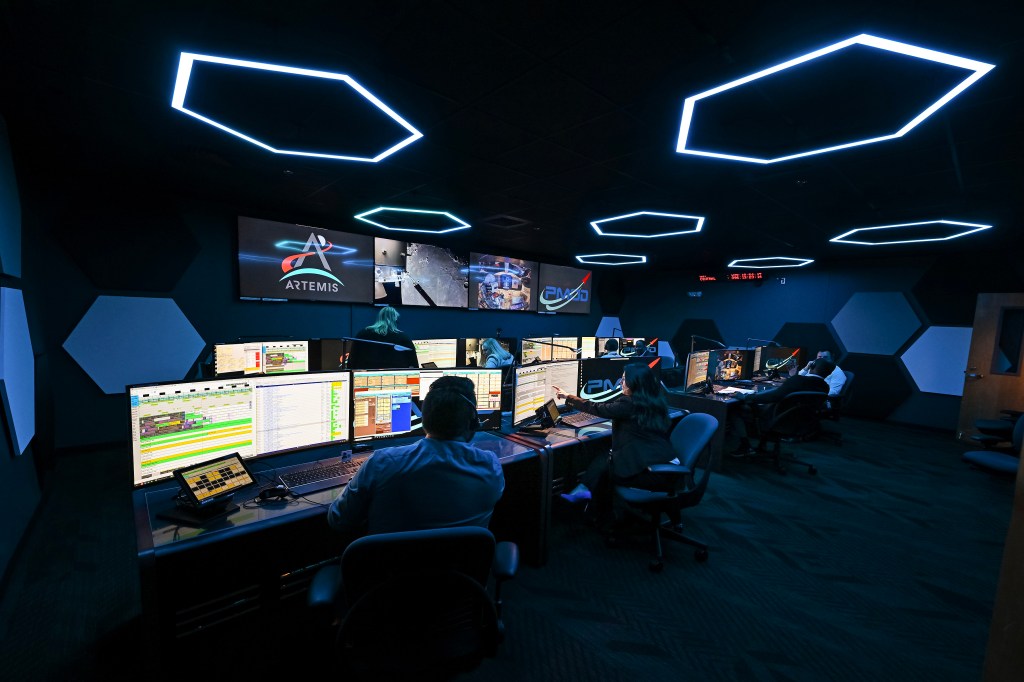
    Members of the Artemis launch team participate in an Artemis II Terminal Count Simulation in Firing Room 1 inside the Launch Control Center at NASA’s Kennedy Space Center in Florida on Friday, Dec. 6, 2024. Teams practiced running through the last hours of launch countdown as part of an integrated ground systems test the Exploration Ground Systems team is undergoing to prepare for Artemis II. This particular operation focused on testing the updated launch control system software the Artemis launch team uses to launch the SLS (Space Launch System) rocket and Orion spacecraft.

    Teams at NASA’s Kennedy Space Center in Florida successfully tested the launch control system, the software used to launch the SLS (Space Launch System) rocket and Orion spacecraft for Artemis Moon missions. The evaluations, which took place in the firing rooms of Kennedy’s Launch Control Center, included testing that software, audio, and imagery displays function …

    Read Full Post