








Suggested Searches

Blogs

  • NASA’s TRACERS Mission Targeting Launch on July 22

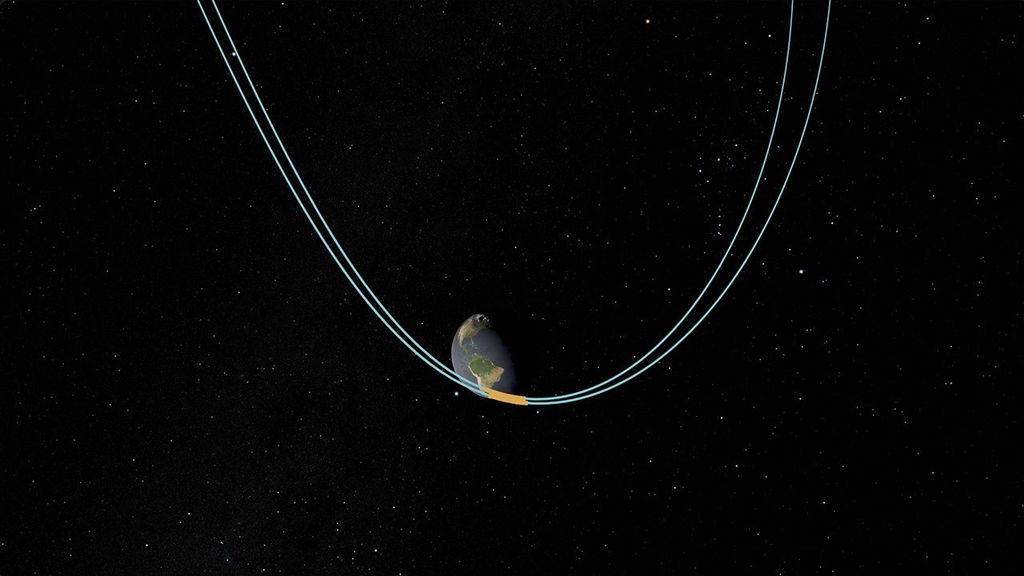
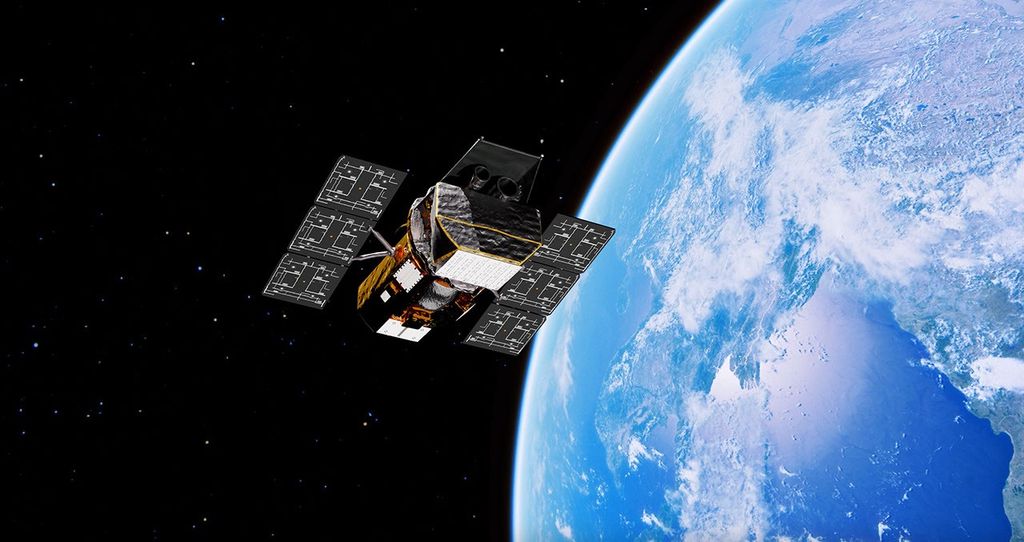
    NASA’s TRACERS (Tandem Reconnection and Cusp Electrodynamics Reconnaissance Satellites) spacecraft are targeting launch aboard a SpaceX Falcon 9 rocket during a launch window that opens at 2:13 p.m. EDT (11:13 a.m. PDT) on Tuesday, July 22. The TRACERS mission and three NASA small satellites will launch from Space Launch Complex 4 East at Vandenberg Space […]

  • NASA Conducts Solar Array Testing on Interstellar Mapping Spacecraft

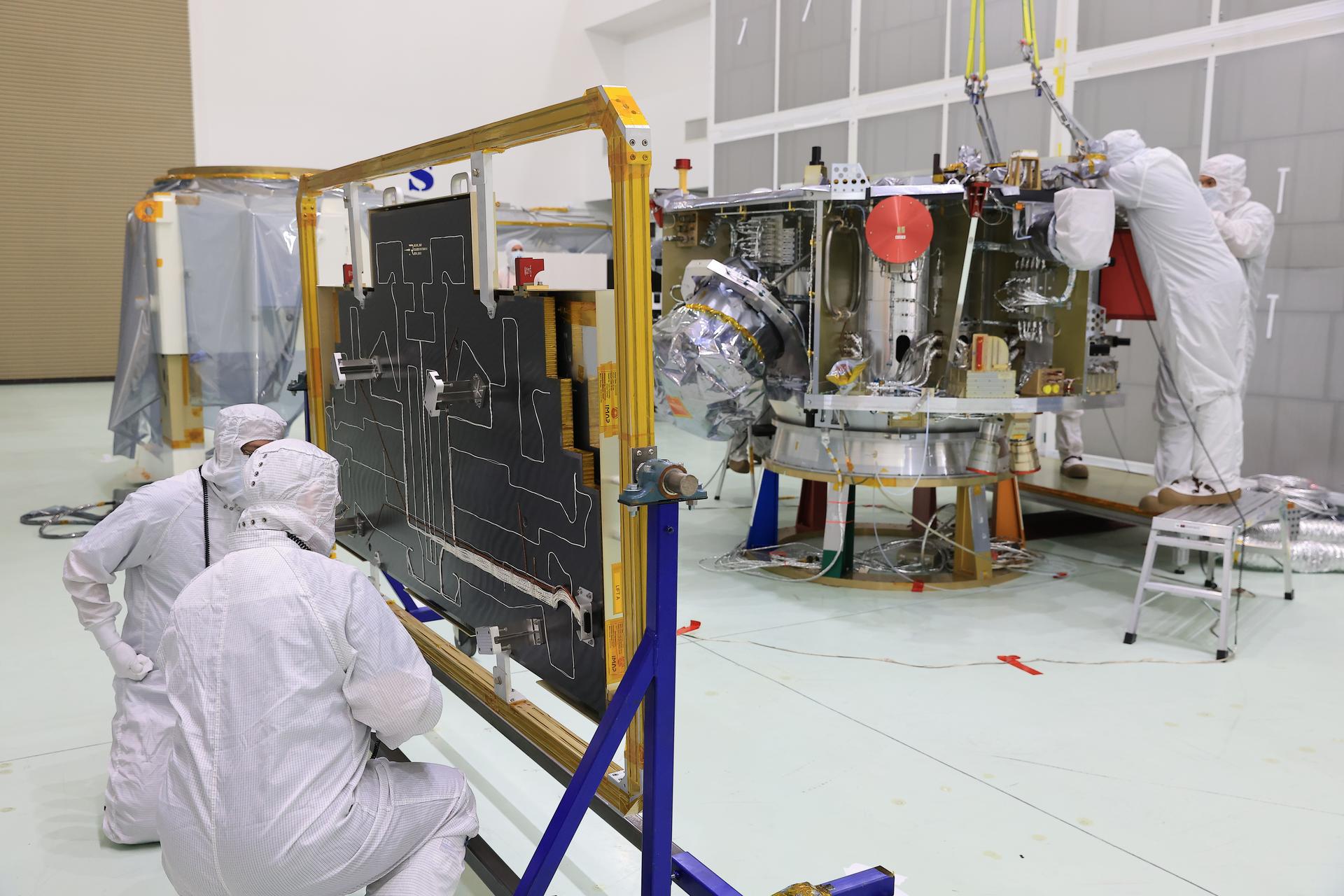
    Technicians installed a key piece of hardware that will help power NASA’s IMAP (Interstellar Mapping and Acceleration Probe) observatory on its upcoming journey one million miles away from Earth. The launch processing team integrated and tested the two-panel solar array for the spacecraft on Thursday, July 17, at the Astrotech Space Operations Facility near the […]

  • NASA’s SpaceX Crew-11 Enters Quarantine

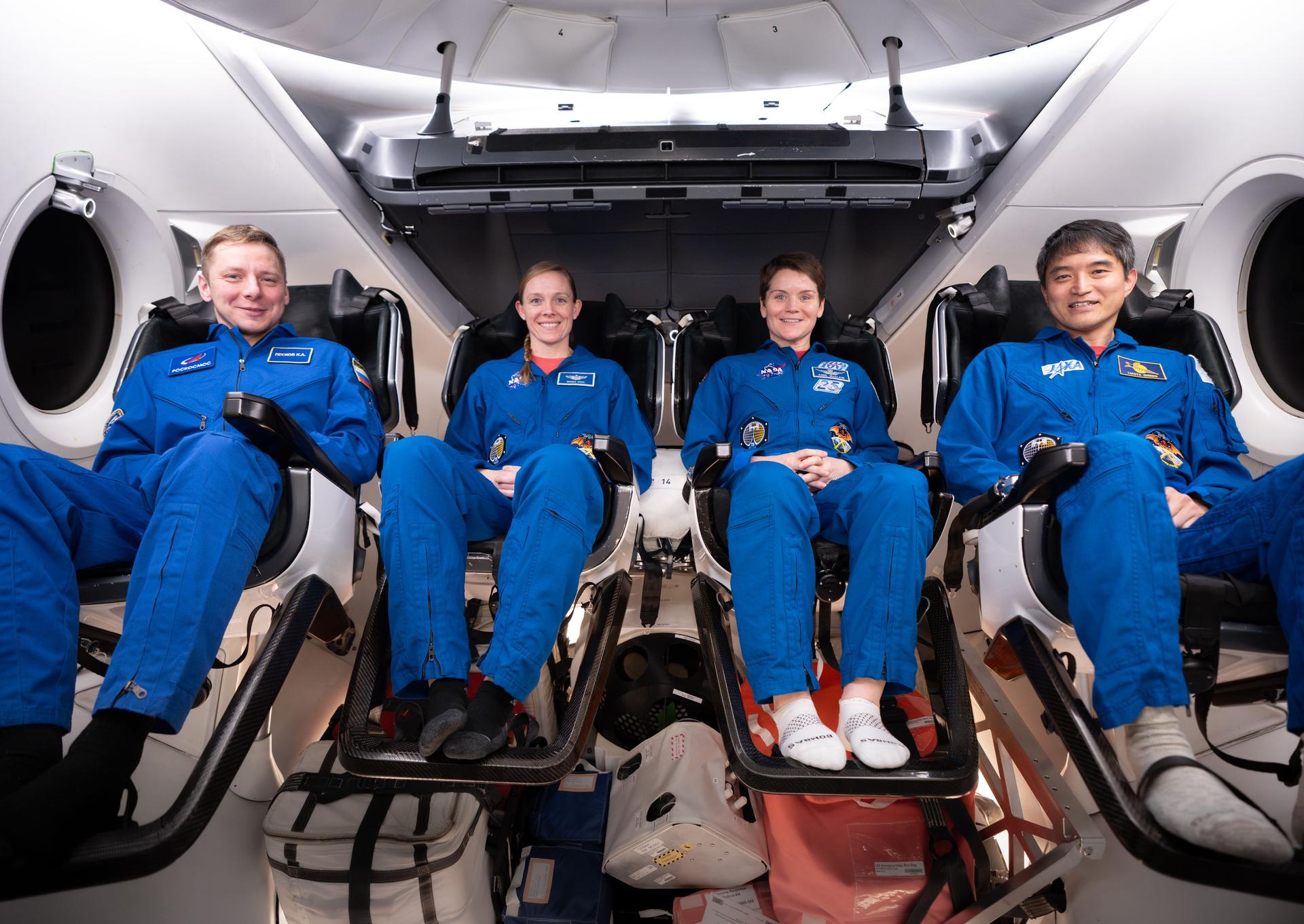
    The crew of NASA’s SpaceX Crew-11 mission pose for a photo during a training session for their upcoming trip to the International Space Station at SpaceX facilities in Florida. From left: Oleg Platonov, Mike Fincke, Zena Cardman, and Kimiya Yui.

    The four crew members slated to fly aboard NASA’s SpaceX Crew-11 mission entered quarantine on Thursday, July 17, at NASA’s Johnson Space Center in Houston. The start of NASA’s routine health stabilization program is one of the last major milestones before they travel from Houston to the agency’s Kennedy Space Center in Florida in preparation […]

  • Human Research on Station Helping Keep Long Term Crews Healthy

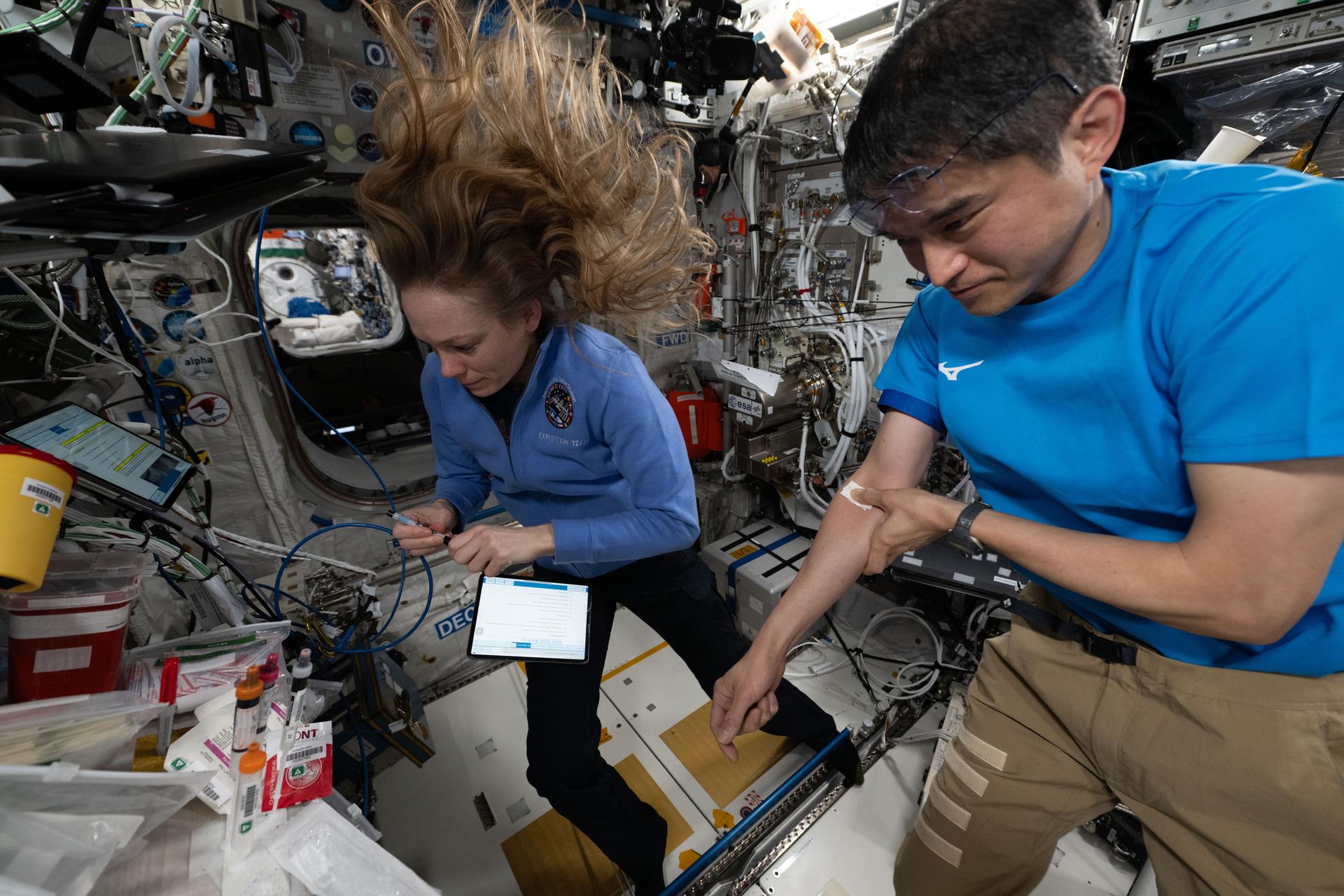
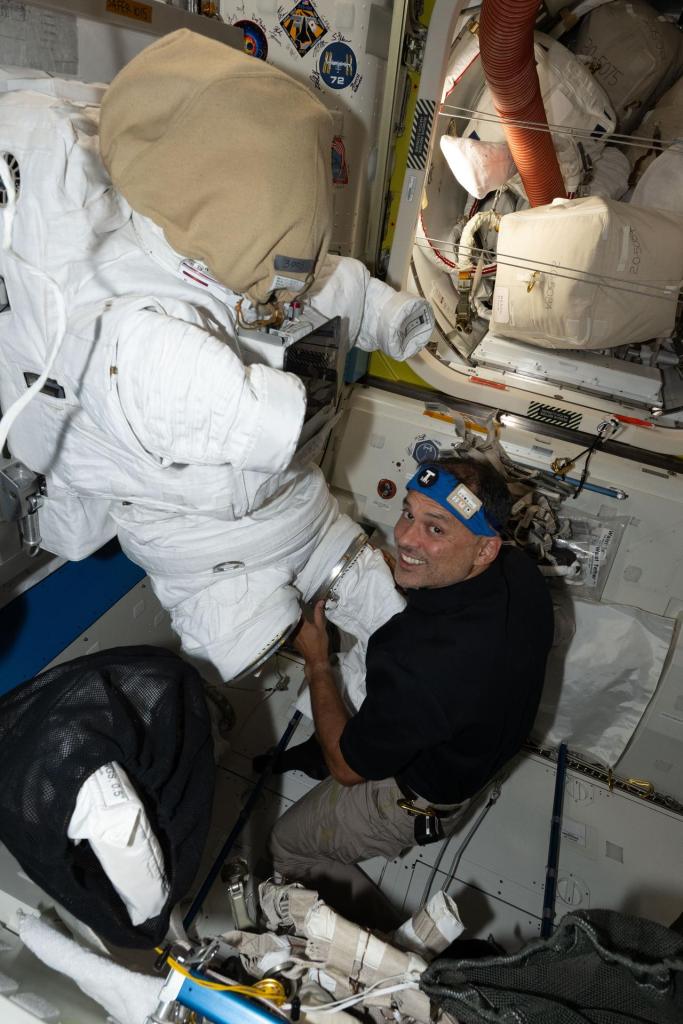
    Expedition 73 Flight Engineer Nichole Ayers of NASA and International Space Station Commander Takuya Onishi of JAXA (Japan Aerospace Exploration Agency) collect blood samples for the Immunity Assay human research investigation. The study will analyze the blood samples for signs of space-caused stress on cellular immune function to help doctors monitor crew health and keeps crews healthy on long term space missions.

    Heart scans, breathing measurements, and a fitness test led the research activities aboard the International Space Station on Thursday giving doctors continuous insight into microgravity’s effect on the human body. The Expedition 73 residents also ensured the advanced science hardware and life support gear remain in tip-top shape aboard the orbital outpost.

  • Ax-4 Returns Home; Expedition 73 Studies Space Effects on Heart, Nervous System

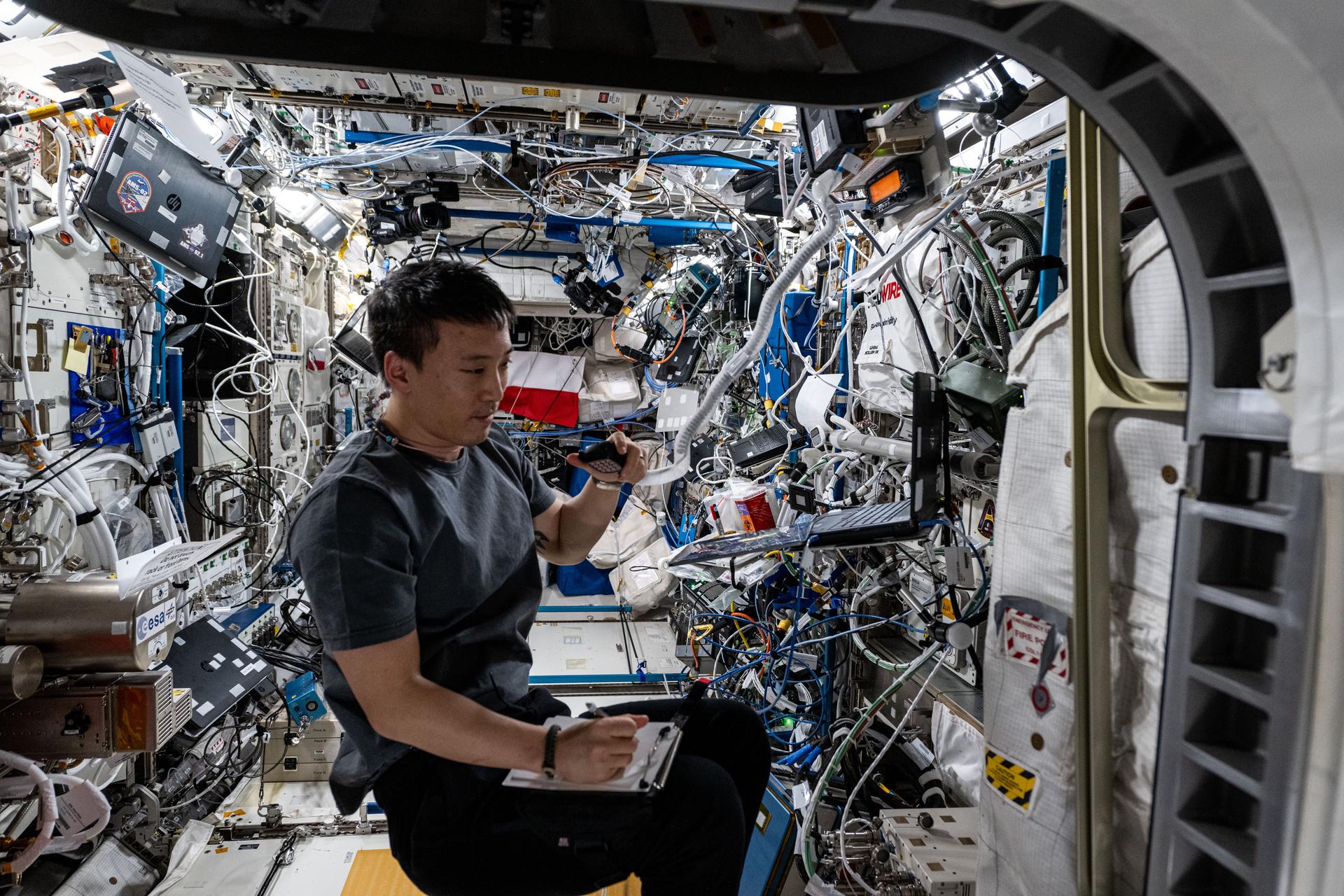
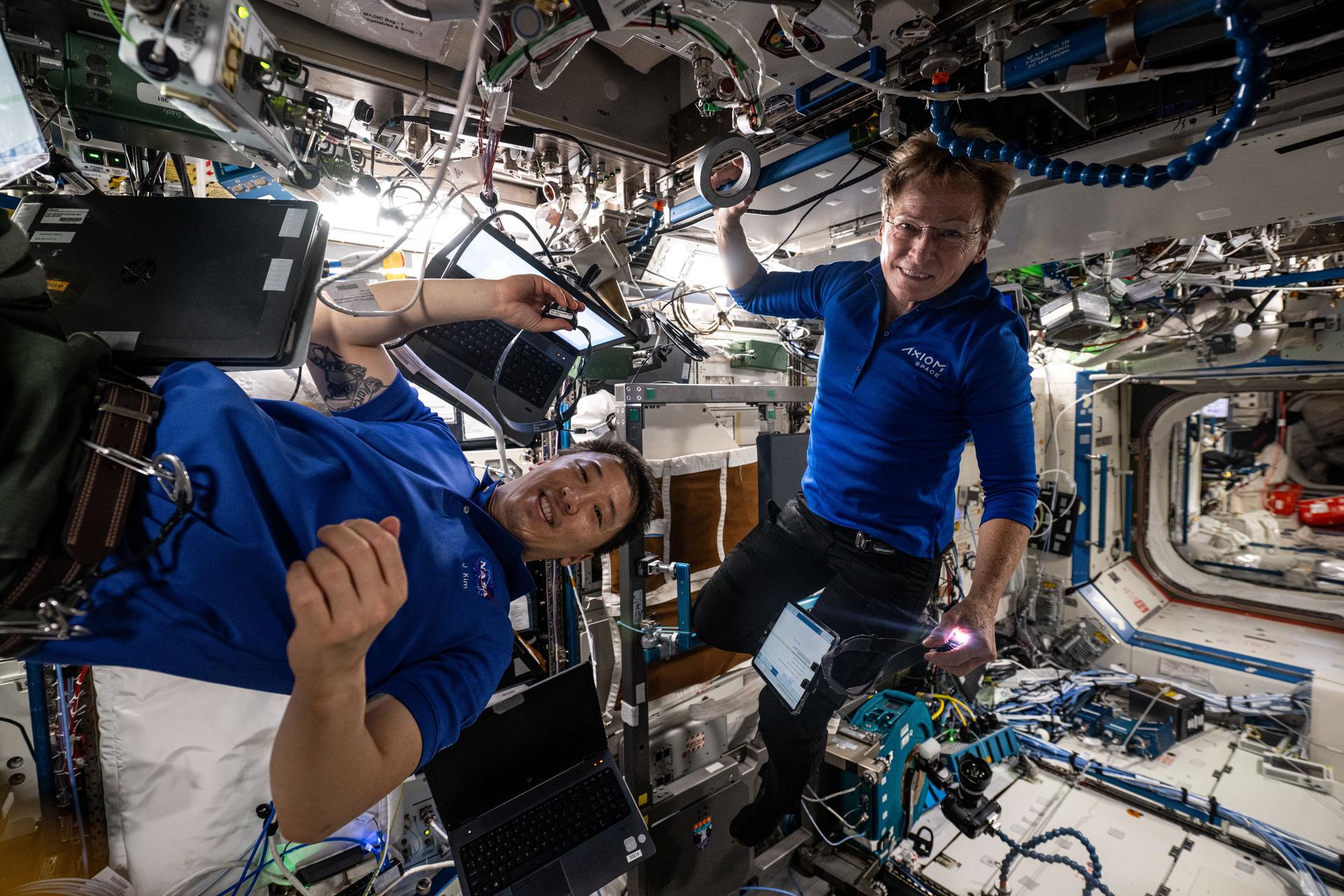
    Expedition 73 Flight Engineer Jonny Kim from NASA and Axiom Mission 4 Commander Peggy Whitson work together inside the International Space Station's Destiny laboratory module setting up research hardware to culture patient-derived cancer cells, model their growth in microgravity, and test a state-of-the-art fluorescence microscope. Results may lead to earlier cancer detection methods, development of advanced cancer treatments, and promote future stem cell research in space.

    Axiom Mission 4 (Ax-4) splashed down in the Pacific Ocean at 2:31 a.m. PDT Tuesday ending a 20-day spaceflight that saw the private astronauts perform critical microgravity research aboard the International Space Station. Veteran astronaut Peggy Whitson, who has accumulated 695 days in space over five missions, led Pilot Shubhanshu Shukla and Mission Specialists Sławosz Uznański-Wiśniewski and Tibor Kapu back to Earth aboard the SpaceX Dragon spacecraft.

  • NASA’s Webb Finds Possible ‘Direct Collapse’ Black Hole

    Editor’s Note: This post highlights a combination of peer-reviewed results and data from Webb science in progress, which has not yet been through the peer-review process. As data from NASA’s James Webb Space Telescope becomes public, researchers hunt its archives for unnoticed cosmic oddities. While examining images from the COSMOS-Web survey, two researchers, Pieter van […]