





















SCaN.
Science and exploration, enabled.
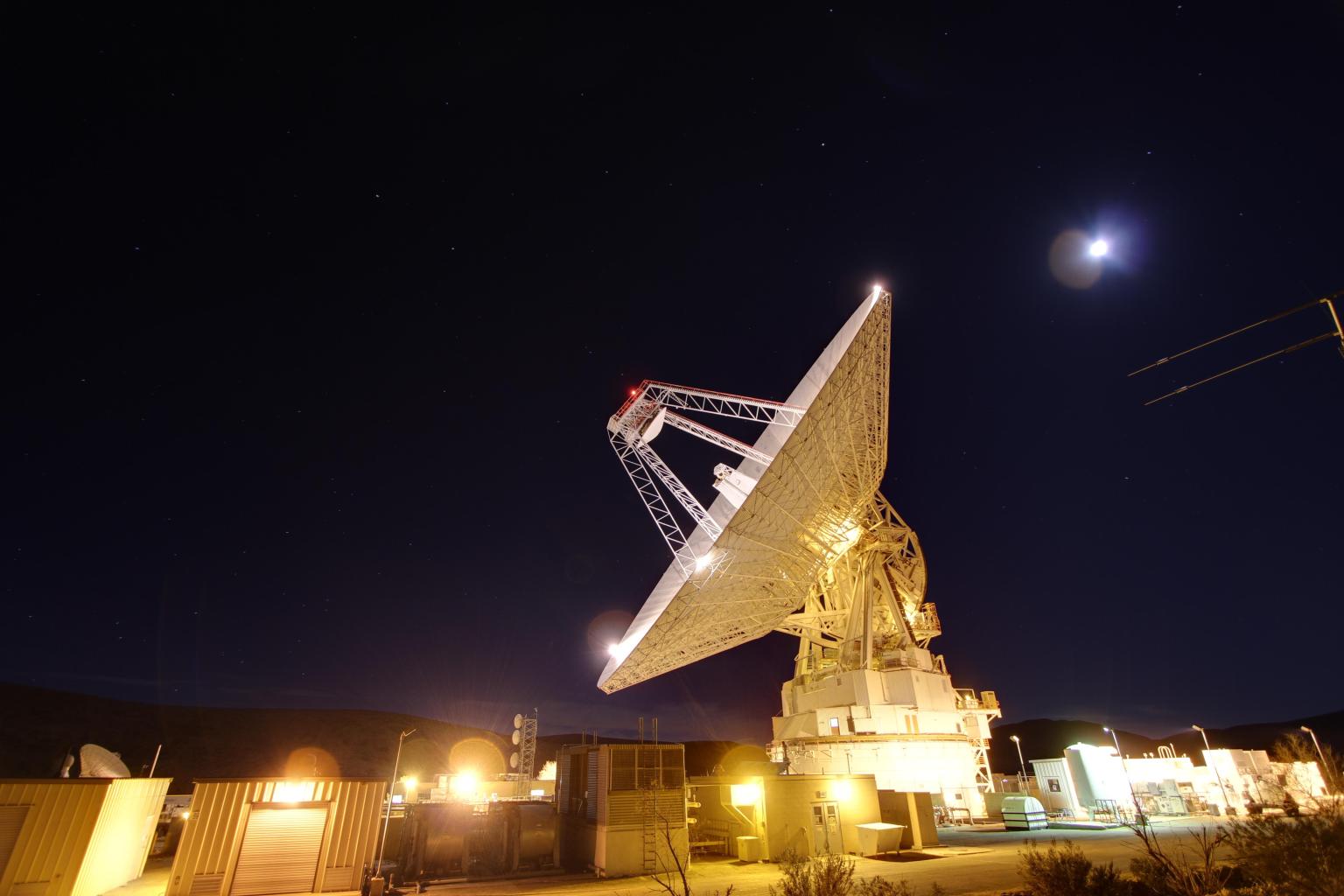
The SCaN (Space Communications and Navigation) Program operates and manages the communications and navigation systems that are critical to every NASA mission. Spacecraft commands, never-before-seen images, and scientific data are sent and received daily by NASA’s giant antennas on Earth. From the Voyager mission exploring beyond our solar system, to astronauts onboard the International Space Station, space communications provide the crucial connection to our home planet.
Global Communications Networks
Missions Enabled
Earth and Beyond
Enabling missions within one million miles of Earth.
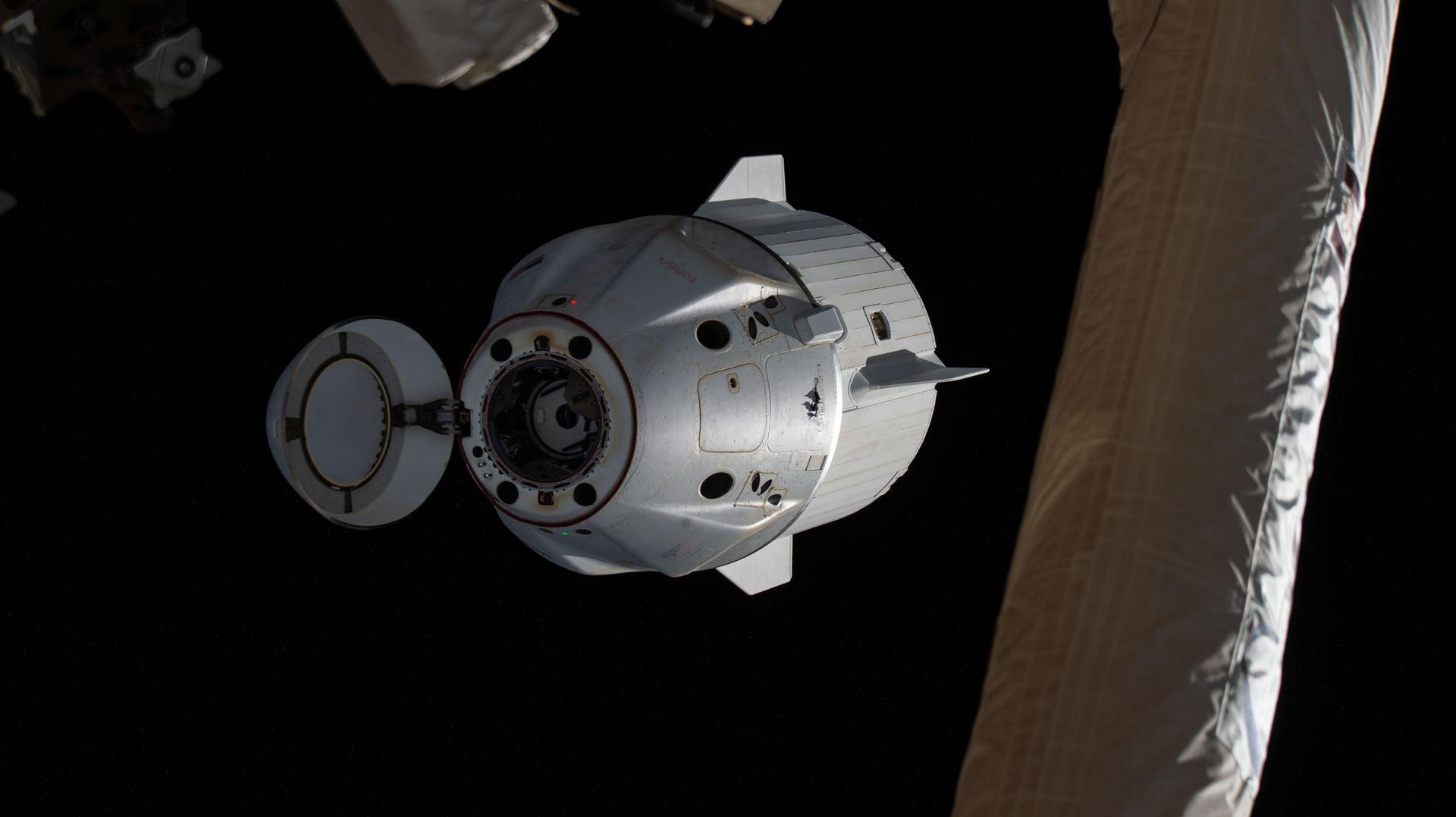
Astronauts onboard the International Space Station, missions monitoring Earth, and spacecraft exploring the Moon and beyond depend on NASA’s Near Space Network for communications and navigation services. Using a blend of government and commercial assets, the network supports science and exploration missions bringing back terabytes of critical data each day.
Exploring the Farthest Points of Our Solar System
Keeping in touch, no matter the distance.
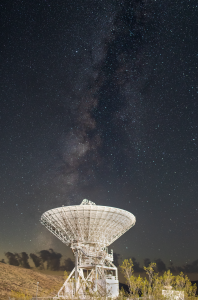
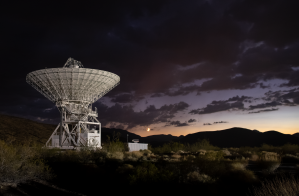
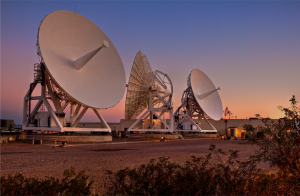
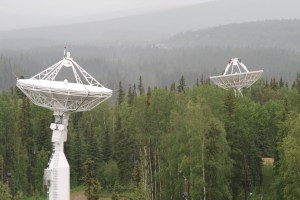
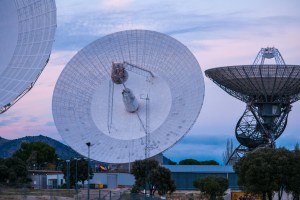
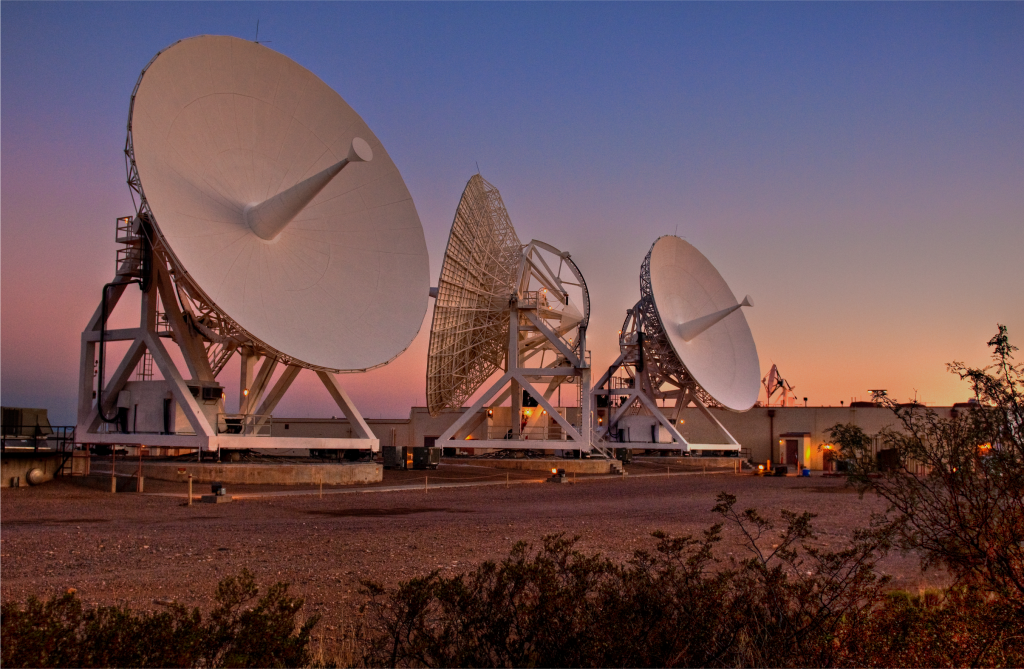
The Deep Space Network (DSN) is NASA’s international array of giant radio communications antennas (with dish diameters of 34- and 70-meters) located at Goldstone, near Barstow, California, Madrid, Spain, and Canberra, Australia. The DSN supports spacecraft communication and navigation at the Moon, Mars and beyond, and its planetary radar and radio astronomy help scientists better understand the nature of our solar system and universe.

SCaN’s Road to Artemis
SCaN is supporting a new era of lunar exploration.
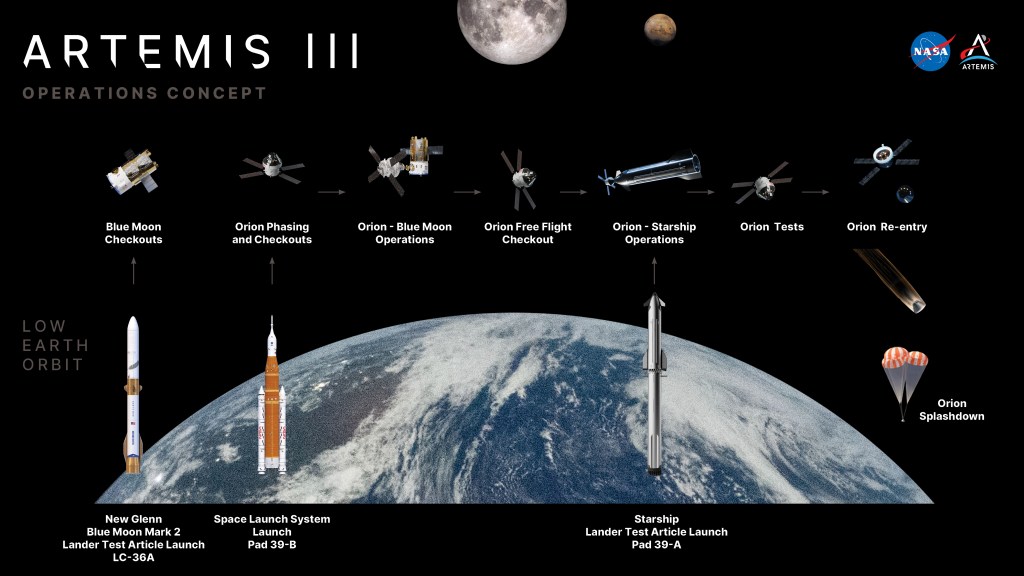
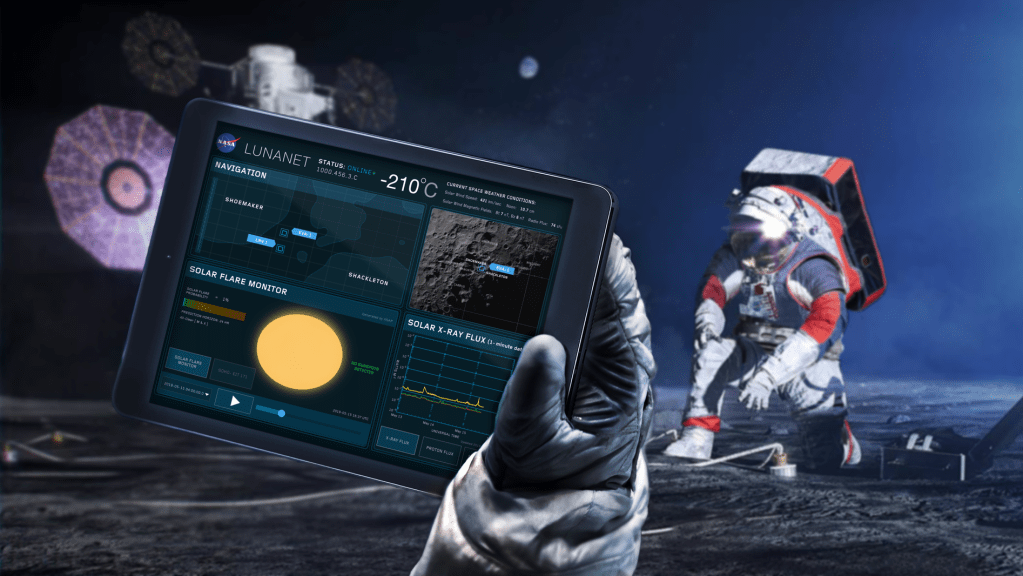
SCaN contributes to NASA’s exploration of the Moon, Mars, and beyond. The program’s lunar activities encompass communications and navigation support to the Artemis missions, bringing internet-like capabilities to the Moon, and providing astronauts with robust search and rescue capabilities.
Commercial Space
We’re adopting safe, reliable, and cost-effective commercial services.
SCaN is transforming its near space communications services and engaging the commercial industry for both direct-to-Earth and space relay communications services. Through public-private partnerships, SCaN is embracing new opportunities and building a safe, interoperable communications ecosystem.

We Are SCaN
SCaN’s global network is sustained through continuous modernization and partnerships, ensuring reliable support for current and future missions while integrating commercial services to expand capacity and reduce cost.
Learn MoreSCaN's Focus Areas and Technologies
Our technologies are critical to every NASA mission.

Inquire about SCaN Services and Scheduling
SCaN offers a comprehensive set of standard services based upon its charter to provide communications and navigation for its customers from launch through the entire mission life cycle.

GPS and PNT Policy
SCaN leads in the development of NASA’s overall navigation capability through spectrum coordination, data standards development, and research and development of GPS applications.
Wideband Technology
NASA is collaborating with industry to increase the amount of data NASA missions can send and receive across multiple networks and radio frequencies.
Laser Communications
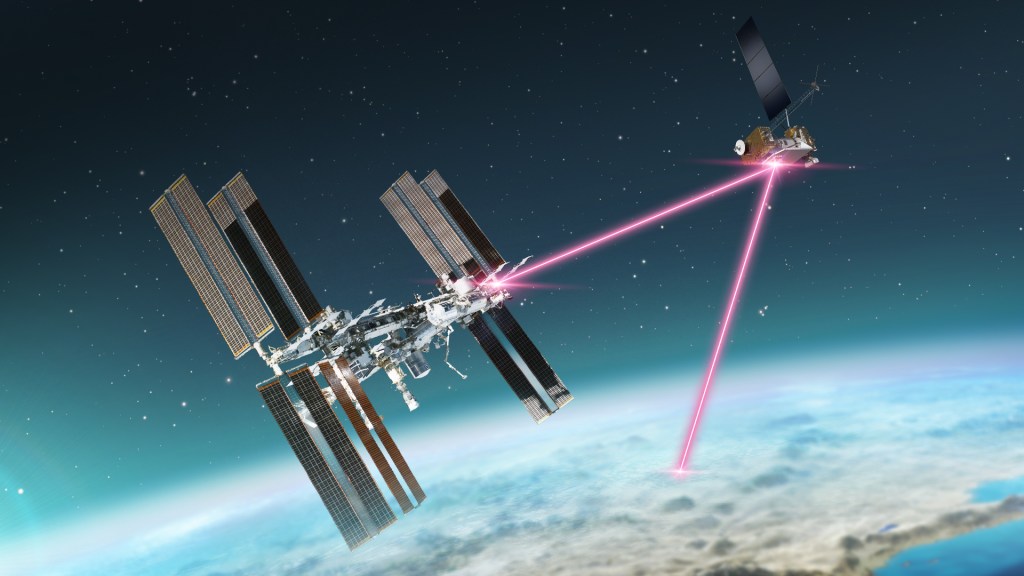
Optical, or laser, communications uses infrared light to transmit 10 to 100 times more data back to Earth than current radio frequency systems.
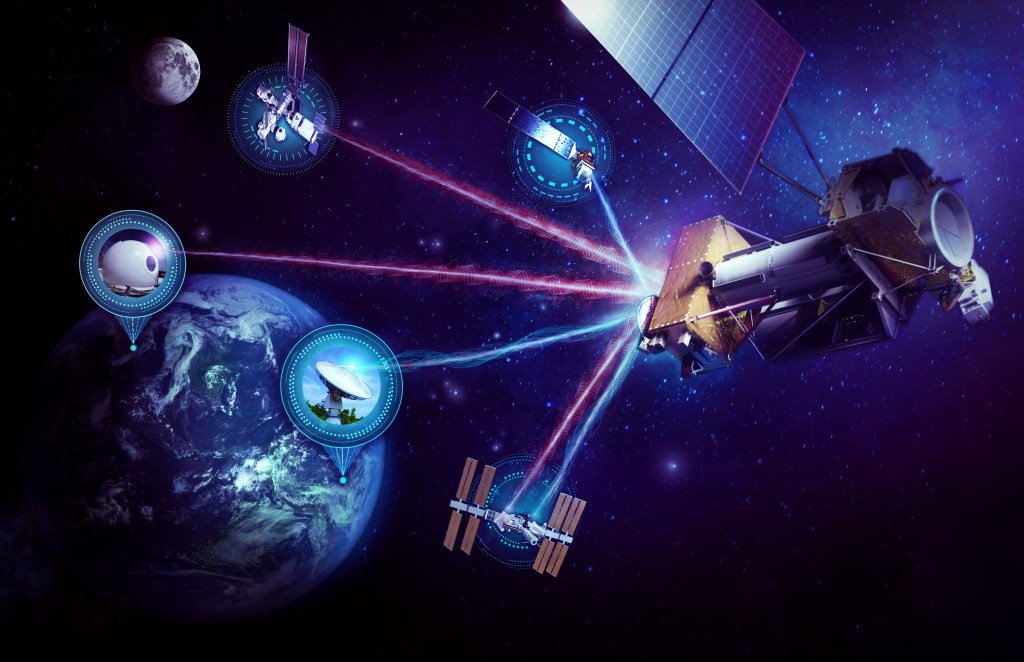
Delay/Disruption Tolerant Networking (DTN)
Delay/Disruption Tolerant Networking enables reliable data transfer even in places with regular signal interference, including deep space, lunar, and other planetary missions.

Moon to Mars Technologies
SCaN is implementing cutting-edge technologies to create a resilient, interoperable future in lunar and deep space.

Spectrum
SCaN provides spectrum management on behalf of NASA at both the national and international stages, enabling secure and efficient communication networks.
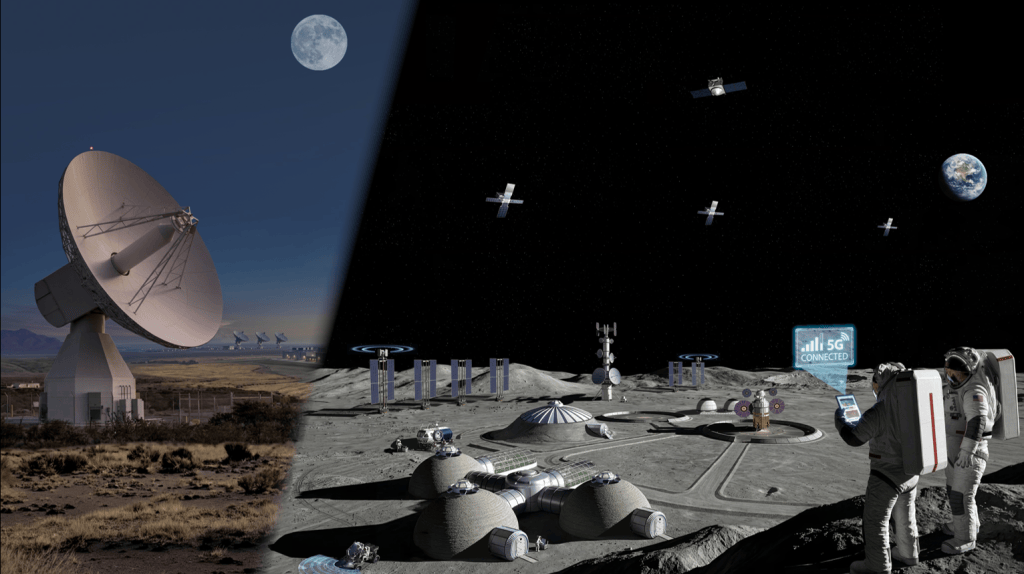
Expanding Lunar Infrastructure
NASA and industry are building a global network of ground stations to increase the amount of data we can bring home from the Moon.
Latest News
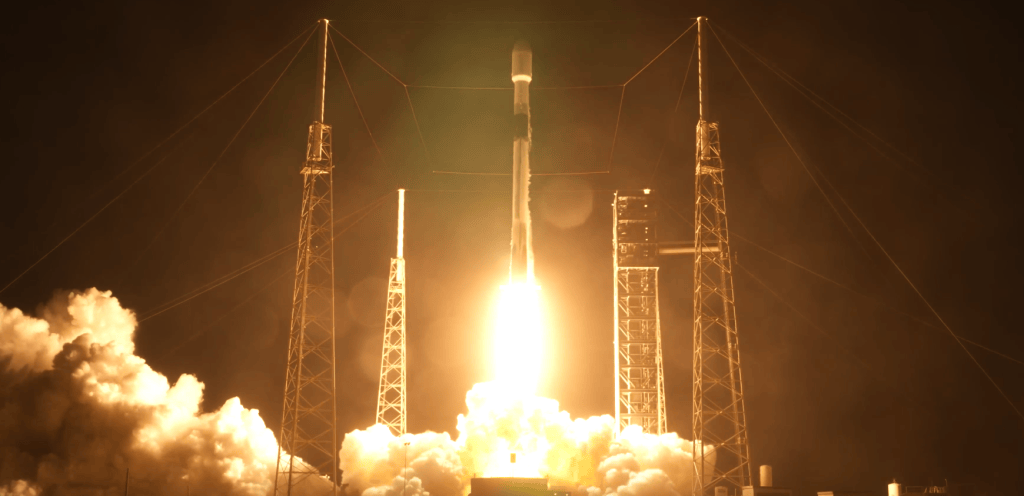

NASA Selects Blue Origin as Mars Telecommunications Network Provider
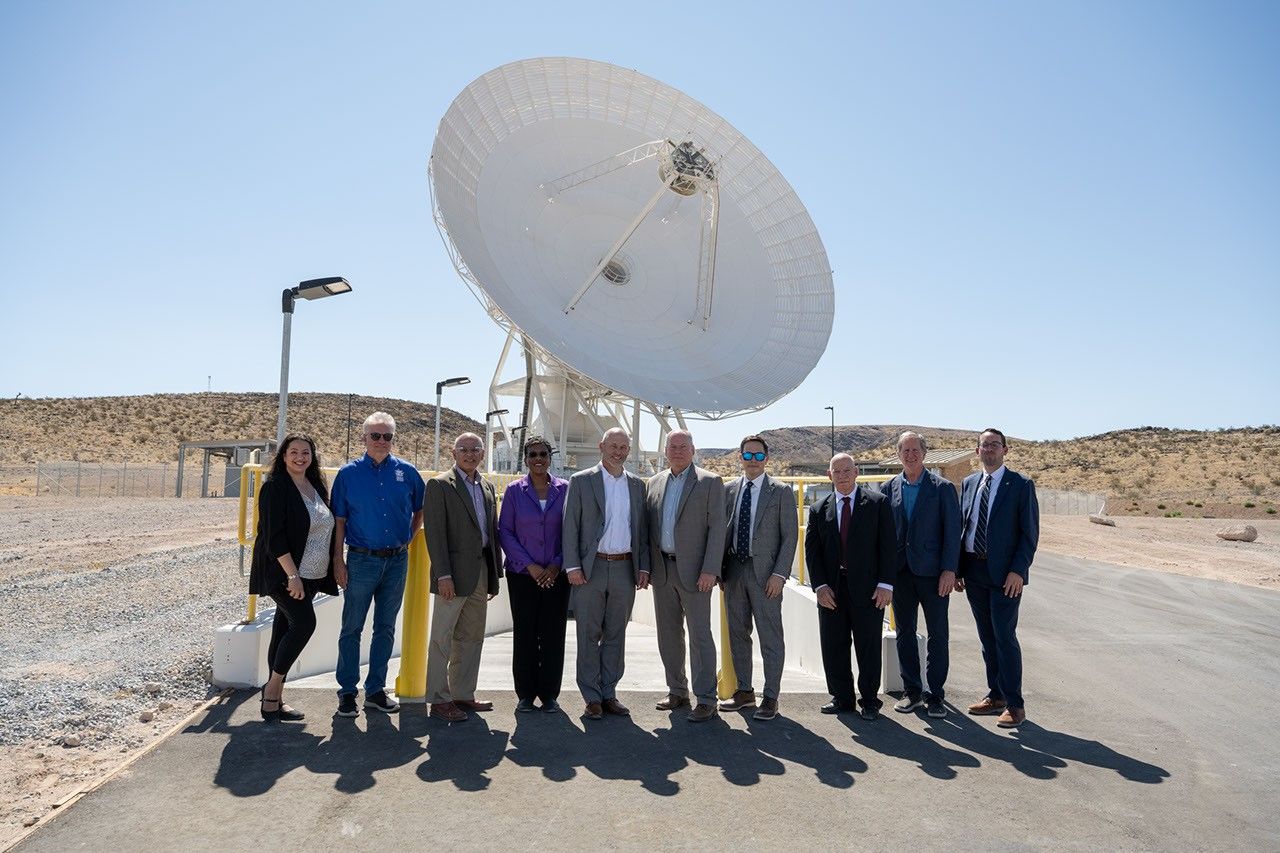
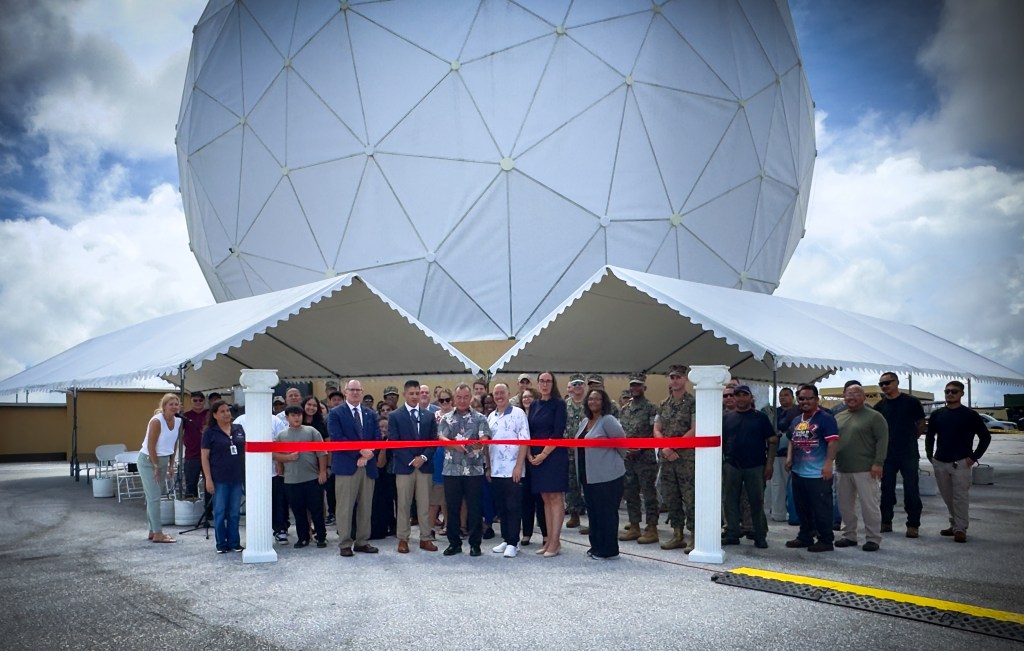
Ribbon-Cutting Event for NASA Deep Space Network’s Deep Space Station 23
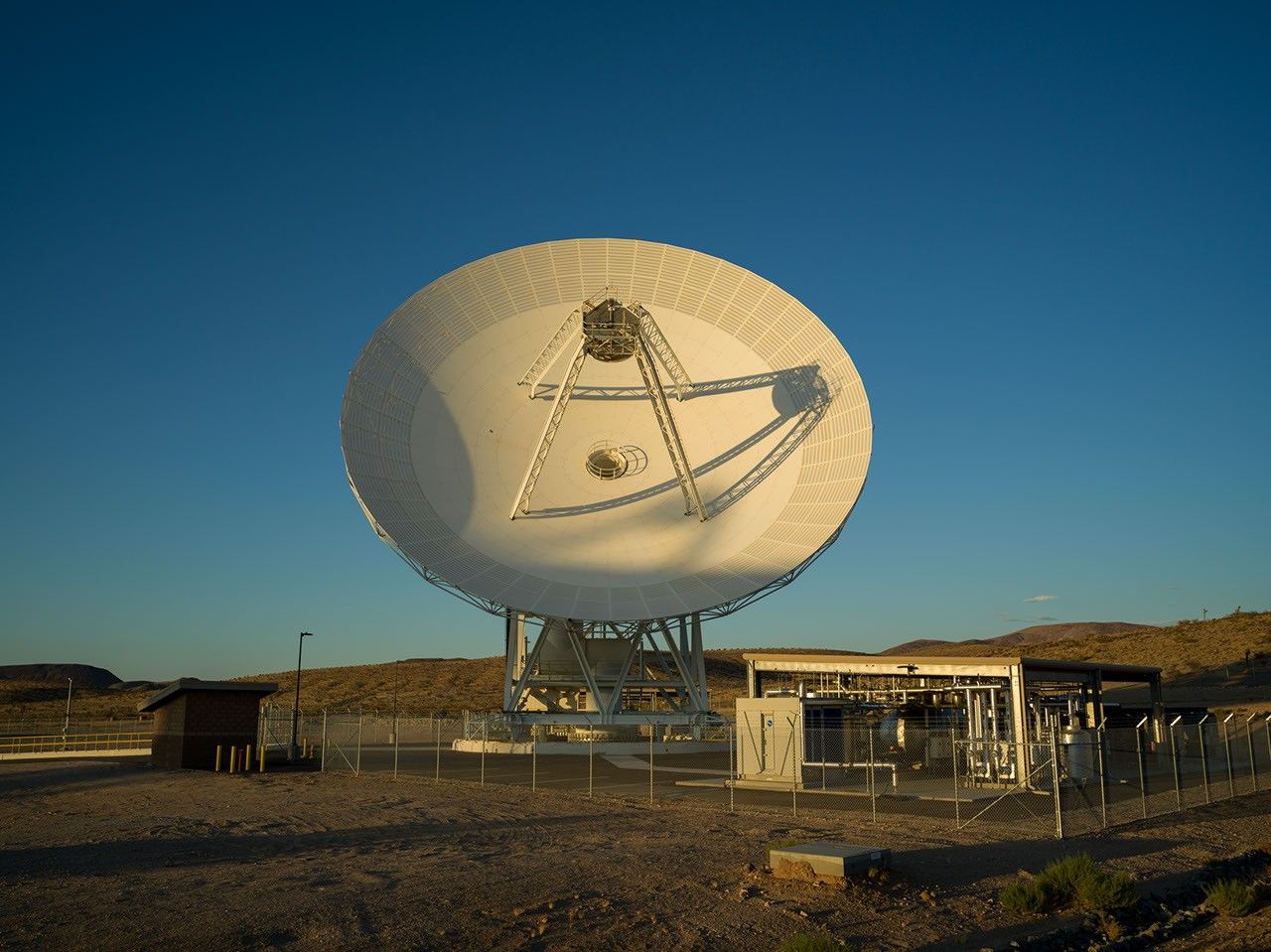
NASA Deep Space Network’s New Goldstone Antenna Goes Online
Space Communications: 7 Things You Need to Know
NASA’s Space Communications and Navigation (SCaN) program enables this data exchange, whether it’s with astronauts aboard the International Space Station,…
Read the Story