
















NASA’s Pandora Mission, CubeSats Ready for Flight
Editor’s Note: This media advisory was updated Jan. 12, 2026 to correct the description of the SPARCS CubeSat.
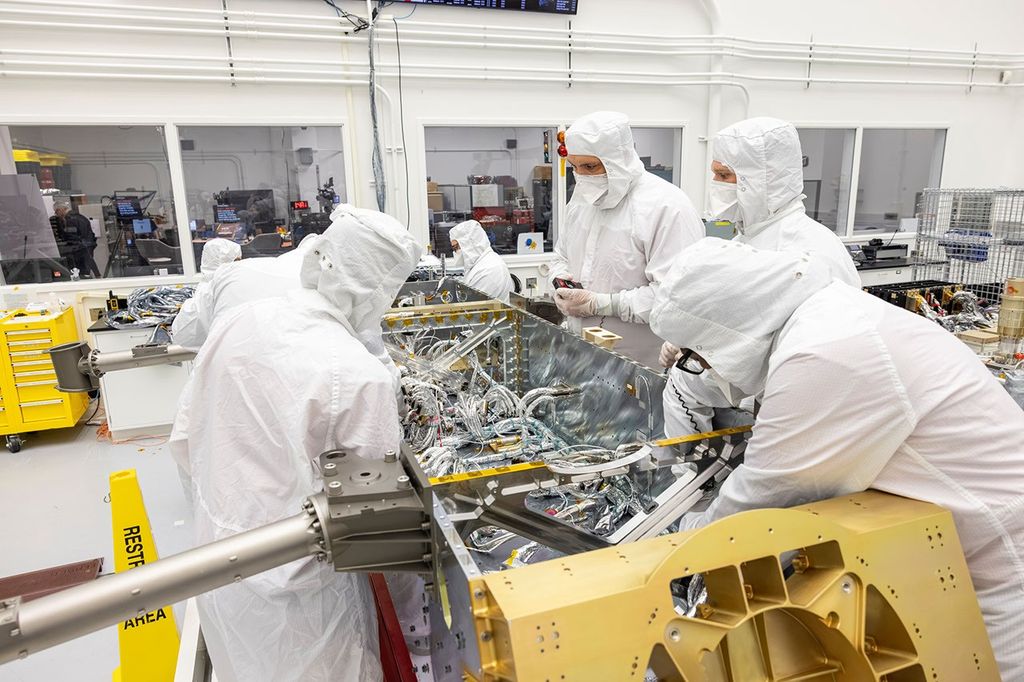
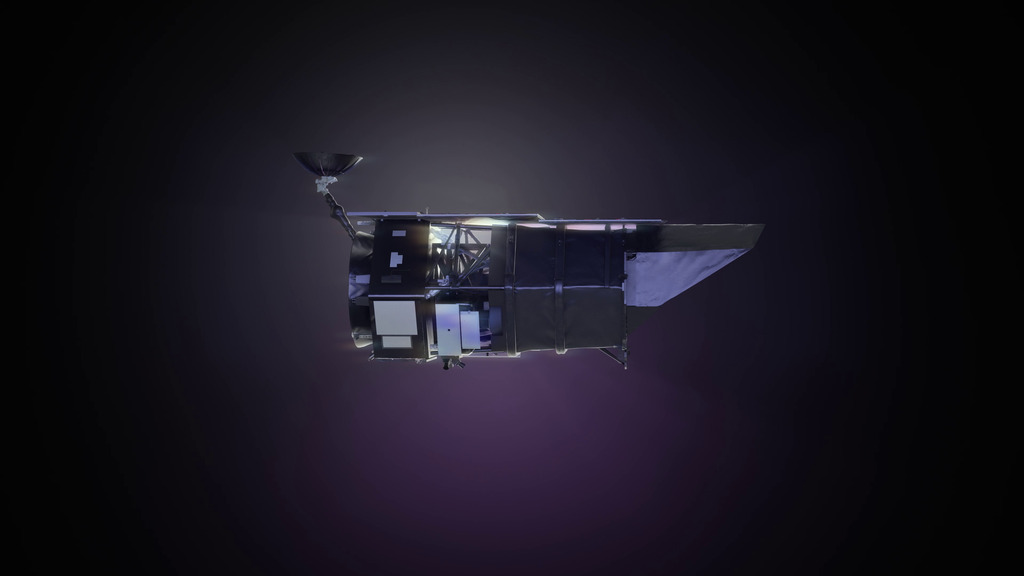
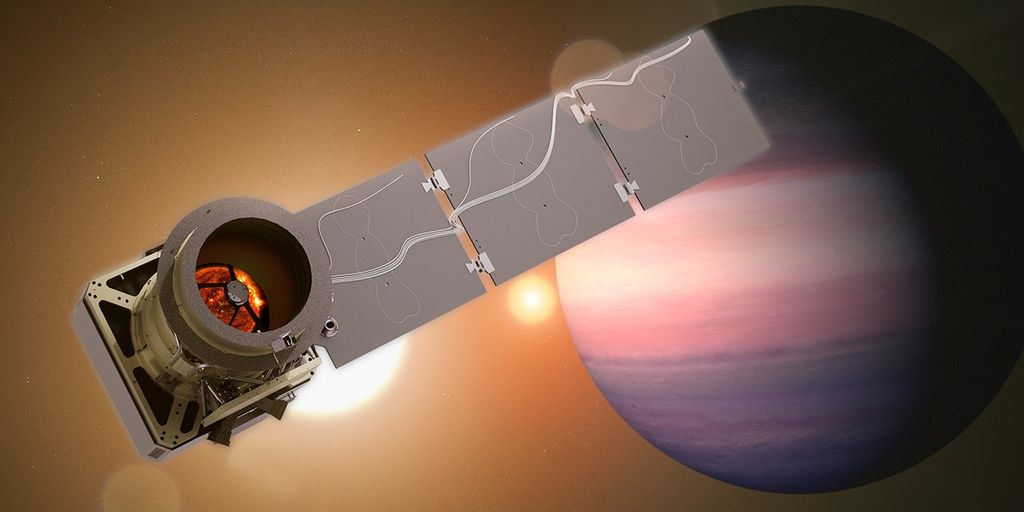
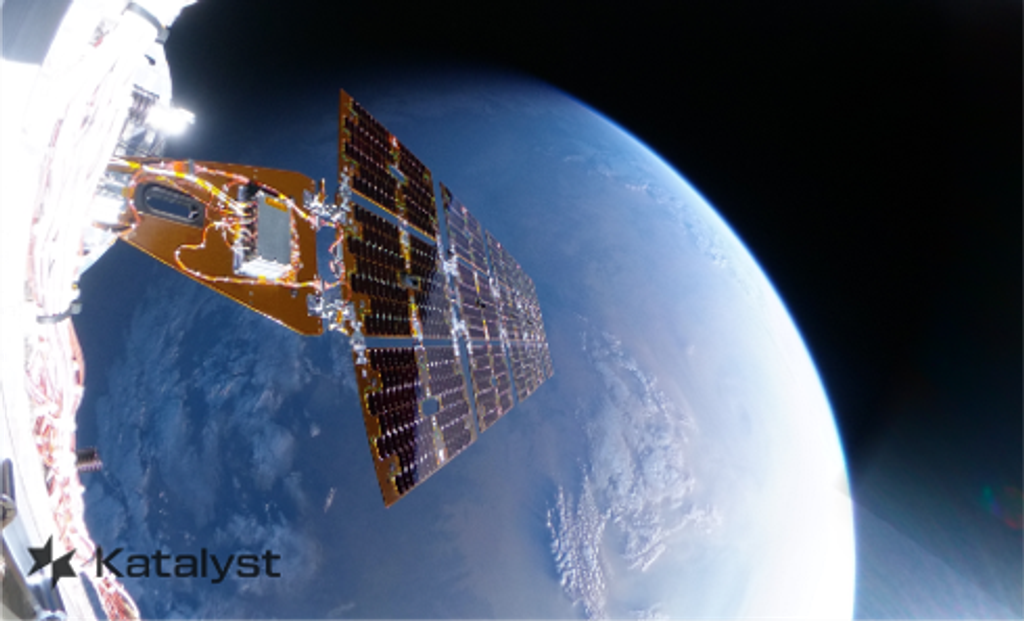
NASA’s Pandora small satellite is preparing to launch to low Earth orbit, where it will study exoplanet atmospheres and their stars.
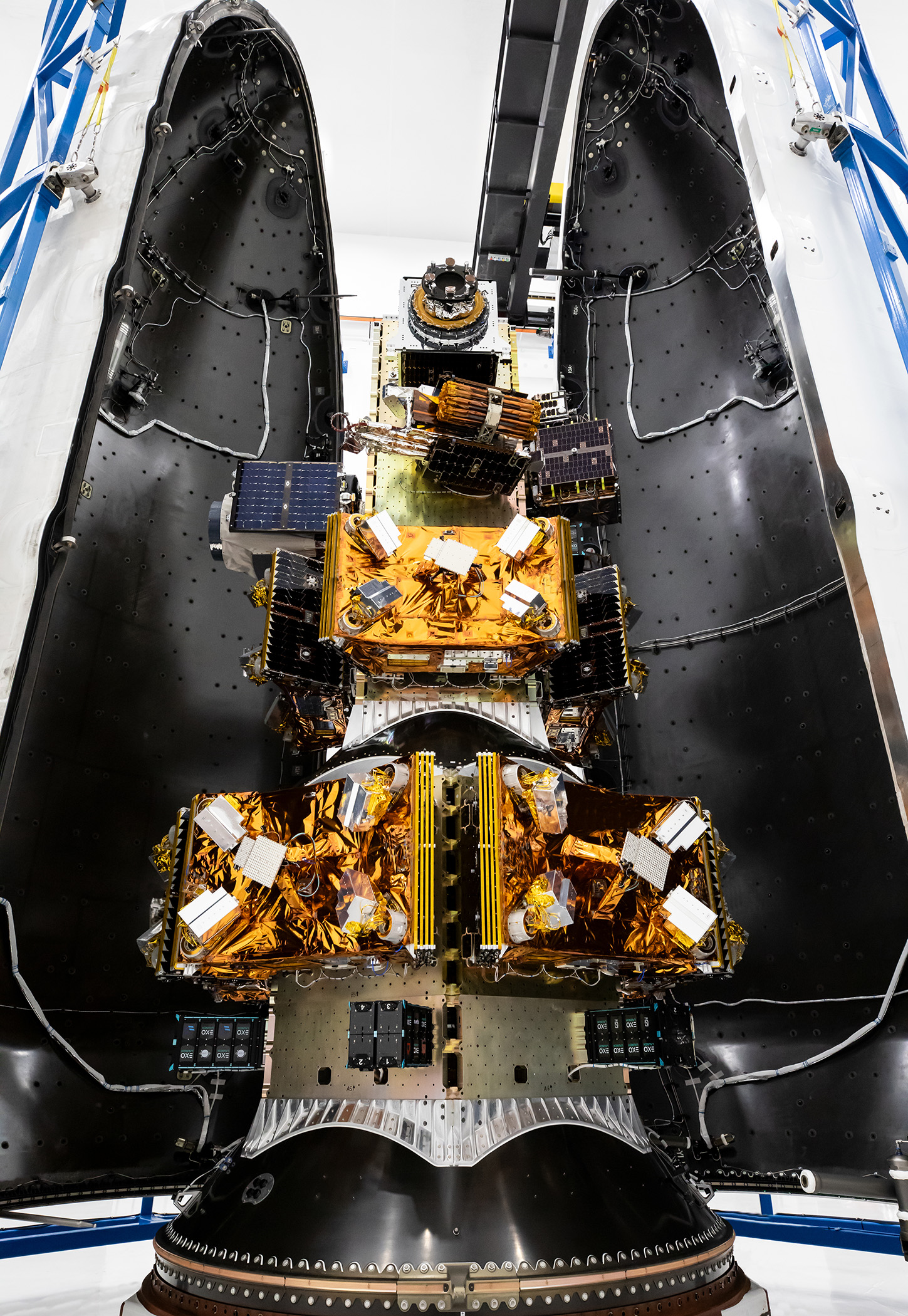
Pandora is part of the Twilight rideshare mission with SpaceX and is set to launch aboard the company’s Falcon 9 rocket. SpaceX is targeting launch at 8:44 a.m. EST (5:44 a.m. PST) today from Space Launch Complex 4 East at Vandenberg Space Force Base in California. A live webcast of this mission will begin at 8:30 a.m. , watch the launch coverage here.
Pandora will examine at least 20 exoplanets, which are worlds outside our solar system, previously discovered by missions including NASA’s James Webb Space Telescope, Kepler, and TESS (Transiting Exoplanet Survey Satellite), along with their host stars. Pandora’s observations will build on these discoveries by determining whether a planet’s atmosphere contains hazes, clouds, or water, or whether the signals of those substances come from the star. It will conduct long, continuous observations as the planets orbit their respective host stars, simultaneously collecting visible and near-infrared light. This data will help researchers distinguish between information about the planet and the star.
The data Pandora collects will help interpret measurements from Webb and future missions.
Two NASA-sponsored CubeSats will launch with Pandora and other commercial payloads. The first is NASA’s SPARCS (Star-Planet Activity Research CubeSat), led by Arizona State University in Tempe, and the second is BlackCAT (Black Hole Coded Aperture Telescope), built and operated at Pennsylvania State University in University Park, funded by NASA’s Astrophysics Research and Analysis program.
The SPARCS CubeSat, supported by Maverick Space Systems, is a telescope about the size and shape of a shoebox that will use an ultraviolet camera to study stellar flares and other activity from low-mass stars, aiming to understand how these eruptions impact exoplanet atmospheres. NASA’s Jet Propulsion Laboratory in Southern California also participates in the mission.
NASA’s BlackCAT, also supported by Exolaunch, is an X-ray telescope on a CubeSat platform that will observe X-ray flares from active galaxies with supermassive black holes as well as gamma-ray bursts, the most powerful explosions in the cosmos. In addition to nearby short gamma-ray bursts that may accompany space-time ripples called gravitational waves, BlackCAT also will study rare and bright bursts from the early universe.
The agency’s CubeSat Launch Initiative (CSLI) selected SPARCS in 2022 for a ride to orbit. The initiative is a low-cost pathway for conducting scientific investigations and technology demonstrations in space, enabling students, teachers, and faculty to gain hands-on experience with flight hardware design, development, and building. The CubeSat is manifested as part of the Educational Launch of Nanosatellites (ELaNa) 60 launch grouping.
NASA awarded the launch services for the Pandora mission through its VADR (Venture-Class Acquisition of Dedicated and Rideshare) contract. NASA’s Launch Services Program, based at the agency’s Kennedy Space Center in Florida, manages the CSLI and VADR contracts, which support agency efforts to facilitate new options for science and technology payloads and foster a growing U.S. commercial launch market.
