


















Pilot Flight Logs
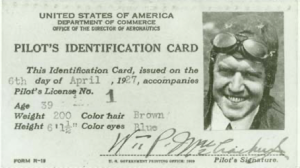
Pilot flight logs, which have been around in one form or another since the beginning of flight, have served several purposes. Today, pilot logbooks are used by aviators to provide a record of their flights, including current and accumulated flight time, number and locations of takeoffs and landings, as well as unique operating conditions and certifications. For the pilot in training, a flight log shows accumulated practice, certifications, and special endorsements. In the early days of flight, flight logs were also used by air mail carriers, barnstormers, and others to make sure they were paid properly.
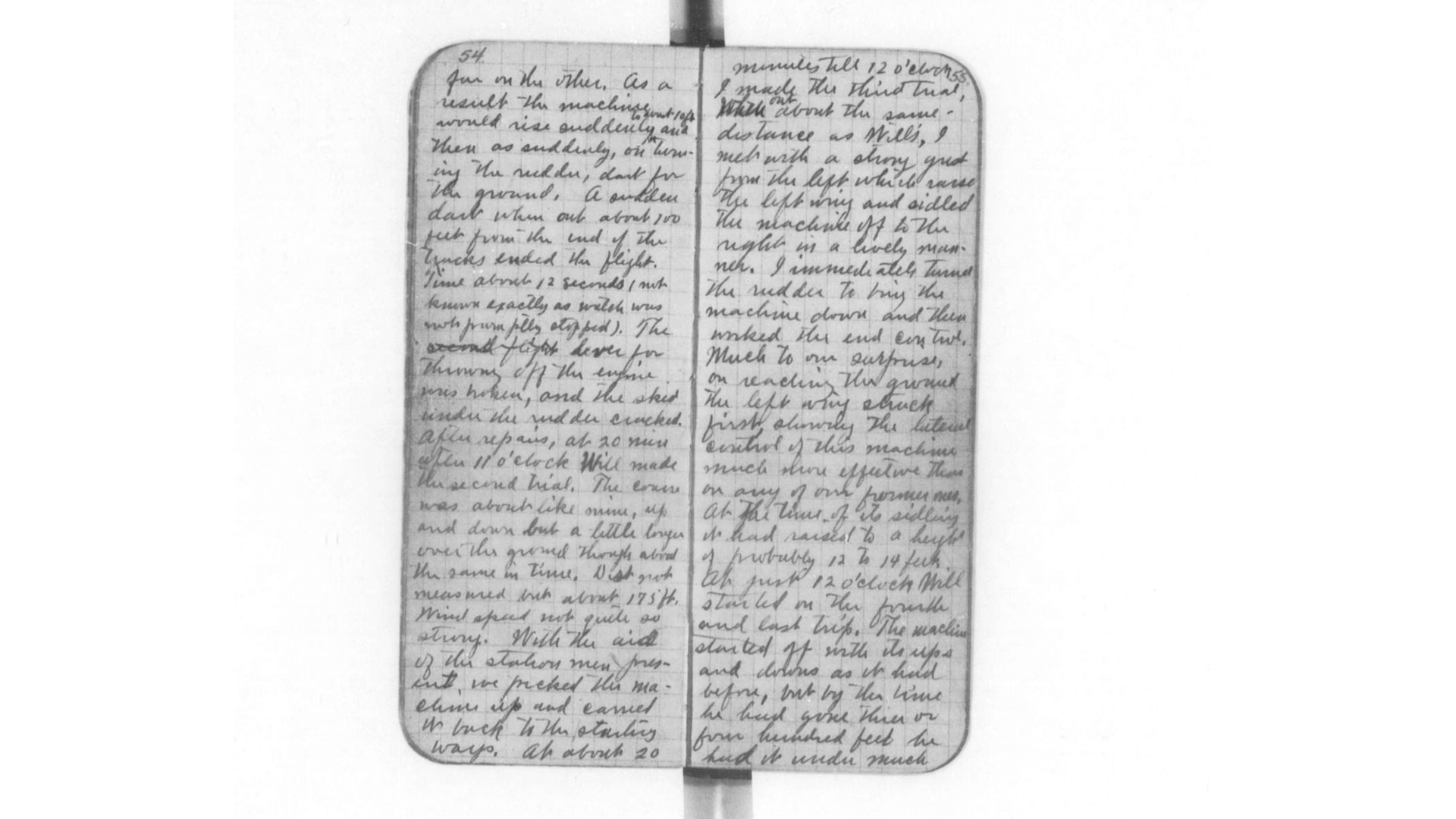
The Wright brothers kept fastidious notes and records of all flights and aircraft developments, mostly in the form of notebooks, diaries, and drawings. Britain’s Royal Corps utilized a more formal flight log format in 1912, adapted from ship logs, to record flight details. In the United States, official guidelines for flight, including logging flights, were first introduced with the Air Commerce Act of 1926. Whatever format is used, details such as aircraft flown, time aloft, distance flown, route, weather conditions, and other details about the flight are included, along with any problems faced along the way.
As flight and requirements increased in complexity, logbooks split into separate logbooks for pilots and the aircraft itself: today you will find both pilot logbooks, which are personal logs of a pilot’s flights, and aircraft logbooks which contain details about the aircraft’s flight, no matter who flies the craft.
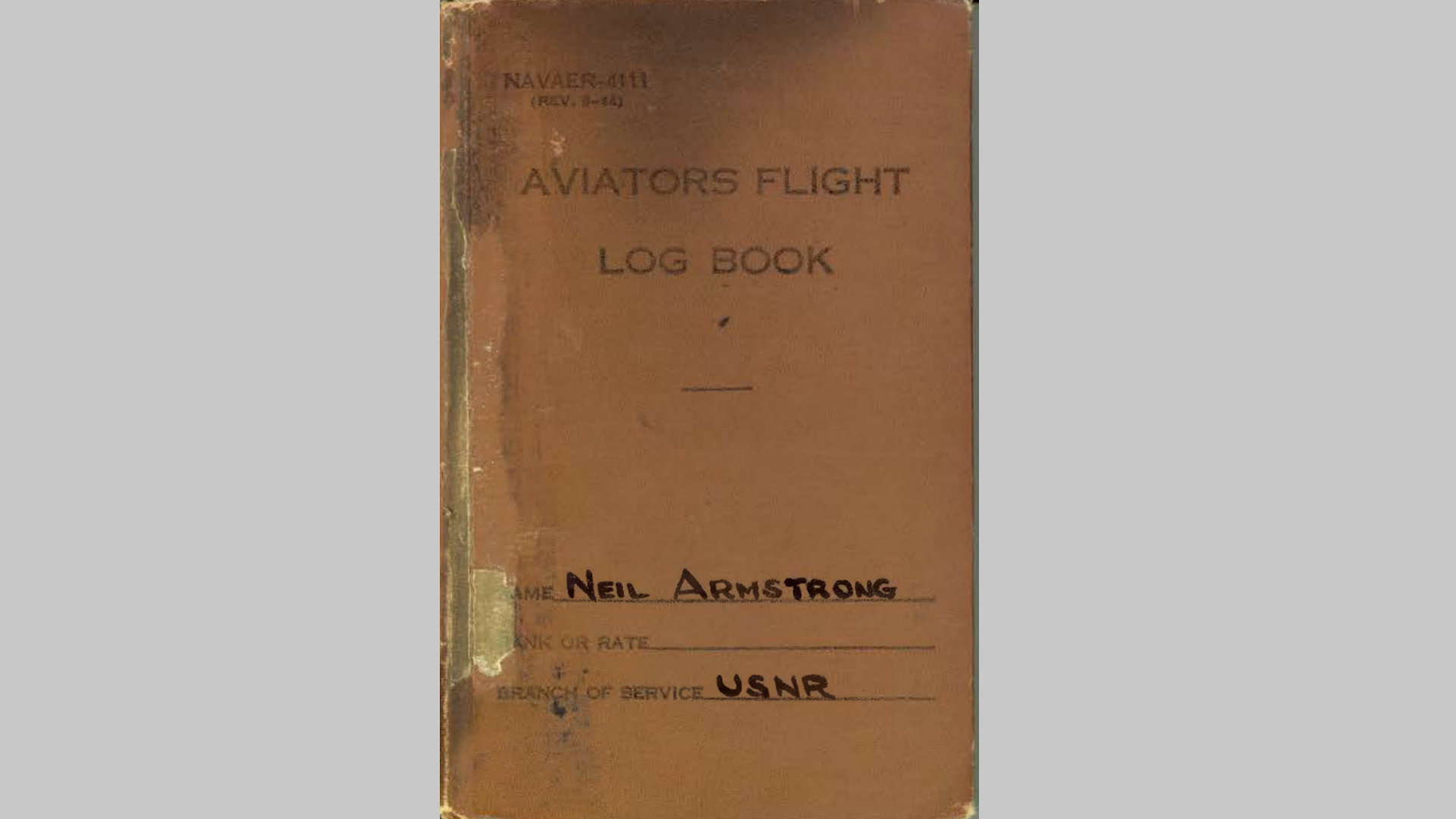
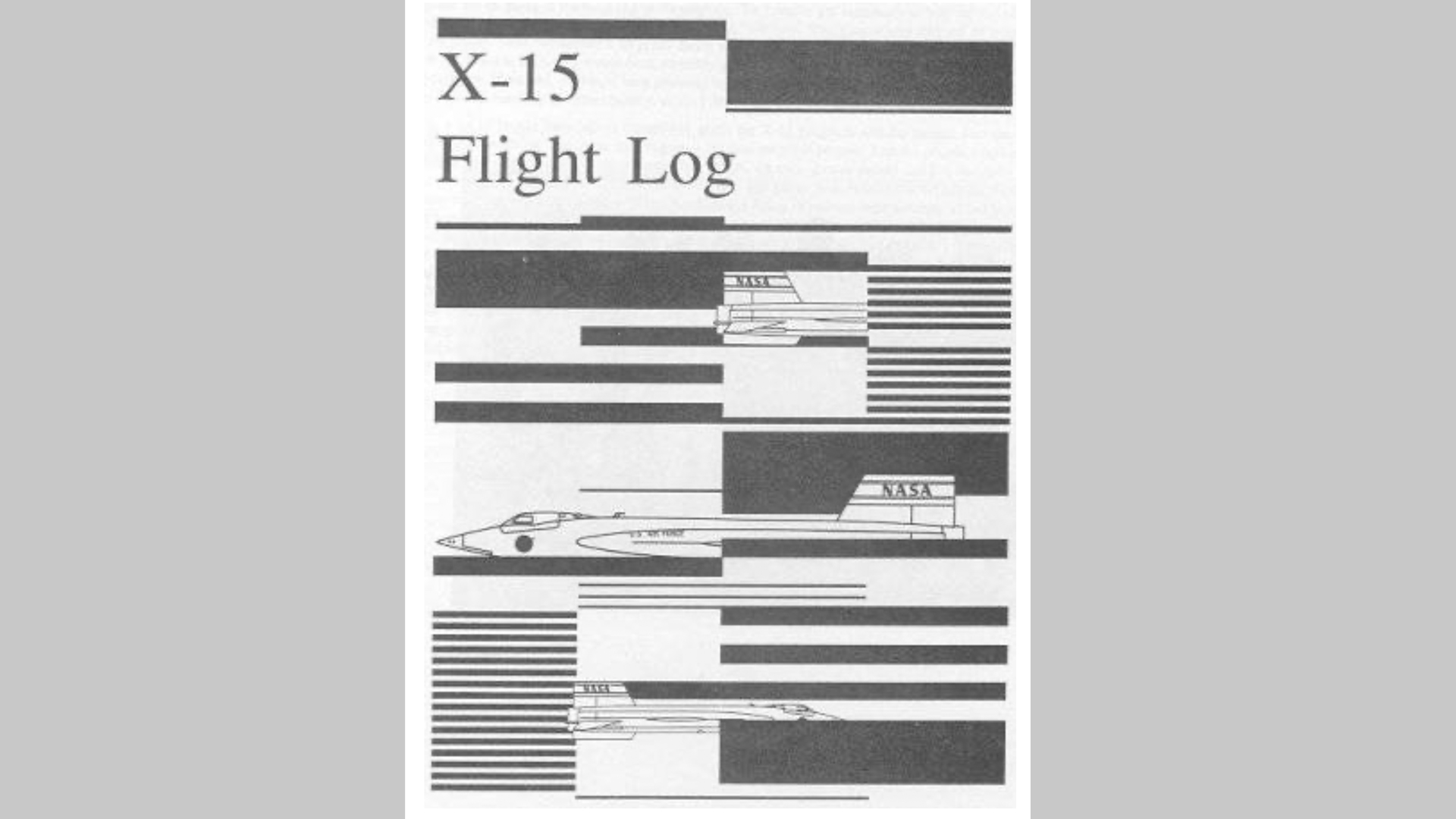
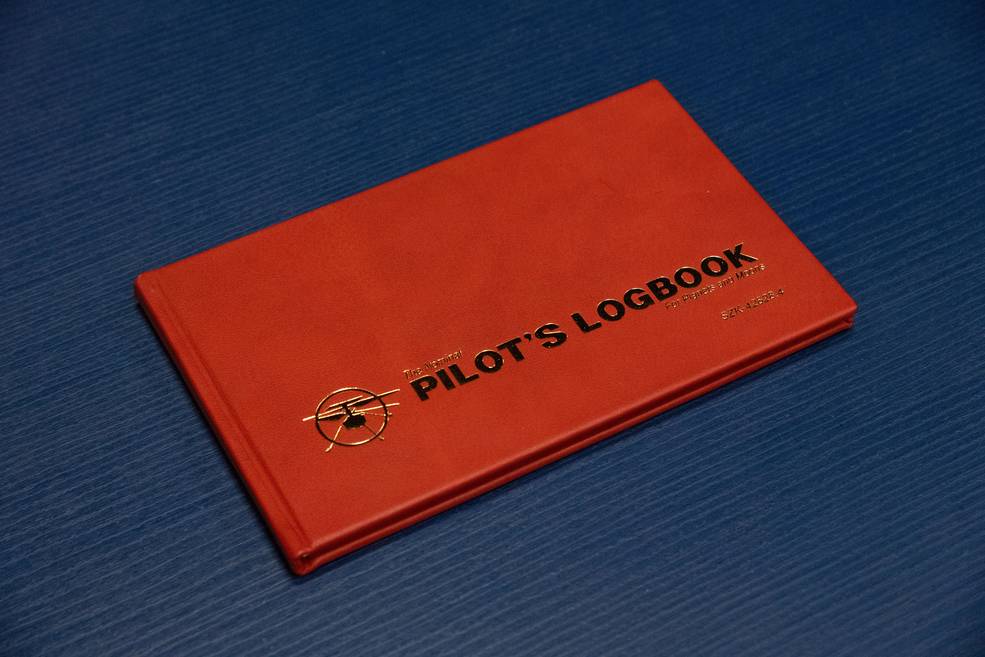
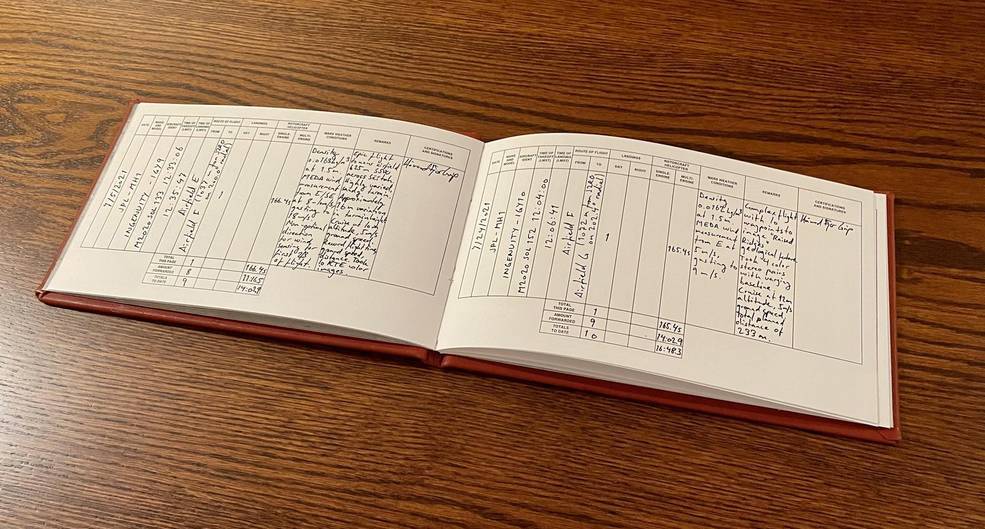
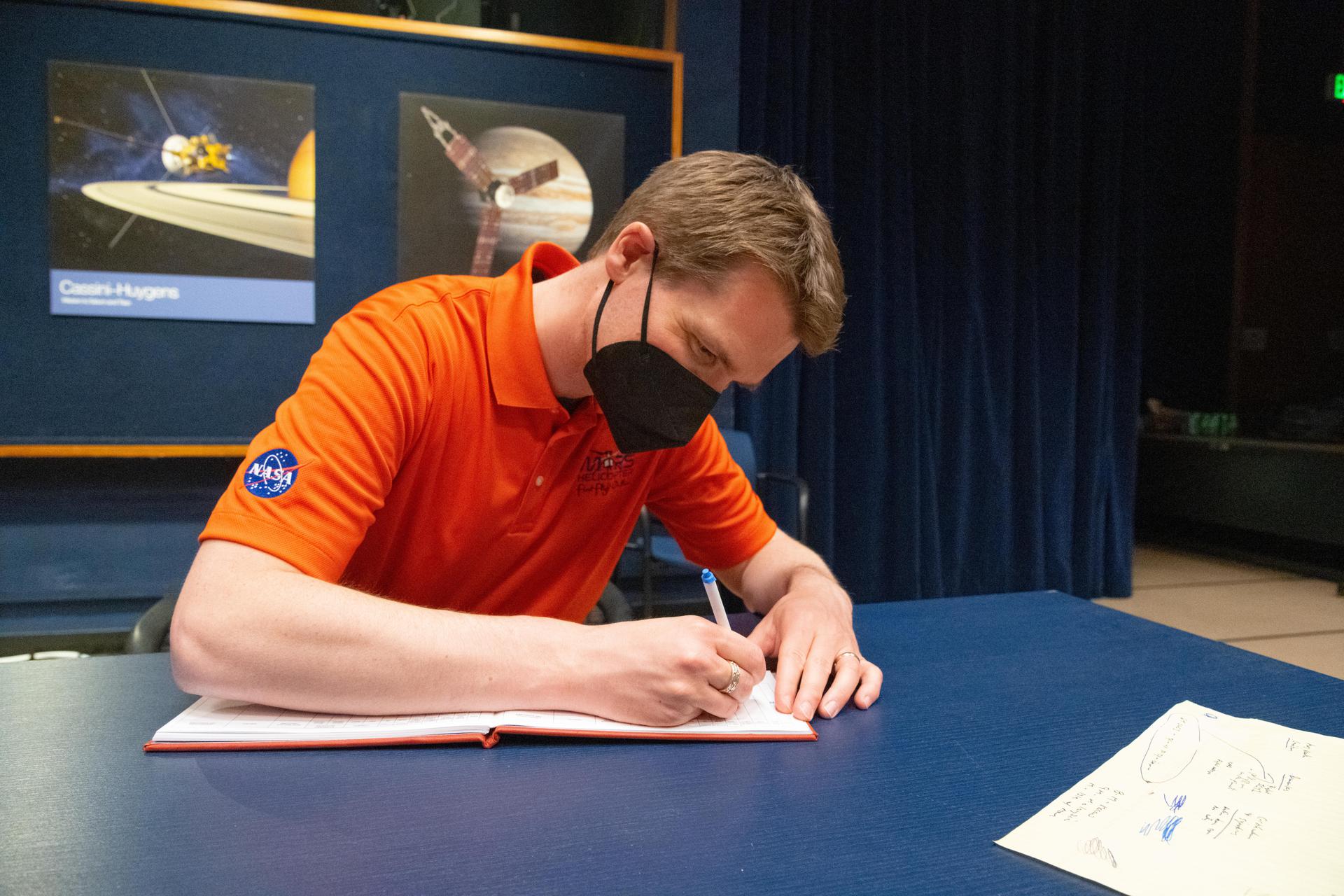
Modern day flight logs are digital, although some pilots still prefer to keep records in a paper logbook. NASA’s Mars Ingenuity helicopter flights, the first flights on another planet, are recorded in the “Nominal Pilot’s Logbook for Planets and Moons.” If you want to keep up-to-date on Ingenuity’s flight log entries, you can find them here: https://mars.nasa.gov/technology/helicopter/#Flight-Log