
















Materials Engineered for Re-Entry Using Innovative Needling Operations
What is MERINO?
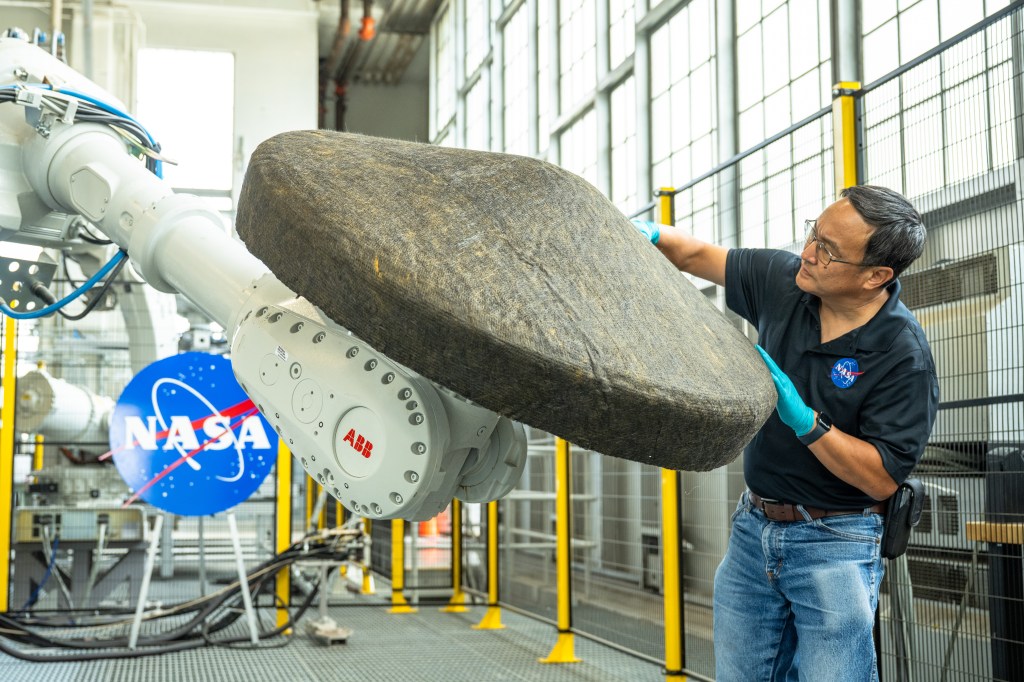
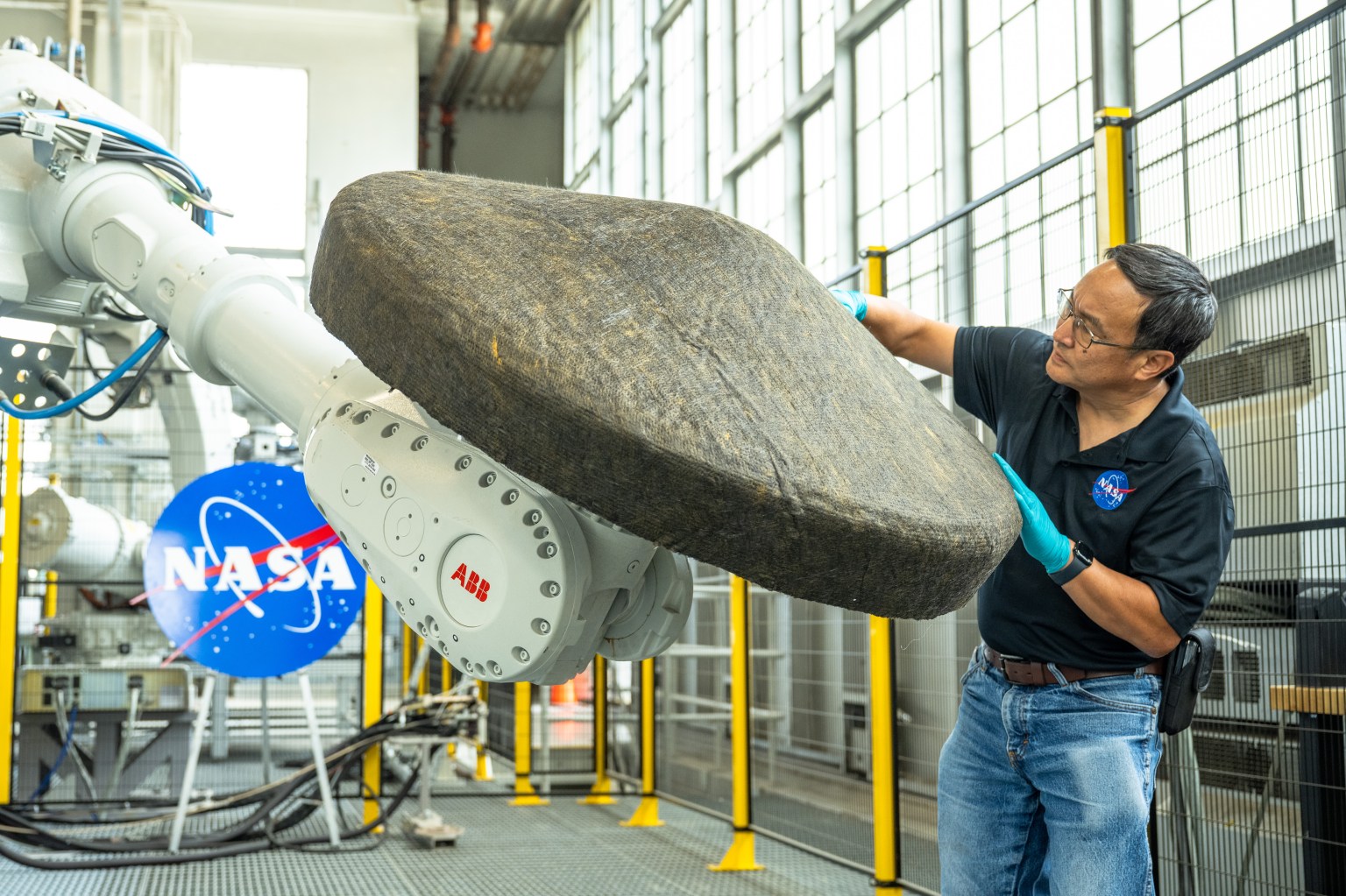
Materials Engineered for Re-Entry Using Innovative Needling Operations (MERINO) is a new family of advanced, lower-cost materials designed to protect spacecraft from the extreme heat generated during atmosphere entry.
LEAD CENTER
NASA’s Ames Research Center
RESPONSIBLE MISSION DIRECTORATE
Research and Technology Mission Directorate
PROJECT MANAGER
Matt Gasch
TECHNOLOGY AREA
Entry, descent, and landing
What challenges does MERINO solve?
Traditional heat shields can be expensive and time-consuming to manufacture, often requiring complex assembly using many individual parts. MERINO streamlines production by reducing manufacturing steps and enabling a heat shield to be built as a single piece. As a result, MERINO has the potential to be produced much faster and at substantially lower cost than traditional thermal protection systems.
What are MERINO’s key features and applications?
MERINO is the next generation of thermal protection system materials and can support a wide range of mission needs, including missions to Mars, the Moon, and low Earth orbit.
Features:
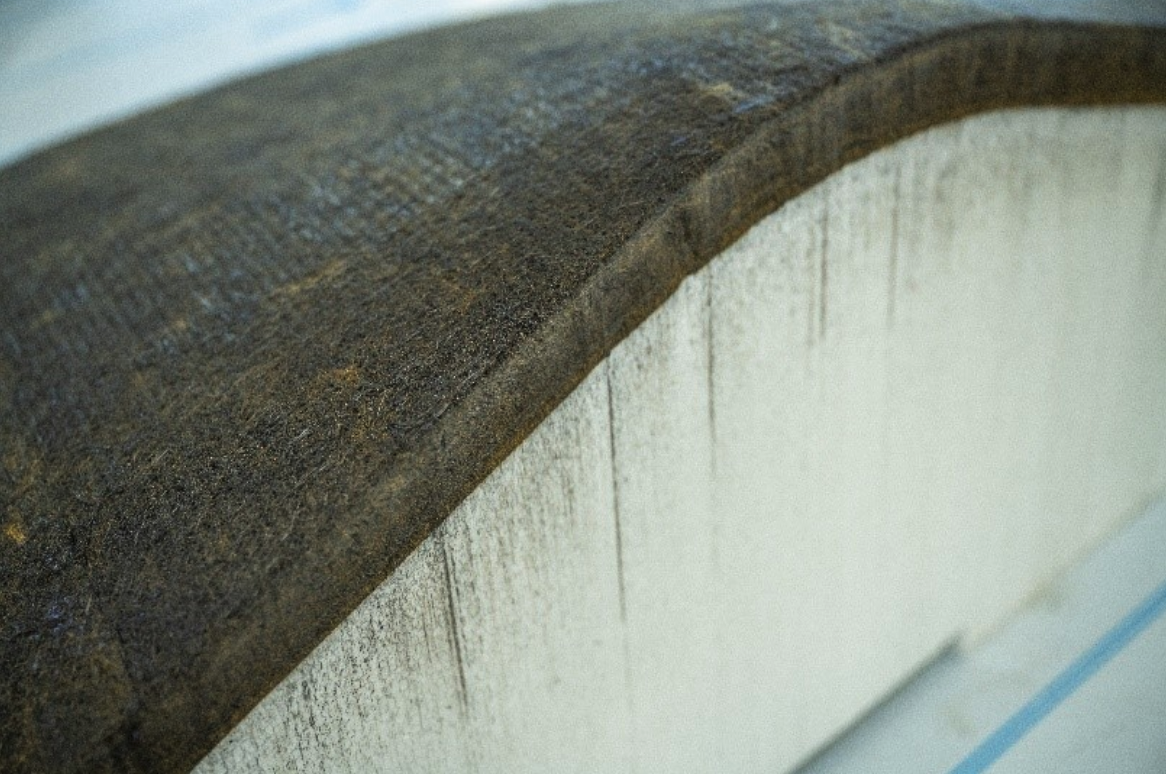
- MERINO is made by layering and needling together carbon and phenolic fibers, creating a flexible, blanket-like material
- Unlike traditional rigid heat shield tiles, MERINO can be produced quickly and in large sizes, even as a single piece
- It is lightweight, robust, and can handle high heat fluxes
Applications:
- MERINO is used for spacecraft heat shields, enabling safe entry, descent, and landing on planetary surfaces
- It is designed for both NASA missions and commercial space companies, and potential uses include future planetary science missions and payload delivery, sample return, and small spacecraft missions
Why is MERINO important?
MERINO supports NASA’s goal of advancing transformational space technologies for future lunar and Mars exploration. By reducing the cost and complexity of thermal protection systems, MERINO could help enable more frequent and affordable missions. The technology also supports U.S. industry through commercialization and technology transfer.
How did NASA support MERINO’s development?
NASA’s support for MERINO includes:
- Funding from the Mars Exploration Program and the Research and Technology Mission Directorate
- Past investment through the Center Innovation Fund and Internal Research and Development
- Collaboration with industry partners
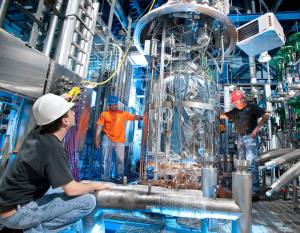
- NASA’s Ames Research Center in California’s Silicon Valley led the development, with automated manufacturing and testing facilities
MERINO key milestones and status
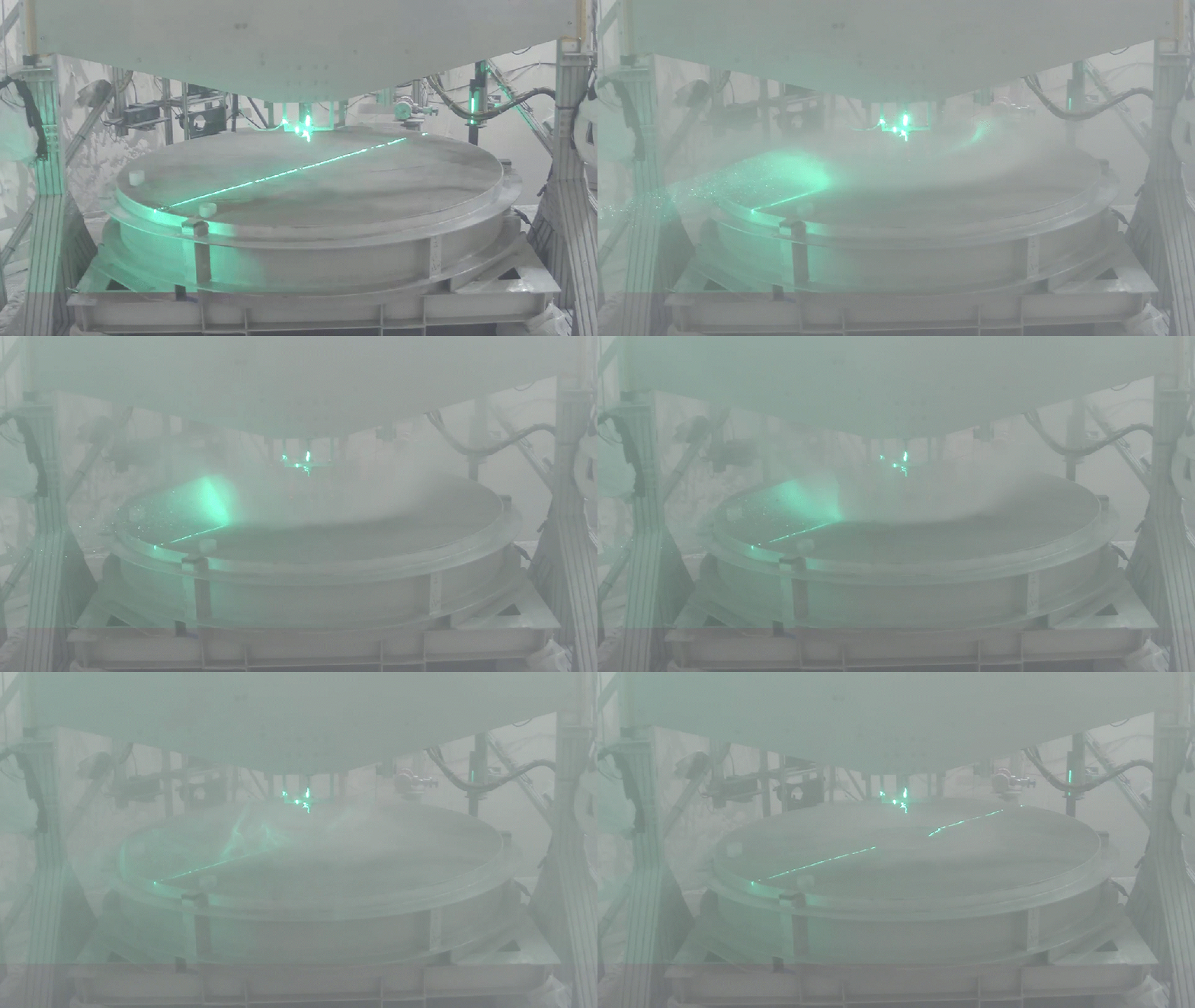
- Arcjet testing, which simulates the intense heat of atmospheric entry, in November 2025 confirmed MERINO’s performance for Mars entry conditions
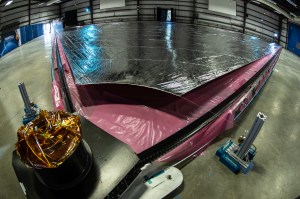
- Automated manufacturing of MERINO heat shields is operational at NASA Ames, producing large-scale units up to 9.8 feet (3 meters)
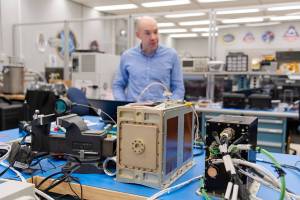
- MERINO coverings were used on two KREPE-3 capsules that launched in April 2026 and returned in October 2026
- NASA completed a 3.28-foot (1-meter) manufacturing demonstration unit in January 2026, providing lessons learned for full automation
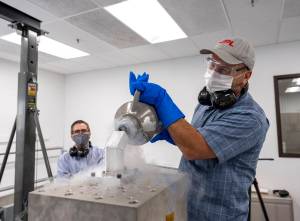
- Commercial scale-up will soon be underway. The first batting material — a fluffy matrix of carbon and phenolic fibers before needling — from the commercial line is expected by the end of 2026.
- The technology is available for licensing through NASA’s Technology Transfer Program
Organizations involved in MERINO’s development
- NASA’s Ames Research Center
- NASA’s Thermal Protection System Development, Instrumentation and Testing Project
- American Felt & Filter Co.
 Whether enabling sample return, advancing science investigations, or supporting the exploration of other planetary environments, every landing mission must execute a safe and cost‑effective atmospheric entry. The MERINO family of thermal protection systems is designed to address this critical capability by providing robust and reliable entry-system technologies that are cost and schedule-conscious, allowing mission teams to allocate more resources to achieving scientific objectives.”
MATT GASCH
MERINO Project Manager