

















Stoking Innovation, Protecting Lives via Flight Testing
Advancing Tools to Detect and Fight Wildland Fires
FLIGHT SUMMARY
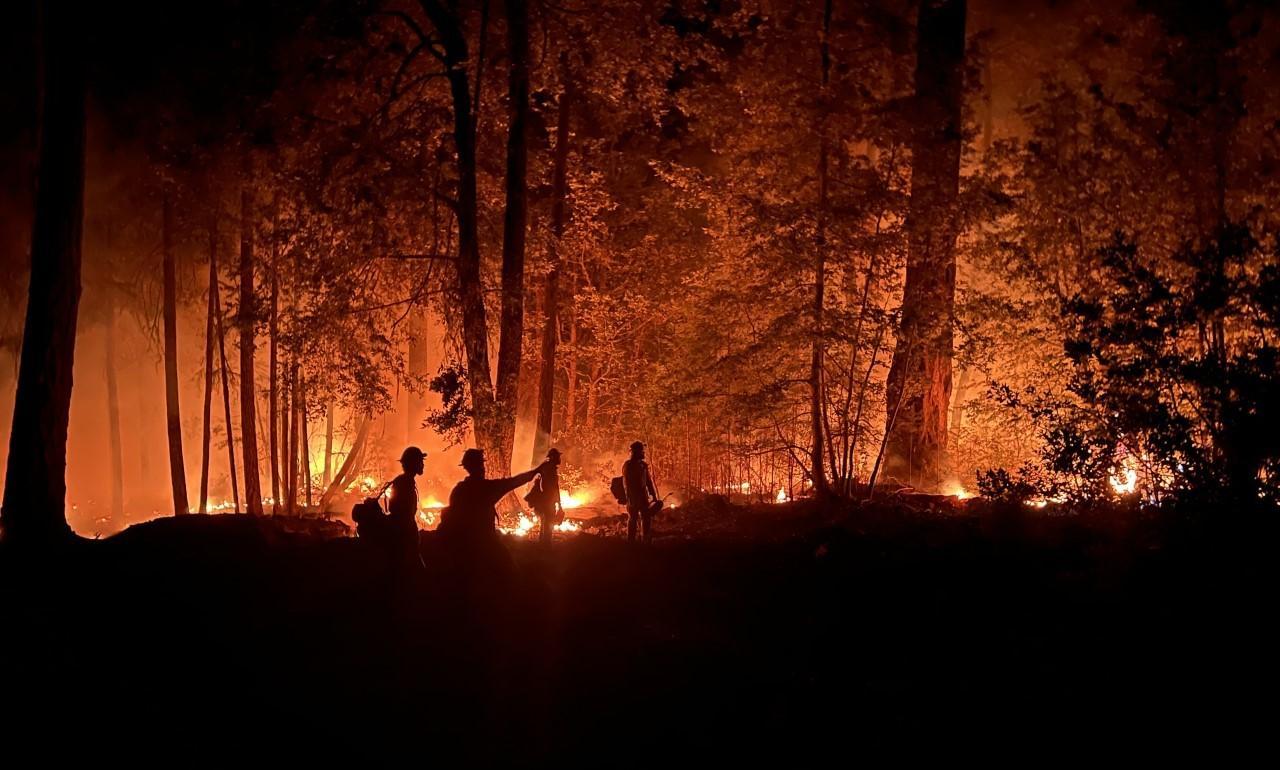
Firefighters, forest rangers, and residents of both rural and urban communities may be able to breathe easier in future fire seasons thanks to new technologies tested with commercial companies through NASA’s Flight Opportunities program. Investments by Flight Opportunities help advance technologies of interest to NASA and the nation, including those relevant to wildland fire management.
Wildland fires pose urgent health and safety risks, but their very nature creates gaps in our ability to quickly and effectively respond to and mitigate these risks. With a fly-fix-fly ethos, Flight Opportunities supports the testing of new technologies to advance our ability to detect wildland fires when they spark miles from human view, predict where flames and smoke plumes will travel, aid communications for front line firefighters, and more. Keep reading to learn more about the flight testing of research that is igniting a new level of readiness for wildland fires and more.
Fusing Sensor Data to Detect and Predict Smoke Movement
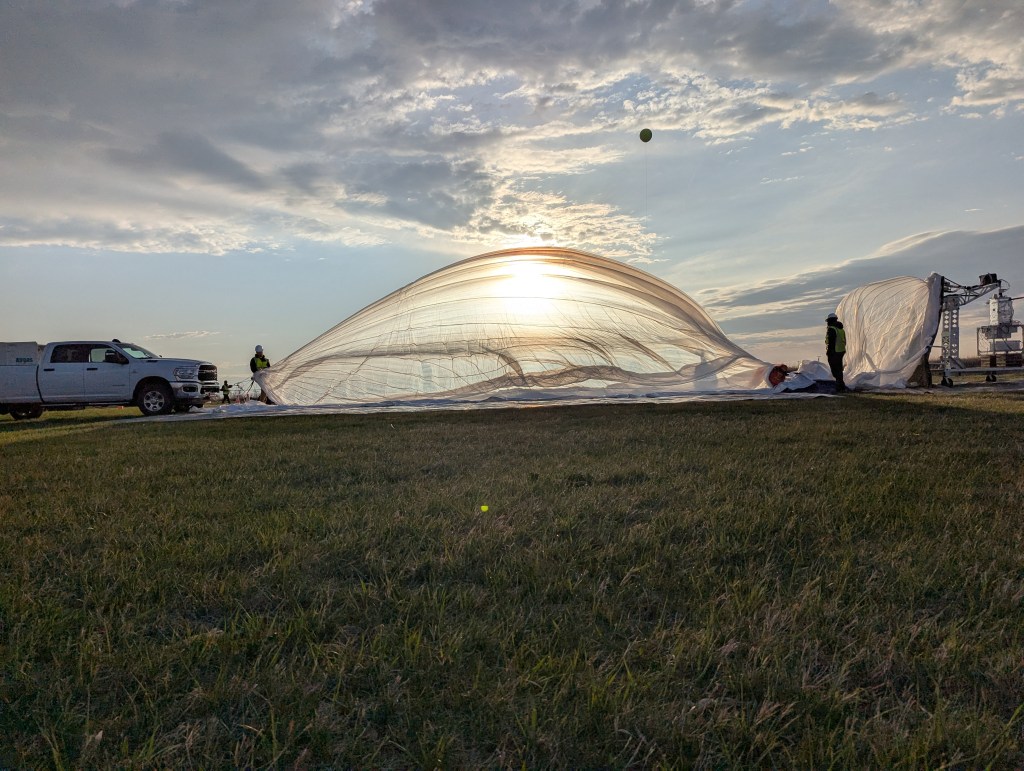
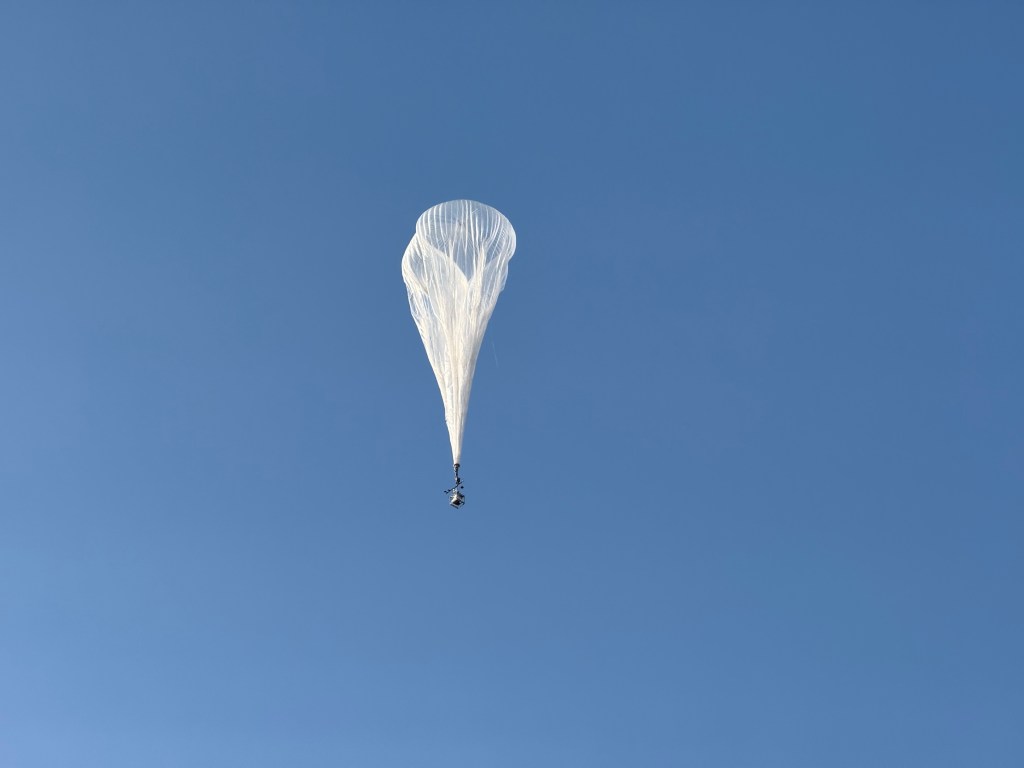
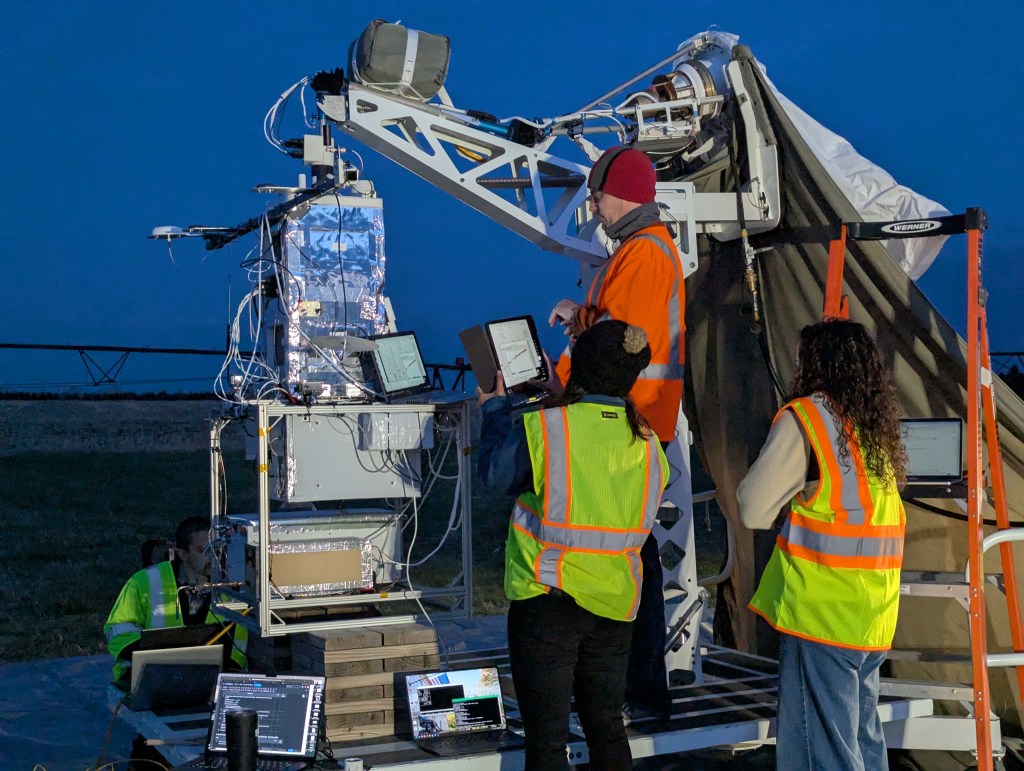
A trio of technologies developed by researchers at Harvard University in Cambridge, Massachusetts; Xiomas Technologies in Ann Arbor, Michigan; and NASA’s Ames Research Center in California’s Silicon Valley, provides robust data and imagery from the stratosphere characterizing the nature, quantity, and expected movement of smoke from wildland fires. This data may be of value to wildland firefighting teams, health officials alerting their communities to smoke hazards, and scientific researchers seeking to better understand and model wildland fires. The technologies also have potential to support exploration of Mars and other planets by gathering and presenting data showing the chemical composition of the planet’s atmosphere.
The technologies include a sensor that characterizes the particle size distributions of smoke from wildland fires and a multi-band thermal imager that quantifies burning intensity and estimates the fire’s smoke-producing emissions. The third component is a sensor that measures the smoke’s optical density to block/scatter sunlight — a technology called Atmospheric Structure Investigation originally developed to study clouds, which also was flight tested in June 2021.
On April 23, 2025, the researcher team tested all three technologies during an eight-hour high-altitude balloon flight over contained and controlled burns. During the test, the payload successfully produced imagery designed to facilitate data-driven forecasting of smoke transport.
Research Team
Harvard Univ., Xiomas, and NASA
Flight provider
Aerostar
Flight test platform
High-altitude balloon
Flight date
April 2025
More on This Flight Test
Sensor-Fusion Flight Test: A Case Study with Exploration Potential
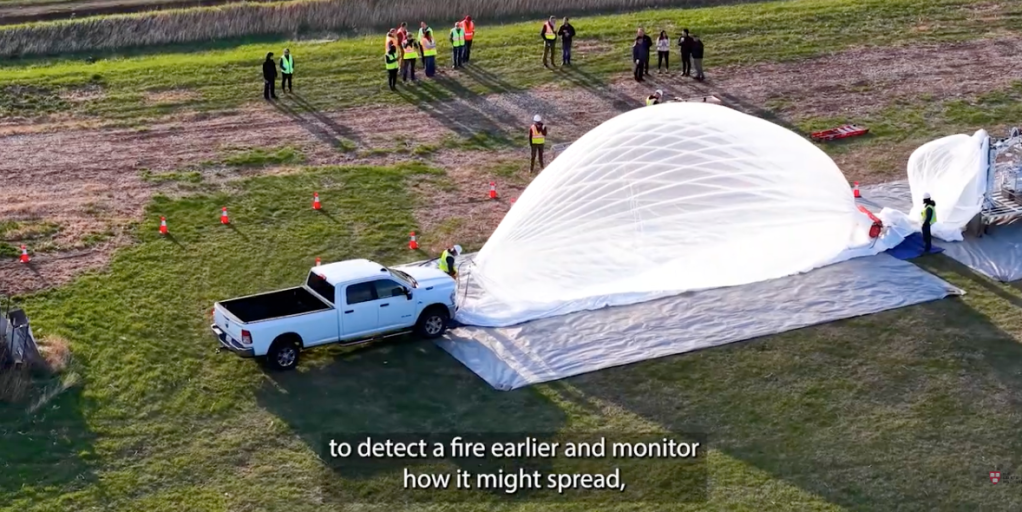
Harvard Balloon Takes Wildfire Surveillance to the Stratosphere
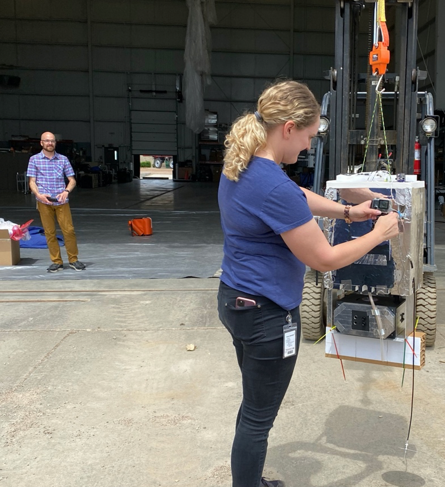
Looking to the Clouds to Improve Climate Models for Earth and Other Planets
STRATO: Connecting Firefighter Communications in Remote Wildlands

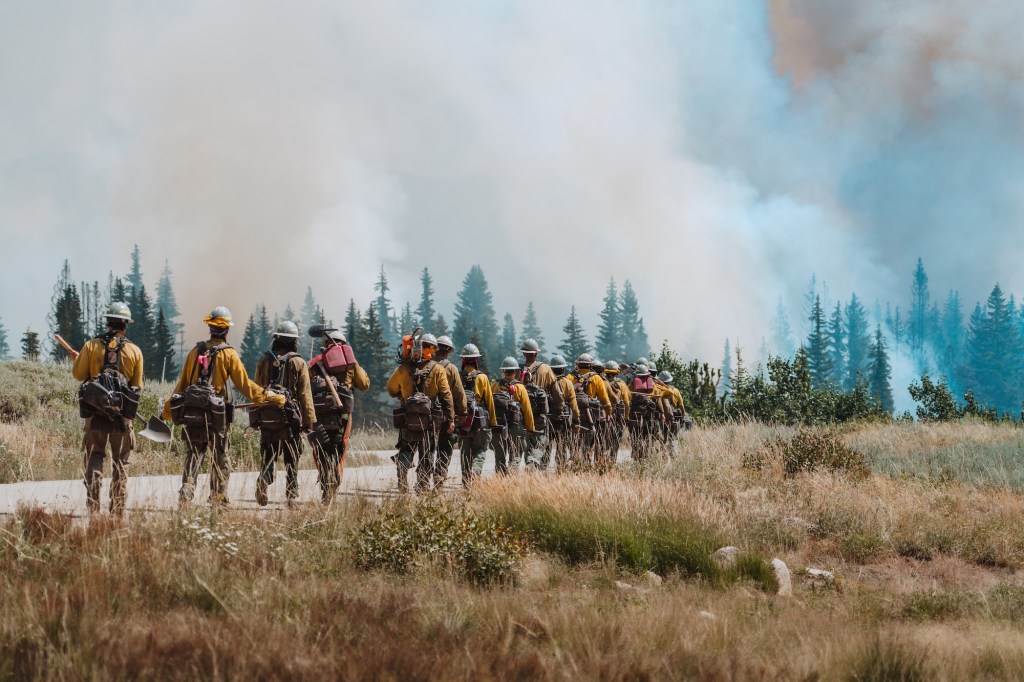

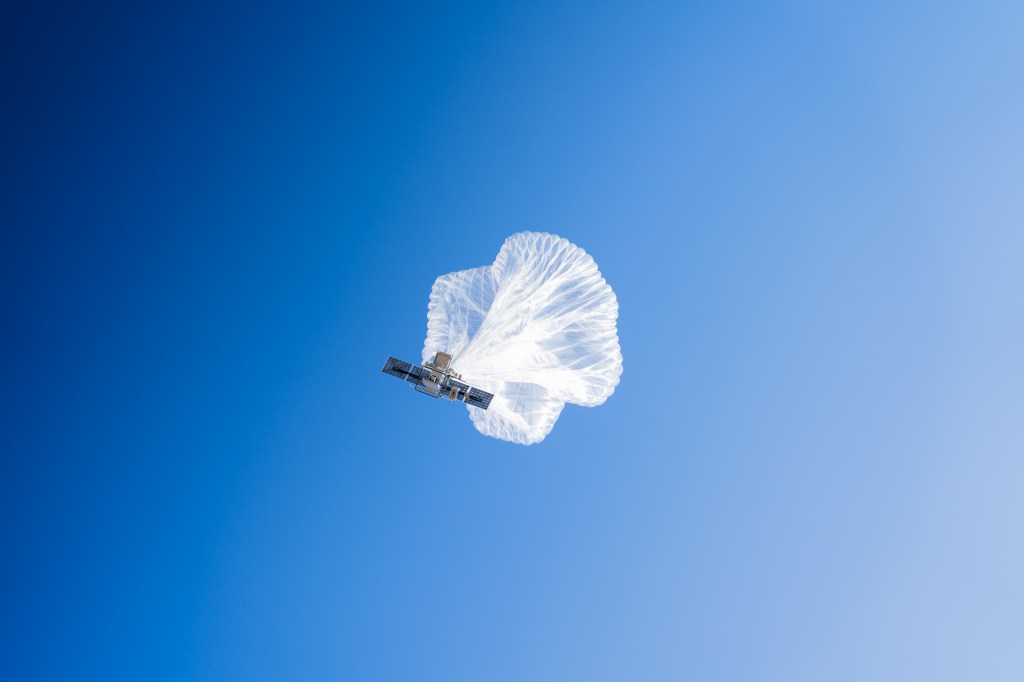
The STRATO (Strategic Tac Radio and Tac Overwatch) system from the U.S. Forest Service, Aerostar in Sioux Falls, South Dakota, and NASA’s Ames Research Center is designed to address communications challenges facing wildland firefighters, such as the limitations of line-of-sight radio transmissions in rugged terrain and cell phone coverage in remote areas.
STRATO’s sensors include an infrared camera that collects heat, spatial, and other data to help characterize the fire. For this flight test, it also featured two key connections to keep the incident command post in continuous contact with firefighters wherever they are in the field. First, a specialized LTE (long-term evolution, wireless broadband for cellular devices) payload and antenna was mounted on a gimbal, pivoting to maintain the signal between the balloon and firefighters. Second, Starlink (a division of SpaceX) and the Silvus broadband wireless system provided continuous communication between the balloon and the incident command post. These two elements provided a level of connectivity that has been missing in last-mile communications — that is, direct contact with wildland firefighters.
On Aug. 4, 2024, the STRATO technology launched aboard an Aerostar high-altitude balloon for flight testing over the West Mountain Complex fires in Idaho with the goal of providing persistent cell coverage from the stratosphere. The balloon system flew over multiple fire locations in Idaho for more than two weeks. During the flight, STRATO provided a strong, directed signal that enabled real-time communications between firefighters and the incident command post. The payload also provided imagery — including the first images of the Snag fire — that was useful to incident teams.
Research Team
U.S. Forest Service, NASA, Aerostar, and more
Flight provider
Aerostar
Flight test platform
High-altitude balloon
Flight dates
August 2024
More on STRATO and Its Flight Testing
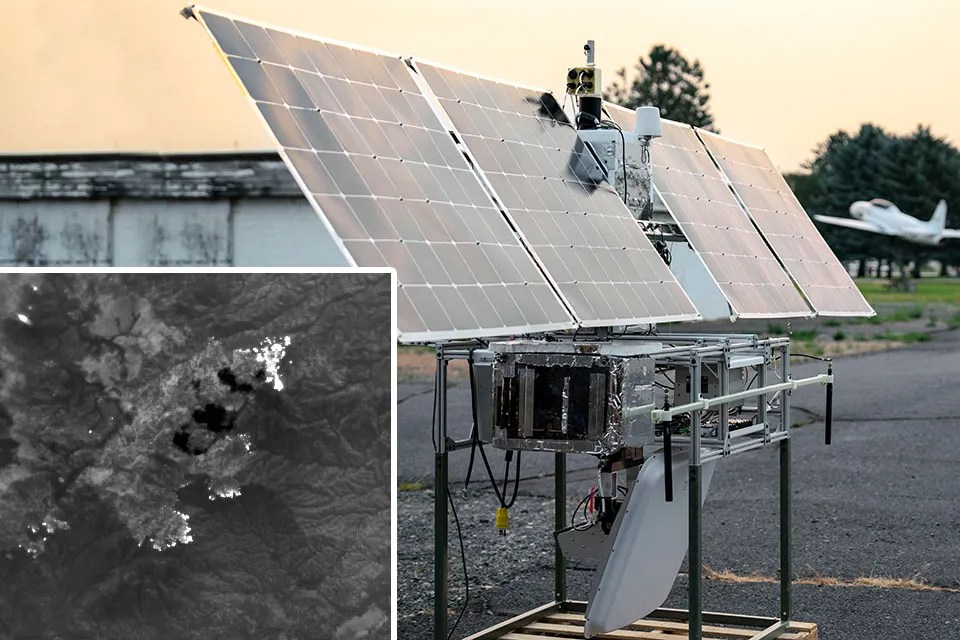
Improve Firefighter Safety with STRATO
NASA and Forest Service Use Balloon to Help Firefighters Communicate
Bronco Ember: Finding Fires Early
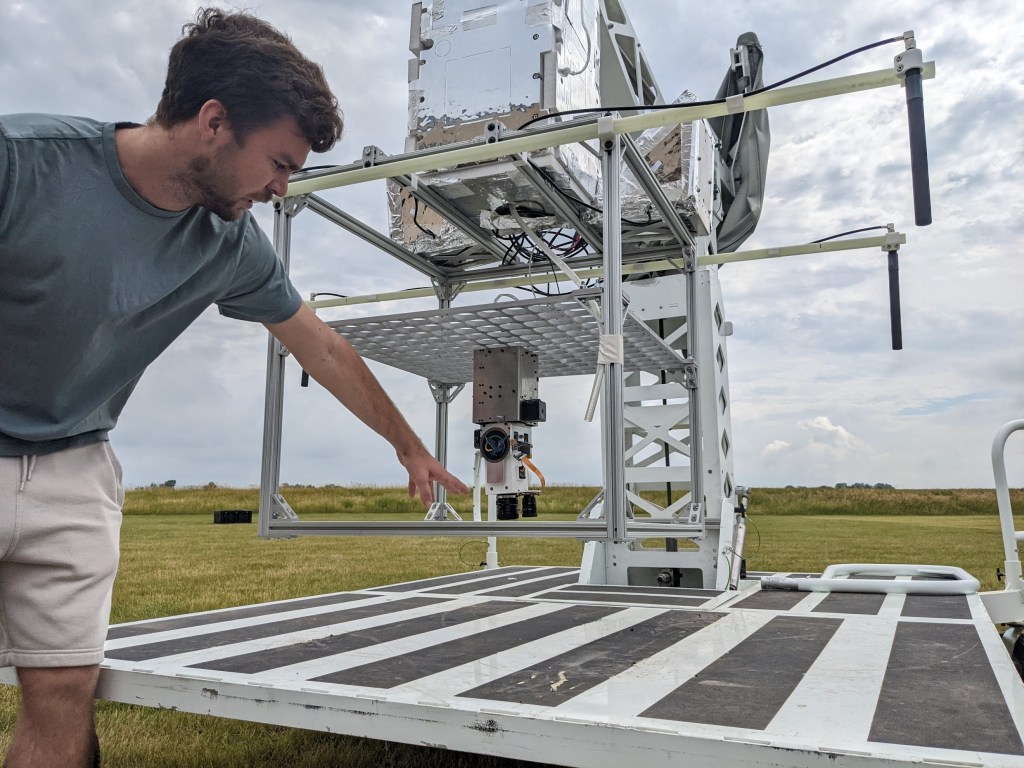
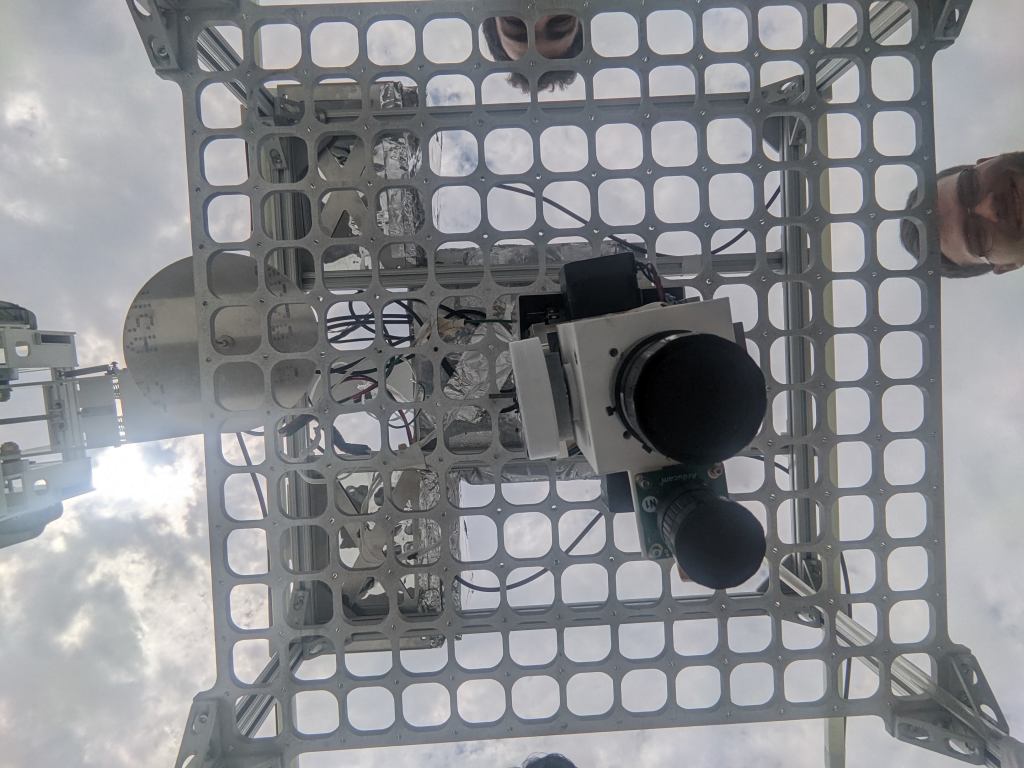
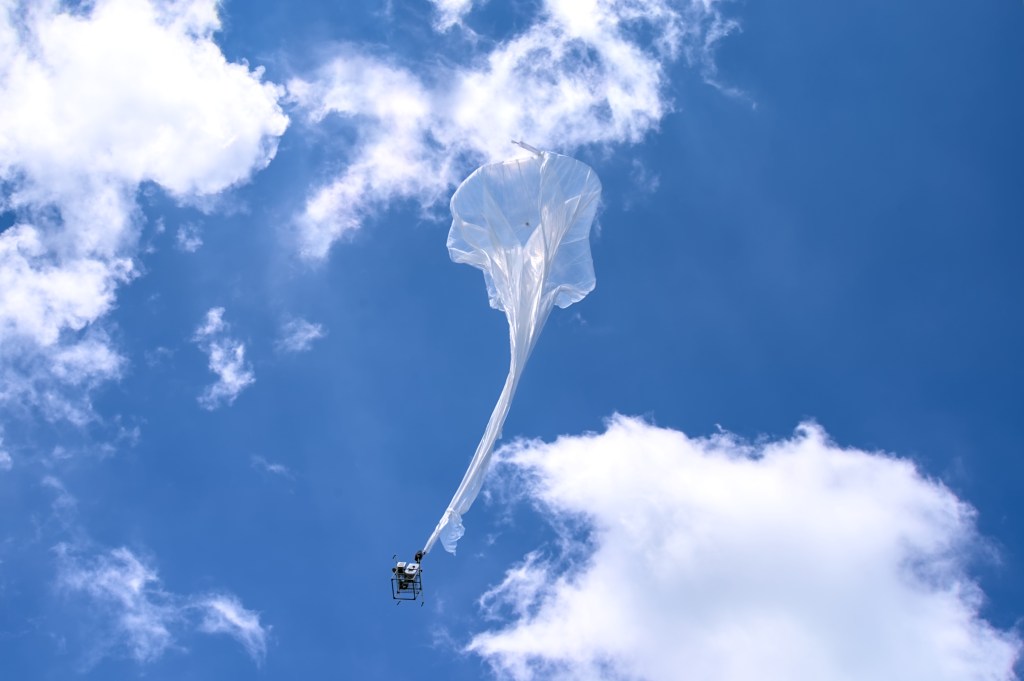
Developed by students in the Bronco Space club at California State Polytechnic University in Pomona, California as part of the inaugural challenge of the NASA TechLeap Prize, this autonomous observation technology for small spacecraft leverages artificial intelligence (AI) for potentially faster, more accurate detection of nascent wildland fires. It also has potential to support NASA’s exploration of other planets and moons by providing data on atmospheric phenomena, such as methane plumes.
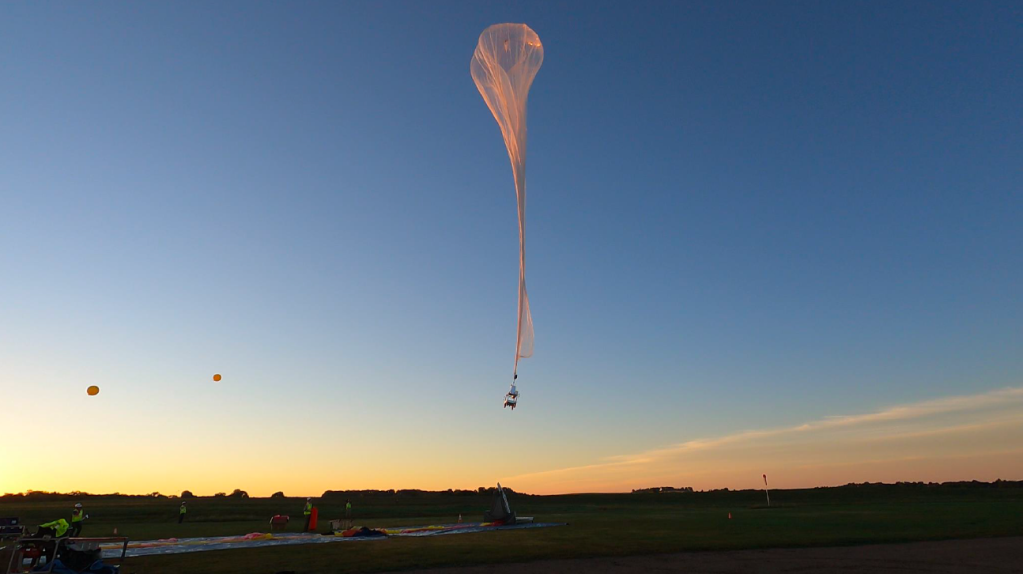
During the first flight test on July 8, 2022, researchers positioned Bronco Ember on the gondola of an Aerostar high-altitude balloon to detect small blazes on the ground, which the team lit under controlled conditions. Bronco Ember successfully detected those small fires, and the team used data from the flight test to make further calibrations to the technology’s sensors and software.
With these improvements, the team tested the technology again aboard the second balloon flight with Aerostar on May 24, 2023. This second test validated key metrics and showed that the system could function for longer durations. It also provided data to help the team fine-tune the AI-powered analytics onboard. In addition to advancing the technology, NASA support enabled students to connect their ideas with the real-world needs of science and industry — several have now formed a small business focused on science and aerospace technology.
Research Team
Cal Poly Pomona Bronco Space Club
Flight provider
Aerostar
Flight test platform
High-altitude balloon
Flight dates
July 2022 and
May 2023
More on Bronco Ember and Its Flight Testing
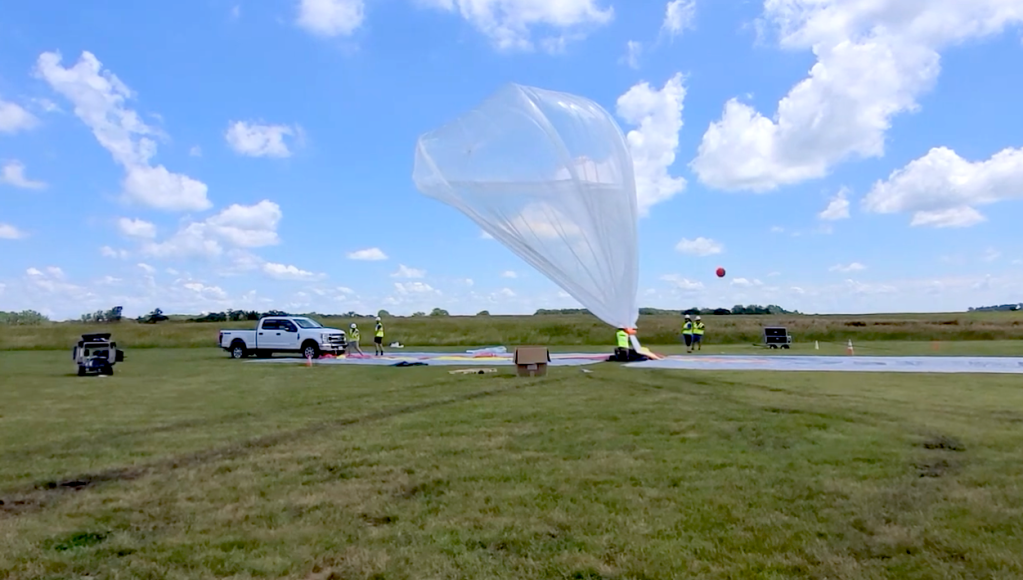
Aerostar Launches Bronco Ember to the Stratosphere
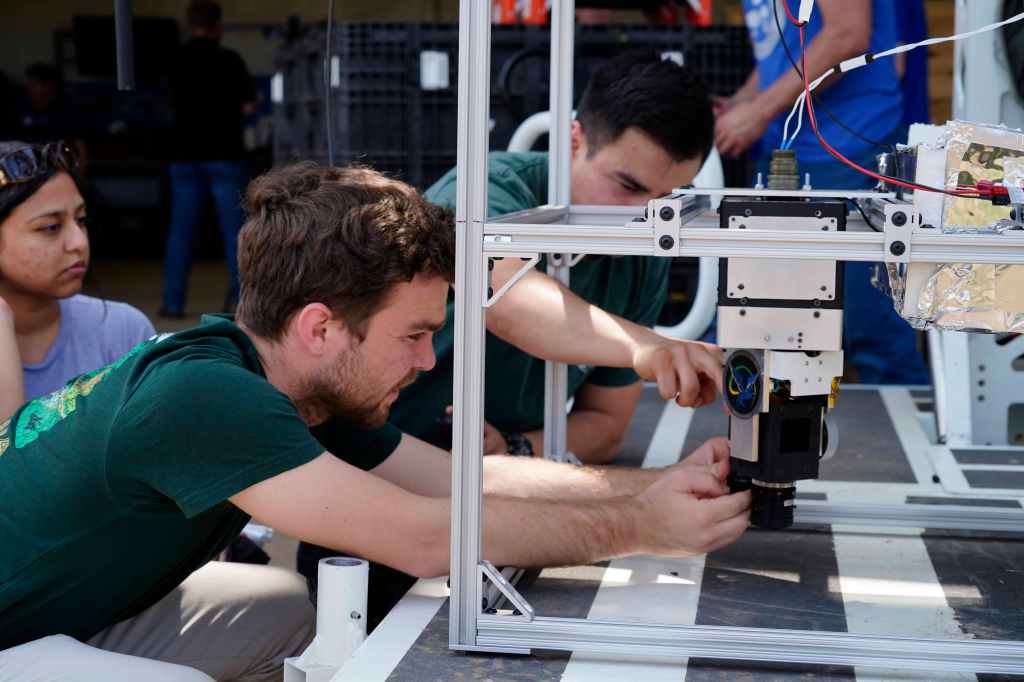
NASA Opportunities Fuel Growth and Entrepreneurship for Bronco Space Club Students
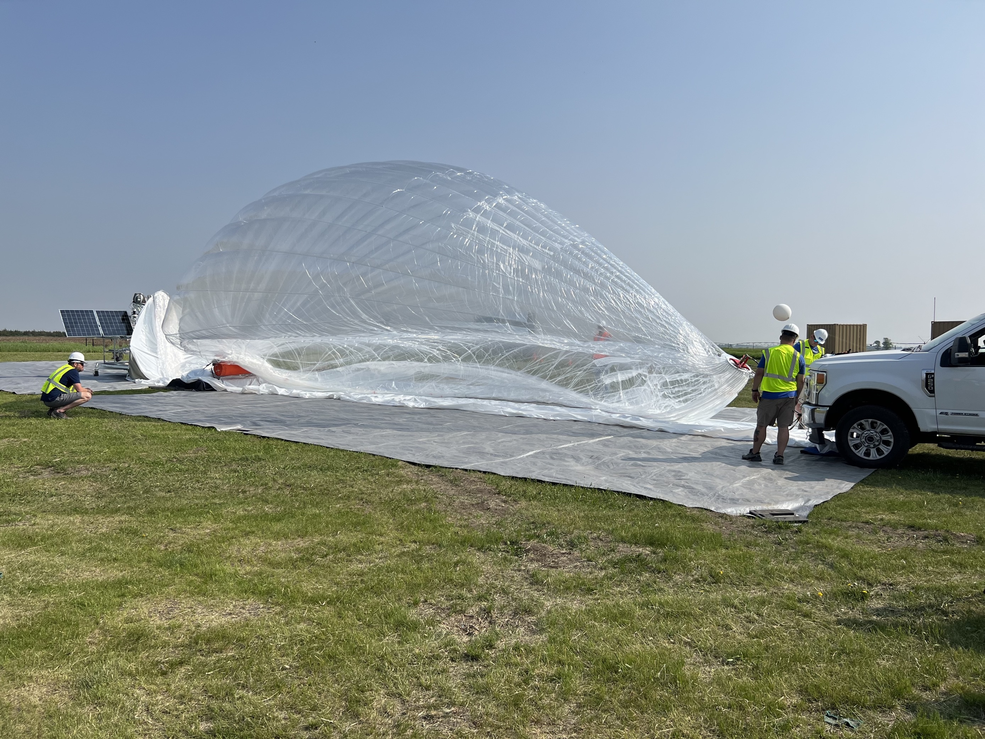
NASA Offers Fly-Fix-Fly Testing for SmallSat Planetary Observation
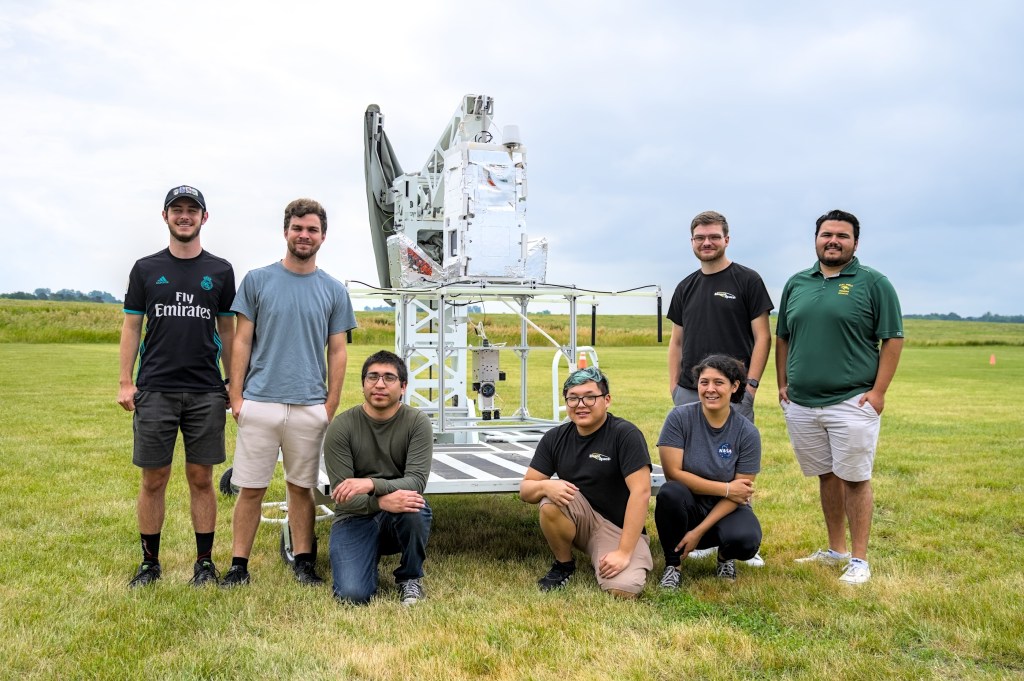
Winners of First NASA TechLeap Challenge Take Flight

NASA's TechLeap Prize: Advancing Space Technologies and Innovative Teams
Flight Opportunities Community of Practice webinar
Autonomous Observation Challenge (AOC)

NASA Selects Three Winners in Inaugural TechLeap Prize Challenge
More NASA Research on Wildland Fires
About the Airborne Science Program
NASA's FireSense Project
NASA Armstrong Science Projects