









Space Travel
The path to the Moon, Mars, and beyond requires technologies to get us where we need to go quickly, safely, and efficiently. Space travel includes launch and in-space advanced propulsion systems and cryogenic fluid management, as well as navigation and landing systems to get our supplies, equipment, and robotic or human explorers to diverse surface destinations.
Quick Facts
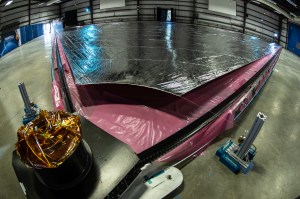
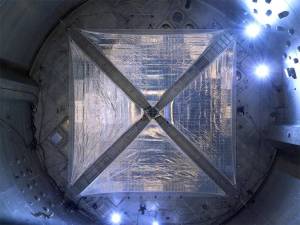
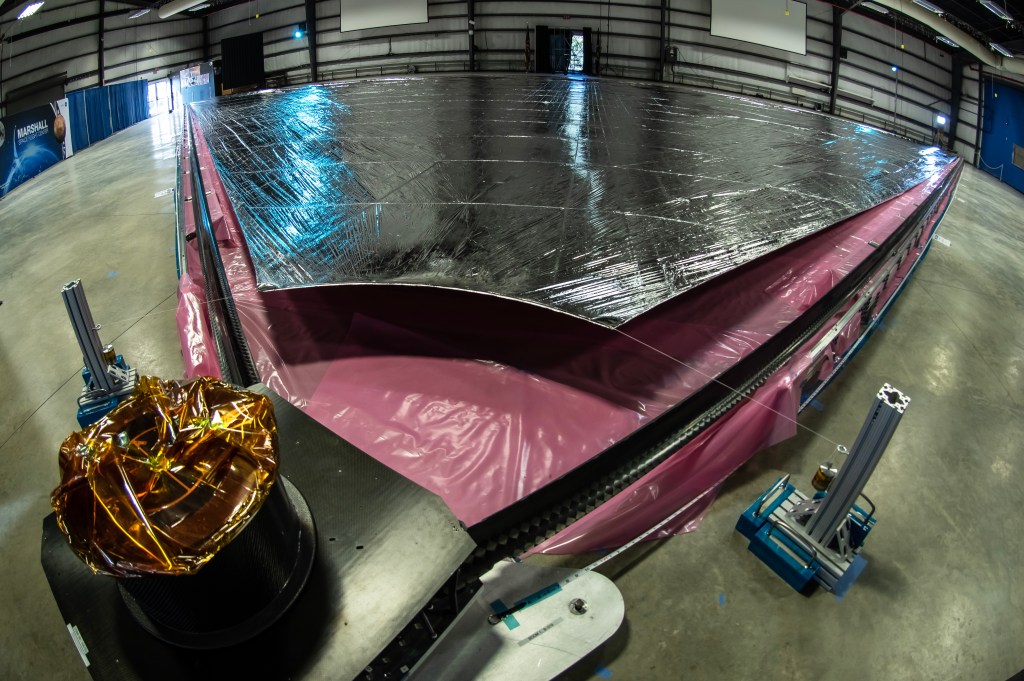
The S5 solar sail will be larger than an Olympic swimming pool and just 2.5 microns thick (thinner than a human hair)!

Explore the technology capability areas on this page that NASA is advancing for the Moon at the links below:
Learn more about how NASA is partnering with industry, academia, and other government agencies to advance critical space travel technologies.
Latest Space Travel News



Advanced Propulsion
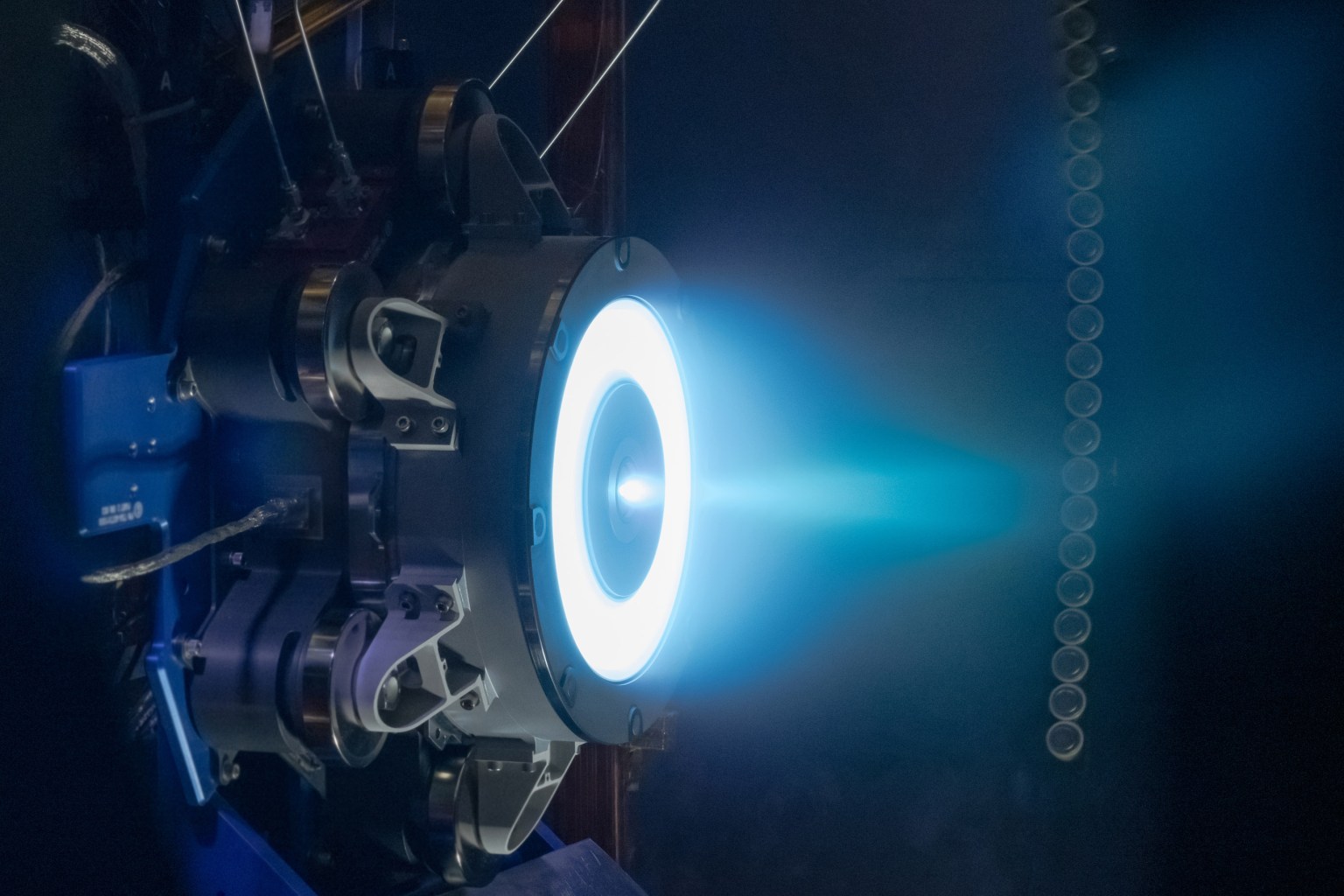
NASA, in collaboration with industry partners and other government agencies, is developing a portfolio of advanced propulsion technologies. These innovations are engineered to deliver exceptional performance, robustness, and reliability—meeting the demanding requirements of our stakeholders. Through unique designs, rigorous testing, and sophisticated modeling, NASA ensures these technologies are cost-effective to manufacture and implement.
Integrated Rotating Detonation Engine System (InRoDES)
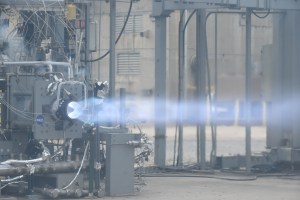
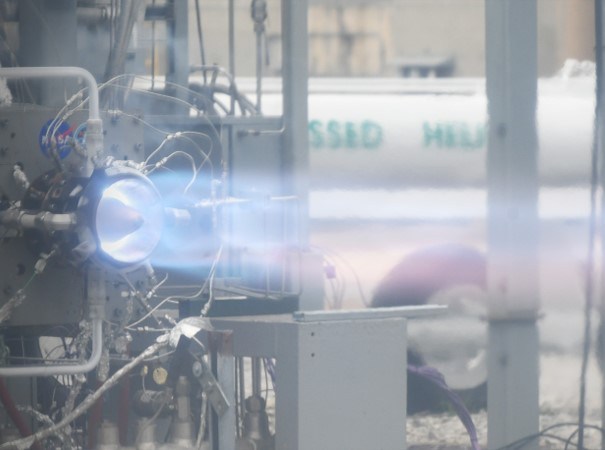
The Integrated Rotating Detonation Engine System (InRoDES) project is developing a new kind of rocket engine that uses supersonic rotating detonation waves to boost efficiency and reduce engine mass. This emerging propulsion technology could one day help power human landers and deep‑space missions more efficiently.
Space Storm Solar Sail Sentinel (S5)
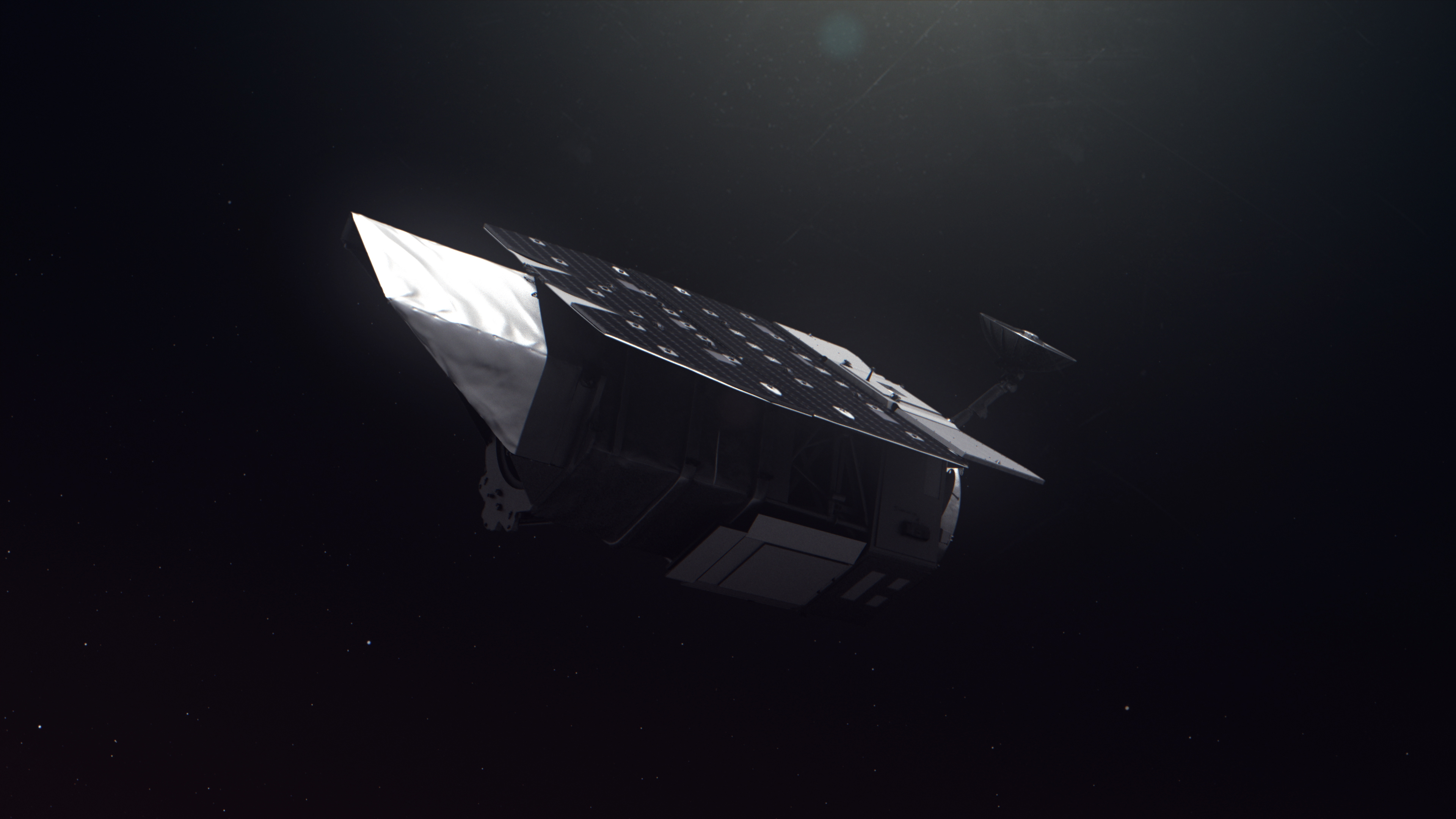
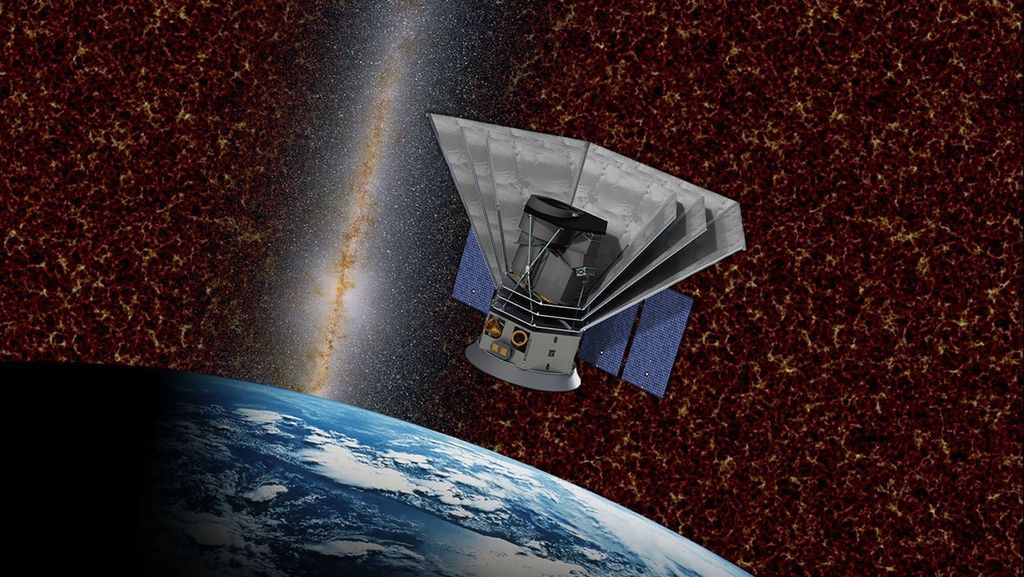
Solar storms and coronal mass ejections can cause considerable damage on Earth by overloading power grids, disrupting radio communications, and affecting aircraft and spacecraft. Solar sails can carry early warning systems to monitor space weather. The S5 mission will demonstrate a solar sail propulsion system, showing how the sail can be controlled and maneuvered in space. Because solar sails have the unique ability to navigate in close proximity to the sun, this propulsion system can receive unlimited thrust from sunlight.
Cryogenic Fluid Management
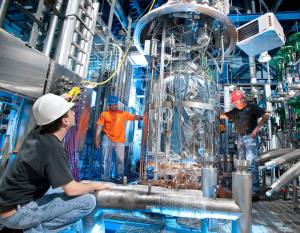
Cryogenic fluid management describes a suite of technologies that store, transfer, and measure ultra-cold fluids. These technologies are an integral part of exploration systems for Earth-to-orbit transportation, human missions to the Moon and Mars, planetary exploration, and in-situ resource utilization.
Liquid Oxygen Flight Demonstration (LOXSAT)
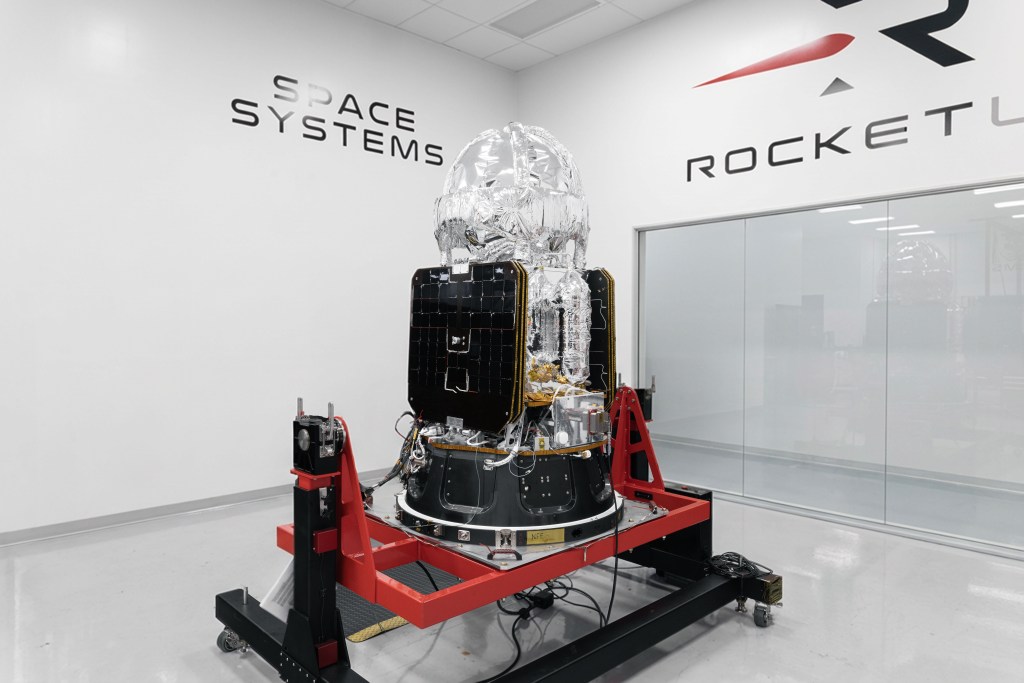
NASA and Eta Space are collaborating on LOXSAT, which will test 11 cryogenic fluid technologies while in low Earth orbit over nine months. Data collected from the demonstration will support future development of in-space propellant depots. These depots are like the space version of gas stations, and they could refuel spacecraft before they journey to the Moon, Mars, or other deep space destinations.
Long Endurance Advanced Prototype (LEAP)
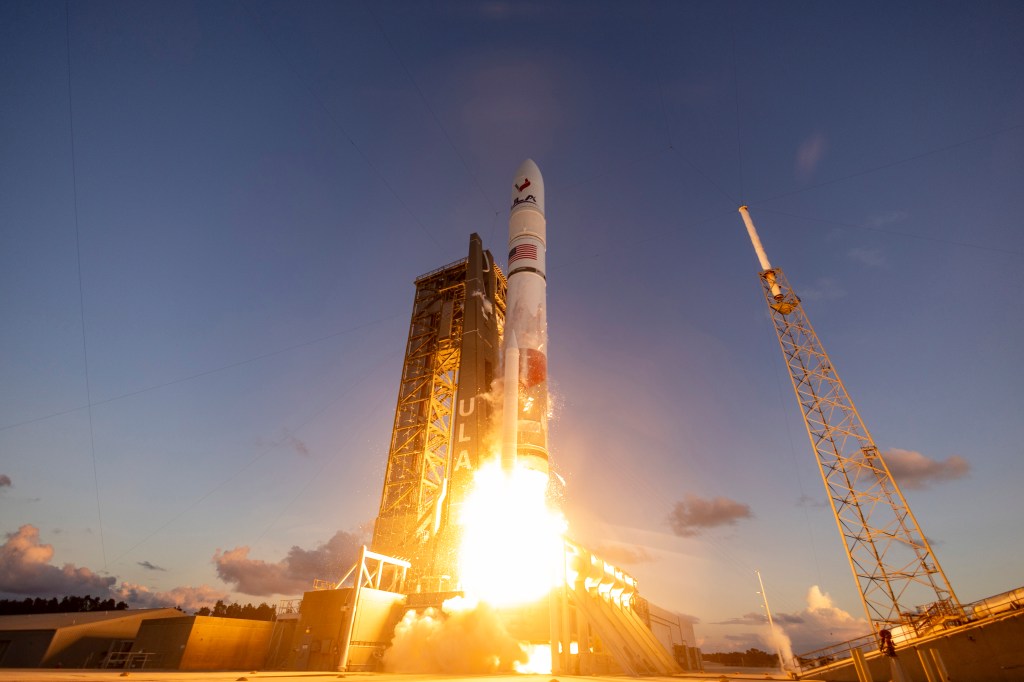
NASA and United Launch Alliance are collaborating on LEAP, an in-orbit demonstration that will test multiple cryogenic fluid management technologies that are essential for enabling long-duration human and robotic missions to Mars and beyond. Data collected will validate models and designs for future spacecraft and habitats.
Cryogenic Propellant Transfer
To enable refueling in space, NASA is developing technologies that can reliably move cryogenic propellants between tanks in microgravity. Transfer is difficult because cryogenic fluids behave differently without gravity, and hardware must withstand extreme temperatures. The primary challenges are collecting propellant at the tank outlet and chilling down the transfer line and receiving tank while minimizing propellant loss due to venting warm gas. Advancing transfer capabilities will allow spacecraft to dock with future propellant depots and “fill up” before heading deeper into the solar system.
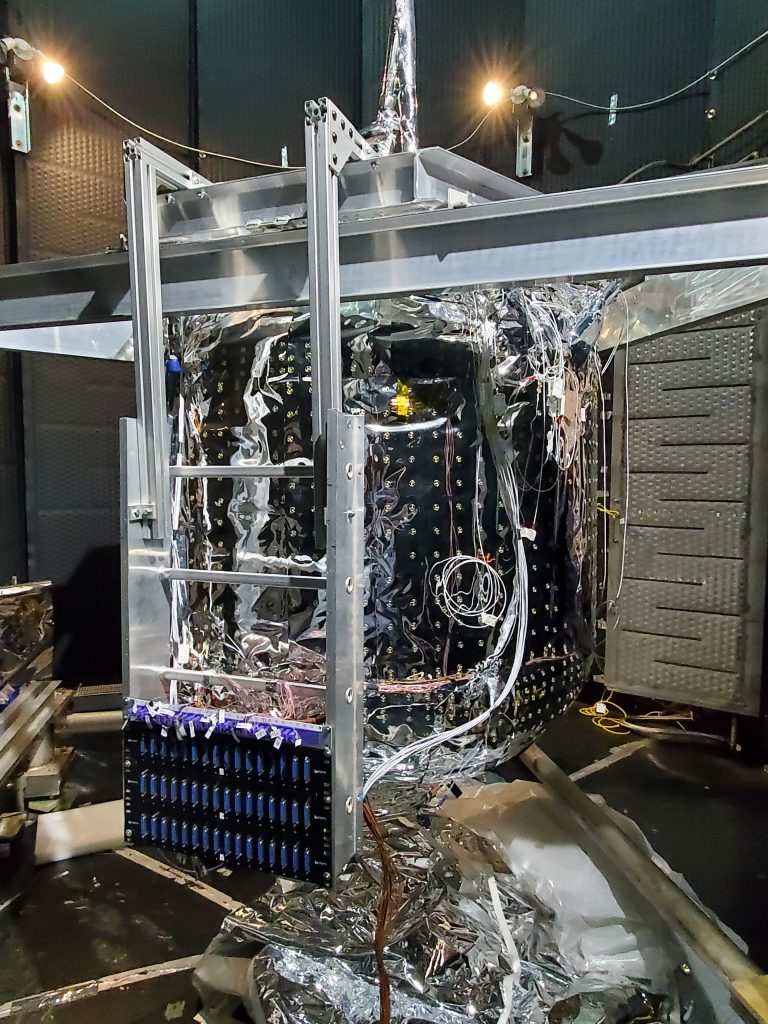
Cryogenic Propellant Storage
Cryogenic propellants like liquid hydrogen and liquid oxygen must be kept extremely cold to remain in a usable liquid state. The space environment isn’t as cold as some may think, and sunlight and spacecraft heat can cause these fluids to warm and boil away. Combining high-performance insulation and specialized cryogenic refrigeration systems called cryocoolers can retain these ultra-cold propellants without loss.
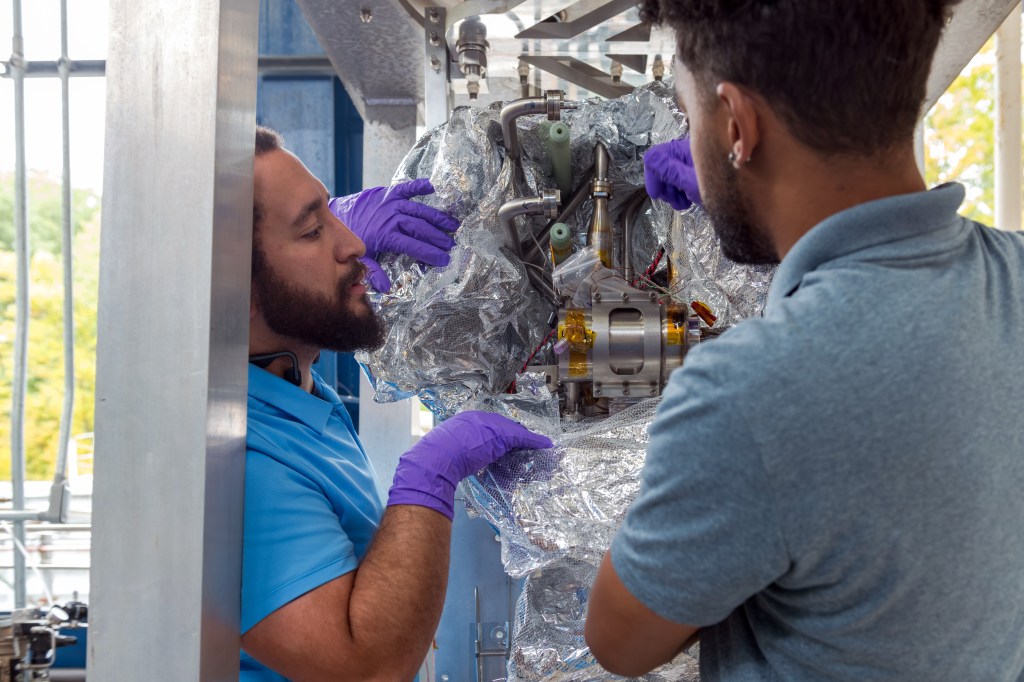
Cryogenic Fluid Liquefaction
Future exploration missions could produce fuel at destinations like the Moon and Mars. NASA is maturing technologies that can liquefy oxygen and hydrogen found in resources such as water ice on the surface. By converting these gasses into cryogenic propellants, landers could be refueled onsite, significantly reducing the amount of propellant that needs to be transported when launching from Earth.

Cryogenic Propellant Measurement
In microgravity, cryogenic propellants become unsettled and will float, slosh, and cling to surfaces, making traditional fuel gauges unreliable. NASA is advancing mass‑gauging and flow measurement technologies that can accurately determine remaining propellant in low‑gravity conditions. Reliable measurement ensures mission planners know exactly how much fuel is available for maneuvers, landings, and return trips.
Entry, Descent, and Landing
NASA continuously develops new Entry, Descent, and Landing (EDL) technologies to expand human and robotic access to the Moon, Mars, and other diverse surface destinations. These EDL technologies support human exploration, science, and industry needs through multiple funding, infusion and partnership mechanisms.
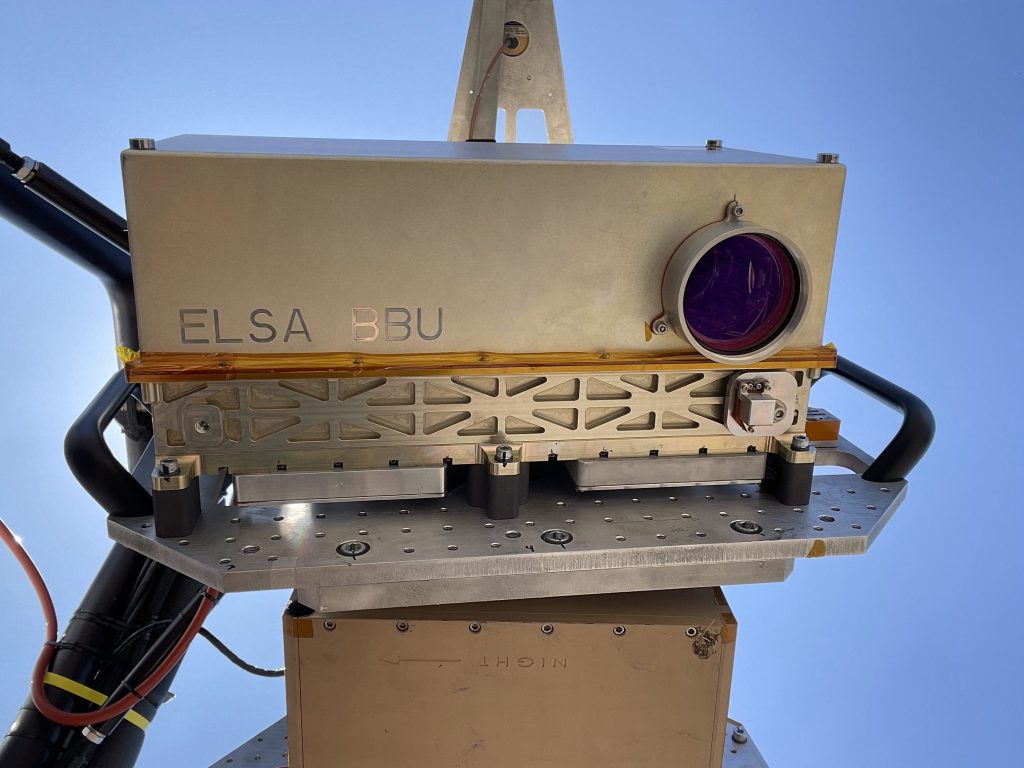
Safe Precise Landing-Integrated Capabilities Evolution
The SPLICE project has focused on the development, maturation, infusion, and commercialization of three focal technologies for descent and landing: Navigation Doppler Lidar (NDL), surface mapping lidar, and advanced guidance. Using the reflection of laser beams on the surface, NDL provides ultra-precise measurements of the descending lander’s velocity and range. The surface mapping lidar known as Exploration Lidar Sensor Assembly (ELSA) creates high-resolution maps of the landing surface that onboard software then uses to perform navigation, detect hazards, and identify suitable landing sites. These technologies will enable safer and more precise surface landings than ever before.
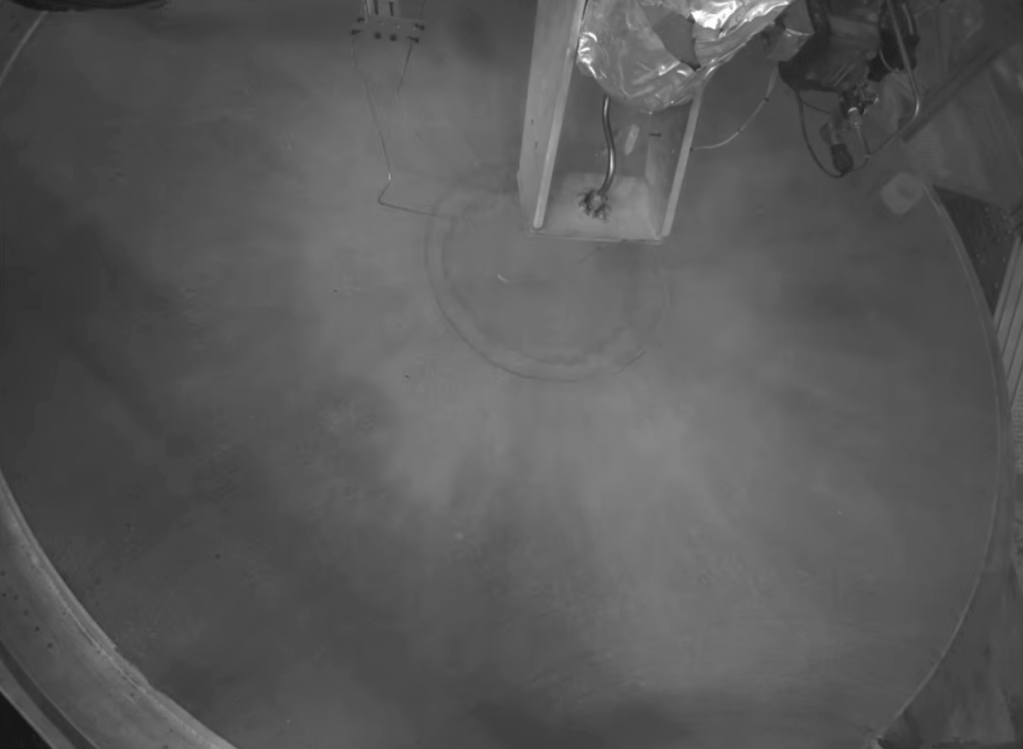
Plume Surface Interaction
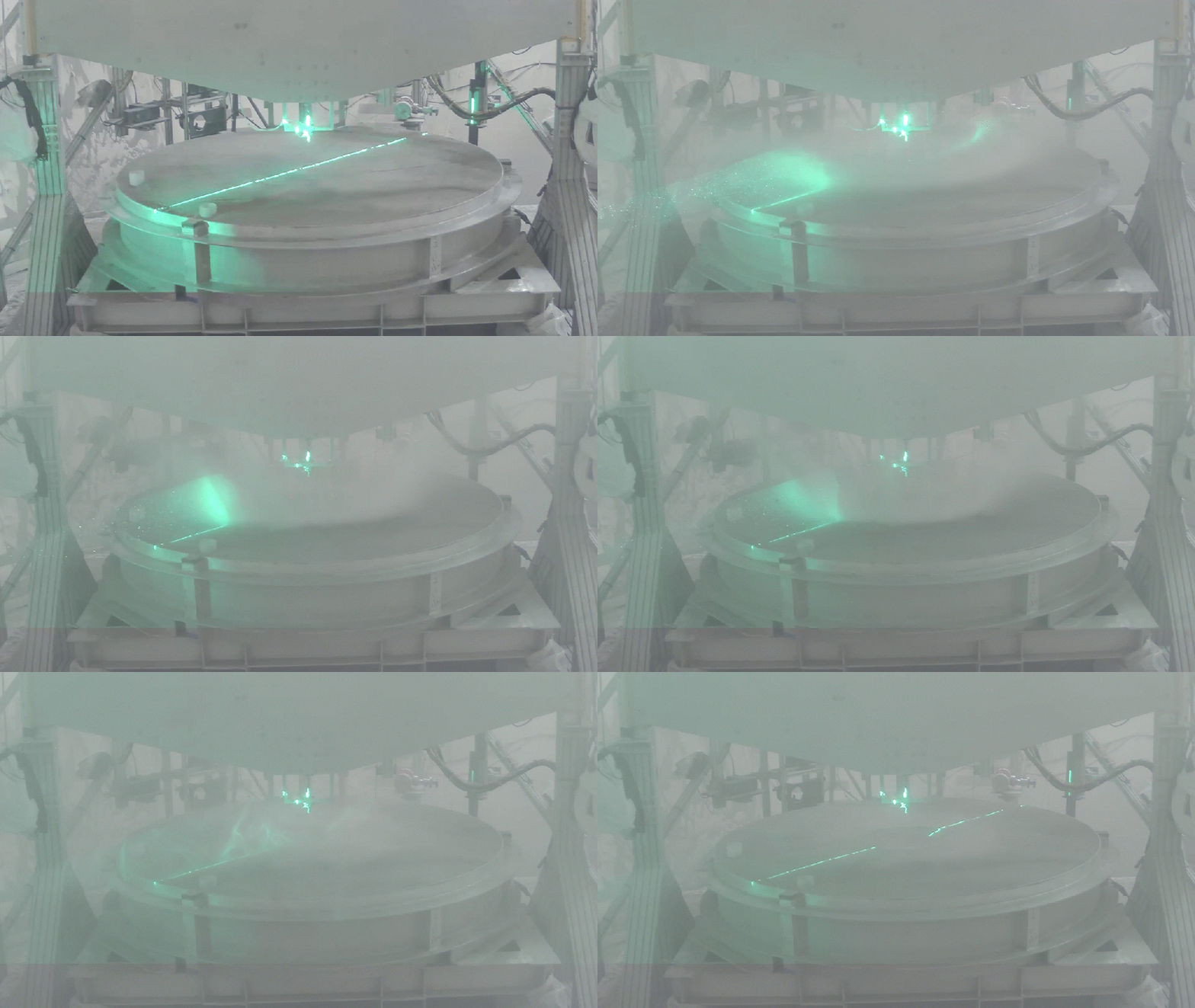
Plume Surface Interaction (PSI) describes the environments resulting from the impingement of rocket engine exhaust onto an unprepared planetary or lunar surface. NASA is advancing the understanding of these complex effects through investments in predictive modeling, ground testing, and novel instruments and sensors to obtain critical data in the lab and in flight. Outcomes from these efforts are reducing risks from PSI for propulsive landers of all mission scales and destinations.
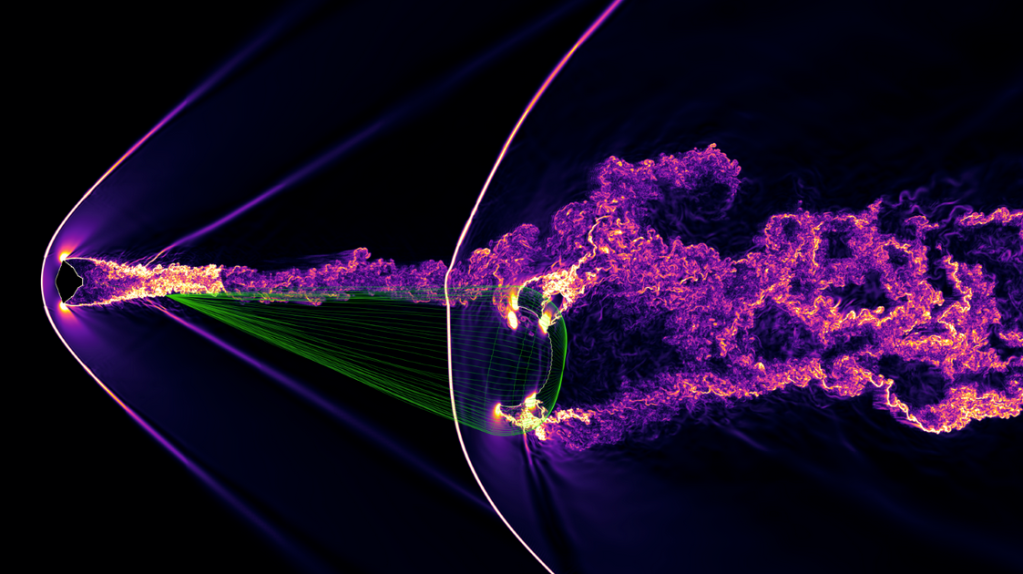
Entry System Modeling
To protect astronauts and payloads during atmospheric entry, spacecraft must withstand extreme conditions such as high temperatures and hypersonic speeds. NASA’s Entry Systems Modeling (ESM) project provides the agency with validated, physics-based modeling and simulation capabilities essential for designing, developing, and qualifying spacecraft entry systems that are safe, reliable, and innovative. Because full-fidelity flight testing is impractical for most destinations, ESM delivers the predictive tools, cross-disciplinary expertise, and uncertainty qualification needed to reduce mission risk and accelerate design cycles.
Space Reactor-1 Freedom
Destined for Mars, Space Reactor 1 Freedom is the first fission powered spacecraft to travel beyond Earth’s orbit, demonstrating nuclear electric propulsion.
Learn About Space Reactor-1 Freedom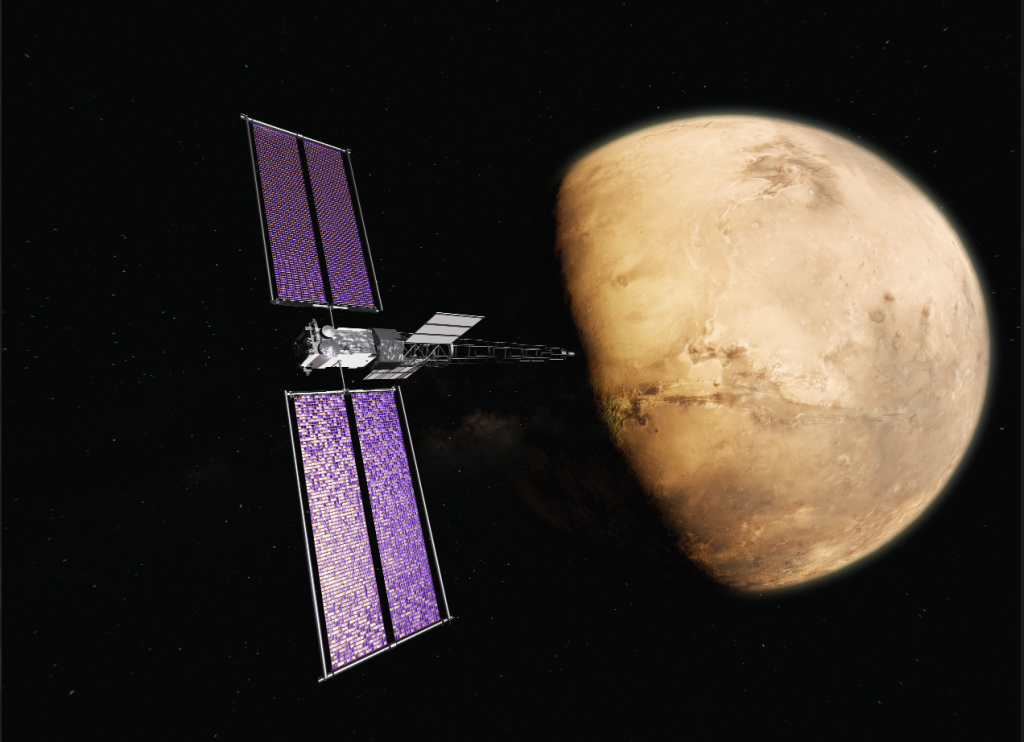
Plume-Surface Interaction Testing at NASA Langley
A team at NASA Langley is firing engine plumes into simulated lunar soil because as the United States returns to the Moon, both through NASA’s Artemis campaign and the commercialization of space, researchers need to understand the hazards that may occur when a lander’s engines blast away at the lunar dust, soil, and rocks.
Visit the Technology for Space Travel Playlistfaces of technology videos
Lindsay Kaldon
Fission Surface Power, Project Manager at NASA's Glenn Research Center
Jason Frieman
Research Electrical Engineer at NASA's Glenn Research Center
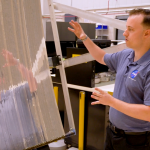
Beau Compton
Aerospace Engineer at NASA’s Glenn Research Center

Wanessa Priesmeyer
Flight Test Campaign Manager for NASA’s Flight Opportunities program
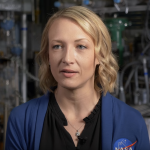
Lauren Best Ameen
Deputy Manager for the Cryogenic Fluid Management Portfolio Project Office at NASA

Paromita Mitra
Avionics Systems Manager at NASA

Women of Technology
Celebrating the Women who Bring NASA Technology to Life

Angela Herblet
Manager for NASA’s Prize Competitions

Kellin Slater
Project Manager at Colorado State University

Amber Soja
Program Manager at NASA's Langley Research Center
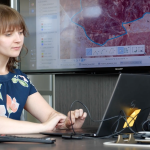
Emily Gargulinski
NASA Research Engineer at the National Institute of Aerospace
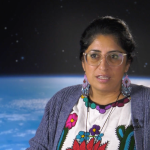
Ali Guarneros Luna
Aerospace Engineer at NASA's Ames Research Center
Anjie Emmett
Mechanical Engineer at NASA's Langley Research Center

Prital Johnson
Mechanical Engineer at NASA's Kennedy Space Center
Kevin Grossman
Materials Scientist at NASA's Kennedy Space Center
Bob Carter
Materials Engineer at NASA's Glenn Research Center