













White Papers
NASA white papers highlight key results from the annual Architecture Concept Review and complement the Architecture Definition Document.

2025 Architecture Concept Review
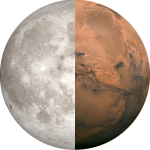
Why Moon and Mars: Building an Evolutionary Architecture
Explores how NASA is using an evolutionary crawl-walk-run approach to steadily build capabilities that can overcome the challenges of deep space exploration, expanding on the incremental approach the agency used to build up to the Apollo lunar landings.
2024 Architecture Concept Review
2023 Architecture Concept Review
Lunar Communications and Navigation Architecture
NASA’s return to the Moon will require reliable communications services and accurate navigation data. A network of ground stations, space relay satellites, and surface-to-surface communications equipment provided by NASA, industry, and international partners will keep Artemis astronauts connected with Earth.
Analytical Capabilities In-situ vs. Returned
Samples collected on the lunar surface may be analyzed by science instruments launched to the Moon or at laboratories on Earth. In-situ analysis is limited by the capabilities of instruments that can be launched to the Moon, whereas samples returned to Earth can benefit from more refined analyses. However, returning pristine samples — those kept in the environment in which they were collected — to Earth presents technological challenges.
Safe and Precise Landing at Lunar Sites
Precision lunar landings will become increasingly important as space agencies and private companies explore more of the Moon. More precise landings enhance crew safety, minimize site contamination risks, and enable missions to reach specific, scientifically significant sites.
Surface Extravehicular Activity Architectural Drivers
When humans return to the Moon, they won’t simply land — they’ll explore the lunar surface during extravehicular activities, or spacewalks. NASA and its partners will need to address the unique challenges of walking on the Moon. The lessons learned on the lunar surface will directly influence plans for crewed Mars missions.
Lunar Logistics Drivers and Needs
To support crewed missions, the missions need numerous logistics items — the equipment and supplies necessary to sustain life, maintain systems, and conduct science — supplied to the lunar surface. The composition and amount of these items vary significantly based on mission requirements.
Mars Communications Disruption and Delay
Communications blackouts and delays are unavoidable for crewed Mars missions, though blackouts can be mitigated through thoughtful design. Crewed Mars exploration must respond to the unique constraints of the Red Planet; to account for disruption and delays, system and crew autonomy must be a significant focus in mission planning.
Mars Mission Abort Considerations
Crewed Mars missions have more challenging abort factors than lunar missions due to the sheer distance from Earth. An abort in transit to Mars will take months, not days. Early Mars missions will have limited abort options from the surface.This paradigm shift will require fundamental changes in mission planning.
Mars Surface Power Generation
The first human explorers on Mars will need energy to power the systems they use to live and work on the surface and ascend back to orbit. The Martian environment poses unique challenges for generating power and power requirements will vary significantly based on mission profile.
Round-Trip Mars Mission Mass Challenges
Round-trip Mars missions are much more difficult than one-way trips. Mars “gear ratios” are multipliers of the mass required to launch any given payload from Earth’s gravity well to Mars’ and then return it home. The mass requirements for each leg of a round-trip mission will affect mission cost, schedule, and complexity.
Human Health and Performance for Mars Missions
Astronauts on missions to Mars will face a series of interrelated risks to their health and performance, including radiation exposure, changing gravity, isolation, distance from Earth, and environmental factors on the surface. Mission architecture and equipment design should consider these risks and minimize them wherever possible.
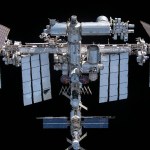
Exploration Lessons Learned from the Space Station
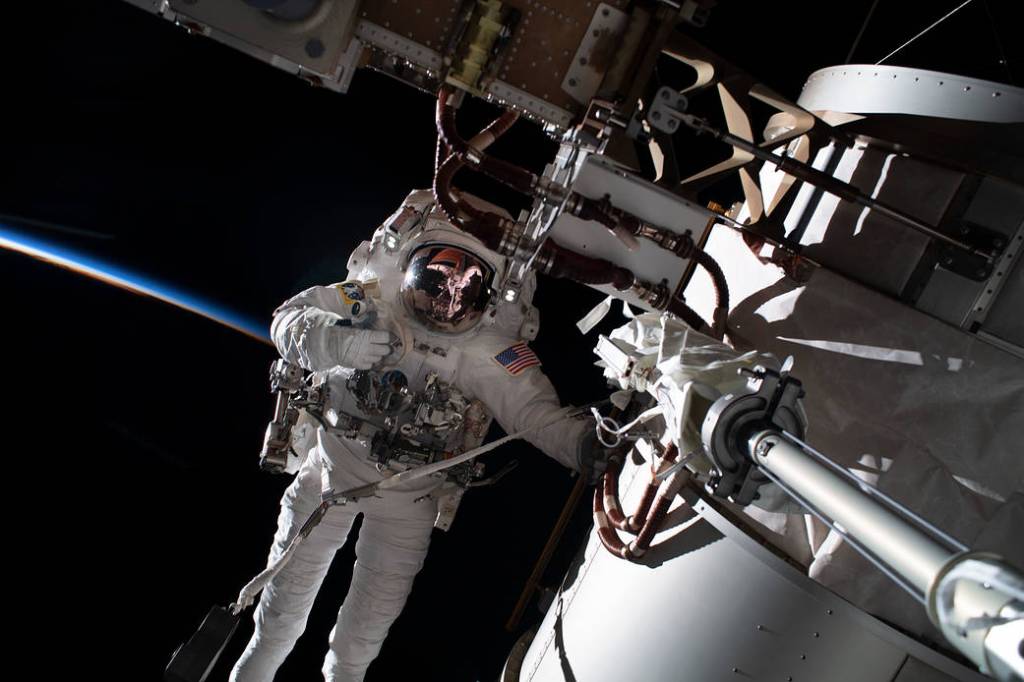
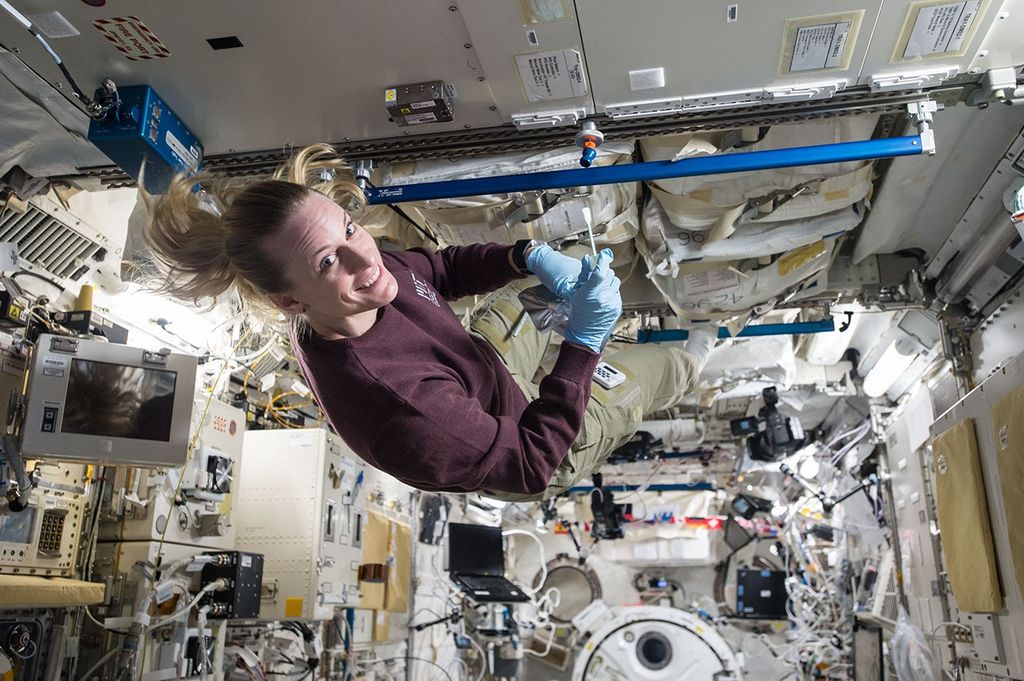
The International Space Station is humanity’s testbed in low Earth orbit. The orbiting laboratory is advancing capabilities in life support, navigation, extravehicular activities, and human health. Lessons learned on the space station are enabling deep space exploration.
2022 Architecture Concept Review

Why NRHO: The Artemis Orbit
The programs and systems comprising Artemis have evolved from a series of agency initiatives. These systems have been determined through feasibility analyses and assessments of mission design and architecture conducted over many years. One of the key architectural features is the staging orbit from which Artemis will operate: Near-Rectilinear Halo Orbit (NRHO). (PDF)
Why Artemis will Focus on the Lunar South Pole Region
The lighting conditions in the south polar region contribute to unique scientific and operational opportunities. Sites of permanent darkness are not exposed to the solar wind and could preserve volatiles collected throughout the Moon’s past. Conversely, long exposure to sunlight creates environments suitable for long-term survival of hardware and solar power generation. (PDF)
Gateway: The Cislunar Springboard for International and Sustainable Deep Space Exploration
A key need for the lunar architecture – derived from the Moon to Mars objectives – is a long-duration, multi-purpose cislunar platform. That Gateway is a critical element of deep space infrastructure, empowering the Artemis program, serving as a stepping-stone to Mars, and establishing a permanent, U.S.-led outpost in cislunar space. (PDF)
Mars-Forward Capabilities to be Tested at the Moon
NASA and its partners have identified a series of risk-reduction activities to practice, improve, and refine exploration systems at the Moon before sending a crew to Mars. These operational constructs are combined in various ways to accomplish mission goals as we expand our reach beyond the International Space Station to the lunar vicinity and on to Mars. (PDF)
Mars Transportation
One of the most visible portions of the Mars architecture is the Earth to Mars transportation system. Four propulsion systems are currently under consideration: nuclear thermal, hybrid nuclear electric/chemical, hybrid solar electric/chemical, and all chemical. This paper orients the greater community to their breadth, variations, and associated risks. (PDF)