












Launch Services Program Upcoming Missions
COSI
COSI (Compton Spectrometer and Imager) is a wide-field gamma-ray telescope that will study energetic phenomena in the Milky Way and beyond, including the creation and destruction of matter and antimatter and the final stages of the lives of stars.
Learn More About COSI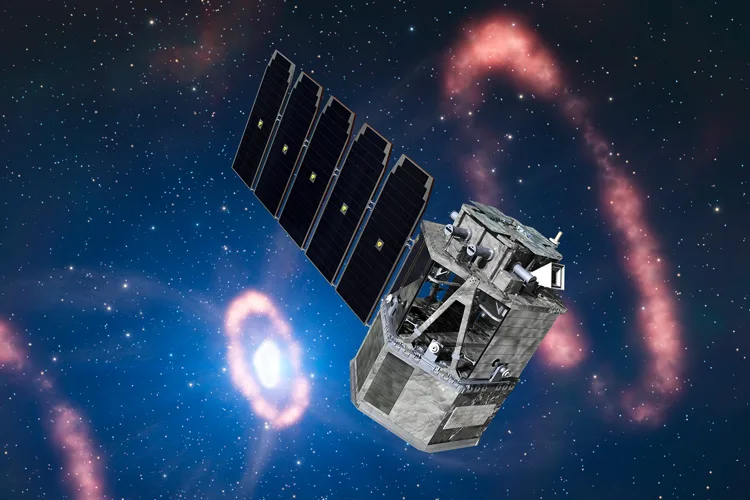
Dragonfly
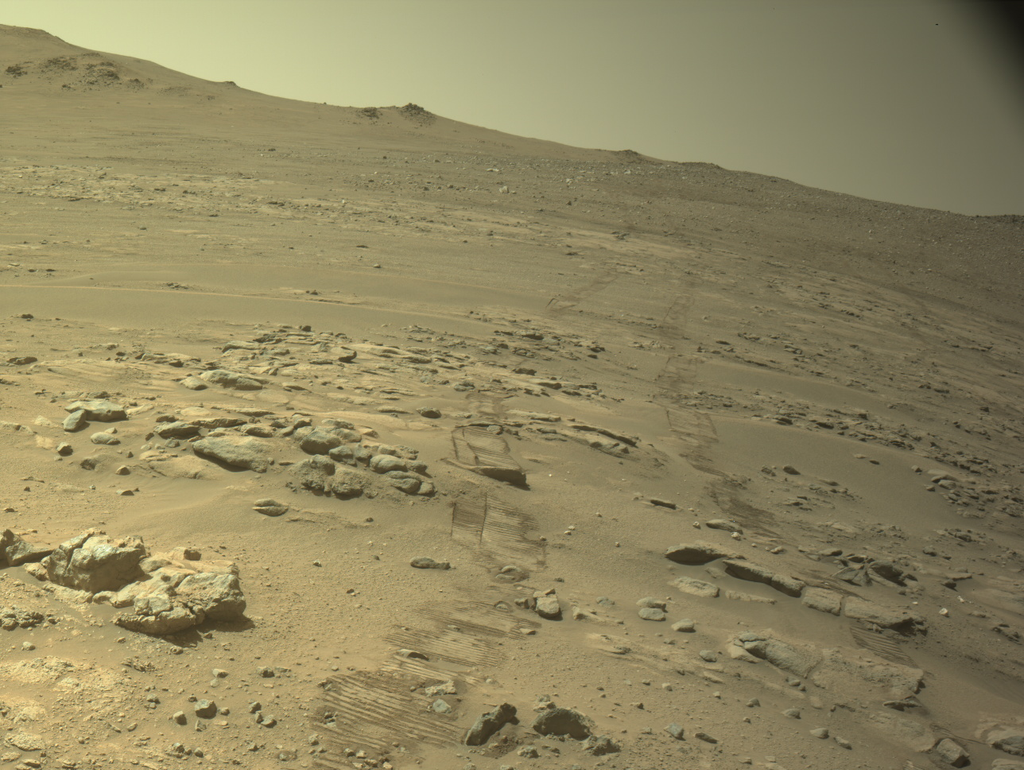
Making multiple flights, the Dragonfly rotorcraft will explore a variety of locations on Saturn’s moon Titan.
Learn More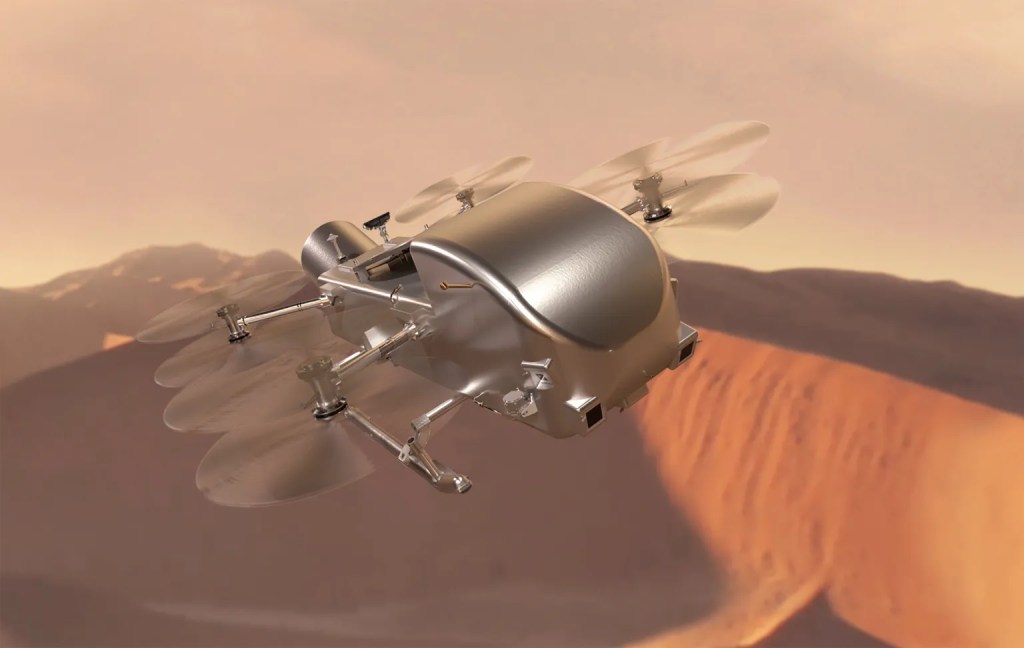
INCUS
INCUS (INvestigation of Convective UpdraftS) will include three SmallSats flying in tight coordination to study why convective storms, heavy precipitation, and clouds occur exactly when and where they form.
Learn More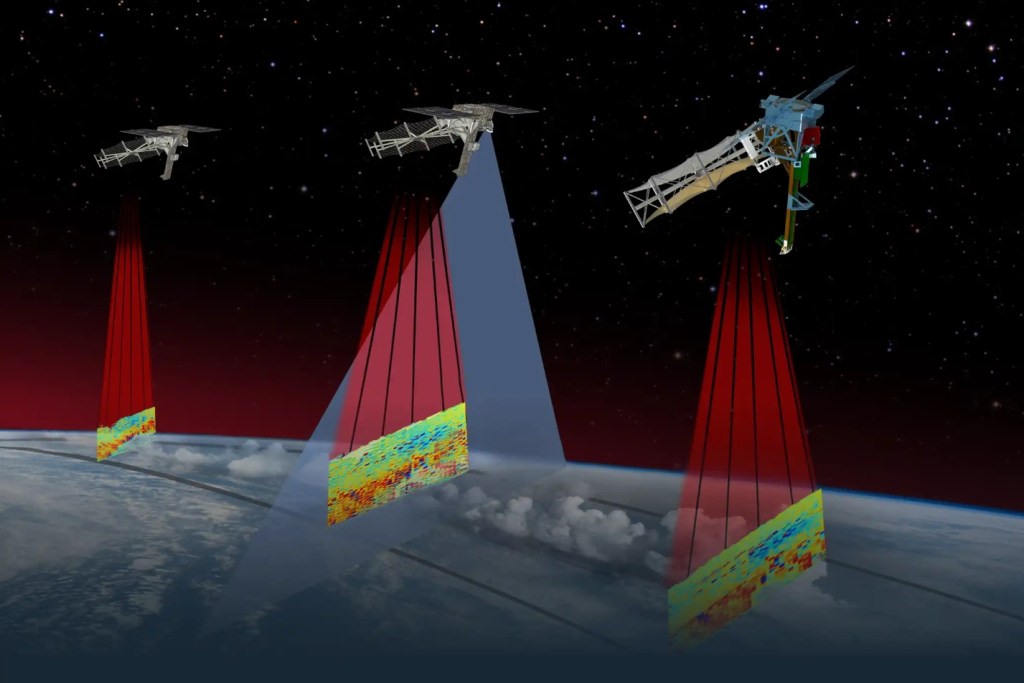
JPSS-4
JPSS (Joint Polar Satellite System) is the nation’s advanced series of polar-orbiting environmental satellites. NOAA’s JPSS-4 will be the next JPSS satellite to launch.
Learn More About JPSS-4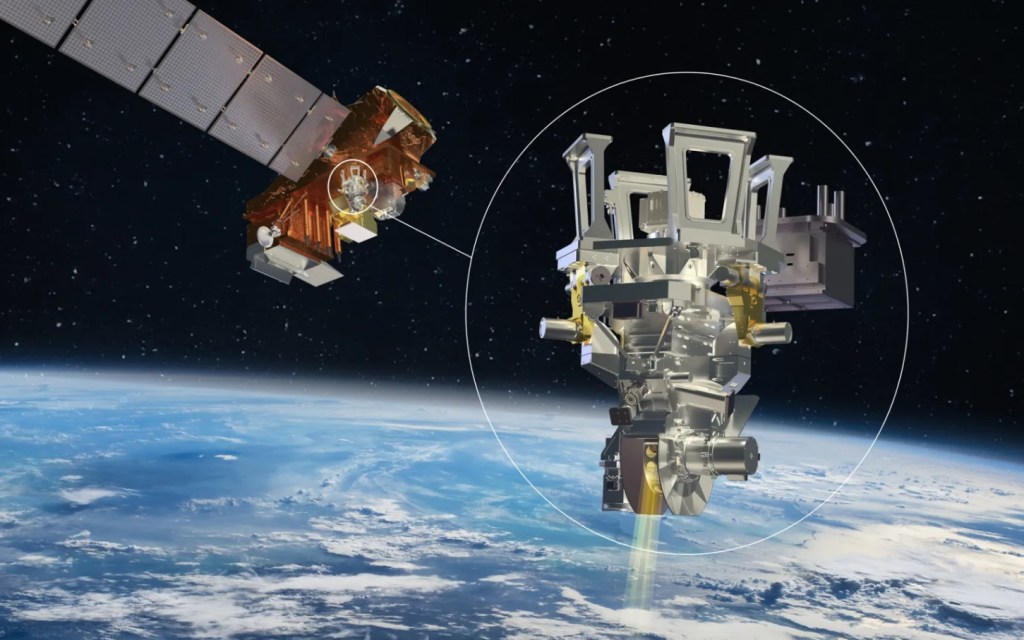
MUSE
The Multi-slit Solar Explorer mission will help scientists understand the forces heating the Sun’s corona, the outermost region whose eruptions are the foundation of space weather, by observing the Sun’s extreme ultraviolet radiation and capturing the highest resolution images ever of this region.
Learn More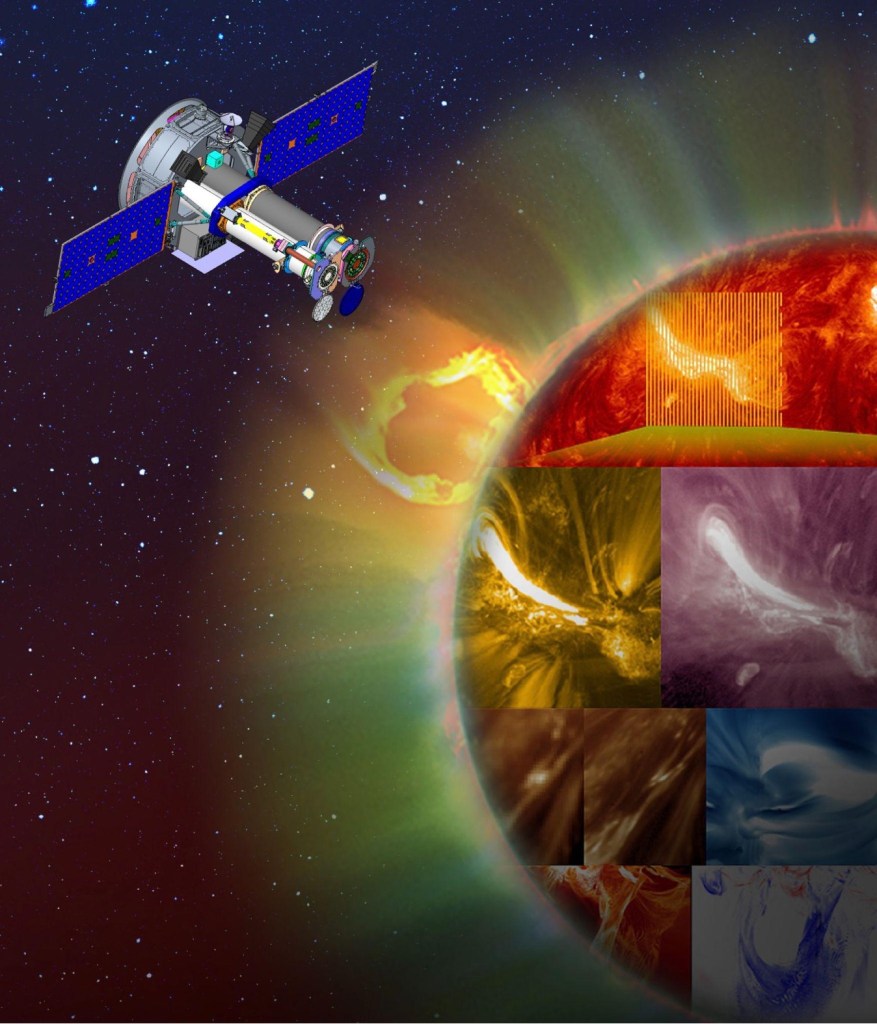
NEO Surveyor
Near-Earth Object (NEO) Surveyor is the first space telescope specifically designed to hunt asteroids and comets that may be potential hazards to Earth.
Learn More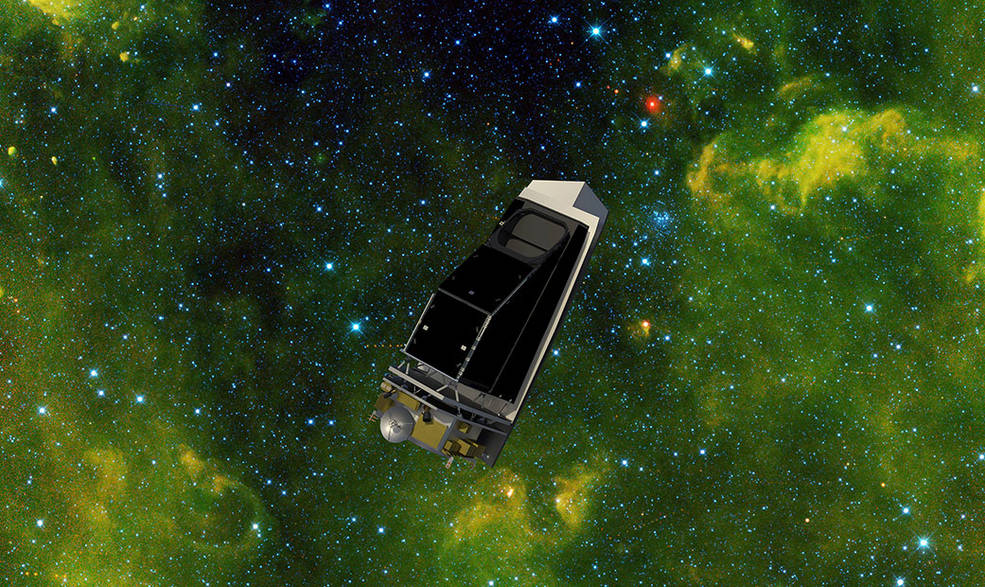
Space Reactor-1 Freedom
Destined for Mars, Space Reactor-1 (SR-1) Freedom is humanity’s first fission-powered interplanetary spacecraft. It will demonstrate nuclear electric propulsion in deep space.
Learn More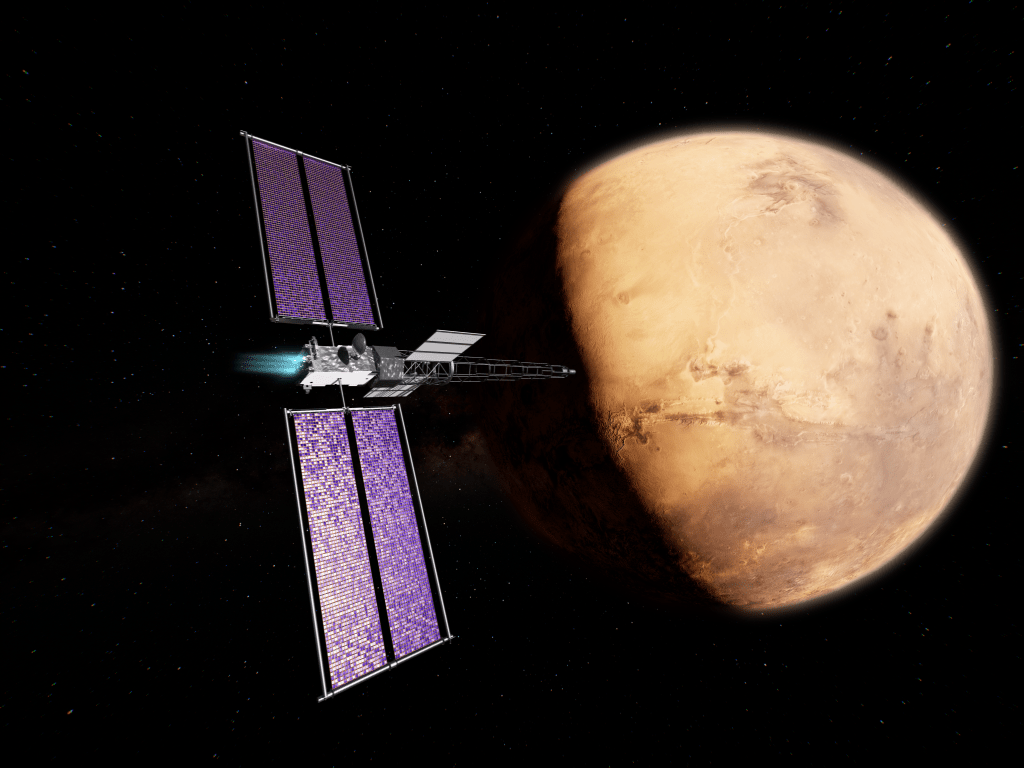
Starburst
StarBurst is a SmallSat that will detect high-energy gamma rays from events such as the mergers of dense stellar remnants called neutron stars.
Learn More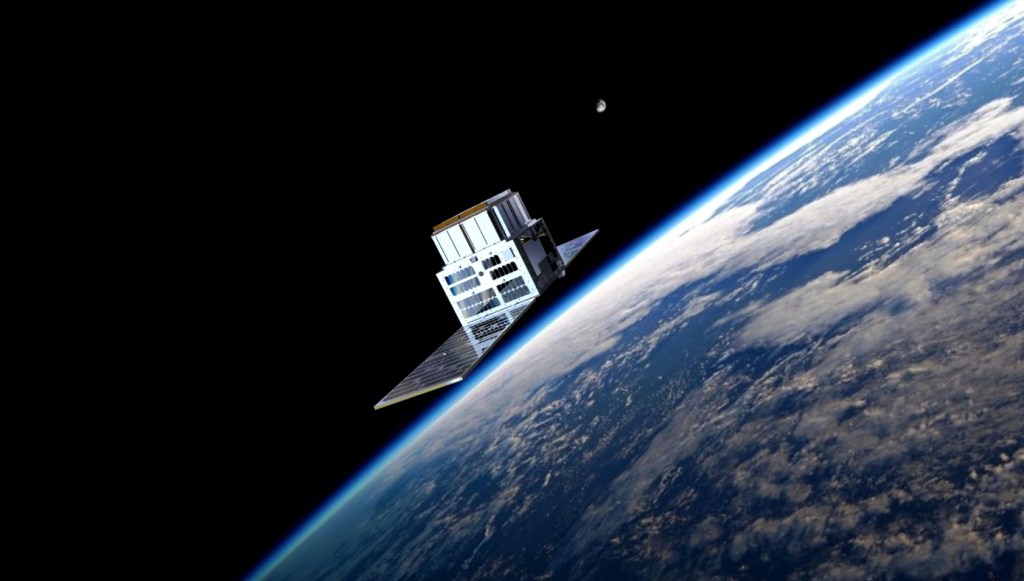
TSIS-2
TSIS-2 will measure the Sun’s energy input to Earth. Unlike its predecessor which operates from the International Space Station (ISS), TSIS-2 will ride on a free-flying spacecraft.
Learn More