









Lunar Mission and Space Exploration Facility
Johnson Space Center, Building 31
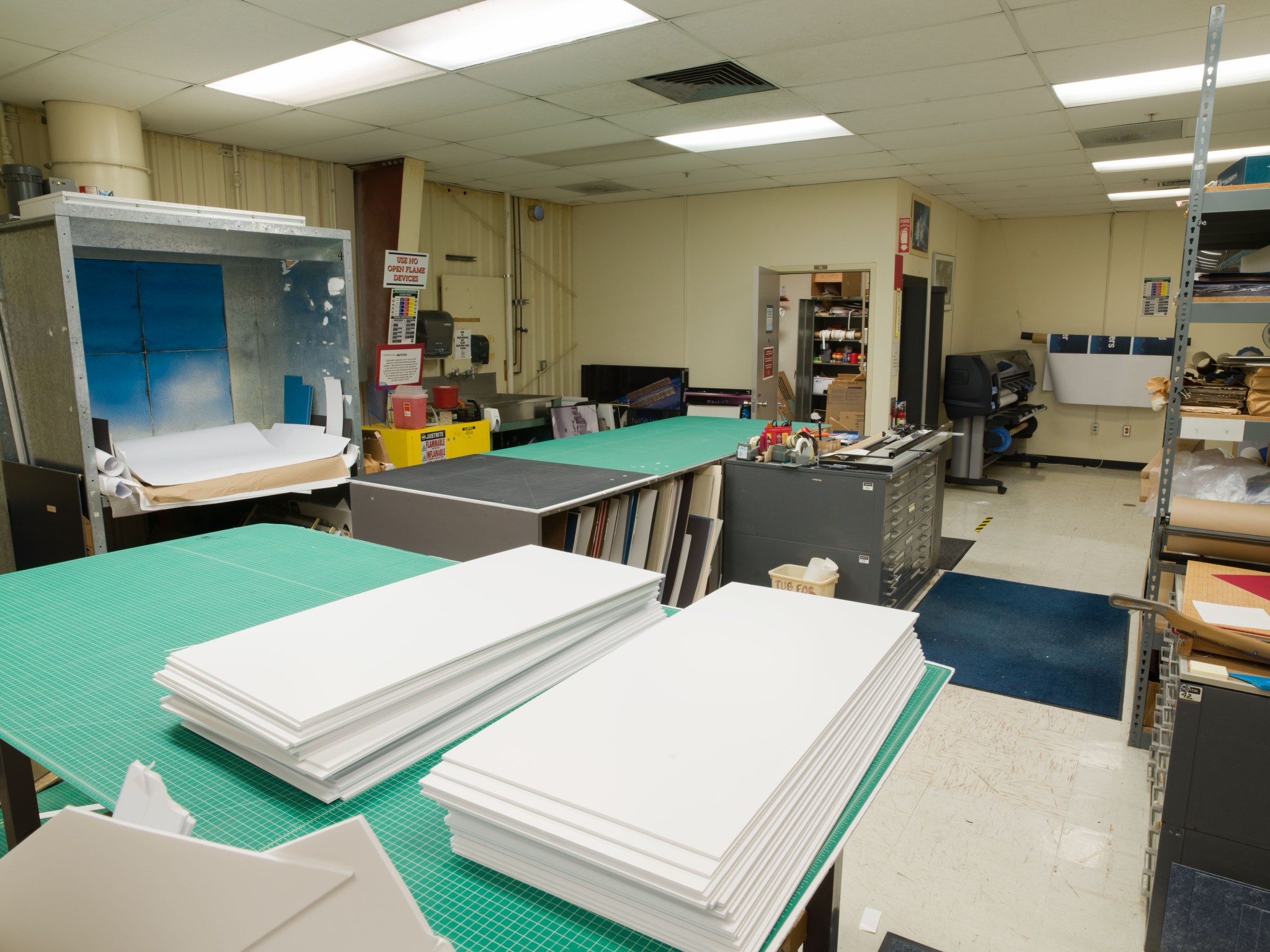
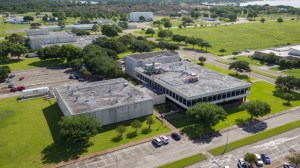
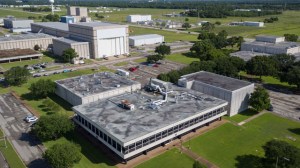
Building 31, Lunar Mission and Space Exploration Facility
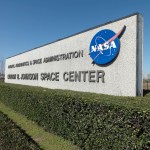
NASA Lyndon B. Johnson Space Center
Houston, Texas
Building 31, constructed in 1966, was originally called the Lunar Mission and Space Exploration Facility but renamed the Planetary and Earth Sciences Laboratory in 1974. The building was designed to house office space and unique laboratories to support applied technology for cislunar space, lunar surface, and planetary environments where Apollo and future human spaceflight would operate. The north wing of Building 31 is Building 31N, the Lunar Sample Curatorial Facility, which was added in 1979 to provide permanent storage of the lunar sample collection in a physically secure and non-contaminating environment.
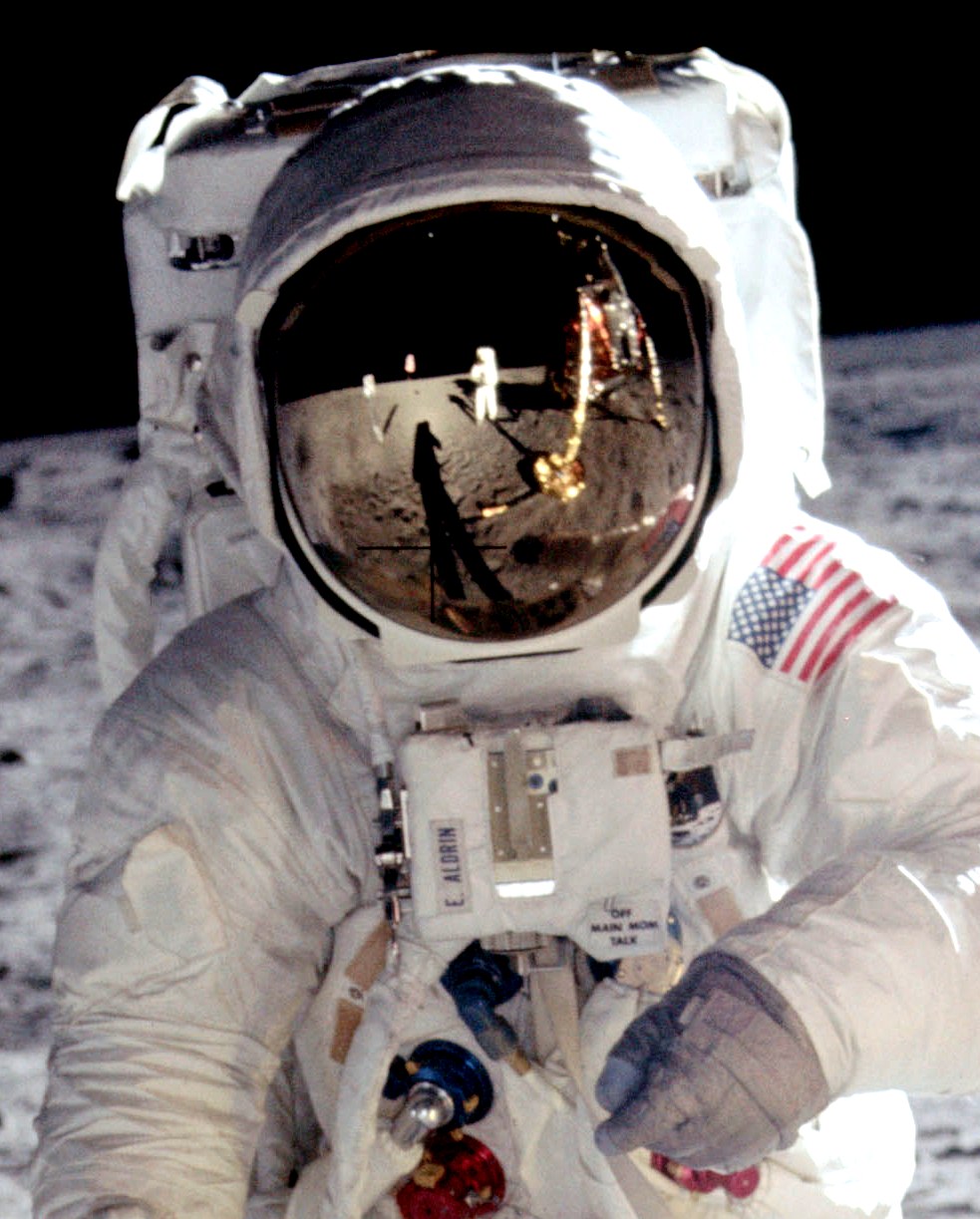
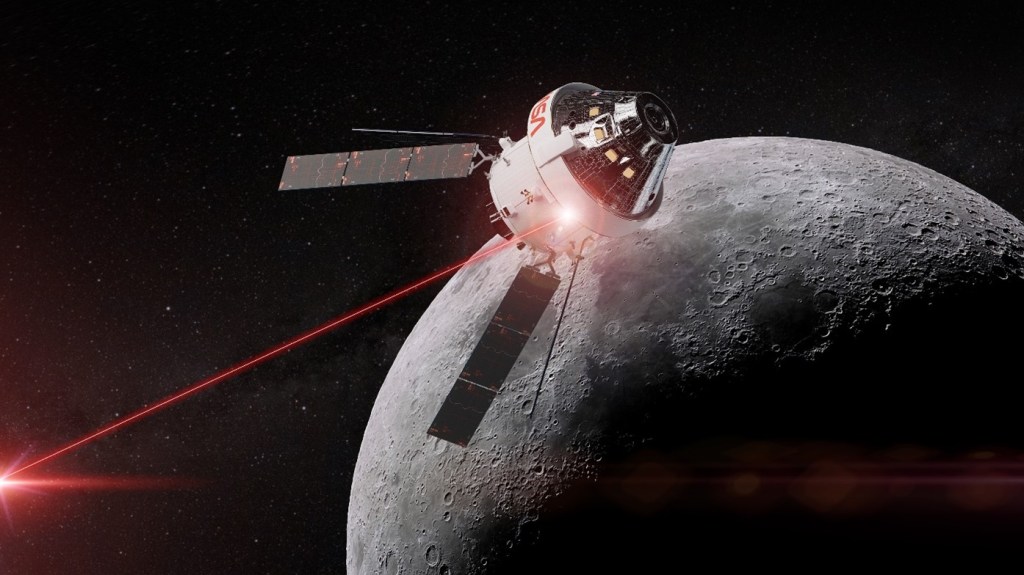
Building 31 developed experiments to be conducted by the astronauts on the lunar surface, and trained astronauts in experiment procedures. Building 31 has housed laboratories for everything from geoscience, cartography, optics, and photointerpretation, to applied physics, radiation measurement, geochemical analyses, high velocity meteoroid impact testing, and particle physics. Building 31 also houses the Systems Engineering Simulator, which is a real-time, crew-in-the-loop engineering simulator that formerly supported the Space Shuttle Program, and now supports International Space Station and Orion program training and asteroid landings.
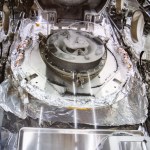
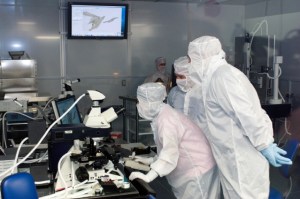
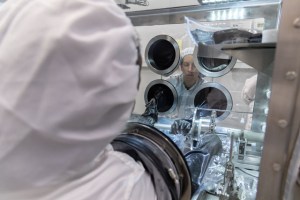
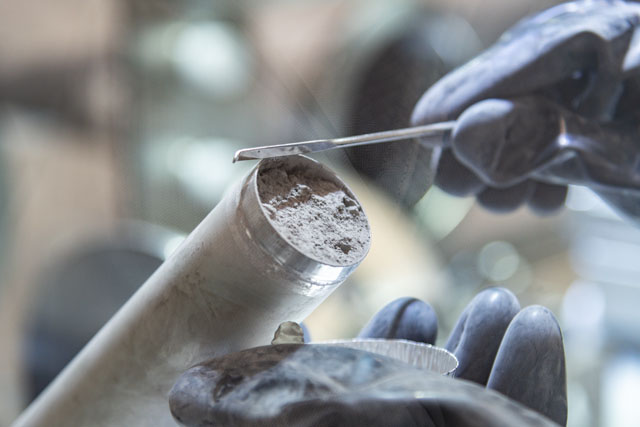
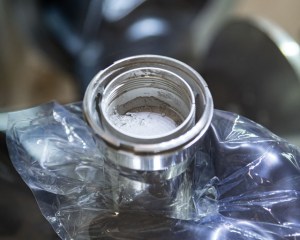
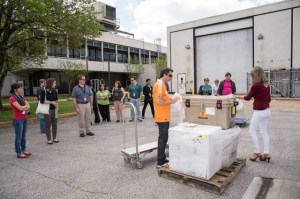
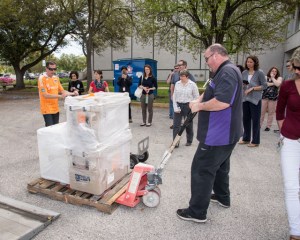
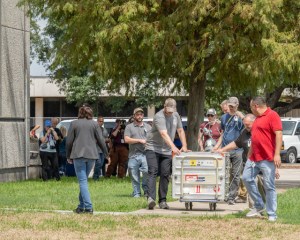
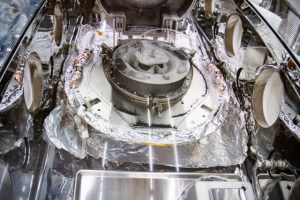
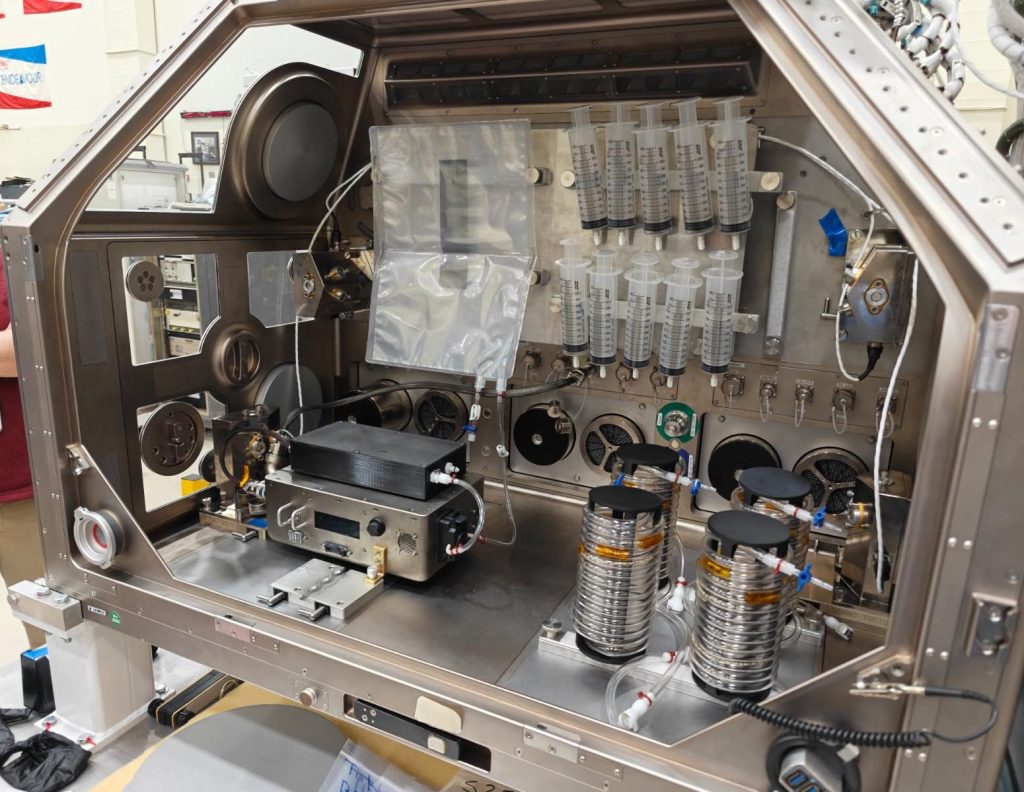
Building 31N permanently houses our national treasure Apollo lunar material and curates the most extensive collection of extraterrestrial materials on Earth. These samples, along with associated data records, are physically protected, environmentally preserved, and scientifically processed in Building 31N. The facility uses a unique system of positive pressure inert gaseous nitrogen gloveboxes to keep samples in pristine condition. Following the Apollo program, Building 31N curation expanded to include lunar samples returned by unmanned NASA lunar missions, meteorites, stardust, solar wind samples, cosmic dust grains and orbital debris, space-exposed hardware, and asteroid samples.
Current Building 31N functions include laboratories for the curation processing and storage of lunar and asteroid samples and the assembly of specialized collection equipment, as well as facilities and equipment for information storage and distribution, high purity gas and water supply, storage vaults, and cleanrooms to support laboratory functions. Building 31N also prepares and distributes lunar samples for research, education, and display at institutions and academic conferences across the world.