













Suggested Searches

High-Speed Flight Project More News

Stay up-to-date with the latest content from NASA's High-Speed Flight project covering our aeronautical research from speeds of Mach 1 to Mach 5 and above.
NASA’s X-59 Experimental Supersonic Aircraft Makes Second Flight 
2 min read

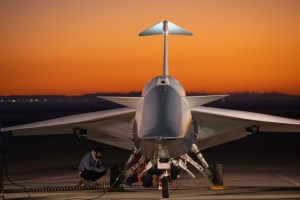
NASA’s quiet supersonic X-59 aircraft made its second flight on Friday, kicking off a series of dozens of test flights in 2026.  Although the flight duration was abbreviated due…
March 20, 2026
Article
NASA’s X-59 Prepares for Second Flight
4 min read

NASA’s X-59 experimental aircraft is preparing for its second flight, a step that will set the pace for more flight testing in…

March 17, 2026
Article
High-Speed Flight Project Overview
1 min read

What We do The High-Speed Flight (HSF) project develops technologies that make high-speed, airbreathing, commercial flight possible from Mach 1…
March 4, 2026
Article
NASA Aims to Advance Hypersonic Flight Testing with New Awards 
3 min read

While NASA is working with U.S. aviation to explore commercial supersonic technologies, the agency is also looking forward to an…
January 30, 2026
Article
NASA Adds Two F-15 Aircraft to Support Supersonic Flight Research
3 min read

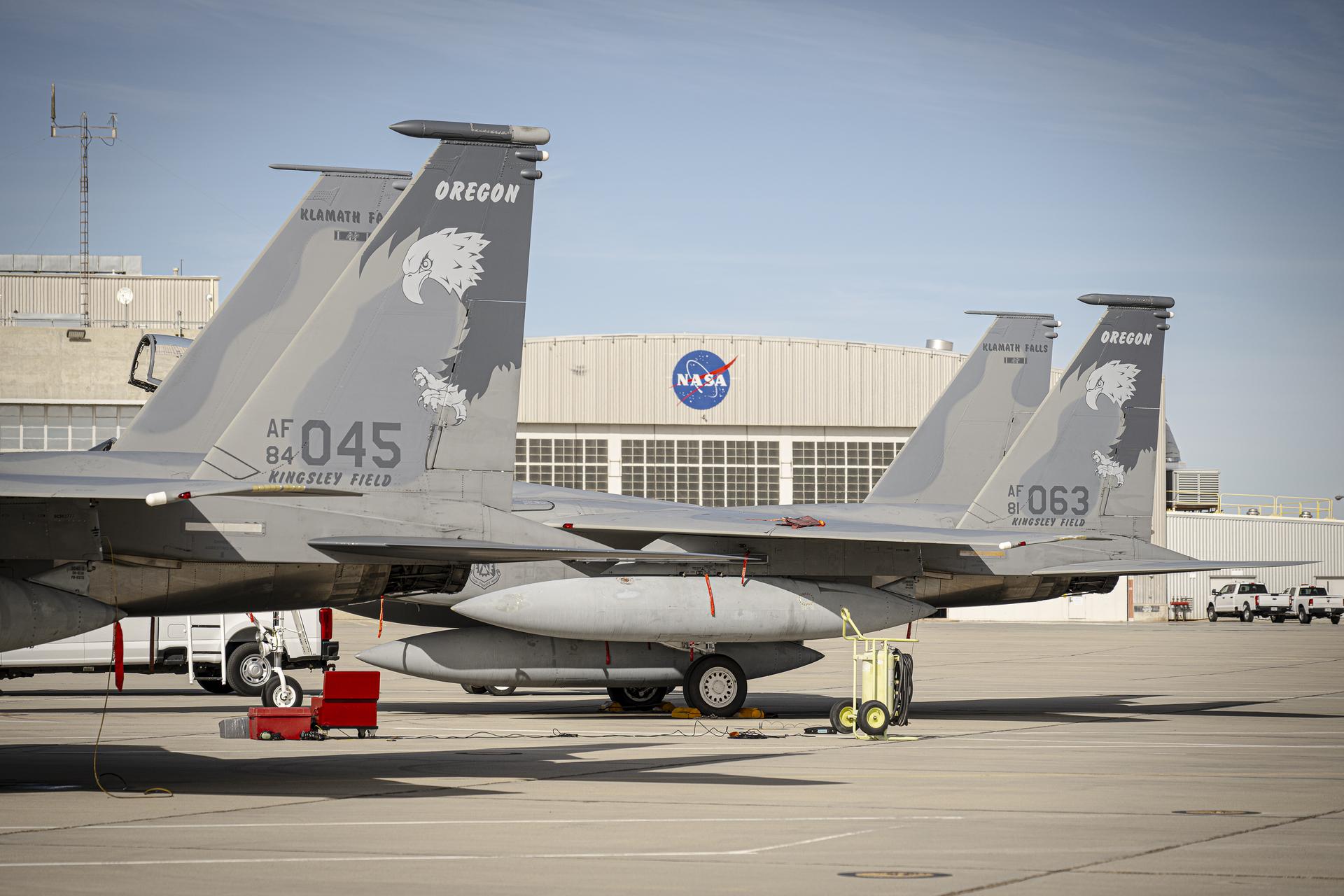
Two retired U.S. Air Force F-15 jets have joined the flight research fleet at NASA’s Armstrong Flight Research Center in…

Image Article
NASA Armstrong Advances Flight Research and Innovation in 2025
12 min read

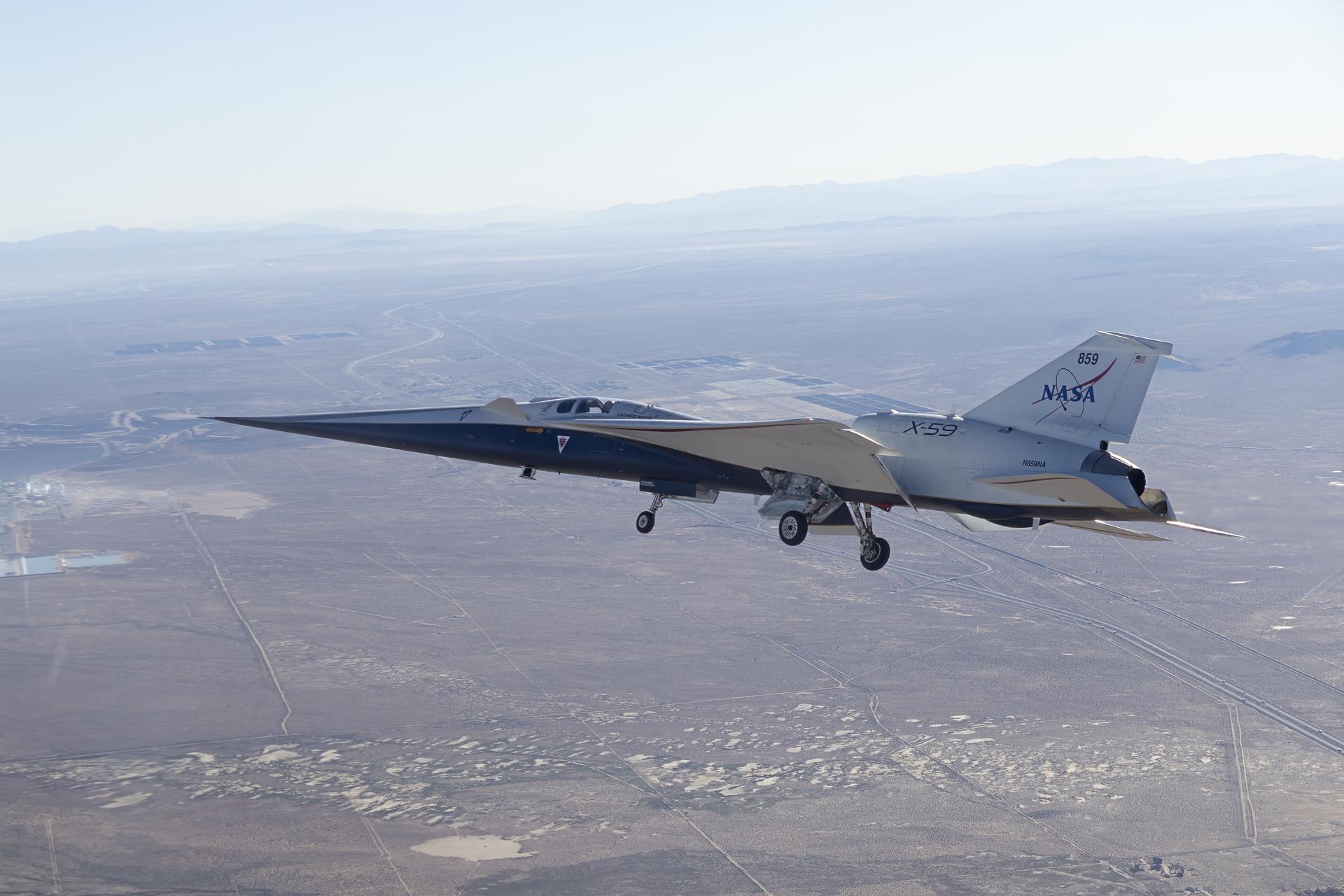
In 2025, NASA’s Armstrong Flight Research Center in Edwards, California, advanced work across aeronautics, Earth science, exploration technologies, and emerging…
December 22, 2025
Article
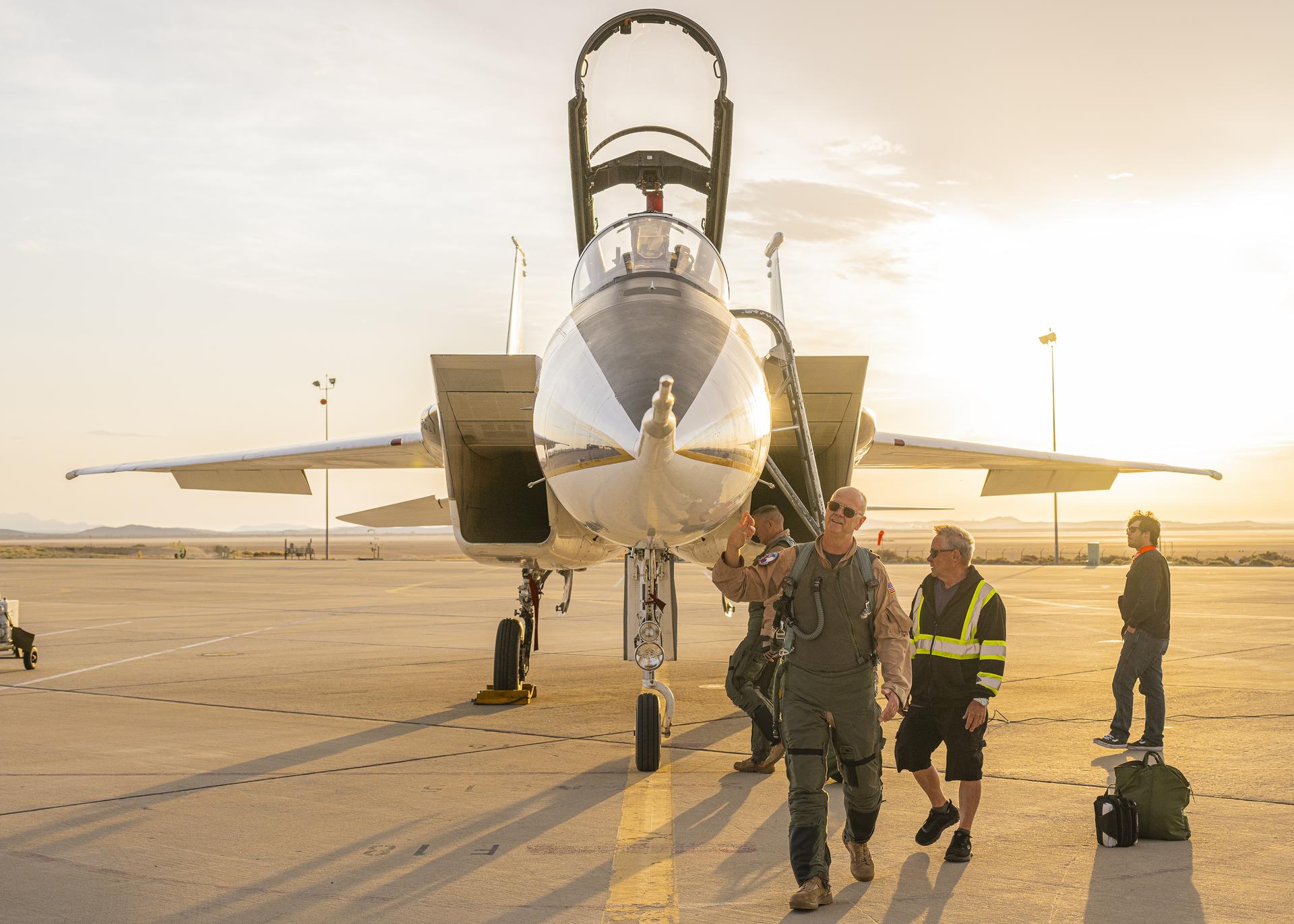
NASA’s X-59 Completes First Flight, Prepares for More Flight Testing
5 min read

After years of design, development, and testing, NASA’s X-59 quiet supersonic research aircraft took to the skies for the first…
November 19, 2025
Article
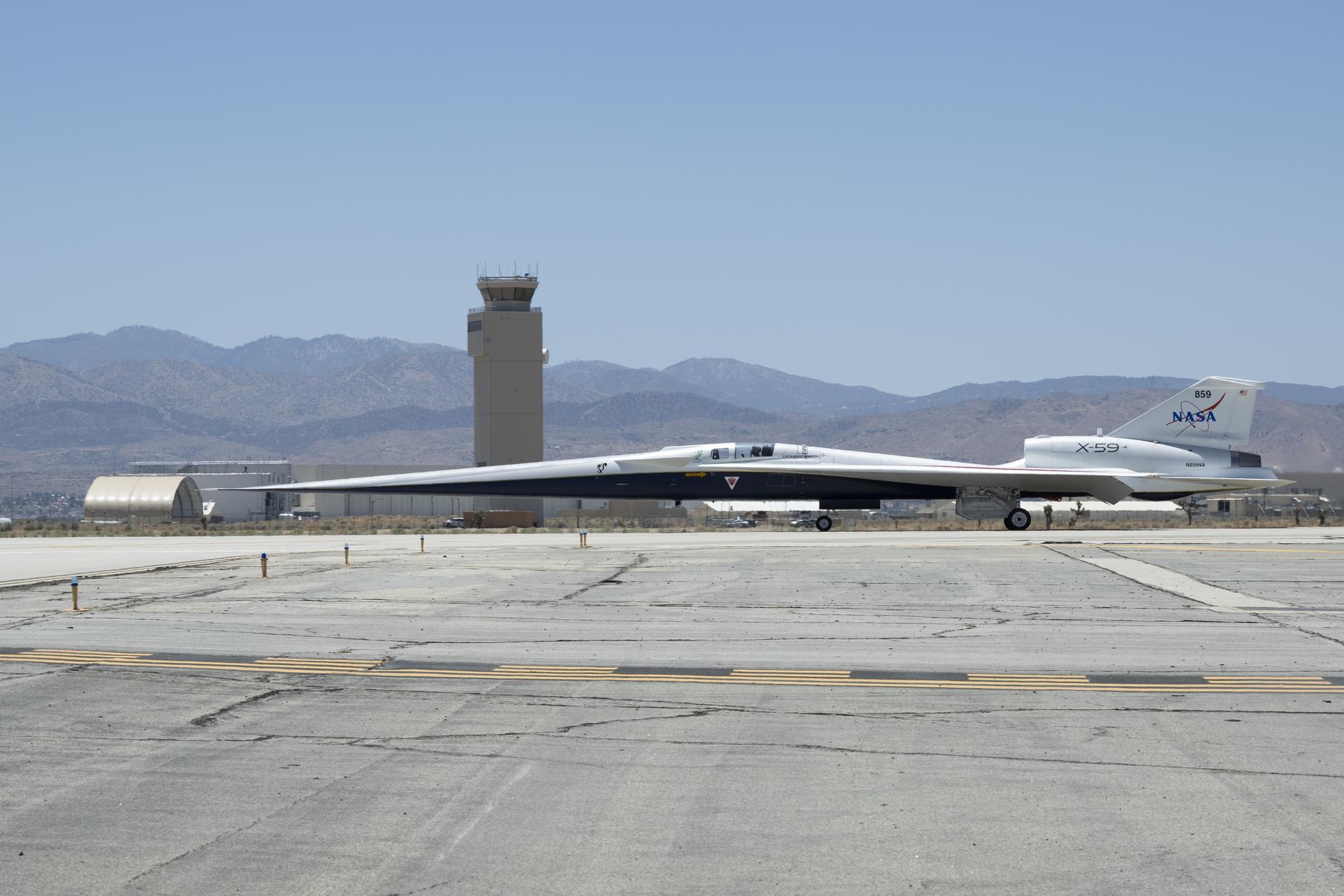
NASA Rehearses How to Measure X-59’s Noise Levels
3 min read

In a stretch of California’s Mojave Desert, NASA conducted a full-scale “dress rehearsal” to prepare how it will measure the…
July 25, 2025
Article
NASA’s X-59 Quiet Supersonic Aircraft Begins Taxi Tests
2 min read

NASA/Jacob Shaw NASA’s X-59 quiet supersonic research aircraft has officially begun taxi tests, marking the first time this one-of-a-kind experimental…
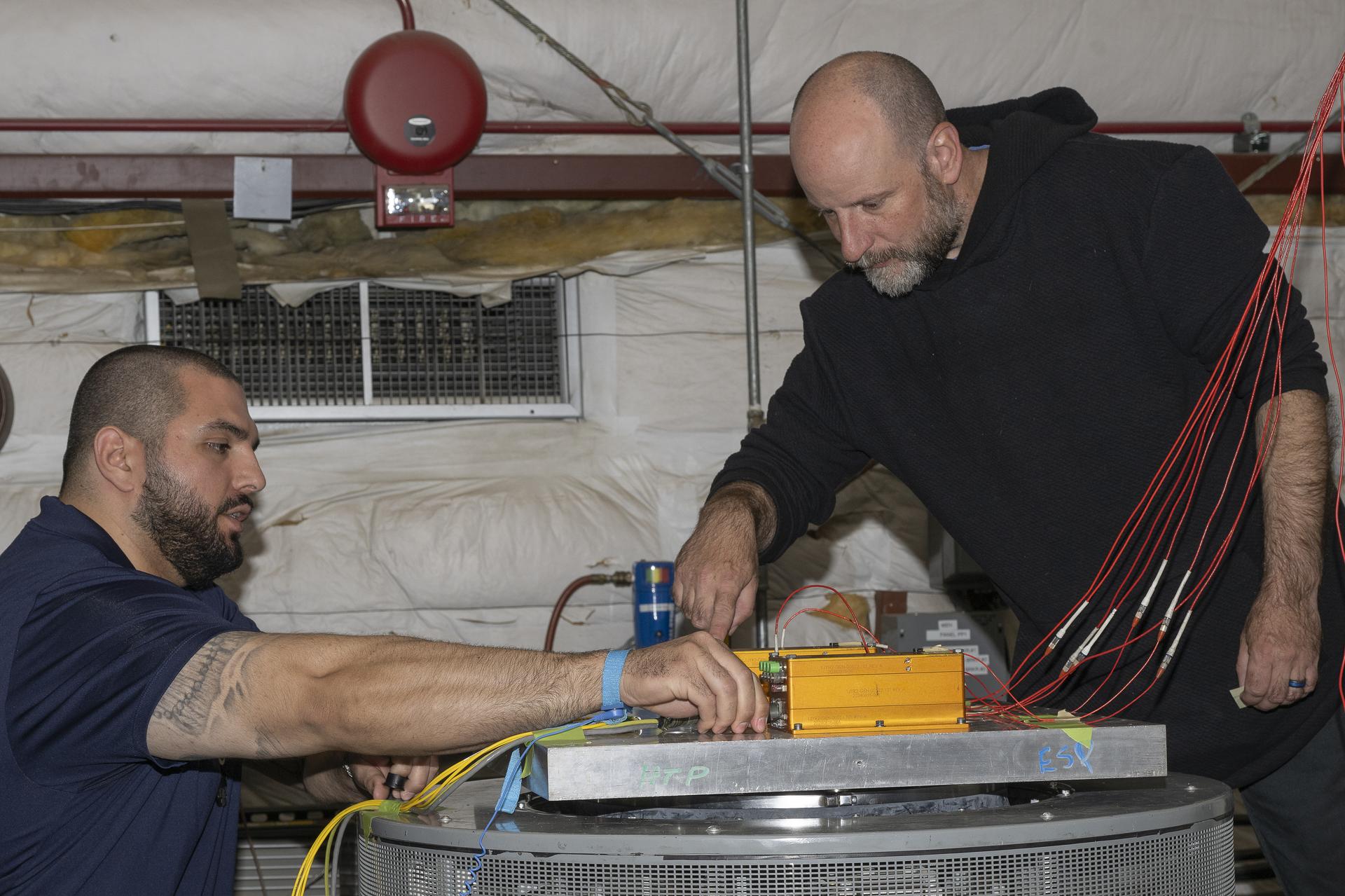
Image Article
NASA Tech to Measure Heat, Strain in Hypersonic Flight
4 min read

A NASA system designed to measure temperature and strain on high-speed vehicles is set to make its first flights at…
June 18, 2025
Article
Hypersonic Technology Project Overview
2 min read

Vehicles that travel at hypersonic speeds fly faster than five times the speed of sound. NASA studies the fundamental science…
June 21, 2024
Article
Hypersonics Technical Challenges
2 min read

Technical Challenges (TCs) are finite-duration research and development endeavors supporting the strategic goals of NASA. The Hypersonic Technology project’s Technical…
June 21, 2024
Article
Hypersonic Research Topics
2 min read

The Hypersonic Technology project is divided into four research topic areas. The first research topic is system-level design, analysis, and…

June 21, 2024
Article
High-Speed Market Studies
2 min read

Owing to NASA’s Quesst mission and Commercial Supersonic Technology project, there is growing industry interest in commercial aircraft that fly…
June 18, 2024
Article
NASA Instruments Will Listen for Supersonic X-59’s Quiet ‘Thump’
4 min read

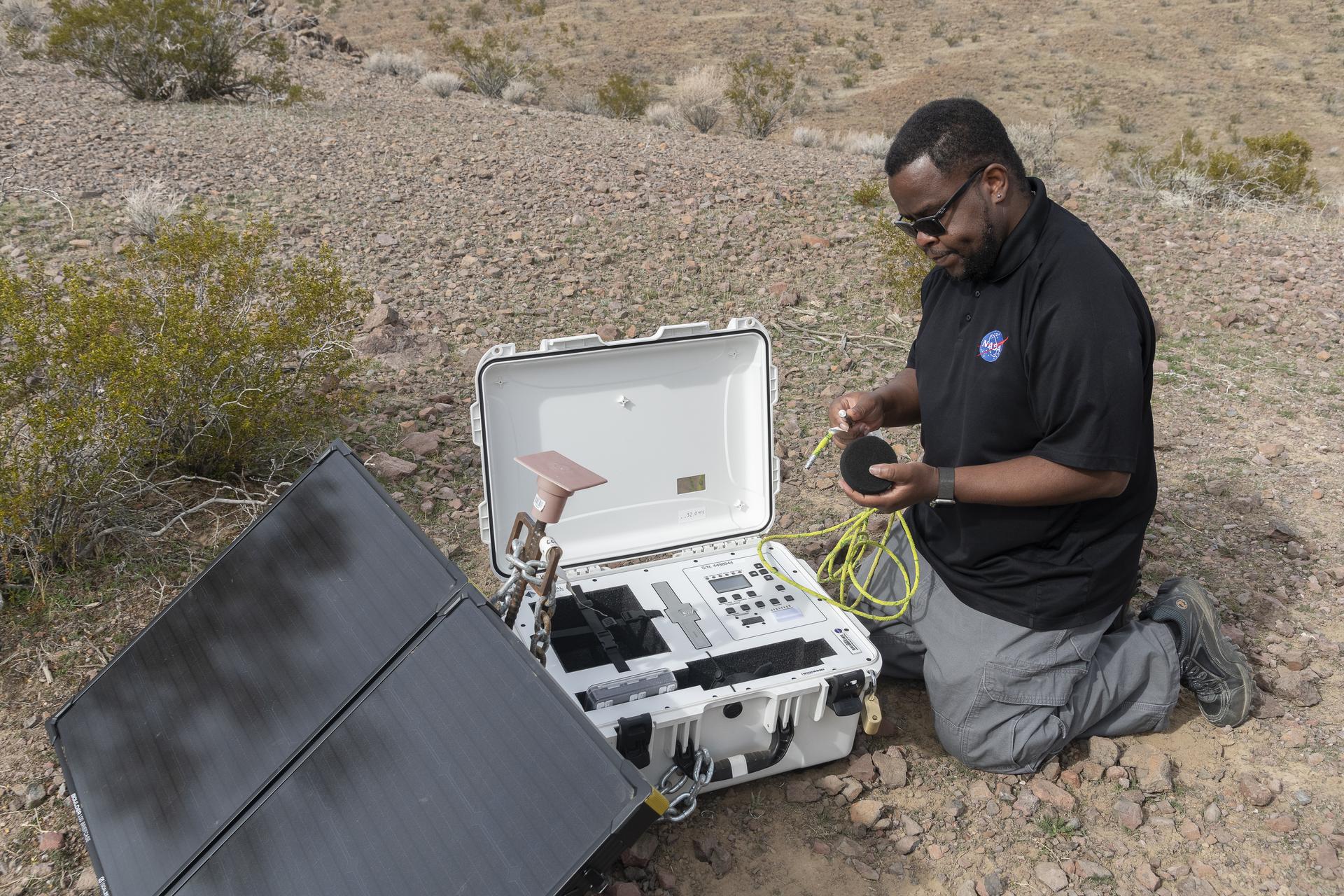
NASA’s X-59 experimental aircraft is unique – it’s designed to fly faster than the speed of sound, but without causing…
February 22, 2024
Article
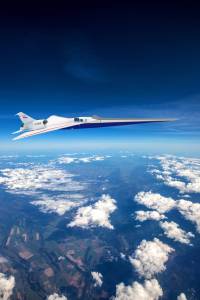
Is a Mach 4 Passenger Jet Possible? NASA, Industry Explore Idea
3 min read

Flying from New York City to London up to four times faster than what’s currently possible may sound like a…
August 22, 2023
Article
NASA’s Quesst: Reassessing a 50-Year Supersonic Speed Limit
7 min read

NASA will deliver the results to U.S. and international regulators, who will consider new rules that would lift the ban…
April 27, 2023
Article
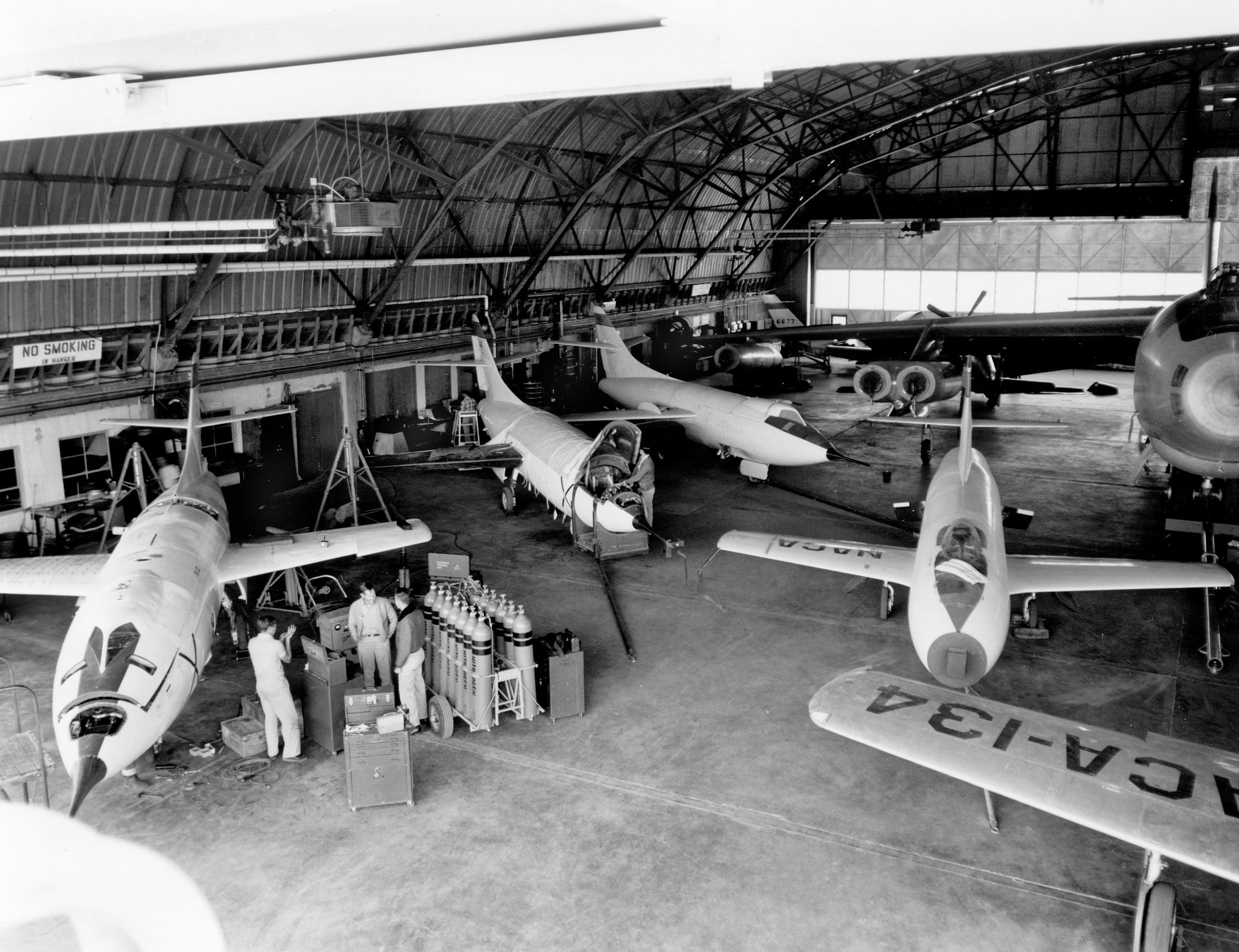
The aircraft in this 1953 photo of the National Advisory Committee for Aeronautics (NACA) hangar at South Base of Edwards Air Force Base showed the wide range of research activities being undertaken. On the left side of the hangar are the three D-558-2 research aircraft. These were designed to test swept wings at supersonic speeds approaching Mach 2. The front D-558-2 is the third built (NACA 145/Navy 37975). It has been modified with a leading-edge chord extension. This was one of a number of wing modifications, using different configurations of slats and/or wing fences, to ease the airplane’s tendency to pitch-up. NACA 145 had both a jet and a rocket engine. The middle aircraft is NACA 144 (Navy 37974), the second built. It was all-rocket powered, and Scott Crossfield made the first Mach 2 flight in this aircraft on November 20, 1953. The aircraft in the back is D-558-2 number 1. NACA 143 (Navy 37973) was also carried both a jet and a rocket engine in 1953. It had been used for the Douglas contractor flights, then was turned over to the NACA. The aircraft was not converted to all-rocket power until June 1954. It made only a single NACA flight before NACA’s D-558-2 program ended in 1956. Beside the three D-558-2s is the third D-558-1. Unlike the supersonic D-558-2s, it was designed for flight research at transonic speeds, up to Mach 1. The D-558-1 was jet-powered, and took off from the ground. The D-558-1’s handling was poor as it approached Mach 1. Given the designation NACA 142 (Navy 37972), it made a total of 78 research flights, with the last in June 1953. In the back of the hangar is the X-4 (Air Force 46-677). This was a Northrop-built research aircraft which tested a swept wing design without horizontal stabilizers. The aircraft proved unstable in flight at speeds above Mach 0.88. The aircraft showed combined pitching, rolling, and yawing motions, and the design was considered unsuitable. The aircraft, the second X-4 built, was then used as a pilot trainer.
NASA

Learn more about NASA’s X-15 rocket plane.
Keep Exploring

Discover More Topics From NASA