








NASA Celebrates America’s 250th Birthday
Our spirit of adventure and innovation will raise our nation to new heights.
NASA's Golden Age of Space Exploration
American leadership in the next Golden Age of science and discovery.
“As we celebrate America’s 250 years of history, I’m grateful for the incredible legacy we’re building upon and fired up for American leadership in the next Golden Age of science and discovery.”
Jared Isaacman, NASA Administrator about NASA's Golden Age of Space Exploration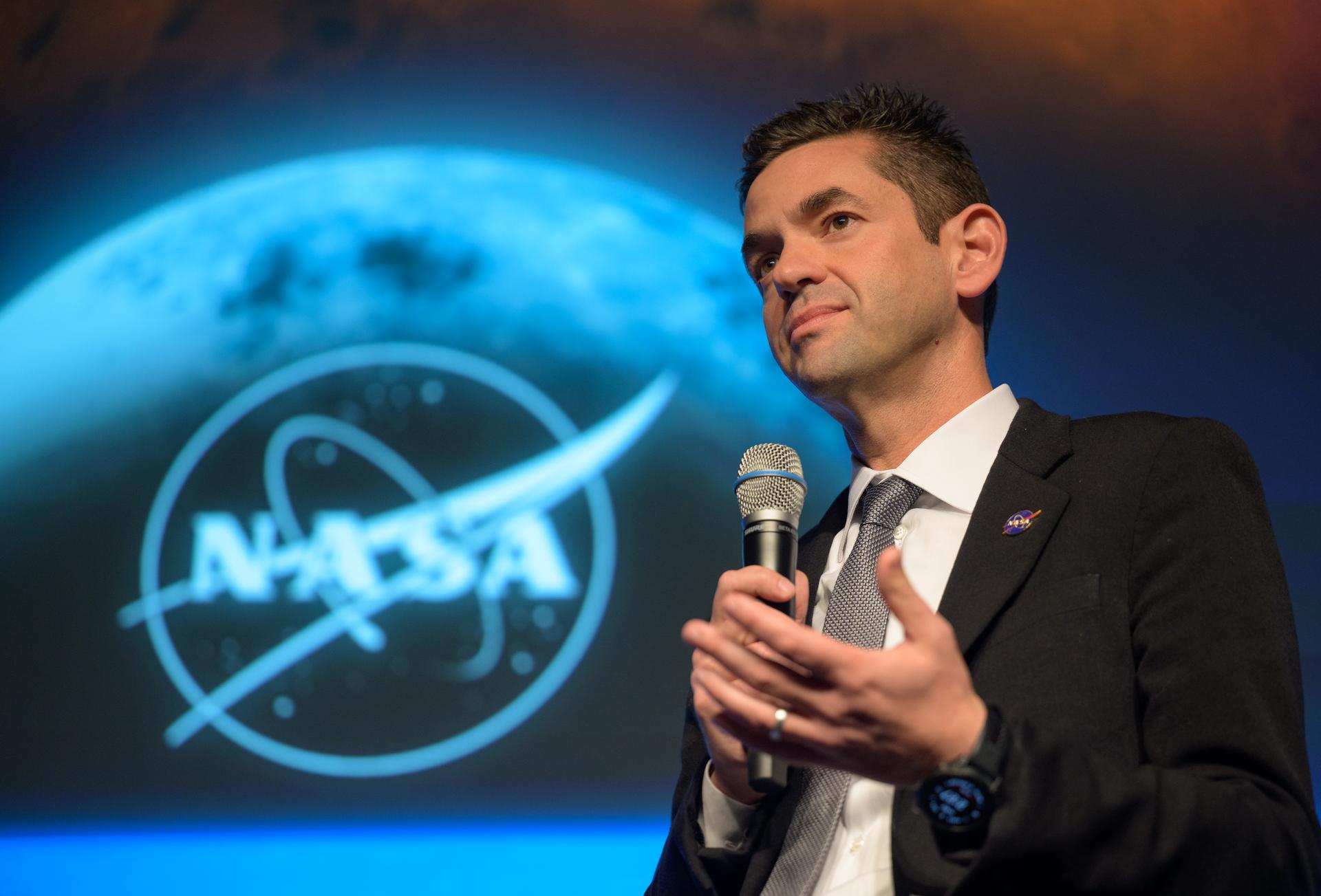
Returning American Astronauts to the Moon
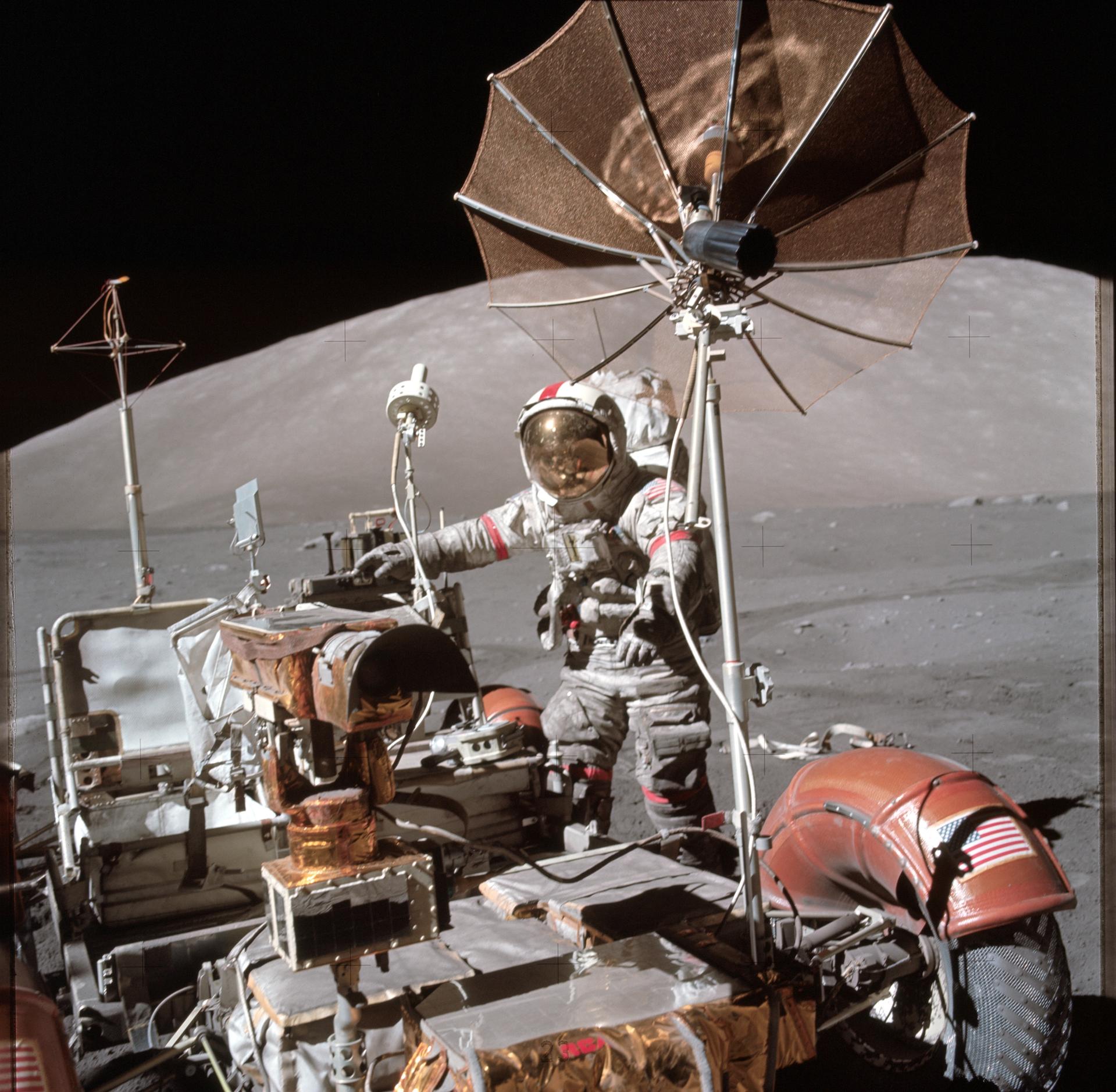
For 250 years, America has pushed the boundaries of what’s possible. From the earliest days of exploration, to the first steps on the Moon and the missions shaping our future, NASA represents the spirit of discovery that defines our nation.
As the United States approaches its semiquincentennial, Freedom 250 highlights how innovation, courage, and scientific leadership have carried America forward — and how NASA continues to expand the frontier for the next generation.
Soaring Into America’s 250th
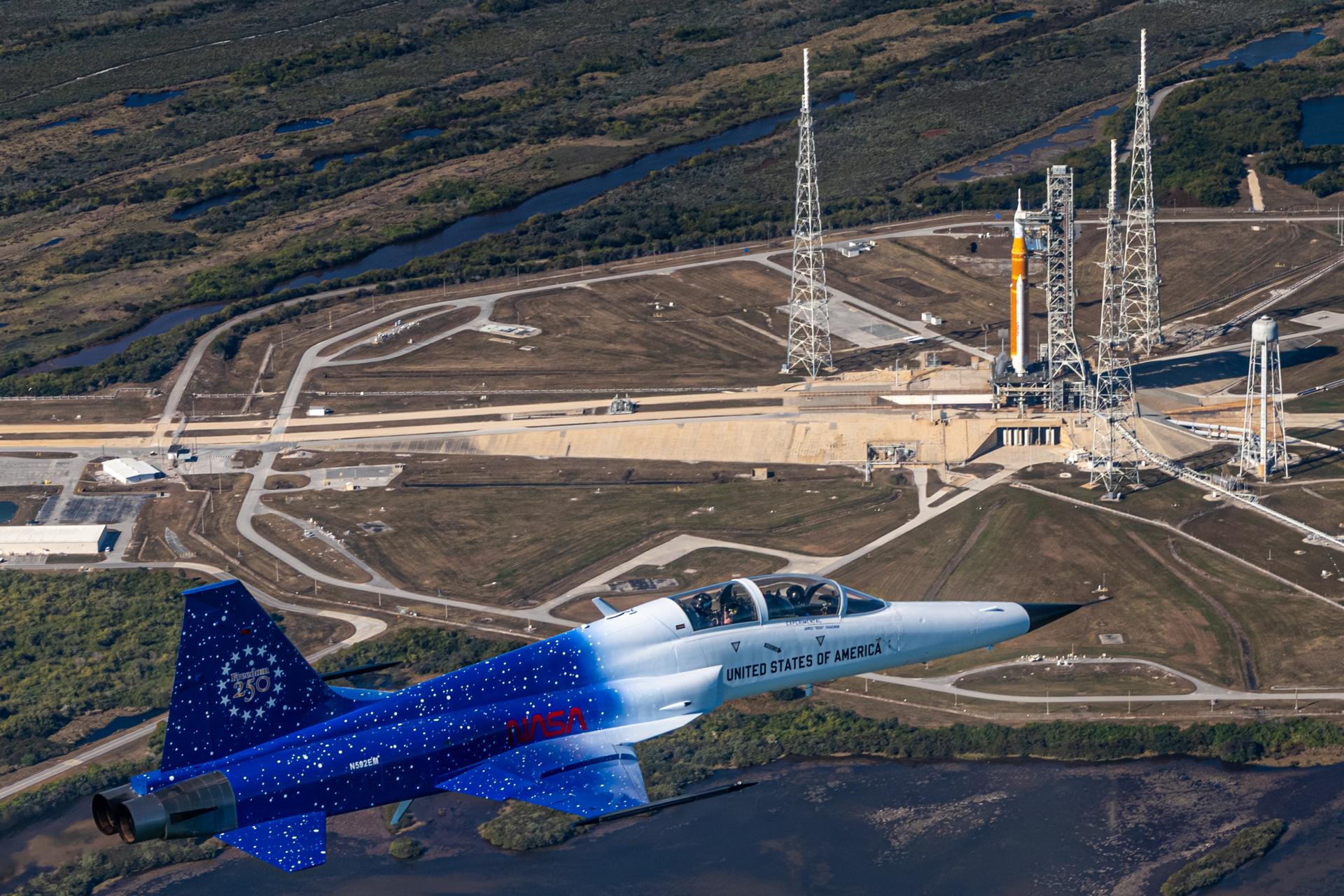
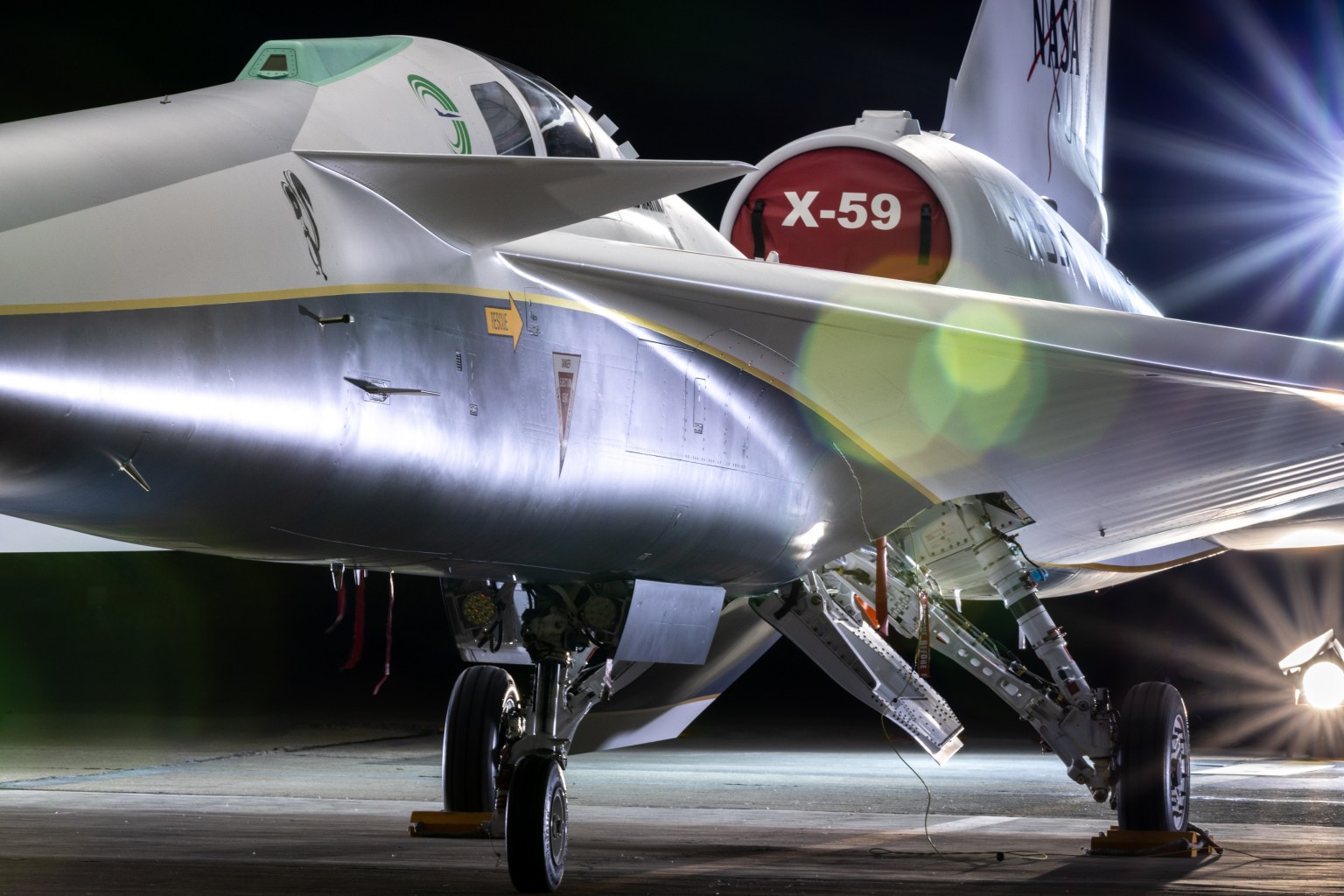
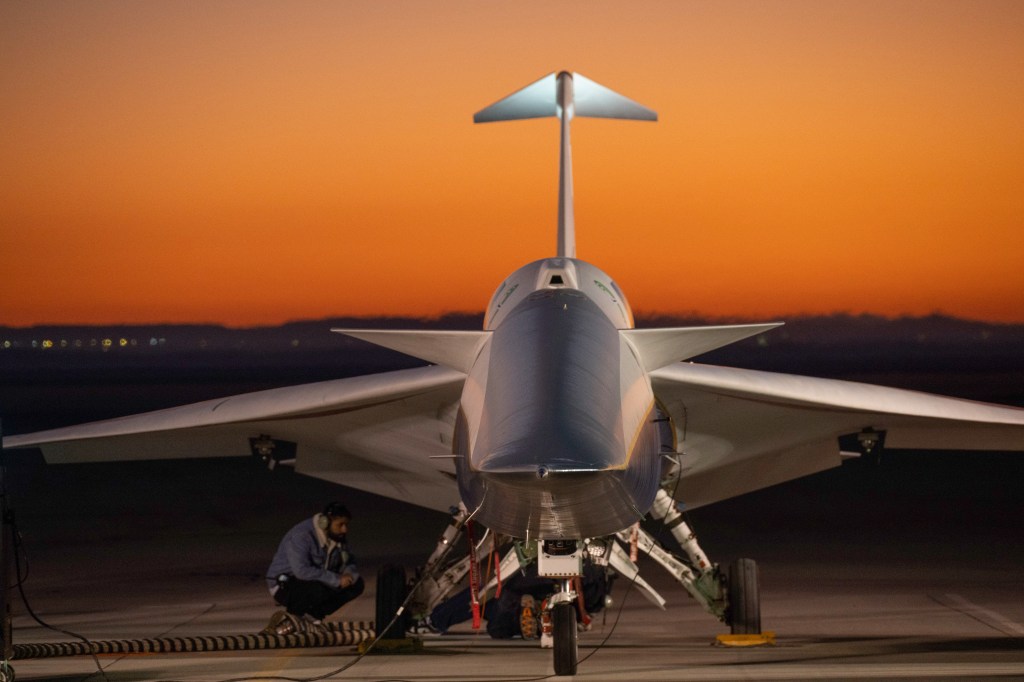
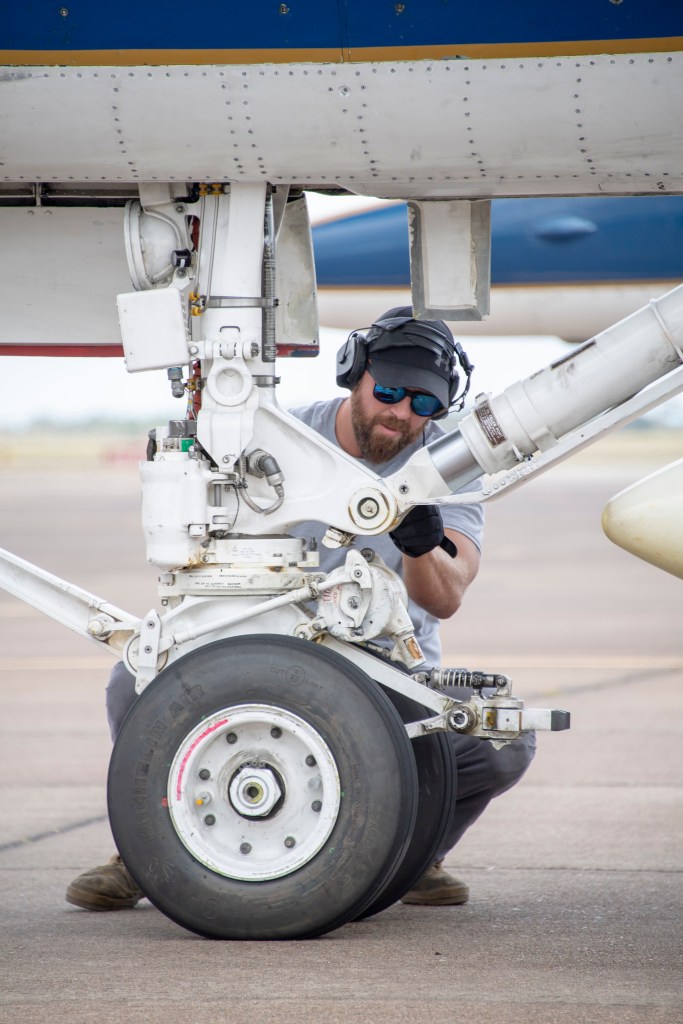
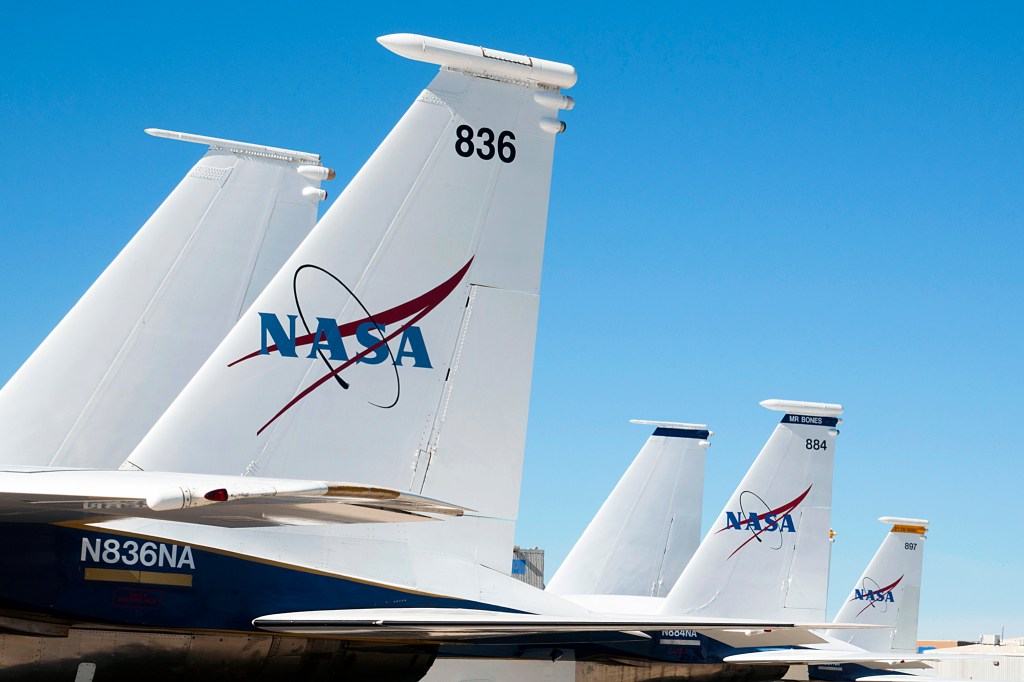
NASA will mark America’s 250th anniversary with a series of special aircraft flyovers. Below is the schedule of planned appearances. Links to external sites are provided for informational purposes and do not imply NASA’s endorsement.
- April 16: Sun ‘N Fun Aerospace Expo, Lakeland, Florida
- July 4: Salute to America: The Nation’s 250th Birthday Fireworks Celebration, Washington, D.C.
- July 23-24: EAA AirVenture, Oshkosh, Wisconsin
- Aug. 23: Freedom 250 Grand Prix of Washington, D.C.
- Oct. 3-4: Pacific Air Show, Huntington Beach, California
- Oct. 31-Nov. 1: Commemorative Air Force Wings Over Houston Air Show
NASA Celebrates America’s 250th Birthday

Celebrating the Triumph of the American Spirit
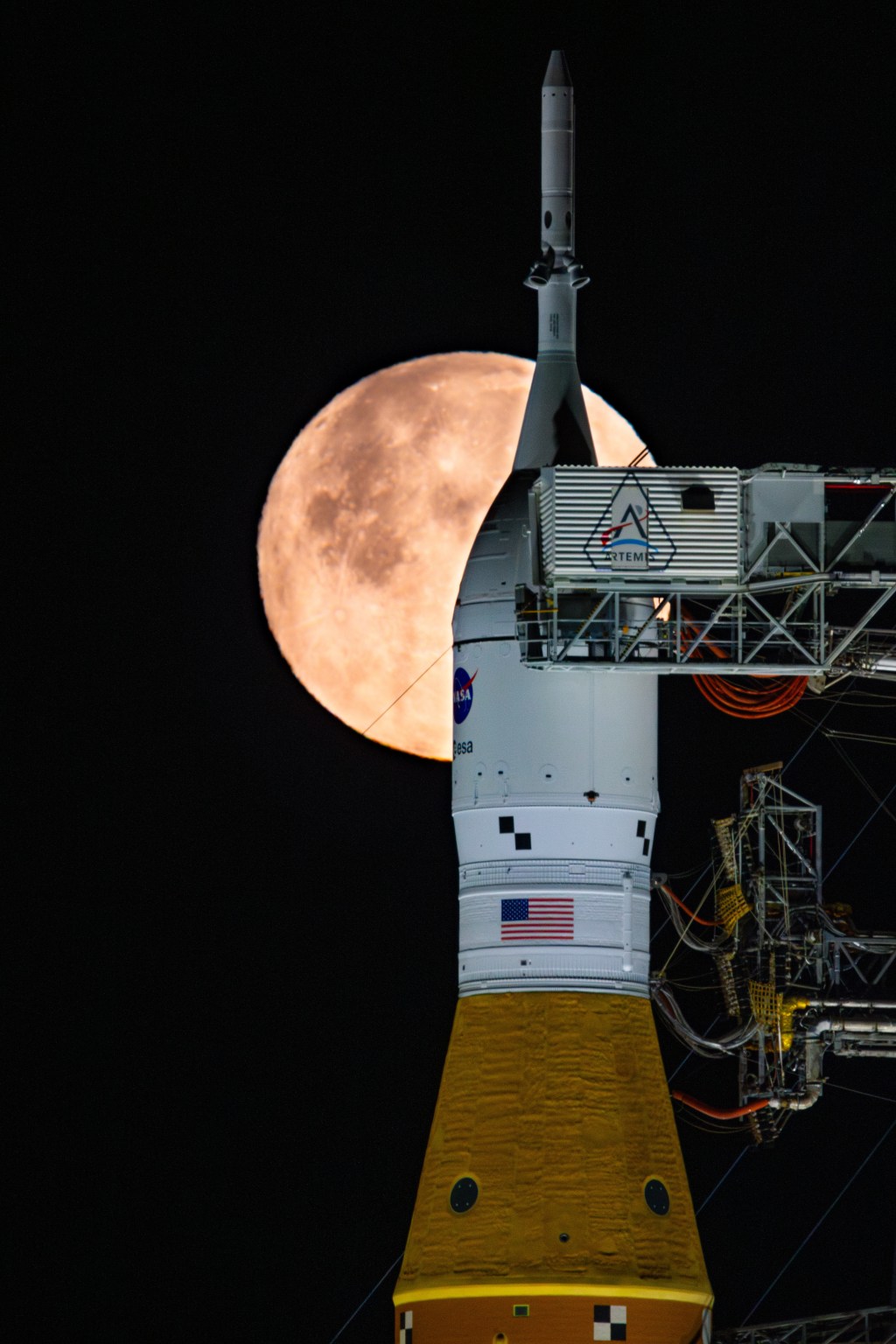
As part of a Golden Age of innovation and exploration, Artemis II is another step toward new U.S.-crewed missions on the Moon’s surface that will help the agency prepare to send the first astronauts, Americans, to Mars.
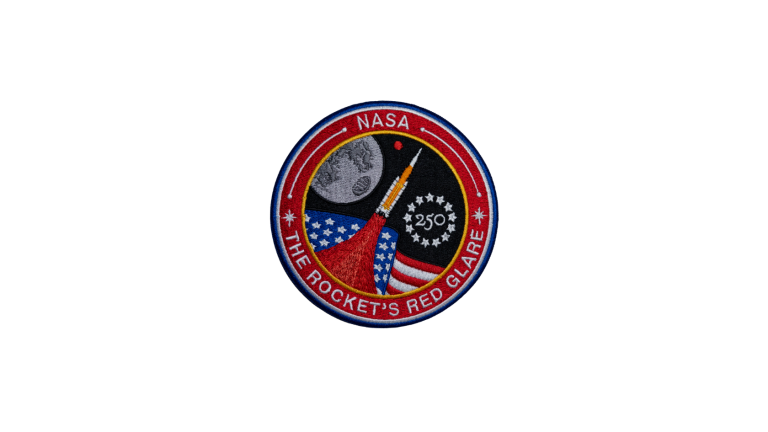
The Rocket's Red Glare
NASA's "Rocket's Red Glare" emblem to celebrate America's 250th birthday evokes "The Star-Spangled Banner's" powerful imagery of rockets illuminating the night sky. America was forged by fearless explorers, and NASA boldly carries that legacy forward by leading mankind into the stars. Here, the first airplanes soared, transforming the world forever. Here, we launched Americans into the final frontier and were the first to plant our beloved flag on the Moon. As we mark this milestone, we're charging back to the Moon, pioneering cutting-edge aircraft, and expanding the frontiers of science and exploration.
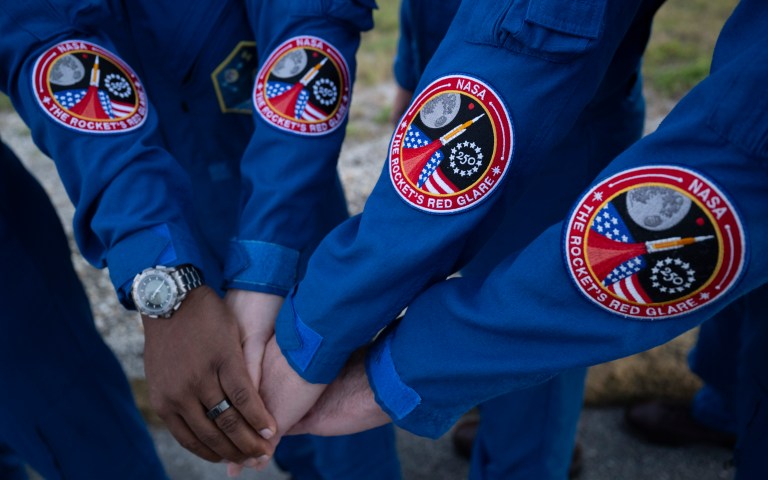
Honoring a Legacy of Exploration
The patch honors America’s 250th anniversary of declaring independence, establishing a sovereign nation. The theme of NASA’s celebration is “Rocket’s Red Glare” which references the iconic lyric within "The Star-Spangled Banner," our national anthem. NASA’s Artemis II test flight will take Reid Wiseman, Victor Glover, Christina Koch, and Jeremy Hansen around the Moon and back to Earth no earlier than March 2026.
NASA/Joel Kowsky
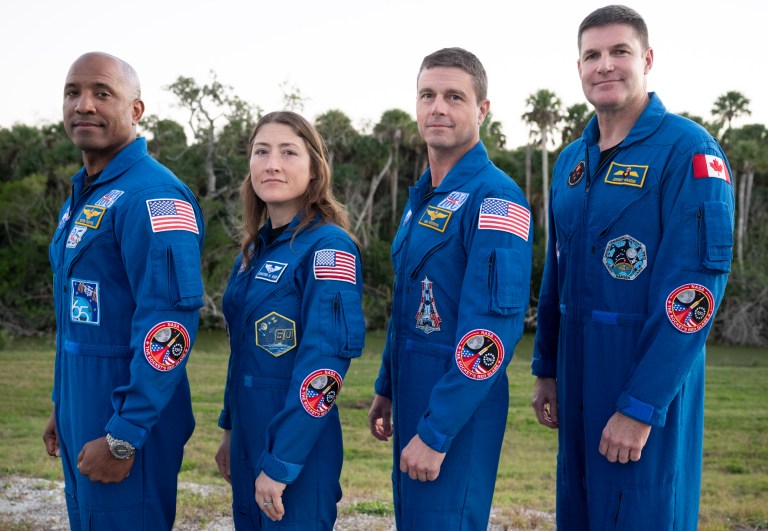
NASA’s Artemis II Patch Celebrates America’s 250th Birthday
NASA astronauts Victor Glover, Artemis II pilot, left, Christina Koch, Artemis II mission specialist, Reid Wiseman, Artemis II commander, and CSA (Canadian Space Agency) astronaut Jeremy Hansen, Artemis II mission specialist, pose for a picture showing the Freedom 250 Commemorative Patch on their flight suits, Saturday, Jan. 17, 2026, at NASA’s Kennedy Space Center in Florida.
NASA/Joel Kowsky
Freedom 250

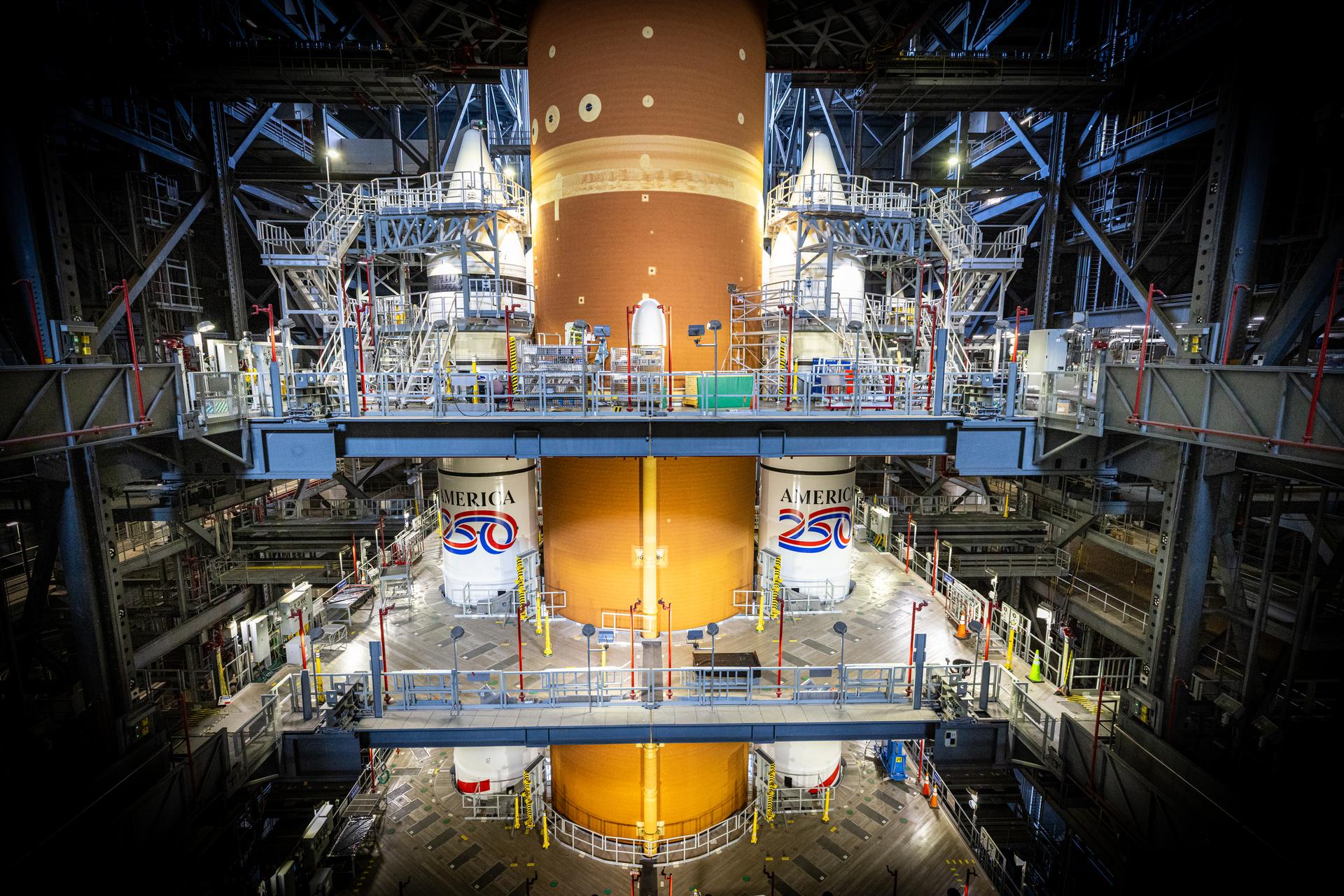
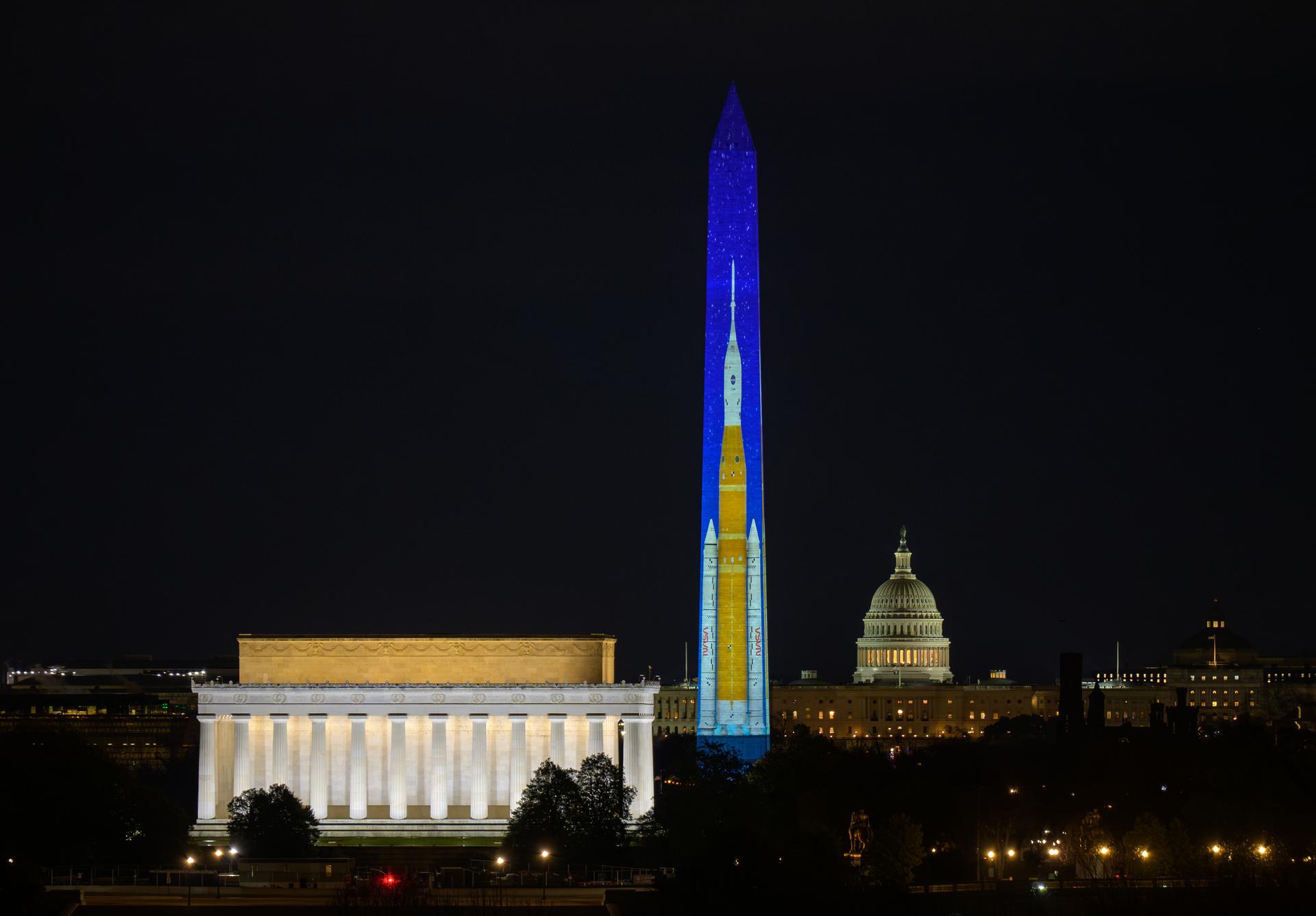
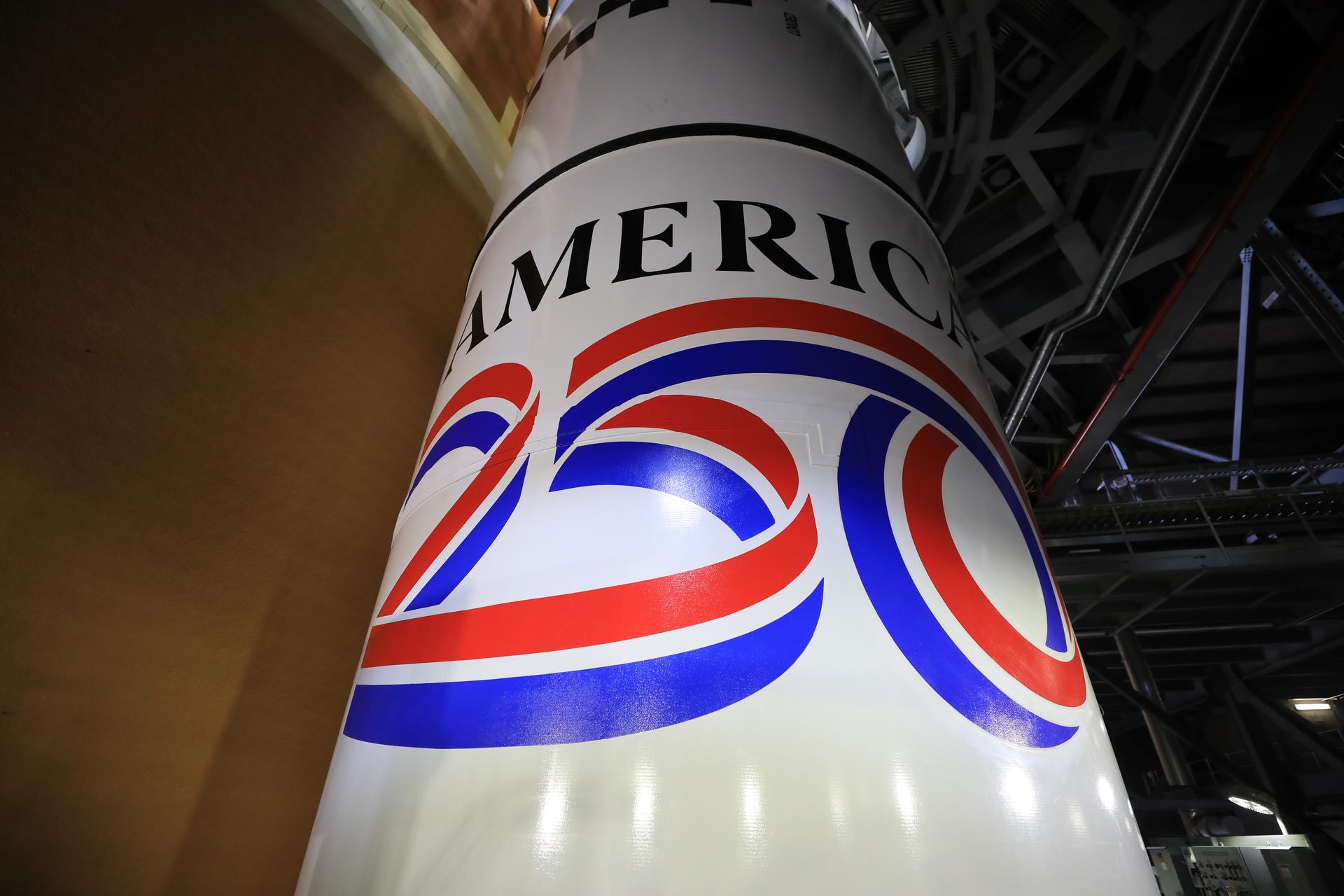
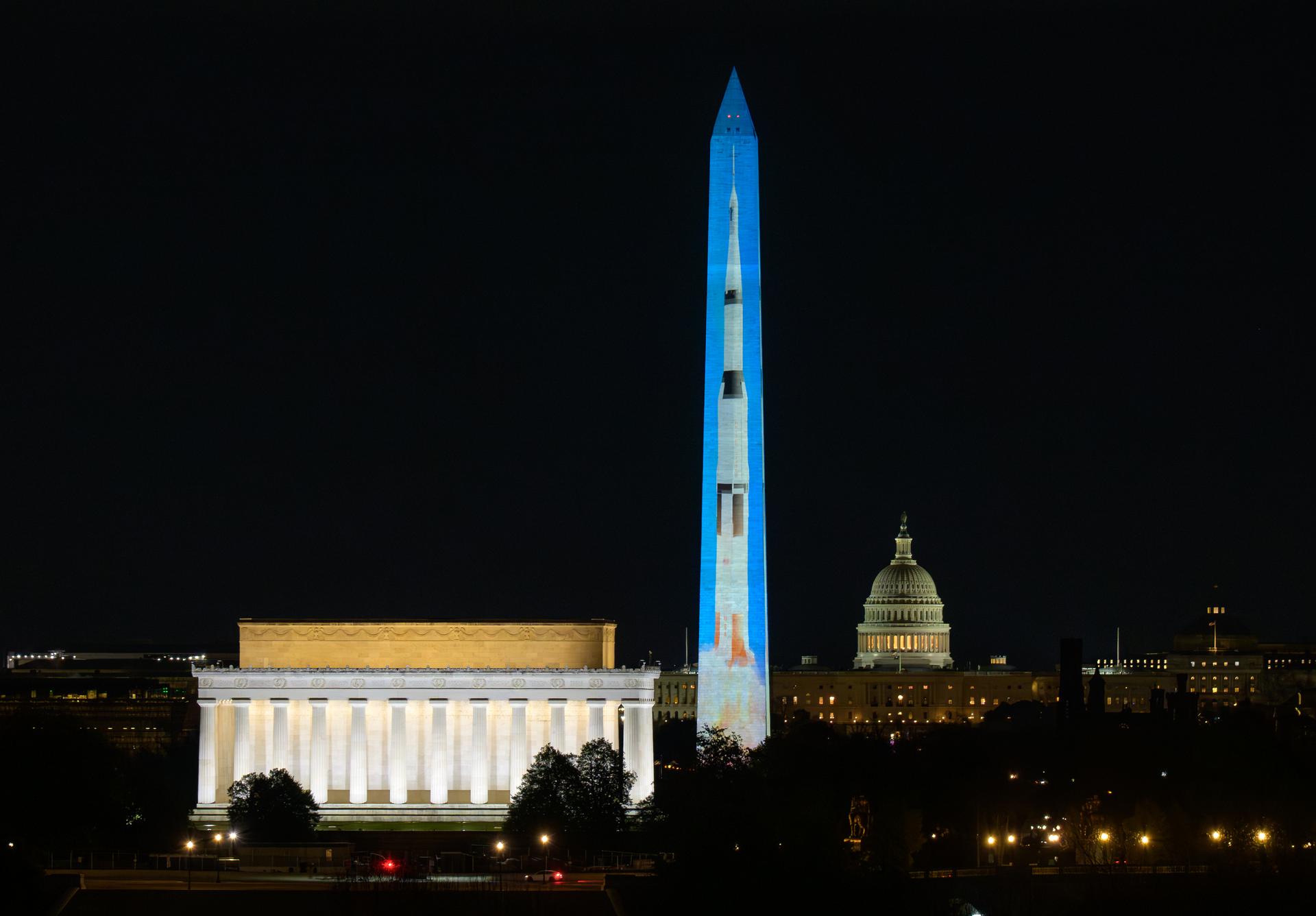
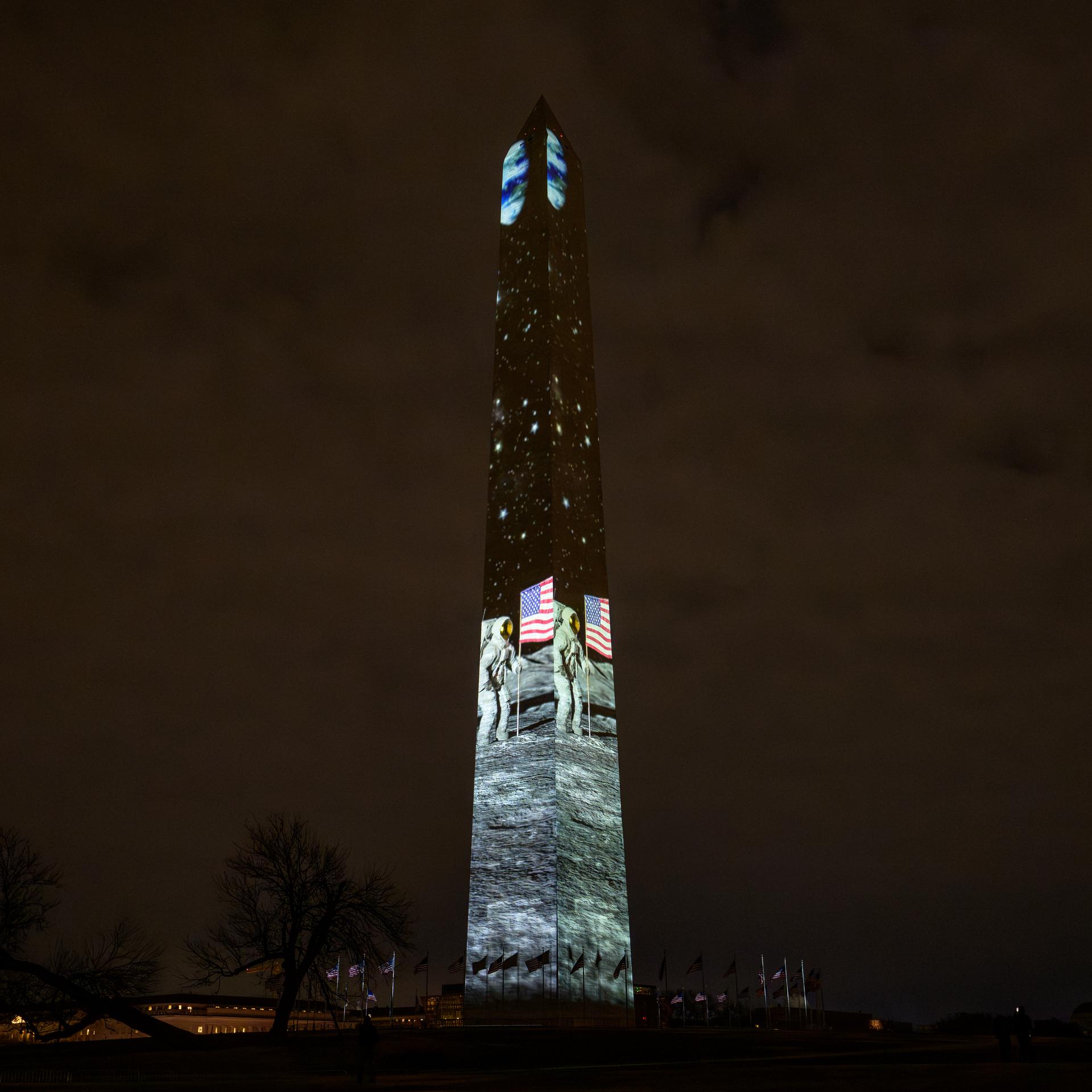
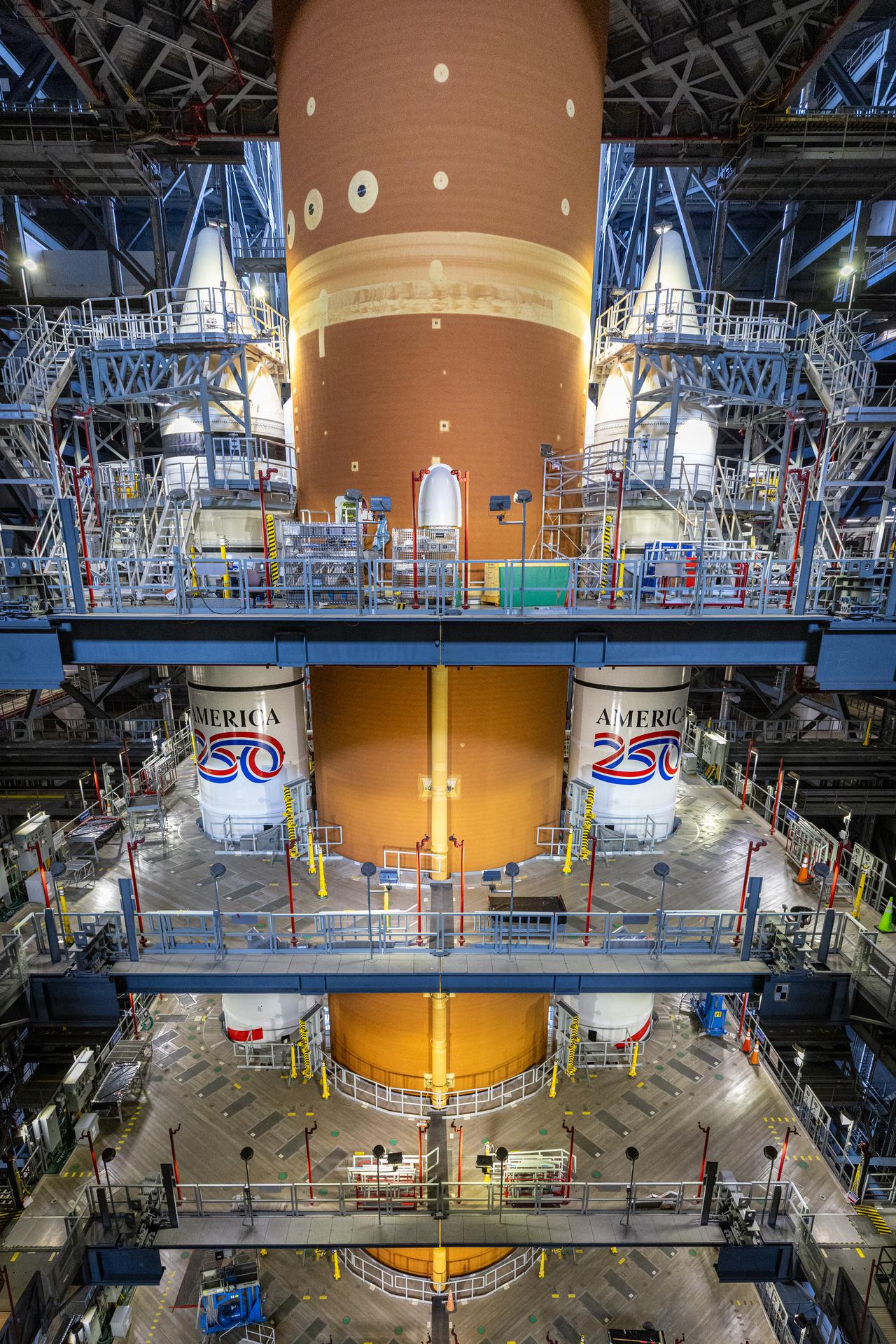
NASA’s Artemis II Mission to Fly Legacy Keepsakes with Astronaut Crew
As America approaches its 250th anniversary of declaring independence, NASA’s Artemis II mission will carry a host of mementos that…
Read the Story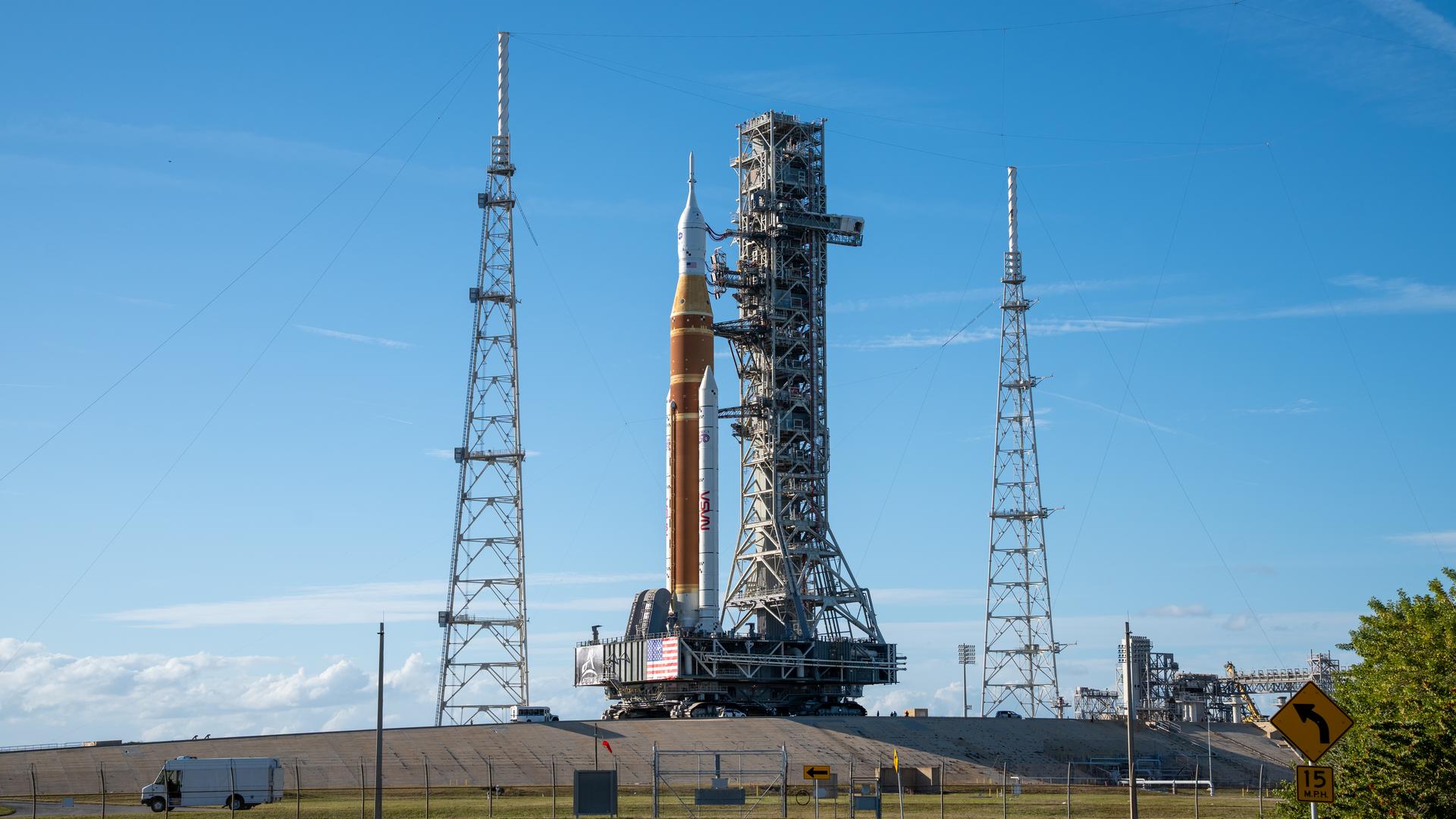
America's Space Agency
Since its founding in 1958, NASA has made the seemingly impossible, possible — pushing the boundaries of scientific and technical limits to explore the unknown in air and space for the benefit of humanity.
Explore NASA History about America's Space Agency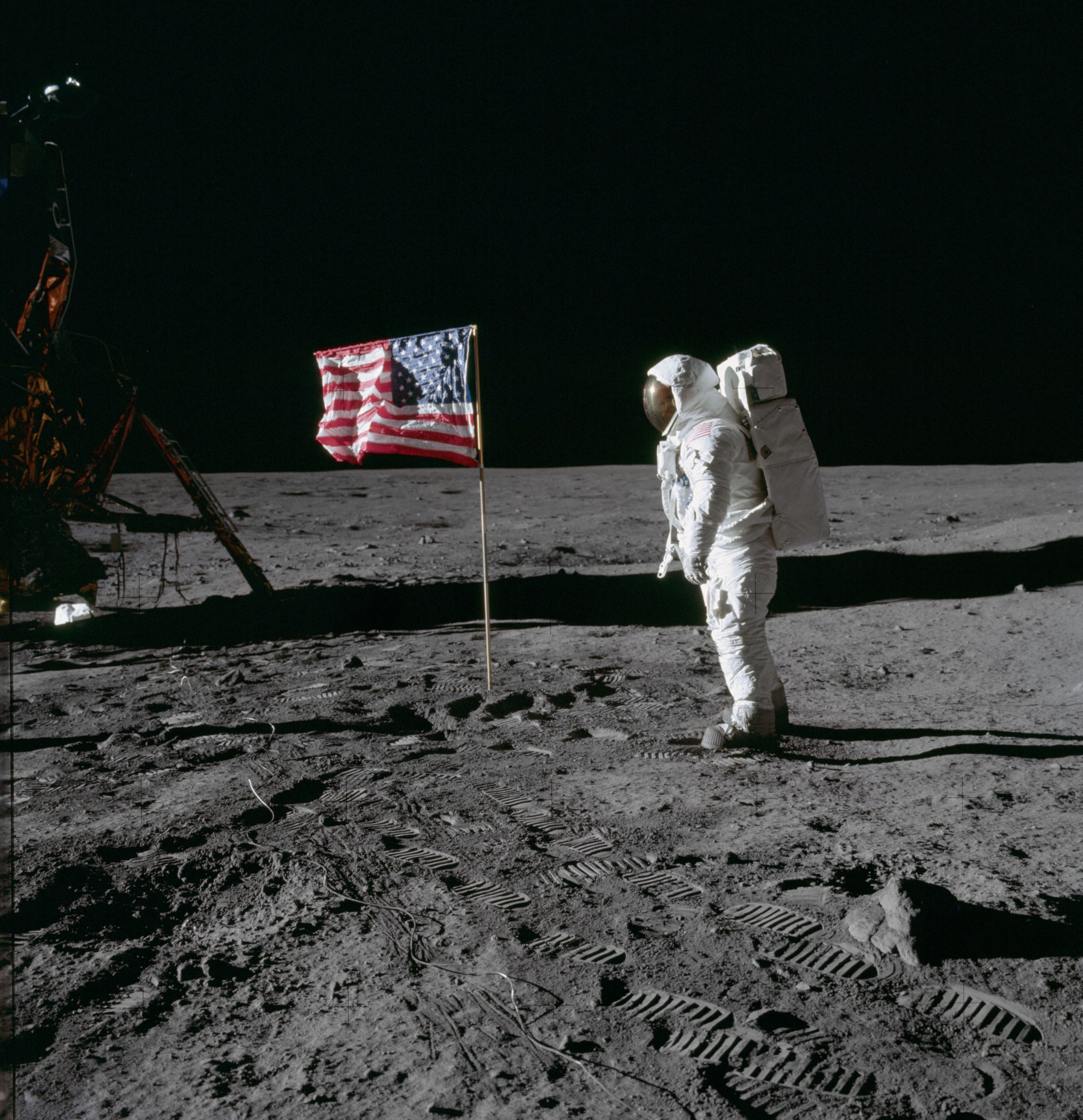
NASA Returns Value for the Nation
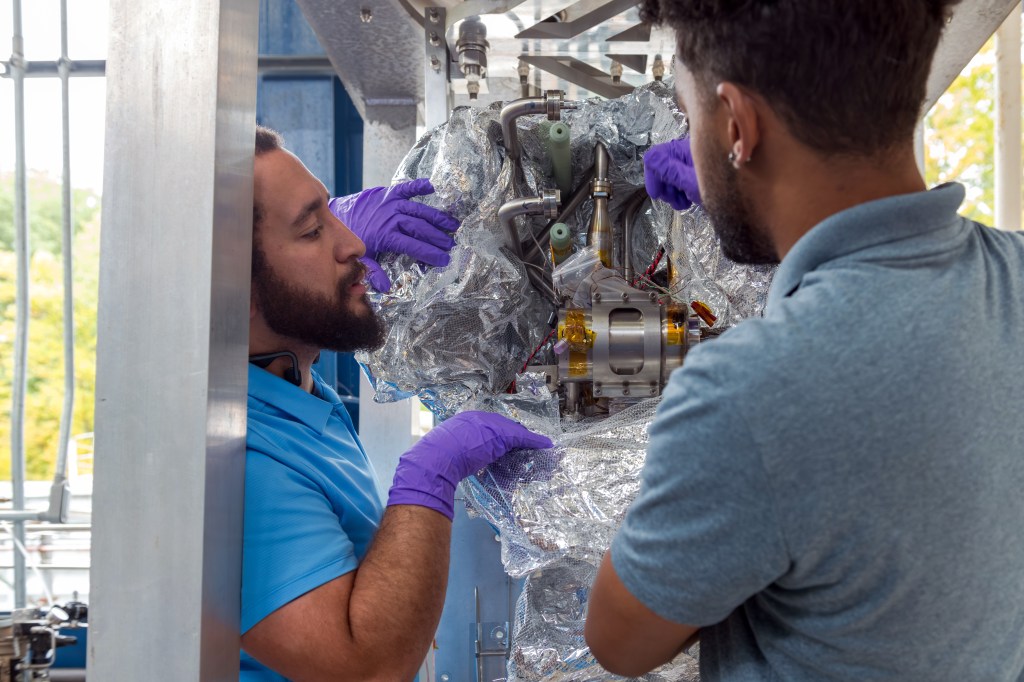
NASA’s unique mission provides benefits that create jobs, jumpstart businesses, and grow the economy. Our innovations improve daily life, advance medical research, support disaster response, and more.
Learn More About the Value of NASA about NASA Returns Value for the Nation