















NASA High-End Computing Capabilities
Learn about the supercomputers and other services provided by NASA’s High-End Computing facilities.
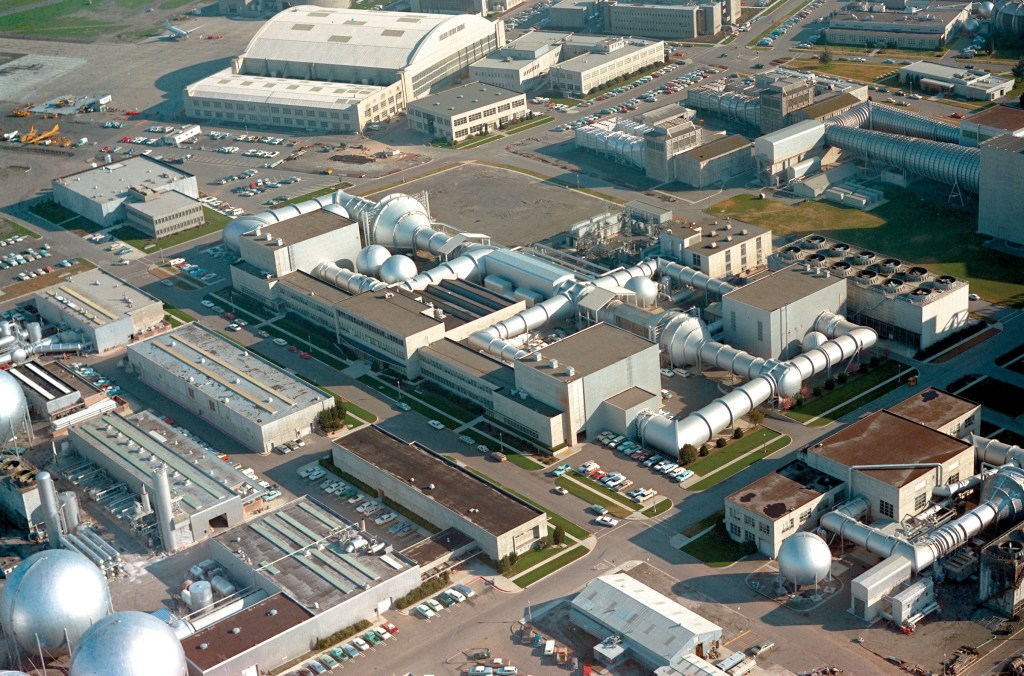
NASA’s High-End Computing (HEC) facilities and services support scientists and engineers across all NASA Mission Directorates, as well as university and industry partners. These resources are maintained by the NASA Advanced Supercomputing (NAS) Division, which operates the agency’s premier supercomputing facility at NASA’s Ames Research Center in California’s Silicon Valley.
NAS provides more than 1,500 NASA-associated HEC users with advanced computing systems, storage, and innovative tools and technologies for solving today’s science and engineering problems.
Major Technical Areas


Computing Resources
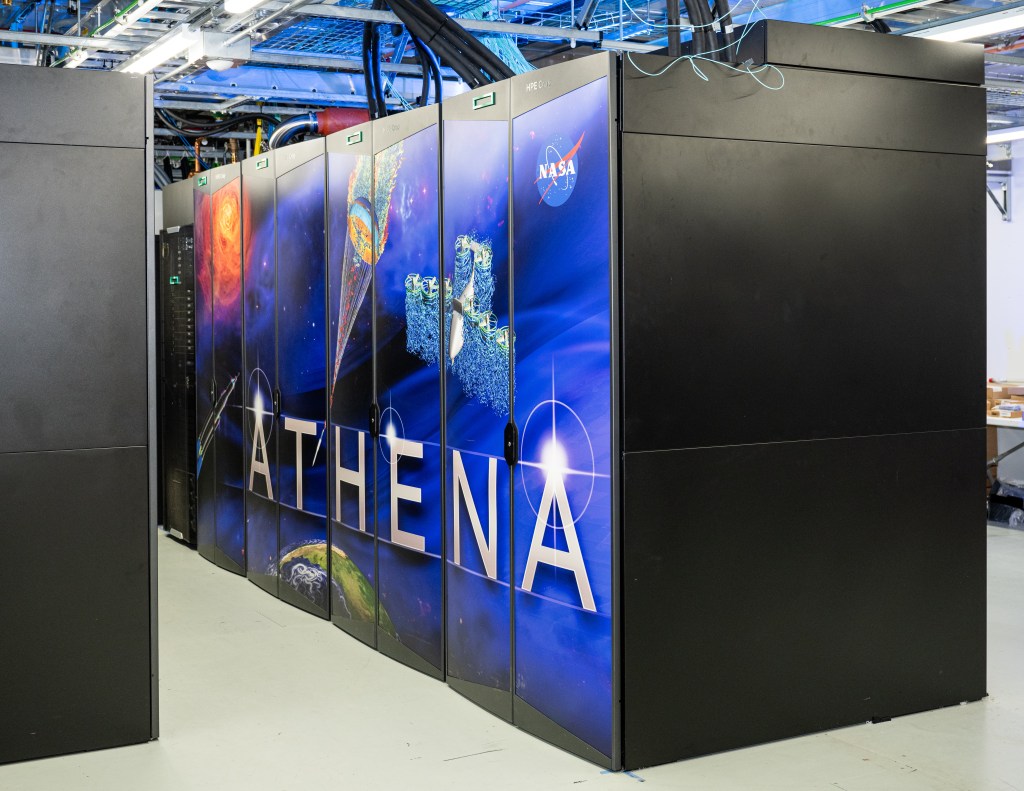
Athena
Released to users early 2026, Athena is currently NASA’s most powerful supercomputer. It has a peak performance of 20.13 petaflops, or 20 quadrillion calculations every second, and sits at the Modular Supercomputing Facility (MSF) at Ames.
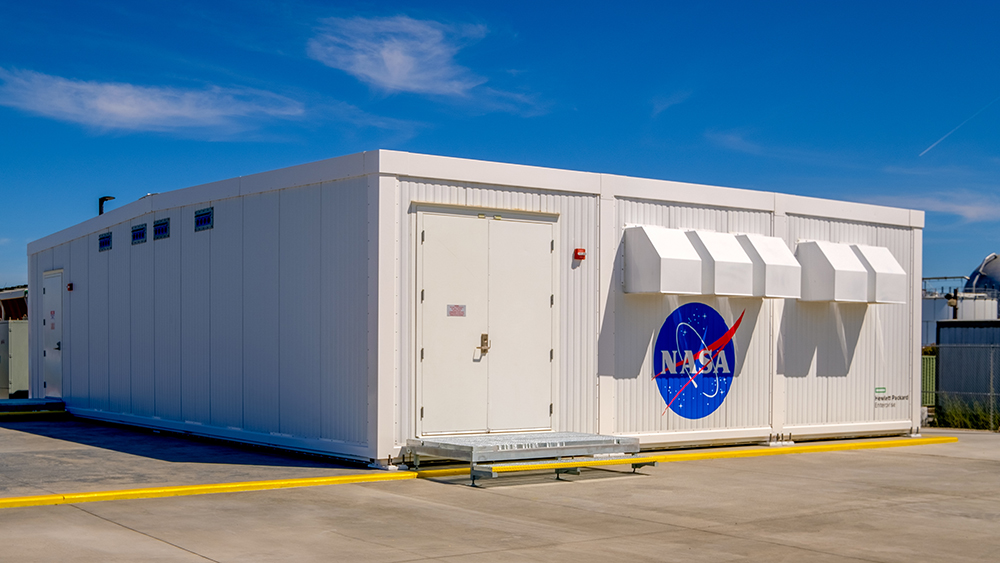
Aitken
Aitken was the first system to be housed at the MSF at Ames. The MSF site, built to take advantage of Silicon Valley's mild climate, saves thousands of gallons of water daily and reduces cooling and electrical power costs.

Cabeus
Cabeus is a Graphics Processing Unit (GPU)-based system, built to support machine learning, visualization, and other analytics applications that can particularly benefit from accelerated processing. It is housed at NASA Ames.
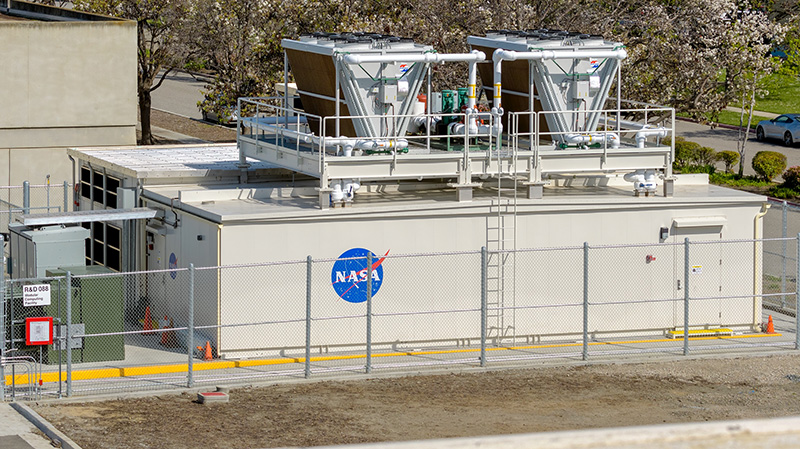
Electra
The Electra supercomputer, housed in a pair of environmentally friendly modules near the main NAS building at Ames, is NASA’s first prototype modular supercomputing system.
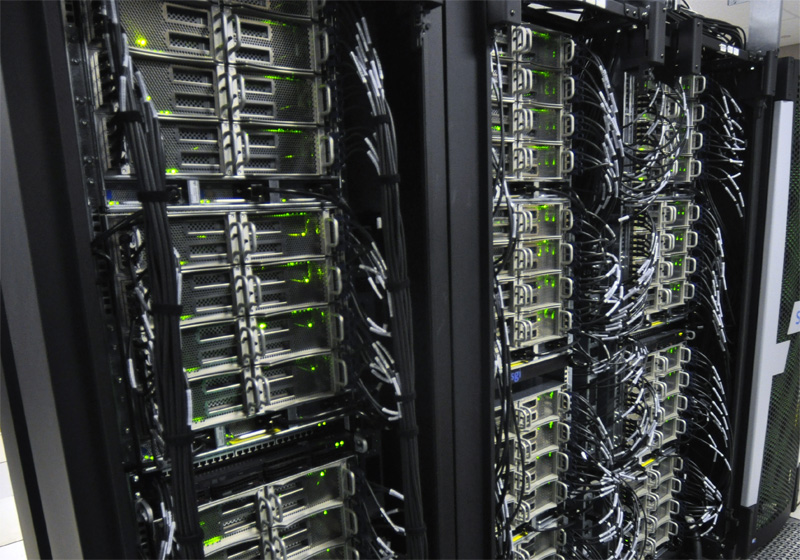
Endeavour
The Endeavour supercomputer at Ames is a shared-memory system supporting applications that need access to large cache-coherent, global shared-memory capabilities in a single system image.
Data Storage
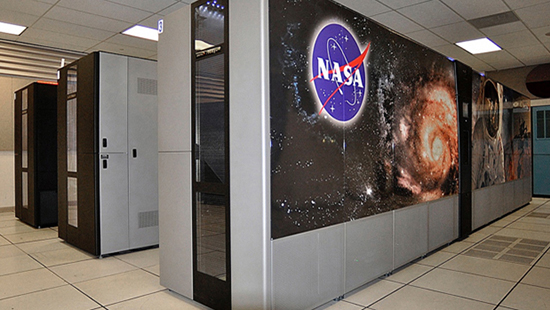
The 1,400-petabyte storage system at Ames allows HEC science and engineering users to archive and retrieve important results quickly, reliably, and securely.
Visualization
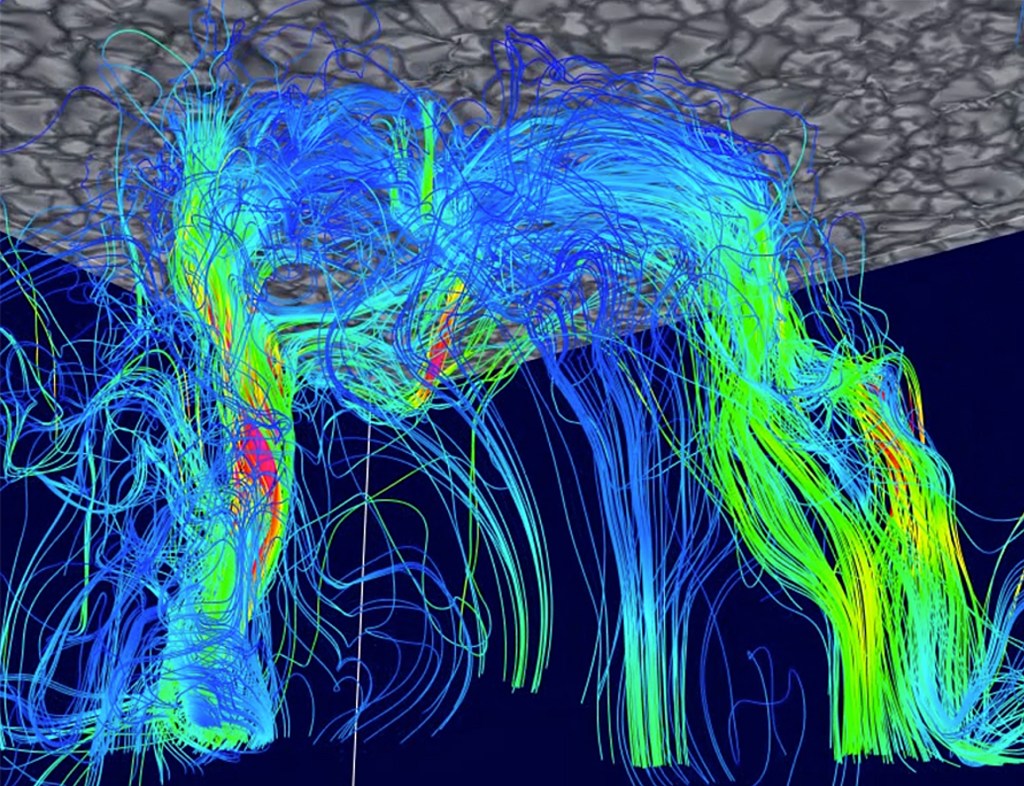
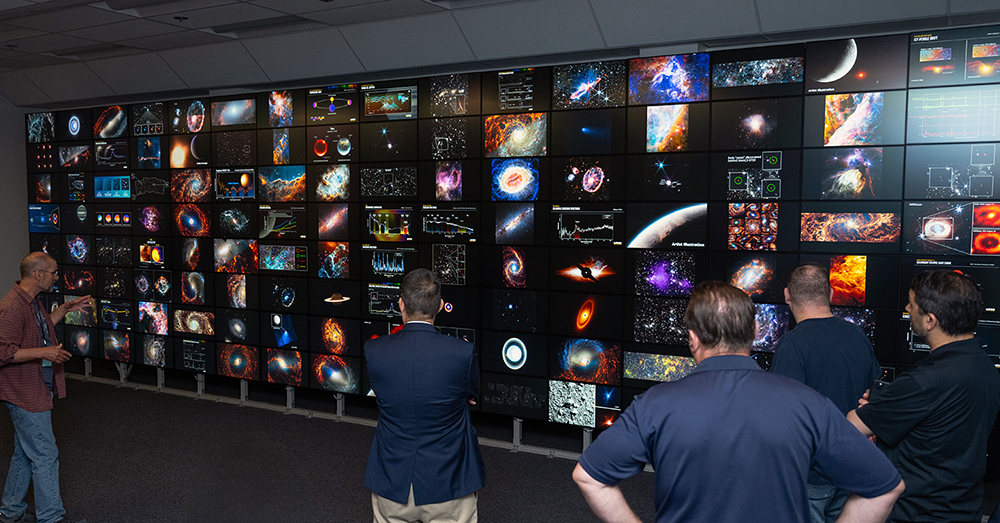
The hyperwall visualization system at Ames—one of the largest and most powerful in the world—provides a supercomputer-scale environment that allows users to view and explore their computational results in unprecedented detail and speed.
High-End Computing for Researchers
NASA-funded researchers, engineers, and scientists can use HEC computing resources for their projects. This includes access to the computing systems, as well as integrated, customizable services such as visualization, data analysis pipelines, and networking.
Learn More and Get Started