
















Most Notable 2026 Astronomical Events: A Year of Watching the Skies
This year will be busy for avid skywatchers, with some incredible opportunities to view meteor showers, planets, and the Moon in the night sky.
In 2026, we will also mark the 20th anniversary of NASA Marshall Space Flight Center’s Observatory. Originally established as an engine test site in 1958, it was converted to a solar observatory in 1968 to study the sun. In 2006, it was transformed into a lunar and meteor observatory, marking the beginning of its modern era. Today, the observatory plays a crucial role in monitoring the Moon for impacts, studying eclipses, tracking comets, and measuring meteoroid production through advanced telescopes and cameras.
So, get ready to watch the skies with us! Here are the top astronomical events happening this year:
- February 28: Planetary Parade
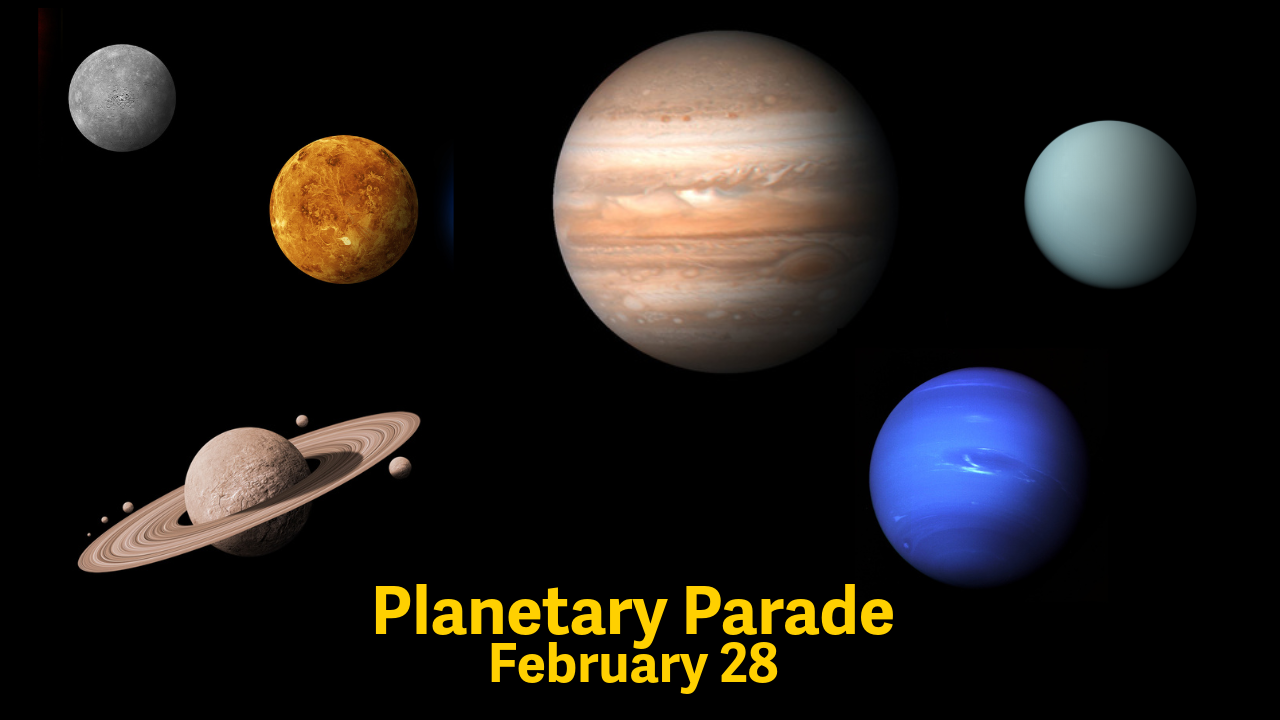
On February 28, we will see not one, not two, but six planets in the evening sky. Mercury, Venus, Neptune, Saturn, Uranus, and Jupiter will appear shortly after sunset. Four of those planets will be visible to the unaided eye, weather permitting, but only those with optical assistance will be able to view Uranus and Neptune (Mercury can sometimes be harder to spot, too).
- March 3: Total Lunar Eclipse
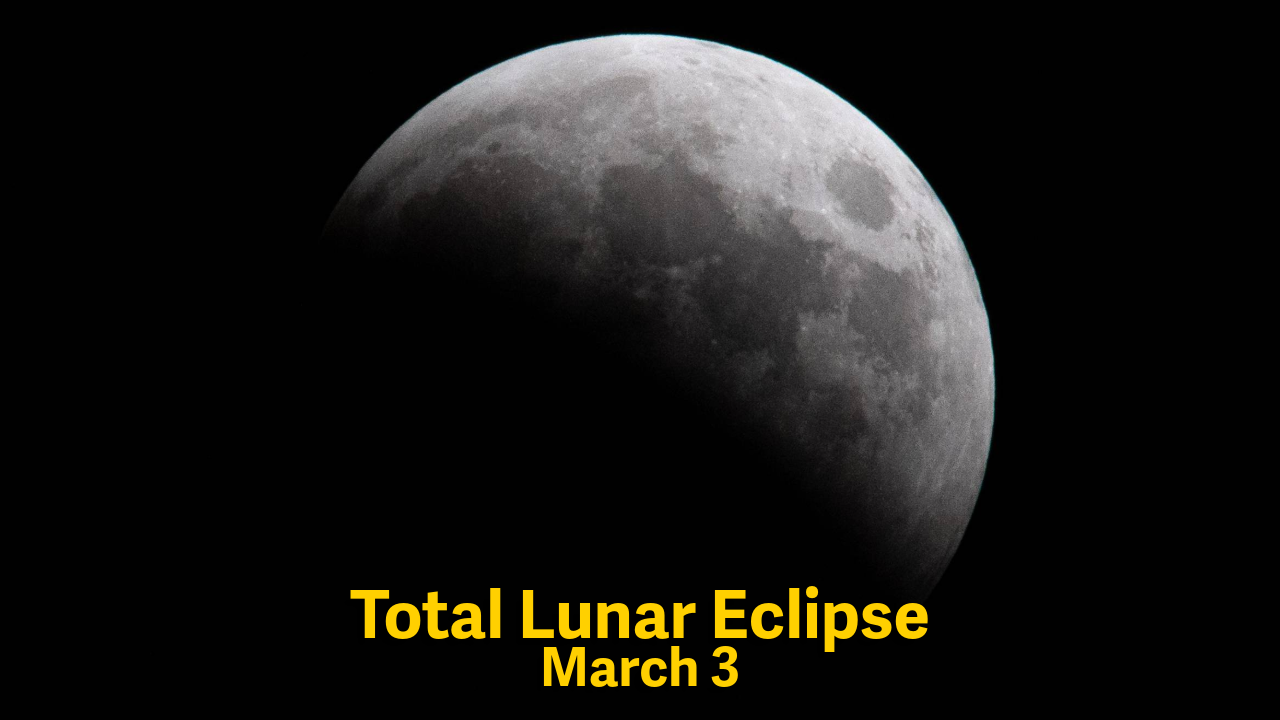
In March, a total lunar eclipse will be visible for those in North America – especially for those on the West Coast. This event is for the earlier risers, as it will occur right before sunrise on the 3rd. Lunar eclipses occur when Earth is positioned precisely between the Moon and Sun – shading the Moon in Earth’s shadow.
- May 31: Full Blue Moon
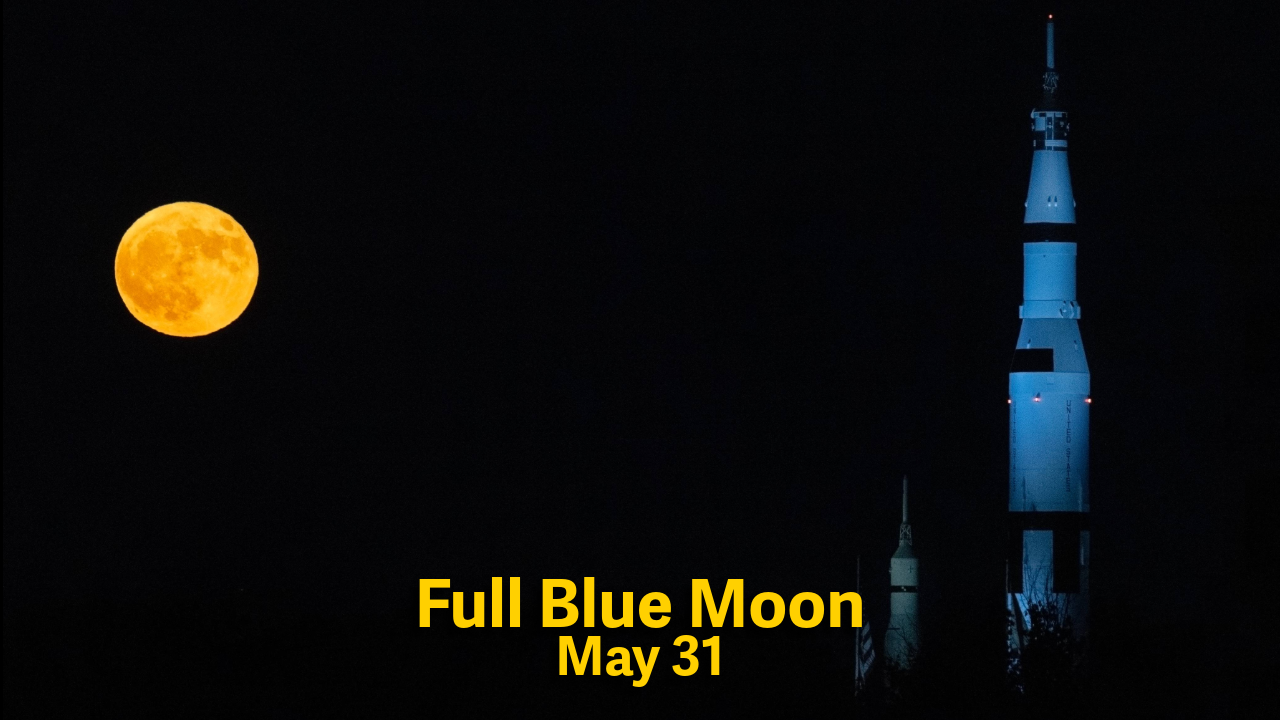
A Blue Moon signifies the rare occasion of having a second full moon in one month – hence the phrase “once in a blue Moon”. We will get one of these rare Blue Moons at the end of May – meaning we will have a total of 13 full Moons in 2026. But don’t be fooled by the name – this moon will not actually be blue in color.
- June 8-9: Venus and Jupiter Conjunction
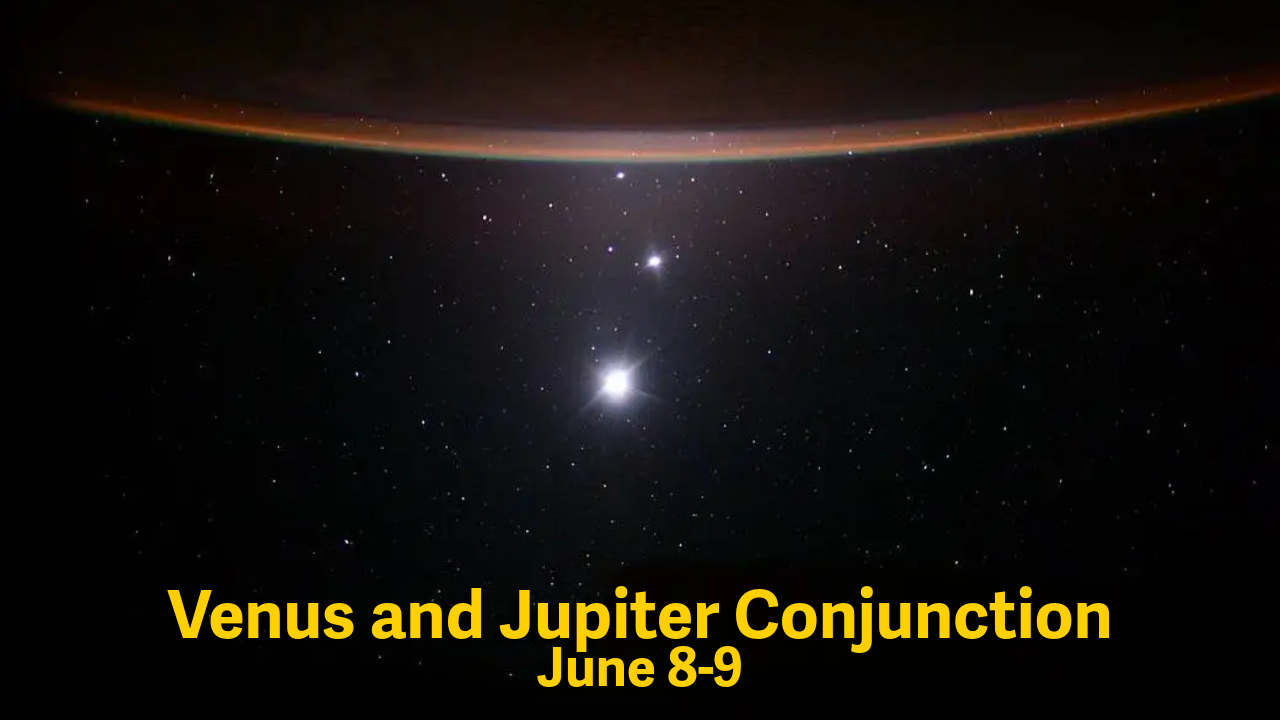
We will be treated to another special planetary event this year when the two brightest planets in the sky – Venus and Jupiter – will appear only a pinky finger apart in June. No telescopes will be required for this one!
- August 12-13: Perseids Meteor Shower
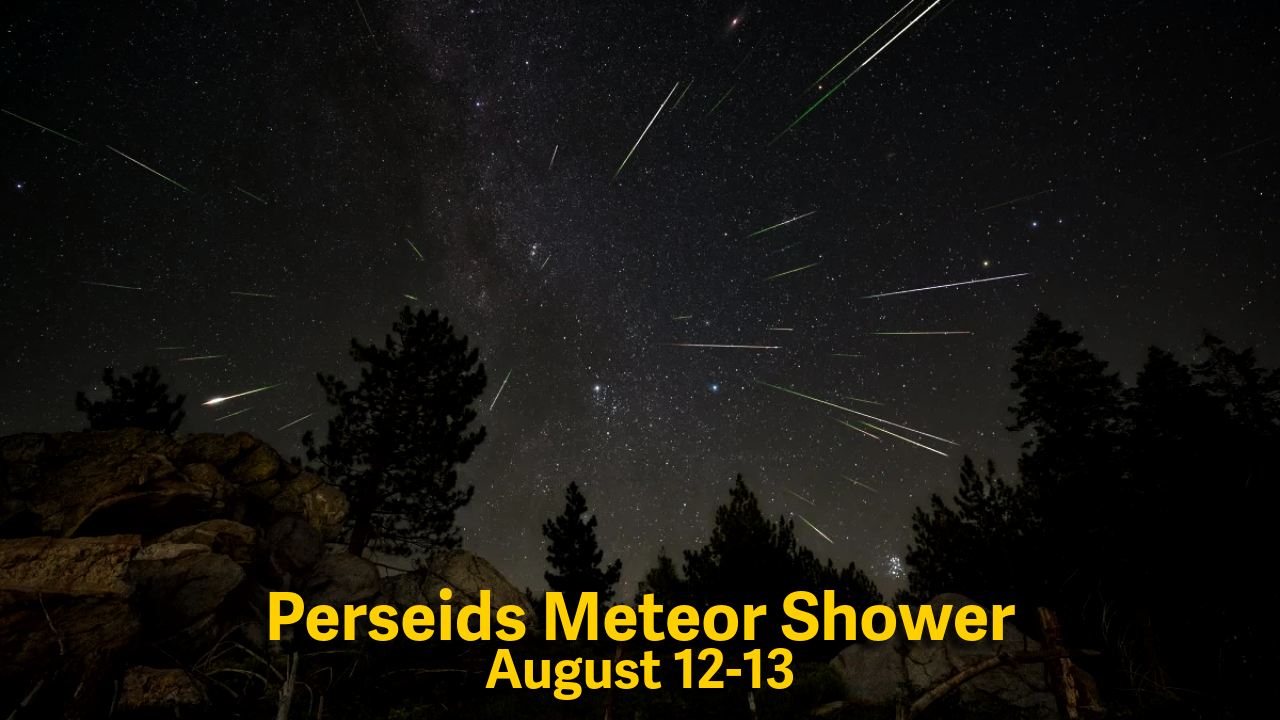
The best annual meteor shower is ready to put on a show this year. With a New Moon in the sky, we should have excellent viewing opportunities across most of the world – weather permitting.
- December 13-14: Geminids Meteor Shower
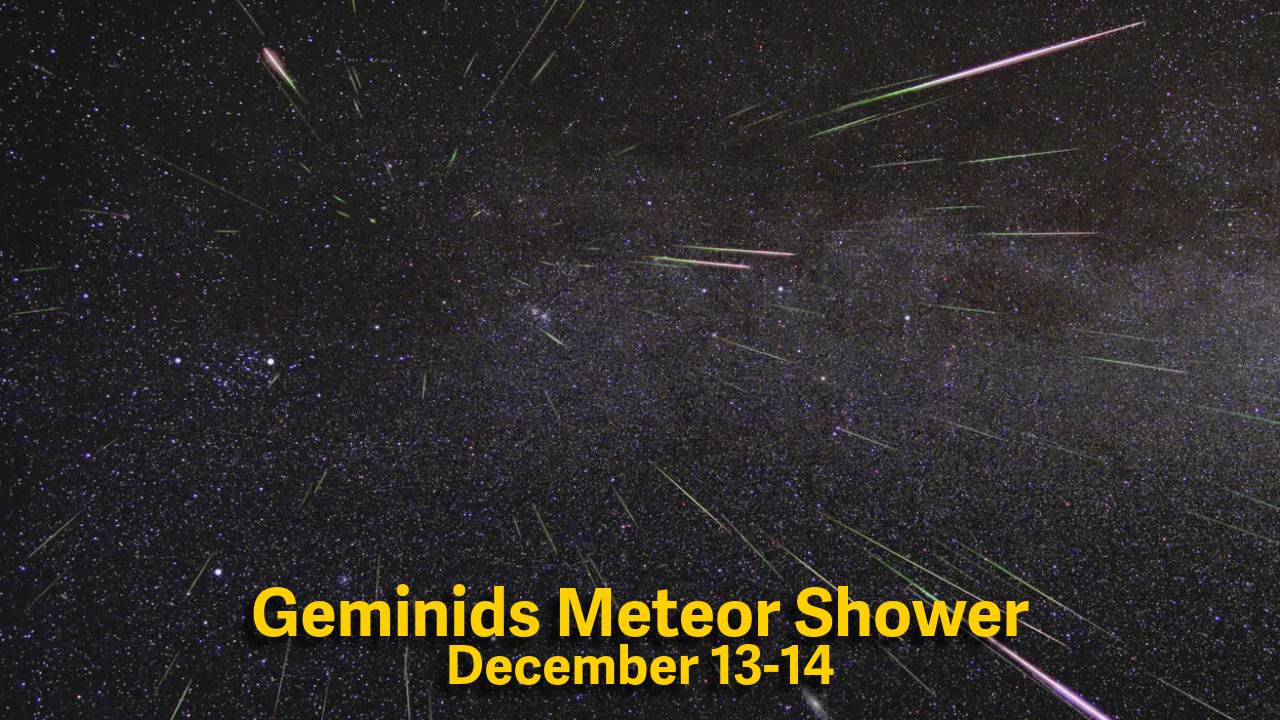
Another great annual meteor shower – the Geminids – will also show off for us this year. Step outside right after midnight to catch these famous “green” meteors streak across the sky.
- December 24: Supermoon
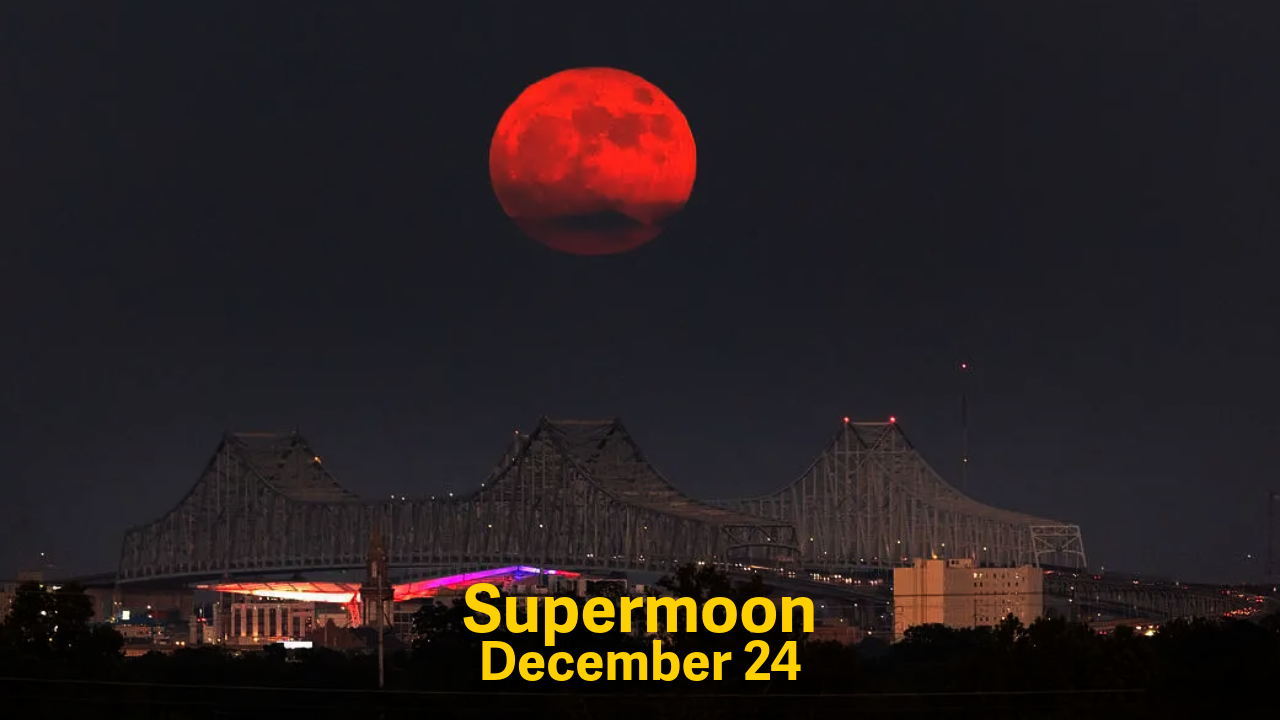
To end the year, we are being treated to a special Christmas Eve Supermoon. A “supermoon” occurs when a full Moon is closest to Earth – making it appear bigger and brighter. So don’t worry kids, Santa will have lots of light to deliver all his toys.
Other 2026 Sky Events
- January 2-3: Quadrantids Meteor Shower
- January 3: Supermoon
- January 10: Jupiter at Opposition
- February 17: Annular Solar Eclipse (Visible in Antarctica)
- March 20: March Equinox
- April 21-22: Lyrids Meteor Shower
- May 5-6: Eta Aquariids Meteor Shower
- June 21: June Solstice
- July 30-31: Southern Delta Aquariids AND alpha Capricornids Meteor Shower
- August 12: Total Solar Eclipse (Visible in Greenland, Iceland, and Spain)
- September 23: September Equinox
- September 25: Neptune at Opposition
- October 4: Saturn at Opposition
- October 7: Draconids Meteor Shower
- October 21-22: Orionids Meteor Shower
- November 4-5: Taurids Meteor Shower
- November 17: Leonids Meteor Shower
- November 24: Supermoon
- November 25: Uranus at Opposition
- December 21: December Solstice
- December 21-22: Ursids Meteor Shower