















Suggested Searches

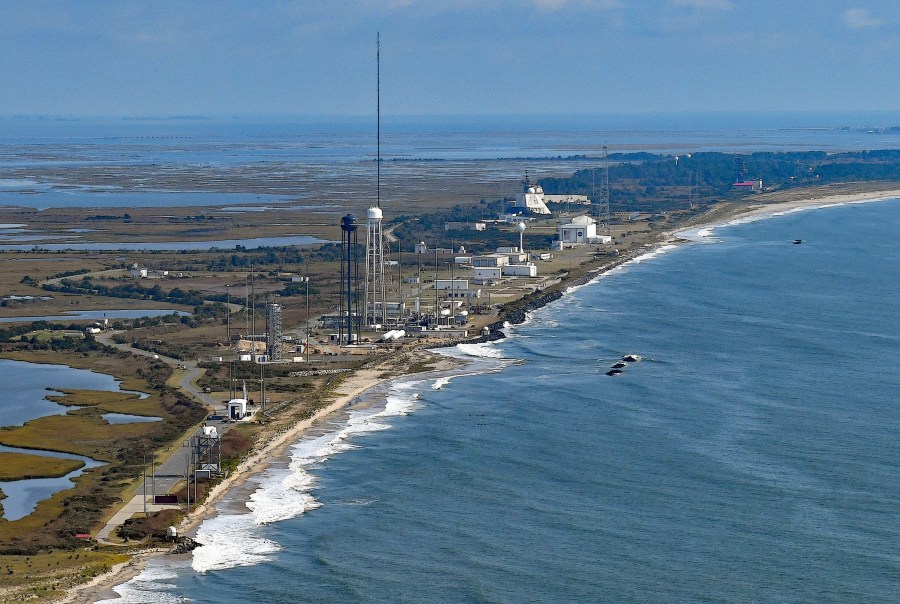
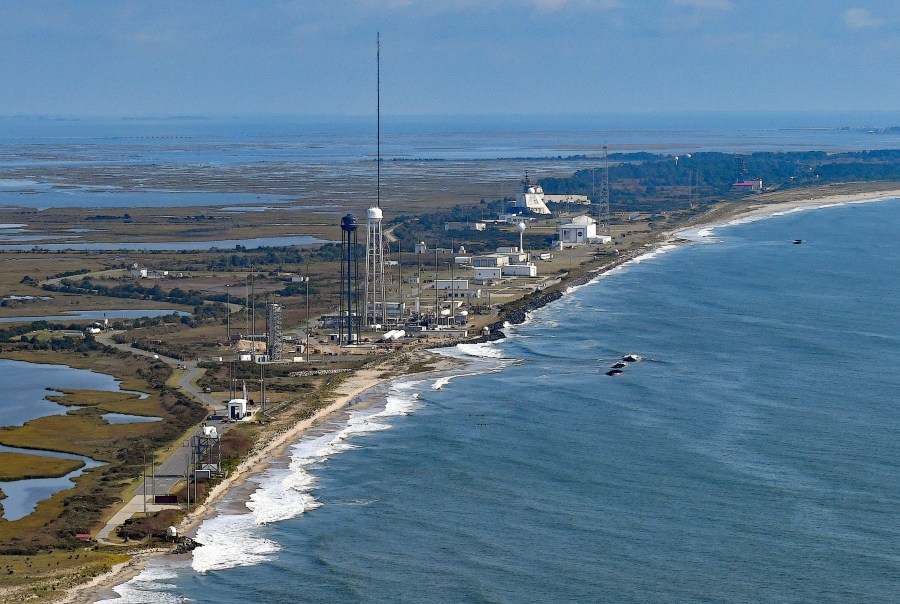
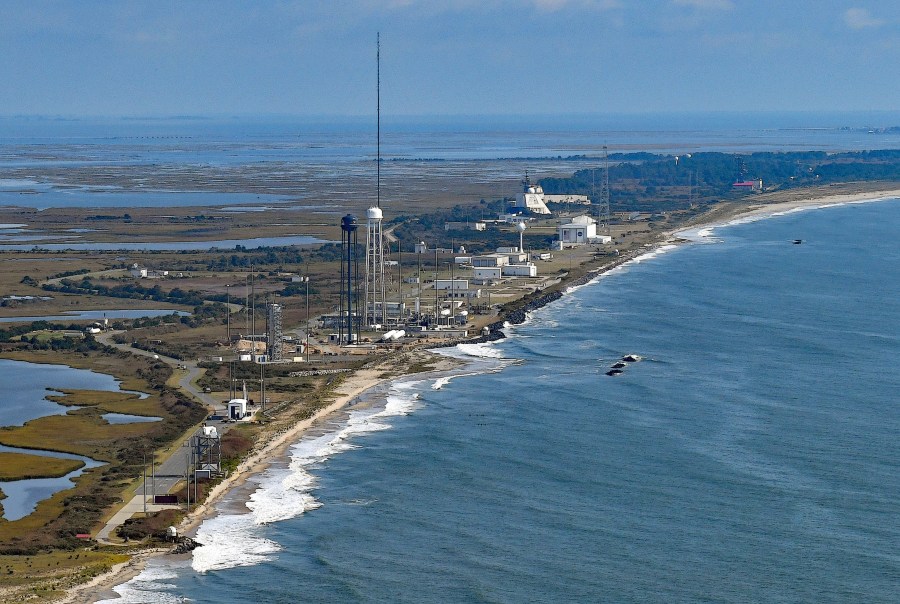
Wallops Range

Launch updates from NASA's Wallops Flight Facility supported missions.

    NASA Wallops to Support Rocket Lab Launch

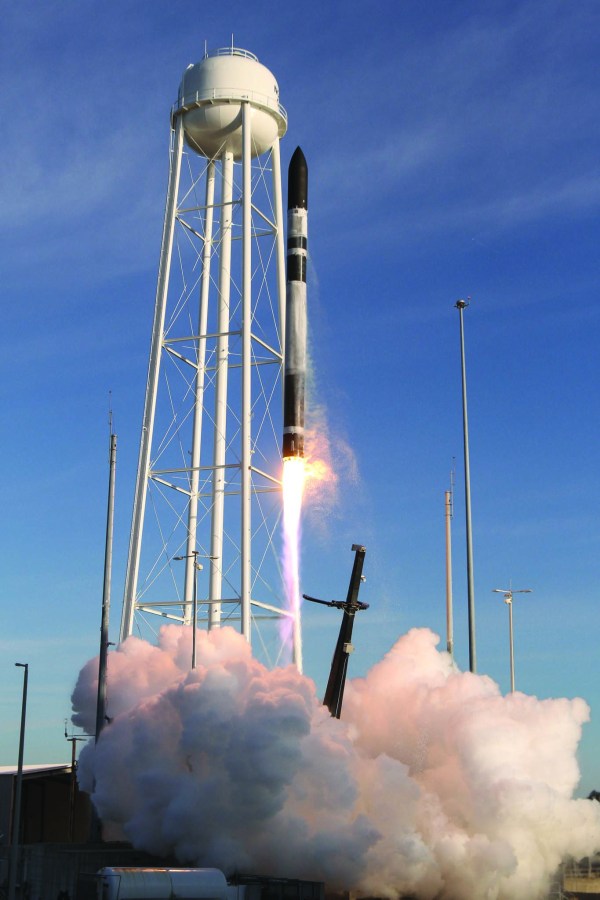
    Rocket Lab suborbital rocket launches from Pad-0C (Launch Complex 2) on Wallops Island, Virginia, at 8 a.m. on Nov. 18, 2025. The mission was Rocket Lab's sixth launch of its HASTE rocket for the Defense Innovation Unit (DIU) and Missile Defense Agency (MDA). Led by MDA, the mission deployed a government-provided primary payload developed by the Johns Hopkins University Applied Physics Laboratory, and multiple secondary payloads by federal and industry partners, which tested key technologies for missle defense applications.

    Update Feb. 27: The Rocket Lab suborbital rocket successfully launched Feb. 27, at 7 p.m. EST. Update Feb. 26: The next launch attempt for Rocket Lab is scheduled for Friday, Feb. 27, 4-7 p.m. EST. Update Feb. 25: Rocket Lab is standing down from a launch attempt Wednesday, Feb. 25. The next launch attempt will […]

    Read Full Post

    NASA Wallops Launch Range to Support Electron Launch 

    Rocket Lab's 59-foot Electron rocket at the company's Launch Complex-2 on NASA's Wallops Island.

    Update: This mission carrying NASA’s DiskSat technology demonstration was successfully launched at 12:03 a.m. EST on Thursday Dec. 18, 2025. A Rocket Lab Electron rocket is scheduled to launch from NASA’s Wallops Flight Facility in Virginia during a window extending from Dec. 18-23, 12-4 a.m. EST each night. This launch supports the United States Space Force.   The […]

    Read Full Post

    NASA Sounding Rocket Mission Targeting Aug. 25 Launch Attempt

    The TOMEX+ sounding rocket mission is targeting Monday, Aug. 25, for the first launch attempt. The window will open 10 p.m.-3 a.m. EDT. Follow live updates on Wallops Facebook and X, with a livestream beginning five minutes before launch.

    Those in the mid-Atlantic region may catch a glimpse of the rockets, weather permitting.

    A visibility map showing the mid-Atlantic region. The map shows how many seconds after launch people in the area may be able to see the sounding rocket in the sky. The land is green and the ocean is dark blue. Visibility of 30-44 seconds is represented by a purple semi-circle reaching north to Massachusetts, west to West Virginia, and almost as south as Wilmington, North Carolina. 10-30 seconds is represented by a bright blue semi-circle reaching north to New Jersey, west into Virginia, and south to the upper part of North Carolina. Visibility from 0-10 seconds is indicated by a bright green semi-circle mostly covering the Eastern Shore of Maryland and Virginia. On the right is a black box with white words: "Colors indicate when viewers will have line-of-sight access to the vehicle, with 3° elevation or more. Measured in seconds after takeoff.
    Launch visibility map indicating visibility zones for when the TOMEX+ rockets will be visible, in seconds after launch: green (0-10 sec), blue (10-30 sec), and purple (30-40+ sec).
    NASA

    TOMEX+ Launch Update – Aug. 22

    The TOMEX+ sounding rocket mission launch attempt for Sunday, Aug. 24, will be rescheduled to a later date due to cloud cover and continued high sea states in the recovery area. The teams are evaluating a new launch attempt for the upcoming week. The window for the mission runs through Sept. 3. 

    TOMEX+ Launch Update – Aug. 21

    The TOMEX+ sounding rocket mission is now targeting no earlier than Sunday, Aug. 24, for the first launch attempt due to high sea states in the recovery area from Hurricane Erin.