









Crew Studies Health, Earth Photography, and Works Dragon Preps

Biomedical research to promote astronaut health and Earth observations to understand the effects of natural catastrophes topped the science schedule aboard the International Space Station on Wednesday. The Expedition 74 trio is also gearing up for the arrival of the SpaceX Crew-12 mission while continuing lab maintenance for the upkeep of the orbiting lab.
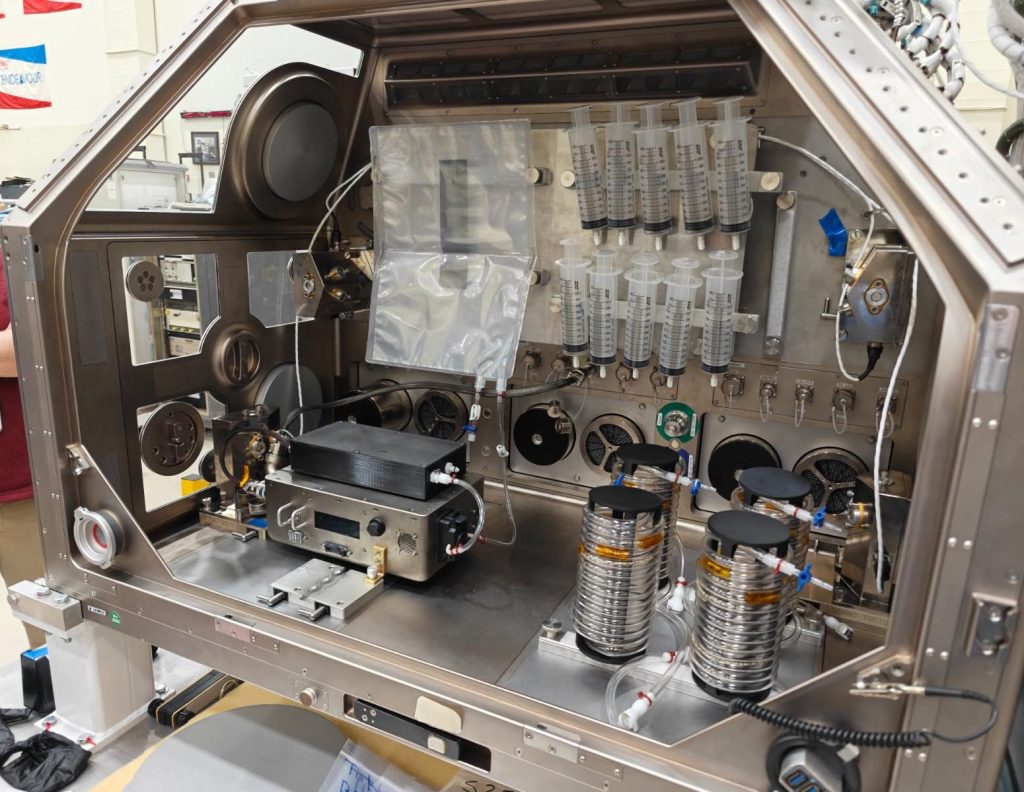
A second day of CIPHER human research operations awaited NASA Flight Engineer Chris Williams as doctors on the ground continuously monitor how an astronaut’s body adapts to weightlessness. Williams began his shift collecting his blood samples then processing them in a centrifuge. Next, he photographed the sample tube configurations after the centrifuge activities, then stowed the samples in a science freezer for preservation and later analysis. Researchers are using the biomedical data collected from this investigation to understand how human health changes before, during, and after a spaceflight —critical knowledge for safeguarding crews on future missions farther from Earth
After lunchtime, Williams called down to Earth for a video conference with the four SpaceX Crew-12 members, who are targeted to launch to the orbital outpost no earlier than Feb. 11. Commander Jessica Meir and Pilot Jack Hathaway, both from NASA, and Mission Specialists Sophie Adenot of ESA (European Space Agency) and Andrey Fedyaev of Roscosmos called up to the station from NASA’s Mission Control Center in Houston for station familiarization activities prior to their arrival the day after launching from Cape Canaveral, Florida. Afterward, Williams continued his computer training to prepare for his monitoring role as Crew-12 approaches the station aboard the SpaceX Dragon.
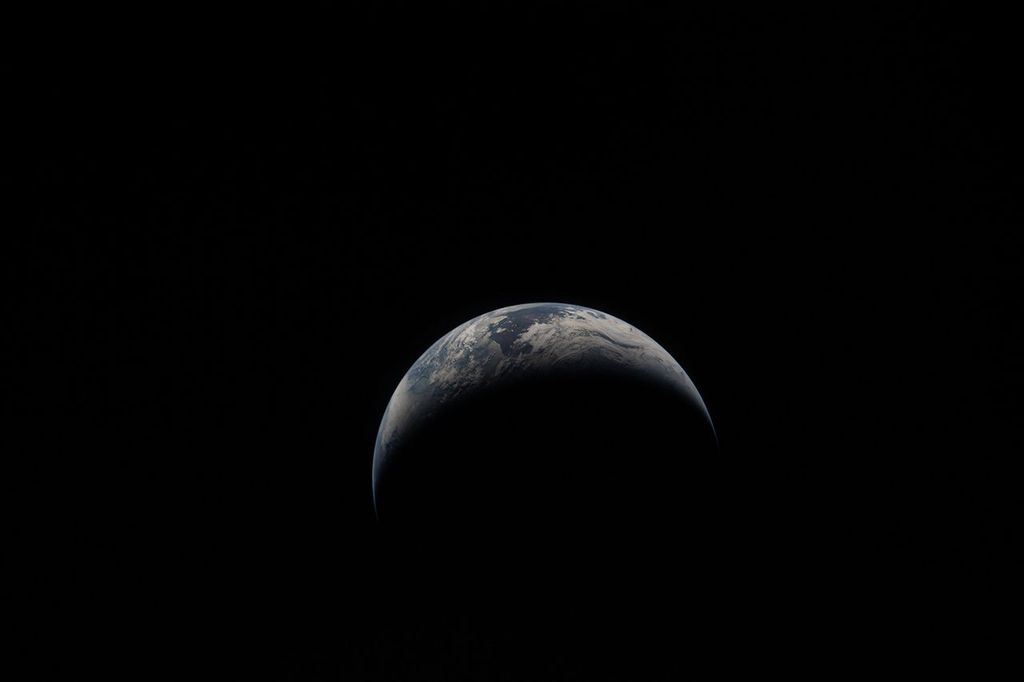
Roscosmos Flight Engineer Sergei Mikaev once again pointed a camera out a station window and photographed Earth landmarks to capture areas struck by natural disasters. Mikaev targeted regions from Portugal to Kazakhstan then downloaded the imagery to a hard drive for return and analysis on Earth. Researchers will study the imagery to understand how the landscape is affected by and adapts to events such as storms, landslides, and earthquakes.
Station Commander Sergey Kud-Sverchkov from Roscosmos began his shift setting up video gear to record experiment operations for the Plasma Kristall-4 physics study. Next, Kud-Sverchkov replaced a laptop computer, installed a new computer battery, then photographed the completed job inside the Nauka science module. The two-time space station visitor wrapped up his shift on orbital plumbing and life support maintenance in the orbiting lab’s Roscosmos modules.
Learn more about station activities by following the space station blog, @space_station on X, as well as the ISS Facebook and ISS Instagram accounts.
Get the latest from NASA delivered every week. Subscribe here.
