


















Hangar Sweet Home for NASA’s X-59
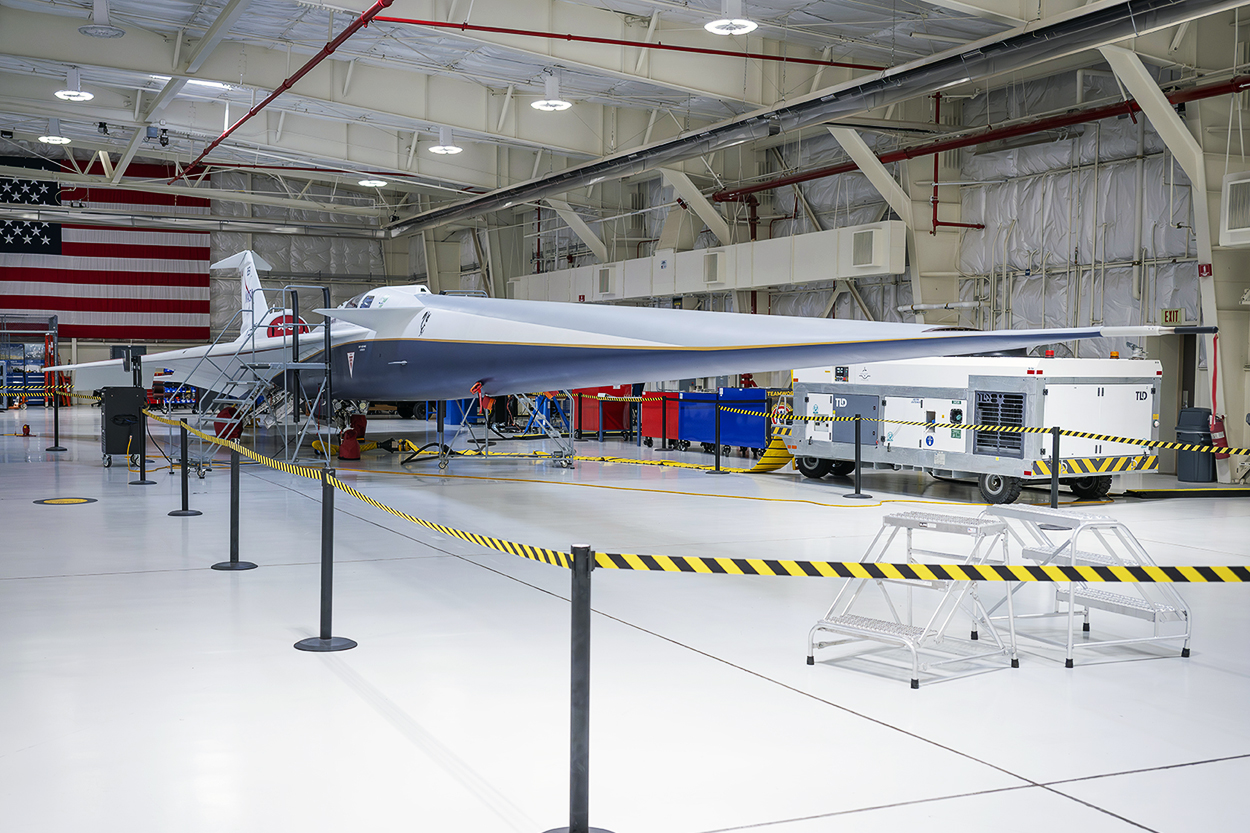
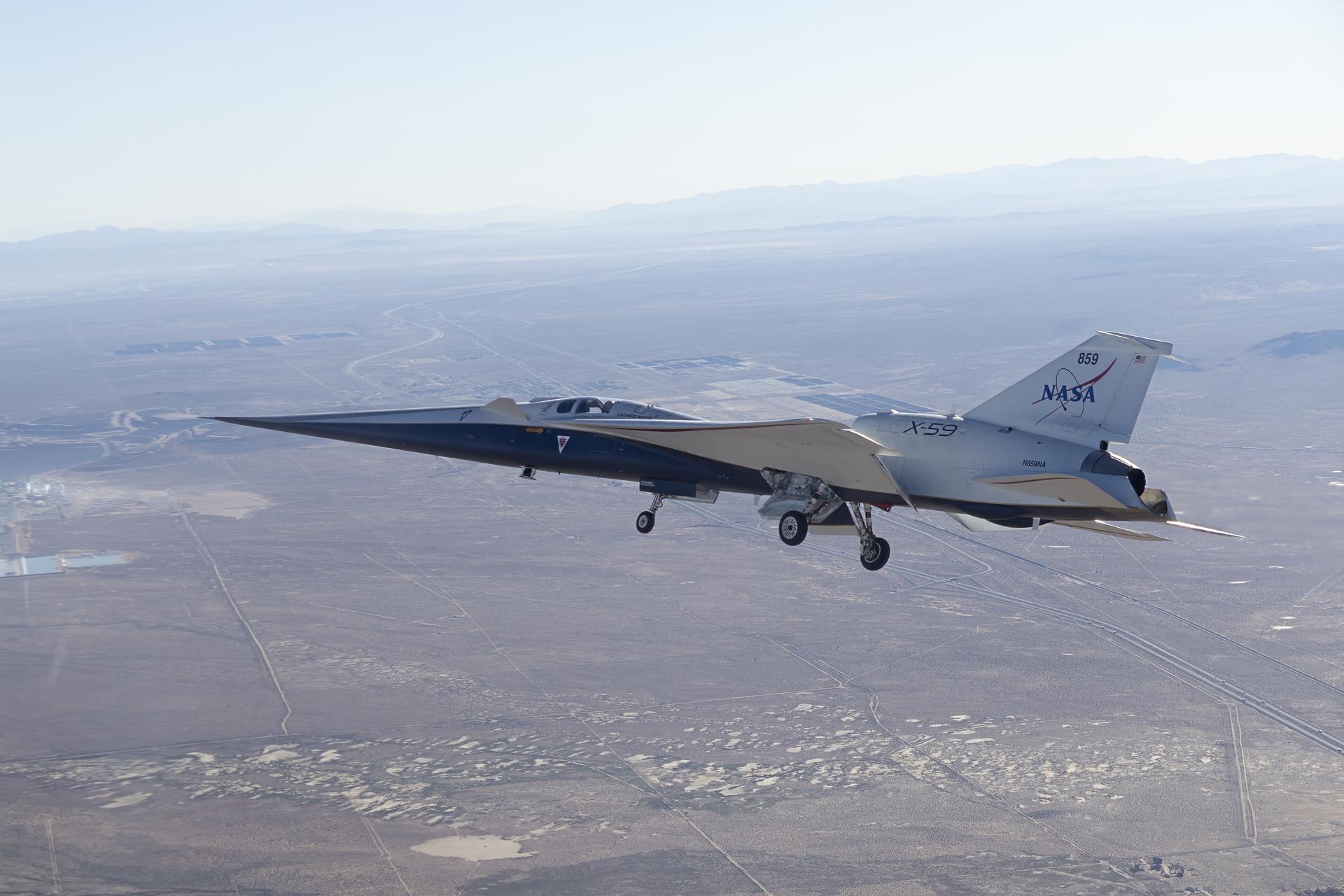
From the beginning of NASA’s work to bring its quiet supersonic X-59 aircraft from the drawing board into reality, the agency’s team knew they also needed to make a home for it. But at nearly 100 feet long and 30 feet wide, not just any hangar would do.
So, while the experimental aircraft was being built at contractor Lockheed Martin Skunk Works’ facility in Palmdale, California, another team got to work at NASA’s Armstrong Flight Research Center in nearby Edwards, California. NASA has posted a new account of how the team fully renovated and modernized a hangar built in 1968 to hold an aircraft that made its first flight in 2025.
Read on to find out what it was like for the team when the aircraft finally arrived.
Quesst
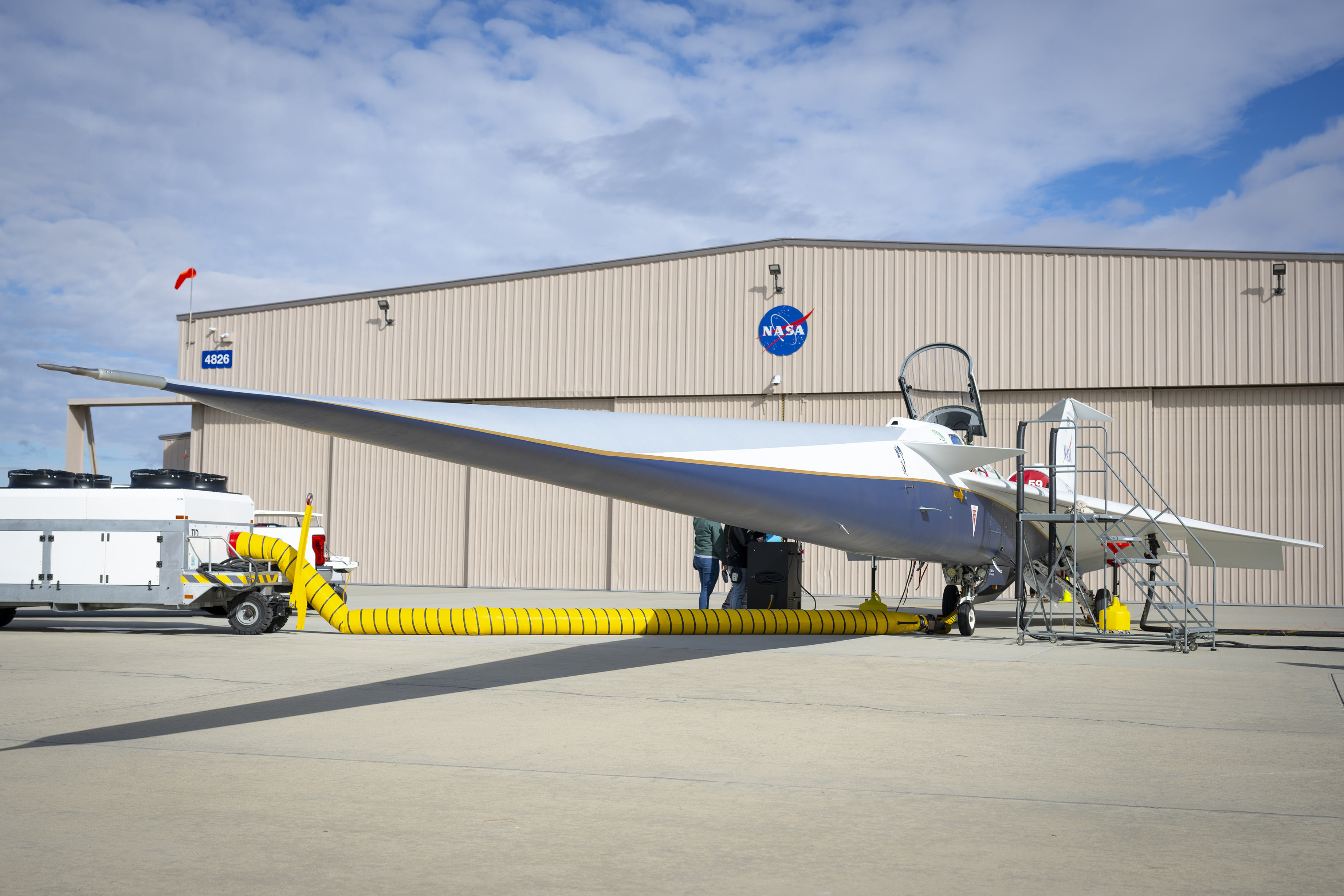
Quesst is the name of NASA Aeronautics’ mission to help take the first step toward enabling commercial, faster-than-sound air travel over land. The centerpiece of the mission is NASA’s X-59 research aircraft. The experimental supersonic jet is designed with technology that reduces the loudness of a sonic boom to a gentle thump. NASA will fly the X-59 over select U.S. communities and take surveys to record what people think of the quieter sonic thumps. The human response data will be delivered to U.S. and international regulators, who will consider setting new rules that allow supersonic flight over land.
Stay up to date at the Quesst mission page