
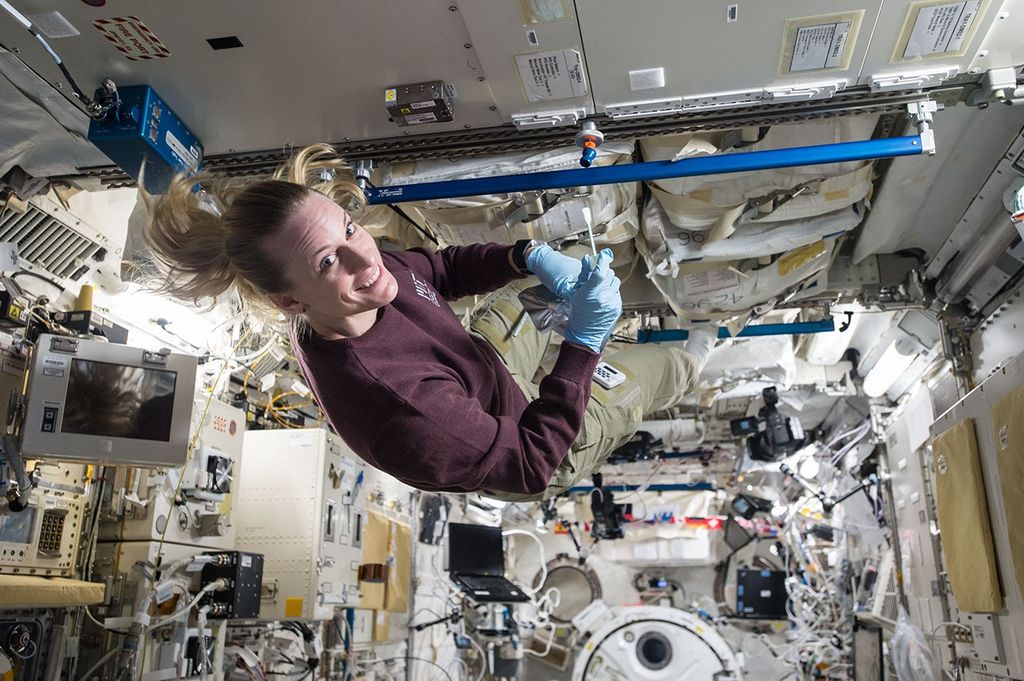

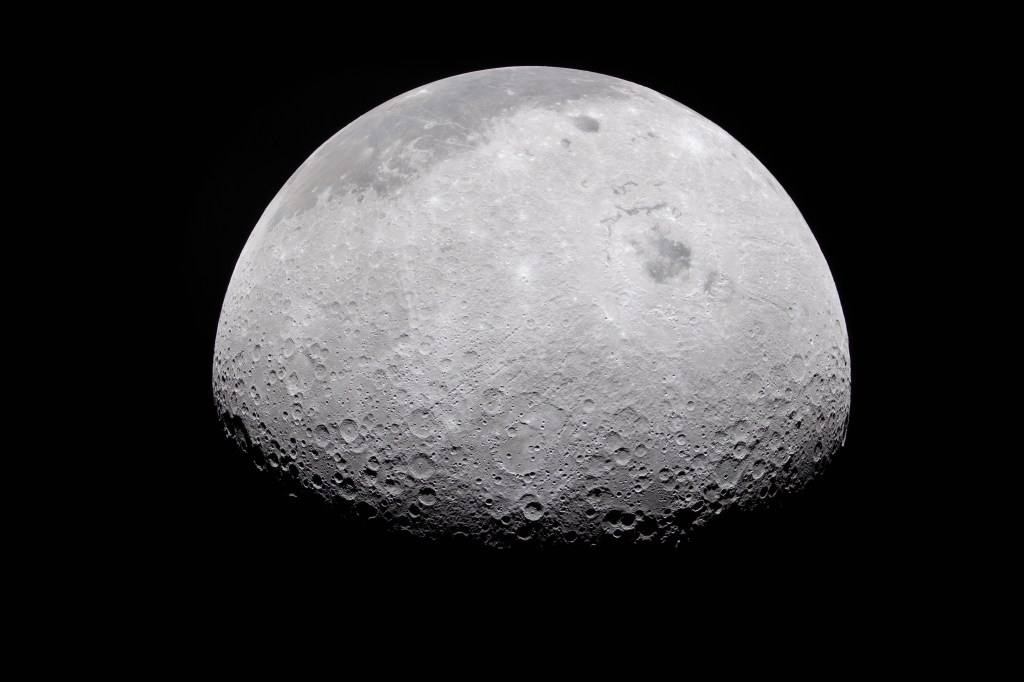


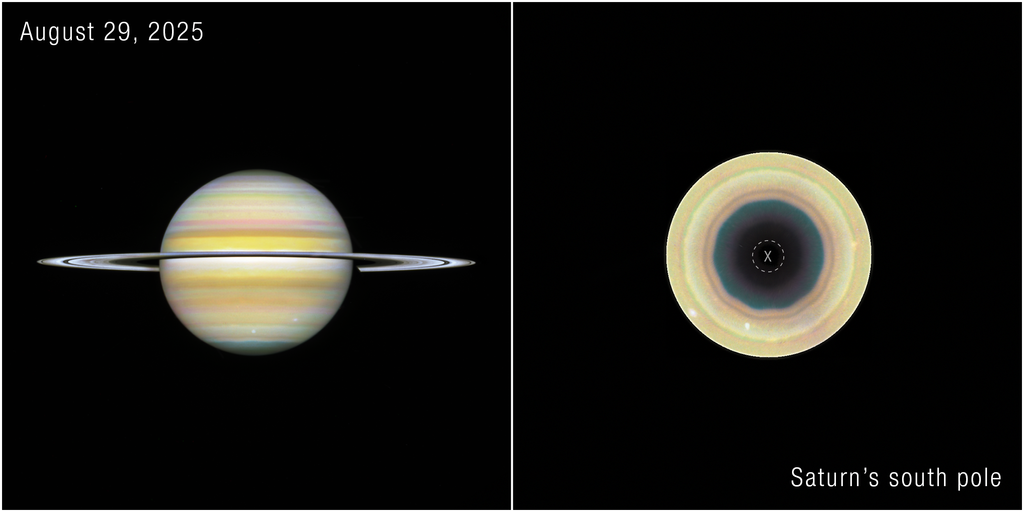






Each week, 10 scientists with the MOSAiC expedition drill ice cores for a variety of experiments back on the ship. Here’s what the day looks like.
ISS Daily Summary Report – 4/20/2020
ELF (Electro-static Levitation Furnace): The crew performed a cartridge sample #3 chamber swap and then opened the Air Gas bottle unit in preparation for the next sample run. ELF is an experimental facility designed to levitate, melt and solidify materials by containerless processing techniques using the electrostatic levitation method. With this facility, thermophysical properties of …
Lyrids Peak for Earth Day
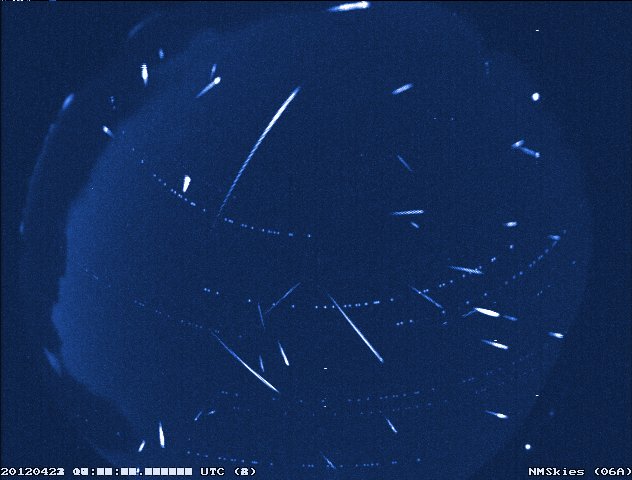
April has already been an active month for celestial events and it is about to get even better with the Lyrid meteor shower beginning April 19. Just in time for the 50th anniversary of Earth Day, the Lyrids will peak on April 22 during the predawn hours. A new Moon this year will make way …
Expedition 63 Starts Science, Readies for Cargo and Commercial Crew
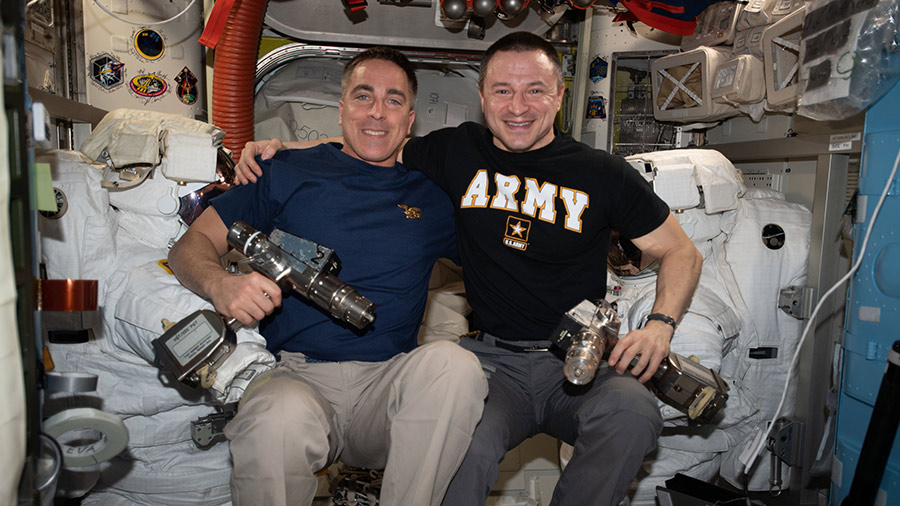
The three-member Expedition 63 crew is beginning its first full workweek and kicking off science aboard the International Space Station. More space traffic continues this week, as Russia gets ready to launch its next Progress resupply ship late Friday. NASA astronaut Chris Cassidy is on his third spaceflight and is in command of the orbiting …
Touchdown! Expedition 62 Returns to Earth, Completes Station Mission
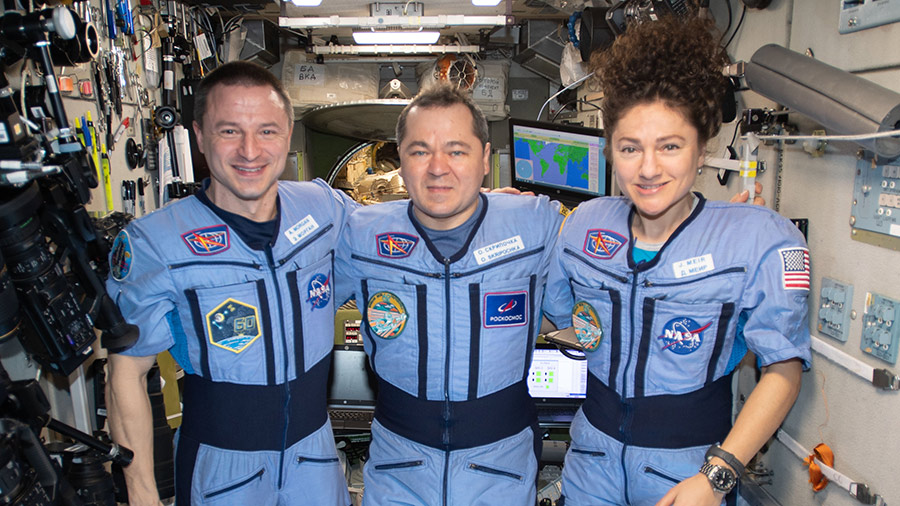
NASA astronauts Andrew Morgan and Jessica Meir, and Oleg Skripochka landed on Earth at 1:16 a.m. EDT in Kazakhstan. The trio departed the International Space Station in their Soyuz MS-15 spacecraft at 9:53 p.m. After post-landing medical checks, the crew will return by Russian helicopters to the recovery staging city in Baikonur, Kazakhstan, where they …
Expedition Trio Leaves Station Begins Return to Earth
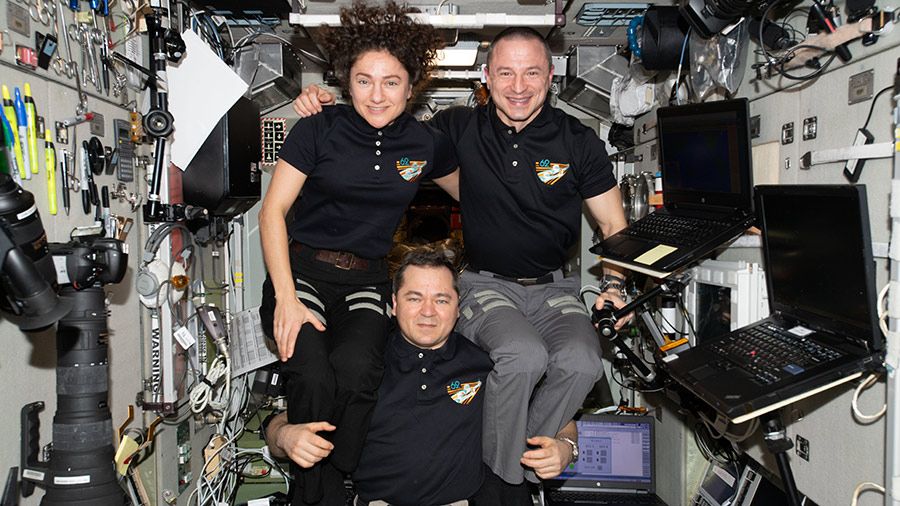
The Soyuz spacecraft undocked from the International Space Station at 9:53 p.m. EDT, carrying three people back to Earth. NASA Television will air live coverage beginning at 12 a.m. Friday, April 17, for the deorbit burn at 12:22 a.m. and the spacecraft’s parachute-assisted landing. NASA astronauts Andrew Morgan and Jessica Meir and Oleg Skripochka are …
Crew Boards Soyuz Crew Ship and Closes Hatches
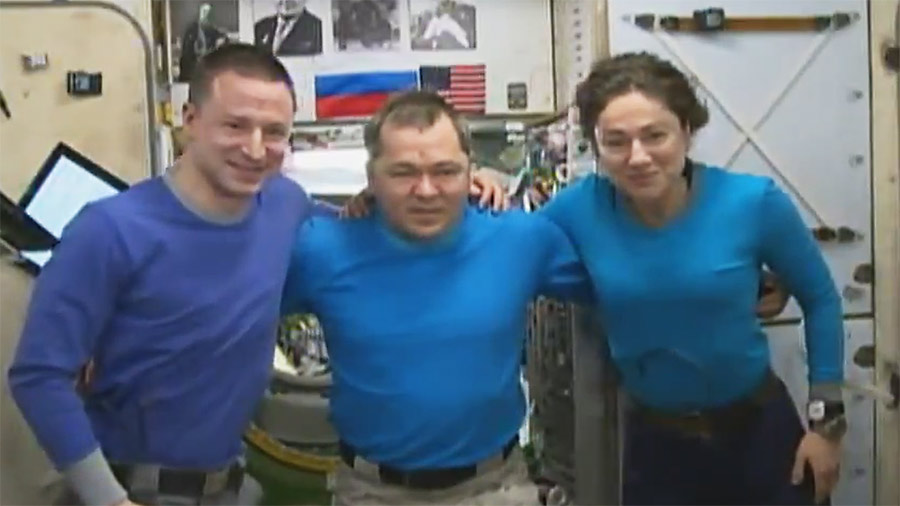
At 6:44 p.m. EDT, the hatch closed between the Soyuz spacecraft and the International Space Station in preparation for undocking. NASA astronauts Andrew Morgan and Jessica Meir and Oleg Skripochka of the Russian space agency Roscosmos, are scheduled to undock their Soyuz MS-15 spacecraft at 9:53 p.m. NASA Television will air live coverage of the undocking beginning …
Live Now on NASA TV, Station Trio Says Farewell
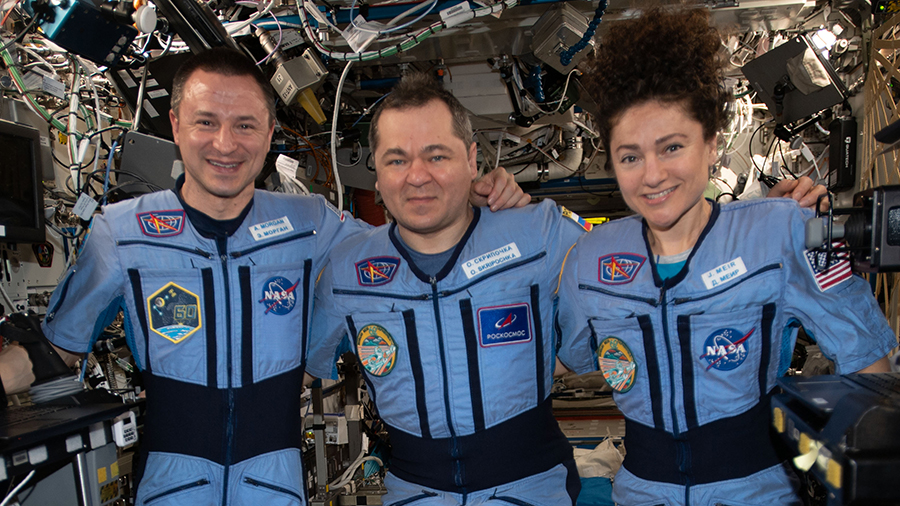
NASA Television and the agency’s website are now broadcasting live coverage of the International Space Station’s Expedition 62 crew as they are preparing for their return to Earth. NASA astronauts Jessica Meir and Andrew Morgan and Oleg Skripochka of Roscosmos are saying their farewells to NASA astronaut Chris Cassidy and Roscosmos cosmonauts Anatoly Ivanishin and …
Assessing Locust Damage from the Ground
NASA researchers are working with organizations in East Africa to understand the extent of the 2020 locust outbreaks on farms.
ISS Daily Summary Report – 4/16/2020
Functional Immune: The crew gathered blood samples in support of the Functional Immune investigation. The Functional Immune Alterations, Latent Herpesvirus Reactivation, Physiological Stress and Clinical Incidence Onboard the International Space Station (Functional Immune) investigation analyzes blood and saliva samples to determine the changes taking place in crew members’ immune systems during flight. ISS Experience: The …