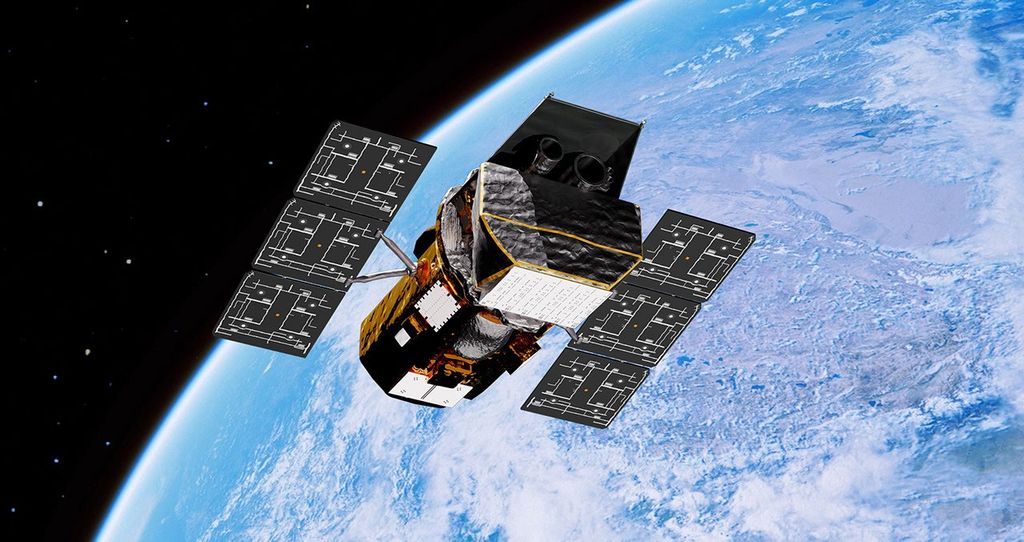




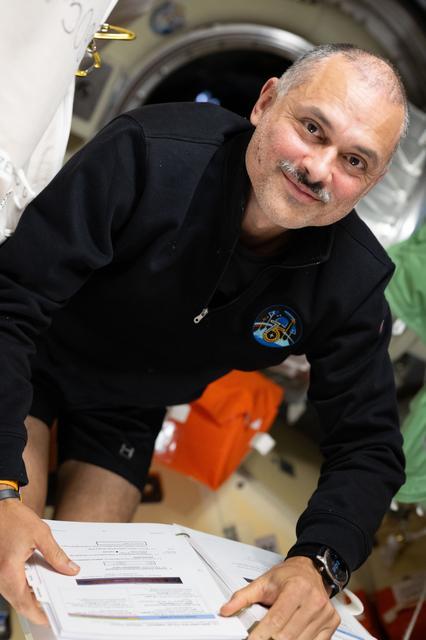





NASA and Northrop Grumman are targeting the safe arrival of the company’s Cygnus XL at approximately 7:18 a.m. EDT Thursday, Sept. 18, to the International Space Station. The Cygnus XL now will conduct a series of burns to bring the spacecraft to the space station for its robotic capture and installation. NASA astronaut Jonny Kim […]
NASA, Northrop Grumman Assessing Cygnus XL Engine Burn Plan

NASA and Northrop Grumman are delaying the arrival of the Cygnus XL to the International Space Station as flight controllers evaluate an alternate burn plan for the resupply spacecraft. The Cygnus XL will not arrive to the space station on Wednesday, Sept. 17, as originally planned, with a new arrival date and time under review.
Station Crew Awaits Cygnus Cargo Mission

Expedition 73 awaits over 11,000 pounds of new science and supplies packed inside Northrop Grumman’s Cygnus XL cargo craft and orbiting Earth toward the International Space Station.
New Mexico Scientific Balloon Campaign Update – Sept. 15
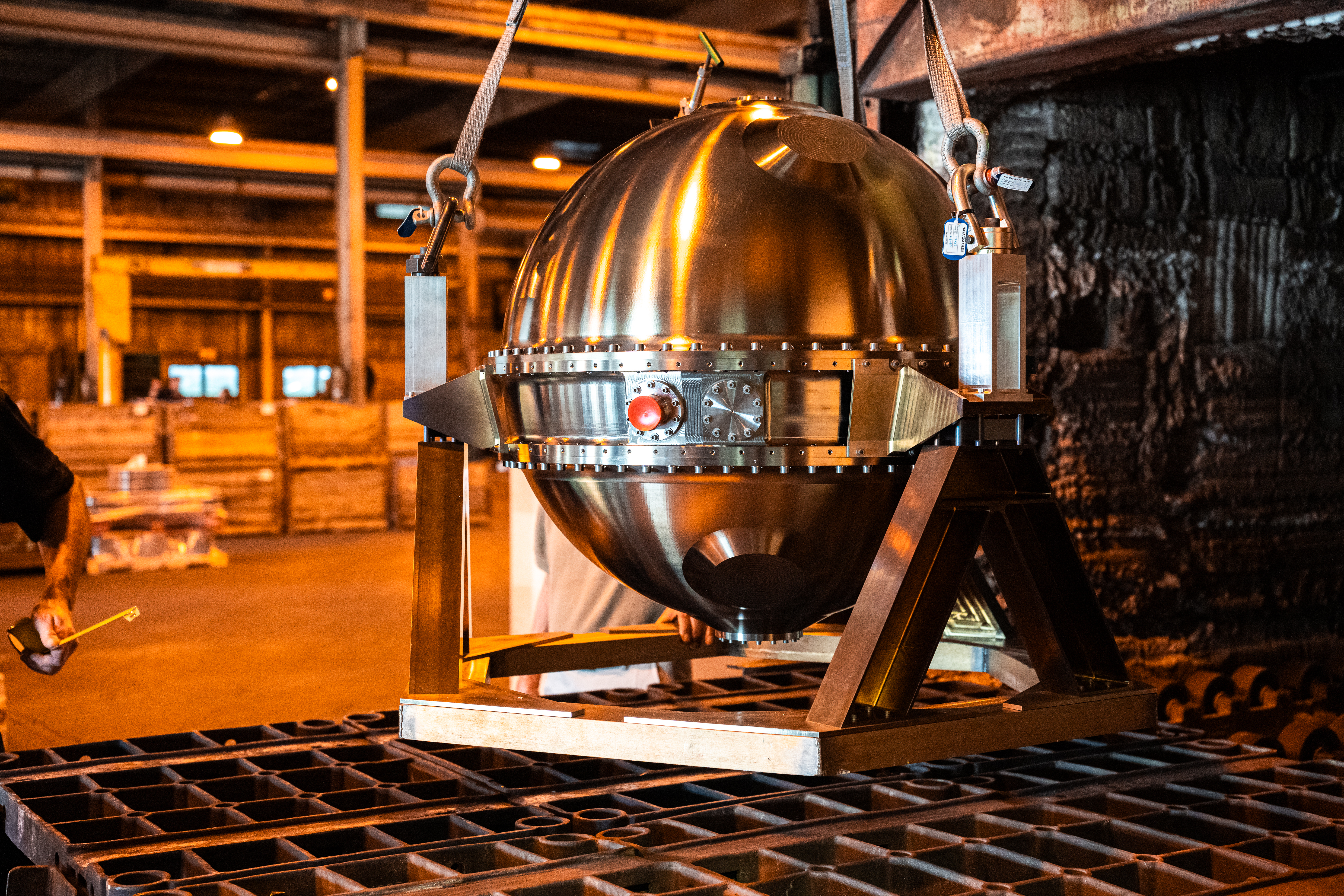
The Electron Losses driven by VLF EmissionS (ELVES) mission launched at 10:04 a.m. EDT (8:04 a.m. MDT) on Sept. 15, 2025. The balloon and payload reached a float altitude of 125,000 feet and flew for 8 hours, 12 minutes. The experiment includes multiple detection methods for both Very Low Frequency (VLF) emissions and electron precipitation, including magnetometers, x-ray detectors, and cosmic noise absorption measurements, advancing our understanding of radiation belt dynamics and ionospheric interactions.
To follow the missions in the 2025 Fort Sumner campaign, visit NASA’s Columbia Scientific Balloon Facility website for real-time updates of balloons’ altitudes and locations during flight.
Crew Awaits Second Cargo Mission in Less Than a Week; Keeps Up Biotech Research

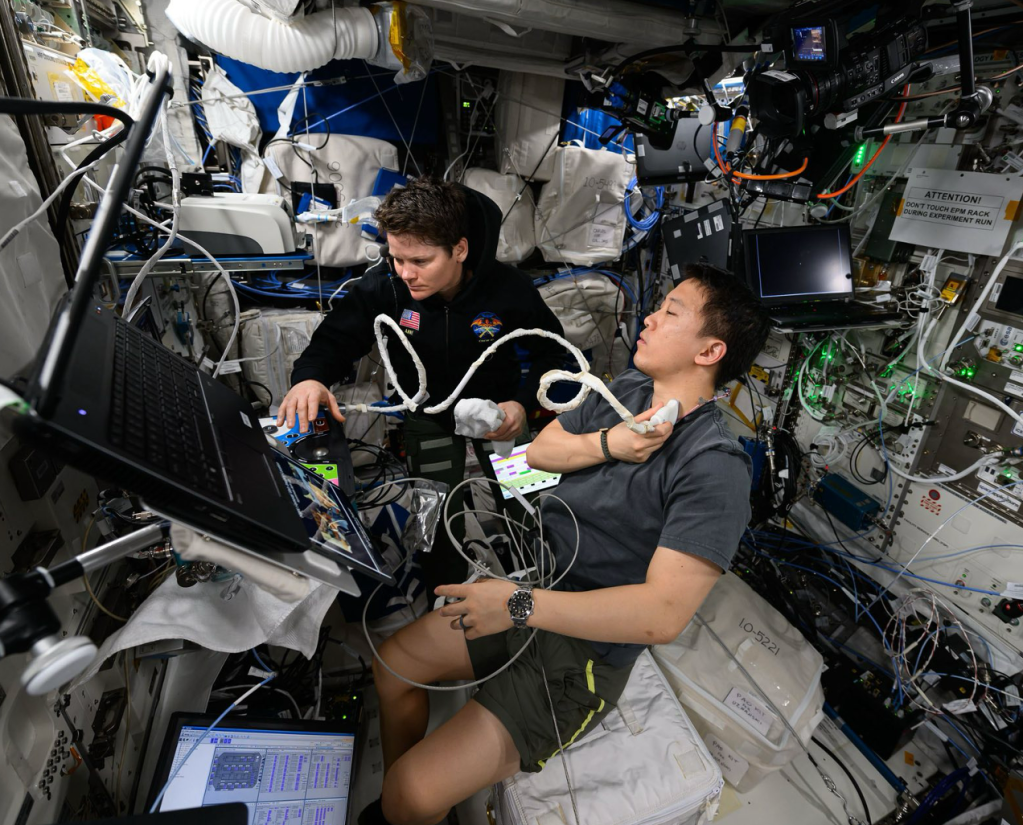
One cargo spacecraft has docked to the International Space Station and another one is on its way to continue resupplying the Expedition 73 crew. While the orbital residents await their next delivery, they continued researching on Monday advanced ways to keep humans healthy and nourished on long duration space missions.
New Mexico Scientific Balloon Campaign Update – Sept. 14
NASA launched two scientific balloon missions from the agency’s Fort Sumner, New Mexico, launch facility Sunday, Sept. 14, 2025. This marks the first time two scientific balloons were launched on the same day since 2011.
The JPL-Remote mission launched at 10:12 a.m. EDT (8:12 a.m. MDT) Sept. 14, 2025. The balloon and payload reached a float altitude of 127,000 feet and flew for 12 hours, 58 minutes. The mission’s main goal is to measure how different gases are layered in Earth’s atmosphere to check satellite data and track long-term changes since 1989.
The Cosmic Dust Collection Project (CDCP) mission launched at 12:10 p.m. EDT (10:10 a.m. MDT). The balloon and payload reached a float altitude of 125,000 feet and flew for 8 hours, 36 minutes. The mission’s aimed to capture cosmic dust at different altitudes in Earth’s atmosphere to study how much of this dust has contaminated the stratosphere.
To follow the missions in the 2025 Fort Sumner campaign, visit NASA’s Columbia Scientific Balloon Facility website for real-time updates of balloons’ altitudes and locations during flight.
Solar Arrays Deploy as Cygnus XL Orbits Toward Station

Northrop Grumman’s Cygnus XL spacecraft deployed its two solar arrays after launching earlier Sunday at 6:11 p.m. EDT on a SpaceX Falcon 9 rocket from Space Launch Complex 40 at Cape Canaveral Space Force Station in Florida to the International Space Station.
Cygnus XL Cargo Craft Launches on Falcon 9 Rocket to Station

At 6:11 p.m. EDT, over 11,000 pounds of scientific investigations and cargo launched to the International Space Station on Northrop Grumman’s Cygnus spacecraft for the company’s 23rd commercial resupply services mission for NASA.
Cygnus XL Cargo Craft Counts Down to Launch on NASA+

NASA’s coverage is underway on NASA+, Amazon Prime, and more for the launch of Northrop Grumman’s Commercial Resupply Services 23, or Northrop Grumman CRS-23, to the International Space Station. Learn how to watch NASA content through a variety of platforms, including social media.
Progress 93 Cargo Craft Docks to Station Resupplying Crew

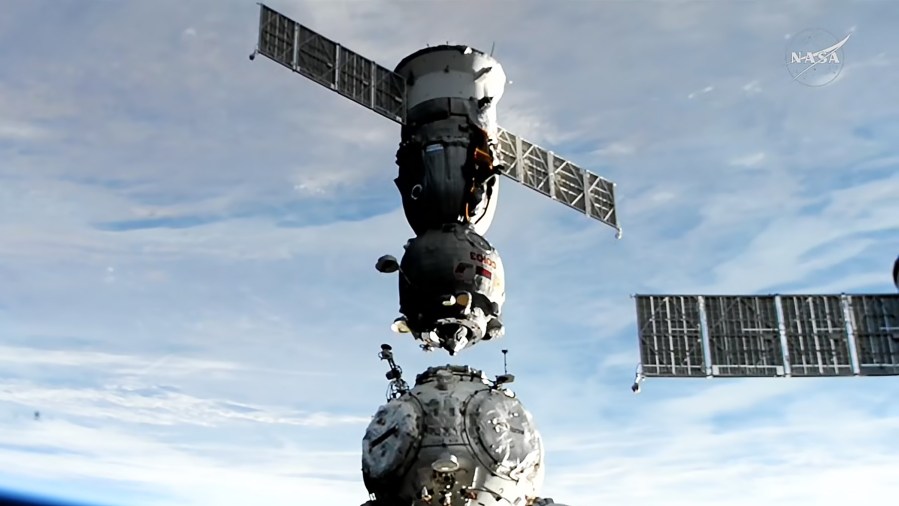
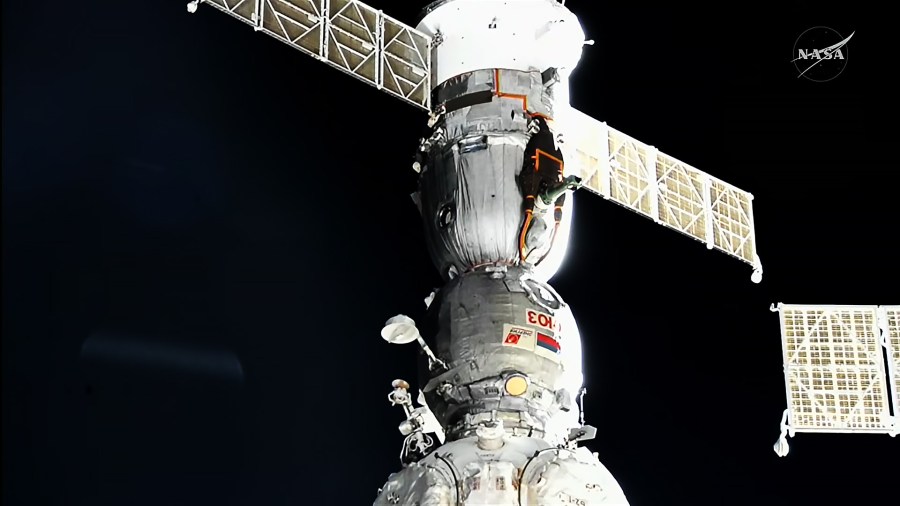
The unpiloted Progress 93 spacecraft arrived at aft port of the International Space Station’s Zvezda module at 1:27 p.m. EDT on Saturday.