

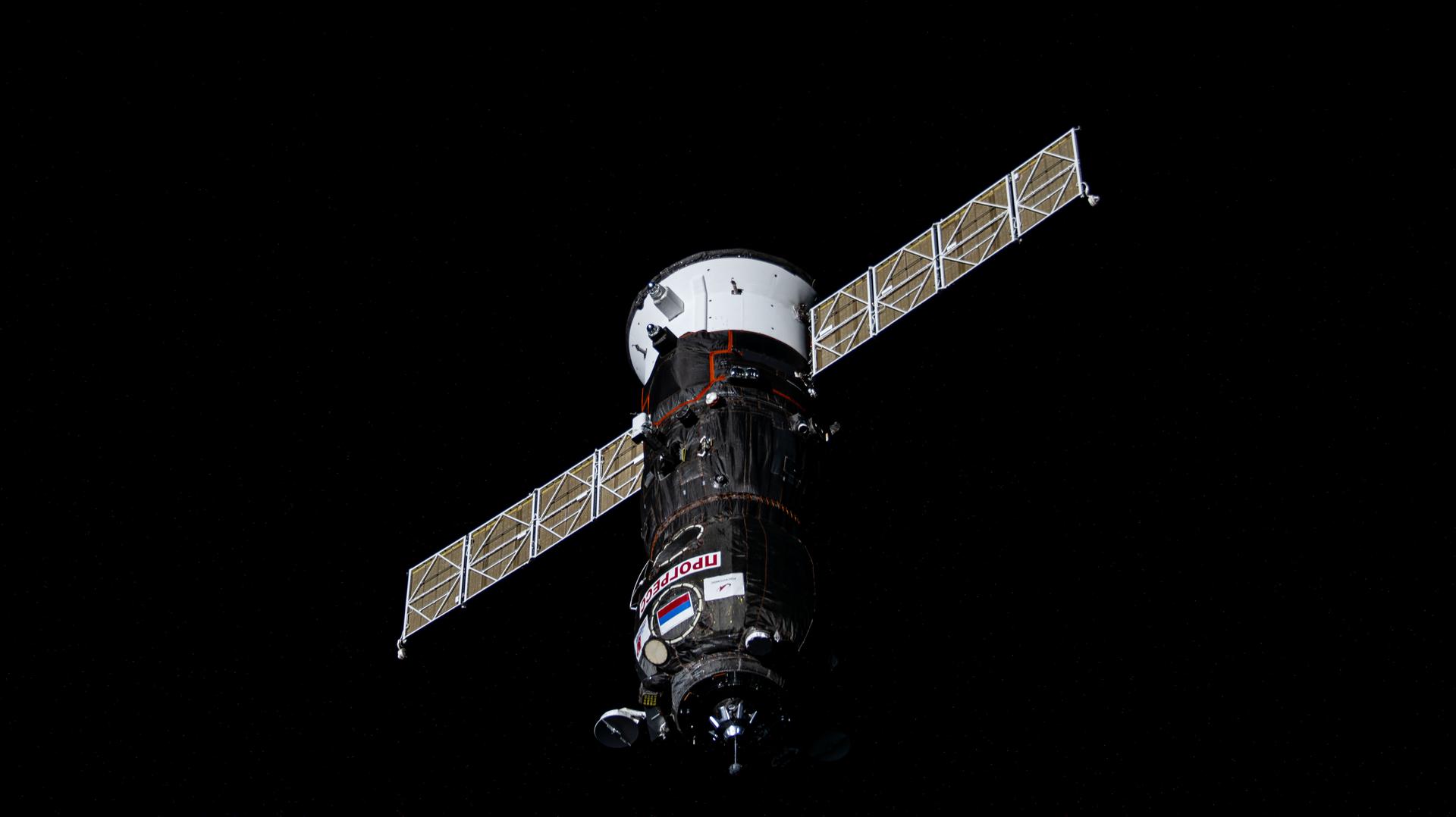
The unpiloted Roscosmos Progress 92 spacecraft will automatically dock at approximately 5:27 p.m. EDT to the space-facing port of the orbiting laboratory’s Poisk module.
Progress Resupply Ship Nears Station With Three Tons of Cargo
Read Full Post












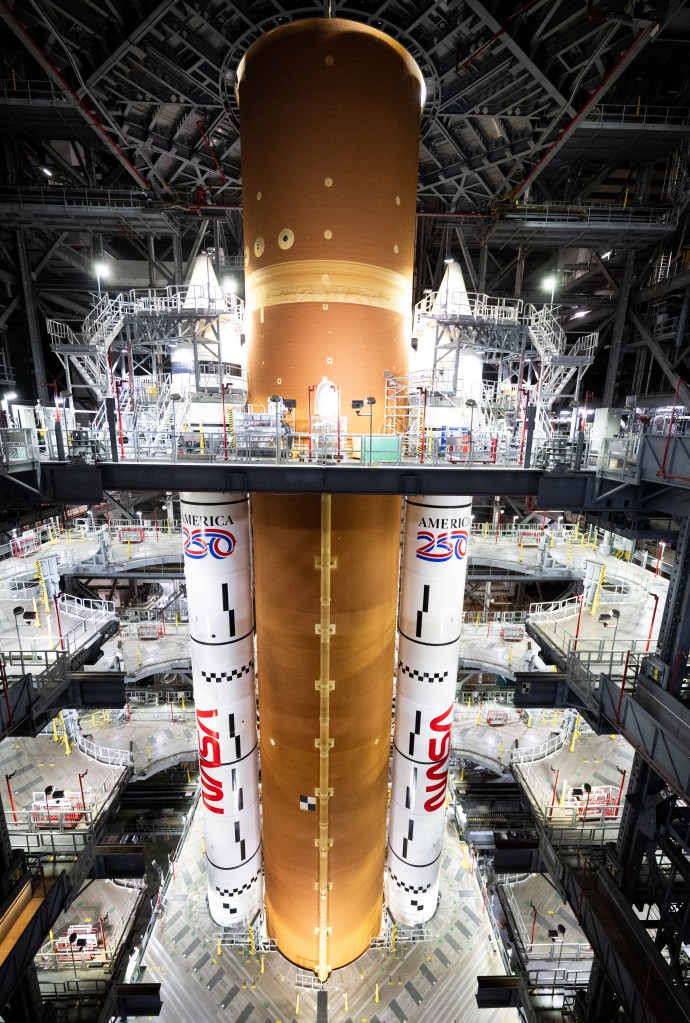
The unpiloted Roscosmos Progress 92 spacecraft will automatically dock at approximately 5:27 p.m. EDT to the space-facing port of the orbiting laboratory’s Poisk module.

The unpiloted Roscosmos Progress 92 spacecraft is safely in orbit headed for the International Space Station following a launch at 3:32 p.m. EDT (12:32 a.m., Baikonur time, Friday, July 4) on a Soyuz rocket from the Baikonur Cosmodrome in Kazakhstan.
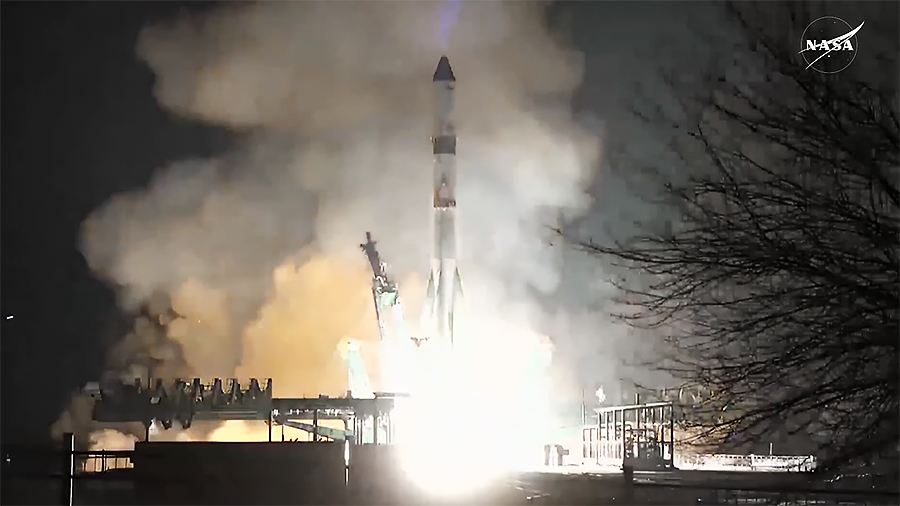
The unpiloted Progress 92 spacecraft is scheduled to launch at 3:32 p.m. EDT (12:32 a.m. Baikonur time, Friday, July 4) on a Soyuz rocket from the Baikonur Cosmodrome in Kazakhstan. The Roscosmos spacecraft will liftoff carrying about three tons of food, fuel, and supplies for the Expedition 73 crew aboard the International Space Station.
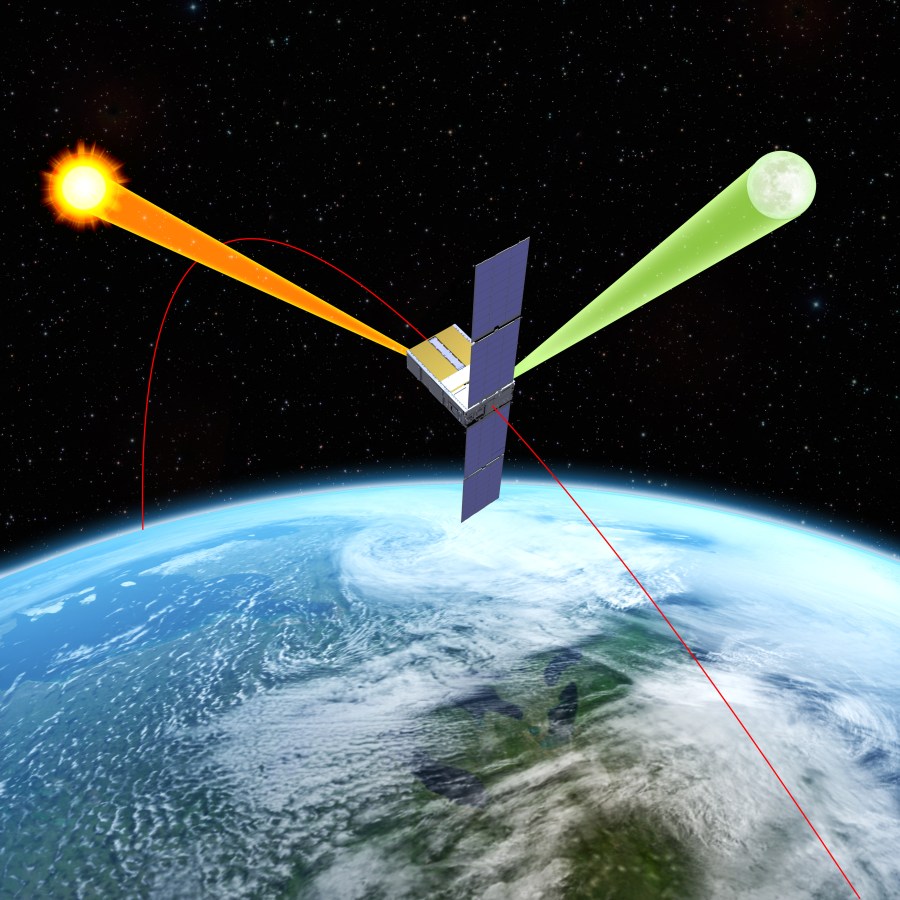
Commissioning of the bus, or the main structure of the satellite, has now been completed for NASA’s Arcstone lunar calibration instrument. Arcstone will now continue to go through commissioning to test its components and hardware and is expected to begin gathering science measurements approximately three weeks after launch – known as first light. As a […]
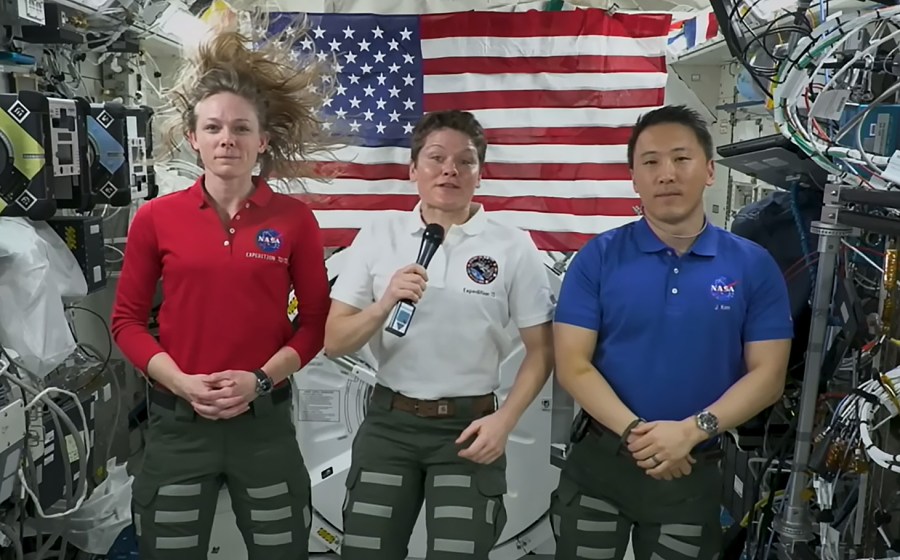
NASA’s Expedition 73 Flight Engineers Anne McClain, Nichole Ayers, and Jonny Kim called down to Earth from the International Space Station and shared an Independence Day message in this video recorded on June 16, 2025.

NASA and its partners will discuss the upcoming crew rotation to the International Space Station during a pair of news conferences on Thursday, July 10, from the agency’s Johnson Space Center in Houston. First is an overview news conference at 12 p.m. EDT with mission leadership discussing final launch and mission preparations on the agency’s YouTube channel. […]
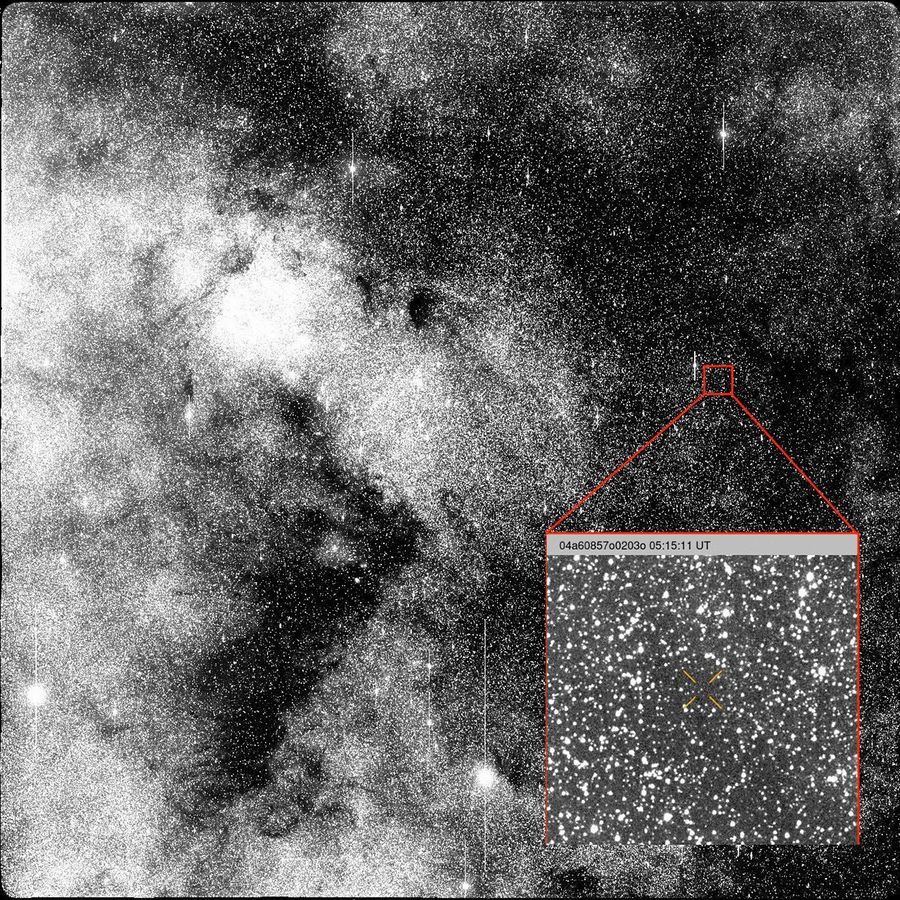
On July 1, the NASA-funded ATLAS (Asteroid Terrestrial-impact Last Alert System) survey telescope in Rio Hurtado, Chile, first reported observations of a comet that originated from interstellar space. Arriving from the direction of the constellation Sagittarius, the interstellar comet has been officially named 3I/ATLAS. It is currently located about 420 million miles (670 million kilometers) […]
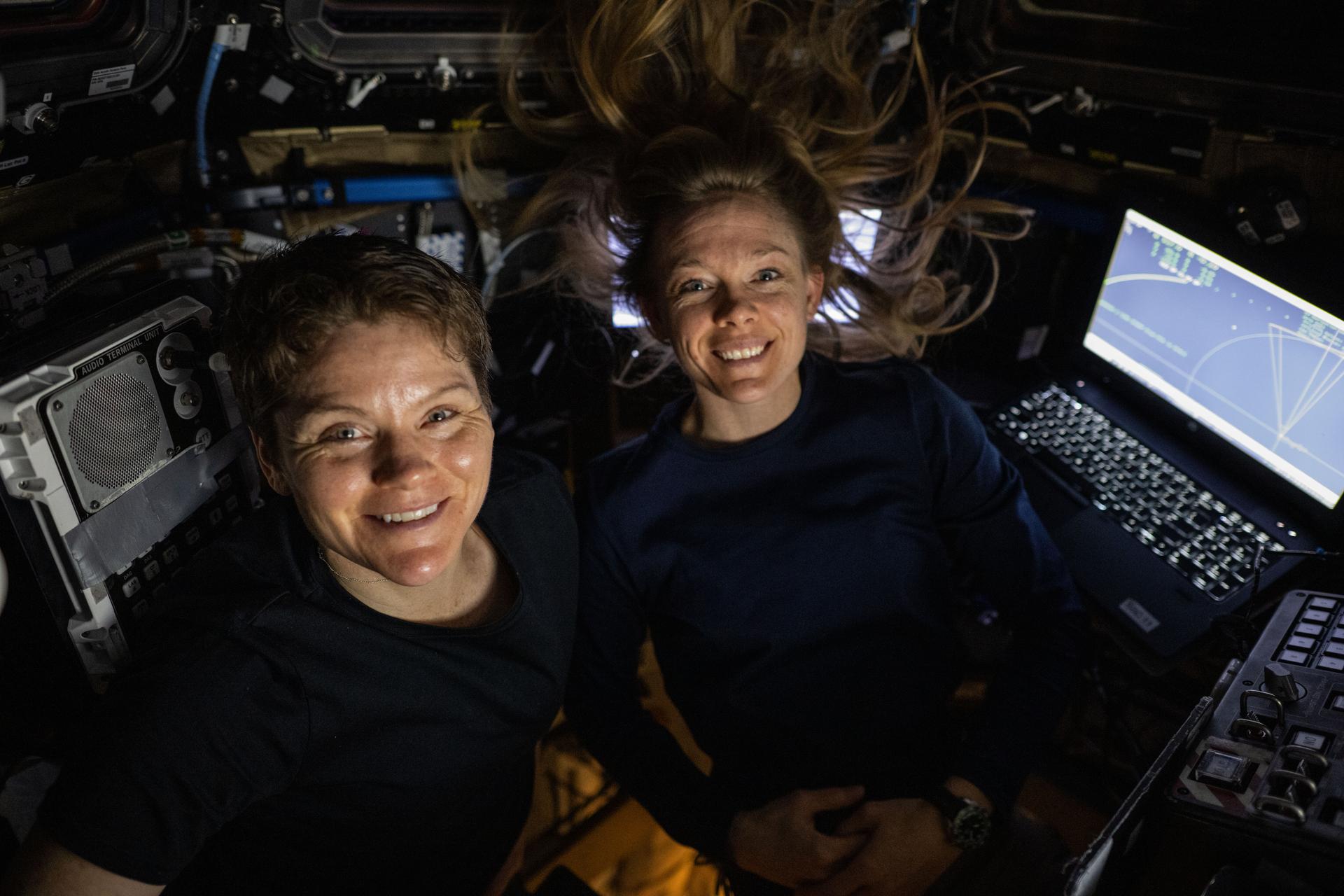
Brain research continued aboard the International Space Station on Wednesday as the Expedition 73 and Axiom Mission 4 (Ax-4) crews kept up their ongoing space biology studies. Meanwhile, a Progress cargo craft counts down to its launch to resupply the orbital residents this weekend.

Scientists with NASA’s Lucy mission continue to analyze data collected during the spacecraft’s April 20 encounter with the main-belt asteroid Donaldjohanson. The images below were taken by the spacecraft’s L’LORRI imager a few minutes before its closest approach. This successful dress rehearsal gives the team high confidence that both the spacecraft and the team are […]
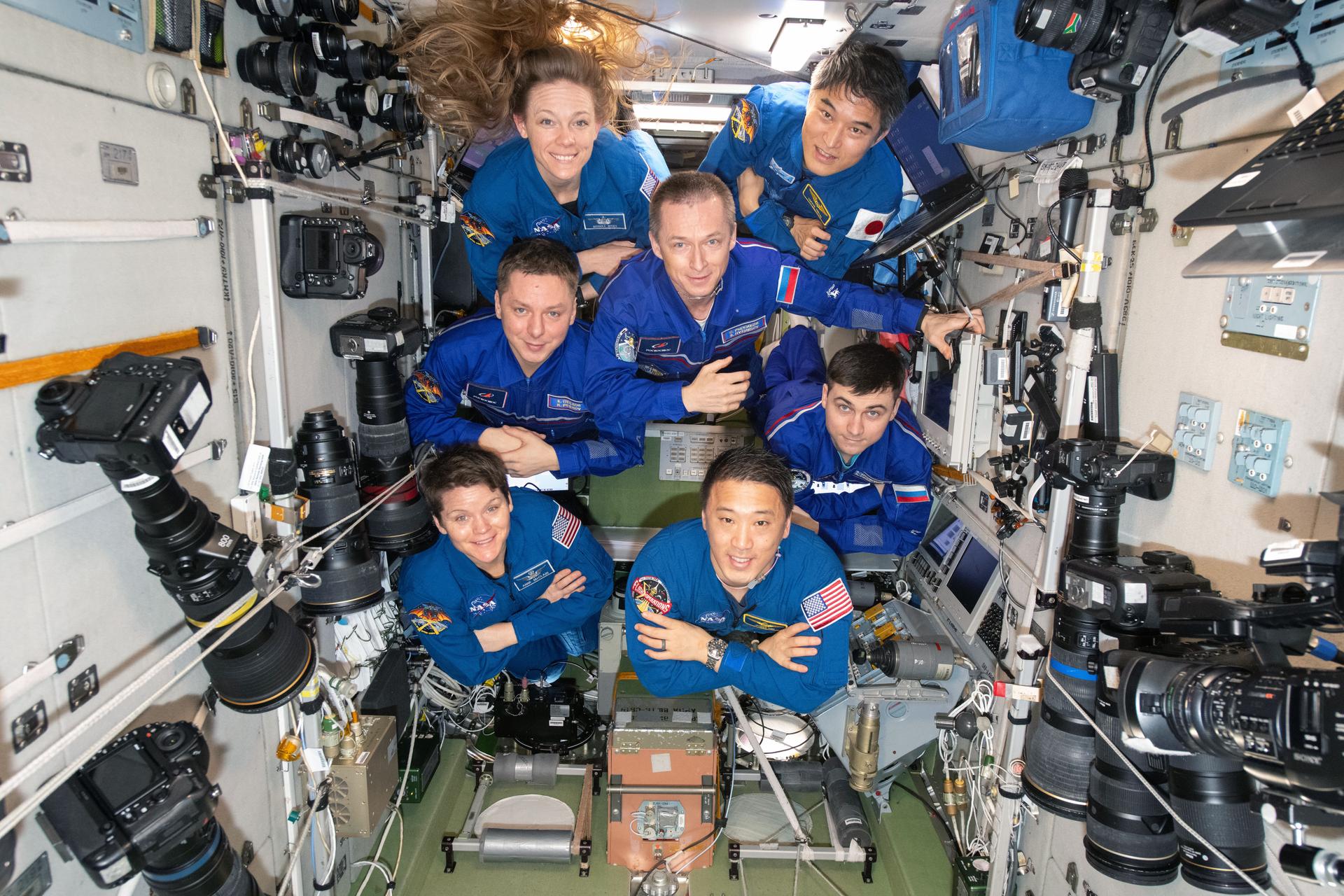
The 11 crew members aboard the space station representing Expedition 73 and Axiom Mission 4 (Ax-4) returned to their space science duties on Tuesday exploring the brain circulation, observing cancer cells, and studying biotechnology, among other investigations.