
NASA’s Parker Solar Probe speeds past Venus on Feb. 20, 2021, using the planet’s gravity to shape its path for its next close approaches to the Sun.
Parker Solar Probe Primed for Fourth Venus Flyby

Read Full Post























NASA’s Parker Solar Probe speeds past Venus on Feb. 20, 2021, using the planet’s gravity to shape its path for its next close approaches to the Sun.
Payloads 3DMM: The crew continued the sample collections, this time in the Node 3 area. Surfaces in the space station contain microbes and associated biomolecules excreted by these microorganisms. Three-dimensional Microbial Mapping of ISS Environment (3DMM) uses DNA sequencing and other analyses to construct a 3D map of bacteria and bacterial products throughout the station. …
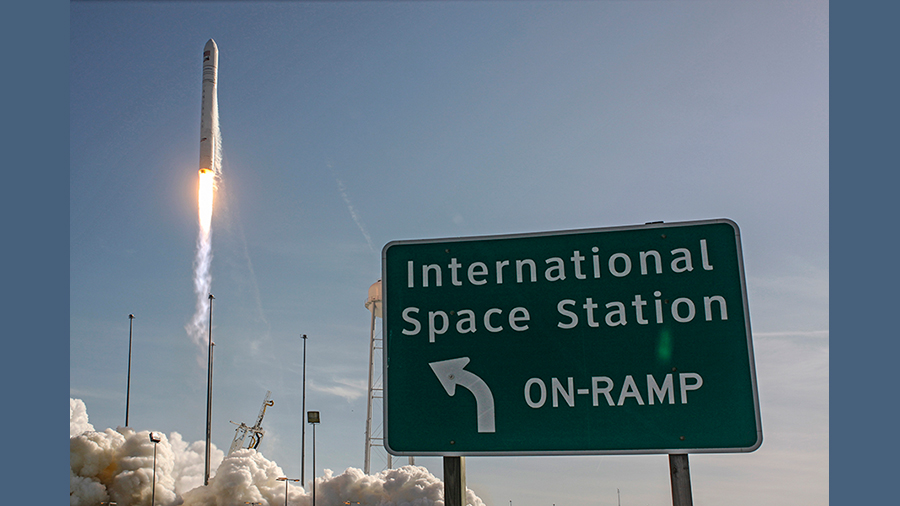
The Expedition 64 crew is making final preparations today for the arrival of a U.S. resupply ship while keeping up the momentum of space research. The next two spacewalks also have been scheduled to continue hardware installations and upgrades at the International Space Station. Northrop Grumman’s Cygnus space freighter is counting down to its launch …
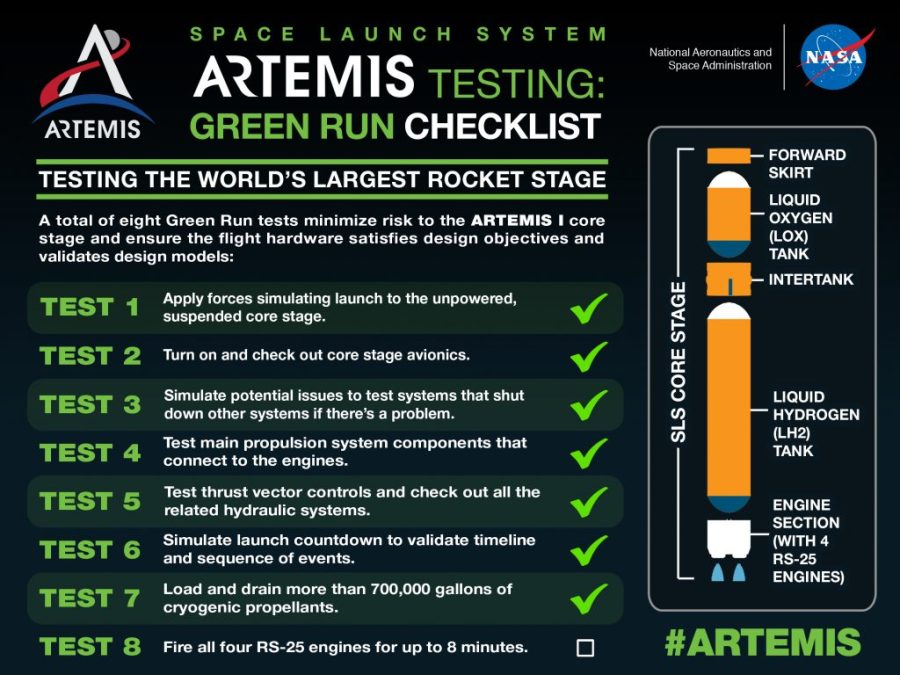
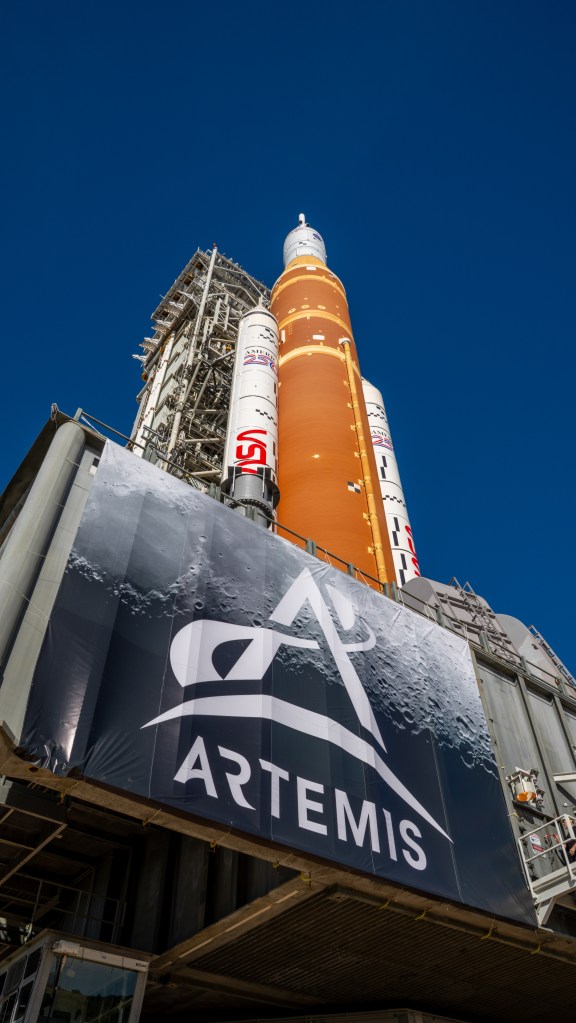
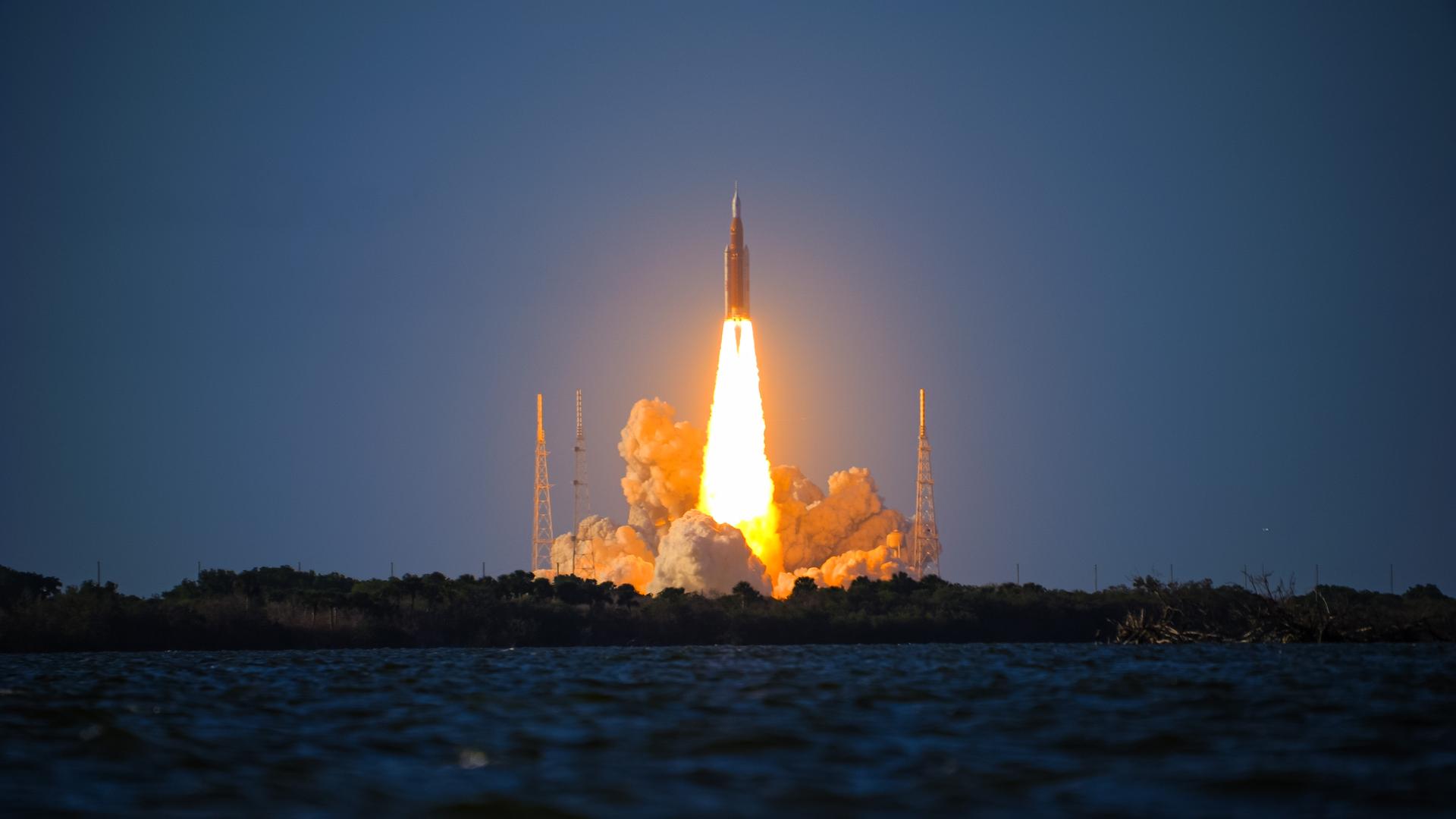
The core stage Green Run test team completed a test readiness review today and is preparing for a second hot fire test with the core stage of NASA’s Space Launch System (SLS) rocket on Feb. 25. At the review, NASA, Boeing, the core stage lead contractor, and Aerojet Rocketdyne, the RS-25 engine prime contractor, gave …
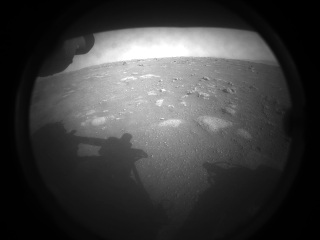
NASA’s Perseverance Mars rover has sent back its first image(s) from the surface of the Red Planet. The image(s) come from Perseverance’s Hazard Avoidance Cameras (Hazcams), which help with driving. The clear protective covers over these cameras are still on. These first images are low-resolution versions known as “thumbnails.” Higher-resolution versions will be available later. …
Payloads AstroRad Vest: The crew donned the AstroRad Vest and demonstrated WHC activities while another crewmember took historical photos. A survey was completed after the demonstration. The AstroRad vest is a personal protective equipment (PPE) device which functions as a radiation shield for astronauts. The AstroRad shields astronauts from space-borne ionizing radiation in an efficient …

Cheers erupted in mission control at NASA’s Jet Propulsion Laboratory as controllers confirmed that NASA’s Perseverance rover, with the Ingenuity Mars Helicopter attached to its belly, has touched down safely on Mars. Engineers are analyzing the data flowing back from the spacecraft. A postlanding briefing is expected at 5:30 p.m. EST (2:30 p.m. PST) on …
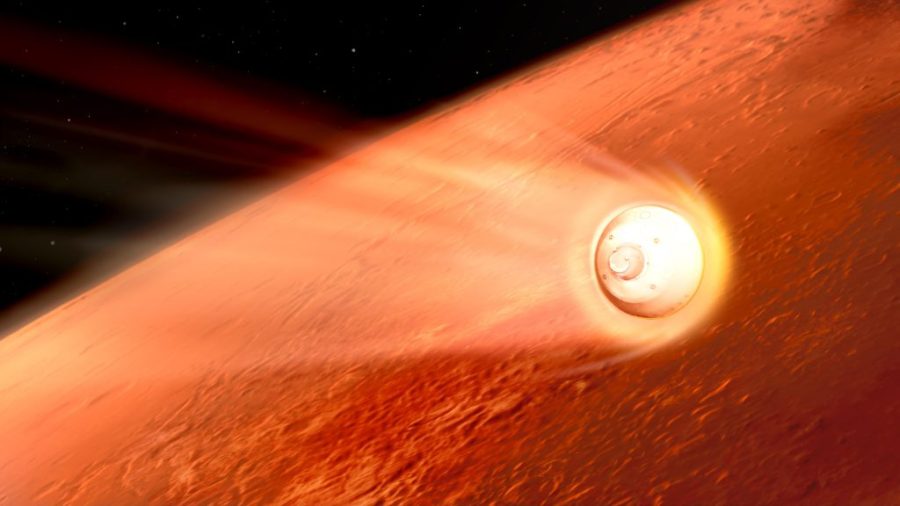
The team of engineers that piloted NASA’s Mars 2020 spacecraft, with the Perseverance rover and NASA’s Ingenuity Mars Helicopter inside, during the cruise from Earth to the Red Planet has handed over the reins to the entry, descent, and landing (EDL) team. The spacecraft is expected to hit the top of the Martian atmosphere at …

Live coverage of NASA’s Mars 2020 Perseverance rover landing is about to start on NASA TV and YouTube. More information about how to watch these streams, which include a 360-degree view from inside mission control, is on the mission’s watch online page. Share photos of you and your loved ones watching landing with the hashtag …
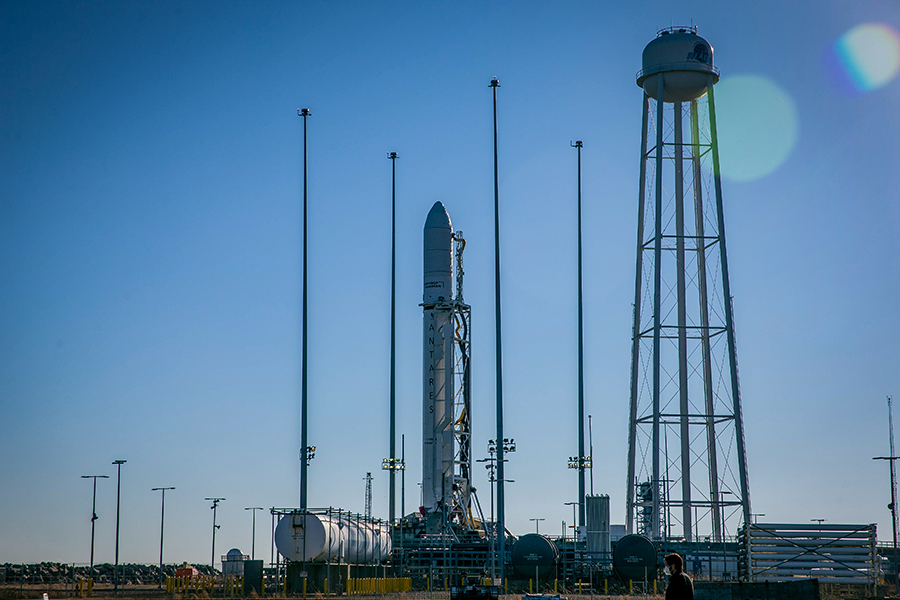
The Expedition 64 crew is getting ready for next week’s arrival of the Northrop Grumman Cygnus resupply ship following its launch on Saturday. The orbital residents are also maintaining science operations and unpacking a new Russian spacecraft at the International Space Station. The Antares rocket with the Cygnus space freighter atop rolled out to its …