

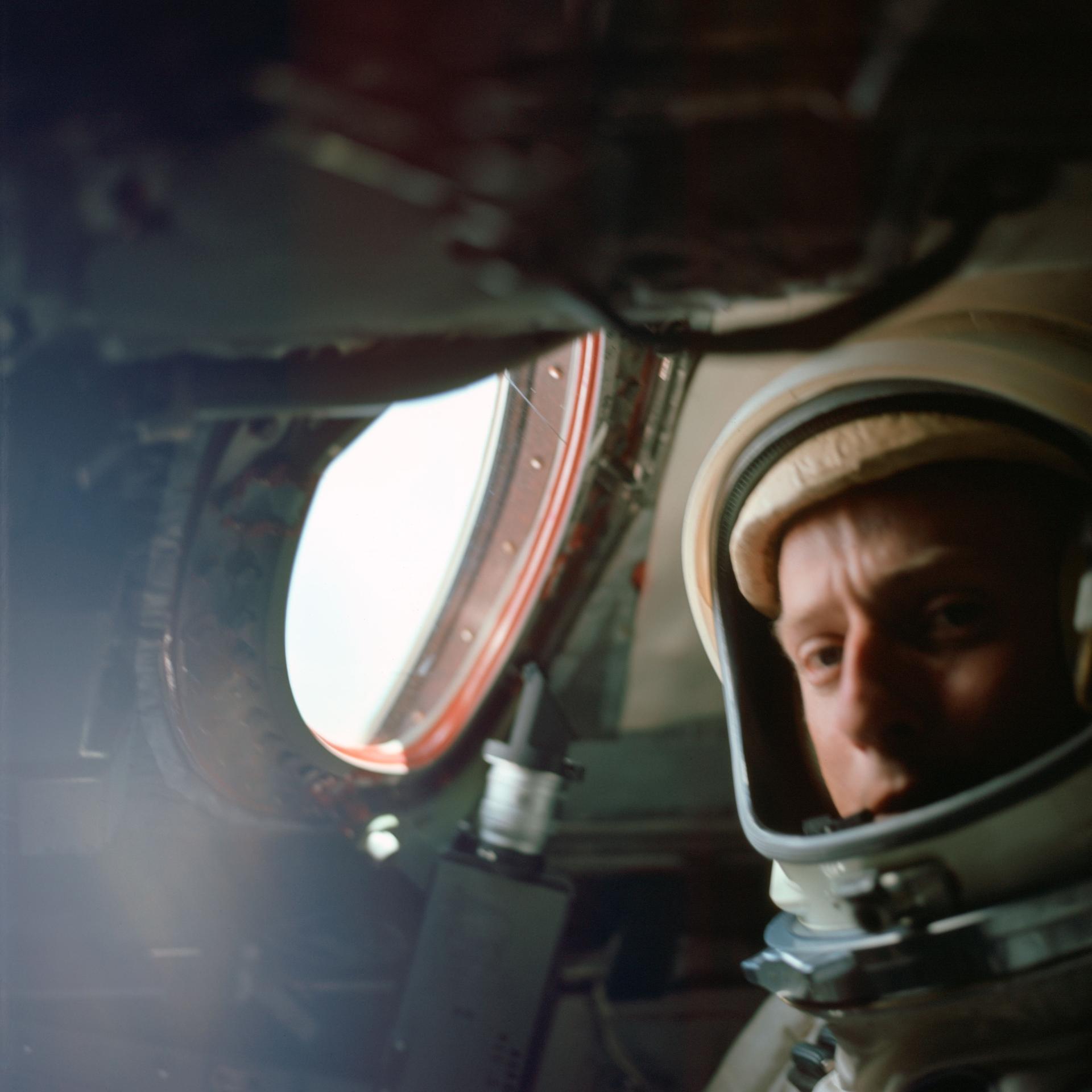



ISS Reboost: Today, the ISS performed a reboost using the Aft Progress 81P research and design thrusters. The purpose of this reboost was to set up proper phasing conditions for the upcoming 68S launch and 67S return. The burn duration was 1 min 46 seconds with a Delta-V of 0.22 m/s. Payloads: Education Payload Operations …
Crew Studies Foams, Fires, and Liquids to Benefit Humans On and Off the Earth
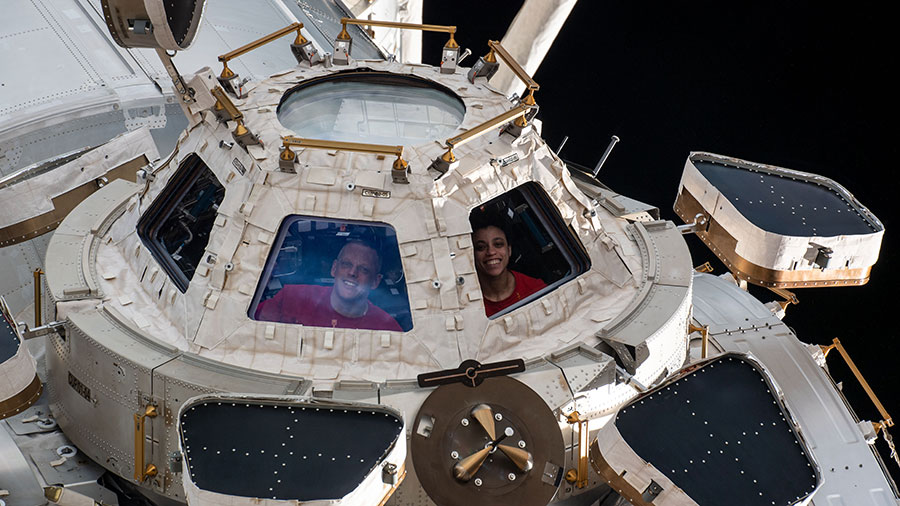
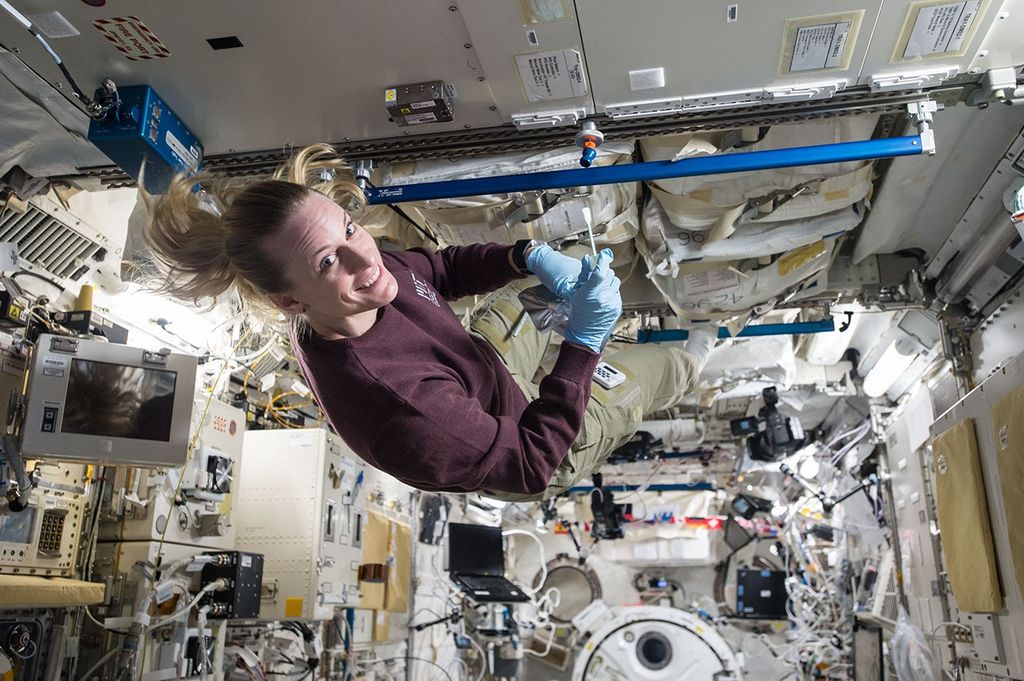
Foams, fires, and liquids in space were the main research topics aboard the International Space Station on Thursday to improve the quality of life for humans living on and off the Earth. The Expedition 67 crew also checked out a new U.S. toilet while gearing up for crew departure activities at the end of the …
Central Nervous System, Space Physics Studies Benefit Astronauts and Earthlings
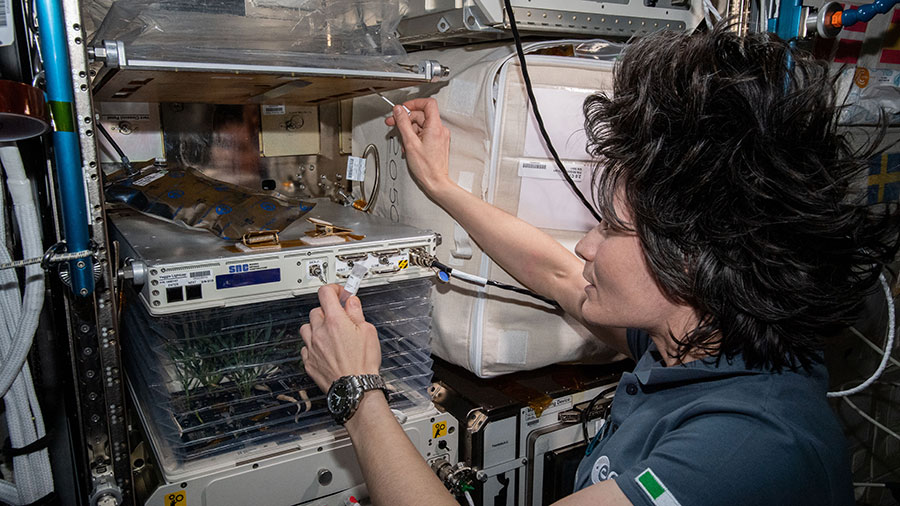
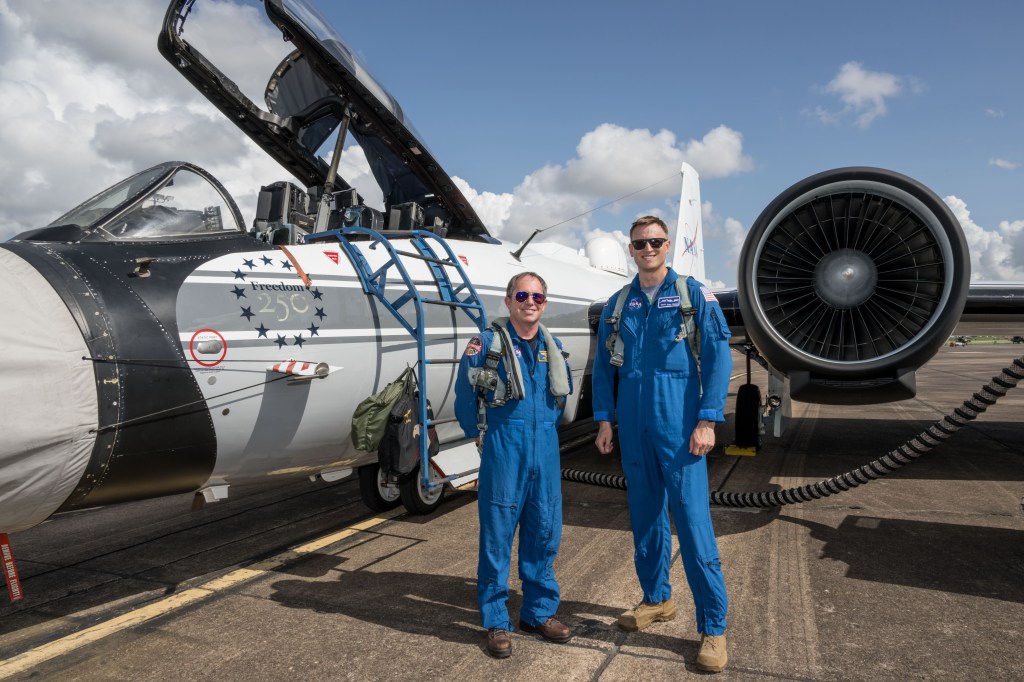
The Expedition 67 crew members kept up their studies today exploring how the human body adapts to weightlessness and ways that space physics can benefit humans on Earth. Europe’s robotic arm is also being tested for its performance on the International Space Station’s Russian segment. NASA astronauts Bob Hines and Jessica Watkins partnered together again …
ISS Daily Summary Report – 9/14/2022
Payloads: Combustion Integrated Rack (CIR): The CIR was prepared for Fuel Oxidizer Management Assembly (FOMA) Calibration. The CIR includes an optics bench, combustion chamber, fuel, and oxidizer control, and five different cameras for performing combustion investigations in microgravity. Foams and Emulsions: Samples were swapped in the KERMIT microscope as part of Experiment 3 sessions to …
Crew Studies Space Physics, Cognition, and Exercise and Checks Robotic Arm
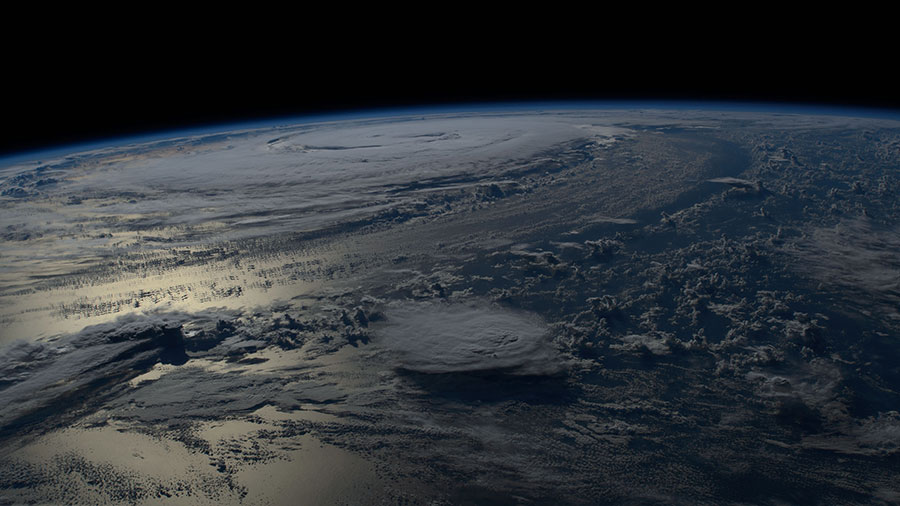
The Expedition 67 crew was on duty Tuesday focusing its science activities on space physics and human research. Robotics was also a big part of the day as the European robotic arm continued its verification process on the International Space Station. Fluid physics is an important part of the research program on the station as …
NASA InSight’s Power Level as of Sept. 10, 2022
On September 10, 2022, InSight was generating an average of 420 watt-hours of energy per Martian day, or sol. The tau, or level of dust cover in the atmosphere, was estimated at .80 (typical tau levels outside of dust season range from 0.6-0.7).
ISS Daily Summary Report – 9/13/2022
Payloads: Foams and Emulsions: The Foams and Emulsions hardware was setup, and the crew prepared a sample for insertion into the KERMIT microscope. Samples were swapped out per the Experiment 3 protocol to observe emulsions formed with various solutions. Foams (dispersions of bubbles in a liquid) and emulsions (dispersions of droplets in a liquid) appear …
Webb’s Scientific Method, What to Expect
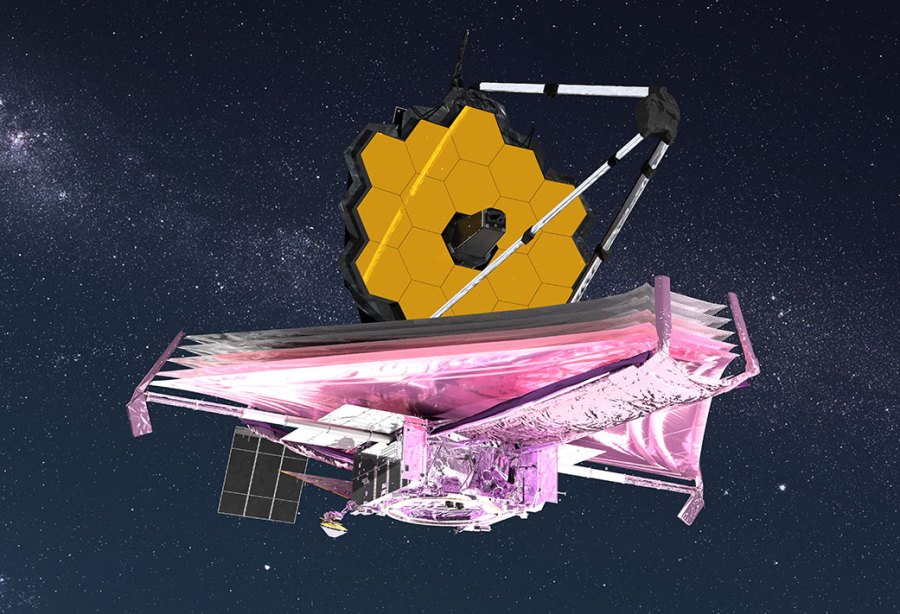
Right now, NASA’s James Webb Space Telescope is in space capturing spectacular images and spectrum of the universe; all of these data reside in the Mikulski Archive for Space Telescopes at the Space Telescope Science Institute (STScI), the science operations center for Webb. However, it takes time for these exciting new observations to make their …
NASA Adjusts Dates for Artemis I Cryogenic Demonstration Test and Launch; Progress at Pad Continues
NASA has adjusted the targeted dates for a cryogenic demonstration test and to the next launch opportunities for Artemis I, the first integrated flight test of the Space Launch System rocket and Orion spacecraft beyond the Moon. The agency will conduct the demonstration test no earlier than Wednesday, Sept. 21, and has updated its request …
NASA InSight’s Power Level as of Sept. 5, 2022
On September 5, 2022, InSight was generating an average of 410 watt-hours of energy per Martian day, or sol. The tau, or level of dust cover in the atmosphere, was estimated at .80 (typical tau levels outside of dust season range from 0.6-0.7).