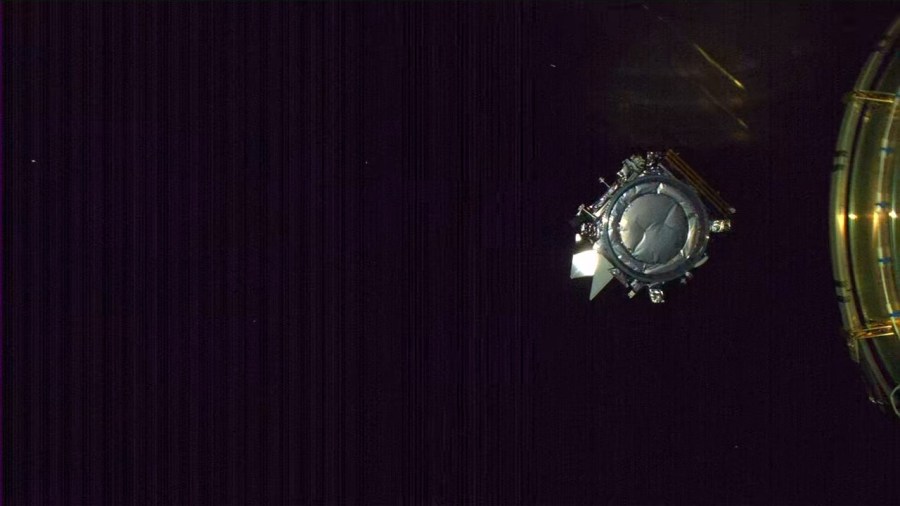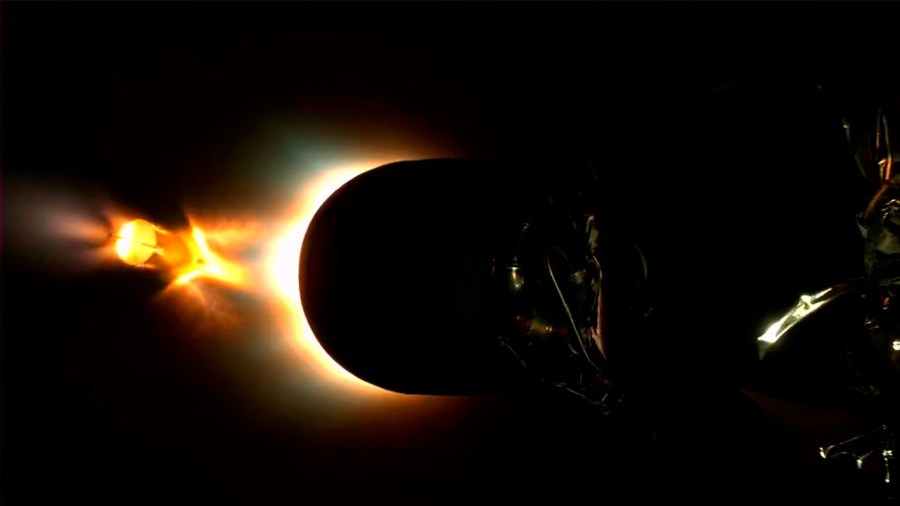
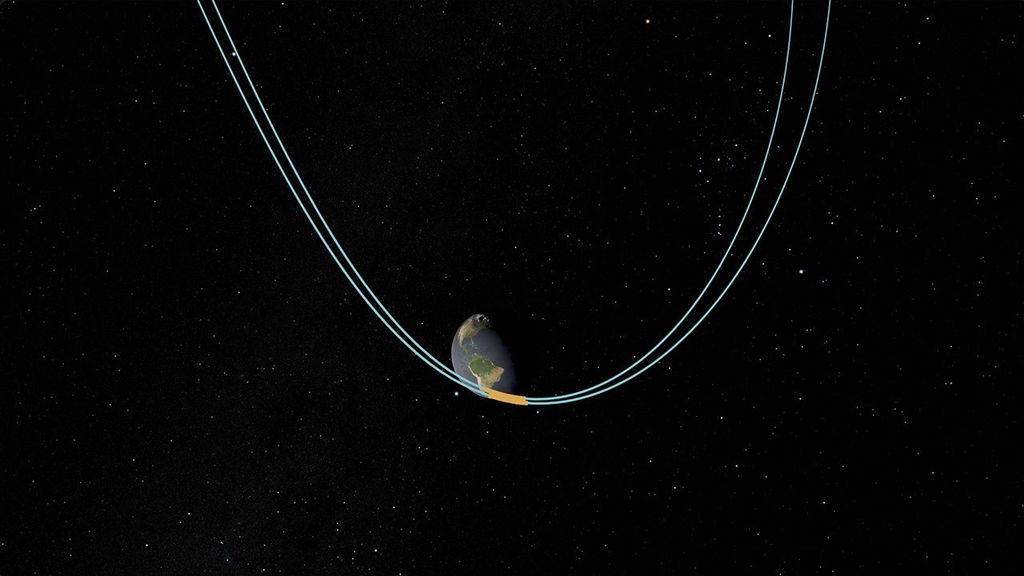
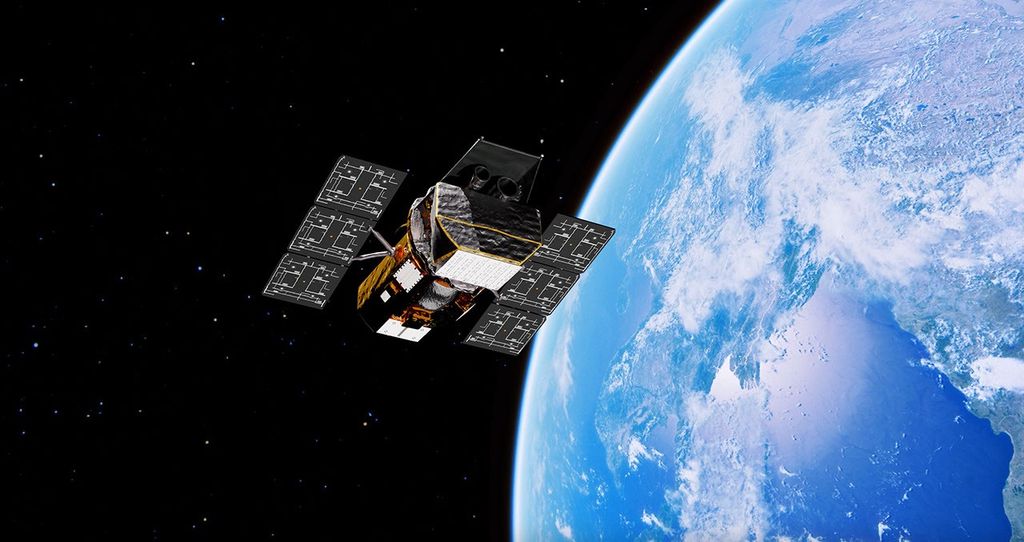





NASA’s PACE (Plankton, Aerosol, Cloud, ocean Ecosystem) spacecraft has separated from the Falcon 9 rocket’s second stage, beginning its science mission from sun-synchronous orbit about 420 miles above the Earth’s surface.

The Falcon 9 Sticks Its Landing

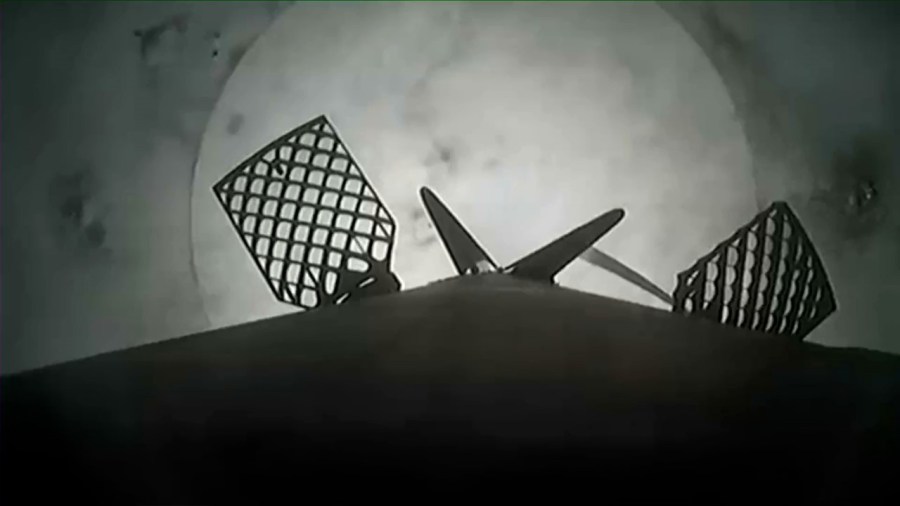
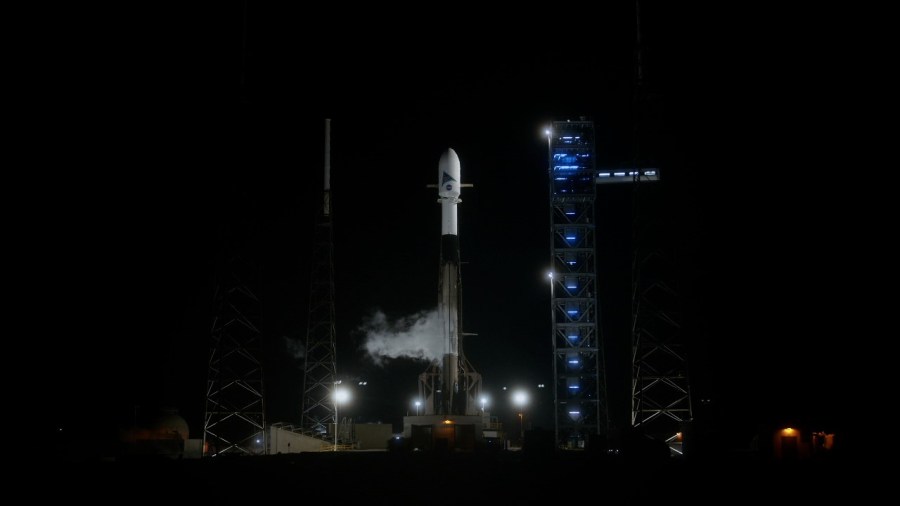
The SpaceX Falcon 9 rocket’s first stage has successfully landed at Landing Zone 1 at Cape Canaveral Space Force Station in Florida. Tonight’s mission marks the fourth completed flight for this Falcon 9.
Coming Up: Falcon 9 Max Q, Main Engine Cutoff, and Stage Separation

A series of rapid events occurs after launch. After Max Q – the moment of peak mechanical stress on the rocket – the nine Merlin engines of the Falcon 9’s first stage will finish their burn and cut off during a phase called MECO or Main Engine Cutoff. Quickly after MECO, the stage separation sequence …
Liftoff! NASA’s Earth Science Mission Launches Into Space Coast Sky

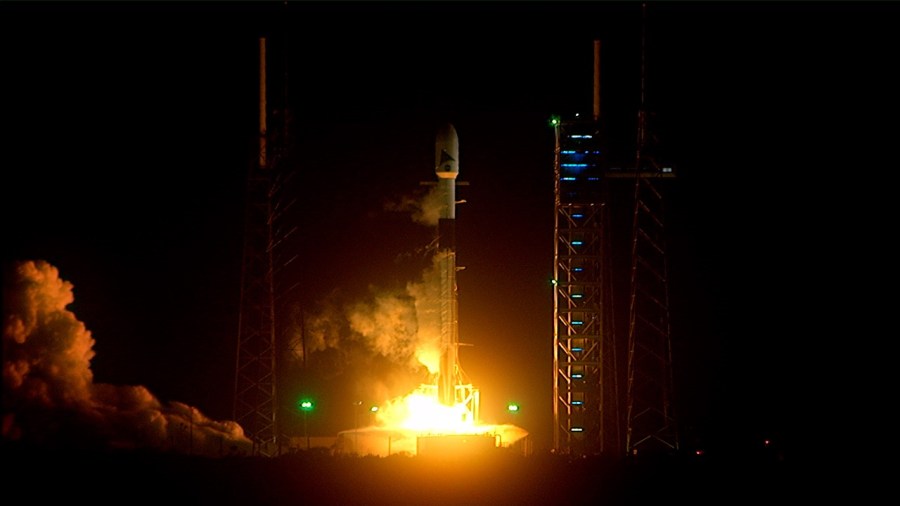
3, 2, 1 … LIFTOFF! A SpaceX Falcon 9 rocket carrying NASA’s PACE (Plankton, Aerosol, Cloud, ocean Ecosystem) spacecraft launched on a SpaceX Falcon 9 rocket from Cape Canaveral Space Force Station’s Space Launch Complex 40 at 1:33 a.m. EST Thursday, Feb. 8. The next milestone is Max Q or maximum dynamic pressure – the …
PACE is ‘Go’ for Launch From Florida

NASA’s senior launch manager, Tim Dunn, has just given NASA’s PACE (Plankton, Aerosol, Cloud, ocean Ecosystem) mission the “go” for launch! In the next few moments, the SpaceX Falcon 9 rocket’s nine Merlin engines will roar to life at Cape Canaveral Space Force Station’s Space Launch Complex 40, sending the PACE spacecraft on the start …
PACE Launch to Light Up South Florida Sky

When NASA’s PACE (Plankton, Aerosol, Cloud, ocean Ecosystem) mission launches at 1:33 a.m. EST from Space Launch Complex 40 at Cape Canaveral Space Force Station, the SpaceX Falcon 9 rocket will follow a little used flight path, or trajectory. After liftoff, the rocket will head south along the Florida coastline during its powered flight to …
Meet NASA’s PACE Spacecraft, Science Instruments

As NASA and SpaceX teams continue to work toward liftoff of the agency’s PACE (Plankton, Aerosol, Cloud, ocean Ecosystem) mission aboard a Falcon 9 rocket scheduled for 1:33 a.m. EST, here’s a look at some facts about the spacecraft and the science instruments on board: The PACE spacecraft stands about 10 feet tall and when …
NASA’s Plankton, Aerosol, Cloud, ocean Ecosystem Earth Science Mission

NASA’s newest Earth-observing satellite called PACE (Plankton, Aerosol, Cloud, ocean Ecosystem) is dedicated to climate science and helping researchers learn more about the relationship between the atmosphere and ocean. Satellite observation technology to study Earth’s atmosphere and oceans has been used for decades, but with a spectrometer and two polarimeters onboard, PACE will provide a …
Key Milestones for Launch of Tonight’s PACE Mission From Florida

Here’s a look at some of the milestones for this morning’s countdown, liftoff, and ascent of NASA’s PACE (Plankton, Aerosol, Cloud, ocean Ecosystem) mission from Cape Canaveral Space Force Station in Florida. All times are approximate: COUNTDOWN : Hr/Min/Sec Event – 00:38:00 SpaceX Launch Director verifies go for propellant load – 00:35:00 …
Latest Weather Forecast for NASA’s PACE Mission Launch From Florida

Launch weather officers with Cape Canaveral Space Force Station’s 45th Weather Squadron predict 95% favorable weather conditions for the launch of NASA’s PACE (Plankton, Aerosol, Cloud, ocean Ecosystem) mission aboard a SpaceX Falcon 9 rocket. Liftoff continues to be targeted for 1:33 a.m. EST from Space Launch Complex 40 at Cape Canaveral Space Force Station …