
In July 2025, NASA’s Earth Venture Suborbital Mission FORTE went into action on the North Slope of Alaska.
Re-Connecting on the North Slope: NASA FORTE’s Summer 2025 Pre-Field Visit
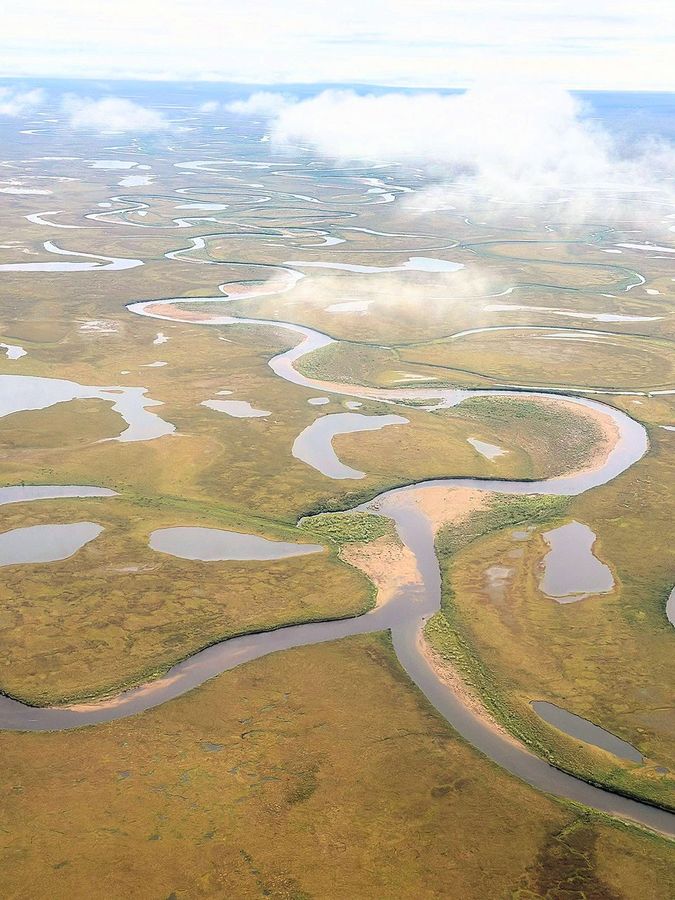














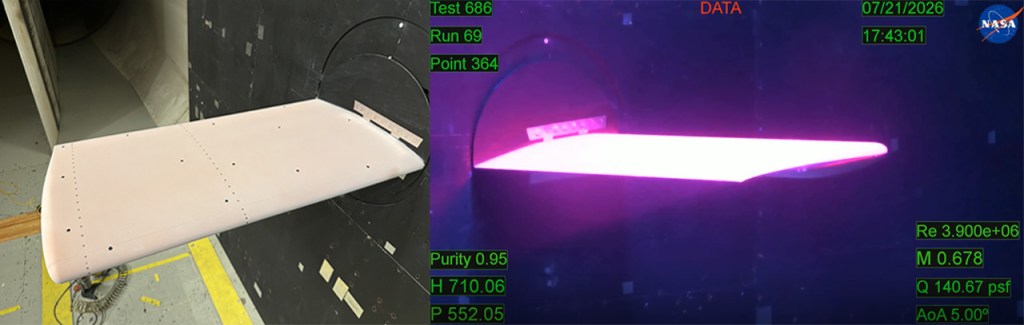




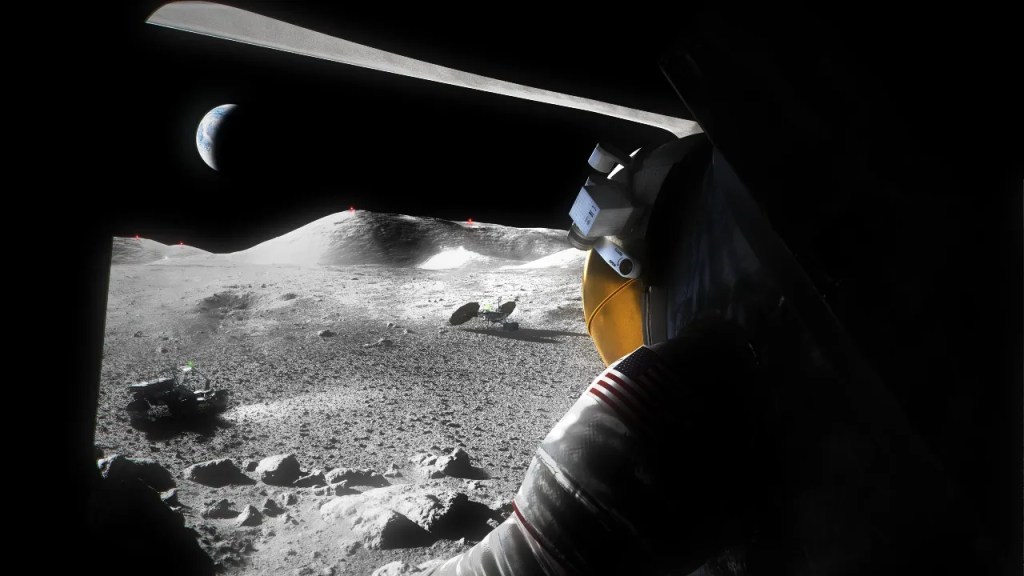
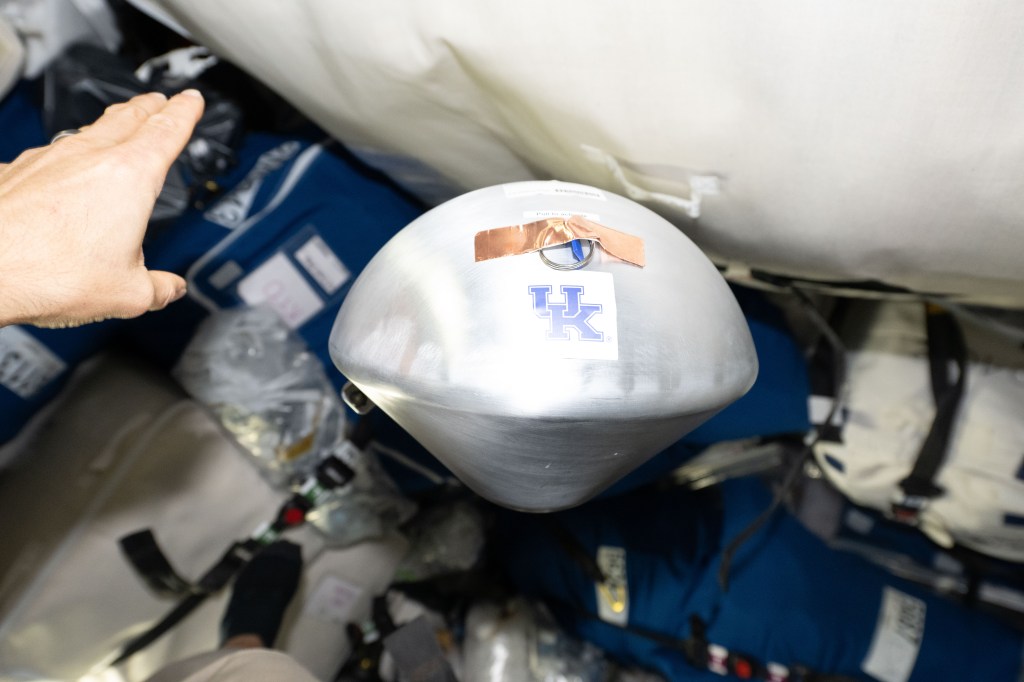




In July 2025, NASA’s Earth Venture Suborbital Mission FORTE went into action on the North Slope of Alaska.
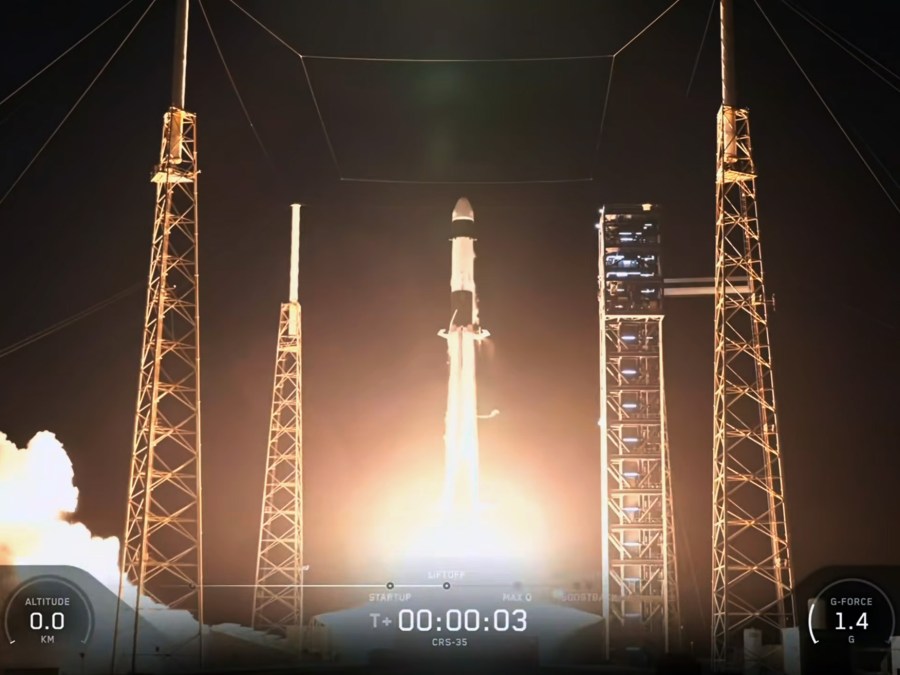
At 6:33 a.m. EDT, more than 6,300 pounds of scientific investigations and cargo launched to the International Space Station aboard a SpaceX Dragon spacecraft as part of the company’s 35th commercial resupply services mission for NASA.

NASA is streaming live coverage as it prepares for the launch of the 35th SpaceX commercial resupply services mission to the International Space Station for the agency.
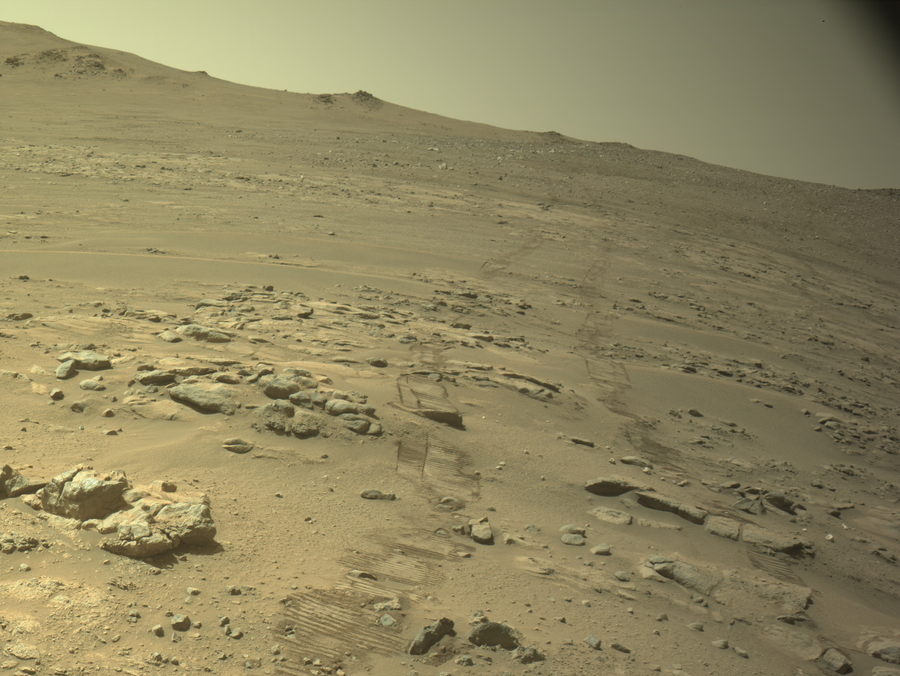
NASA’s Perseverance Mars rover has driven farther than any vehicle ever has on the surface of another world. On Oct. 11, the rover’s odometer reached 28.10 miles (45.22 kilometers), eclipsing the record of 28.06 miles (45.16 kilometers) set by NASA’s Opportunity rover, which explored Mars from 2004 to 2018. Perseverance reached the mark on the 2,006th Martian […]

NASA test pilot Nils Larson recently received a top honor from the Society of Experimental Test Pilots for making the first flight of NASA’s quiet supersonic X-59 aircraft and helping to make its first flight in 2025. Larson received the society’s Iven C. Kincheloe Award for leading the X‑59 through its first flight and safely expanding the flight envelope to […]

At 12:44 p.m. EDT, Northrop Grumman’s Cygnus XL was released from the Canadarm2 robotic arm after it detached from the Earth-facing port of the International Space Station’s Unity module. At the time of release, the space station was flying about 260 miles above the Pacific Ocean.
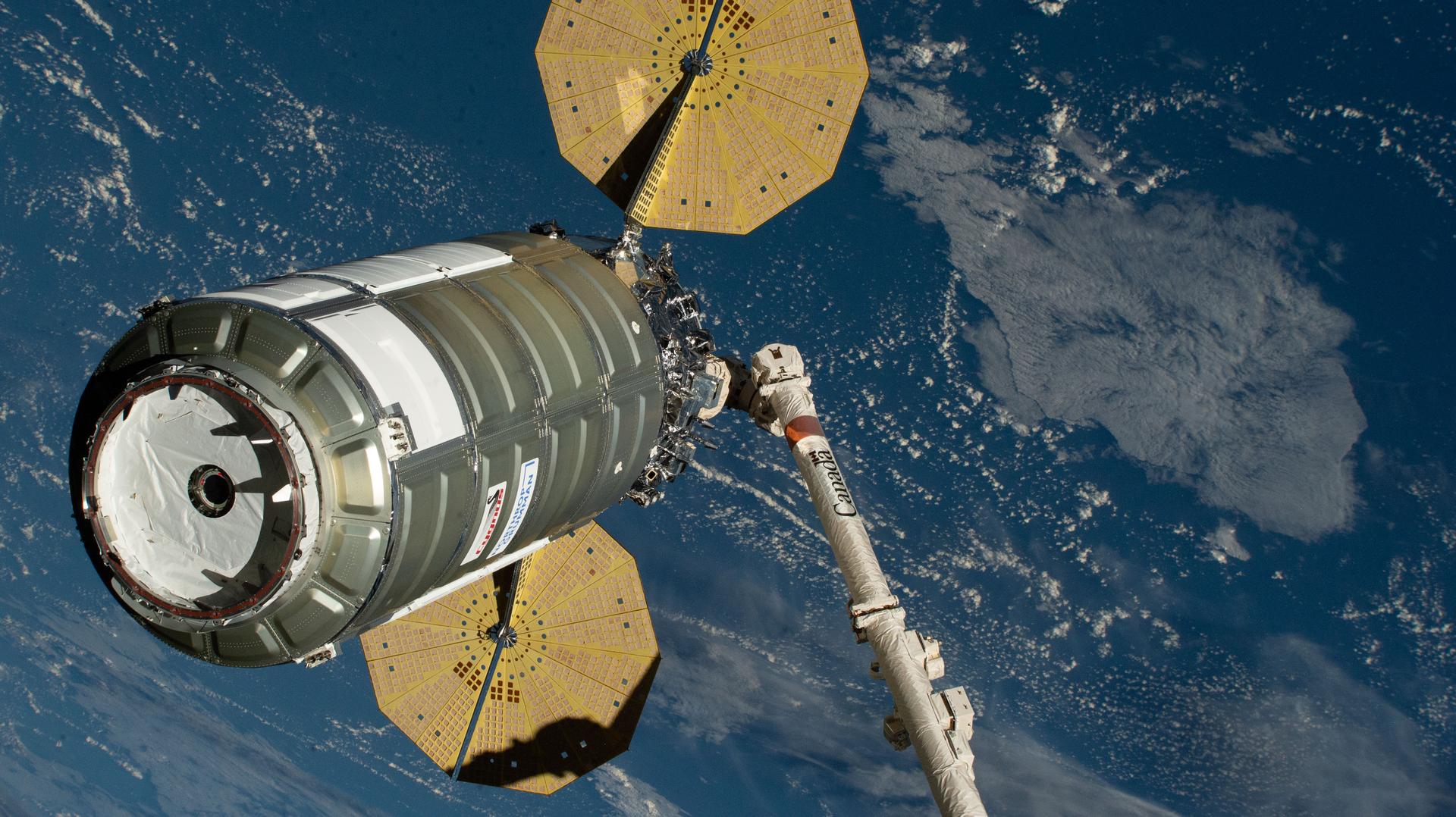
NASA is streaming live coverage of Northrop Grumman’s Commercial Resupply Services-24 mission departure from the International Space Station.
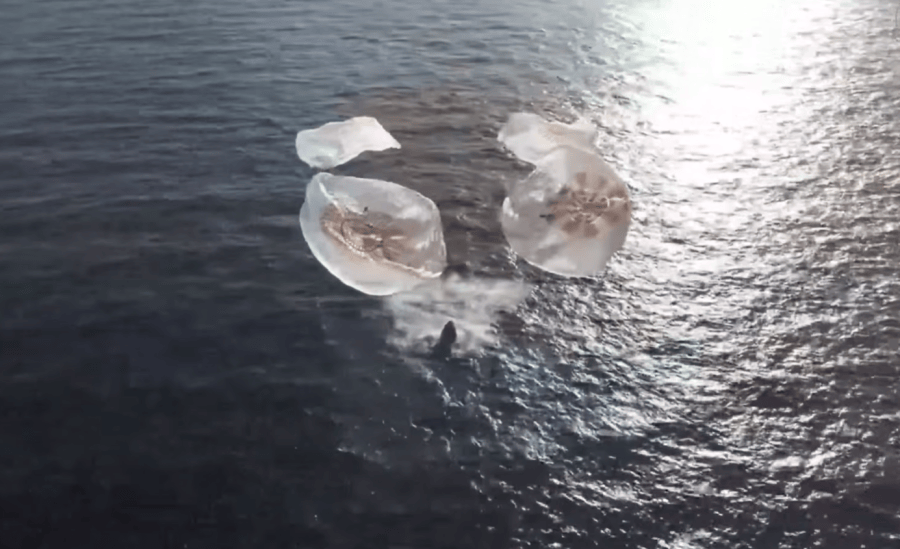
At 11:34 a.m. EDT (8:34 a.m. PDT), the SpaceX Dragon spacecraft, carrying Jessica Meir and Jack Hathaway, ESA (European Space Agency) astronaut Sophie Adenot, and Roscosmos cosmonaut Andrey Fedyaev splashed down off the coast of Los Angeles, California. Teams aboard the recovery ship, including two fast boats, are securing the SpaceX Dragon and ensuring the spacecraft is safe for the recovery effort. As the fast […]
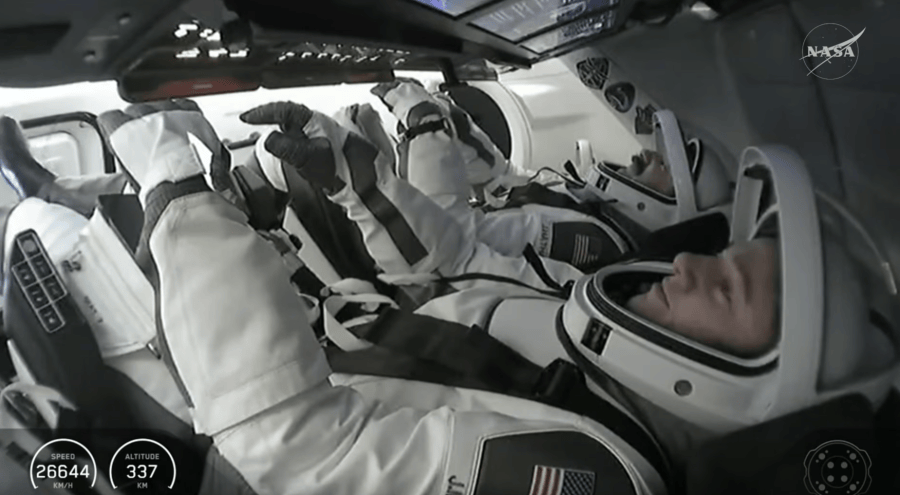
The SpaceX Dragon spacecraft carrying NASA astronauts Jessica Meir and Jack Hathaway, ESA (European Space Agency) astronaut Sophie Adenot, and Roscosmos cosmonaut Andrey Fedyaev completed its deorbit burn as expected ahead of splashdown. Four minutes before splashdown, the drogue parachutes will deploy at about 18,000 feet in altitude while Dragon is moving approximately 350 mph. Less than a minute later, at about […]
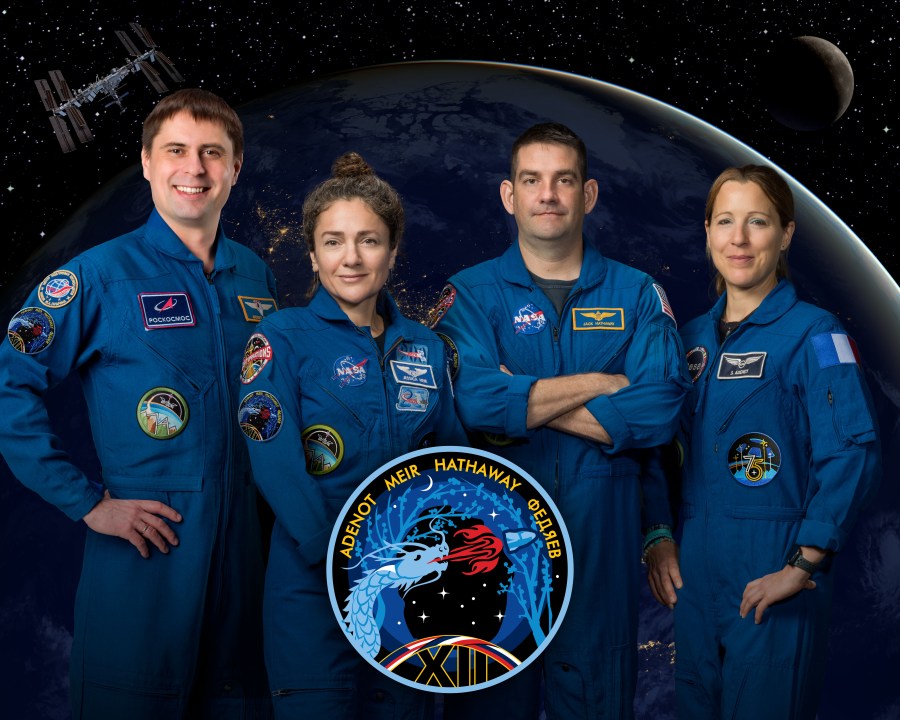
Live coverage is underway as NASA astronauts Jessica Meir and Jack Hathaway, ESA (European Space Agency) astronaut Sophie Adenot, and Roscosmos cosmonaut Andrey Fedyaev are almost an hour away from splashing down aboard their SpaceX Dragon spacecraft. The deorbit burn is scheduled to begin around 10:46 a.m. EDT. Splashdown remains targeted for approximately 11:34 a.m.. […]