








Suggested Searches

Blogs

    Cargo Craft Departs Before Two Resupply Spacecraft Launch

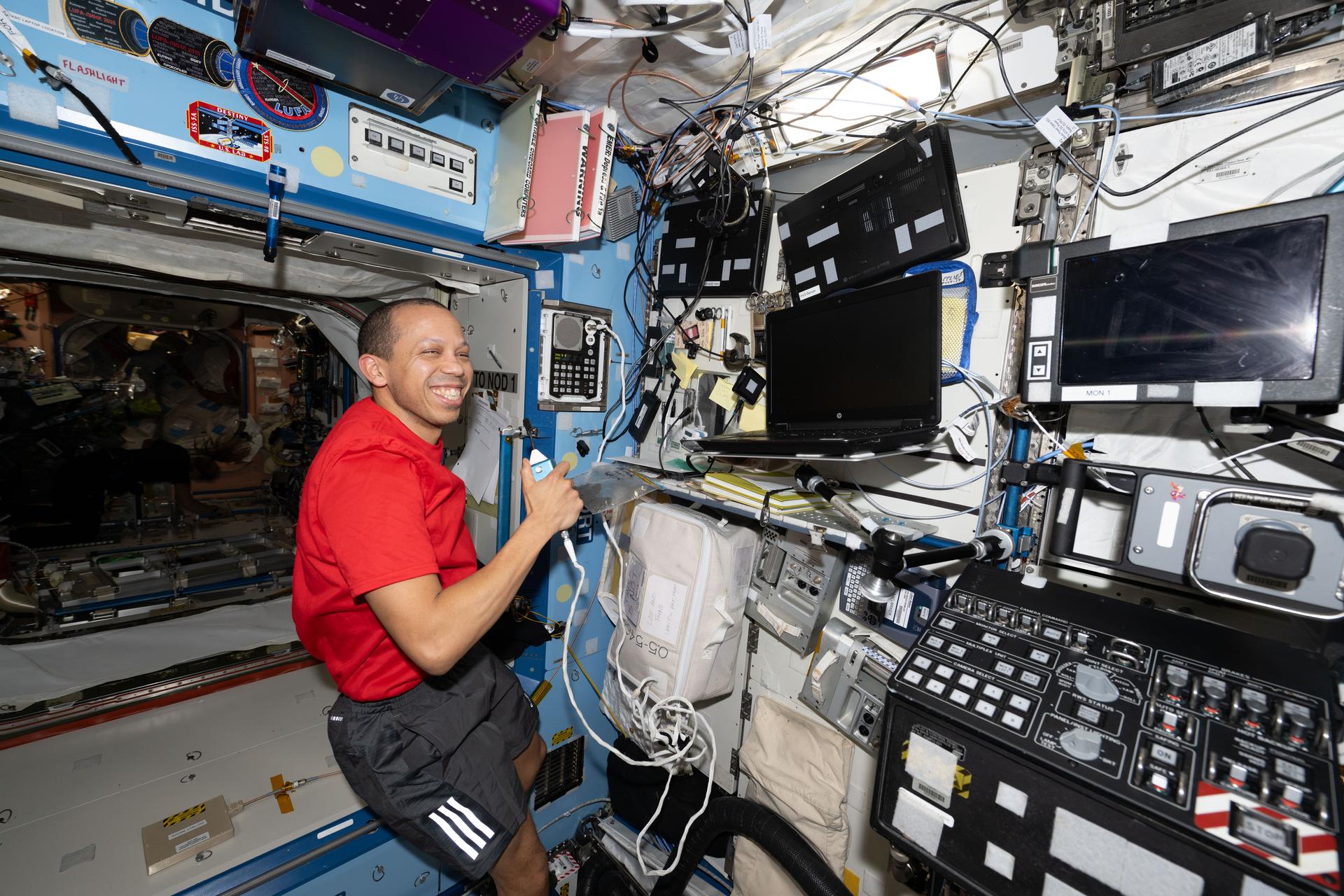
    JAXA (Japan Aerospace Exploration Agency) astronaut Kimiya Yui smiles for a portrait after trimming NASA astronaut Mike Fincke's hair aboard the International Space Station.

    The Zvezda service module’s rear port opened up today after the undocking and departure of the trash-filled Progress 91 cargo craft completing a six-and-a-half-month stay at the International Space Station. The vacant port now awaits the arrival of the Progress 93 cargo craft set to launch from Kazakhstan at 11:54 a.m. EDT on Thursday.

    Read Full Post

    Roscosmos Progress 91 Undocked from Space Station 

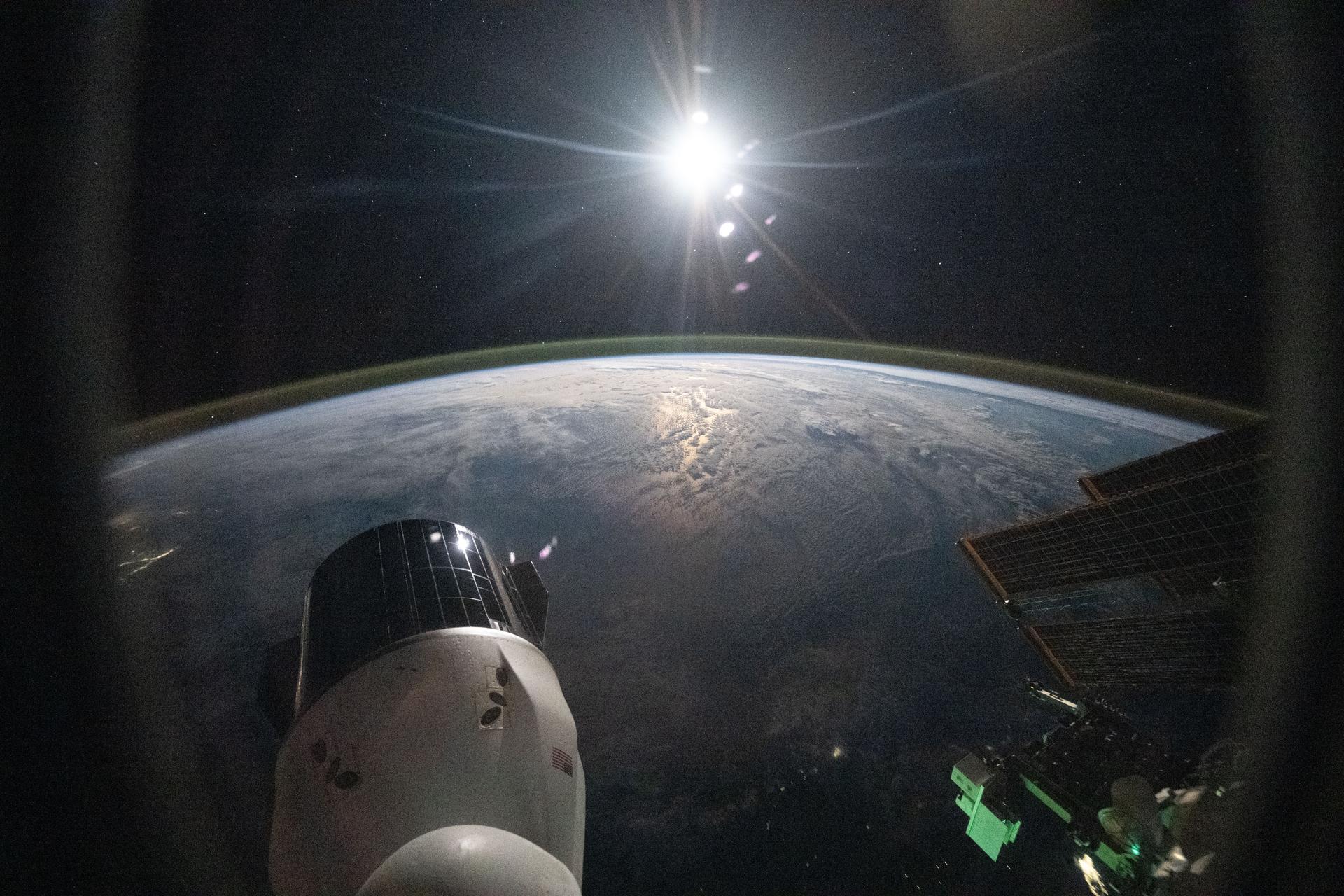
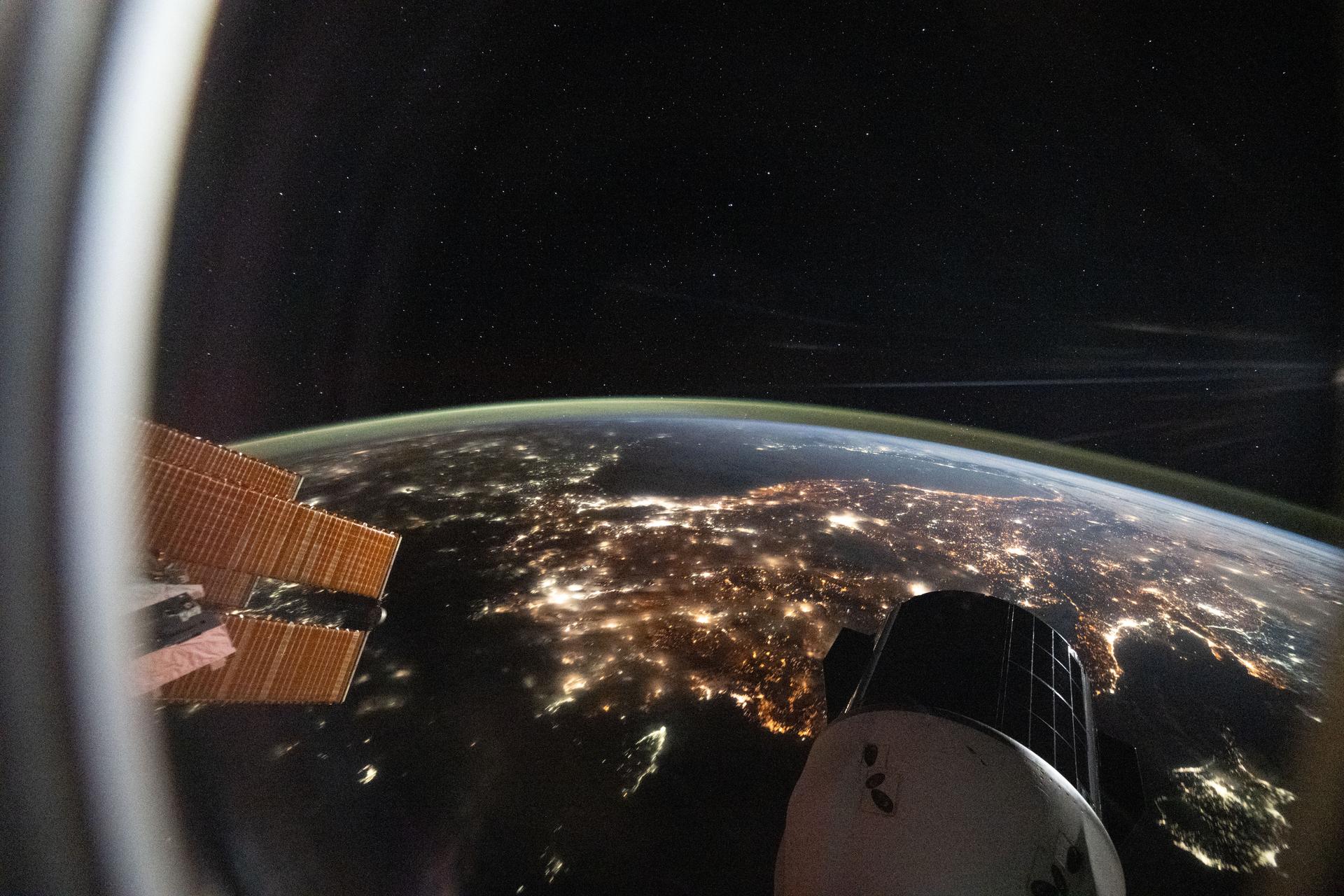
    Sept. 9, 2025: International Space Station Configuration. Four spaceships are docked at the space station including the SpaceX Dragon cargo craft, the SpaceX Crew-11 Dragon spacecraft, the Soyuz MS-27 crew ship, and the Progress 92 resupply ship.

    The unpiloted Roscosmos Progress 91 spacecraft undocked from the International Space Station at 11:45 a.m. EDT on Tuesday, backing away from the station for a deorbit maneuver and destructive re-entry into Earth’s atmosphere to dispose of trash loaded by the crew.  

    Read Full Post

    NASA’s PExT, Wideband Space Communications Demo Begins Commissioning

    A 3D rendering of the Polylingual Experimental Terminal (PExT) satellite viewed at a three-quarter angle in low Earth orbit. The spacecraft’s white parabolic antenna dish is pointed to the upper-right, and its four deep teal solar arrays extend outward to form an X-shape. Earth is partially visible across the lower edge of the frame, the curve of its horizon illuminated by a flare of bright sunlight.

    Payload commissioning is underway for NASA’s PExT (Polylingual Experimental Terminal), a first-of-its-kind space communications demonstration designed to allow spacecraft to communicate with government and commercial networks. After launching on July 23, York Space Systems established first contact with their Bard satellite, the host spacecraft for PExT, and began bus commissioning on schedule. Over the next […]

    Read Full Post

    Station Gets Ready for Two Cargo Missions Launching Days Apart

    The Progress 92 cargo craft is pictured docked to the International Space Station one month after docking to the Poisk module and delivering about three tons of food, fuel, and supplies for the Expedition 73 crew.

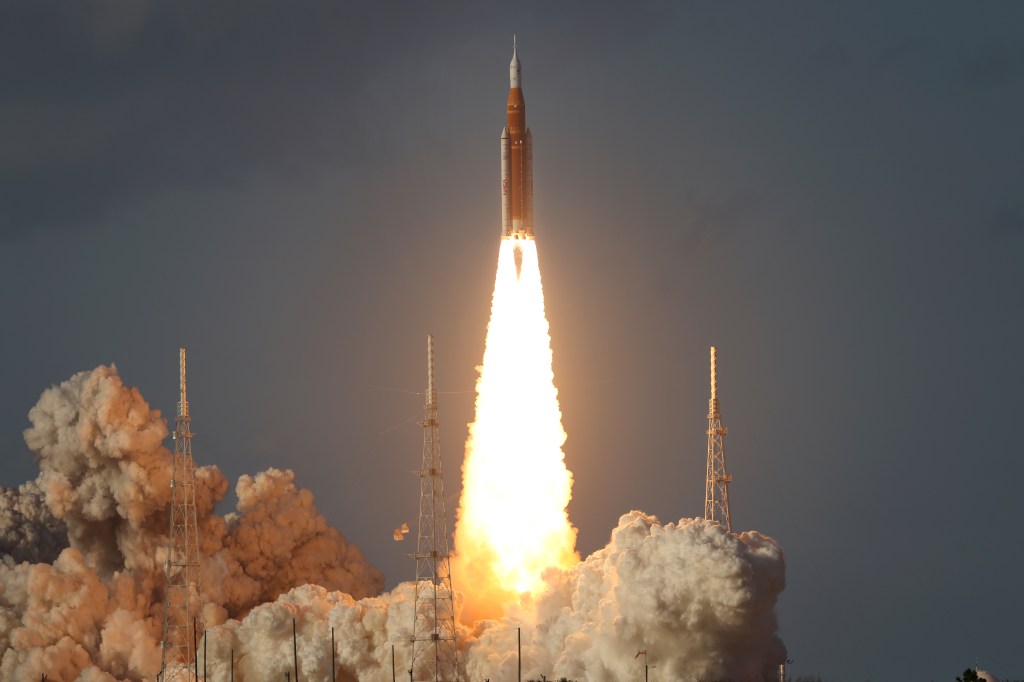
    The Progress 93 cargo craft from Roscosmos rolled out to its launch pad today at the Baikonur Cosmodrome in Kazakhstan where will launch at 11:54 a.m. EDT on Thursday to the International Space Station. Progress 93, carrying 2.8 tons of food, fuel, and supplies to resupply the Expedition 73 crew, will arrive at the orbital outpost and automatically dock to the Zvezda service module’s aft port at 1:27 p.m. on Saturday. NASA+ will begin its live launch broadcast at 11:30 a.m. on Thursday followed by docking coverage beginning at 12:30 p.m. on Saturday.

    Read Full Post

    NASA’s Dragonfly Soaring Through Key Development, Test Activities

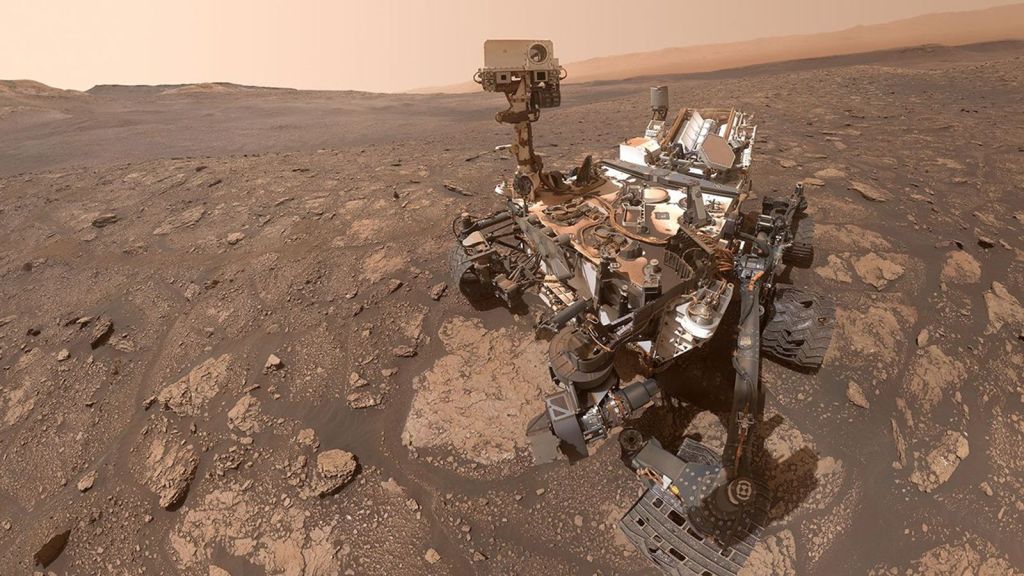
    NASA’s Dragonfly mission has cleared several key design, development and testing milestones and remains on track toward launch in July 2028. Dragonfly, a car-sized, nuclear-powered rotorcraft being designed and built for NASA at the Johns Hopkins Applied Physics Laboratory (APL) in Laurel, Maryland, will explore Saturn’s moon Titan. Following launch and a six-year journey to […]

    Read Full Post

    New Mexico Scientific Balloon Campaign Update- Sept. 4

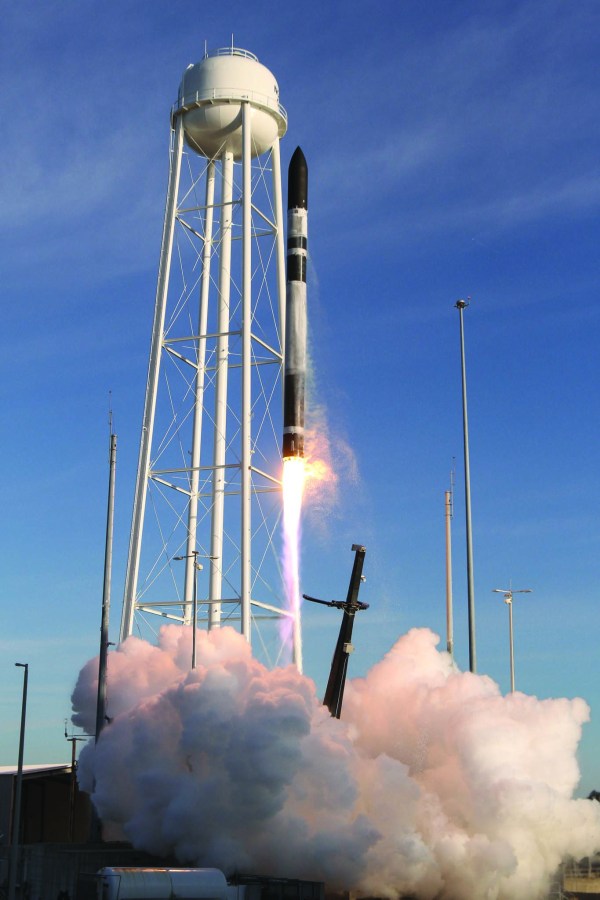
    The High-Altitude Student Platform 2 (HASP2) successfully launched at 8:28 a.m. MDT (10:28 a.m. EDT) Thursday, Sept. 4 and reached a float altitude of nearly 122,000 feet. HASP remained in flight for a total of 11 hours,40 minutes. Science reports a successful flight. The balloon and payload have safely landed, and recovery efforts are underway.

    The HASP2 program is a collaborative effort between Louisiana Space Grant Consortium at Louisiana State University (LaSPACE - LSU), NASA SMD: Astrophysics Division, NASA Balloon Program Office (BPO) and the Columbia Scientific Balloon Facility (CSBF) to develop and operate an inexpensive platform that can be used to flight test compact satellites, prototypes and other small payloads designed and built by students. The High Altitude Student Platform 2 (HASP2) is designed to carry up to twenty-four (24) student payloads at a time to an altitude of about 110,000 feet with flight durations of 15 to 20 hours.

    Student Payloads and Organizations for 2025 include:

    • Big Red Sat 1.5 – The University of Nebraska Lincoln
    • STRAINS 4.0 – Sint-Pieters College Jett
    • Bat Sat – University of Colorado, Colorado Springs
    • FLC Ionizing Radiation vs Solar Insolation (IRSI) Experiment – Fort Lewis College
    • Strato Sentinal – University of Boston Massachusetts
    • Ozone Sensors Payload – University of North Florida
    • Astrolab – Universidad Nacional de Ingeniería
    • Spectra Solis – College of the Canyons
    • Astro Tracker II - Universidad Nacional de Ingeniería
    • MSTRI – McMaster University
    •  OLIMPO - Universidad Nacional de Ingeniería

    NASA, Partners Adjust Next Cygnus Resupply Launch

    Northrop Grumman's Cygnus space freighter begins its departure from the International Space Station after being released from the Canadarm2 robotic arm completing a seven-and-a-half-month cargo mission attached to the Unity module.

    NASA, Northrop Grumman, and SpaceX are accelerating the next commercial resupply flight to the International Space Station to maximize launch opportunities following an assessment of mission readiness. NASA now is targeting no earlier than 6:11 p.m. EDT, Sunday, Sept. 14, for the launch of a Northrop Grumman Cygnus XL on a SpaceX Falcon 9 rocket from Space Launch Complex 40 at Cape Canaveral Space Force Station in Florida.

    Read Full Post