


Suggested Searches

Blogs

    This Week’s Earth Indicator: 90

    We bring you this week’s indicator—90—with a sigh. Ninety is the combined number of Earth-observing instruments on NASA and NOAA satellites that are currently monitoring our planet. And that number is about to plunge, according to a National Research Council report released in May 2012. By 2020, there could be less than 20 instruments in orbit, and […]

    Read Full Post

    Happy birthday, Athanasius Kircher

    By the year 1631, residents of southern Italy had perhaps grown complacent about the volcano that destroyed Pompeii. But near the end of that year, Mount Vesuvius reminded them of its power. From December 1631 to January 1632, explosive activity at Vesuvius caused a caldera collapse, a tsunami, mud flows, scorched farms, and up to […]

    Read Full Post

    Quickening Water Cycle, Risat-1 Launches, and More

    Study: Quickening Water Cycle Fueling Extreme Weather There’s been no shortage of extreme weather in recent years, from flooding in Australia to record-breaking temperatures in North America to wildfires in Russia. A new study published in Science argues that at least some of the blame should go to global warming for accelerating the water cycle. By measuring changes in […]

    Read Full Post

    This Week’s Earth Indicator: 76

    This week’s indicator: 76. No, that is not a reference to the return time of Halley’s Comet (76 years) or the atomic number of the world’s densest natural element (the metal osmium). In this case, 76 is a percentage.  And it’s a particular percentage that represents how much of the variability in North Atlantic sea […]

    Read Full Post

    Share and Share Alike

    The vast majority of content on the Earth Observatory is free and available for anyone to use, commercially or otherwise. Many iPhone users will recognize our Blue Marble image from their welcome screen, and many other people have been using our RSS feeds and other syndication methods to bring EO content to other websites, or […]

    Read Full Post

    News Roundup: Whipsaw Weather, a Shrinking Lake, and a Grandfather Speaks Up

    Global Warming and Whipsaw Weather Perhaps you’ve noticed that we’ve had a record-shattering heat wave across much of North America in recent months, whereas Europe and Asia have experienced an unusually cold winter. That’s to be expected according to a new report on extreme weather published by the Intergovernmental Panel on Climate Change. The report points […]

    Read Full Post

    Taking Science to the People: Climate Forum in Maryland

    Ernie Hilsenrath spent more than 40 years working for NASA, and though he officially retired a few years ago, he is still a great advocate for his employer and for science. The longtime atmospheric chemist is both amazed and troubled by how few people know that NASA works in Earth science. He is equally troubled […]

    Read Full Post

    Bright Fireball Over Georgia

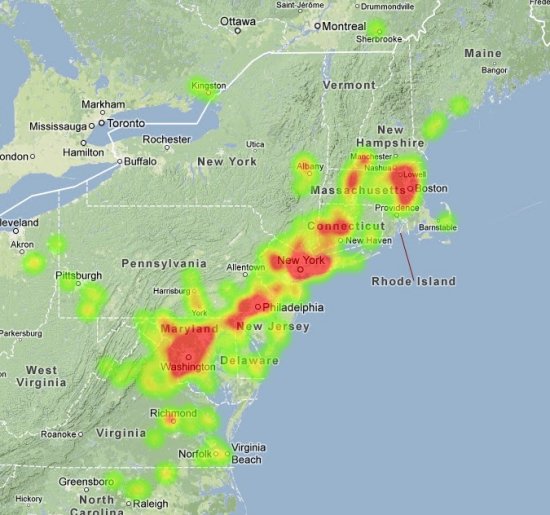
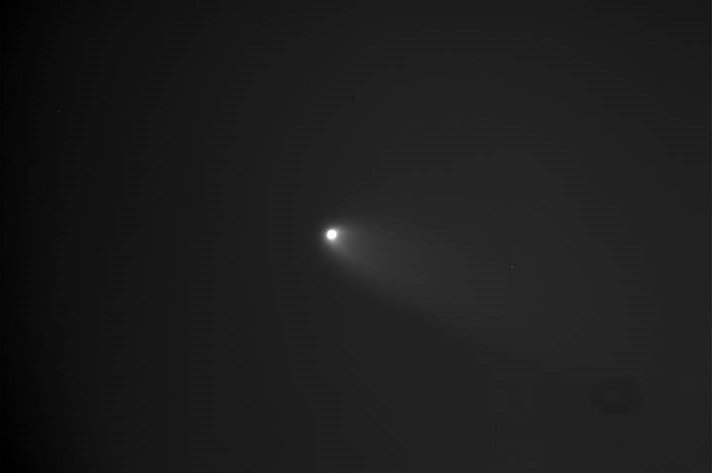
    The NASA Meteoroid Environment Office can confirm a bright fireball observed by several eyewitnesses in Alabama, Georgia and Tennessee on Mar. 7, 2012 at 10:19:11 p.m. EST. The fireball was observed by three NASA cameras located at Marshall Space Flight Center in Huntsville, Ala., Tullahoma Tenn., and Cartersville, Ga. The meteor was first recorded at …

    Read Full Post

    The Worm Moon?

    The next full Moon is on Thursday, March 8, 2012.  The Moon will be 180 degrees away from the Sun in Earth-based longitude at 4:40 am EST, and will appear full for about three days around this time, from Tuesday evening through Friday morning.The full Moon in March is known by many names: the Worm …

    Read Full Post