



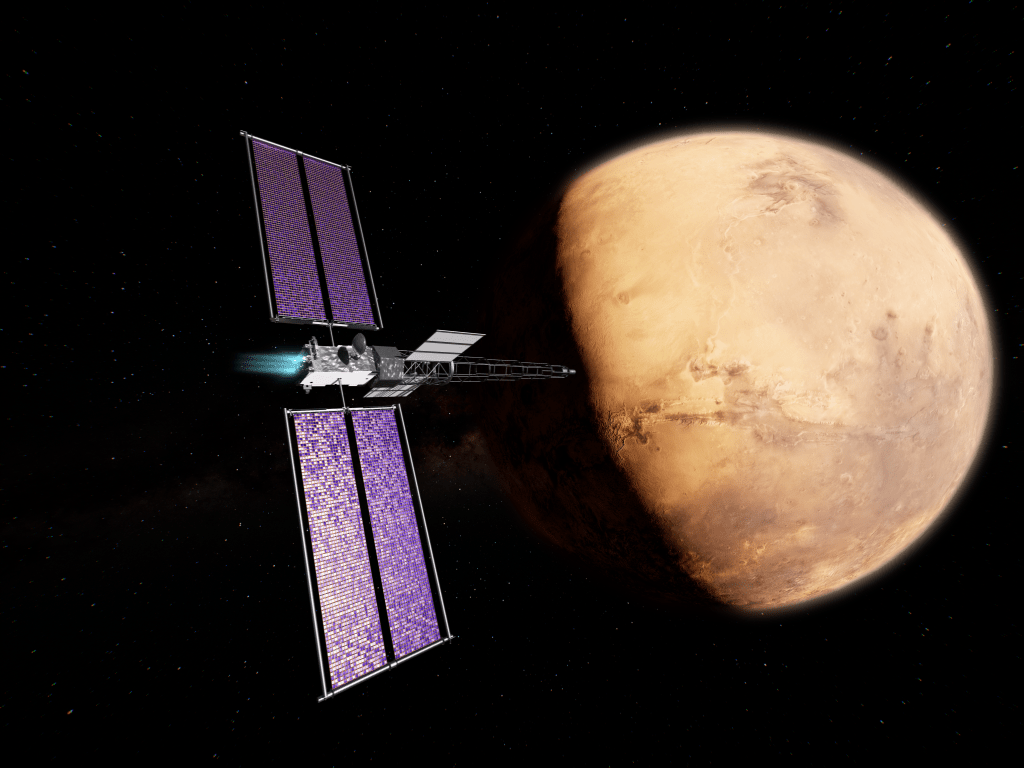




Scientists think that Mars was enjoyed a thick atmosphere 4 billion years ago that was rich with the same chemical elements familiar to Earth’s own air. What happened since, though, is a mystery. The prevailing theory is that the Martian core of molten metal solidified and the magnetic field generated by the swirling core all …
Atlas V With MAVEN Soars (Photo)

MAVEN Launch Video
Launch Images

Centaur with MAVEN in Coast Phase
The Centaur upper stage performed its first burn and is now coasting with the MAVEN spacecraft aboard. It will coast until 2:09 p.m. EST and then reignite to put MAVEN on its final course for Mars.
Atlas V/Centaur Fully Fueled
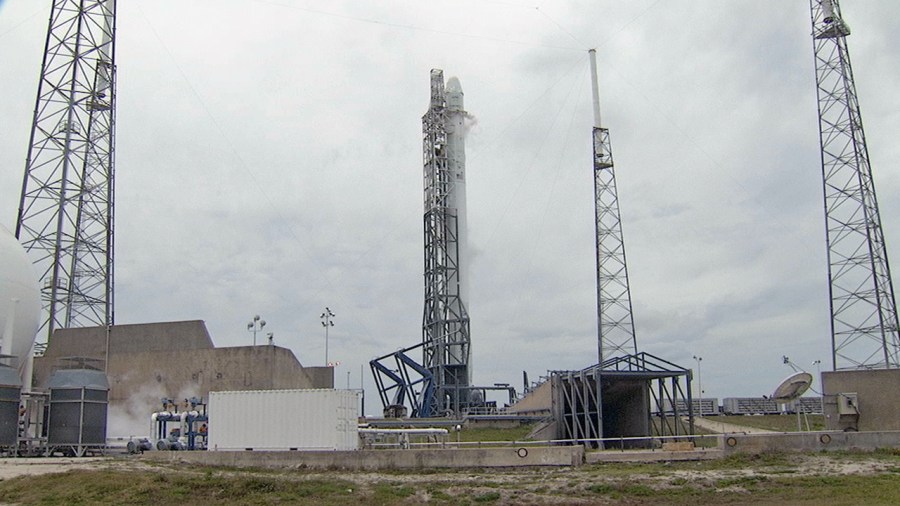
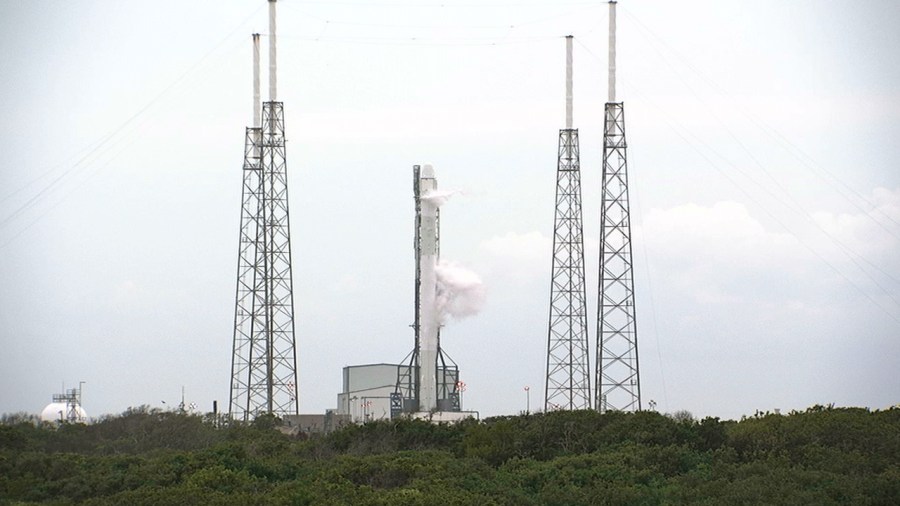
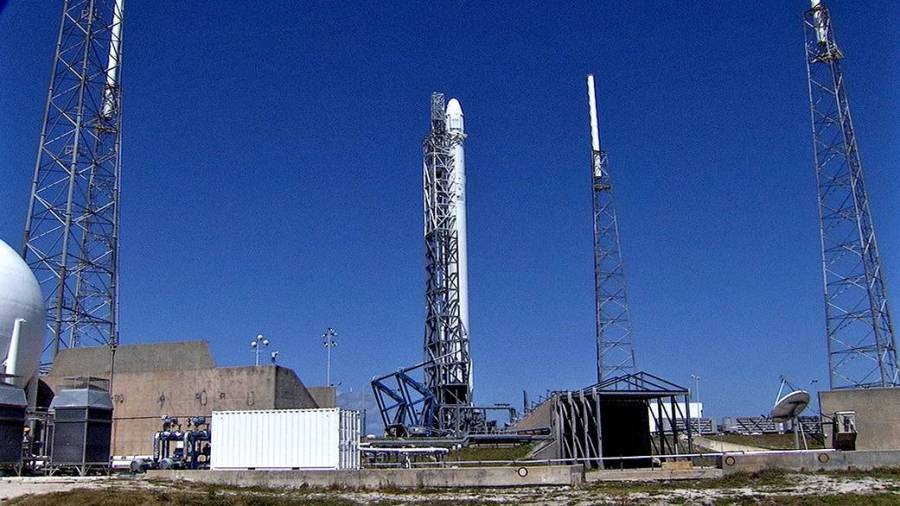
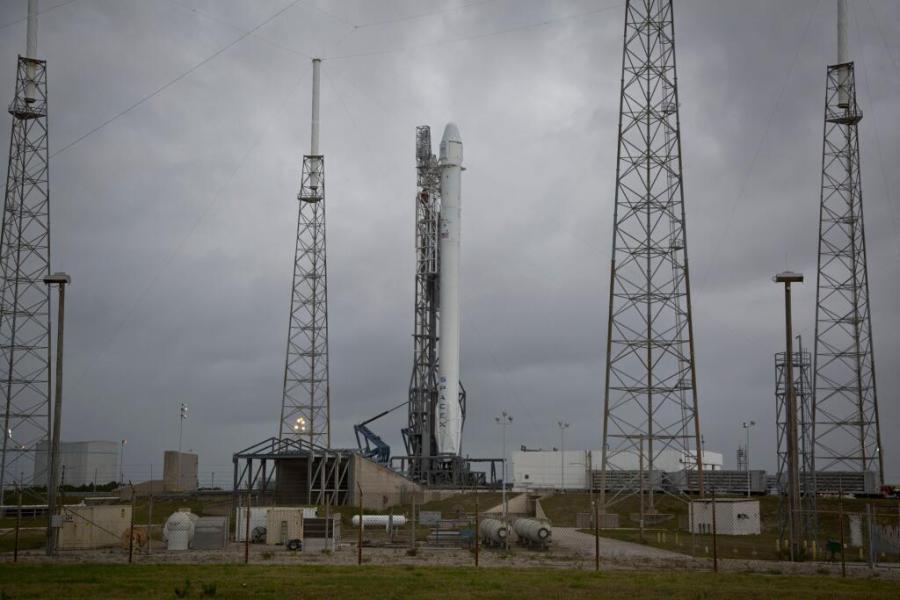
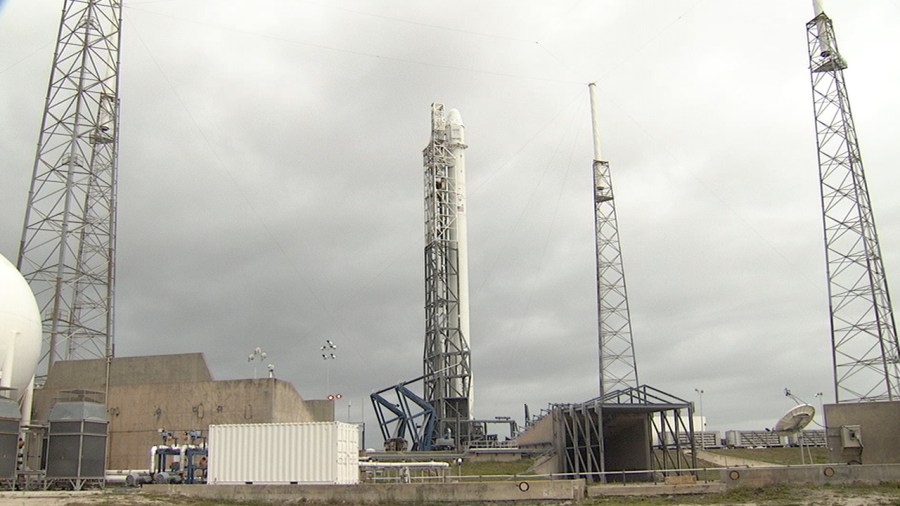
The fuel and oxygen tanks on the Atlas V booster and Centaur upper stage are loaded with propellants now, a major step on the way to launching today at 1:28 p.m. EST. Launch controllers are getting ready for the last planned hold of the countdown, a 10-minute pause that begins at T-4 minutes.
Field Mills are Green
The field mills around the launch site are back to green this afternoon following a switch to red conditions.
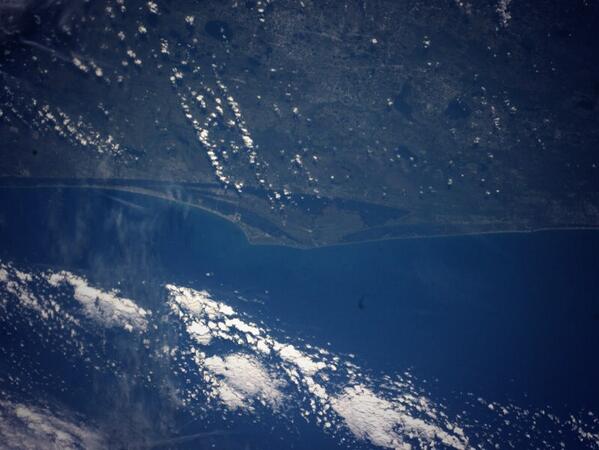
November Puzzler
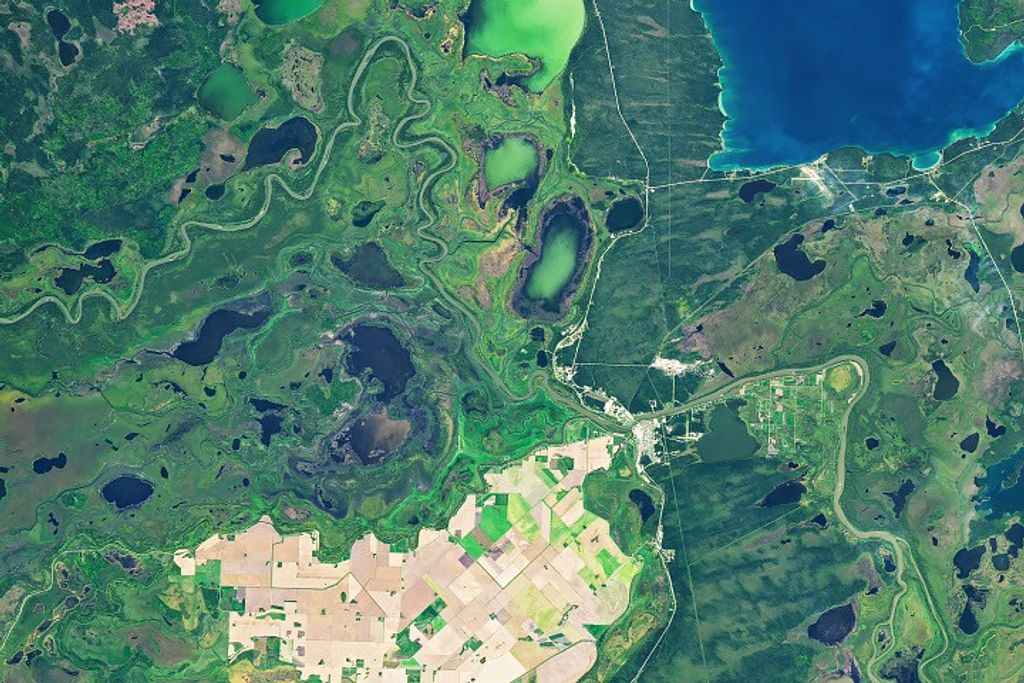
Each month, Earth Observatory offers up a puzzling satellite image here on Earth Matters. The November 2013 puzzler is above. Your challenge is to use the comments section to tell us what part of the world we are looking at, when the image was acquired, and why the scene is interesting. How to answer. Your […]
Centaur LH2 Loading Begins
Launch controllers gave the “go” to begin loading liquid hydrogen, or LH2, into the Centaur upper stage. The Centaur will hold about 12,000 gallons of the propellant. The RL-10 engine burns hydrogen and oxygen to produce 22,300 pounds of thrust.
A Go-To Rocket

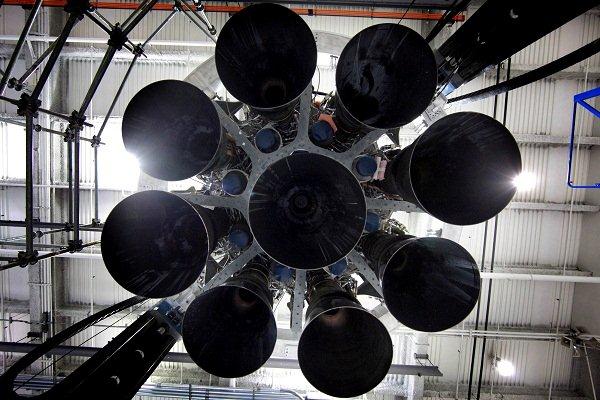
Today’s liftoff fire and thunder will be produced by an Atlas V rocket powered by an RD-180 engine at the bottom of the Atlas V first stage. The engine, which uses two thrust chambers and nozzles, burns rocket-grade kerosene and liquid oxygen to generate 860,200 pounds of thrust. A Centaur upper stage will take over four minutes, …