




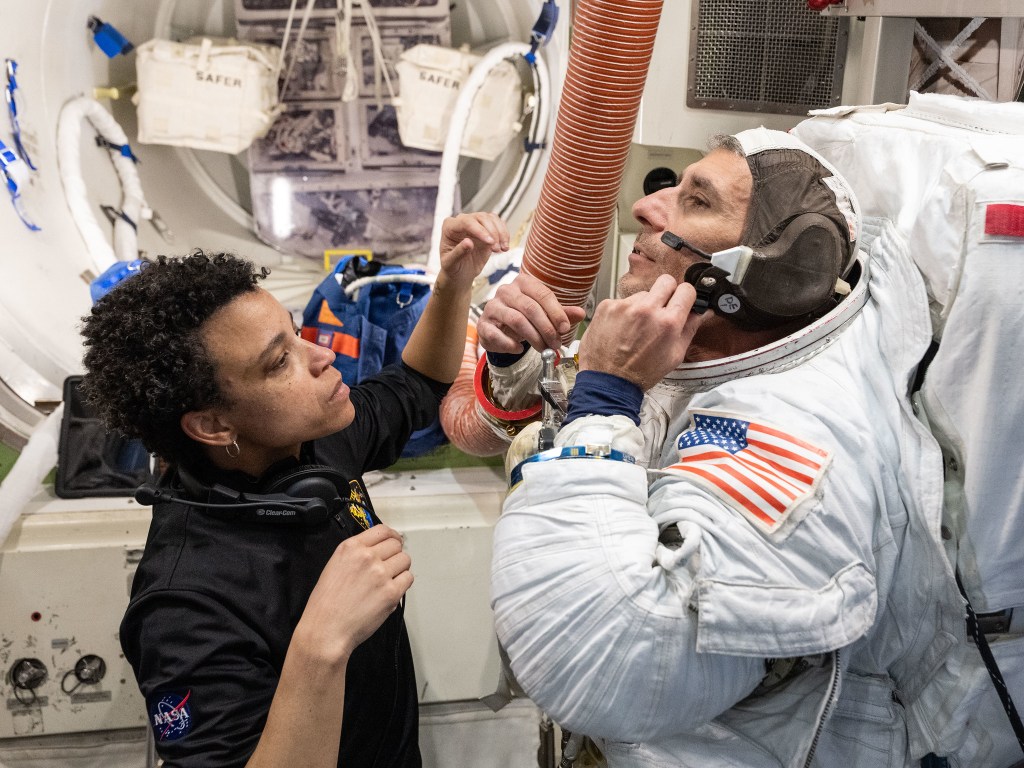






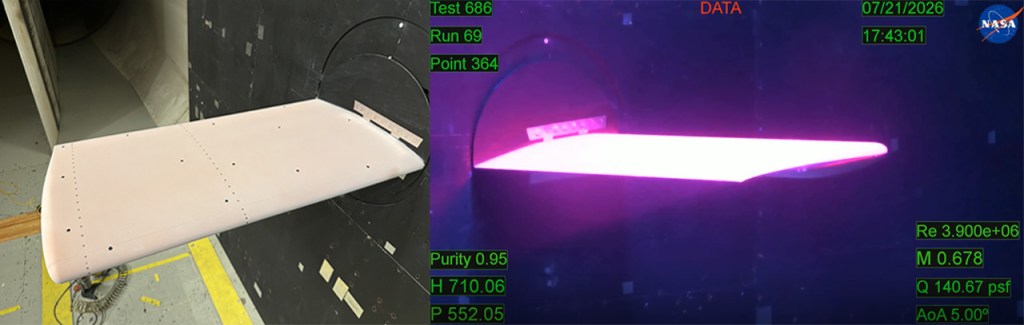


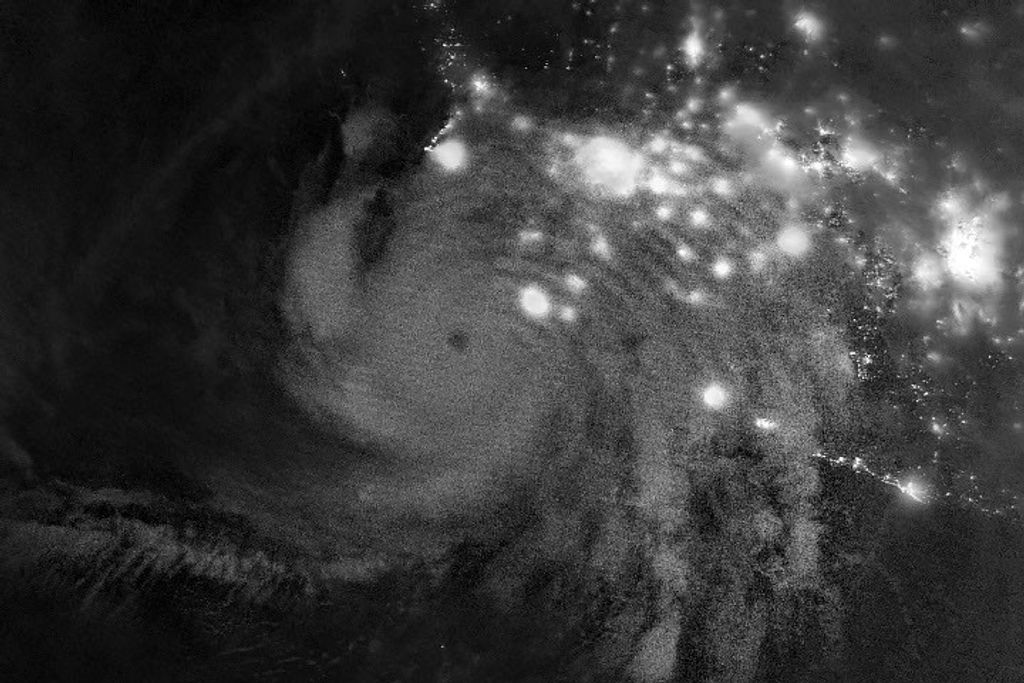
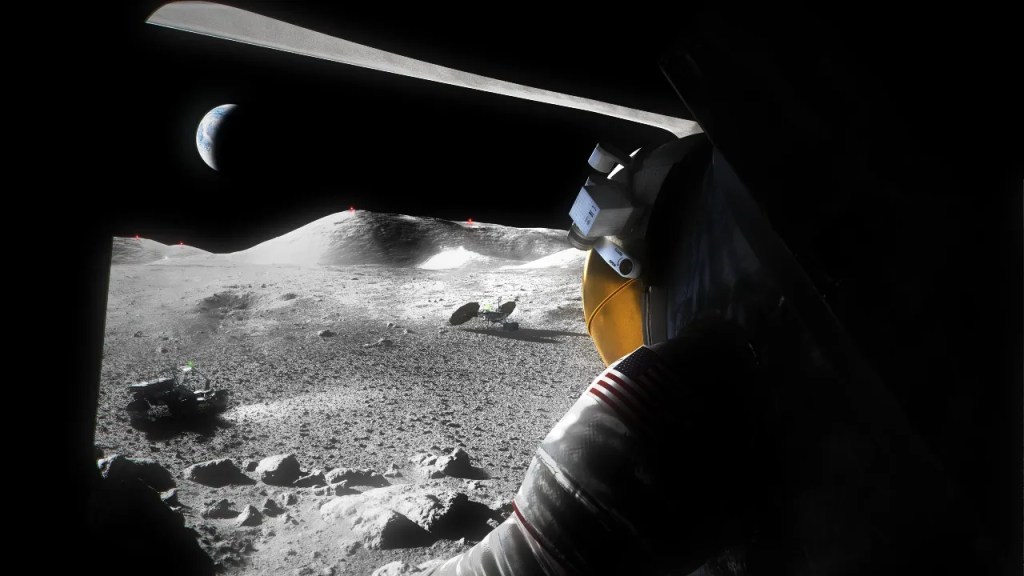
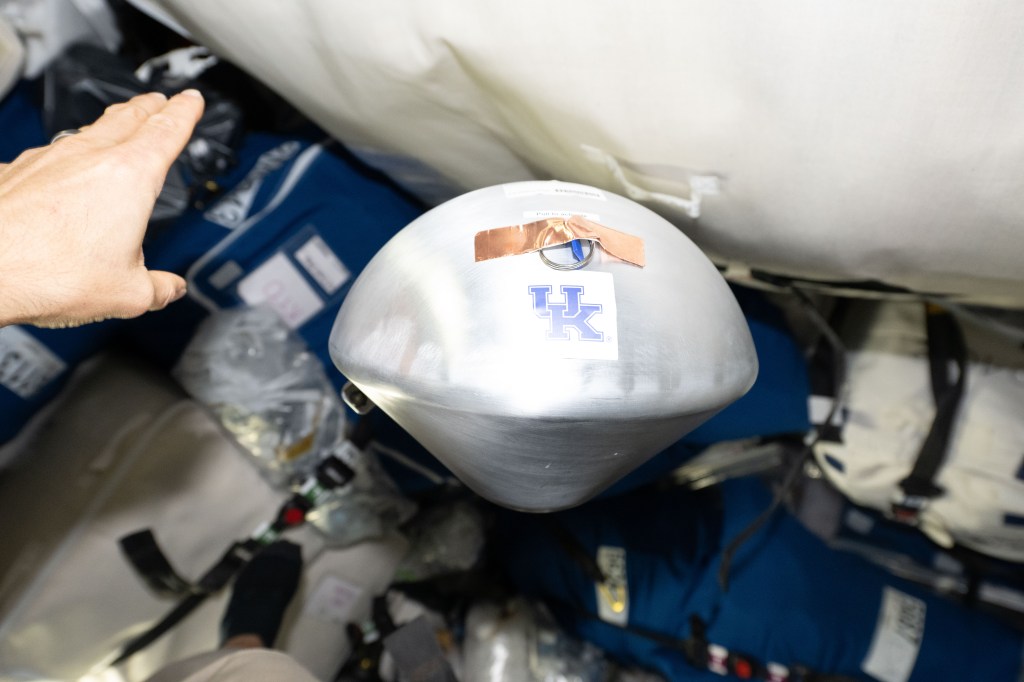




SAGE III team members successfully completed full functional testing as planned on May 6, 2016, and the second Payload Rack Checkout Unit (PRCU) End-to-End test on May 13. Flight payload closeouts were completed May 19 and the SAGE III Instrument Payload and SAGE III Nadir Viewing Platform were placed in storage at NASA’s Kennedy Space […]
NAAMES-II Expedition: May 18, 2016
With day one of Station One complete, an opportunity is provided to reflect on the stations events so far. I woke up at to start the day at 11 o’clock, quickly helping myself to a cup of the ships endless pot of coffee and a hefty bowl of cereal. If this sounds like a very […]
ISS Daily Summary Report – 05/18/16
Japanese Experiment Module (JEM) Airlock (JEMAL) NanoRacks Cubesat Deployer #7 (NRCSD 7) Deployment: This morning, operations which began Monday were completed with the deployment of four Dove satellites and four LEMUR-2 satellites. All satellites were deployed on time as commanded. The empty deployer will be returned to the JEM Airlock. Rodent Research-3 (RR-3) Operations: …
Imaging the Encounter of a Lifetime
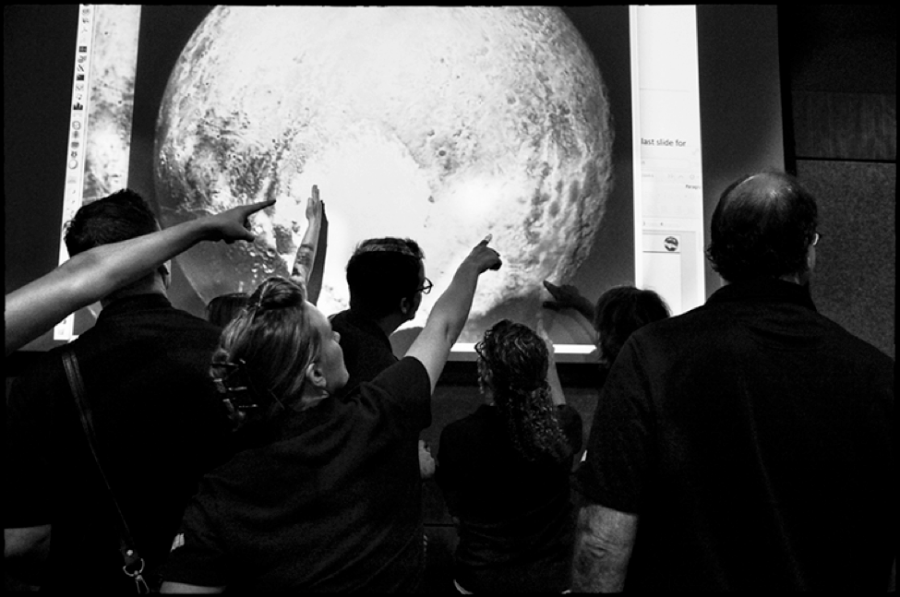
Jorge Núñez, a planetary scientist and engineer from the Johns Hopkins University Applied Physics Laboratory (APL), is the deputy systems engineer of the Long Range Reconnaissance Imager (LORRI) instrument on New Horizons. He studies the geology and composition of planetary surfaces using a variety of remote-sensing techniques. When not working on New Horizons or analyzing …
Last Cubesats Released as Life Science Continues

The final set of Cubesats was ejected from the International Space Station today. Inside the orbital lab, the station residents continued more rodent bone and muscle research, checked for microbes and cleaned fans. A total of 17 Cubesats have been released since Monday from a small satellite deployer on the outside of the Kibo experiment …
ISS Daily Summary Report – 05/17/16
Japanese Experiment Module (JEM) Airlock (JEMAL) NanoRacks CubeSat Deployer #7 (NRCSD 7) Deployment Operations: Today a total of 6 Dove satellites will be deployed via ground commanding. This morning the NRCSD 7 Silos 1 and 2 were deployed and Silo 3 is planned to be deployed this evening during crew sleep. This will complete the …
More Cubesats Deployed as Crew Studies Bones and Muscles
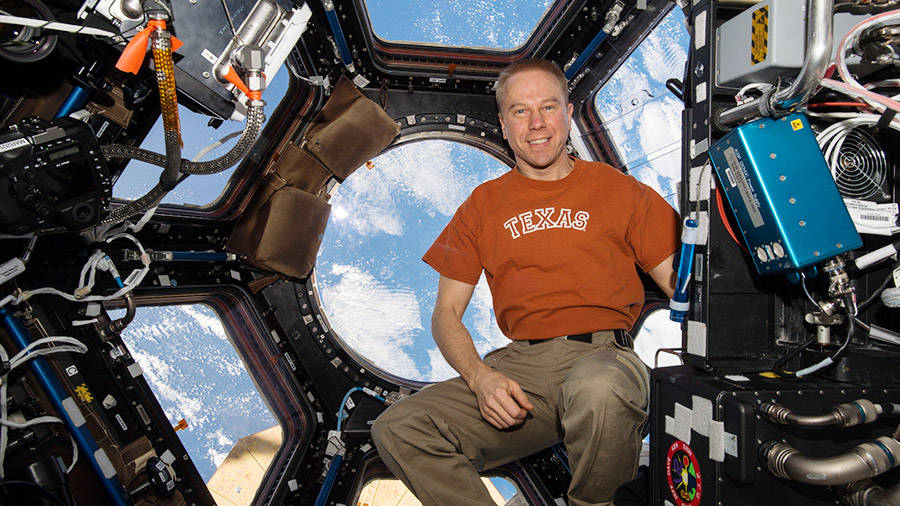
A new wave of Cubesats was shot into space today for a wide variety of Earth observations and communications research. The crew also explored life science and worked on high-flying plumbing tasks. Today’s set of Cubesat deployments from the Kibo lab module’s airlock was the second of three consecutive days of deployment operations. The Dove …
NAAMES-II Expedition: May 17, 2016
Greetings from Station Zero. It sounds like something from a bad sci-fi movie, but we are indeed at Station Zero. On most oceanographic cruises there is what is called a “shake down day” or an opportunity to test all your equipment and methods with a test station before the actual ‘real’ sampling begins. Thus, we […]
Super Balloon Takes Flight From New Zealand
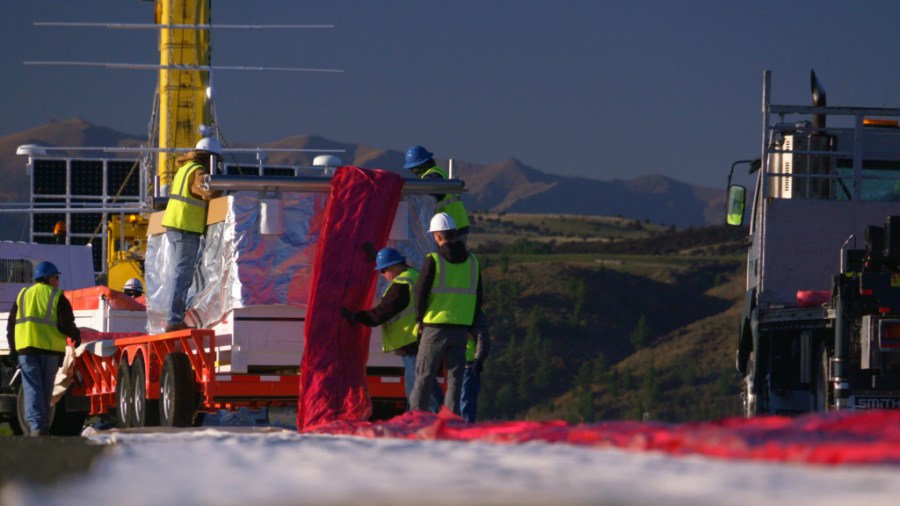
NASA’s super pressure balloon took flight from Wanaka Airport, New Zealand, at 7:35 p.m. Monday, May 16 (in EDT), on a flight aiming for long-duration at mid-latitudes. Video and pictures from the launch operation follow.
Up, Up, and Away! NASA Launches Globetrotting Super Balloon
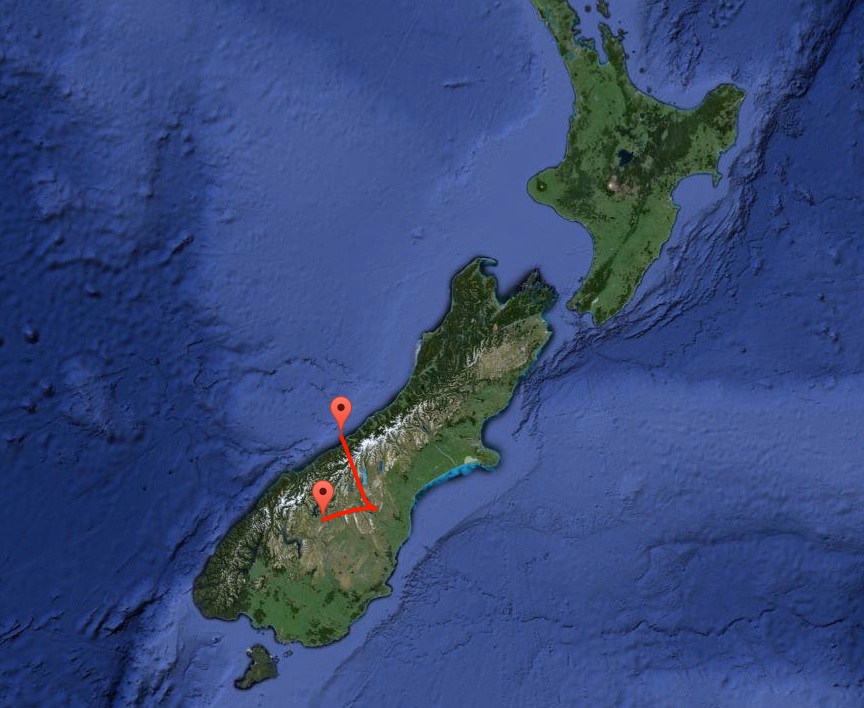
WANAKA, New Zealand – NASA successfully launched a super pressure balloon (SPB) from Wanaka Airport, New Zealand, at 11:35 a.m. Tuesday, May 17, (7:35 p.m. EDT Monday, May 16) on a potentially record-breaking, around-the-world test flight. The purpose of the flight is to test and validate the SPB technology with the goal of long-duration flight …