










Since near-Earth asteroid 2024 YR4 was first discovered in December 2024, NASA and the worldwide planetary defense community have continued to observe the asteroid, which was ruled out as a significant impact risk to Earth. New infrared observations from NASA’s James Webb Space Telescope have decreased the uncertainty of the asteroid’s size and 2024 YR4 […]
Station Orbiting Higher to Welcome Next Crew Mission

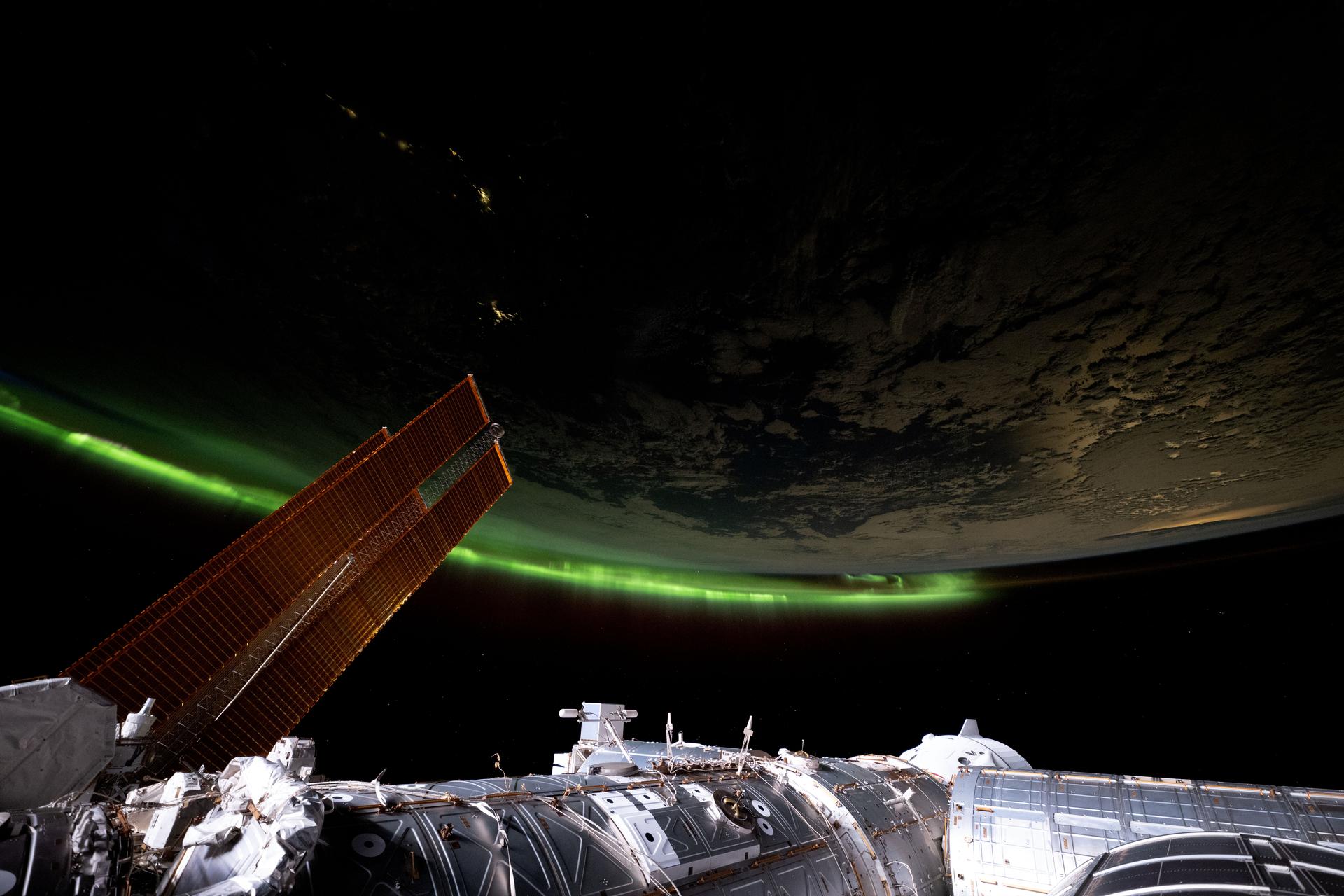
The International Space Station is orbiting higher today after the Progress 91 cargo craft fired its thrusters for over 17 minutes while docked to the Zvezda service module. The reboost places the orbital outpost at the correct altitude for the arrival of the Soyuz MS-27 spacecraft and its three crew members next week.
NASA’s Webb Finds Asteroid 2024 YR4 Is Building-Sized

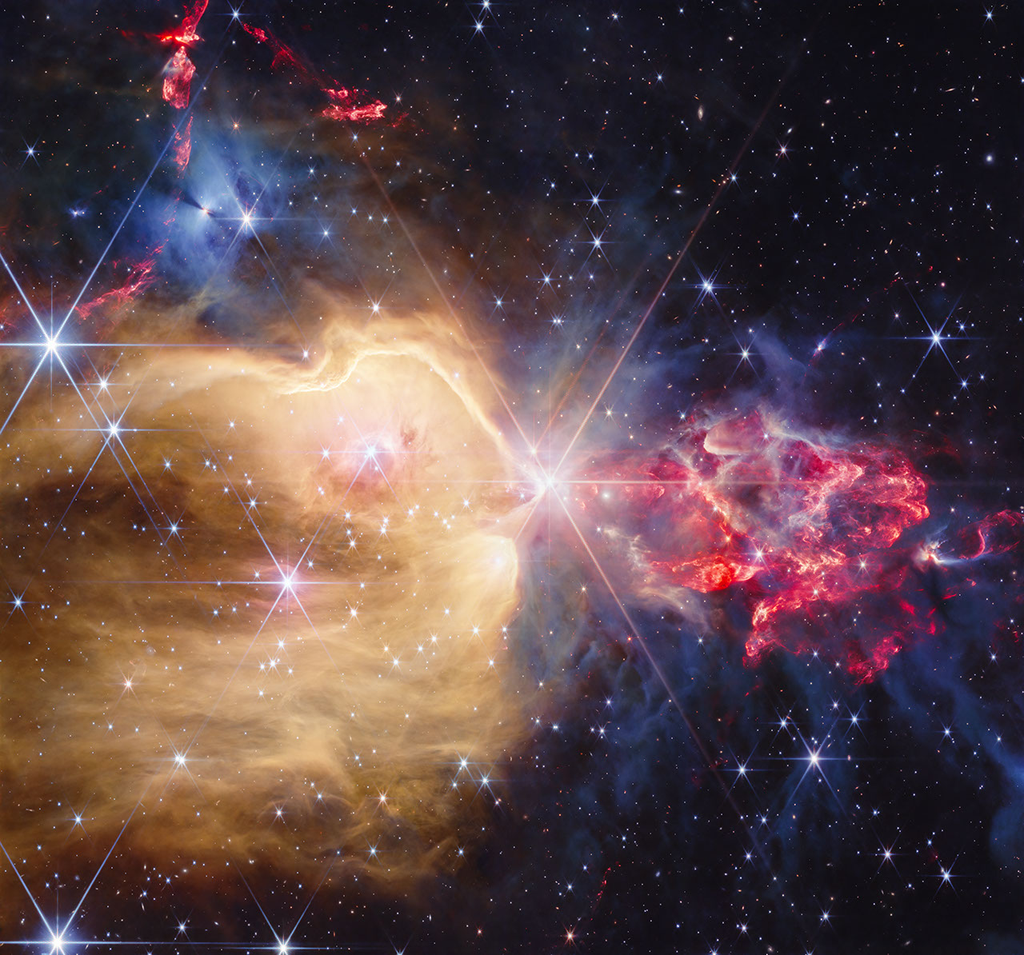
Editor’s Note: This post highlights data from Webb science in progress, which has not yet been through the peer-review process. These results were reported as part of NASA’s role in the International Asteroid Warning Network. NASA’s James Webb Space Telescope recently turned its watchful eye toward asteroid 2024 YR4, which we now know poses no significant …
Exercise Research Main Focus Aboard Station on Tuesday

Exercise research was back on the science schedule for the Expedition 72 crew on Tuesday ensuring astronauts stay healthy and in shape while living and working in weightlessness. The International Space Station residents also continued a host of other microgravity research exploring robotics, combustion, and more.
Wearables, Exercise Research on Station Help Doctors Protect Crews

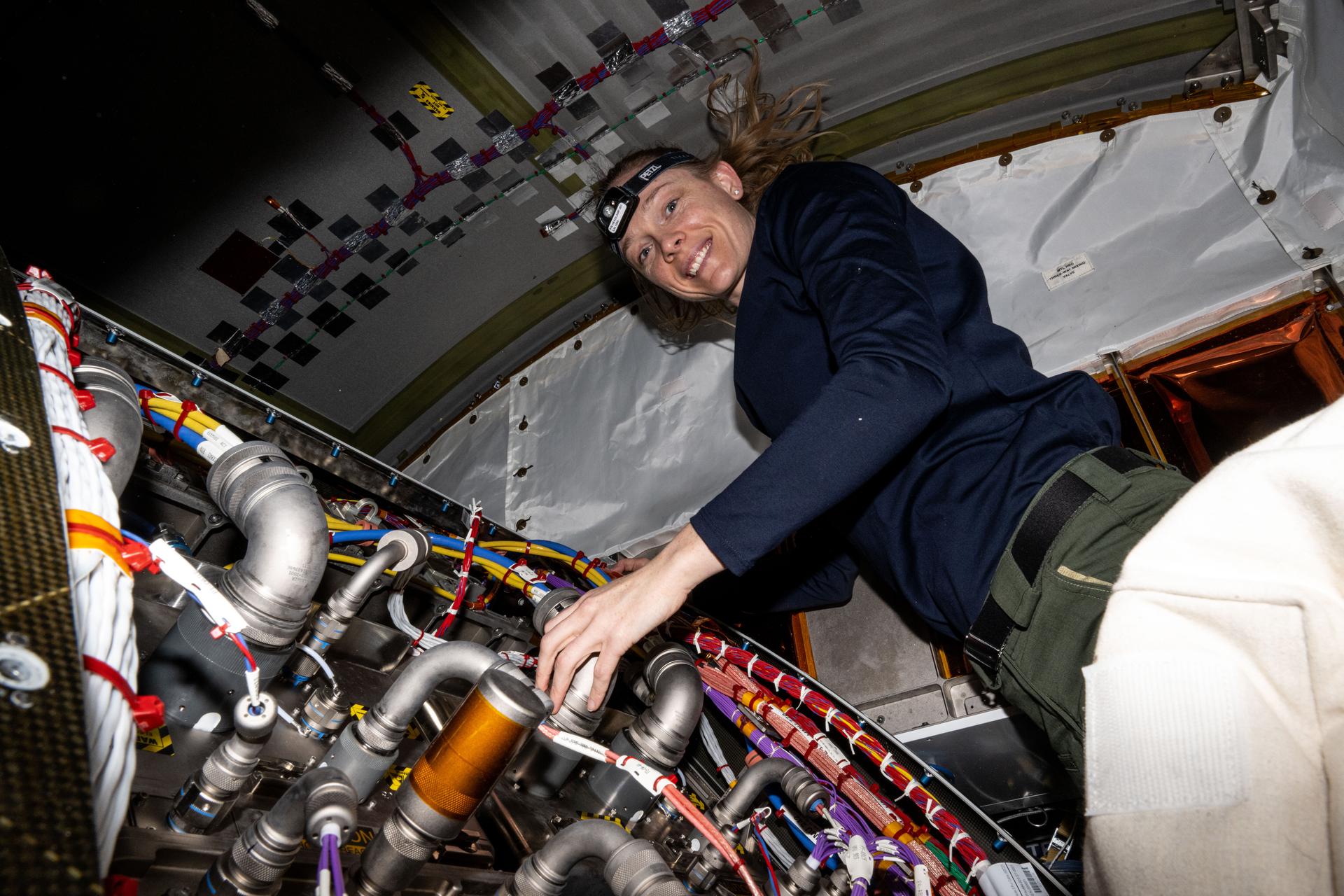
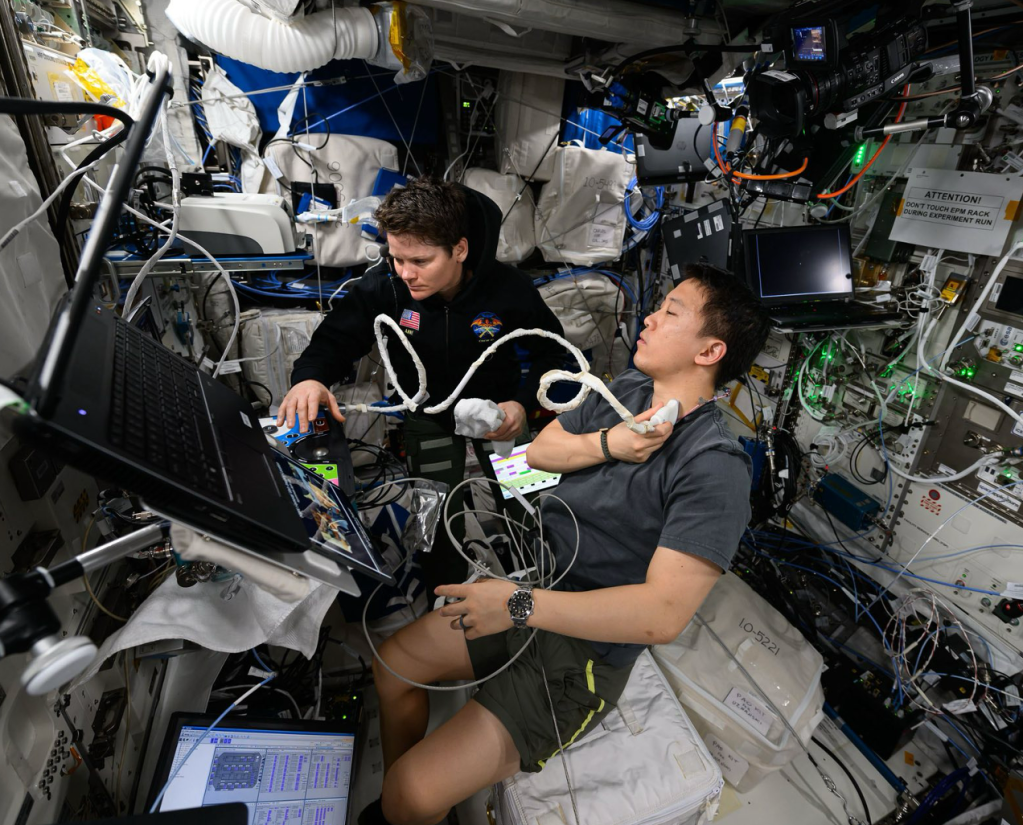
Several Expedition 72 crew members began Monday attaching a variety of sensors to themselves and exercising so researchers can see how their bodies are adapting to living and working in microgravity. The International Space Station crewmates also kept up their science maintenance and life support duties at the beginning of the week.
Key Hardware for NASA’s Asteroid-Hunting NEO Surveyor Comes Home

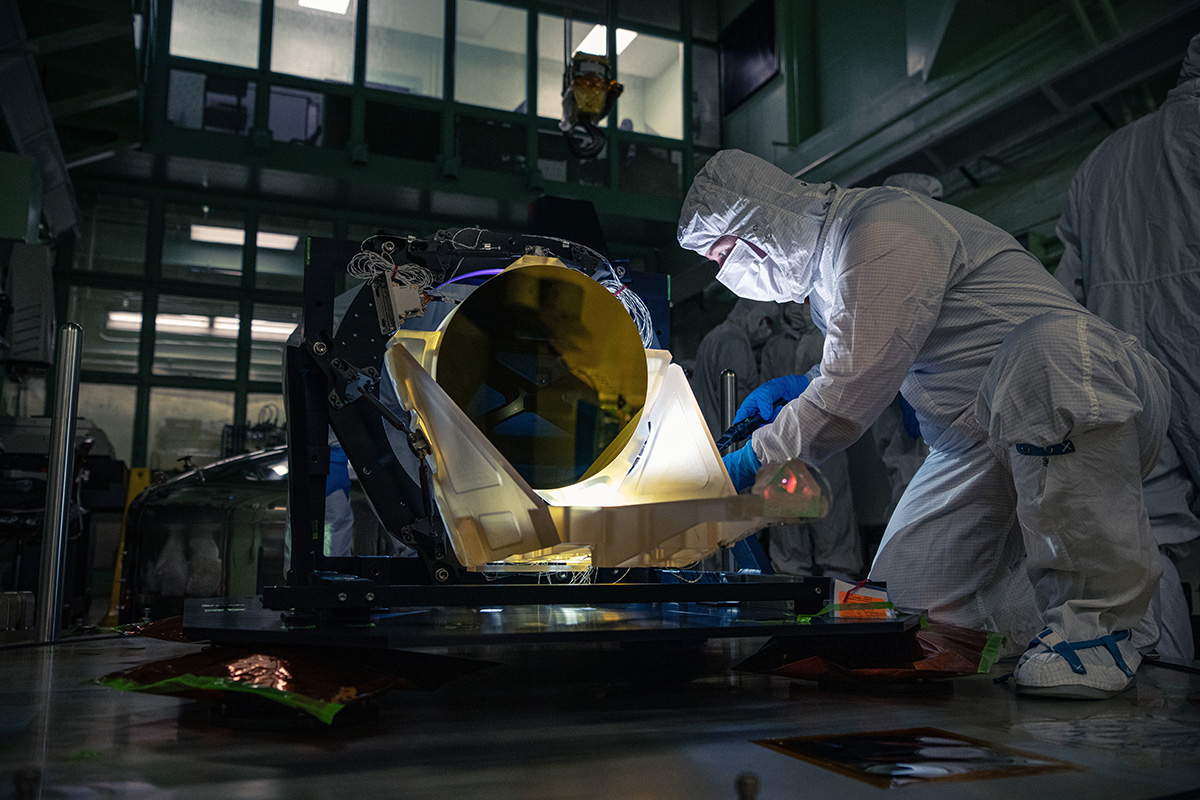
Work on NASA’s purpose-built asteroid hunter, Near-Earth Object (NEO) Surveyor, is progressing toward a targeted late 2027 launch. A major component of the mission, the spacecraft’s instrument enclosure journeyed back to the agency’s Jet Propulsion Laboratory in Southern California in early March after completing environmental testing at NASA’s Johnson Space Center in Houston. Built at …
Sun Releases Strong Flare

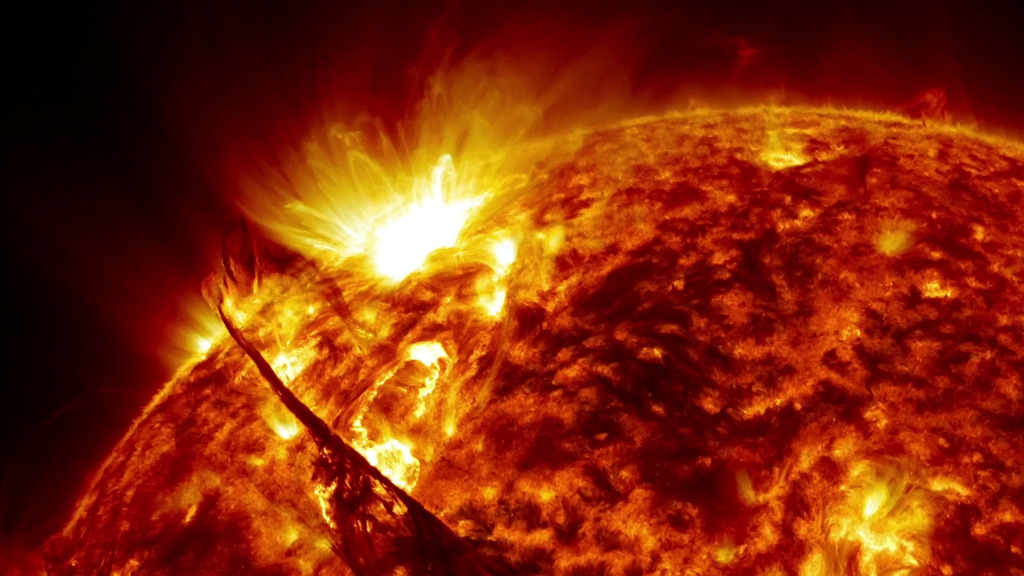
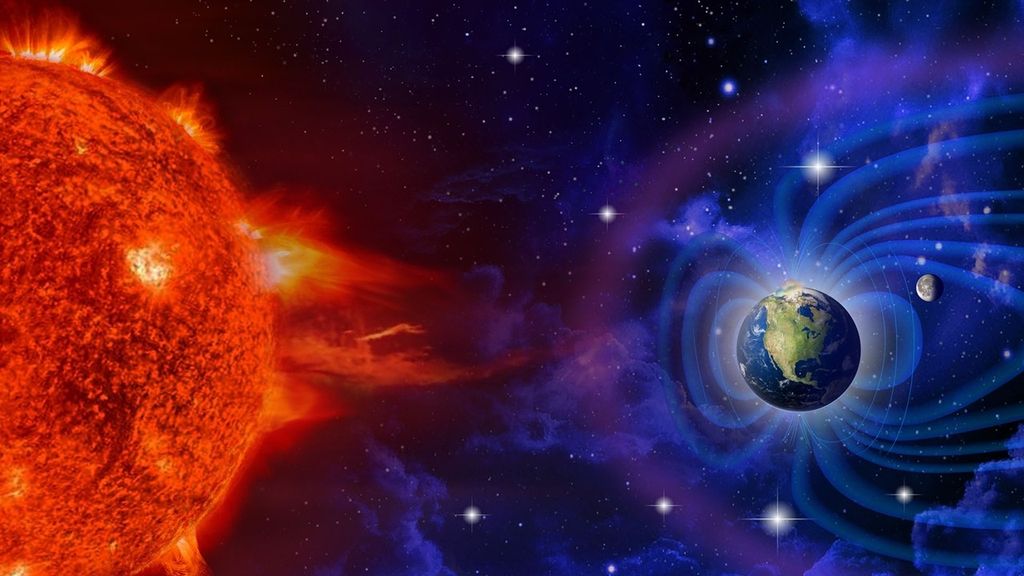
The Sun emitted a strong solar flare, peaking at 11:21 a.m. ET on Friday, March 28. NASA’s Solar Dynamics Observatory, which watches the Sun constantly, captured an image of the event. Solar flares are powerful bursts of energy. Flares and solar eruptions can impact radio communications, electric power grids, navigation signals, and pose risks to …
Key Hardware for NASA’s Asteroid-Hunting NEO Surveyor Comes Home

Work on NASA’s purpose-built asteroid hunter, Near-Earth Object (NEO) Surveyor, is progressing toward a targeted late 2027 launch. A major component of the mission, the spacecraft’s instrument enclosure journeyed back to the agency’s Jet Propulsion Laboratory in Southern California in early March after completing environmental testing at NASA’s Johnson Space Center in Houston. Built at JPL, the angular 12-foot-long […]
Cygnus Departs Station After Release from Robotic Arm

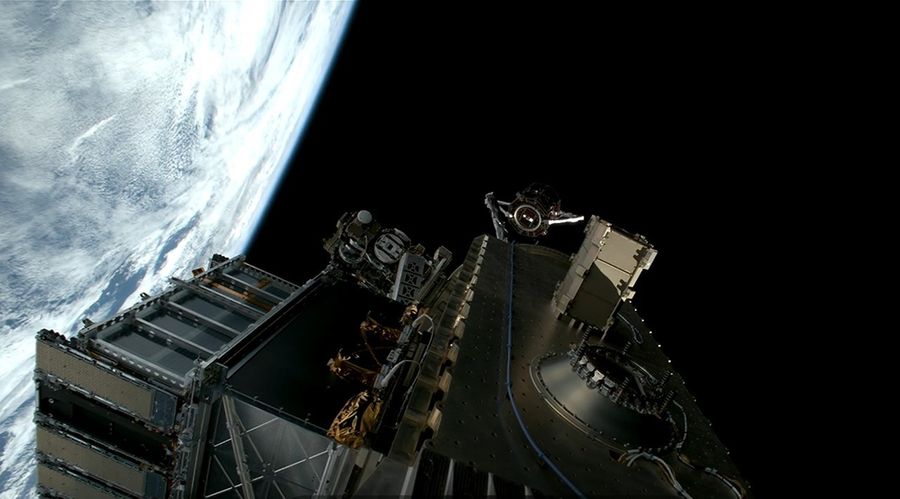
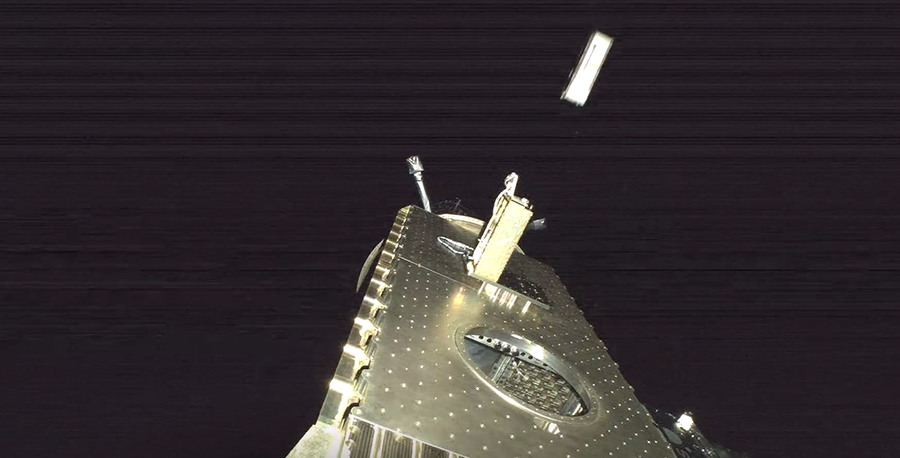
At 6:55 a.m. EDT, the S.S. Richard “Dick” Scobee Northrop Grumman Cygnus spacecraft was released from the Canadarm2 robotic arm, which earlier detached Cygnus from the Earth-facing port of the International Space Station’s Unity module. At the time of release, the station was flying about 260 miles over the Pacific Ocean.
Cygnus Departing Station Soon Live on NASA+

Live coverage of the departure of the S.S. Richard “Dick” Scobee Northrop Grumman’s uncrewed Cygnus cargo spacecraft from the International Space Station is underway on NASA+, with its release from the robotic arm scheduled for 6:55 a.m. EDT. Coverage will conclude following departure from station.