


















NASA’s Artemis III Flight Hardware Stacks Up at Kennedy
It is full steam ahead at NASA’s Kennedy Space Center in Florida as teams process and assemble flight hardware in preparation for the upcoming crewed Artemis III mission.
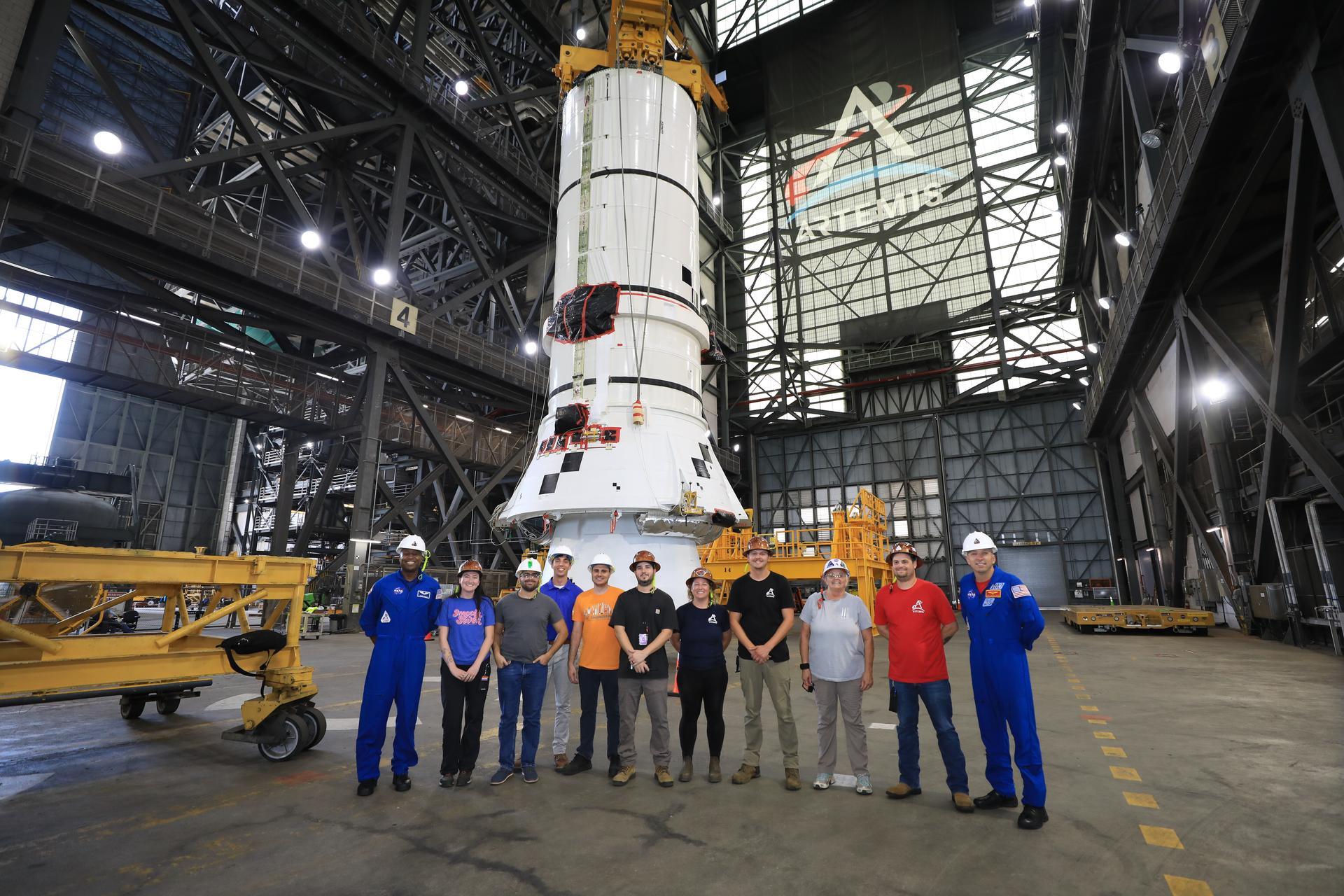
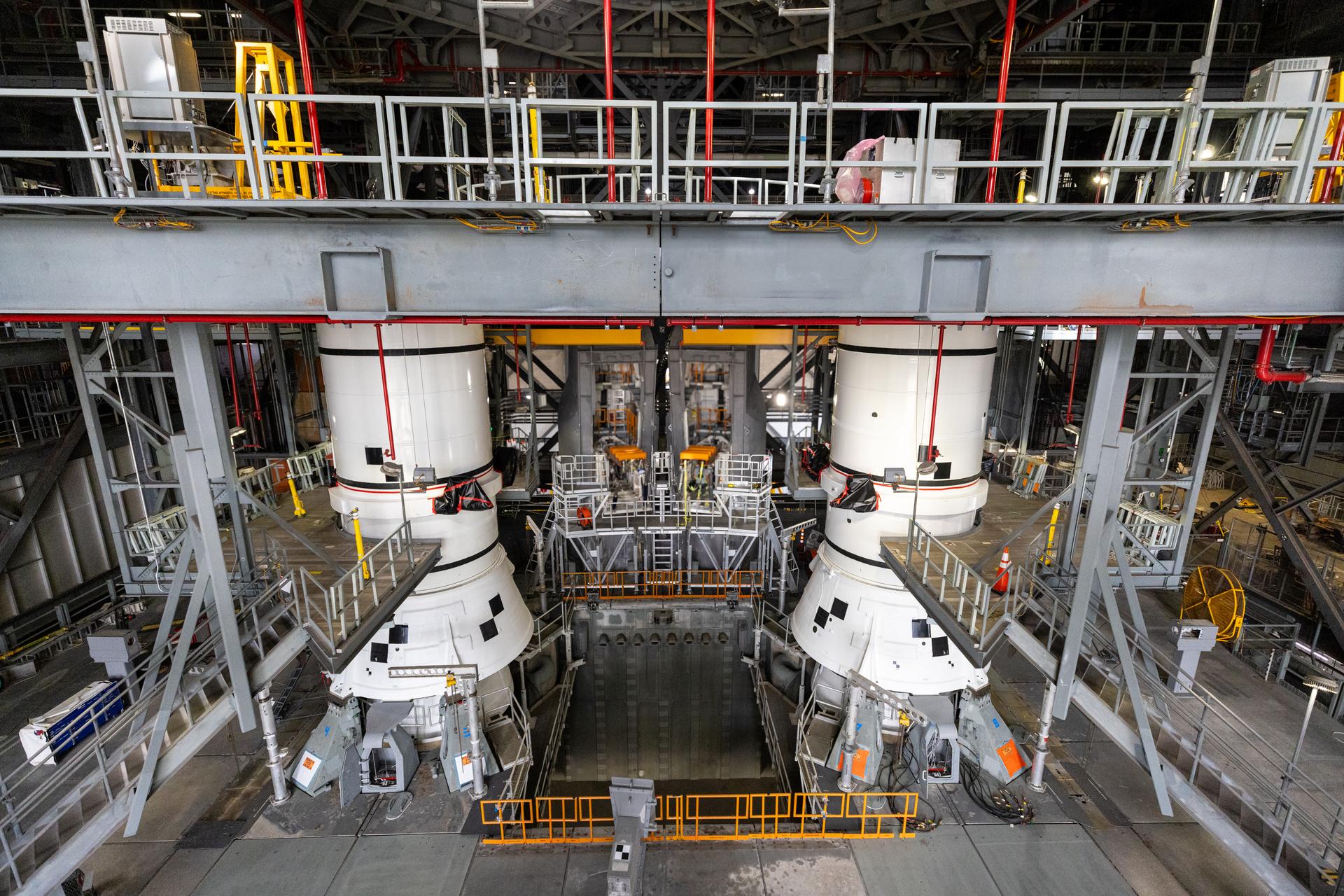
Less than three months after the safe return of the Artemis II crew, teams began stacking the twin SLS (Space Launch System) solid rocket booster segments inside Kennedy’s Vehicle Assembly Building (VAB) in July, beginning with the left-hand aft assembly. The remaining segments were shipped via train to Kennedy in June, and they will be inspected, processed, and coated at the center’s Rotation, Processing, and Surge Facility and then placed into lift stands for further processing. Upon completion, teams will transport each remaining booster segment from the facility to the VAB to stack on top of the mobile launcher that has undergone repairs since the agency’s Artemis II launch.
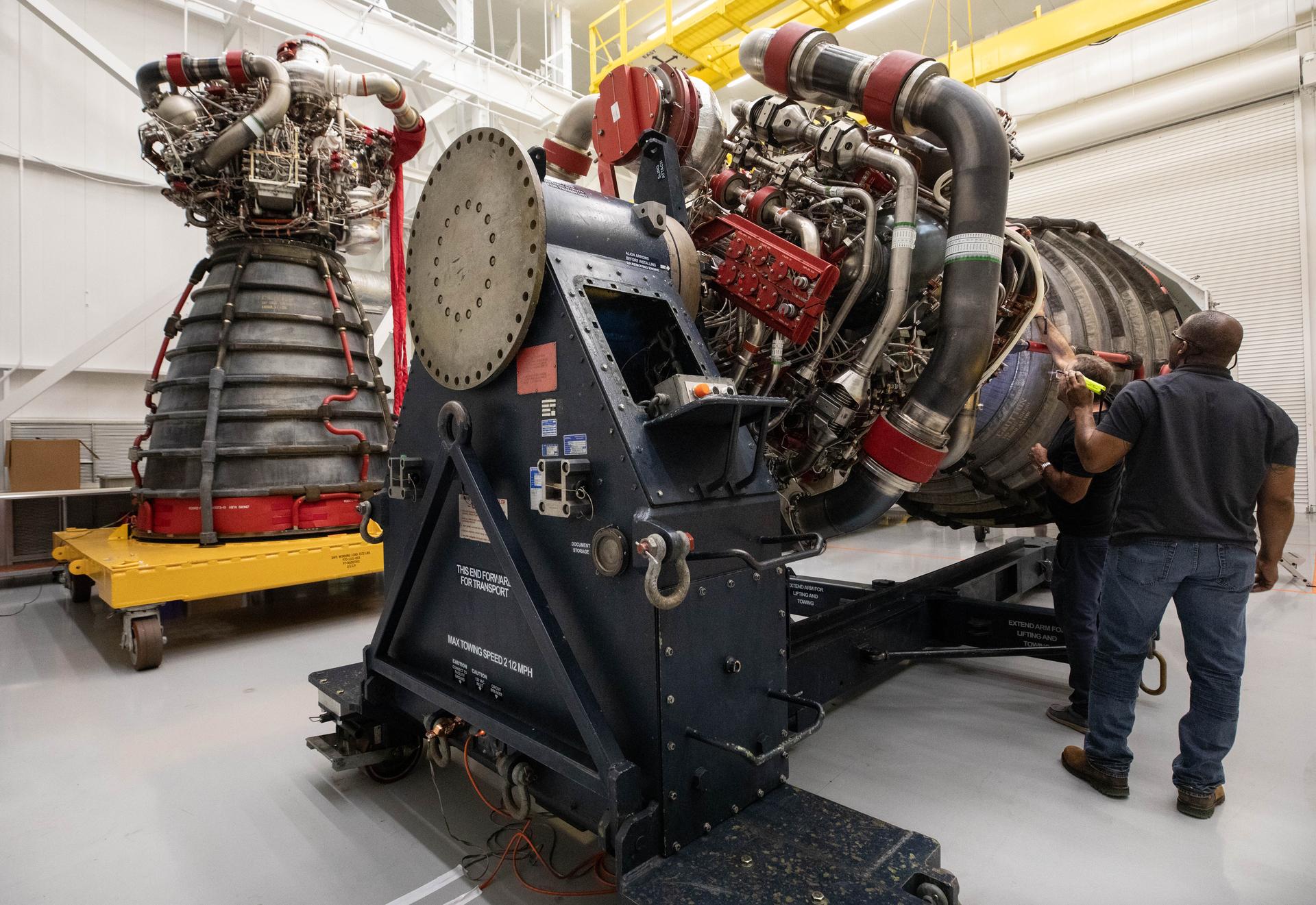
In parallel, SLS core stage processing is underway inside the VAB, and in May, teams connected the four-fifths rocket stage with its engine section. The first two RS-25 engines arrived at the VAB in June, and once all four engines arrive and are processed, teams will work to install them to complete the core stage for integration atop the mobile launcher and support testing and launch operations.
NASA Kennedy’s team began conducting monthly launch countdown simulations inside the Rocco Petrone Launch Control Center in May, which include practicing procedures for both loading propellant into the rocket and terminal countdown, or the last 10 minutes before launch. The team will continue rehearsing and refining procedures leading up to the mission’s launch.

Across the center inside the Neil A. Armstrong Operations and Checkout Building, technicians attached the heat shield for the Artemis III Orion crew module last week. Orion’s heat shield consists of 186 blocks of an ablative material called Avcoat, with each block meticulously and individually inspected. Upgrades were made to the heat shield design for Artemis III to achieve uniformity and consistent permeability of the Avcoat blocks, following extensive analysis and testing of unexpected behavior seen on the Artemis I heat shield.
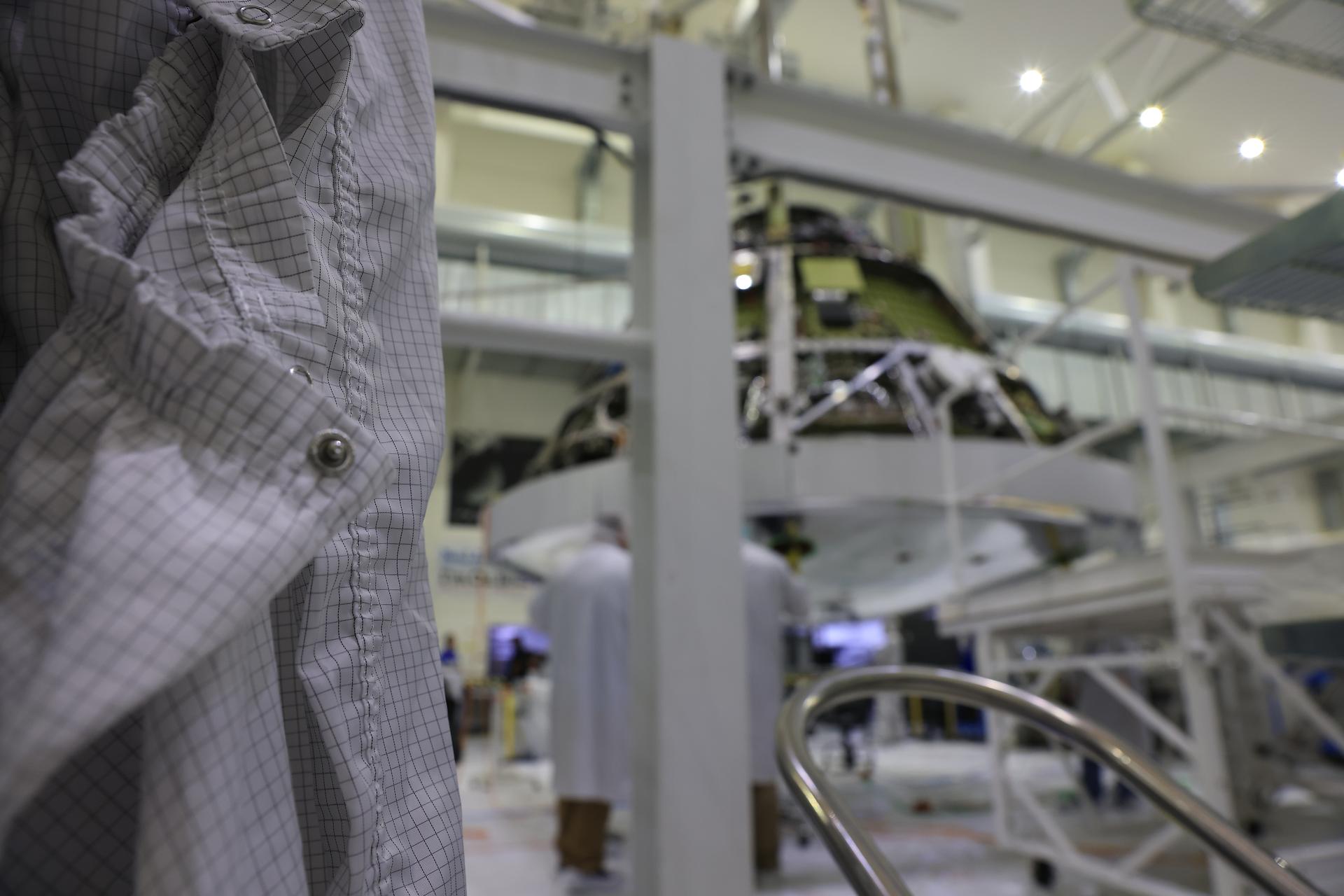
Orion’s service module for Artemis III also completed acoustic testing inside the Operations and Checkout Building earlier in the summer. To simulate vibrations experienced during launch, technicians surround the module with a wall of high‑power speakers and measure how the structure responds using microphones, strain gauges, and accelerometers. Now that the Artemis III heat shield installation onto Orion’s crew module is complete, teams are completing preparations to integrate the crew and service modules together for the crewed mission.
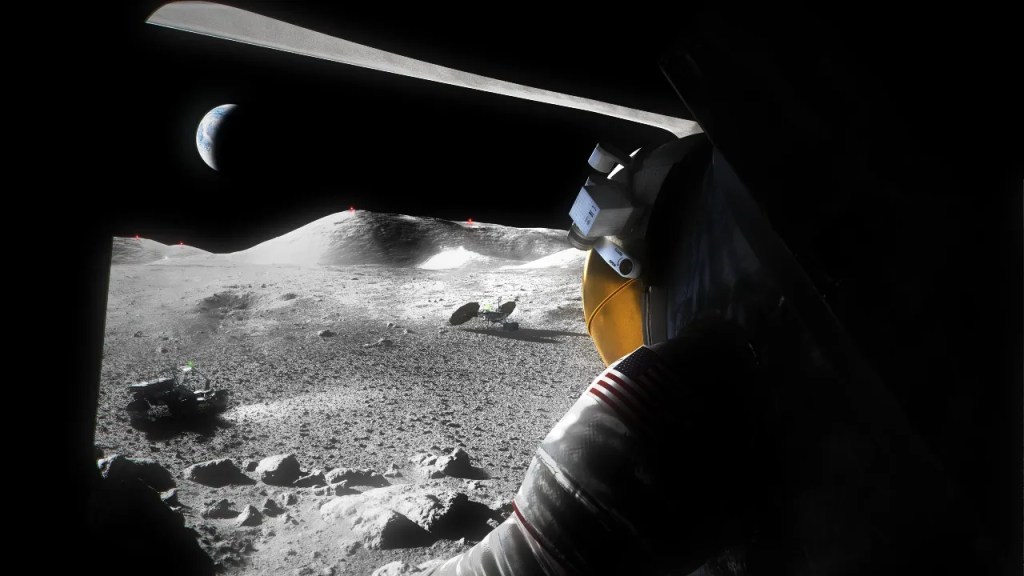
Next year’s Artemis III mission will launch astronauts to low Earth orbit aboard the Orion spacecraft on top of SLS to test rendezvous and docking capabilities between Orion and test versions of commercial human landing systems needed to land Artemis IV astronauts on the Moon in 2028.