









Suggested Searches

Blogs

    Week Wraps with Space Biology, Spacewalk Preps, and Space Station Reboost
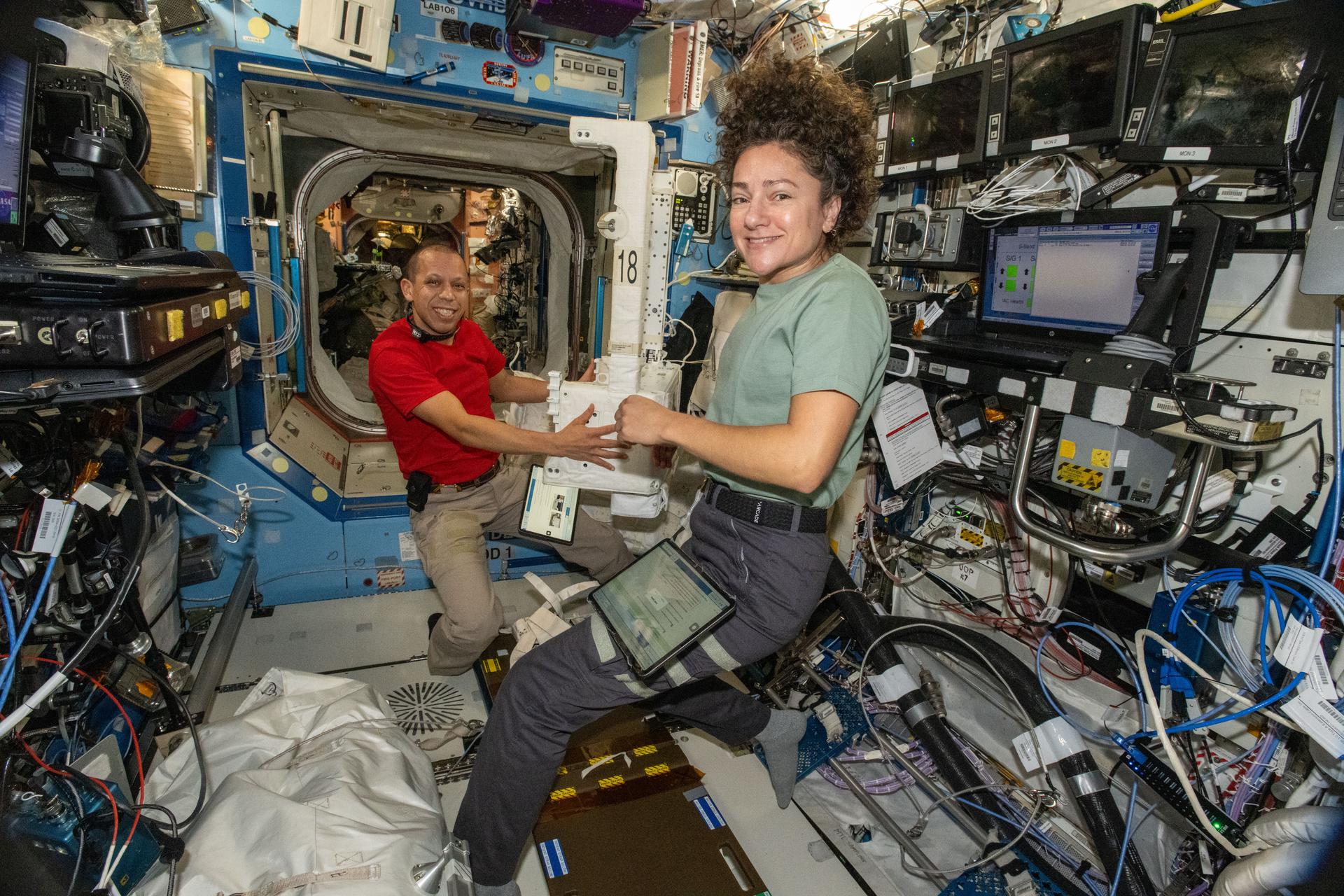
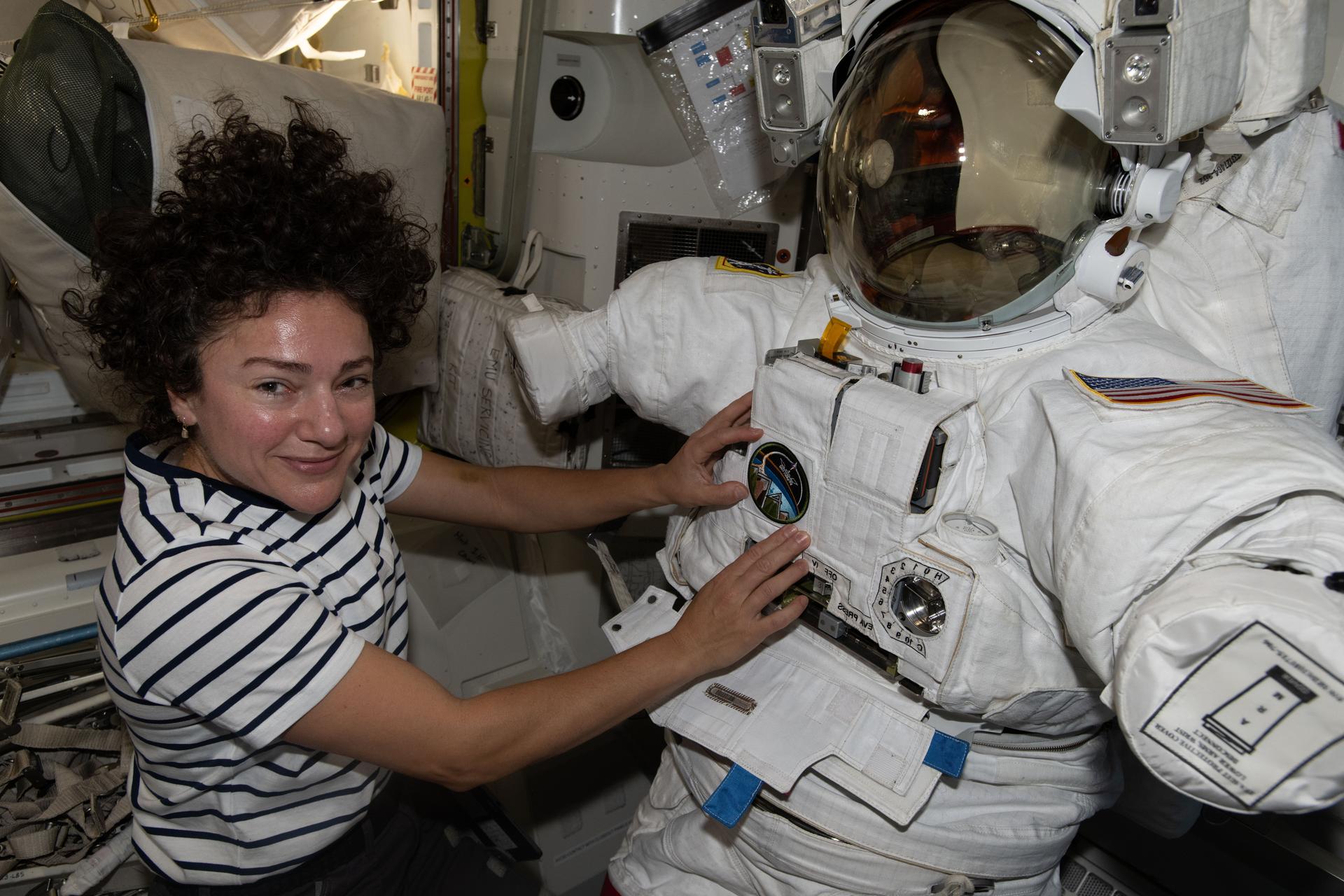
    NASA astronauts Chris Williams and Jessica Meir, both Expedition 74 flight engineers, inspect and configure a spacesuit jetpack, known as the Simplified Aid for EVA Rescue (SAFER), inside the International Space Station’s Destiny laboratory module. The jetpacks attach to the rear of spacesuits and serve as a safety mechanism that allows a spacewalker to maneuver back to the station in the unlikely event they become untethered from their worksite.

    Science hardware maintenance filled the day for the Expedition 74 crew following the release of two cargo spacecraft in less than a week at the International Space Station. The orbital residents also continued more reviews for next week’s spacewalk, kept up their ongoing human research program, and readied another spacecraft for departure.

    Read Full Post

    Artemis II Flight Readiness Polls Go to Proceed Toward April Launch

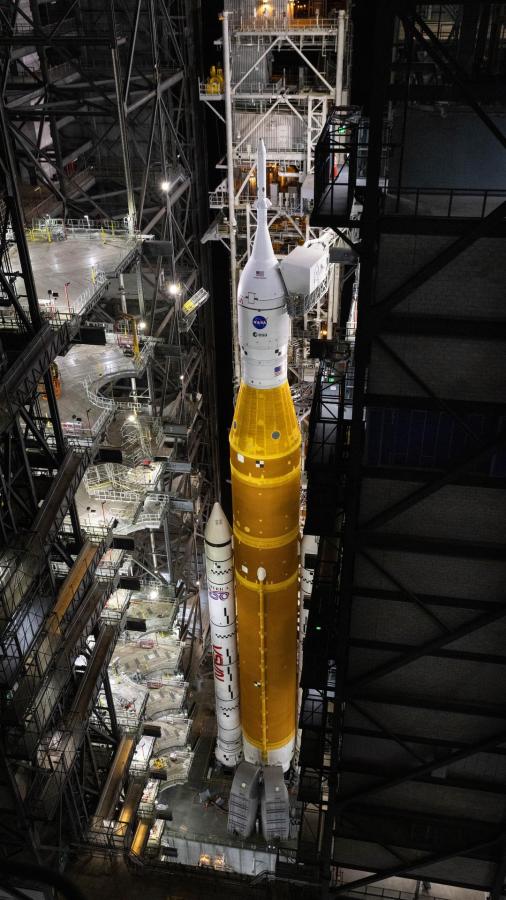
    NASA’s crawler-transporter 2, carrying NASA’s Artemis II SLS (Space Launch System) rocket with the Orion spacecraft.

    NASA completed the agency’s Artemis II Flight Readiness Review on Thursday, March 12, and polled “go” to proceed toward launch. NASA is targeting Thursday, March 19, to roll the SLS (Space Launch System) rocket and Orion spacecraft to launch pad 39B in advance of a launch attempt Wednesday, April 1, pending close out of remaining […]

    Read Full Post

    NASA Marshall Lunar, Meteor Observatory Marks 20 Years of Discovery

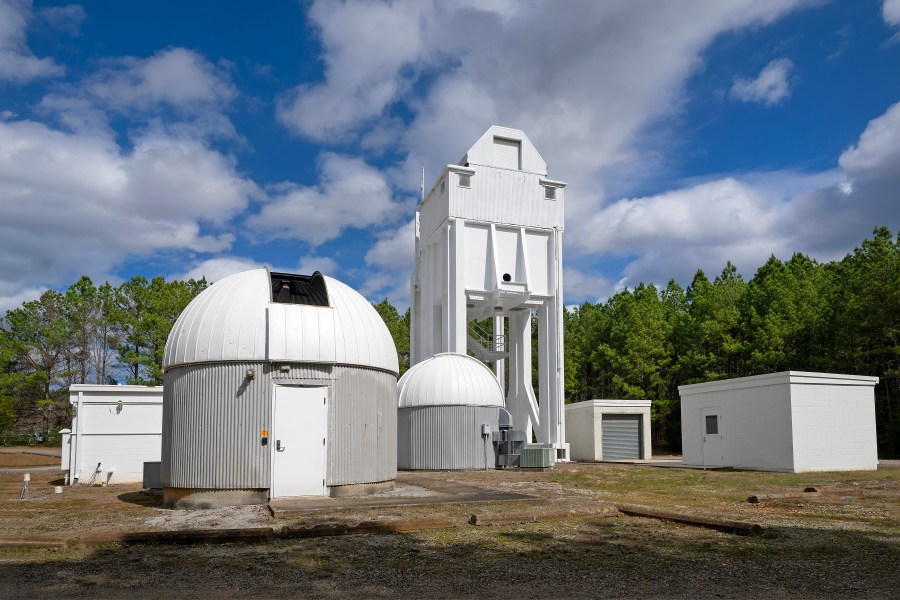
    The Automated Lunar and Meteor Observatory, or the ALaMO, at NASA’s Marshall Space Flight Center features two observatory domes, a 15-meter (50-foot) tower with a roll-off roof, and an operations center with laboratory space, enabling coordinated and repeatable observations.

    For two decades, NASA’s Automated Lunar and Meteor Observatory has helped scientists track meteors, observe impacts on the Moon, and better understand the space environment future explorers will face. For a fraction of a second, a tiny rock traveling through space can strike the lunar surface or streak across the sky producing a brief burst […]

    Read Full Post

    Canadarm2 Releases Cygnus XL Spacecraft Ending Cargo Mission

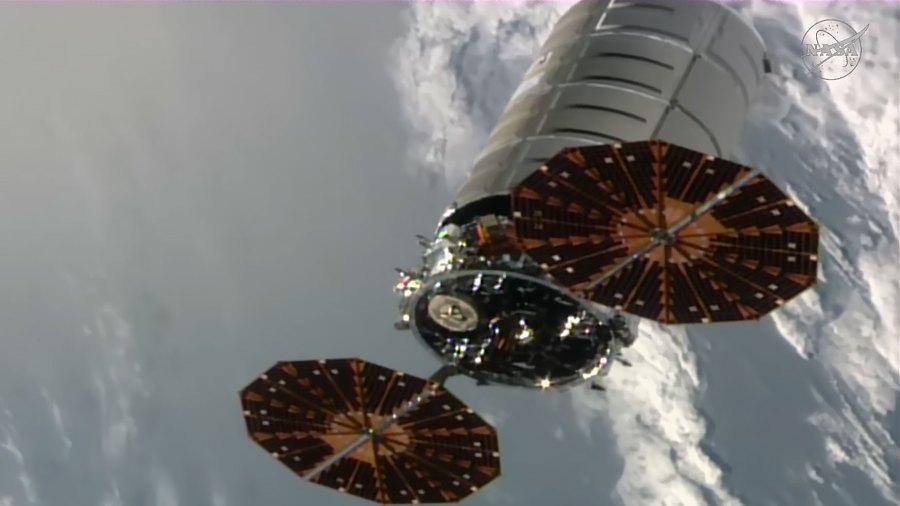
    The Cygnus XL cargo spacecraft departs the International Space Station after its release from the Canadarm2 robotic arm.

    At 7 a.m. EDT, the Northrop Grumman Cygnus XL spacecraft was released from the Canadarm2 robotic arm, which earlier detached the cargo spacecraft from the Earth‑facing port of the International Space Station’s Unity module. At the time of release, the station was flying about 260 miles over ______.

    Read Full Post

    Cygnus XL Spacecraft Departing Station Soon Live on NASA+

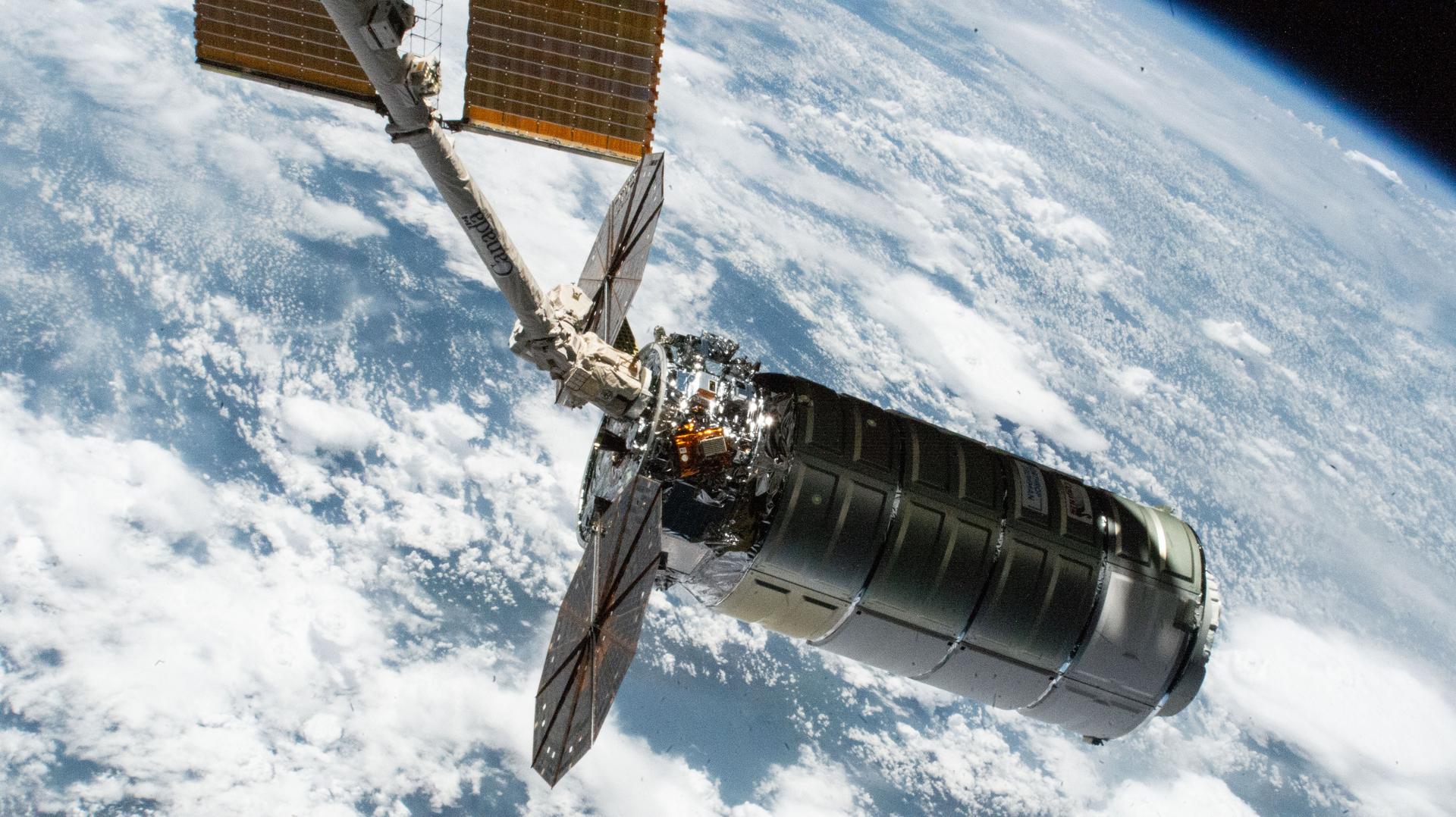
    Northrop Grumman's Cygnus XL cargo craft, carrying over 11,000 pounds of new science and supplies for the Expedition 73 crew, is pictured in the grips of the International Space Station's Canadarm2 robotic arm following its capture. Both spacecraft were orbiting 257 miles above Tanzania. Cygnus XL is Northrop Grumman's expanded version of its previous Cygnus cargo craft increasing its payload capacity and pressurized cargo volume.

    Live coverage of the departure of the Northrop Grumman’s uncrewed Cygnus XL cargo spacecraft from the International Space Station is underway on NASA+, Amazon Prime, and the agency’s YouTube channel. The spacecraft’s release from the robotic arm is scheduled for 7 a.m. EDT.

    Read Full Post

    NASA’s Dragonfly Mission Begins Rotorcraft Integration, Testing Stage

    NASA Dragonfly’s integration and testing – the activities involved in assembling the mission’s rotorcraft lander and testing it for the rigors of launch and extreme conditions of space – is officially underway in clean rooms and control rooms at the Johns Hopkins Applied Physics Laboratory (APL) in Laurel, Maryland. In partnership with teams across government, […]

    Read Full Post

    How NASA’s Webb Helped Rule Out Asteroid’s Chance of 2032 Lunar Impact

    Editor’s Note: This post highlights data from Webb science in progress, which has not yet been through the peer-review process. These results were reported as part of NASA’s role in the International Asteroid Warning Network. NASA’s James Webb Space Telescope recently made new observations of the asteroid 2024 YR4, which we already knew poses no […]

    Read Full Post