





Dragon Splashes Down and Returns Science, Cargo
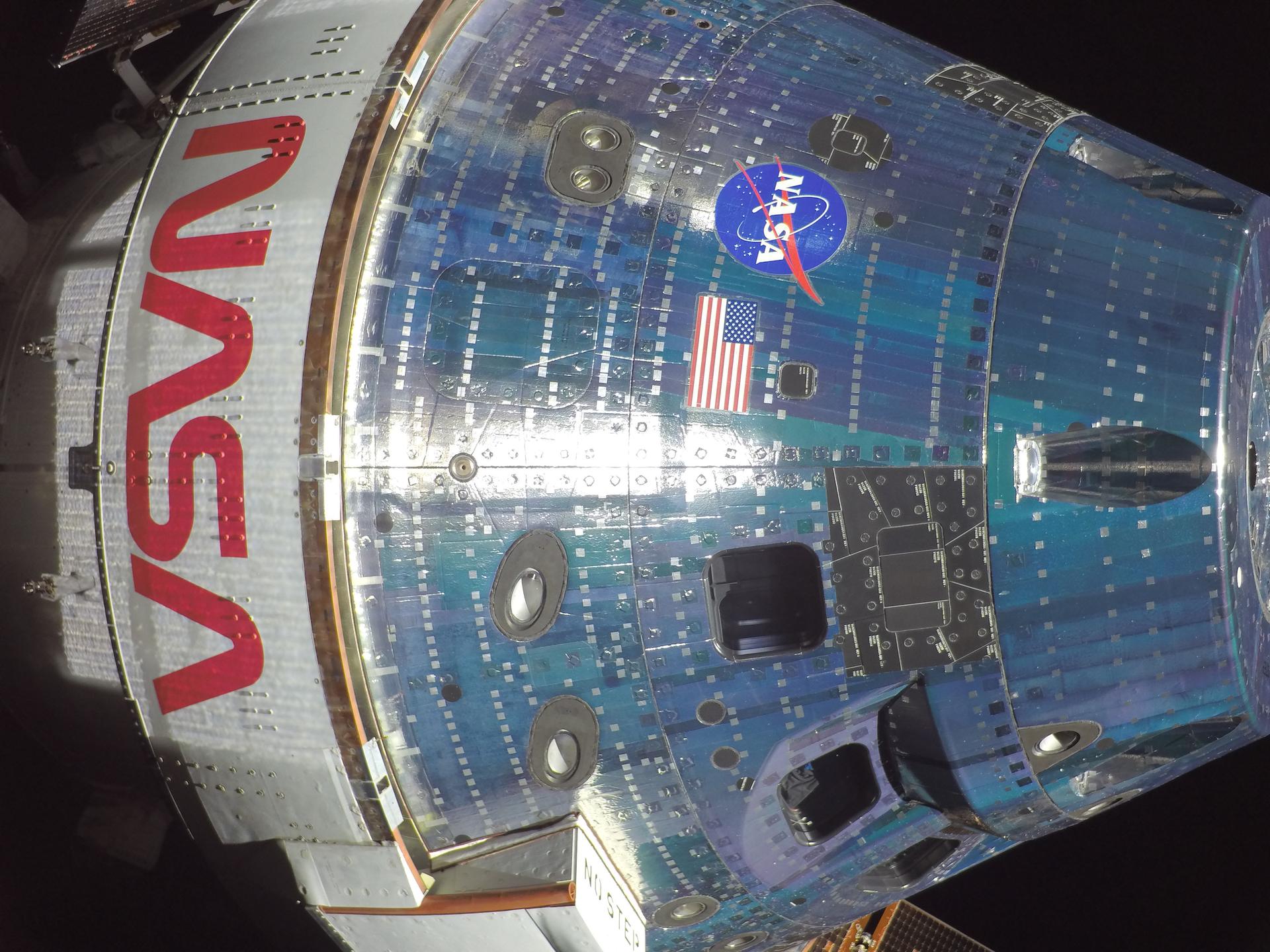
At 11:44 p.m. PST, the unpiloted SpaceX Dragon spacecraft splashed down off the coast of California, marking the return of the company’s 33rd Commercial Resupply Services mission to the International Space Station for NASA.
Loaded with thousands of pounds of crew supplies, science experiments, and equipment, the spacecraft undocked at 11:05 a.m. CST on Feb. 26, from the forward-facing port of the space station’s Harmony module.
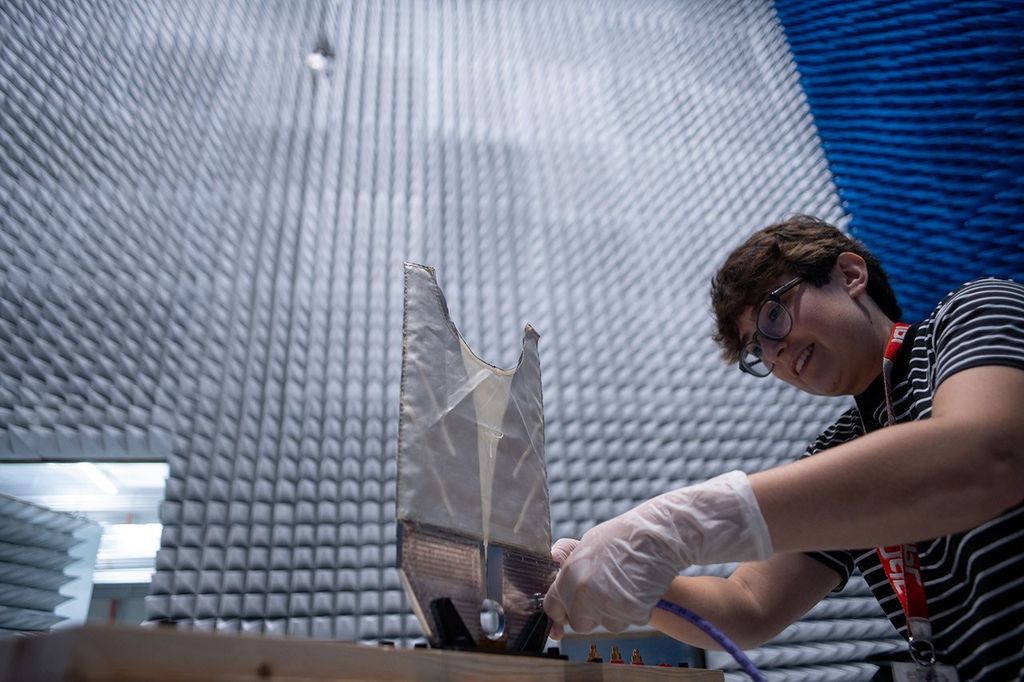
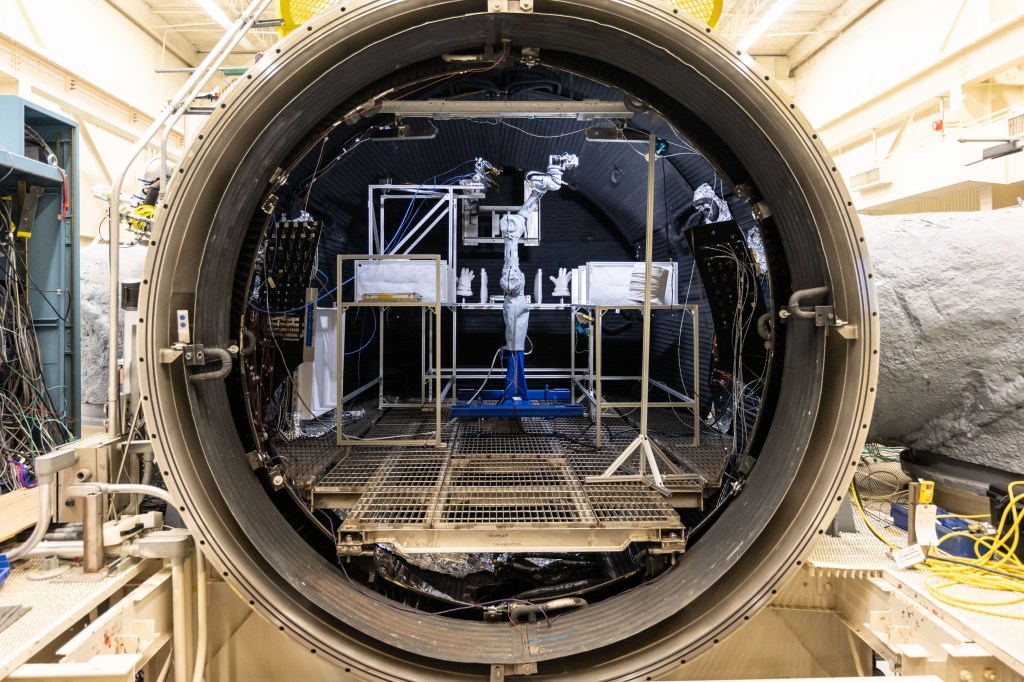
Several scientific investigations are returning aboard Dragon, offering insights that could help shape future space exploration and life on Earth. The Euro Material Ageing study exposed 141 samples to space for a year to examine how coatings, insulation, and 3D-printed materials degrade, while Thailand’s Liquid Crystals experiment observed the stability of films used in electronics in microgravity. Both could lead to stronger spacecraft, better displays, and improved optical devices on future missions.
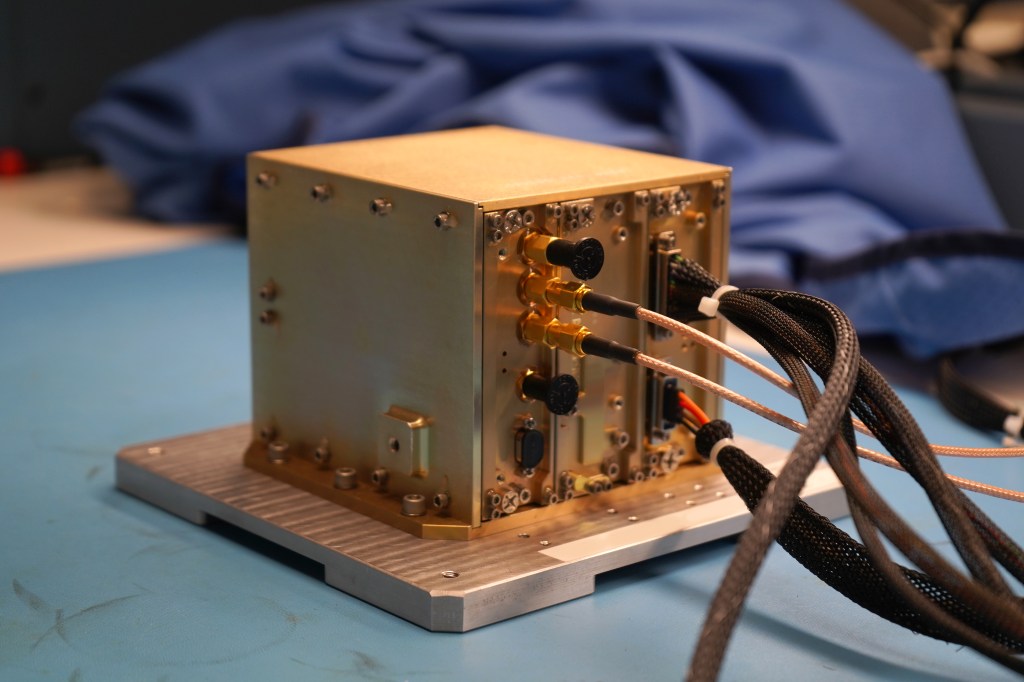
Frozen samples from the Stellar Stem Cells Mission 2 experiment are helping study how microgravity affects brain and heart stem cell growth, which could improve treatments for diseases such as ALS and Parkinson’s disease. The SpaceDuino project is paving the way for more low-cost instruments after successfully measuring vibrations using a commercially available single-board computer and open-source software. The Moon Microscope also successfully tested a portable diagnostic kit for blood analysis in space that could support future missions to the Moon and Mars.
The Dragon spacecraft supporting the mission also introduced a new capability to reboost the space station, helping maintain its altitude and counter atmospheric drag, which is critical for safe operations and the long-term sustainability of the orbital complex. During its time docked to the station, Dragon performed six reboosts — five in 2025 and a final maneuver on Jan. 23 — before preparations for its departure began.
The spacecraft arrived at the station on Aug. 25, 2025, following its launch a day earlier on a Falcon 9 rocket from Space Launch Complex 40 at Cape Canaveral Space Force Station in Florida.
Learn more about station activities by following the space station blog, @space_station on X, as well as the ISS Facebook and ISS Instagram accounts.
Get the latest from NASA delivered every week. Subscribe here.
