









Moon Base Announcement Speech – May 26, 2026 Administrator Isaacman – Remarks
NASA Team Members,
Yesterday, we had the opportunity to update the world on NASA’s progress in building the Moon Base. I wanted to share those remarks with all of you because the accomplishments discussed are only possible through the efforts of the NASA workforce and our many partners supporting the mission.
Thank you all for being here today, and to everyone tuning in online from industry, NASA centers, classrooms, and across the country. Many watching are from the interested public, excited about the Moon Base, the latest status, what comes next, and how this grand return to the lunar surface will begin. That curiosity is exactly what NASA is supposed to inspire. It means people are looking up again, believing in big things again, and paying attention as America returns to the Moon again…this time to stay.
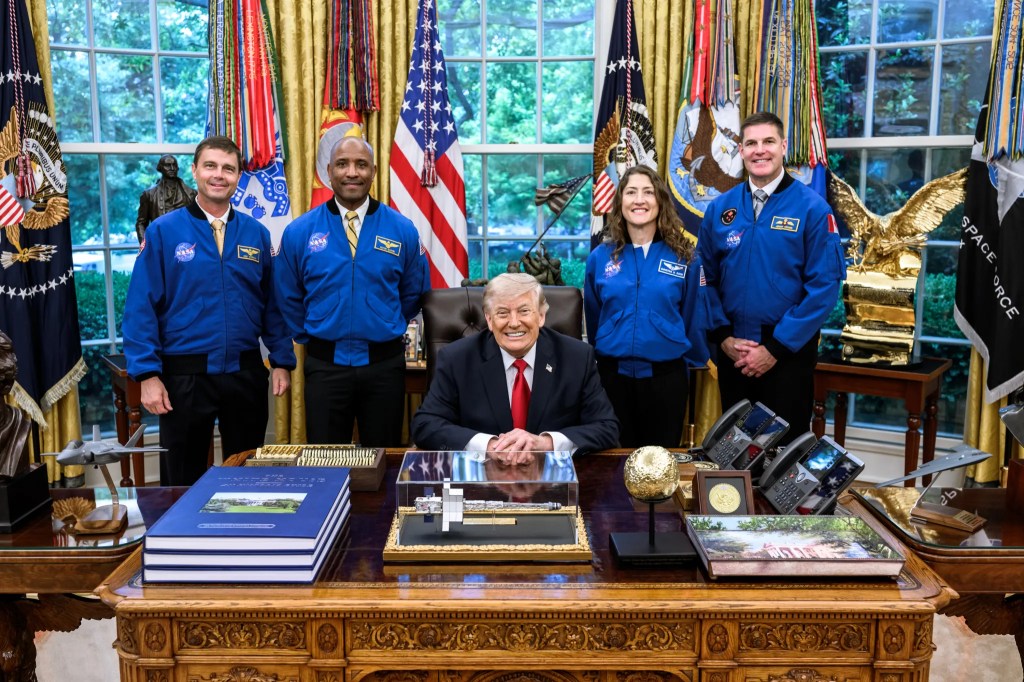
You can’t undertake and achieve the near-impossible, like establishing an endur-ing presence on another celestial body, without many contributing to the mis-sion. It starts with leadership at the top, and I would like to take a moment to thank President Trump, the bipartisan commitment from Congress, industry for adapting to meet the moment, our international partners for standing alongside us, and the tens of thousands of the best and brightest across the NASA work-force whose contributions make all of this possible.
I would like to begin by walking through the timeline that has brought us to this moment, because there has been a lot of progress in a short time, and it is im-portant to understand how deliberately your space agency is progressing.
On December 18th, President Trump signed a national space policy that reaf-firmed America’s commitment to leadership in space: to return to the Moon, es-tablish an enduring presence, build the Moon Base, invest in the next giant-leap capabilities, ignite an orbital economy, the foundations of a lunar economy, and launch extraordinary missions of science and discovery.
On March 23rd, we shared with the world exactly how we intend to achieve the vision called for in the American Space Superiority Executive Order. We hosted an event we called Ignition in this very room, with nearly 40 Artemis Accords signatories and industry partners in attendance.
On April 1st, we took an incredible step in the right direction when the clock hit zero and Artemis II got underway on an epic test mission of science, discovery, and ‘Integrity’, bringing the amazing crew home safely to Earth just under 10 days later.
As I have said before, NASA is not a procurement organization. We will not sit on our hands and wait for industry to deliver. Just as in decades past, the exper-tise and determination of NASA will drive the intended outcomes.
On that note, in the time since Artemis II, we have been very active: reviewing feedback from the Ignition event, speaking to industry, addressing supply chain challenges, having the tough conversations with those failing to meet expecta-tions, offering NASA’s assistance to solve problems, and doing the other hard things that should be expected of the worlds most accomplished space agency.
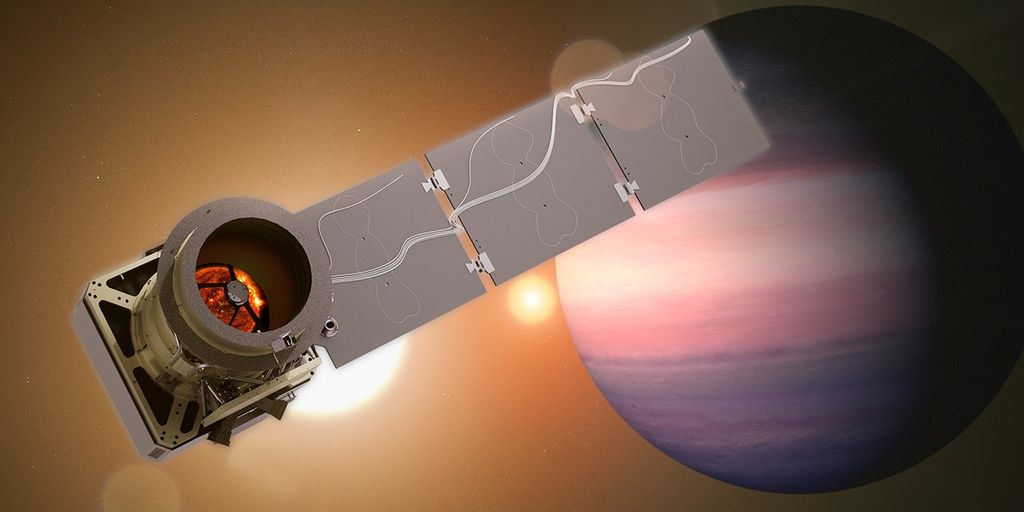
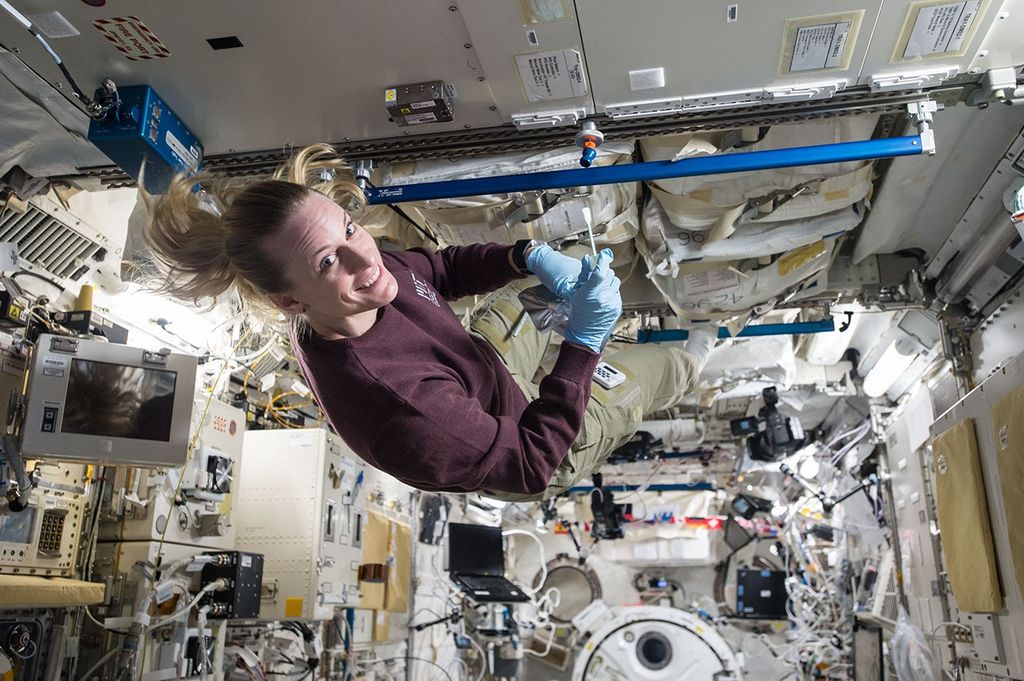
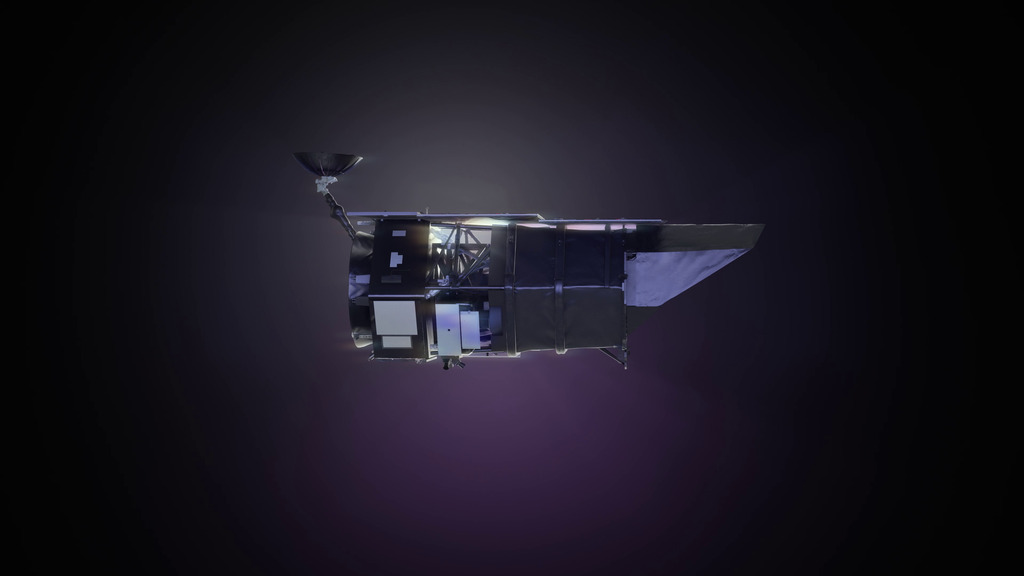
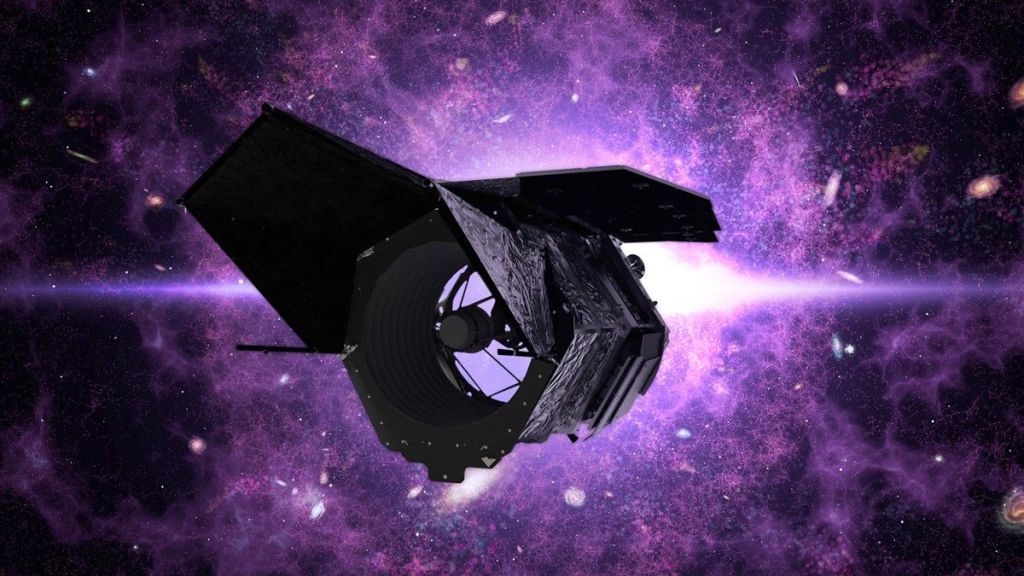
We are working alongside our lunar lander providers, preparing for the Artemis III crew announcement, and getting ready to begin stacking Artemis III this summer, with a target launch in mid-2027. Across the agency, our astronauts, controllers and PI’s have been completing great science on the International Space Station, flying more X-planes, formulating the next X-planes, getting Nancy Grace Roman ready for launch this summer, and welcoming a new Deputy Administrator, Matt Anderson.
On May 22nd, in a workforce note, alongside a series of Directives, I announced investments in the NASA organization, in our Centers, to meet the urgent priori-ties outlined in the national space policy, focus resources on the most pressing objectives, strengthen and empower the workforce and agency leadership, and today, May 26th, we are very pleased to update you on some of our progress.
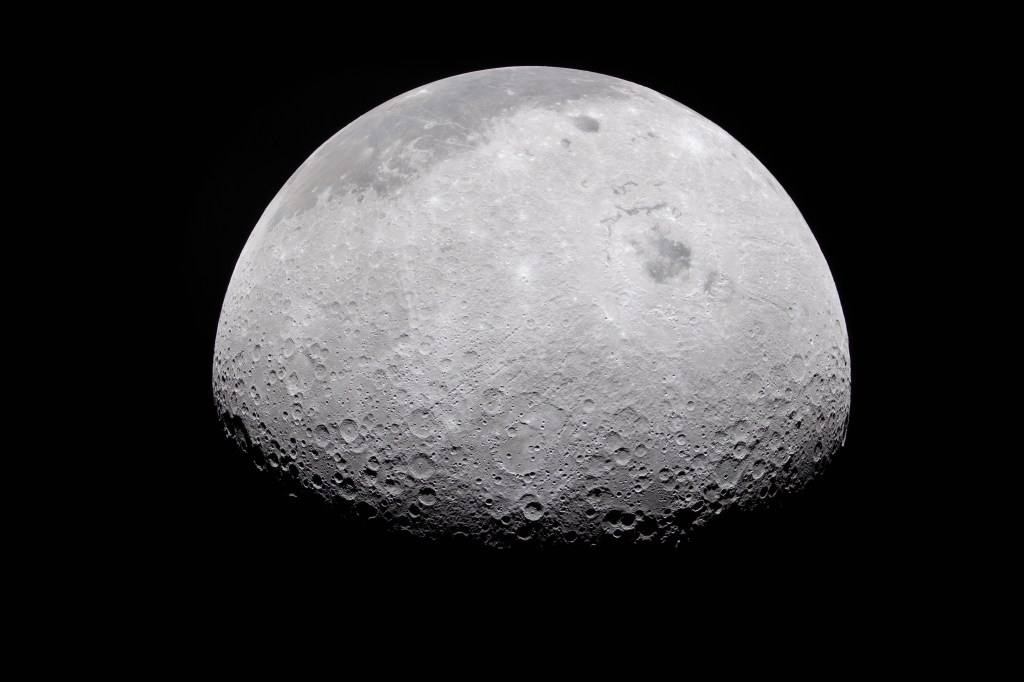
America is returning to the Moon. We are working alongside our many interna-tional and commercial partners to leverage the incredible capabilities from commercial industry to build a Moon Base.
For all we hope to accomplish in this endeavor, what we are embarking upon is extremely challenging, and we know so little from a combined 80 hours of lunar astronaut EVA time across the Apollo missions, and that was more than a half century ago.
So we are not jumping right to the glass dome Moon-base “as a service”. As we announced during the Ignition event, we intend to take an iterative approach, sending a demand signal to industry for a lot of landers, rovers, tech demonstra-tions, and all the scientific payloads these missions can accommodate.
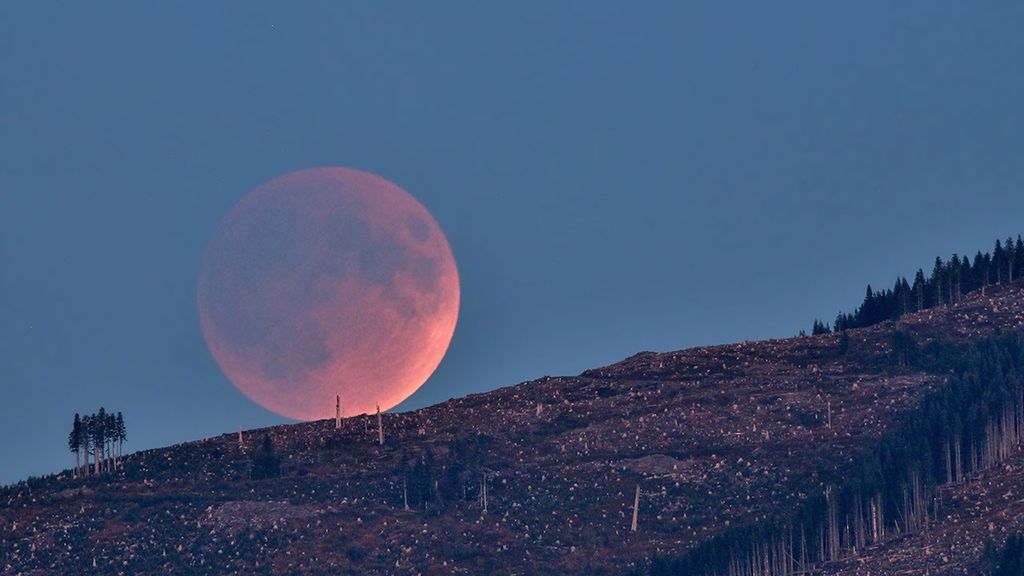
We are leveraging the NASA playbook from the 1960s, figuring out what works and what doesn’t, in this epic “Science of Survival.” Because the Moon is as beau-tiful as it is hostile.
In sunlight, the surface can heat to over 250 degrees. In darkness, it can drop well below minus 200. In the permanently shadowed craters, areas of great in-terest that have been untouched by sunlight for millions, even billions, of years, temperatures can fall below minus 400 degrees.
There is no atmosphere to moderate these extremes, no protection from radia-tion and solar particle events, and the surface is exposed to meteorite impacts, including the kind of “light flashes” the Artemis II crew observed from orbit.
Recognizing this reality, I am often asked why we send our astronauts into such a harsh, dangerous, unforgiving environment as space or the lunar surface, and at such great cost. We go for the technology we will pioneer to get there, the sci-ence and all we might learn that will make life better back on Earth, to advance humankind on this great adventure, to inspire the next generation to do it better than we can, and to be very clear, to master the skills for where we will inevita-bly go next.
I want to acknowledge the speed of the NASA Moon Base team and all those supporting the effort, alongside industry, to bring us to these announcements. We are discussing three Moon Base missions, a series of additional awards, with more missions announced in the months ahead.
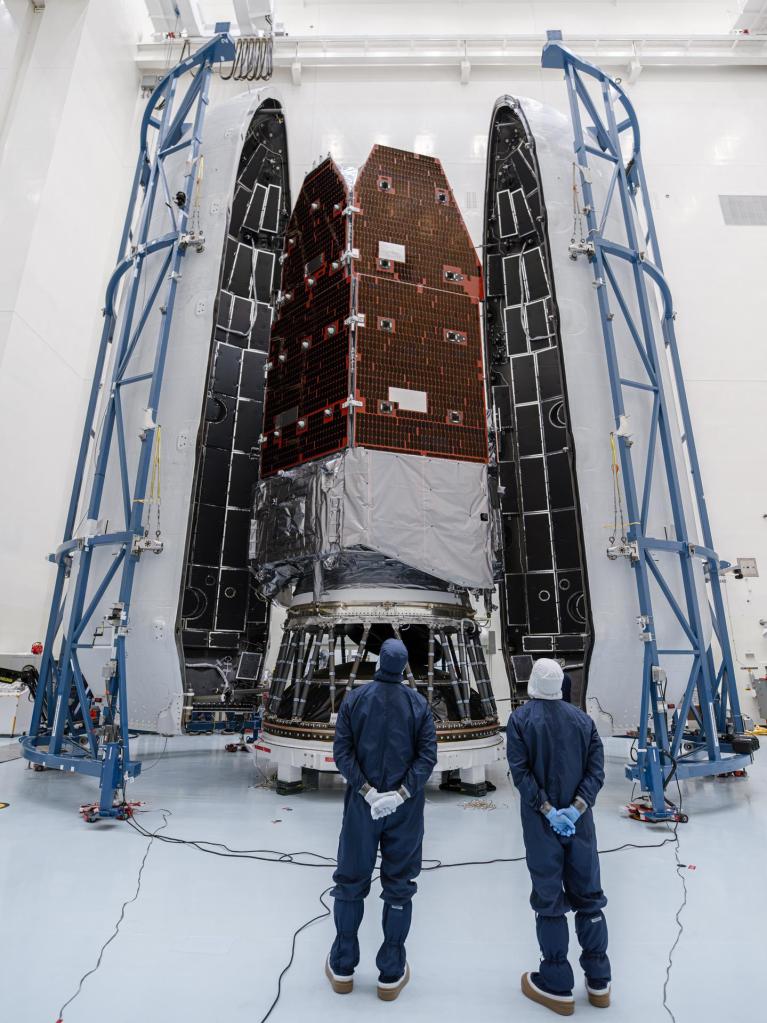
Moon Base I will be the first privately funded lunar lander mission in history. The Blue Origin Mk1 Endurance lander will deliver multiple payloads to the Shackleton Connecting Ridge, a strategic area of the lunar south pole. In addi-tion to flying two NASA science payloads, SCALPSS and a Lunar Retroreflector Array, the mission objective is to demonstrate critical capabilities that reduce risk for Human Landing System missions. On that note, every mission in sup-port of the lunar base helps us learn and derisk crewed missions, but this one is especially important because of the role Blue Origin plays in the Artemis pro-gram. The target No Earlier Than launch date is Fall 2026.
Moon Base II will be the largest commercial payload delivered to the lunar sur-face ever, though in this Moon Base endeavor, we hope to be breaking records on nearly every mission. The Astrobotic Griffin lander will carry more than 500 kilograms of cargo, including Astrolab’s FLIP rover. This mission will help ma-ture the capabilities necessary to support future lunar terrain vehicles, autono-mous operations, logistics, and especially astronaut mobility.
Moon Base III will expand our scientific understanding of the lunar surface. The mission will deliver the first payload selected through NASA’s PRISM initiative, a program that brings together universities, researchers, and industry through open competition to solve scientific questions. The anchor scientific mission is Lunar Vertex, which will study lunar swirls, one of the Moon’s most intriguing mysteries. These unusual formations appear brighter than their surroundings, as portions of the lunar surface are somehow shielded from the effects of the so-lar wind. Understanding why they exist could improve our understanding of how the lunar environment evolves, how surface materials change over time, and how future infrastructure may perform in extreme conditions. The Moon Base III landing will also deliver payloads from ESA and KASI, demonstrating that the future of lunar exploration is an international effort.
Both Moon Base II and Moon Base III are targeted to launch before the end of 2026.
These represent the first of more than a dozen missions we expect to announce throughout the balance of this year, as we return, build the base, and never give up the Moon again. And as mentioned, just like in decades past, we are taking the world along with us. Though this time, and eventually through the power of orbital observation and communications satellites, we will do so with impressive detail on the Moon Base website, which launched just an hour ago.
The website will be a central hub for announcements, mission updates, imagery, video, solicitations, and procurement awards, and all the latest breakthroughs from NASA, industry, and academia. Just as the world paused to take notice of Artemis II and its historic mission, this website and all the associated Moon Base missions will inspire students, instill curiosity, promote internships, and en-courage them to work in industry as scientists, engineers, pilots, and astronauts, to build hardware that will go to the Moon, to control it from Houston, perhaps even to walk on the lunar surface as they grow-up and carry the fire during this Golden Age of Exploration.
For those waiting patiently, the grand return is close at hand, and we will not slow down. We are moving with the competence and purpose to accomplish the missions that only NASA is capable of achieving, and we are just getting started.
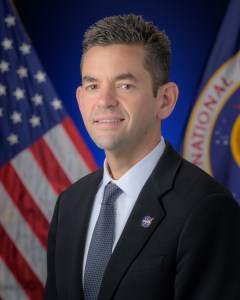
Jared Isaacman
NASA Administrator