


















Text Size
Archaeological Findings.
Mission, Goals, and Objectives
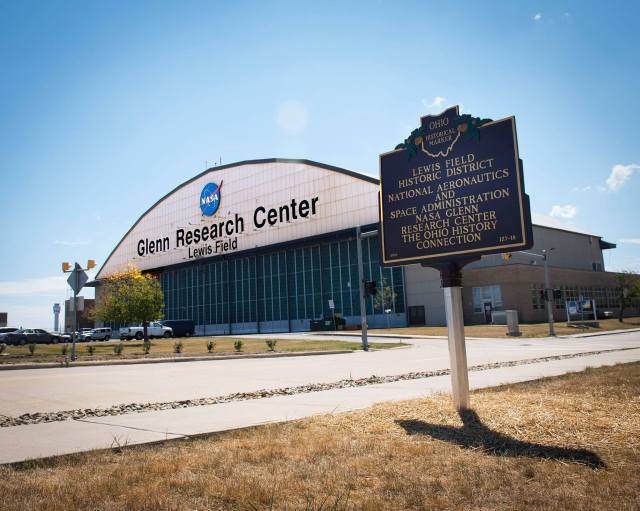
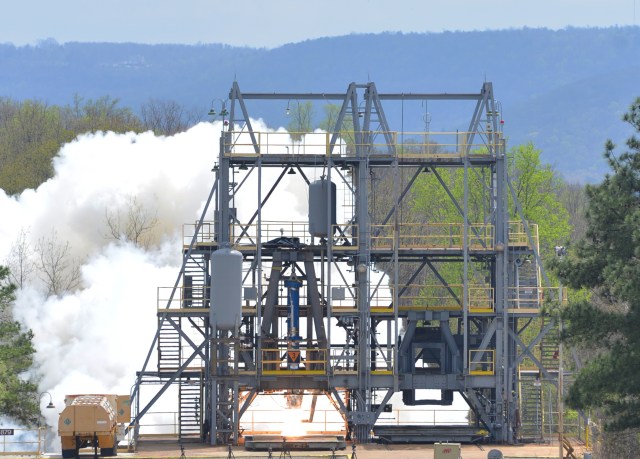
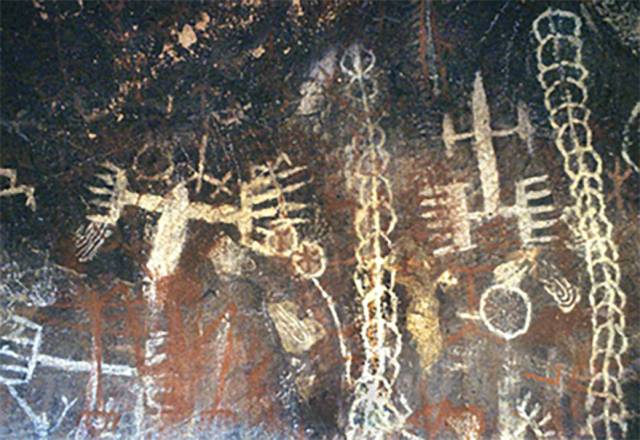
CRM is the management of NASA's historic architectural and archeological resources. Architectural resources mainly refer to real property, such as buildings, test stands, and launch pads; however, these resources can also include large personal property assets that are considered historically significant, such as rockets, equipment, airplanes, etc... Archeological resources include assets and artifacts from past uses of a property.
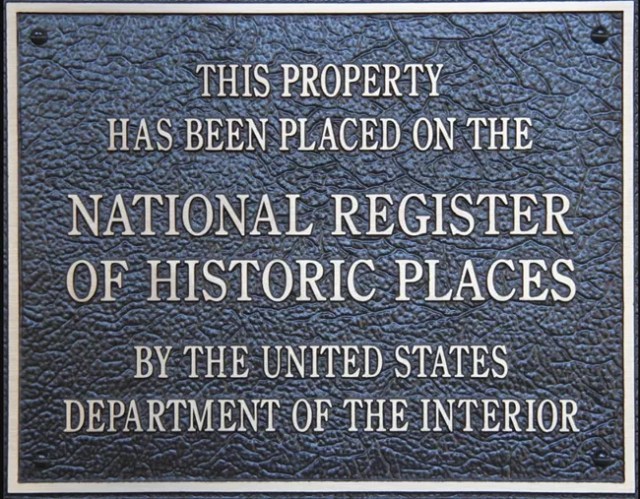
The purpose of NASA's CRM program is to manage cultural assets that are owned by NASA. NASA manages those assets that are considered historically significant to the local community, to the state or to the entire country and deemed worthy of preserving - as a cornerstone to NASA's contribution to America's history in aeronautics - and planetary and space exploration.
How CRM Supports NASA’s Mission
NASA's CRM Program is managed by the agency's Federal Preservation Officer (FPO), Environmental Management Division, NASA Headquarters (HQ), and implemented by NASA's Center Historic Preservation Officer (HPO) at NASA's 13 Centers and component facilities. The agency-wide program provides the policy and procedures to ensure NASA complies with applicable CRM regulations, such as the National Historic Preservation Act (NHPA). Non-compliance with the NHPA poses a potential schedule and cost impact to NASA missions that need to modify architectural assets that have known or possess potential historic significance. The HPOs complete the consultation process required under the NHPA to minimize the risk CRM issues pose to mission.
To learn more about NASA's CRM Program, please visit the CRM Portal.
CRM Regulatory Drivers
NASA Procedural Directives (NPDs) and NASA Procedural Requirements (NPRs)
Federal Laws
Federal Regulations
Executive Orders (EOs)
CRM Point of Contact
Jennifer Groman - NASA FPO
Related Links
Learn more about NASA's CRM Program on the CRM Portal.