



























In May 2006, NASA established the SCaN (Space Communications and Navigation) Program to unify the agency’s networks under one organization. Over the past 20 years, SCaN has become the backbone of NASA’s space communications and navigation capability, supporting everything from astronauts aboard the International Space Station to deep space science and exploration. Today, SCaN enables more than 140 missions and delivers terabytes of data daily, while continuously advancing technologies to power future exploration. The following milestones showcase a glimpse of what we have achieved over the past two decades.
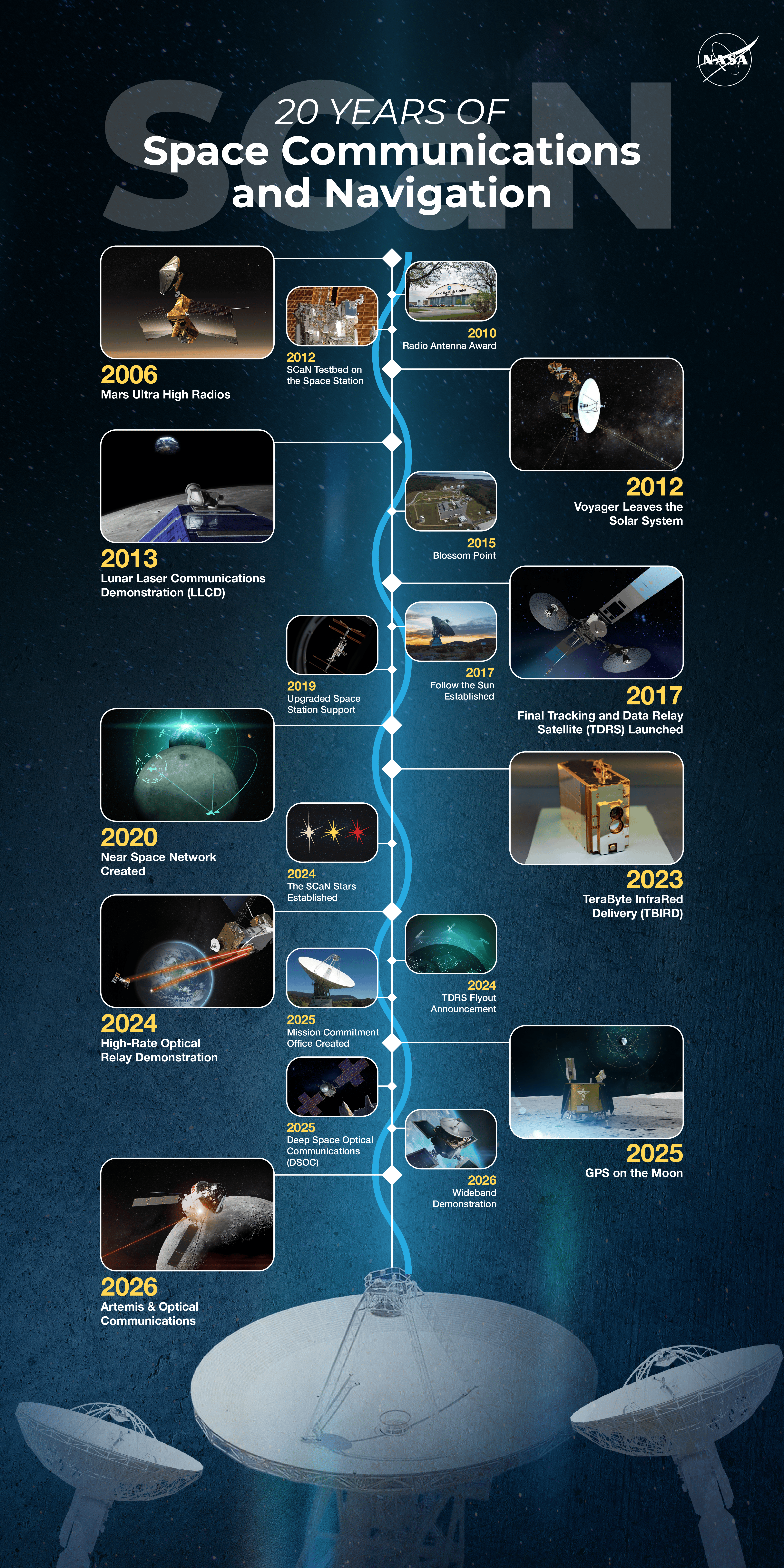
2006
Mars Ultra High Radios
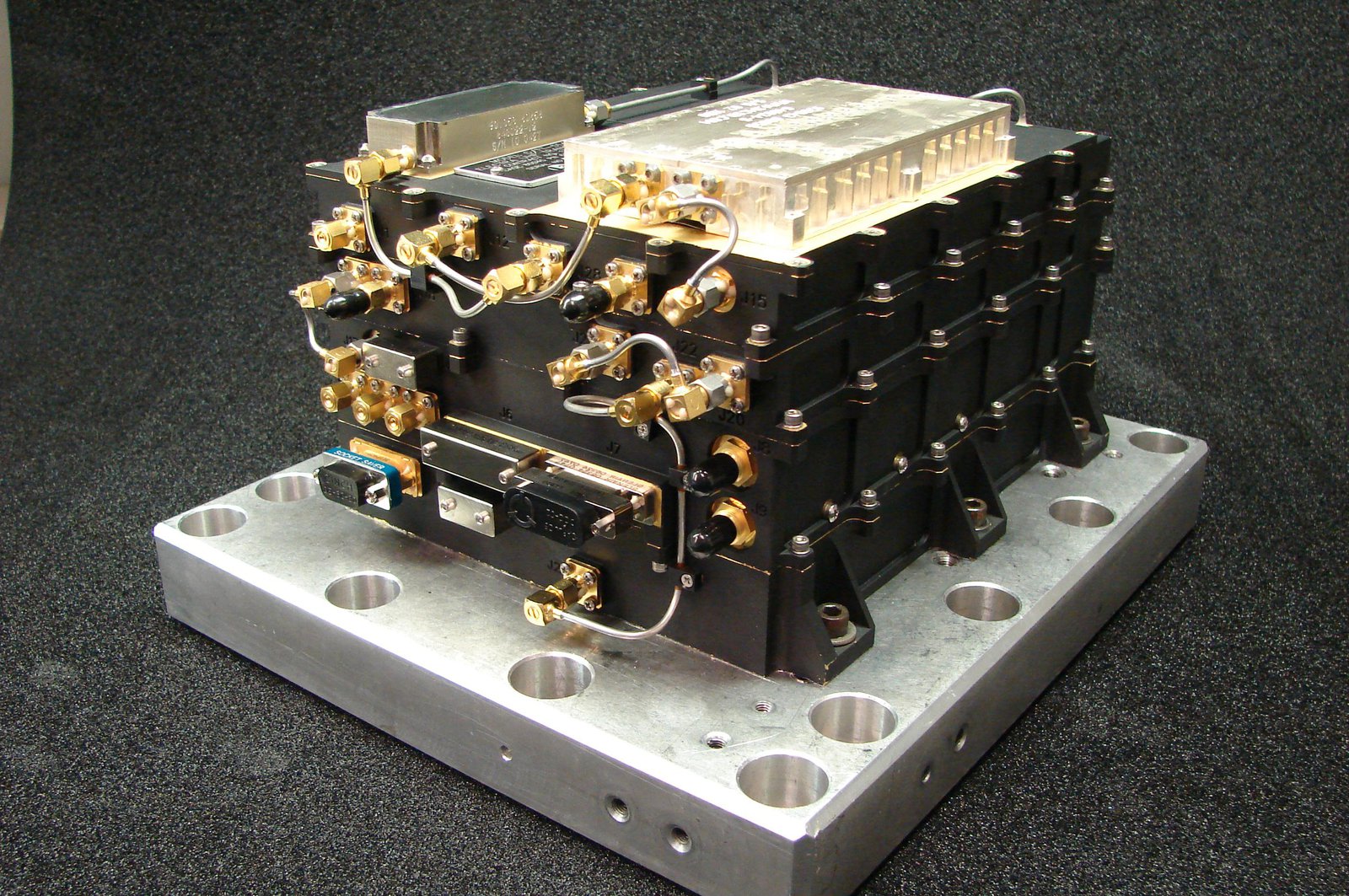
Created the Electra relay radios that transformed Mars communications by enabling high-data rate networking between surface missions and orbiters, establishing the foundation of today’s Mars Relay Network.
2010
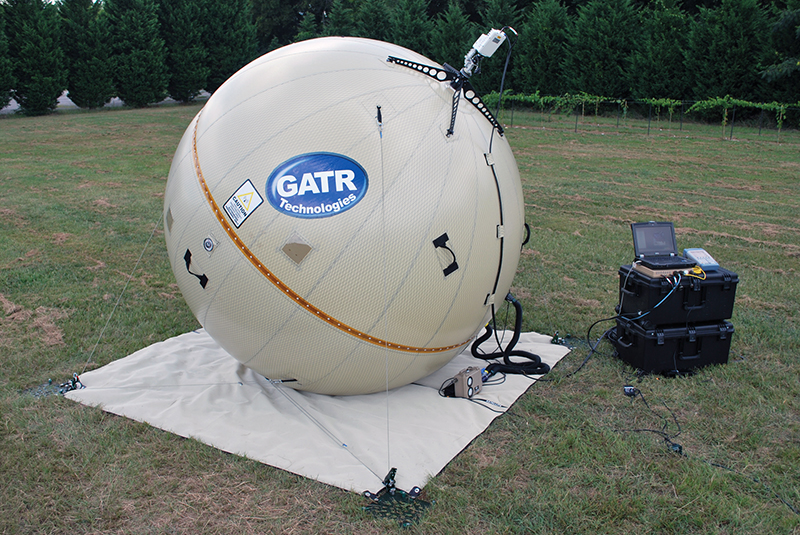
Radio Antenna Award
Earned two prestigious R&D 100 Awards for breakthrough aerospace communications antenna technologies, including inflatable ground terminal antennas later inducted into the Space Technology Hall of Fame.
2012
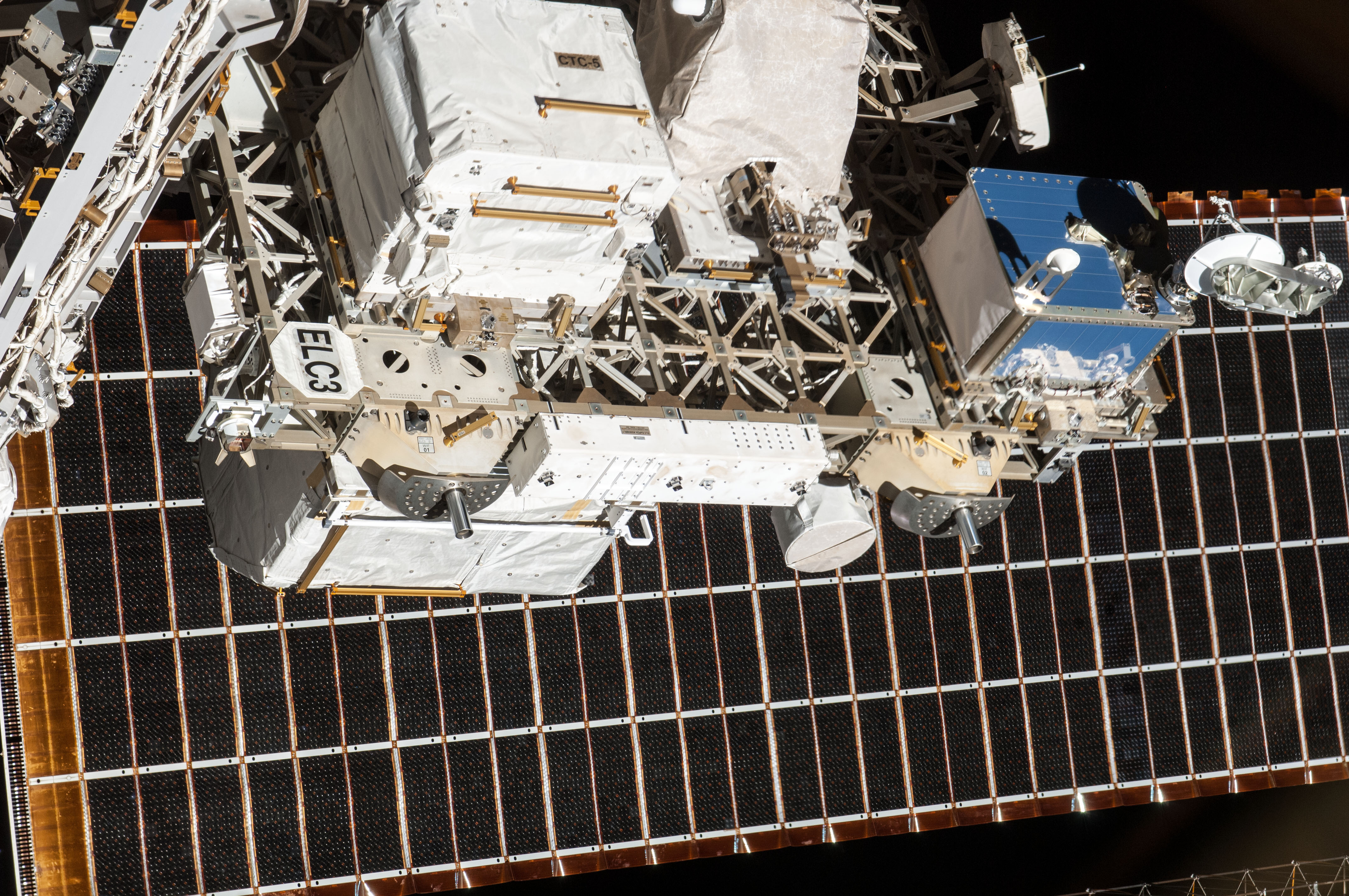
SCaN Testbed on the Space Station
Established a reprogrammable, software-defined radio in orbit, proving that space communications systems can be upgraded and adapted in real time without new hardware. The SCaN Testbed operated on the International Space Station for nearly seven years, completing more than 4,200 hours of testing.
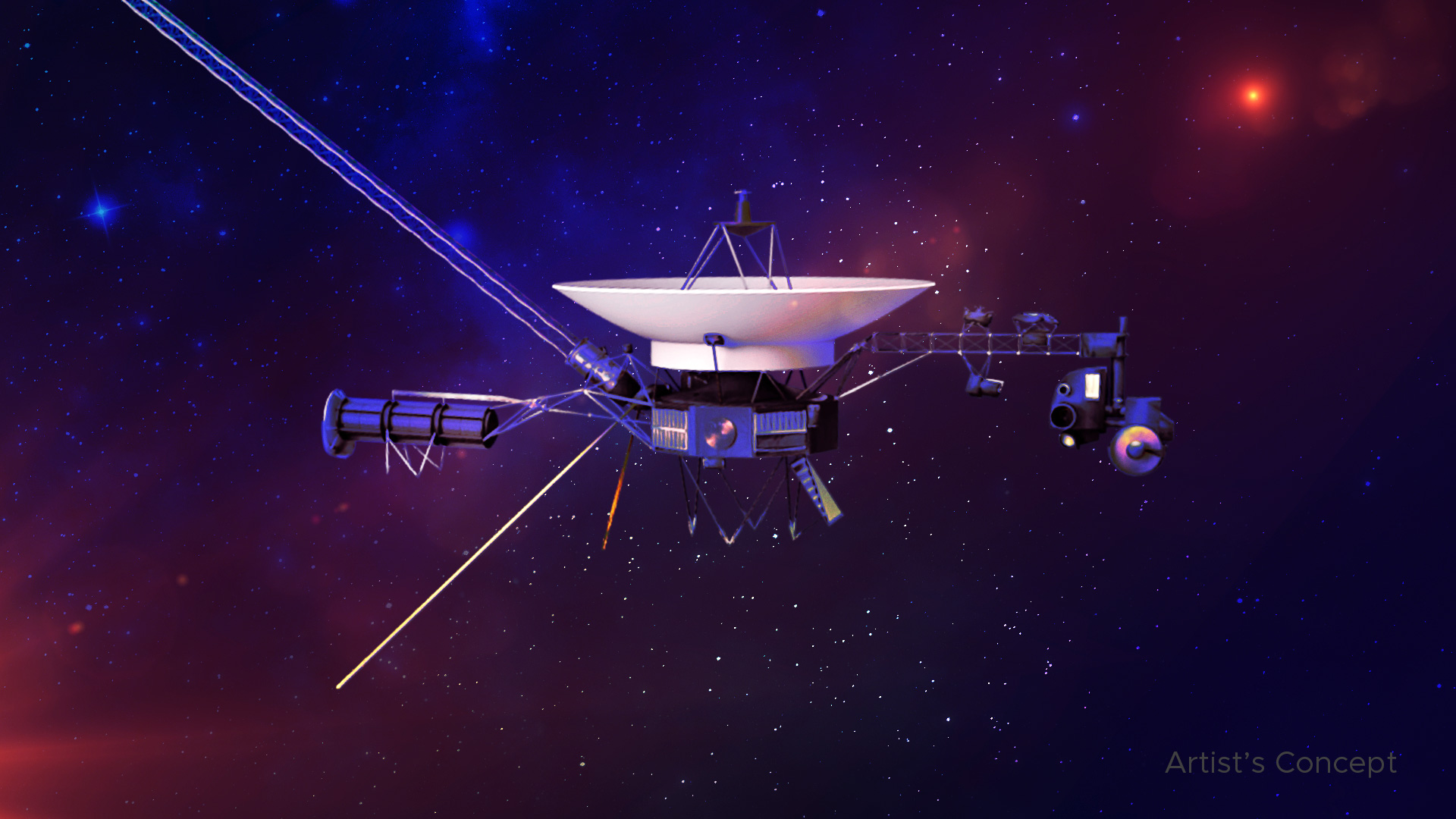
Voyager Leaves the Solar System
Communicated with the Voyager 1 spacecraft after it entered interstellar space, proving the Deep Space Network’s capacity to support exploration beyond the boundaries of our solar system.
2013
Lunar Laser Communications Demonstration
Demonstrated high-rate laser communications from lunar orbit, proving optical links can deliver dramatically more data than traditional radio systems. LLCD began SCaN’s “Decade of Light” and pioneered the way for follow-on optical demonstrations.

2015
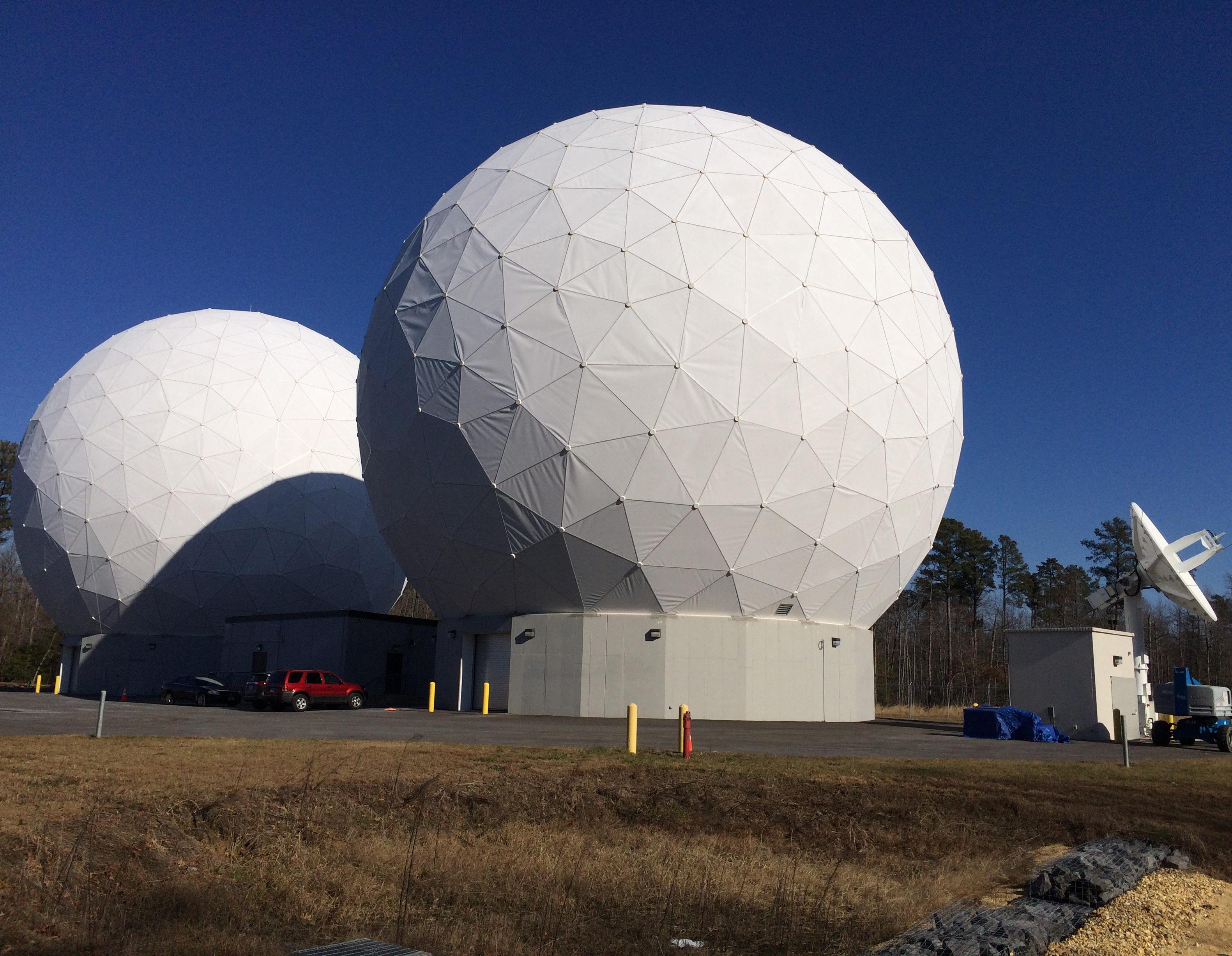
Blossom Point
Developed the Tracking and Data Relay Satellite (TDRS) system’s Blossom Point site from a single antenna to a fully functioning ground station in under a year, enabling the growing relay fleet and more downlink opportunities.
2017
Final Tracking and Data Relay Satellite Launched
Marked the final satellite in NASA’s TDRS fleet (TDRS-13), completing a decades-long backbone of near-Earth communications and paving the way for a transition to commercial relay services.
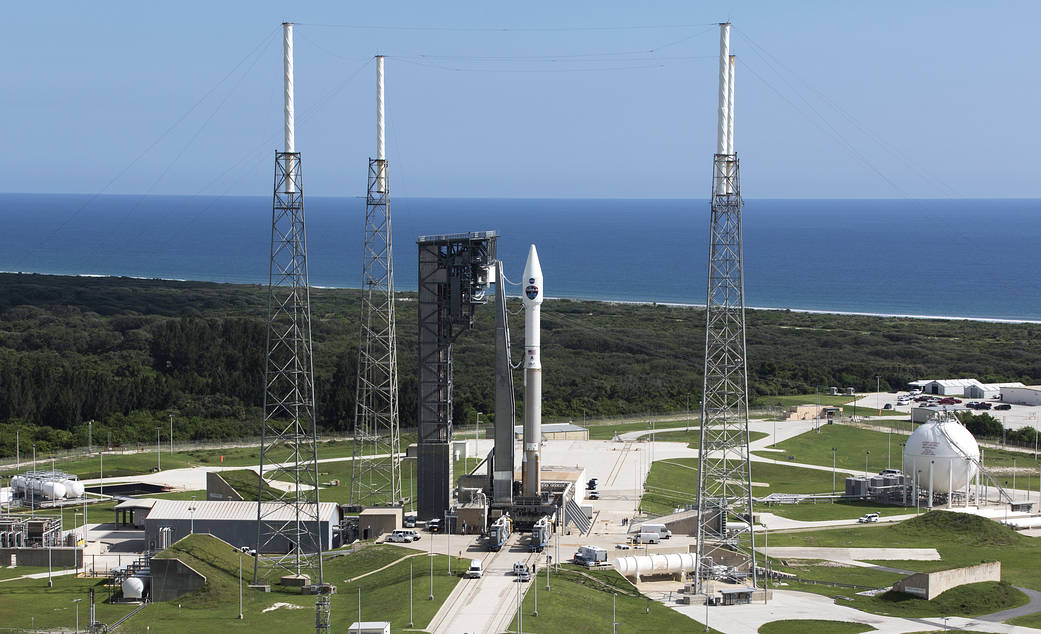
Follow the Sun
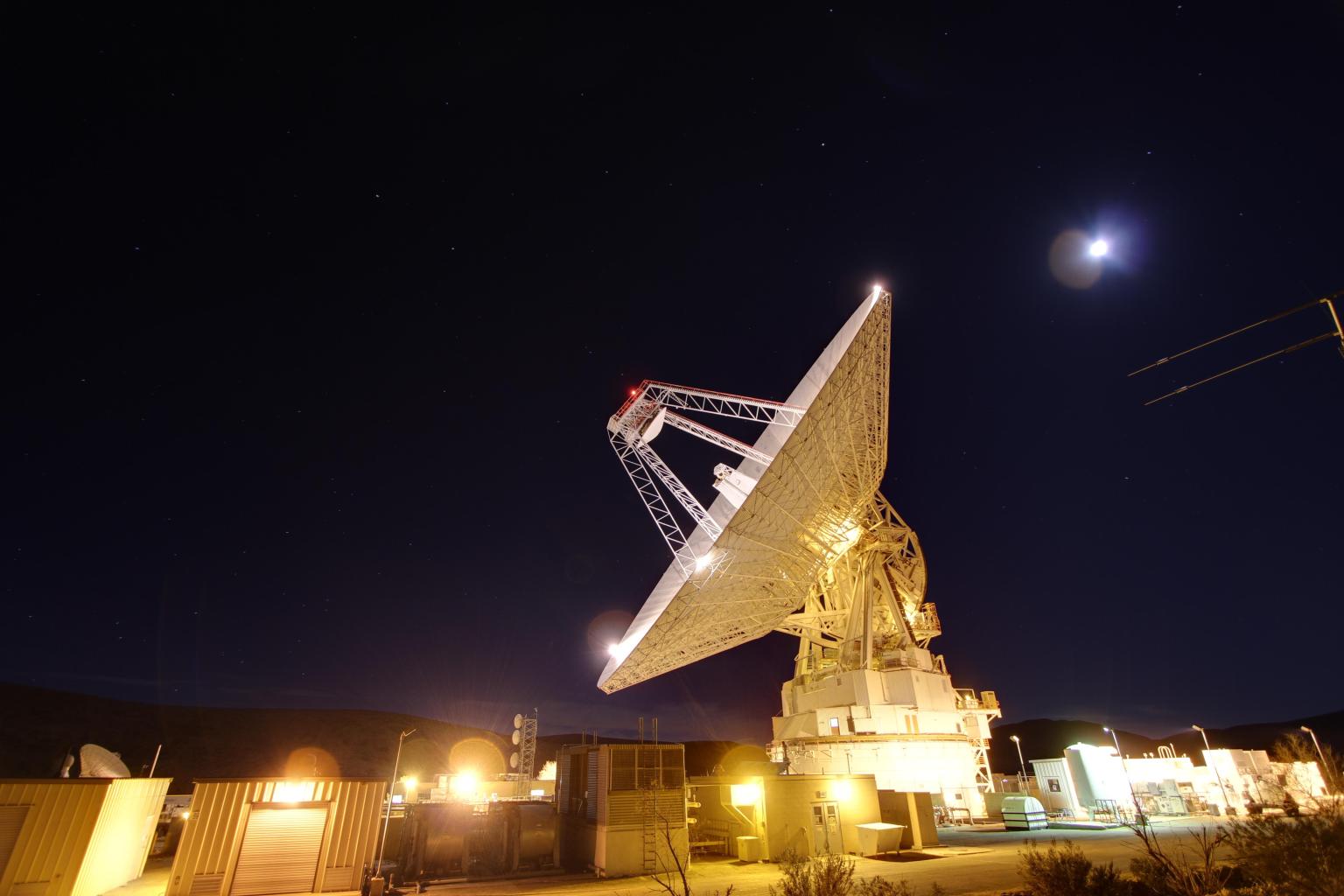
Transitioned the Deep Space Network to a global “Follow the Sun” operations model, enabling continuous, around-the-clock network support and more seamless coordination across NASA ground stations worldwide.
2019
Upgraded Space Station Support
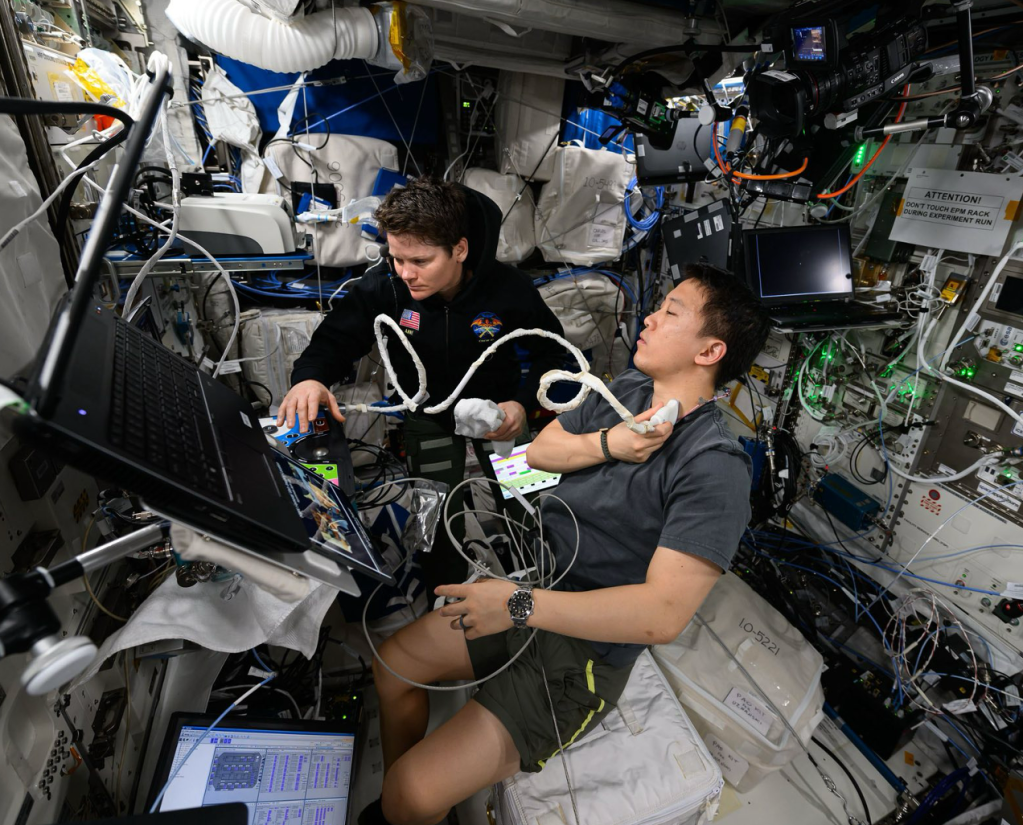
Doubled network support to the International Space Station from 300 Megabits per second (Mbps) to 600 Mbps, significantly increasing real-time data, video, and science return capabilities for crewed operations.

2020
The Near Space Network
Reorganized the Near Earth Network and Space Network into one architecture: The Near Space Network, creating a more flexible, service-based communications framework to support missions from low Earth orbit to cislunar space.
2023
TeraByte InfraRed Delivery (TBIRD)
Set new space data downlink records, culminating with the transmission of 4.8 terabytes of error-free data in a single five-minute pass at 200 Gbps, demonstrating unprecedented optical communications performance from low Earth orbit with TBIRD.
2024
High-Rate Optical Relay Demonstration
Completed an end-to-end laser communications demonstration between the Laser Communications Relay Demonstration in geosynchronous orbit and an optical payload on the Space Station using High-Rate Delay Tolerant Networking. This validated networked optical communications for future deep space architectures.

TDRS Flyout
Announced the end of new mission allocations on the Near Space Network’s TDRS fleet, formally initiating the shift from NASA-owned relay infrastructure to commercial space communication services.

2025
Mission Commitment Office
Created a unified “front door” within SCaN to streamline mission onboarding and coordination across networks, centralizing how new missions access NASA’s space communications and navigation services.
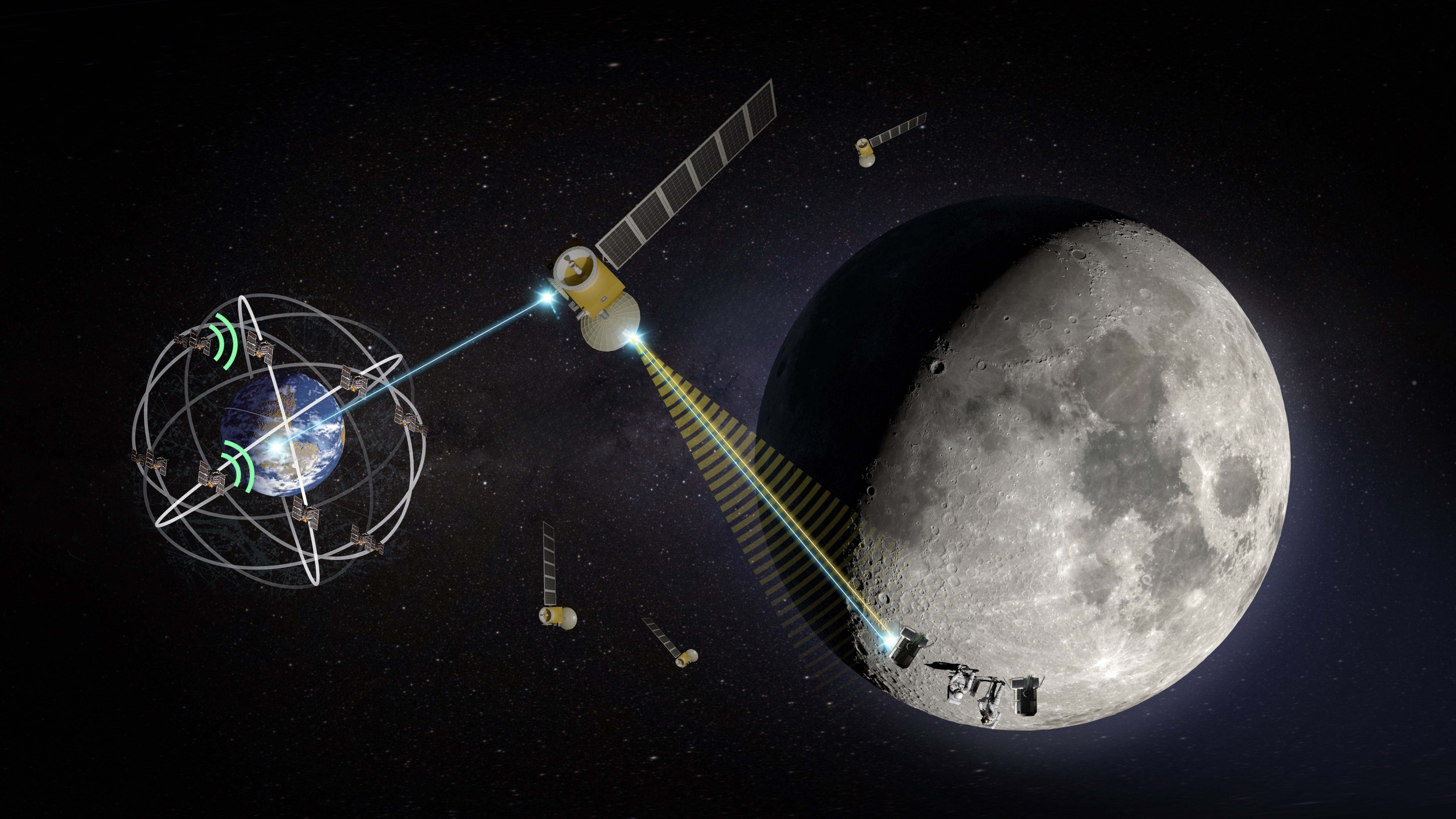
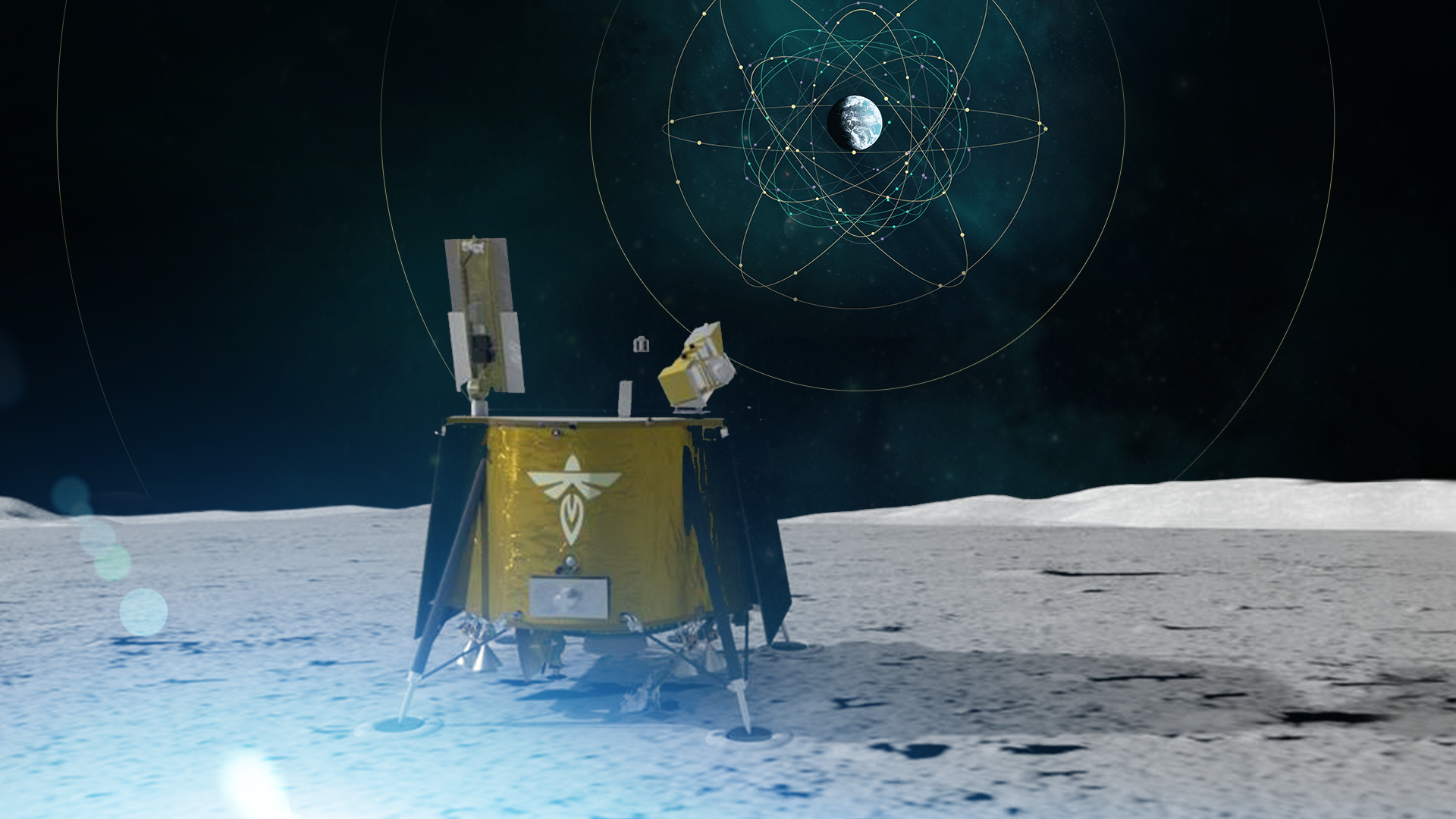
GPS on the Moon
Demonstrated the first use of Earth-based GPS and Galileo signals at the Moon with the Lunar GNSS Receiver Experiment (LuGRE), proving Global Navigation Satellite System (GNSS) signals can support autonomous navigation lunar missions and complement other navigation techniques.
Deep Space Optical Communications
Completed a two-year deep space laser communications demonstration aboard the Psyche mission, setting a record by transmitting optical data from up to 218 million miles away and proving reliable high-rate laser communications across interplanetary distances.
2026
Wideband Demonstration
Extended the successful Polylingual Experimental Terminal demonstration, showcasing how wideband terminals can seamlessly switch between government and commercial satellite networks to provide more flexible and resilient space communications.
Artemis & Optical
Showcased operational optical communications capability during the historic Artemis II mission, downlinking gigabytes of high-resolution imagery and video via the Orion Artemis II Optical Communications System.