


















SLS Advances Science and Technology: CubeSat Payloads on NASA’s SLS Block 1 Vehicle
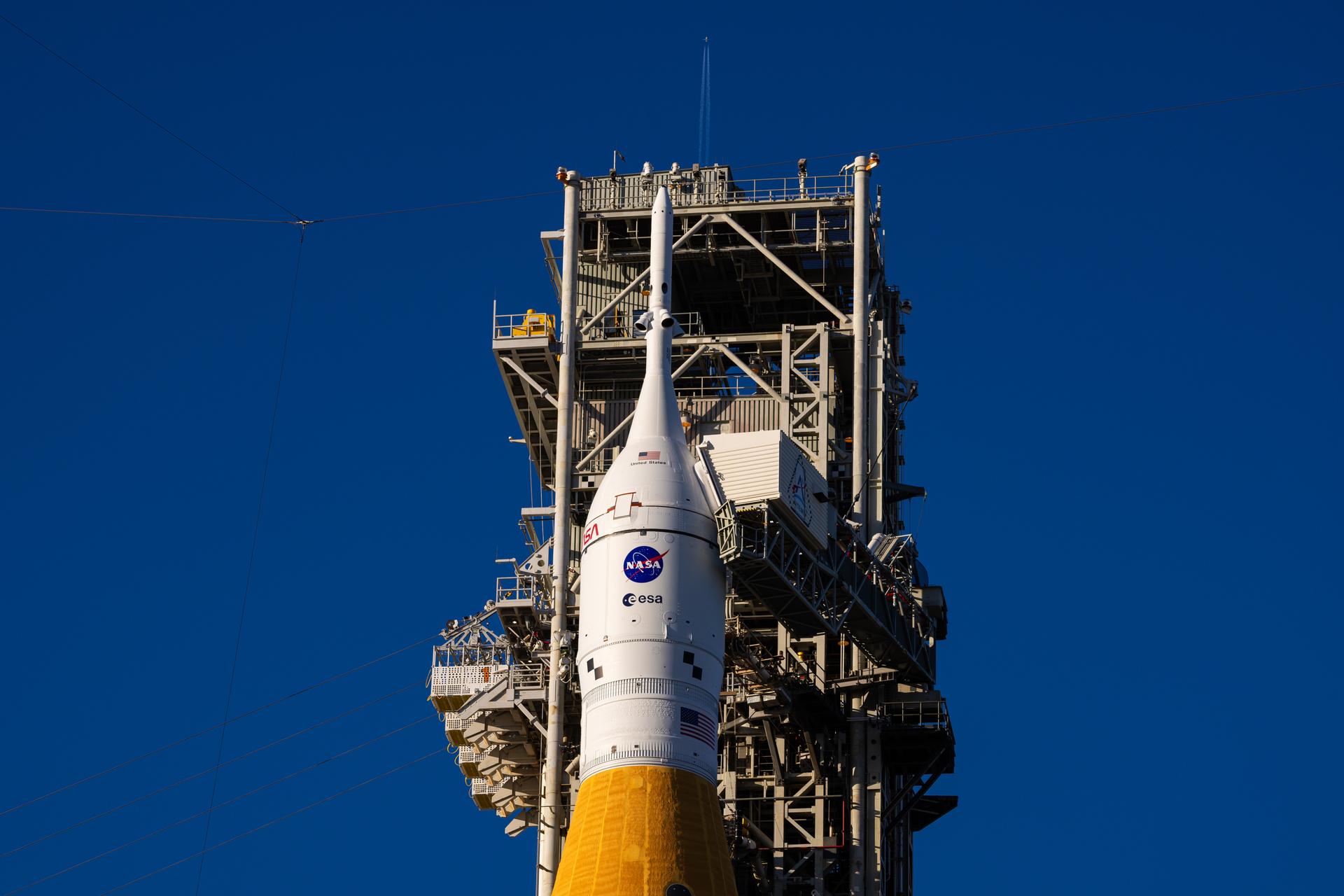
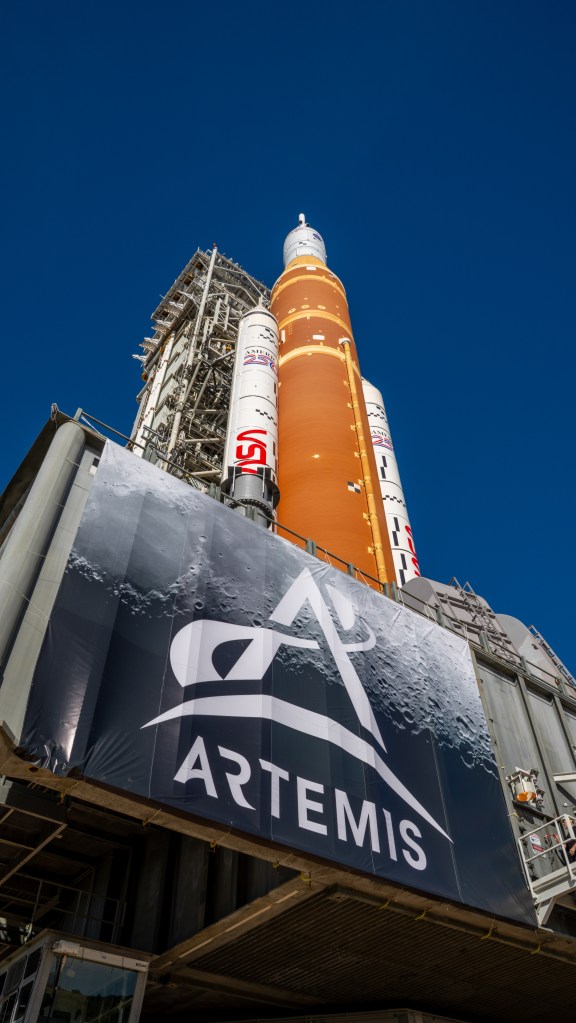
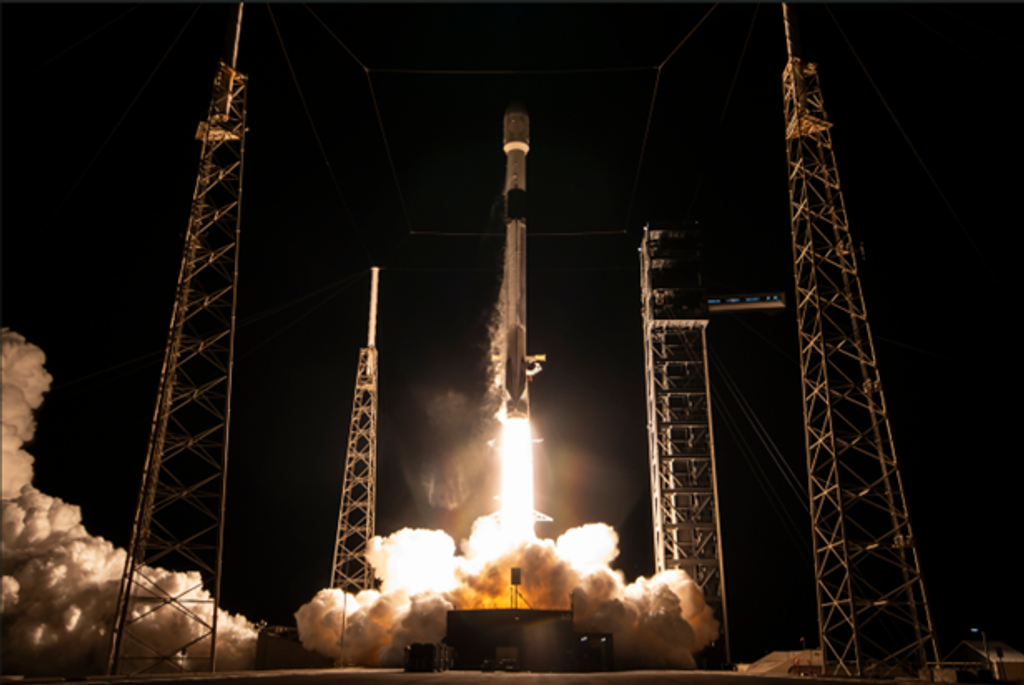
NASA’s Moon rocket, the SLS (Space Launch System), launched America into a new era of exploration to destinations beyond Earth’s orbit with the successful launch of Artemis I in November 2022. In addition to demonstrating NASA’s heavy-lift capability and sending the Orion spacecraft into deep space, SLS also has the ability to carry CubeSats to deep space.
CubeSats are small, low-cost experiments the size of a small microwave oven or smaller. CubeSats are categorized by the number of “U” units they occupy, such as 6U, 12U, etc.
In CubeSats, a “U” refers to a unit of standard size. Specifically, 1U represents a cube with dimensions of 10 cm x 10 cm x 10 cm.
These high-risk, high-reward secondary payloads serve as “pathfinders” to investigate science and technology experiments or demonstrate technology to help pave the way for future, deep space human exploration.
Artemis I and II
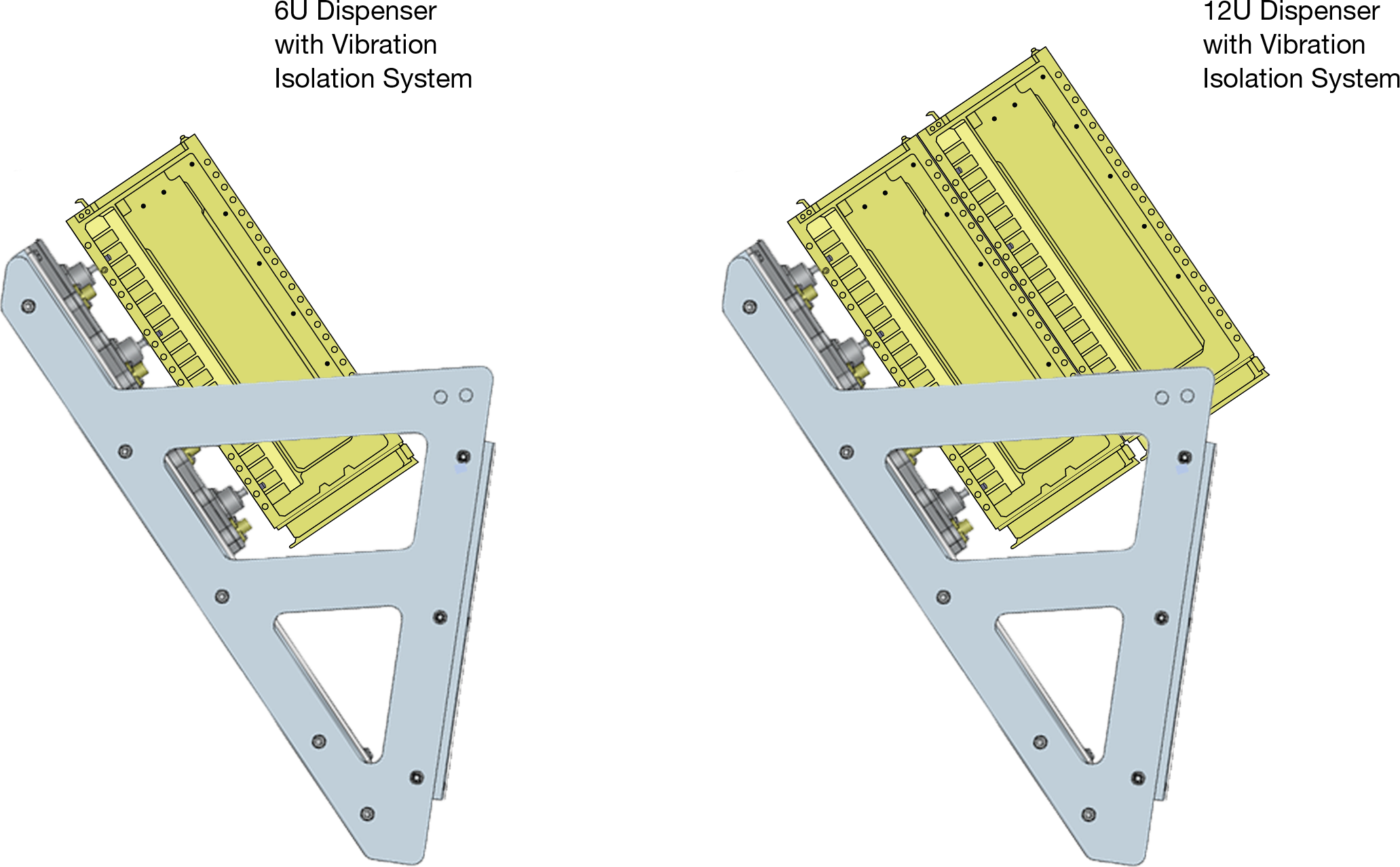
Artemis I was an uncrewed test flight of SLS and the Orion spacecraft to test the systems before launching humans. Additionally, the mission deployed 10 6U-CubeSats between Earth and the Moon. The CubeSats were selected by NASA and were developed and built by teams from NASA, academia, and international partners.
On Artemis II, the first flight of humans to the lunar vicinity since Apollo 17 in 1972, four 12U CubeSats from international partners will be deployed. The payloads will perform scientific research and technology demonstrations in space at a range of distances from Earth.
The CubeSats were selected from proposals submitted by the agencies in nations that are signatories of the Artemis Accords. Selections were based on a review of technical feasibility, compatibility with SLS accommodations, and the Artemis II mission profile.
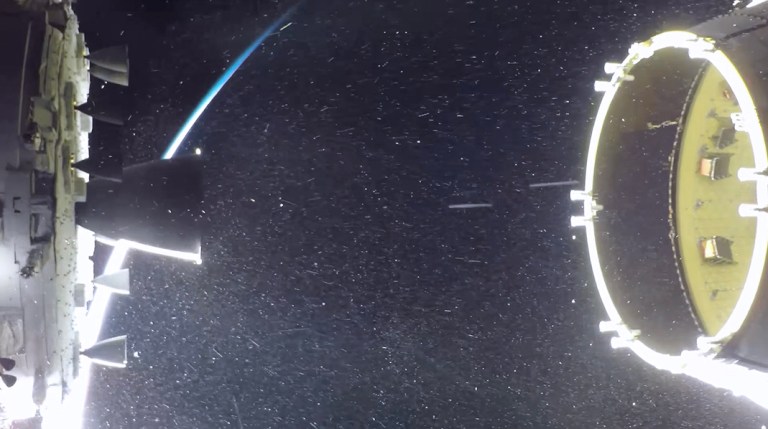
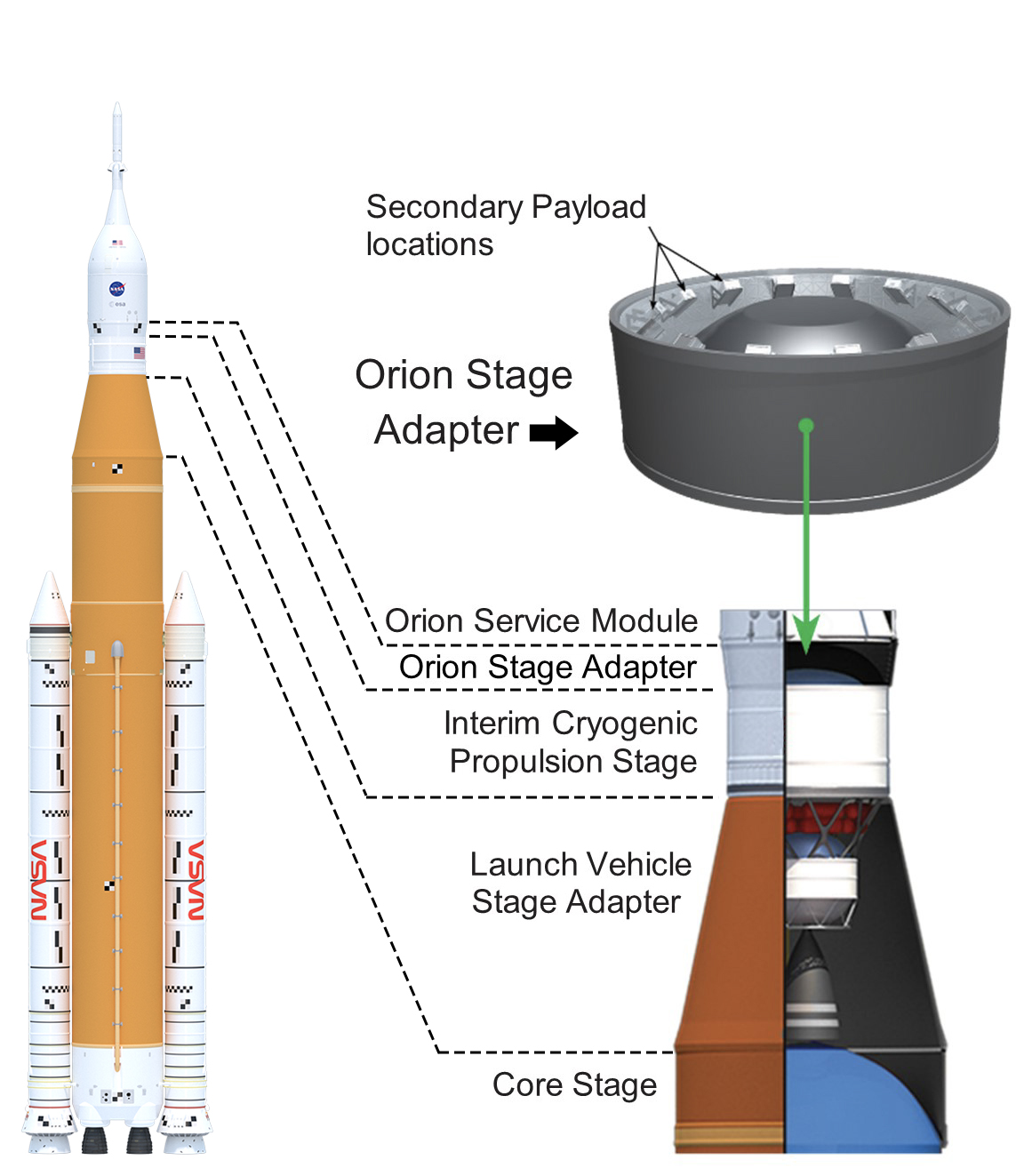
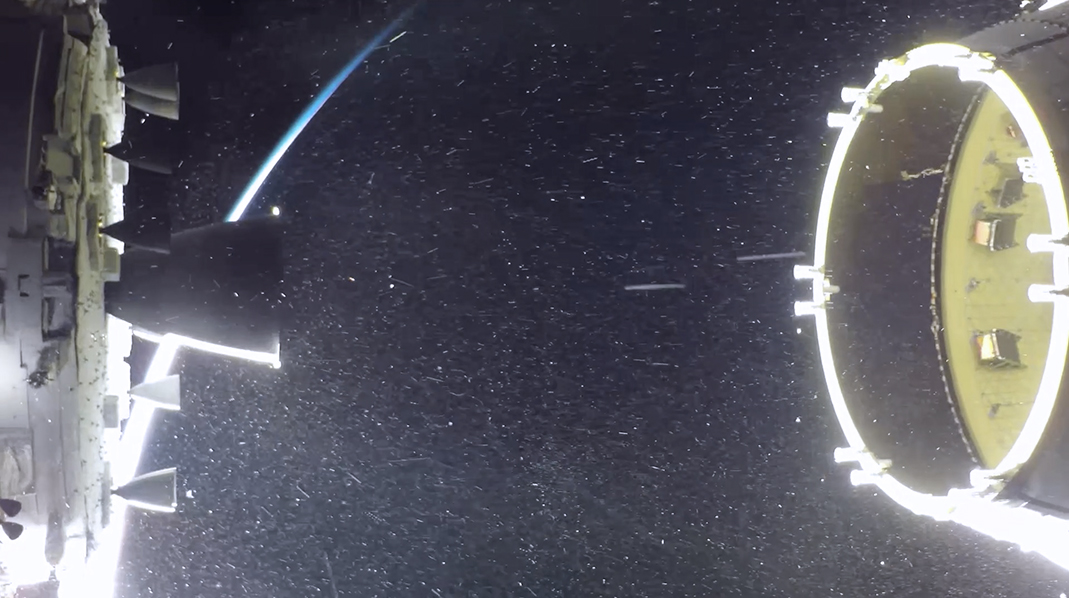
The Orion stage adapter (OSA) on the Block 1 SLS rocket configuration connects Orion to the SLS upper stage. It can accommodate up to 17 CubeSats in a combination of 6U or 12U sizes. An additional slot is reserved for the avionics unit that controls the CubeSats’ deployment in deep space.
Secondary payloads on SLS not only provide developers with an exceptional opportunity to deploy CubeSats in deep space, but they also enable NASA to engage with international partners, industry, and students.
CubeSats launched on SLS are deployed following Orion separation from the upper stage once Orion is a safe distance away. Each payload is ejected with a spring mechanism from dispensers installed on the OSA. The SLS program provides a secondary payload deployment system for the CubeSats which includes the deployment system, an avionics unit, mounting brackets for the dispensers, cable harnesses, and a vibration mitigation system.
The initial SLS rocket variant, Block 1, can launch at least 59,525 lbs. (27 metric tons) to the Moon and is powered by twin solid rocket boosters and four RS-25 engines.
For more technical information on payload integration and launch environments, please refer to SLS Mission Planner’s Guide, ESD 30000, available for download.
For more information, contact: nasa-slspayloads@mail.nasa.gov.
National Aeronautics and Space Administration
George C. Marshall Space Flight Center
Huntsville, AL 35812
www.nasa.gov/marshall
For more information about SLS, visit:
http://www.nasa.gov/Artemis
http://www.nasa.gov/SLS
https://www.facebook.com/NASAArtemis/
https://x.com/NASAArtemis
http://www.instagram.com/NASAArtemis
MSFC-02-2026-SLS-4677