













From Earth orbit to the Moon and Mars, explore the world of human spaceflight with NASA each week on the official podcast of the Johnson Space Center in Houston, Texas. Listen to in-depth conversations with the astronauts, scientists and engineers who make it possible.
On Episode 416, The podcast team discusses how to watch and engage with the Artemis II mission, from launch coverage to real-time updates and beyond. This episode was recorded March 12, 2026.

Transcript
Joseph Zakrzewski
Houston We Have a Podcast. Welcome to the official podcast of the NASA Johnson Space Center. This is episode 416: Artemis II: Bringing the Mission to You. I’m Joseph Zakrzewski, and I’ll be your host today. On this podcast, we bring in the experts, scientists, engineers, astronauts and sometimes communicators, all to let you know what’s going on in the world of human space flight and more.
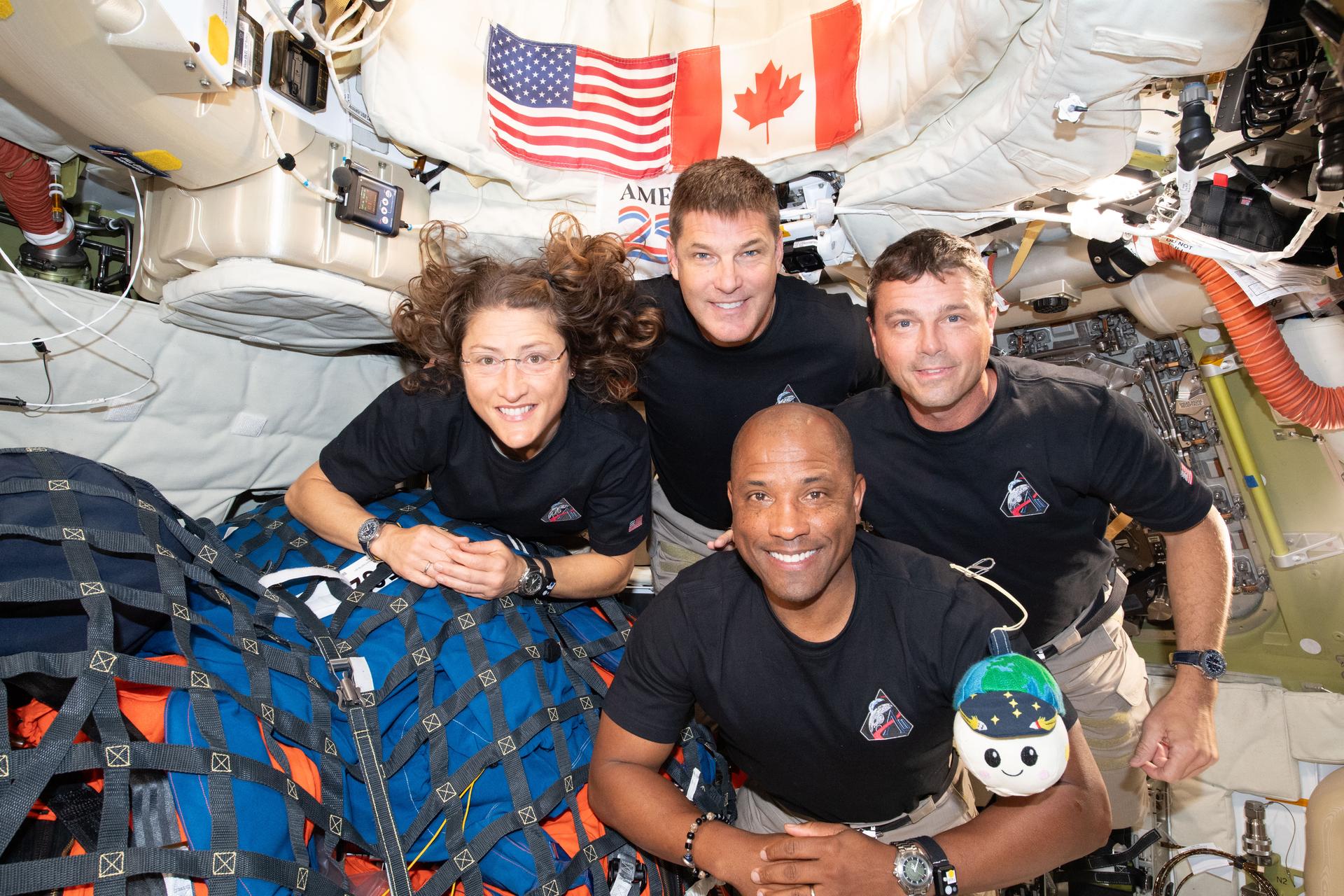
Artemis II isn’t just a milestone for NASA, it’s a moment the whole world will be watching. The first time in more than 50 years that astronauts will journey to the moon. Millions of people, classrooms, families and space fans everywhere will be tuning in. And behind the scenes, teams across NASA have been working to make sure that when we go you can go with us, from launch day to the crew’s return home.
We’re talking about everything that brings this mission to life for the public: NASA+ and continuous coverage; live commentary; mission blogs; real-time social media updates; and some of the most breathtaking imagery you have ever seen from a human space flight mission. It’s a tremendous effort, spanning multiple centers, dozens of teams, countless tools, and more planning than most people realize- all with one goal: making Artemis II accessible to everyone.
We brought together all of our hosts, Gary Jordan, Leah Cheshier Mustachio, Kenna Pell, and Nilufar Ramji to discuss.
This episode will be your guide on how to engage with this historic mission.
Let’s get started.
<Intro Music>
Gary, Leah, Kenna, and Nilufar, we’ve got the whole gang here. It’s been a busy and exciting time here at NASA for everyone at Johnson Space Center. But of course, agency wide, as we prepare for Artemis II, Leah, let’s start with you, with the communications we’ve seen everything all encompassed in Artemis II, and what to really look forward to, especially these last few months. But from a communications perspective, what are some of those unique challenges and opportunities for this team?
Leah Cheshier
When you think about challenges, I think one of our biggest challenges in communications in general now is something that is not new for this mission, something that we’ve seen over the last few years, and even that our NASA Administrator, Jared Isaacman, mentioned the other day, which I was really happy to hear, is that there are more than three news channels now, or there are more than three TV channels. The information overload that is now on the internet is just extreme. You know, we are one voice of many. We are a leading voice, but it is still a challenge for, I think, people to find us sometimes, or to parse through a lot of information. And some of it’s good information! But how do we get the NASA story in front of it? And additionally, how do you make sure the NASA story has staying power in the overall conversation, because there’s a lot happening in the world. There’s a lot happening in pop culture. How do you make sure that what we’re doing at NASA has the staying power that we did back in Apollo?
I mean, everybody around the world stopped to watch the moon landing. How do we make sure that people stop and remember where they were when we flew by the moon on Artemis II, or when we land on the moon in future Artemis missions, how do we ensure people stop, remember where they were, pass that story down to their grandkids, inspire the children that are watching live.
So I think that’s the biggest challenge, is making sure that our mission lasts, or making sure that our message lasts and is loud enough. But I think it’s such a unique opportunity, because we haven’t done a lunar mission in over 50 years. And that’s a challenge too, because, you know, we don’t have anybody on this team that worked during Apollo. So how do we communicate Artemis in a way that’s different than how we’re communicating everything happening at the International Space Station, which we are so expertly skilled in, if I do say so myself. So that’s a challenge, but it is also an opportunity. How often in your life do you get to work on a crewed lunar mission? And I think it’s something that everyone has really risen to the occasion to meet. Everyone’s putting their best foot forward. The most creative ideas in the forefront, it’s, it’s such an exciting time to be here, right now.
Joseph Zakrzewski
And there’s so many different platforms too these days. You mentioned, you know, Apollo, everybody gathering around the TV set. We’ve all seen those iconic photos of how families witnessed that moment in history. But now and, Nilufar, going to you with things like NASA+, YouTube, social media, nasa.gov the NASA website, all these platforms kind of working together to create those moments. How do you coordinate something that’s on that scale, that’s not just the one or two or, I guess, at the time of Apollo, three TV stations that were in existence that really broadcast that information?
Nilufar Ramji
Well, it’s a massive effort across several verticals within NASA’s Office of Communications. It requires a lot of coordination and planning to get to where we are today. So think of this as kind of a carefully conducted orchestra with a hub as a one stop shop. That hub being nasa.gov, if you visit our homepage, all of the different avenues that you just mentioned will be present there, and you’ll have access to the mission right front and center. So that said, there are designated leads for each of these verticals or each of these areas that you mentioned, and they’re focused on integrating the mission from their unique vantage point to put to best suit their platforms.
Joseph Zakrzewski
And it’s fun to see like where people are going to engage at the moment and how they’re going to follow along and get those real time updates and consume that. And Gary, I’ll jump over to you too, with all these different opportunities for engagement, for coverage, what is the overarching goal for a mission like Artemis II? Is it education? Is it access? Is it engagement? Is it all the above? How does that approach work for this communications team?
Gary Jordan
Probably all of the above, but kind of bouncing off of the challenges and opportunities that Leah was talking about, is a word that comes to mind for me, is inspiration, right? So, so in term, in terms of the competitive nature of how we’re going to get that message out, the reality is a lot of people were so inspired by Apollo that pursued careers in engineering or science, they were so inspired and wanted to be a part of exploration. And there was many people at NASA, still is, that saw that moment, witnessed that moment, and, you know, they have their lifetime, they’re lifers here at NASA, and I think we kind of have a challenge to inspire that next generation. So, you know, kid watching this, this, this mission, and engaging with it, knows what’s going on, is inspired by it, and then perhaps pursues a career, and contributes to whether they work at NASA or somewhere else, you know, adds to the portfolio of scientists and engineers in the United States.
Joseph Zakrzewski
And Kenna, to bring you in, your thoughts on how this overarching goal of coverage for Artemis II, whether it’s through the broadcast channels the digital channels, which we’re certainly going to get into and really the big picture, what are you looking forward to in terms of how it resonates with this audience that will span multiple generations?
Kenna Pell
Sure, for me and the words that you know you had mentioned, education, access, engagement- inspiration was the one that I was thinking of too. But I really like access, and we’ll go through all the different ways. You know in this episode that we’re really bringing the public along with us on this mission.
Nilufar Ramji
For me, it’s inform. I want to make sure that the public and anyone following along with the mission actually understands what we are doing. This time around. We haven’t been back, as Leah said, in over 50 years to the moon. We’re going to we’re going with a different mission architecture. This time. We’re exploring more of the moon, and in between there, we also have robotic deliveries to the lunar surface that are happening as well. So I think for for the public to have to have the informed big picture of why the Moon and what we’re doing there is incredibly important before humans start landing on the South Pole again.
Gary Jordan
And there’s a range of that, right? Because we’re like the in terms of information, you have to start at the very beginning. Because the reality is, there’s a lot of people in the United States, in the world that don’t know that this mission is happening. So you have to start from the very beginning, and then get even deeper than that on all how, just how deep this goes, because there’s a lot to this mission. There’s a lot that we’re trying to prove, and there’s a lot that that we need to do to eventually land on the moon.
Leah Cheshier
I think for me, it’s connection. Wanting people to find how they connect to NASA. So maybe somebody is interested in the science that’s taking place on this mission. Maybe they’re a scientist and that something that we’re learning through lunar exploration helps their field of work. Or maybe it’s someone interested in the lunar economy and America’s place in space, and they’re connecting to the mission in that way. And maybe somebody is being inspired. So just reaching out and finding people where they’re at to connect with them and show them that. You know, this may be a mission for NASA, but this is a mission for America, for Canada, for the world, and everyone has a connection to it in some way.
Joseph Zakrzewski
And with that channel too, because you’re pulling on so many different areas. And so whether it’s the science, or you want to learn more about the spacecraft, you want to learn more about the moon, if you want to learn more about the crew, or you want to learn any of these aspects. I mean, all of that has to come together and a pretty tight window and cohesive at that too. Gary. How, going back to the early days of this planning process for a mission like this? I mean, how does coverage of it and making sure all those different touch points get integrated into an overall communications and coverage plan?
Gary Jordan
I mean, the reality is on our side, it goes back years, because we thought about this mission. It’s a 10 day mission. And so what is our responsibility as communicators? And, you know, for the tax paying citizen, for public awareness, the decision was, we got to cover this mission around the clock!
And so, it goes back years to not only just plan for and think about what the coverage is, but to get the infrastructure ready to support that right. We upgraded our switcher, we built and trained a staff of very talented live television producers and built up the literal hardware to support this mission.
And then just thinking about, okay, how you know, how else do we have to cover this mission? We need, we need commentators. We need somebody to to be in Mission Control around the clock. We need people in the newsroom to support the media around the clock, there’s going to be beautiful images that we see from space. So we need to understand, to be a part of that process. We can’t- We can’t just let it happen and then join in later. We have to be a part of the planning, and we have to be downstream of that and let the imagery working group know what our priorities are. Our priorities are to take those beautiful images and get them public, right? Scientists need the images. Engineers need the images. Sure, they need to analyze all of their hardware, but the people, people need to see what we’re doing too.
So it really goes back years to really put this all together. We’re on the back end of it. I’m really I’m really excited. I’m really proud of this team. I think we’re going to be able to, I think there’s so many ways to engage in this mission, and it’s going to be a very, very exciting 10 days.
Joseph Zakrzewski
It certainly will. And I know, you know, as Leah mentioned, too, of so many operations that happened and so many space fans and new fans too, you know, aerospace follow along through NASA. And Nilufar, I want to come to you about those first touch points of how people can engage and namely, through NASA+ and YouTube and what viewers can expect. What are you seeing? Because I know you’re deep in the heart of planning and orchestrating what launch will look like, in-flights will look like, splash down will look like, from start to finish. And even going well beyond that, what can people expect to see when they tune in to NASA+ and YouTube?
Nilufar Ramji
Well, Joseph, I can talk to you about this for several hours, but I’ll try and keep it brief. We’ll have 24/7 continuous coverage. And basically what that means is that beginning with tanking, when we start fueling the vehicle, all the way through crew splashing down and entering the medical bay on the recovery vessel, we will have coverage going on. The best place to find all of that coverage, 24/7 is on NASA’s YouTube channel.
And then we have a couple of what we call big milestone moments that you’ll see on NASA+. So that URL is plus.nasa.gov, and what you’ll find there are, is our launch coverage.
So we will begin our launch coverage on NASA+ when the crew begins to suit up and their Orion Crew suits. And then we will cover launch coverage all the way through solar array deploy. So when Orion’s integrity spacecraft deploys its solar arrays, we will transition into what we’re calling our 24/7 continuous coverage.
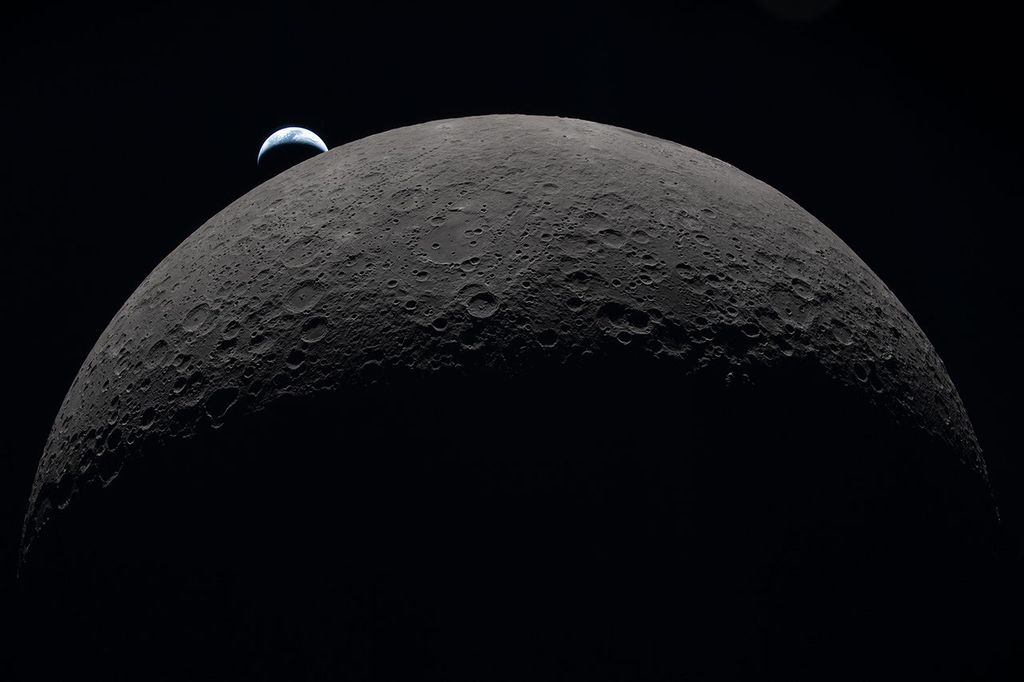
The second flight, flagship portion of the mission, or second big coverage point is the lunar fly by that happens on flight day six. The lunar fly by will be the astronauts flying around the moon and seeing the moon. It’ll start off as- The Best Visual I can give everyone listening is take your arm, bring it out, hold a basketball in your hand and that’s how close the astronauts will be to the moon, to be able to see it for with their with their own eyes. And they are our visual geologists. They will be observing the moon, giving different observations. We have certain target points on the moon, between 13 and 26 of them, is what I’m hearing. And we should hear a lot of chatter. But the thing I’m most excited about is to see and hear their reaction of when they when they see the moon for the first time, like that.
So we’ll have that being the second one, and then the third one is splashdown and recovery. So when the service module and crew module from Orion separate and we begin our recovery or return and recovery operations when we splash down off the coast of the Pacific, you will also find that coverage on NASA+.
In addition to that, because I’m not done yet, we will also have, as I mentioned, from tanking all the way through splashdown, there will be a primary program feed where you will catch all of our commentary, all of our video packages, all of our data driven telemetry on a single feed. We will have two technical feeds. The first technical feed will begin when the vehicle begins its fueling process, and then we will get launch and asset views. And then that technical feed will transition into solar array views.
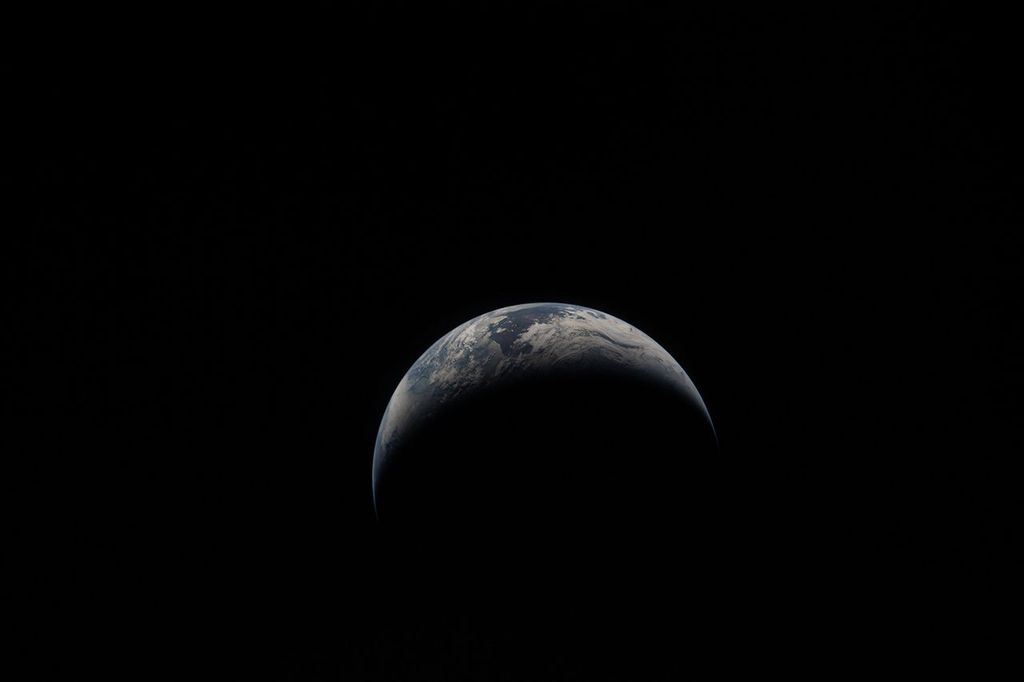
So there’s one camera each affixed to each of Orion’s solar arrays. And those GoPro cameras will give us live views from space. And we’ll probably take the best views we have possible. We, of course, don’t want the darkness of space because it is very dark out there, but we’ll get some good views of spacecraft. We should get good views of earth, good views of the moon as we’re coming into the lunar sphere of influence. So we should see all of that and everything in between. And that is where you will hear Orion to Earth, which is the primary communications channel between the crew on the ground and the crew up in space. And that, that is what you will hear. It’ll be what we’re calling a clean technical feed.
Nilufar Ramji
And then we will also have our daily news conferences, which will be split coverage as well, so lots of ways to watch and follow along the mission. And I should also do a plug here that we will also have a NASA en Español, or a Spanish launch broadcast.
Joseph Zakrzewski
So you took us through a lot of incredible channels, especially a lot to pack into what’s going to be, as Gary mentioned, a 10 day mission with the blend of what you hear from the crew, what you hear from the science teams on the ground, and what you hear from the commentators. It kind of goes back to what we were talking about at the beginning of, you know, inspiring, engaging and ultimately storytelling. How, when you work with the commentary teams, which are spread out, by the way, not just at Johnson Space Center, but through the launch commentary there’ll be people positioned out at Kennedy Space Center and leaning on teams all across the agency, really. But how do you find that, that sweet spot of commentary where you’re broadcasting what is happening, the analysis of it, explaining what’s happening, and then weaving in the storytelling of why do these milestones, as you reference, why are they important, and what does it signify in this mission?
Nilufar Ramji
That’s a great question Joseph and I think with this mission, it’s very operationally driven, and we need to focus on the ops. We need to ensure that the various milestones, the various test objectives and everything in between that are supposed to be accomplished for this mission are covered end to end. But while doing that, we need to incorporate that visual storytelling. We need to engage the public, we need to inspire, we need to inform. And the way that we’ve tried to do that is through different elements. We have different video packages that we’ve developed that will be scattered over the course of the launch broadcast everything from how the crew suits up, the different types of science that are flying on the mission, the different suppliers and industry that are supporting this mission. What is Orion all about? What does this mission profile look like? We are going to hear in depth from each of the crew members and learn a lot about them as well in some of our packages.
We’ll also have data driven telemetry that will show graphic representations of where we are at in the mission. So how many miles, for example, we’ve flown, what the fueling levels are like. We will see that taking place. We aim to have several interviews from subject matter experts and heads of agency that are that are going to be happening over the course of the broadcast. We’ll have some fun celebrity pieces that you might see, some fun surprises that we have in store. I don’t want to give it all away, because I want everyone to watch. And then we’ll, of course, be taking social media questions from the hashtag, #askNASA.
So lots of fun ways to be able to tell that storytelling, but also a lot of moments to pause and look at the operations to make sure this crew is well suited to launch and then splash down eventually.
Joseph Zakrzewski
And then, over top of all of that too, because the work that this team has been doing so well for all NASA missions and coverage, you add to Artemis II, the shape and the tone of this is humans returning to the moon for the first time in quite a long time. How does that shape what the broadcast looks like, what the coverage looks like, what people are talking about, references. Because the people that are watching are going to be of all generations, people that remember when, where they were when the lunar landing happened, like Leah was talking about. But then there’s gonna be a new generation that’s seeing all this in real time for the first time. How does that shape everything that you’re putting together with the commentary in the broadcast?
Nilufar Ramji
That’s a very loaded question. Joseph, I can talk about that for a very long time
Joseph Zakrzewski
In three words or less.
Nilufar Ramji
In three words or less, okay, so realistically speaking, I think that because we haven’t done this in five decades, it’s incredibly important to highlight some of the milestones that are taking place pre-launch. We’re seeing the crew. We’re hearing the crew. We are seeing them safely entering the Integrity spacecraft. We are seeing them launch. We see the solar arrays deploy. And then we hear from the crew on the ground, we see these excellent views of the moon of Earth. And those different elements help shape that, or help shape some level of inspiration.
And that’s our hope, is that people will watch. They’ll take something away, but they’ll also see the value of human exploration. The fact that we want to understand where we came from, the fact that we want to understand how our Earth was formed. And the moon is the time capsule to do that. It’s our living, breathing time machine. So we need to explore the moon, and we hope that people that are watching, that are seeing this for the first time, actually feel engaged to do something more. Whether that’s pursuing a degree to have them work at NASA, whether that’s participating in an internship, whether that’s doing an Artemis student challenge, or whether that’s walking through the door of a commercial space company and saying, hey, I want to work here. Whatever that looks like, whether it’s educationally driven, career driven, or just human interest driven because you’re a big science nerd or a big space nerd, we hope that you walk away with something more after watching the coverage.
Joseph Zakrzewski
Well, I’m incredibly excited to tune in again, if you haven’t bookmarked already, NASA+ and YouTube, and, of course, everything that you can find on nasa.gov which leads into, you know, a multitude of platforms and devices that people can tune into and Leah, that’s want to really bring you into the conversation is that the digital presence for NASA has become extensive, from blogs and YouTube, as we’ve talked about, to Instagram to Facebook to X, and all different ways to engage you’re talking about social media hashtags and how people can ask questions in real time. What role do you see each of those platforms playing during a mission like this, because, as you said earlier, it’s about it’s an opportunity to meet people where they are and on the platforms or devices that they use on a daily basis.
Leah Cheshier
Yeah, it’s actually in the Space Act that NASA is required to disseminate information by the widest practical means possible. And of course, when the Space Act was written, social media wasn’t a thing, and NASA has become a powerhouse on social media, obviously, since that time. And so we have, we have a presence on all of the aforementioned accounts. This is a selfless, selfish plug: Go follow @NASA and @NASAJohnson, if you aren’t already, I’m sure you are, and we can’t forget @NASAArtemis. So that’s a few of the accounts right there that you’ll see a lot of content being shared on. We also have accounts for NASA and our moon and for Earth, and so each of those is kind of leaning into their own respective niche.
So if I’m posting something on the Johnson Space Center account, it’s a little more focused on what we’re doing here at Johnson Space Center. The flagship NASA account, or the NASA Artemis accounts, you’re going to see more of those major mission milestones there. You can learn more about coverage times. You can learn more about maybe even the people behind the mission.
Leah Cheshier
upcoming flight day tasks that the crew are going to be working on.
It’s a very engaging and also it’s a very visual mission, because we have crew members aboard. So yes, you’re thinking about the moon. So we’re going to, of course, get pictures of the moon. We’re going to get pictures of Earth. We’re going to get photos of the crew themselves, living and working in Orion, which we have never, ever had. This is the first crew to live and work on this spacecraft. So it’s going to be very visual, and I think Instagram comes into play in that aspect.
So it is going to be hard, I think, to narrow down what we’re actually sharing in real time. And because we have a great plan, we have a great plan of what we want to share on each flight day and before the mission and after the mission. And I know all those things will be executed flawlessly. But then you get into the mission, and it’s so hard to tamper your own excitement of this is so cool, we have to share every single little thing. So that’s, that’s a lot of what you’ll see on NASA’s social media presence.
But you’ve also been working on the blogs portion of that. So tell me a little bit more about that digital aspect.
Joseph Zakrzewski
Well, you hit upon a lot of key aspects too. Is, is the blog also provides, as you say, a conduit of providing that information. And I think, back to a member of the media that asked the question during one of the, you know, numerous Artemis II press conferences that we’ve had to help lead into this mission and educate the public on it. And their question was, for the first time, space flight fan, or they might not know they’re a space flight fan, but they’re tuning in for the first time. How can they process all this information that they’re just now learning about for the very first time, and I feel like the blogs are able to encapsulate that and really translate what we’re seeing in real time on NASA+, what we’re seeing and highlights in the play by play through digital channels and the imagery that comes down from the team and that blog is really a great spot to not only understand the mission in real time, as things happen, what you know happened the previous day, or what’s about to happen the very next day, the key milestones that are to come into what’s the crew up to. But it’s also a place to learn more about the lunar science and what you can accomplish, and what you know NASA is looking at for that part of the mission, or what the crew is up to. Because we know that, you know we’re going to want to know, as you mentioned, it’s the first time they’ve been living and working aboard this spacecraft, and they’re going to the moon. Humans are going to the moon for the first time in a long time. What are they? What are they up to? What’s, what’s their life like when they leave Earth’s gravitational pull and get pulled into the lunar gravitational pull, and it has that transition. So the blogs are going to be a great way to really introduce you know that new audience to the mission itself, and to provide those daily previews or recaps of what’s to come, but also highlight those key milestones and cater to kind of a an overall audience, where if you want to find out more as the mission is unfolding, and probably you’re reading a blog update while watching NASA+ with your devices set to your social media channels, it would probably be a pretty incredible way to follow along with this mission.
And with that too, Leah kind of going back on the social media side as well. I mean, we’ve seen so many exciting series lead up to and promote this launch, from the crew to the spacecraft to the science being done. What are some of those features that has really jumped out to you? And you know, animations and showcases from all the various platforms and channels that you’ve had and been able to engage with that has really helped shine a good and bright light on this mission?
Leah Cheshier
There are a lot of things that we have planned, obviously, for the mission, but leading up to launch, we already have some really cool stuff out. So we have the ability on this flight, at the time of this recording, to send your name on the spacecraft that will fly around the moon. And we did this with Artemis I we’ve done this with various other missions. I think I have my name on Mars potentially. I know I have my name on Mars actually! So it’s just such a cool way to, again, like my word earlier, to connect with this mission, and all of a sudden, you have a little bit of an investment in in this, in this big, you know, generational thing.
But we also have a very cool campaign going on right now called NASA Moon Crew. That’s the hashtag #NASAmooncrew, and it’s basically for fun. You know, who would you take with you on the way to the moon? Would you take your family? Would you take your pet? Would you take a celebrity? I mean, a basketball player, you know, like, Wait, whose skills do you want? Or who’s light hearted joking do you want when things get serious? So that’s a really fun way that we’re, you know, talking right now leading up to the mission.
There are a lot of other things. There are employee highlights. There are you know information about what you can expect to see during the mission. But there’s a lot of stuff already out there, so definitely check it out now. Don’t wait till launch.
Leah Cheshier
we’ve been sharing really fun information about what the crew has available to eat during the mission. I believe there were just over 40 cups of coffee, and that’s for all the crew members over approximately 10 days. So…
Nilufar Ramji
Not enough coffee for me.
Leah Cheshier
It’s definitely seeming slim, but you can find all that kind of information already out now. Get yourself smart for lift off.
Joseph Zakrzewski
And again, that’s a great way to follow along with the social channels and how it’s reaching audiences of vast generations, and how they engage with the product too. And I know that’s something that I’m looking forward to embedding and including in the NASA blogs as well as you know the running daily updates that we’ve seen, even that’s already started, to be honest with you, with the incredible team out at Kennedy Space Center, keeping everybody up to date on what the latest information is around the mission, around the crew, around the vehicle, and everything that leads up to Artemis II. So excited, and again, as Leah mentioned, make sure to follow all those channels. And again, NASA+ and YouTube.
But that also leads me back to you, Kenna, NASA photography has always been iconic. I think we can all close our eyes, or not even have to close our eyes and picture key moments in NASA history or space flight history that have resonated with all of us personally, and I know you’ve been working incredibly hard with the imagery team and learning about the technology that Orion is to be flying with, the technology the crew is going to be using. What can we expect to see from an imagery standpoint, throughout this mission?
Kenna Pell
All kinds of imagery. You know, we’re going to have in flight views from outside the Orion spacecraft with cameras mounted on each of those solar array wings that Nilufar had mentioned earlier. We’ll have inside the cabin views, and then outside the windows for lunar fly by as well, some views of that, which I’ll get into a little bit later. But on Artemis I, the Orion spacecraft had a total of 16 vehicle mounted cameras, and of course, now we’ve got crew and so for this mission on Artemis II, we have 32 cameras in total. Of course, some of them are used for engineering or navigation, some for crew monitoring and some for various combinations of Lunar Science observations and what we’re talking about today, outreach. But there are 15 that are actually physically mounted outside of the spacecraft, and then 17 that will be handheld and operated directly by the crew inside the cabin.
Joseph Zakrzewski
Well, I know us on the ground, myself included, cannot wait to see them, but I know when you’re traveling and leaving Earth to go to the moon, sometimes it takes a minute to get that signal from the spacecraft down to earth and then for those images to come out. And it kind of cross references between what you’re working on with the imagery team and what Nilufar is putting together for the broadcast team is, how quickly will we be able to see the excitement of what’s coming from the spacecraft, especially on lunar fly by day, flight day six, as Gary mentioned earlier, and what does that look like from Orion and from the ground operations team?
Kenna Pell
Yeah. So we’ll be sharing imagery every day of the mission. The crew has 20 minutes each day timelined into their schedule to upload images from their cameras onto their PCDs, their portable computing devices, or tablets, so to speak, and then they download them back to us. And we have a standing team, or actually standing teams, really, across the agency and here at JSC that are on the ground waiting for those images to come down for processing, review, and then release. Like I mentioned, we’ll be sharing imagery every day throughout the mission on Flickr, images.nasa.gov social media. And then we will have a one stop shop for all things Artemis II multimedia. And so there you can find an abundance of resources like images, live video, videos, audio podcasts like this one, the blog, and there’s a ton more on there, but that’s at nasa.gov/artemis. And if you go down to the Artemis II drop down and you go to multimedia resources, that’s where you can find that so all things you know, images, blog, podcast, stuff, you can find that there in that one stop shop.
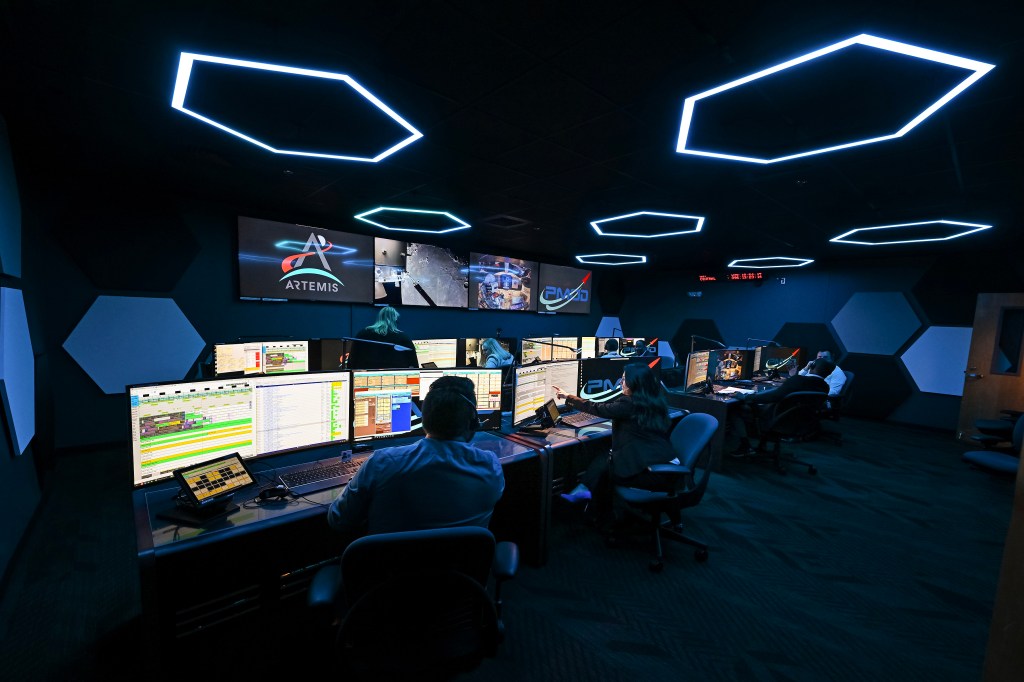
Now, lunar fly by wise the Science Mission Operations Room located here at Johnson and the Mission Control Center is expected to receive that flyby imagery within roughly about five hours after the flyby. However, the earliest they anticipate getting those out publicly would probably be about eight hours after the flyby just due to the time required for processing, review, and release. And you know, during that flyby time the crew is going to be in this choreographed, very busy way of taking lunar observations and getting those back down to the team, so we’re looking forward to that.
Nilufar Ramji
So I wanted to take a moment and talk a little bit about imagery expectations over the course of the mission. We’ll have lots of great imagery coming down, as you mentioned, Kenna, as well as video, I talked about our live 24/7 continuous coverage, where you will be hearing from the crew seeing views from inside the cabin, from the solar array wings as well. But some of these cameras were manifested some years ago, and at that point, some of the image quality wasn’t what we’re used to seeing today. So given that there will be moments where we might see some distorted images in real time. That’s not to say that when the images and video come down to us and get downlinked to us, that we will not have high quality images. During the live portion of the mission there will be moments where we will have what we’re calling bandwidth constraints. So that basically means is that there’s crew on this mission. We’ve talked about that, and they are testing. This is a test flight with crew, and we are testing the environmental control systems aboard Orion, and in order to do that, we need to reserve a lot of the bandwidth for that. So while we’re doing that, we will not necessarily have the best bandwidth over the course of the mission, but there will be some key moments where we will have where PAO, the Public Affairs Office, the Office of Communications, will have increased bandwidth. And those times are the launch, the fly by, the splash down and our various events. So whether they’re events with media or other clients, we will have good bandwidth at those points.
I’ll also say that the video that gets downlinked after the fact will probably be good, but the biggest news that had come out with regards, with regards to imagery, was the fact that the crew will now have their own Apple iPhones for use. And those, those are phones, but really cameras, that are manifested on board that will help document high quality imagery and video from the crew members’ point of view. So maybe something that we’ve highlighted for the mission as an objective or something to photograph may not be as interesting to a specific crew member. They might say, see something and be like, Oh, that is really freaking cool. And if they see that, they should take the picture. So this allows the crew members to use this technology and record some of their personal moments, and then share that high resolution imagery and video with the world. So I think that that is something I’m looking forward to. I hope those iPhones get immediately confiscated from the crew so we can get those pictures out to the world as quickly as possible.
Gary Jordan
I like “confiscated”-
Joseph Zakrzewski
I mean, how can you beat a selfie from inside Orion with the Moon as your backdrop? I mean, that’s gonna be phenomenal.
Leah Cheshier
I was gonna say, selfie from inside Orion, with the moon in the back, with the earth in the back.
Gary Jordan
Yeah, wow. The ultimate selfie. Yeah.
Joseph Zakrzewski
Well, and it sounds, I mean, between you, Kenna and Nilufar, I mean, it sounds like the imagery team is really preparing for something incredibly special for this mission, and how dynamic this is going to be, especially with the crew. And you talked about the bandwidth that’s needed for this lunar fly by. So I cannot wait to see what comes from it. As I know your team is constantly working around the clock, really, in terms of updates and how that imagery can be processed. And again, for those tuning in to be sure to follow along.
But now I want to transition a little bit to the commentary, the human voice. We’ve touched upon a lot of different areas, whether it be NASA+ and YouTube, social media, imagery, digital coverage, but the voice of the mission, and we are privileged to have some of those voices of the mission right here in the room with us.
Commentary is a huge part of how the public really experiences the mission. It’s how they learn it’s how they get engaged, it’s how they become enveloped in any mission really, whether it’s the International Space Station, if it’s a test flight, if it’s a lunar flight, all the above. And it kind of goes back to things we’ve touched upon here, but namely, for commentary, specifically, there’s a lot of technical information. We’ve already heard a couple acronyms being thrown around in this podcast that we’ve explained. There’s a lot there for people to really try and digest and process, and to do so in real time, as a commentator, how do you navigate the operations, the storytelling and being able to keep that audience engaged that might be learning about this mission for the very first time.
Leah Cheshier
So every voice you hear during the mission is someone who has really been working closely with the flight control team during the shift that they will be on air for. And that’s whether you’re tuning into NASA, NASA+ for the coverage, and that’s whether you hear the clip later on social media. That voice is someone who has really studied and asked all the questions and participated in getting to know this mission. But it is- it could be very easy to fall back on just repeating the technical data, because being that, you know, we work here every day, that’s something- like you mentioned, the acronyms. That’s something we just talk about very casually, and we expect somebody else to understand what it means. But for me, my mom watches our coverage, you know, and she lives in Georgia, you know, doesn’t work for the space industry. And so I always try and put in perspective, if I’m explaining this to my mom for the first time, how can I say it in a way that makes sense to her?
So it’s number one, bringing that information that you know we may understand it technically. How do you break that down for the general public that doesn’t work in space that isn’t an engineer or or in that field. So that’s one challenge and one important part, and finding that balance. And then the other part is the storytelling and the accessibility.
This goes back to the note that I made earlier about a connection. Why does this matter to people? It is our job to explain to them why this is important. And so whether that’s breaking down, why the science that’s flying is important, or, you know, some people, it’s just important because it’s a breath of fresh air, and it’s something that we can all cheer for and root for. So storytelling and bringing the human to this human spaceflight mission. Making sure people know who these crew members are. Making sure when the Capcom calls up that we’re telling you about who that Capcom is, how they have trained for this.
So bringing in that portion of the story as well. You know, you want a viewer to have a full picture, painting pictures with words, essentially, what’s it like to live in Orion? What’s the temperature? What are they having for lunch? It’s a huge human interest piece as well. So bringing together the human interest side as well as the technical engineering side, because this is a feat, even though we’ve been to the moon before every single day that NASA is working is the next big thing. Just because you’ve done it doesn’t mean it’s not still incredibly difficult and exciting. So bringing that all together for a broadcast, I think, makes it a full plate.
Joseph Zakrzewski
And you mentioned that the commentators have been working closely with flight controllers and flight teams, and sitting in on meetings and sitting in on a wealth of information, how they can process it. And Gary coming over to you for commentators to prepare for a mission like this. I mean, what kind of steps have been taken by the group to really understand and educate themselves from the moment that rocket lifts off the ground to the moment the capsule splashes down in the ocean?
Gary Jordan
Yeah, I mentioned earlier that the planning for this goes back years, but the training is also extensive too. We’re not just putting our ourselves and the commentary team in mission control and saying, okay, you know, figure it out, digest the information. There’s a lot of studying that goes with that, but the flight control teams also do many, many sims. So of course, on launch day, there’s going to be data flowing from the various vehicles to the flight control teams to understand it, but we can simulate that with computers, and throw different scenarios at the teams and just see how they react.
And that’s a good and that’s a good bounce off to talk about the serious nature of this mission. You know, we talked about different ways to engage. We talked about, you know, there’s the social media components, and there is a sort there is a sense of inspiration and and engagement. And I think all of us are going to smile and cheer and just be so, so excited and engaged with this mission. But the reality is, you know, space flight, human space flight is inherently risky. There is there’s always risk to something like this, where there’s immense power from the Space Launch System that is going to propel the crew into orbit, into a high Earth orbit, and then that trans lunar injection to the moon. So there’s a lot of dynamic phases. So we have to be prepared for, not only just the nominal, the you know, everything’s going right situation, but we have to train extensively for, well, what if this happens? Well, what if this happens?
And I could say confidently the team here, I know like I think every single one of us have been training for commentary. I myself, I went back and counted. I did twenty. Twenty sims. So I did, I did a lot. And then that’s, that’s, that’s excluding any of the studying and conversations and, you know, meetings that we’ve had to just fully understand this mission.
So, yeah, it is, it is quite extensive, and we are certainly going to do our best to try to to, you know, my mom’s going to watch too, to make sure that they understand everything, but that we’re doing our due diligence of, you know, adding that transparency, reacting appropriately, saying the right things. It’s, it’s a hard thing to do, but it’s, it’s going to be a wild ride. It’s gonna be good.
And also, I wanted to correct myself. I kept, I keep saying 10 days, because there’s 10 flight days, flight days one through 10. And our colleague, Rob Navias, I’m sure we all have, we all have them in our heads right now. He’s like, it’s nine days, it’s nine. and it is, it is, it is over the course of nine days, but it is 10 flight days. Launches on flight day one and splash down on flight day ten. I had to say it otherwise he would kick me.
Nilufar Ramji
The second that you said 10 days in my head I heard “it’s nine!”
Gary Jordan
We all heard it! I was waiting for my moment to correct it. Oh, man. I was like, I gotta say it. Okay.
Joseph Zakrzewski
And it’s not just the commentary team, too. And Leah, Nilufar, you kind of teased it earlier about, you know, possible special guests that might be making appearances throughout the broadcast, whether it’s through launch or throughout the flight days or through splashdown. Are we expecting any guest experts or vehicle team members or even astronauts to kind of help paint this mission with words and be another voice to contribute to what’s going to be an incredible now, nine-day mission.
Leah Cheshier
So I’ll speak on behalf of orbit one commentary. That’s the shift that I’ll be on. What an honor. We will have several special guests with us live throughout the mission. You know, like you mentioned, we’re on for 10 flight days, not 10 full days. So we are going to have a lot of time to talk to people.
Of course, the crew is going to be awake and working. Those are the most important voices you will hear. It is not ours. But when the crew is not talking, we’re going to be telling you about the mission, and part of that happens by bringing in other experts. So we’re going to have someone on to talk about the suits that they’re going to be donning and testing out their Orion Crew Survival System suits. And we’re going to have someone on to talk about lunar fly by itself, what the crew is looking for, how they trained for this. So those are just a couple. I’m not going to give away all of our fun surprises we have planned, but I hope everyone will tune in.
It feels a little bit like the Olympics, where you tune in every day for a different event. Yeah. So every day, something really cool is happening. I talked about the suits demonstration. They’re going to do radiation shielding protection and see if they encountered a radiation event. How would they do that? So we’re going to talk to somebody about that too. So tune in every single day for a different event, and by the time you tune out, you might feel like an expert on it.
Joseph Zakrzewski
And with that too, I mean, it’s round the clock coverage Nilufar, that you teased, too. And I know the crew, at times are going to have rest periods because there is going to be a lot of events to take in. But during that rest period for the crew, when they, you know, get their naps in, what does that look like from a commentary perspective, and how to continue that conversation moving forward? And as Leah says, to go from event to event and kind of keep bridging that story throughout the entire mission.
Nilufar Ramji
Well, sleep is incredibly important for the crew, so while thery’re fast asleep in Integrity, we will be here on the ground highlighting what’s happened over the course of their flight day. The big thing here is that the crew, depending on when we launch, the time of day depicts what the flight days will look like. So their daytime hours, or their working hours might be in the middle of the night here, and they might be sleeping while we’re all awake here. So we’re going to, I want to set expectations there in terms of what we’ll be seeing.
So regardless of when you tune in, if the crew is asleep, we will be airing what we’re calling flight day highlights. You’ll get a sense of the different milestones or activities that took place over the course of the day. So whether we did TLI or trans lunar injection, whether we flew around the moon and we saw our first views of the moon, whether we see Earth rise, anything like that will be highlighted in over the course of flight day highlights. We will play them while the crew is asleep, and in between there, if there are opportunities to provide any other updates of what’s happened so far, we will do that also close to the crew sleep time is the daily news conference that will do as to what happened, where media have the opportunity to ask their questions to the subject matter experts on the ground. So we should hear a lot of things while the crews asleep as well.
Gary Jordan
You know, that’s that to expand on that Nilufar, around the clock coverage is a lot. I don’t think the expectation is anyone’s just gonna stay up for the entire duration of the mission and watch every single moment. So yes, we will summarize, right? The flight day highlights will package the key moments, the highlights of that day, and put it out to the world. And Joseph, to nod to your efforts on the blog, it’s that. It’s a written summary of what has been accomplished, in terms of the flight test objectives, in terms of, you know exactly what happened. So you can, you can tune in. You don’t have to witness every moment. I do encourage folks to tune in as much as possible, especially for those key moments and engagements, because there is something cool happening pretty much every day. But we’ll, we’ll summarize for you.
Joseph Zakrzewski
Well, we covered a lot of bases here today, and how people can engage, whether it’s through 24/7 coverage, NASA, plus social media, blogs, imagery, commentary and kind of that full gauntlet of how people can find the mission on their respective devices that they prefer. But for everyone here and around the room, as we kind of wind down today’s conversation for, and Nilufar, I’ll come back to you for this one, for those for those people that really want the play by play of the mission, I think I already know the answer to this question. But for those that want that play by play, how can people follow along in real time?
Nilufar Ramji
I think the play by play, your best bet is our NASA YouTube channel, but I will tell you all of the different mediums that we mentioned on how to follow along on coverage. We’ll give you that play by play. My next bet is, if you have your phone read the blog, the blog will have great updates in real time that will be sharing the highlights of the mission.
Joseph Zakrzewski
Kenna coming over to you. Will there be mission trackers, live updates, or any special in app features that we can really look forward to seeing that will complement following along with the NASA YouTube.
Kenna Pell
Yeah, absolutely. At the time of this recording, we had just released AROW or Artemis real time orbit website created by the Orion Program here at NASA Johnson, so anyone with internet access can track where Orion and the crew are during the mission. Data will start streaming to arrow after a lift off, and there’s three ways to use arrow. First, you can go online and use the website to see where Orion and the crew are. Second, and new for Artemis II is the mobile app, so similar features to the website, but there’s a new augmented reality tracker where users can move their phone to see where Orion is current to their position on Earth that’ll be available about Three hours into the mission or so, and then also for download with AROW is all of the trajectory data. Ephemeris file will be available for download for folks, if you want to, you know, plug it into your own space flight tracking systems or make your own app and stuff like that. That data will be available for download.
So those are three ways to use AROW, and you can find it nasa.gov, it’ll be there on the homepage. And then if you would like to use the app, it’s built into the NASA app, so you can download that wherever you get your apps from.
Joseph Zakrzewski
And then I know a lot of people are going to want to bring Artemis II into their homes, into their classrooms. What resources Gary Leah, will educators have and classrooms be available for the Artemis II mission to continue expanding this mission and inspire beyond the current generation.
Gary Jordan
I think this is important because, you know, a lot of what we’ve talked about is, is how to watch, how to see, you know, the imagery or or how to read, right? So, so a lot of it is going to be a digital presence. A lot of what we’re doing naturally, because I think to bring people along on the mission, you know, we want to give you almost the experience, right? But in terms of the classroom, I think there’s, there’s a lot to do, to not not just watch it, but to engage and to really get kids and teachers involved in in STEAM, in science, technology, engineering, arts and math. Very, very important, and especially something that NASA is certainly passionate about.
There is, you know, I’m going back to the website here, but there is a toolkit. It’s called The Artemis II Engagement Toolkit, I would encourage, particularly educators, but students as well, to try to convince your teachers to bring some of the activities that are in this toolkit to the classroom. There’s ways that you can build your own Space Launch System model. There’s, there’s trading cards that you can do. You can build a straw rocket. There’s, there’s activities that are here in this toolkit. So, so it’s not just passively watching, but, you know, almost building your own spacecraft and and being a part of it, creating something of your own to be a part of the mission.
And again, for educators, this is, this is the engagement toolkit. It can be found nasa.gov, just search Artemis II Engagement Toolkit, you should be able to find it pretty easy.
Joseph Zakrzewski
I’m excited to see that toolkit. And for those who engage, and not just educators and teachers and students, but anybody that wants to bring that into their home, to be a hands on engager of the mission in Artemis II among all the other various channels that we’ve been talking about here today. And again, before we wrap up, kind of want to go around the room one more time, because we’ve covered a lot of different topics today and a lot of different ways to you know, as Gary mentioned, to see, things to engage with, things to listen, to watch, but starting with you, Leah, for you and your team, and what are you looking forward to for this mission, and how do you want people to engage?
Leah Cheshier
So I’m gonna be biased. I’m gonna say jump in on social media, because you’re gonna see a lot of clips from the mission there. It’s a great way to catch up from some of those major milestones. It’s a great way to get a broad range of information and also engage on your own. You know, reply and let us know what you think, and share with your friends and family. It’s a really cool way to just find everything you need to know, including the blogs.
Nilufar Ramji
So for me, I have two fun things I’m looking forward to and ways to engage in the mission. The first is what Kenna mentioned about AROW. I think if you want to know where Orion is, you will catch that there. So although you may not know some of the big milestones that happen over the course of the day, you will know where exactly we are in our solar system, in proximity to Earth and the Moon.
The second thing I’m really looking forward to, and I’m not going to give away which flight day this is on, I’m just going to say it so you listen, and watch, and follow along. But there is what we’re calling a ship to ship call that’s planned for the mission. And this ship to ship call is with the Artemis II crew aboard Integrity and the expedition that is aboard the International Space Station. They will talk to each other over the course of the mission, and we will hear that in real time. And I’m really looking forward to that.
Joseph Zakrzewski
I’m excited for that ship to ship call too, and it’s be fun to see those two crews engaging and sharing what they’ve seen throughout their entire mission. Kenna, what are you looking forward to, and how can people engage with what you and your teams have been working so hard on?
Kenna Pell
There are so many ways to engage. And you know, just a few of the things we offer that weren’t mentioned was we offer a virtual guest program where folks can sign up, get resources, stay up to date. They even receive virtual stamps for their virtual guest passport for both lift off and splash down. But another cool component of that is if you sign up to be a virtual guest, there’s also an option if you’re interested in hosting your own watch party, and with that comes as really all inclusive document of everything you need know before you go to your own party when hosting that so everything from posters and banners to activities and videos, just to make it a really fun and educational time.
Joseph Zakrzewski
I think there’ll be a lot of people here at Johnson Space Center, throughout space city, Houston, but throughout the world, they’re going to be having a lot of fun watch parties from launch to lunar fly by, to splash down and every day throughout the mission. Thank you, Kenna.
And Gary. We’ll wrap up with you. Um, what are you looking forward to with this mission and how people can follow along with what you and your teams have been working on.
Gary Jordan
Yeah, it’s, it’s, it’s, I’m just thinking about what word I want to say and want to build off of what you guys are are alluding to. And in terms of the watch parties, is community. It’s, I think, watching this and engaging with this. I think, you know, there are passive ways to do it. I think there’s a lot of people that are just going to turn on their TVs at home, you know, maybe gather with their families. But the reality is, I think I know even locally here, there are, there are physical places watch parties where you are going to gather and there’s going to be cheering, there’s going to be excitement, because the excitement itself, in the mission itself is fantastic. We’ve talked about all different ways that you can engage, especially on digital platforms, but coming together wherever you are, I know here in Houston, we got a watch party at Space Center Houston. I think the local school district here is hosting something at their stadium to watch. And I’m sure that cities states, there, around the country, and very likely internationally, will be, will have something in a way, to come together with your community and be a part of this mission. Whether it be the launch, whether it be the successful and safe splashdown of our four crew members of Integrity. I think it’s, I think just getting together and enjoying this experience and being a part of history together is just going to be absolutely incredible.
Leah Cheshier
I think it’s very easy for all of us to be excited about it. And I feel like it’s such an honor to be at NASA right now. It’s such an honor to have a voice in this mission, but really, in general, what a time to be alive. And I know that we laugh about that online, you know, like, What a time to be alive. But the world really needs this mission, and I hope we never lose our sense of wonder when we see something like this. It’s really easy to scroll to the next thing or change the channel, but this is truly a weighty and historic event, and I hope that people carry that for what it is.
Joseph Zakrzewski
And I look forward to seeing how you, the listener, engage with all of this content and what we’ve ironed out for you, because there’s so many ways to do so, and there’s so many ways to meet you where you are and how you like, to process that information and be inspired and feel the magnitude of the moment, because this is what we’ve alluded to, whether it’s from NASA history to today, it’s certainly going to be a moment to reflect on and things that we’re going to tell generations to come, and what we can look forward to in Artemis missions to come as well.
And for anyone looking for more audio content, we’ll be releasing an interview with the crew shortly before launch. And you can also check out the latest Curious Universe podcast series that’s focusing on all things Artemis II.
Gary, Kenna, Nilufar, Leah, thank you so much for joining us on Houston We Have a Podcast.
Everyone
Thanks, Joseph
Joseph Zakrzewski
Thanks for sticking around. I hope you learned something new today.
You can check out the latest from around the agency at NASA.gov. And you can find out more about the Artemis II mission at nasa.gov/artemis and plus.nasa.gov for live coverage.
Our full collection of episodes, and other wonderful NASA podcasts, can be found at nasa.gov/podcasts.
On social media. We are on the NASA Johnson Space Center pages of Facebook, X, and Instagram. If you have any questions for us or suggestions for future episodes, email us at nasa-houstonpodcast@mail.nasa.gov.
This interview was recorded on March 12, 2026.
Our producer is Dane Turner. Audio Engineers are Will Flato and Daniel Tohill. And our Social Media is managed by Leah Cheshier Mustachio and Kelcie Howren. Houston We Have a Podcast was created and is supervised by Gary Jordan. Special thanks to everyone involved in the Artemis II mission. We’re really looking forward to showing off all of your hard work.
Give us a rating and feedback on whatever platform you’re listening to us on and tell us what you think of our podcast.
We’ll be back next week.
3… 2… 1… This is an official NASA podcast.