

![Request for Information – Potential [Placeholder for Prize]](https://assets.science.nasa.gov/dynamicimage/assets/science/psd/solar/2023/09/s/solarsystem_0.jpg?w=1024)



Missions
NASA explores the secrets of the universe for the benefit of all.

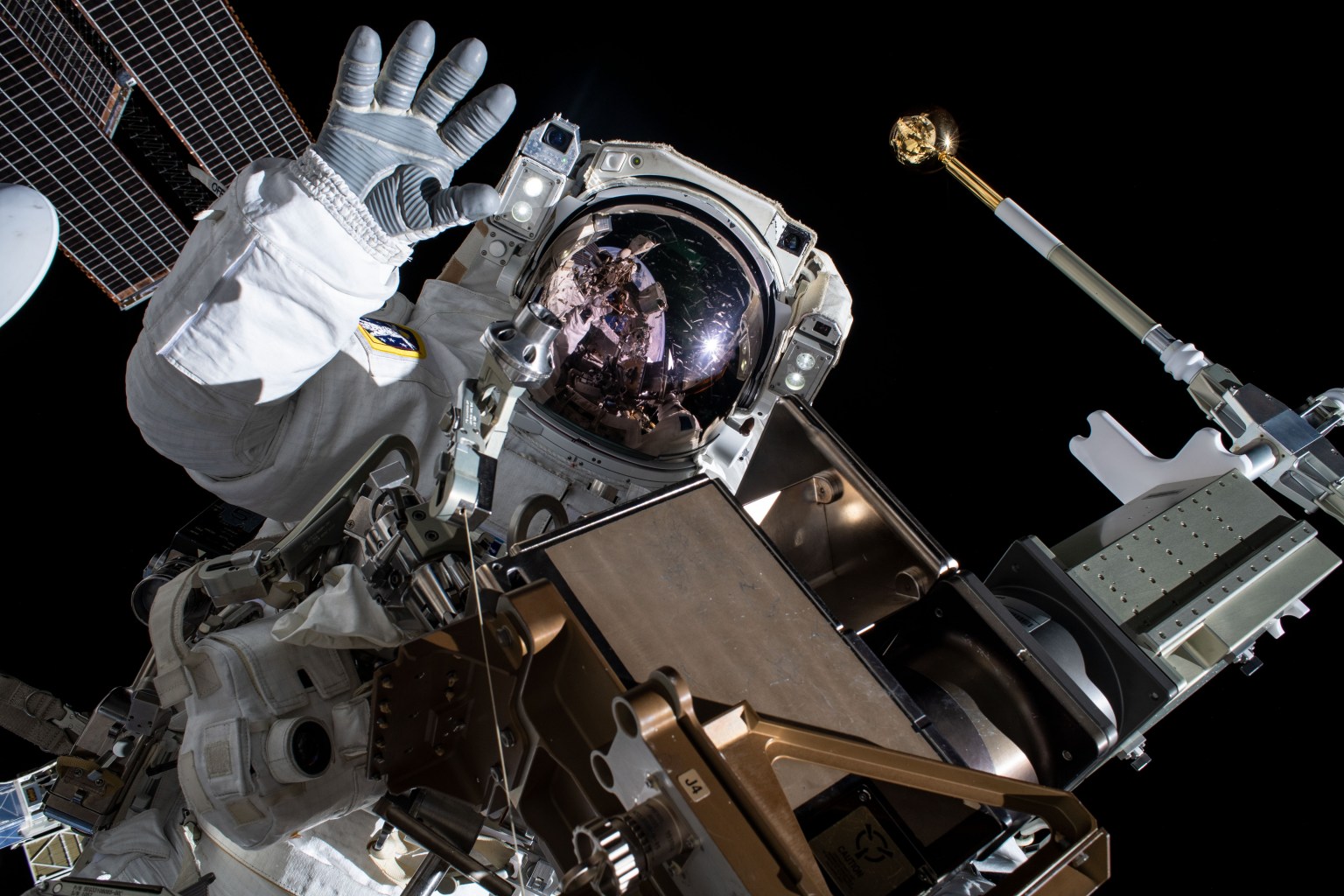
Human Spaceflight
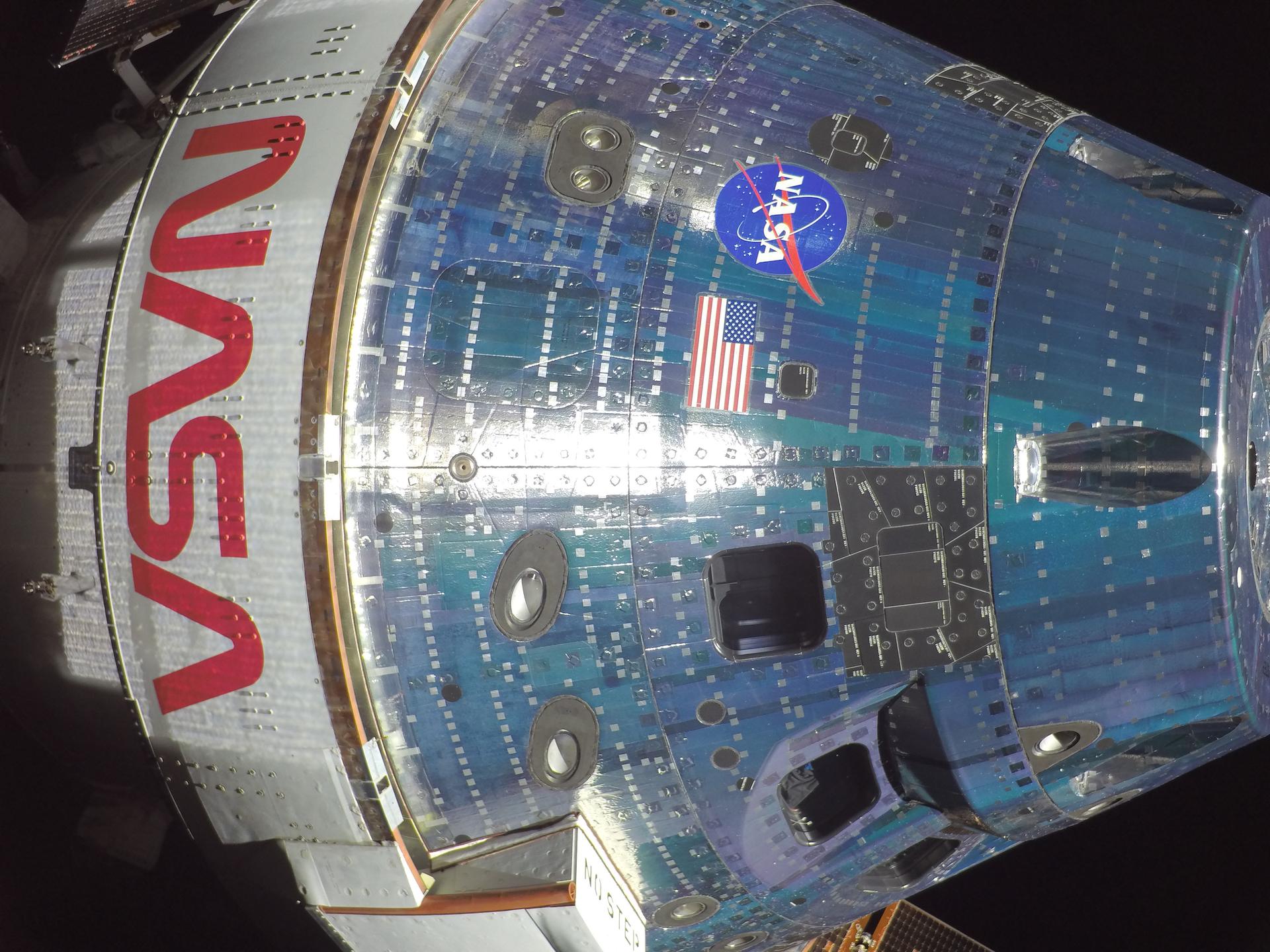
Human space exploration addresses fundamental questions about our place in the universe and the history of our solar system. NASA’s exploration vision is anchored in providing value for humanity by answering some of the most fundamental questions: Why are we here? How did it all begin? Are we alone? What comes next?
Science
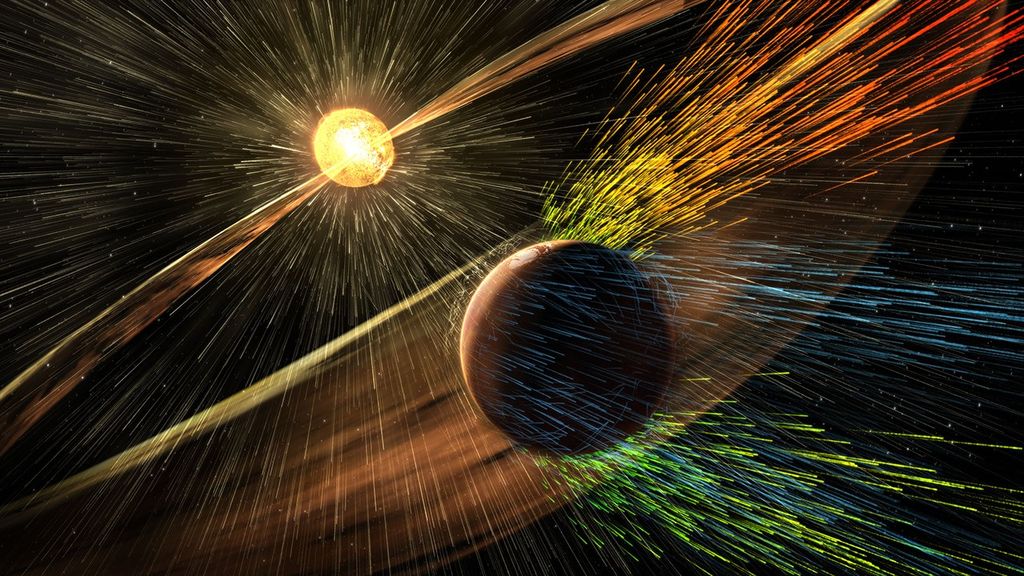
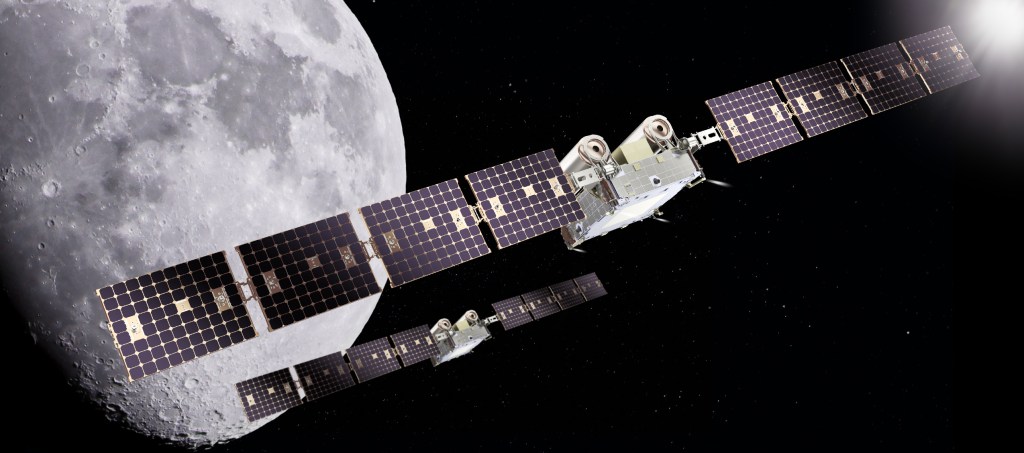
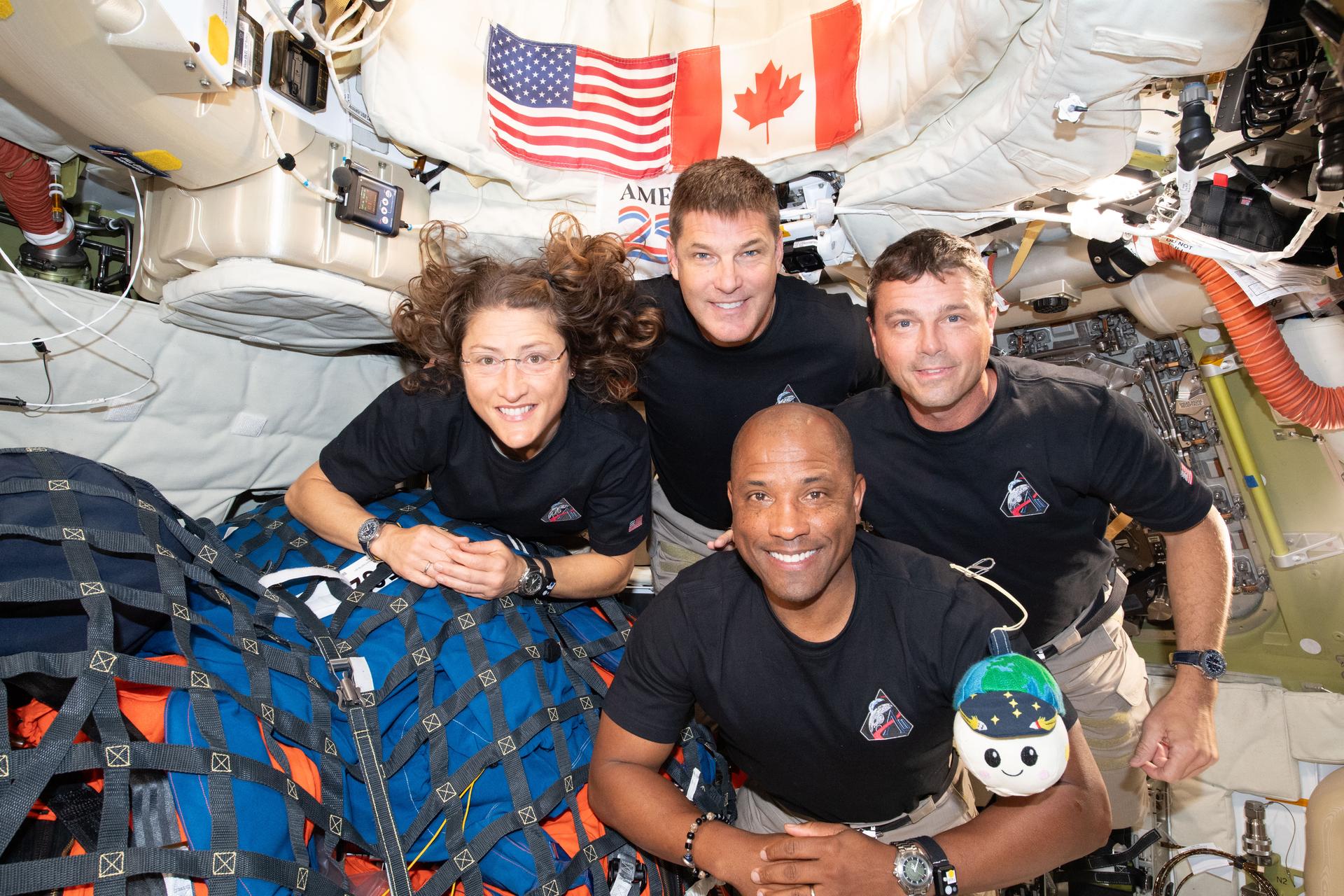
NASA Science seeks to discover the secrets of the universe, search for life elsewhere, and protect and improve life on Earth and in space. The agency’s science missions circle the Earth, the Sun, the Moon, Mars, and many other destinations within our solar system, including spacecraft that look out even further into our universe.
Space Technology
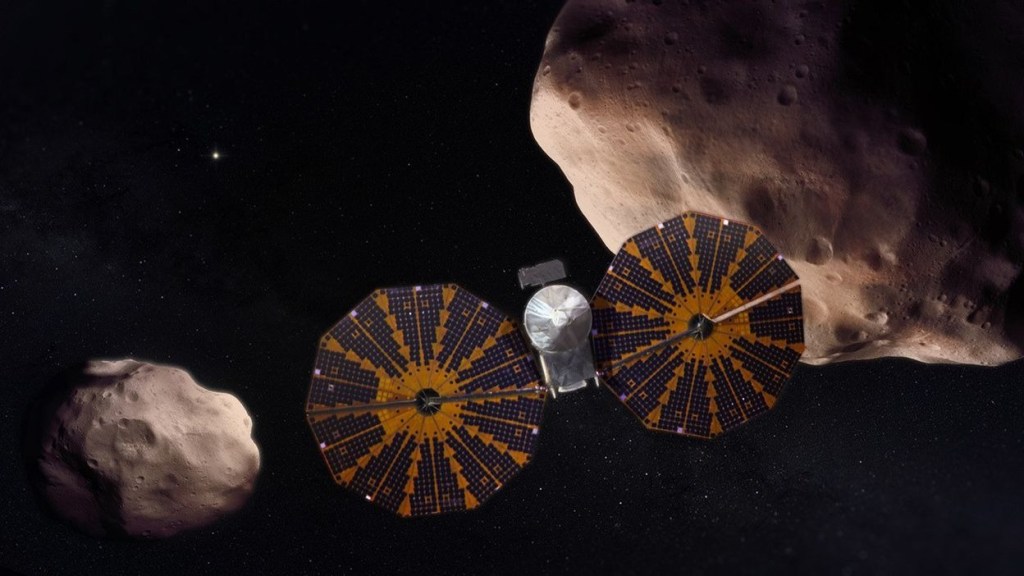
Technology demonstrations enable NASA to mature the cutting-edge, laboratory-proven technologies and new capabilities that will transform future science and space exploration goals. Through these missions, ground-based or in-space testing is conducted to determine the feasibility of technologies and systems for use in NASA missions, for other government agencies, and with the commercial space industry.

Aeronautics
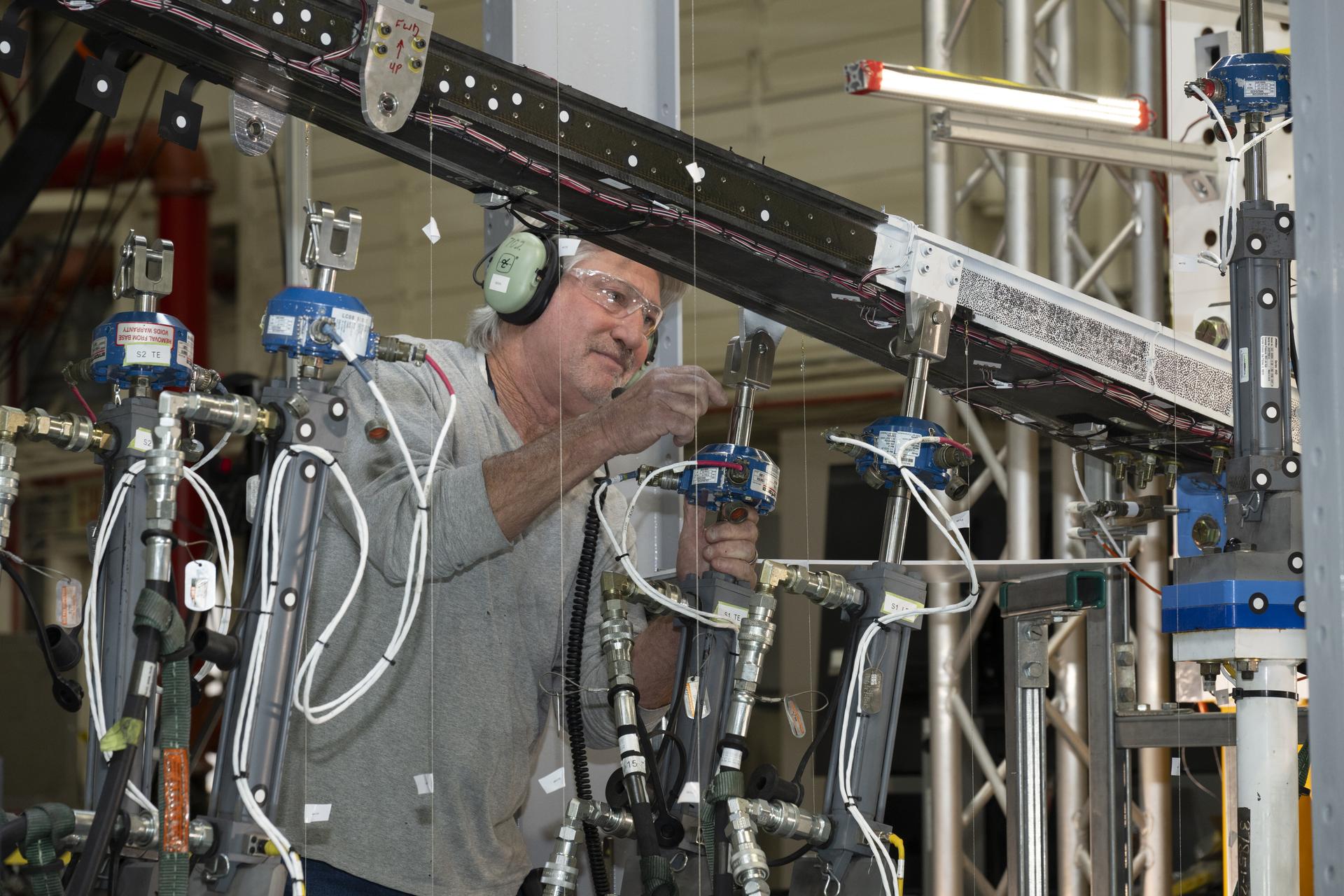
Building on a legacy of aeronautical research that can trace its origins to the earliest days of powered, heavier-than-air flight, NASA remains committed to transforming aviation by dramatically reducing its environmental impact, improving efficiency while maintaining safety, and paving the way to revolutionary aircraft shapes and propulsion that opens new possibilities for commercial air travel.
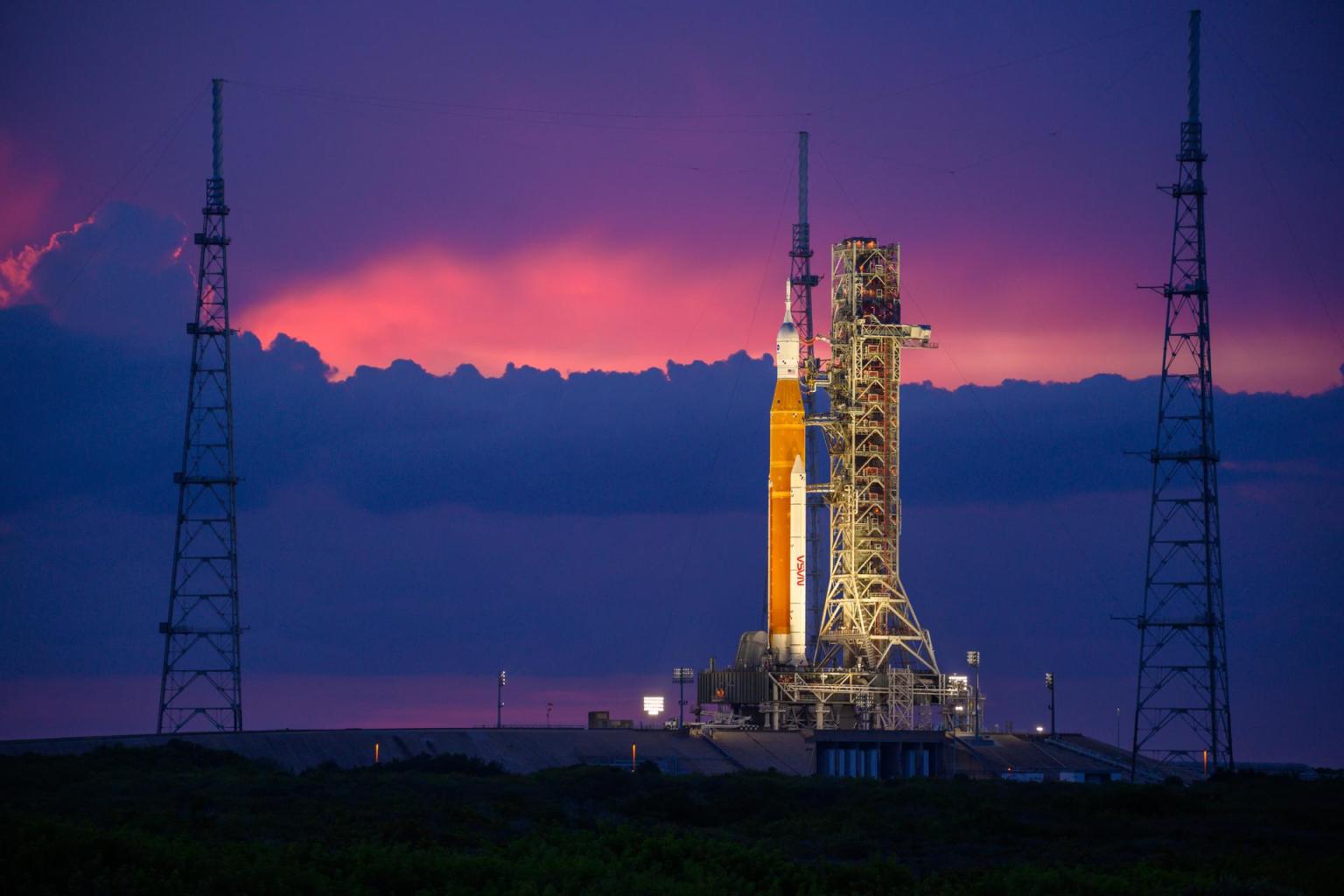
Artemis
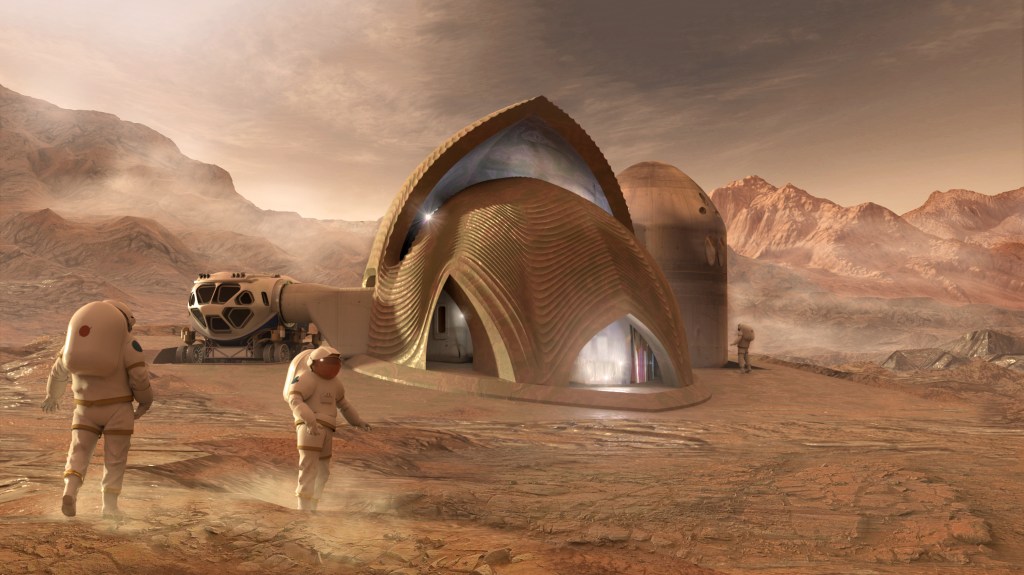
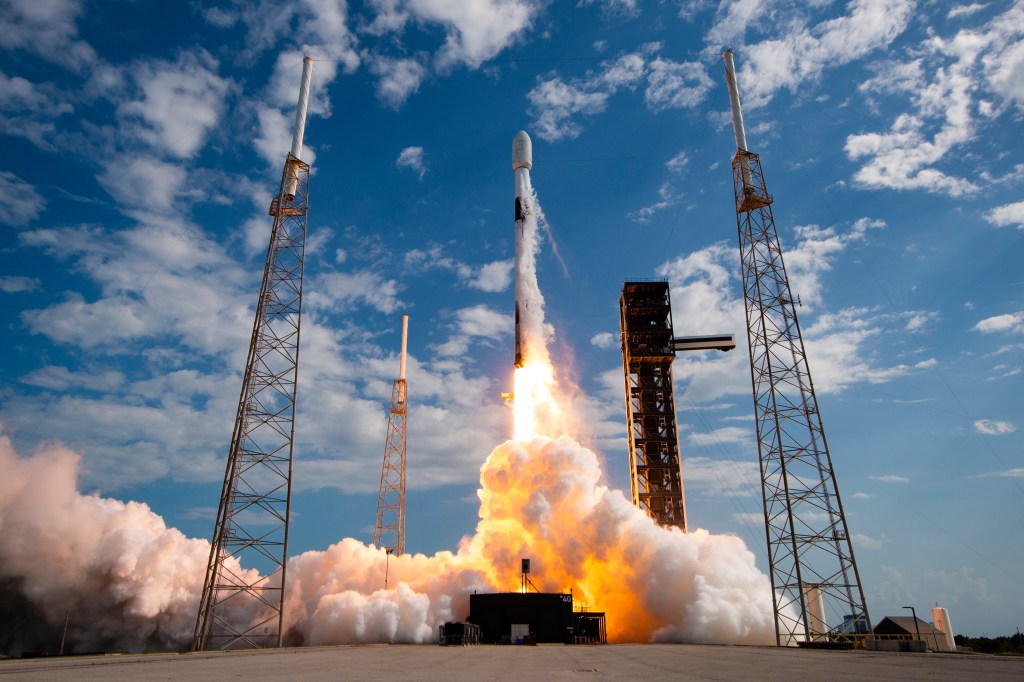
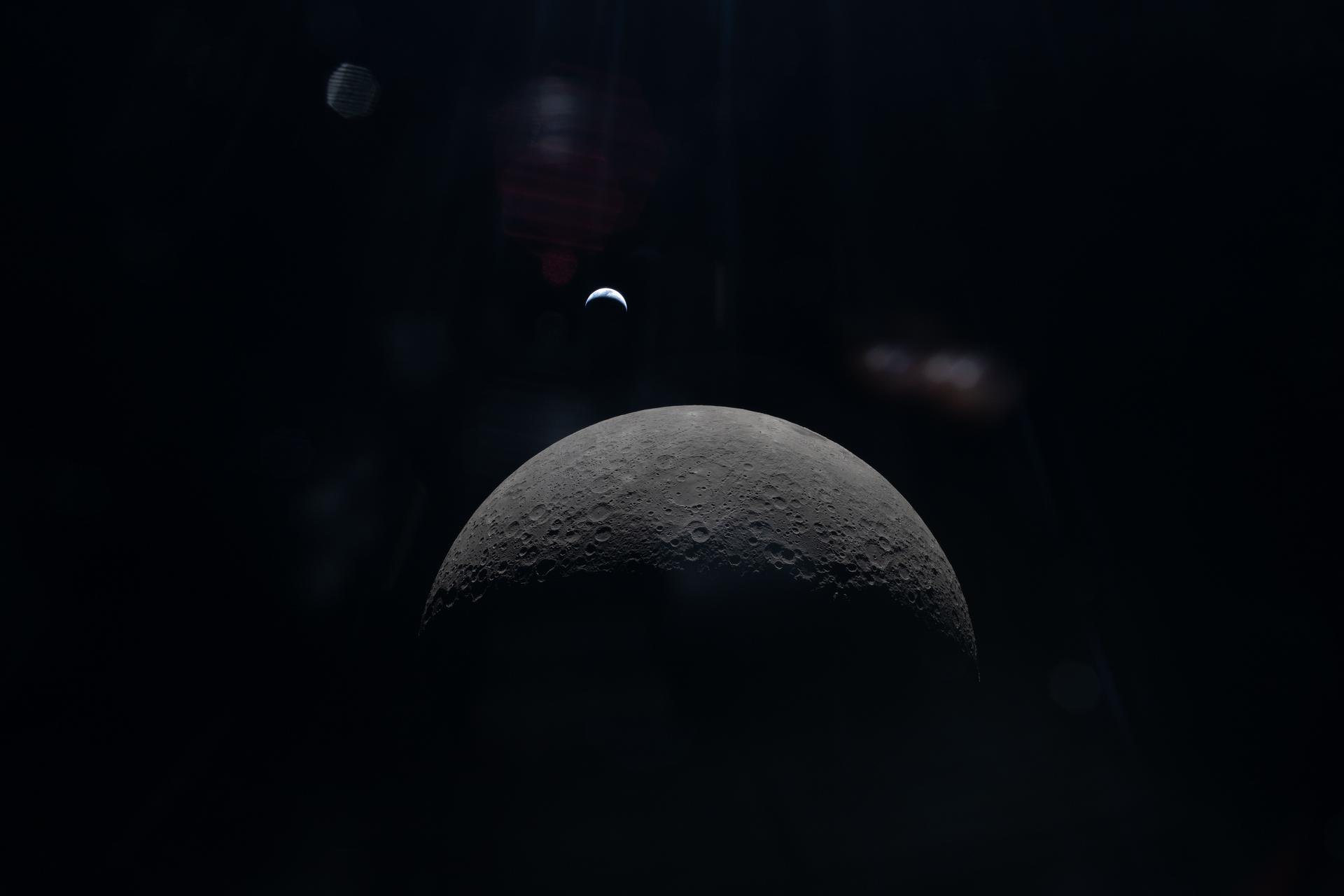
Under Artemis, NASA will send astronauts on increasingly difficult missions to explore more of the Moon for scientific discovery, economic benefits, and to build on our foundation for the first crewed missions to Mars.
Forging New Frontiers about Artemis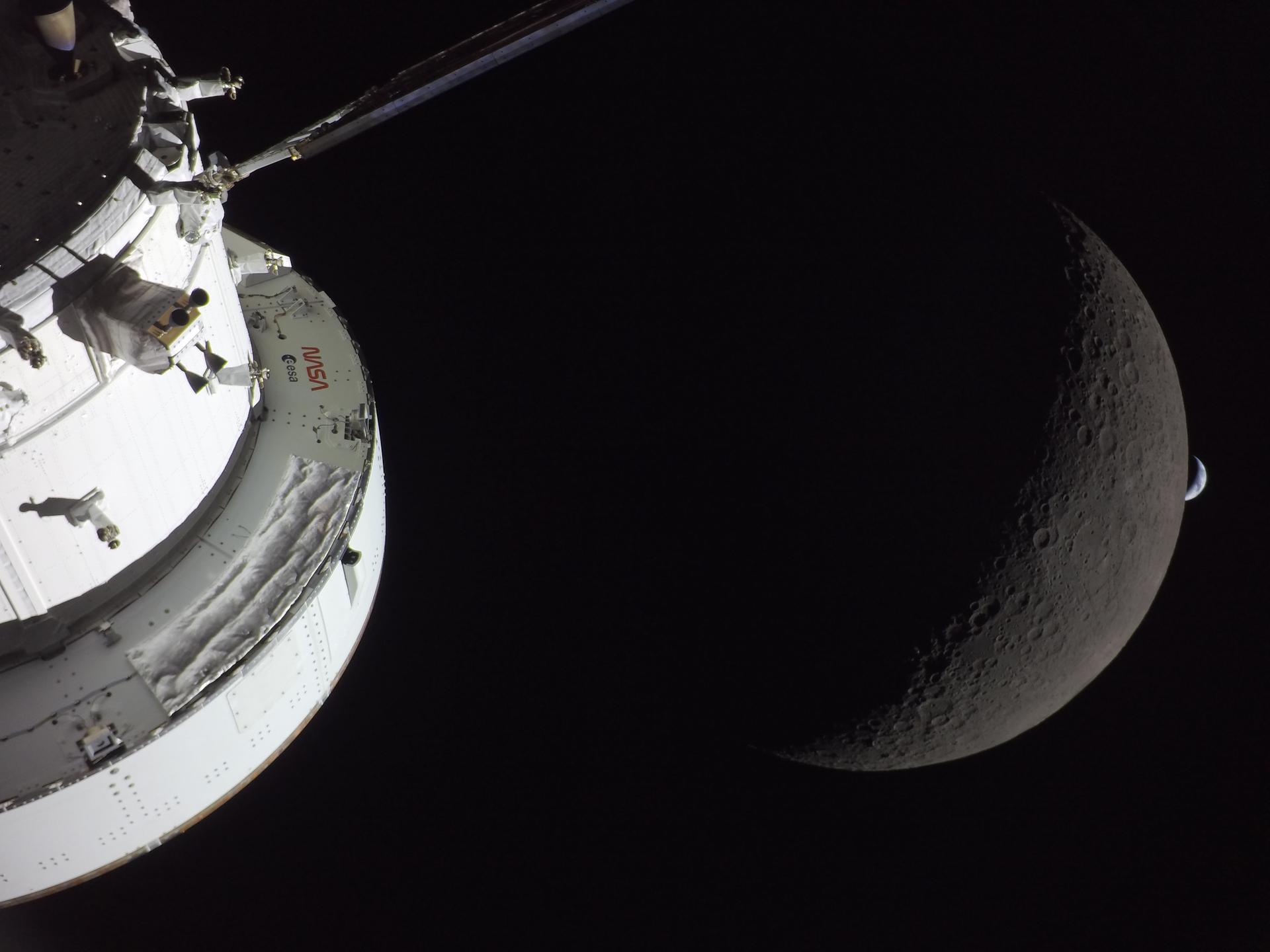
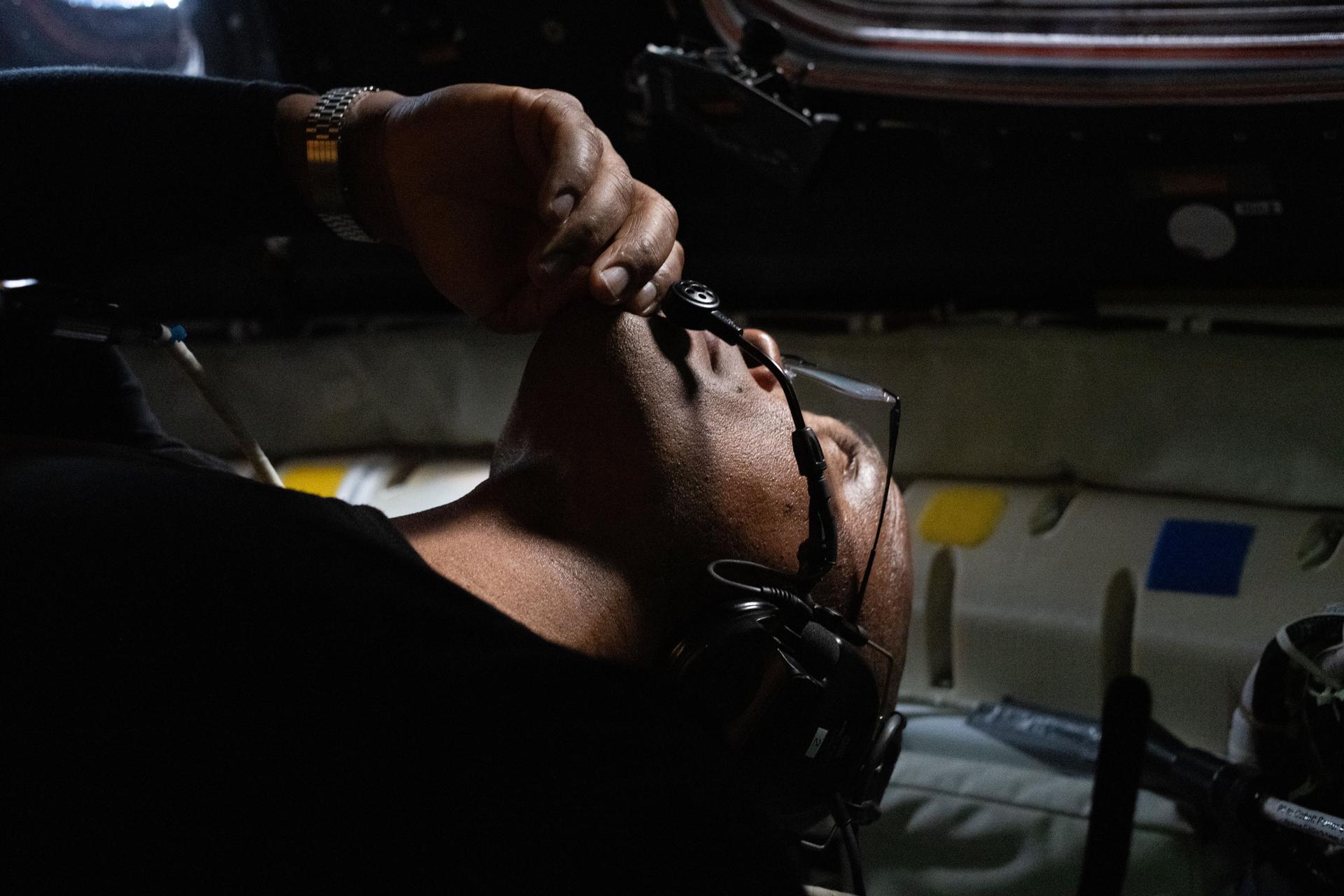
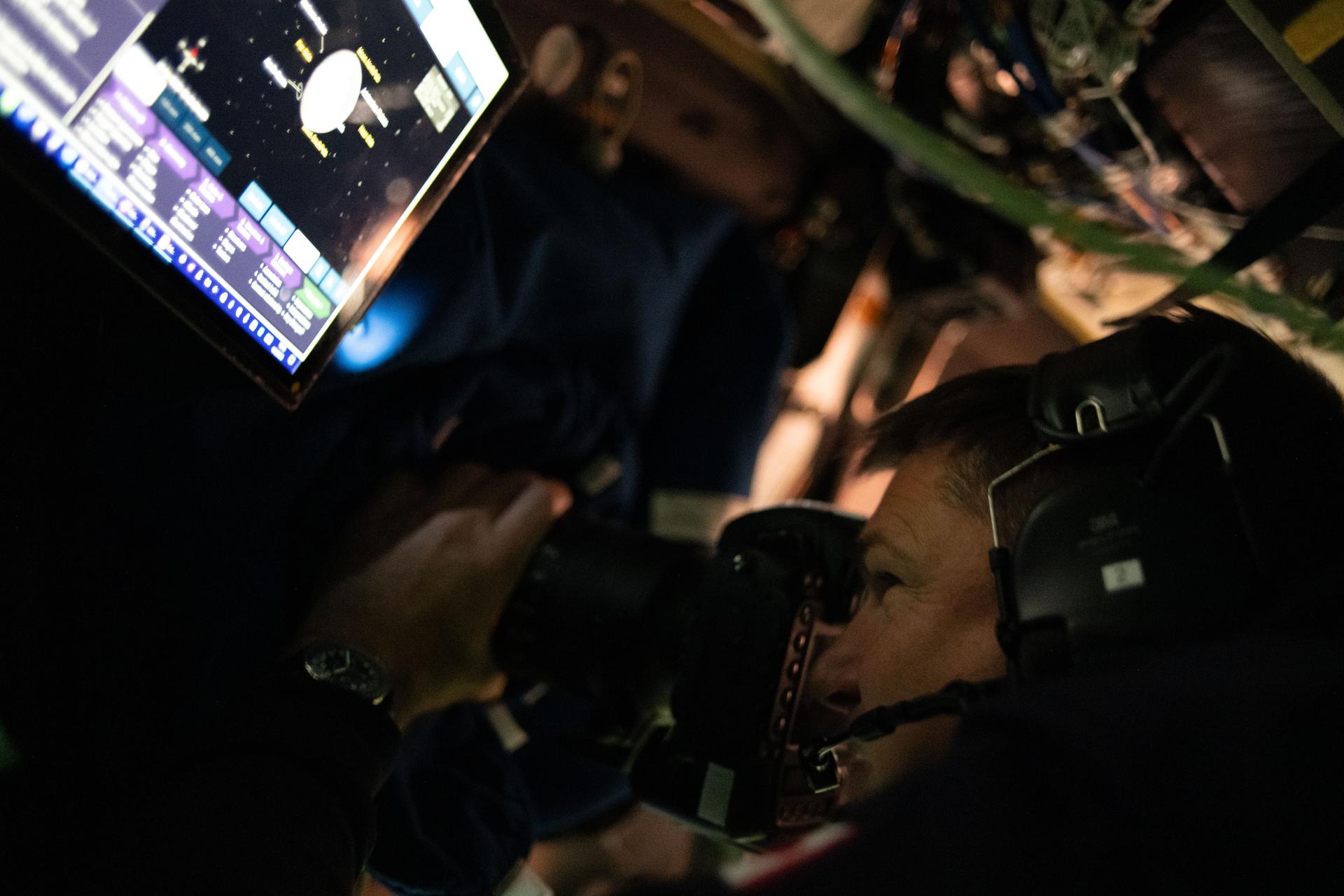
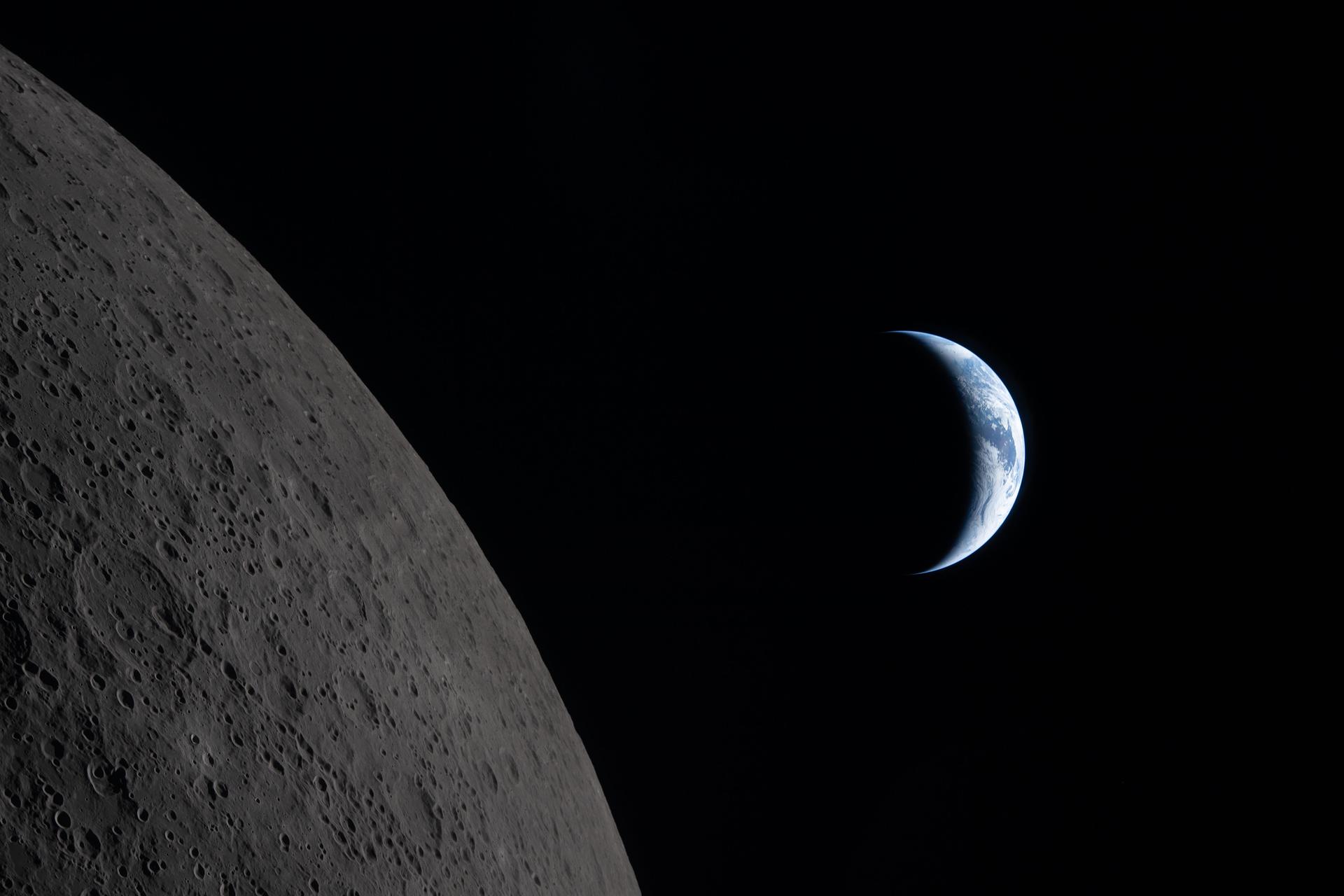
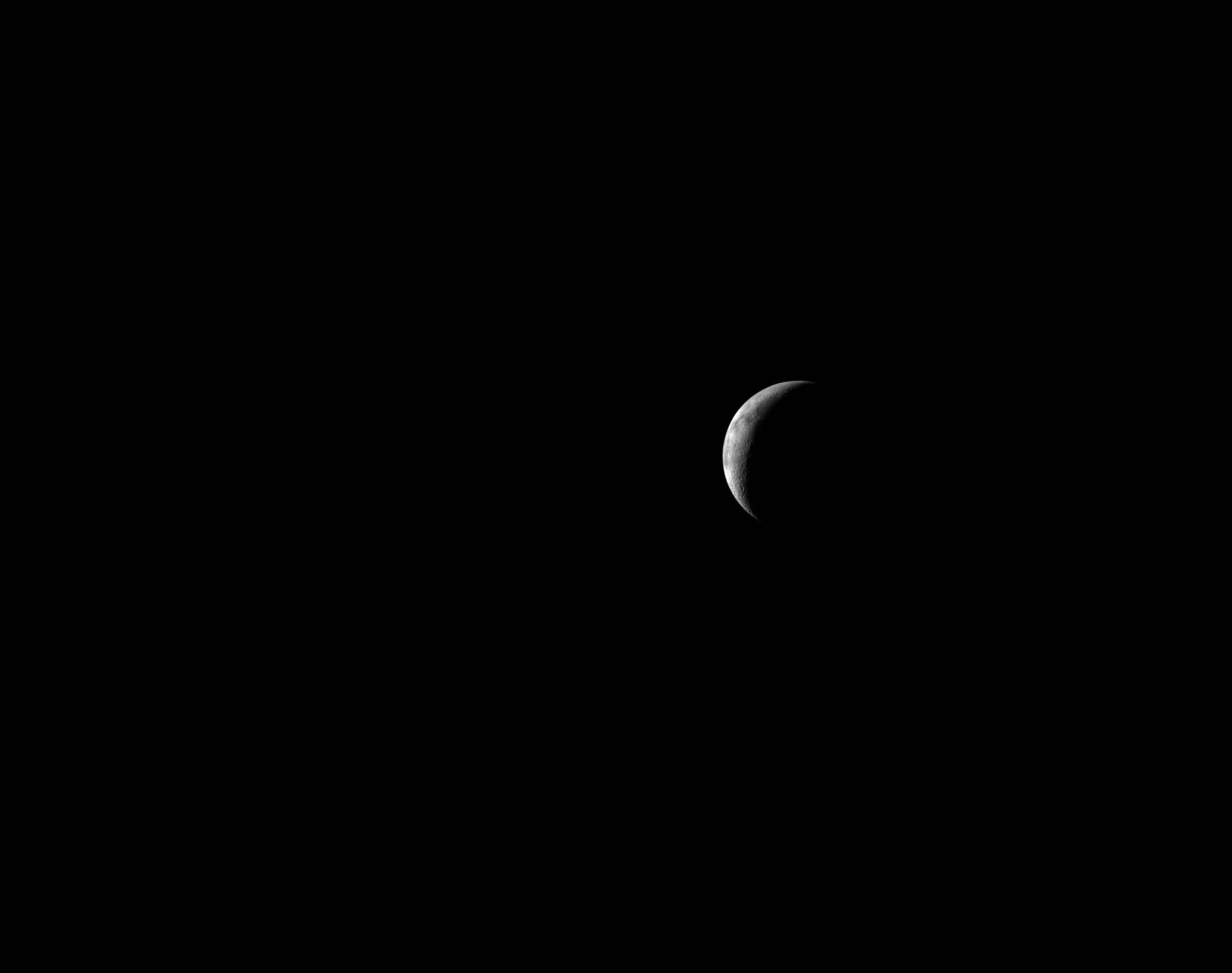
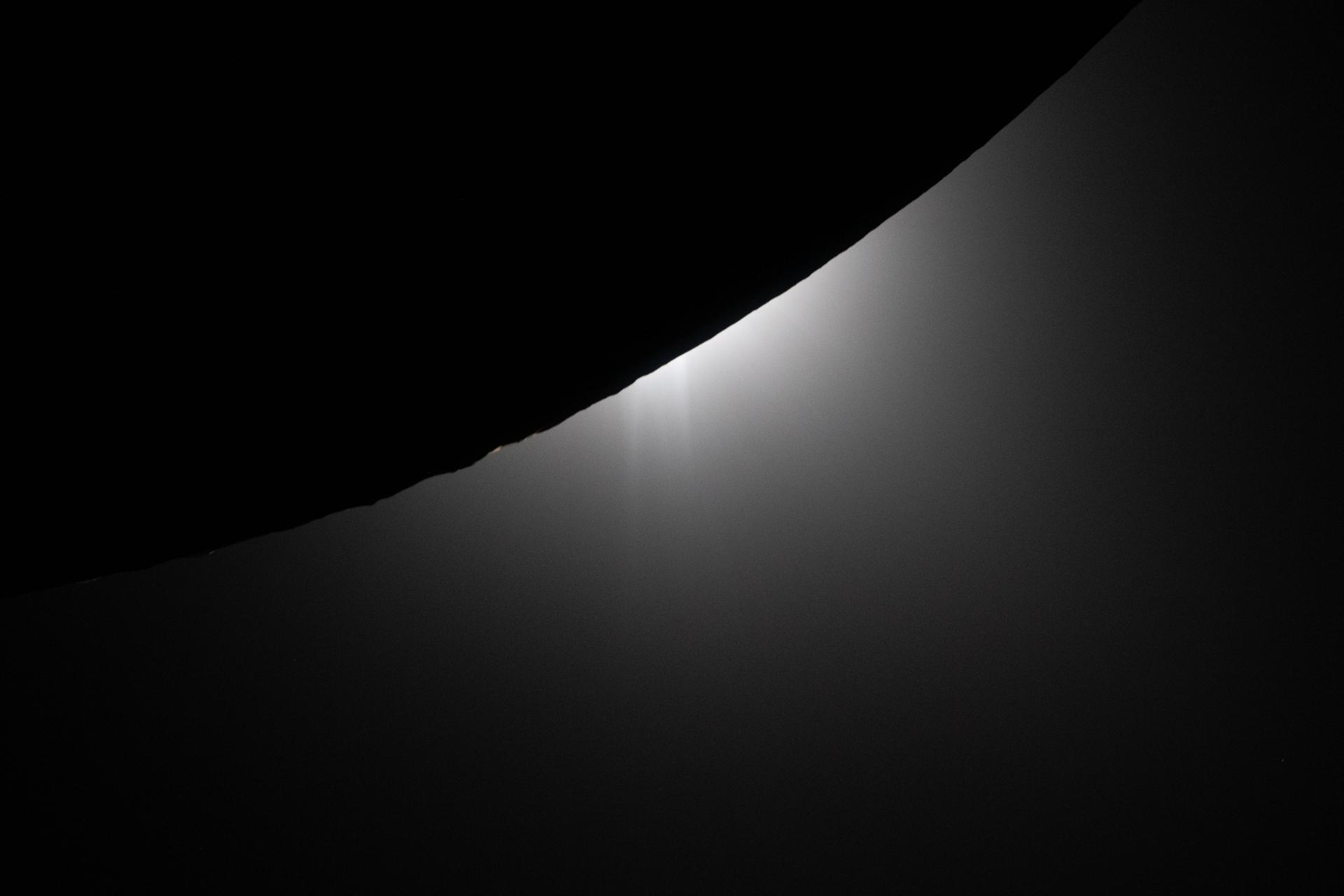
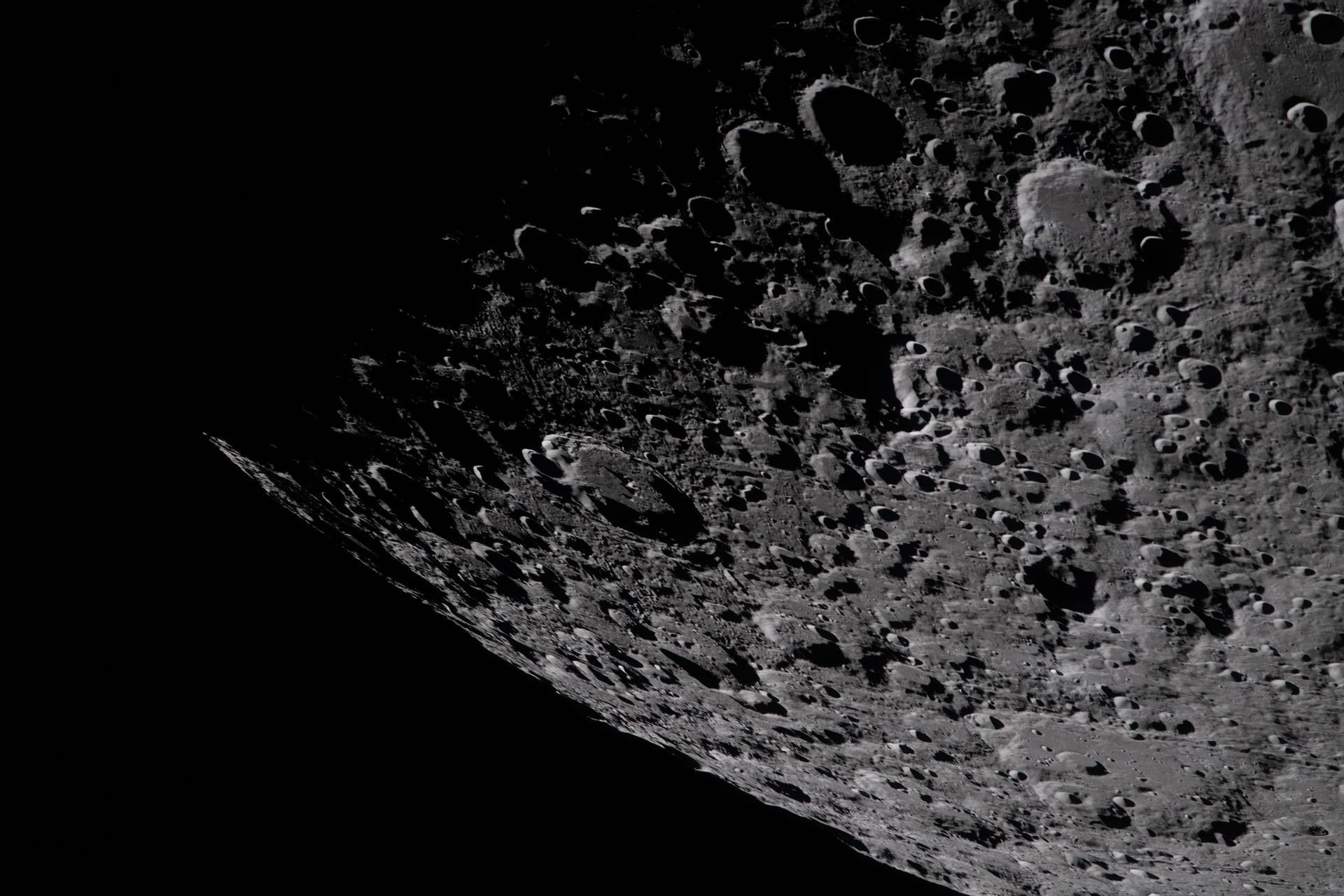
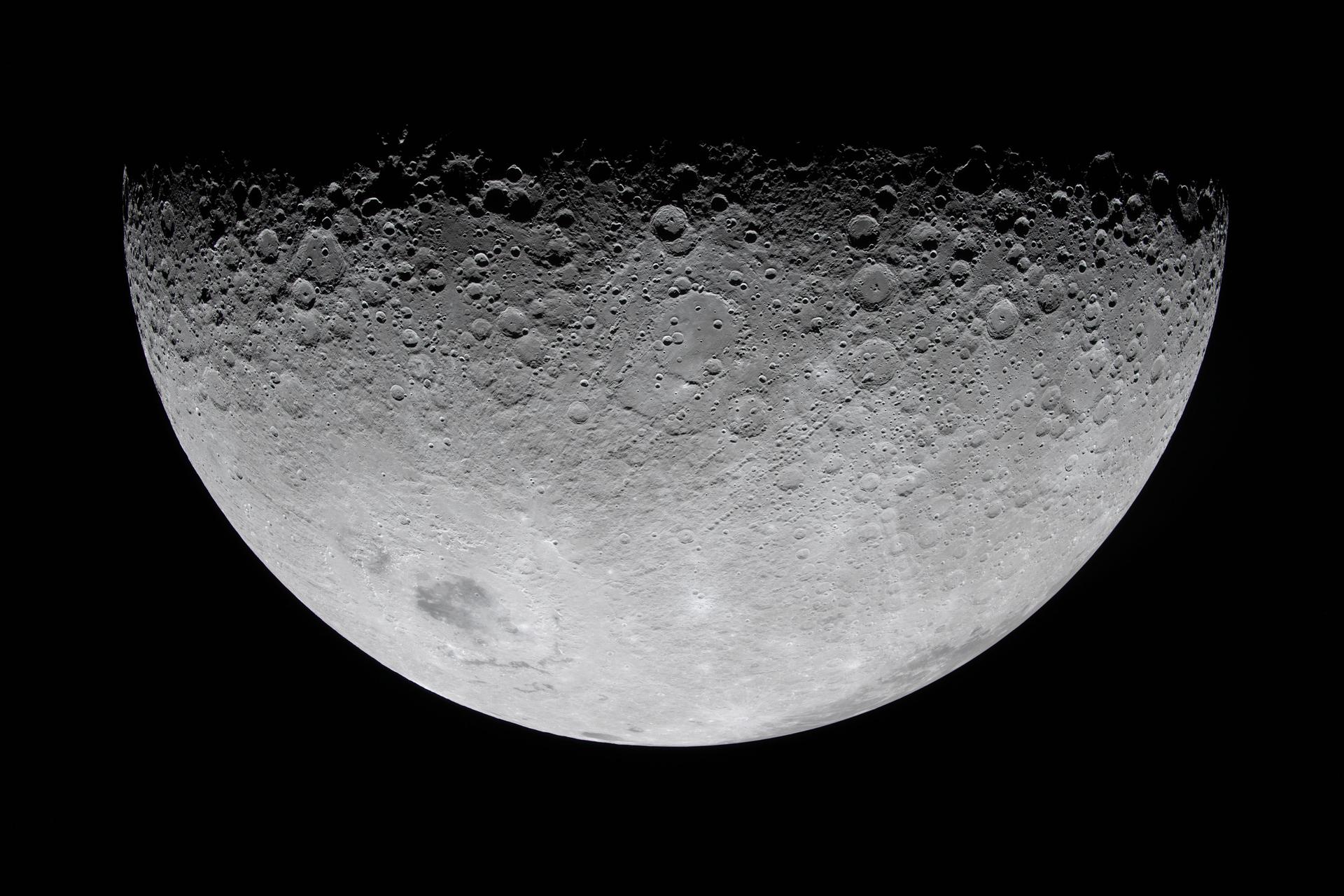
Artemis II Lunar Flyby
In the Beginning
NASA's first high profile program was Project Mercury, an effort to learn if humans could survive in space.
In October 1958, just six days after NASA formally organized, America’s first human spaceflight program was born. Project Mercury’s manned flights spanned just two years – from May 1961 to May 1963 – making history with its six missions launched from Cape Canaveral.
Project Mercury about In the Beginning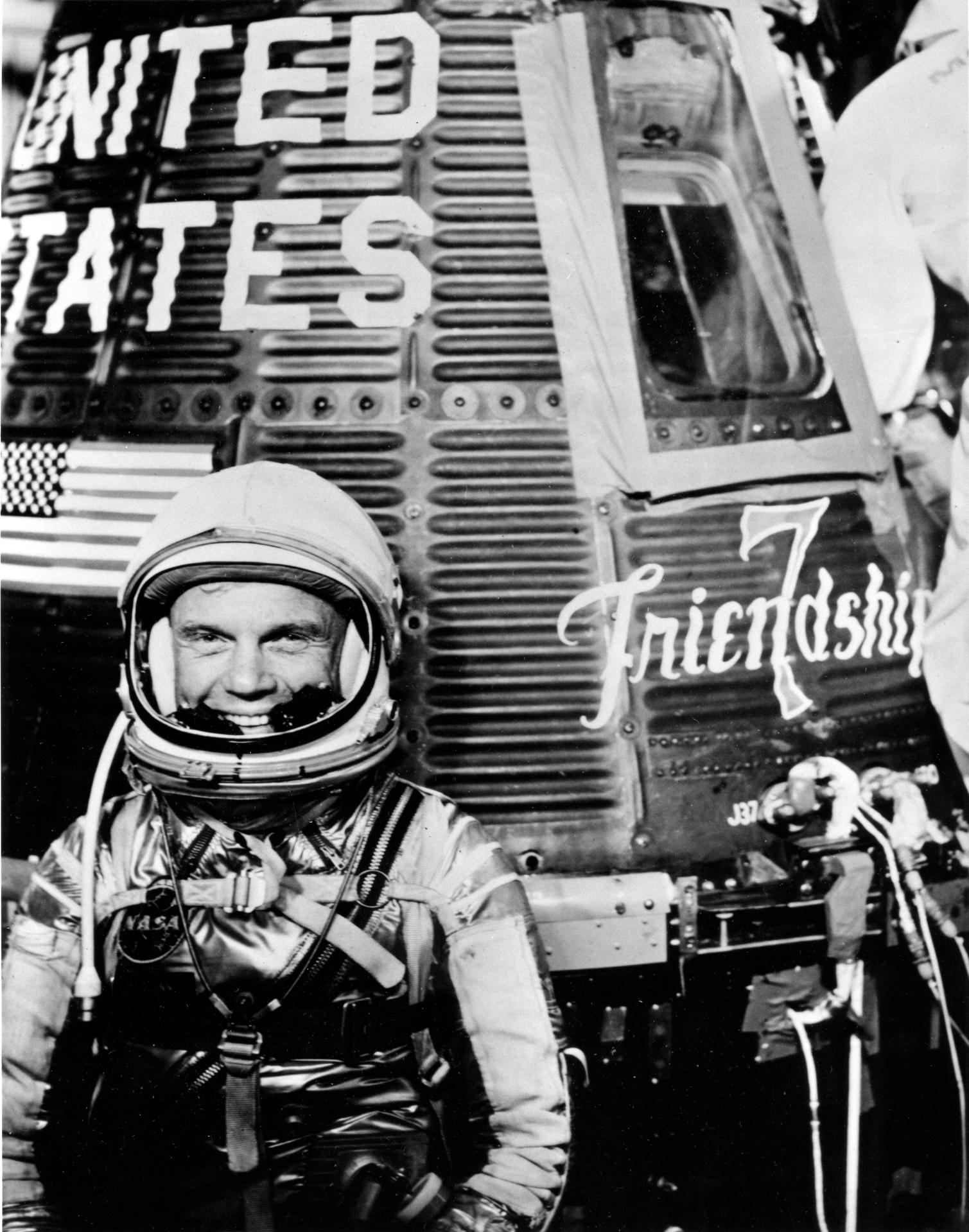
Featured Missions
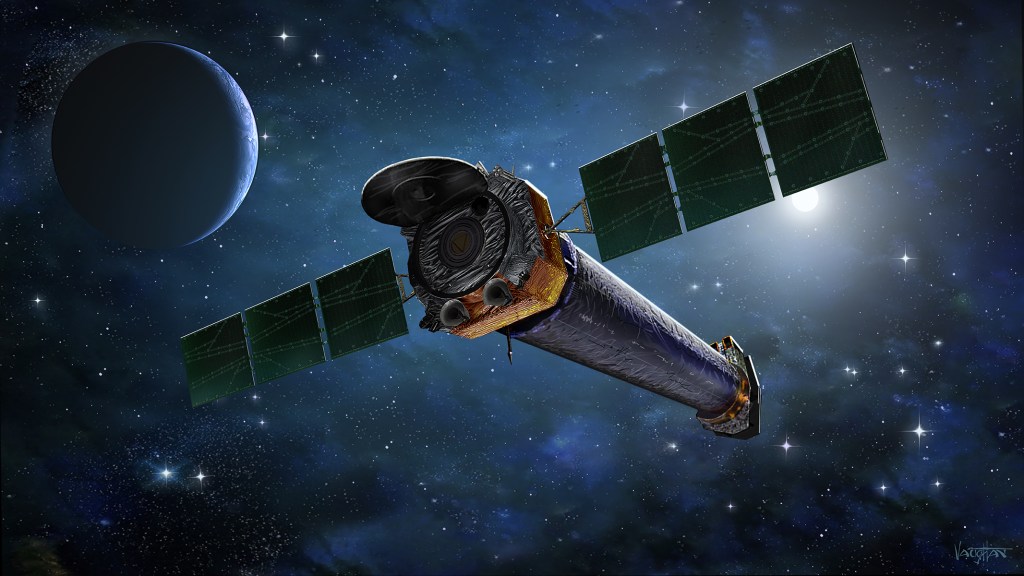
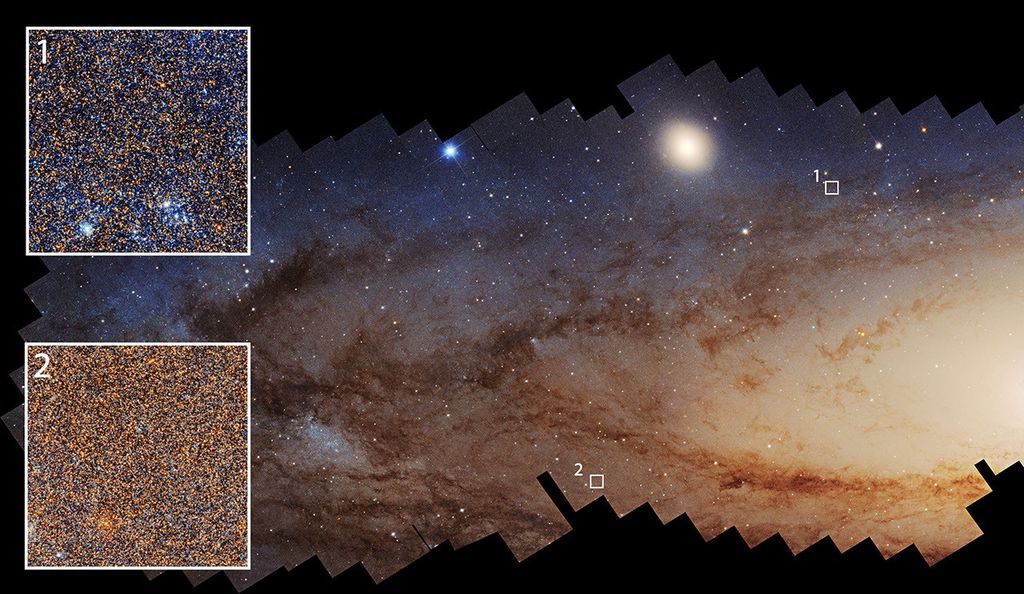
Chandra X-ray Observatory
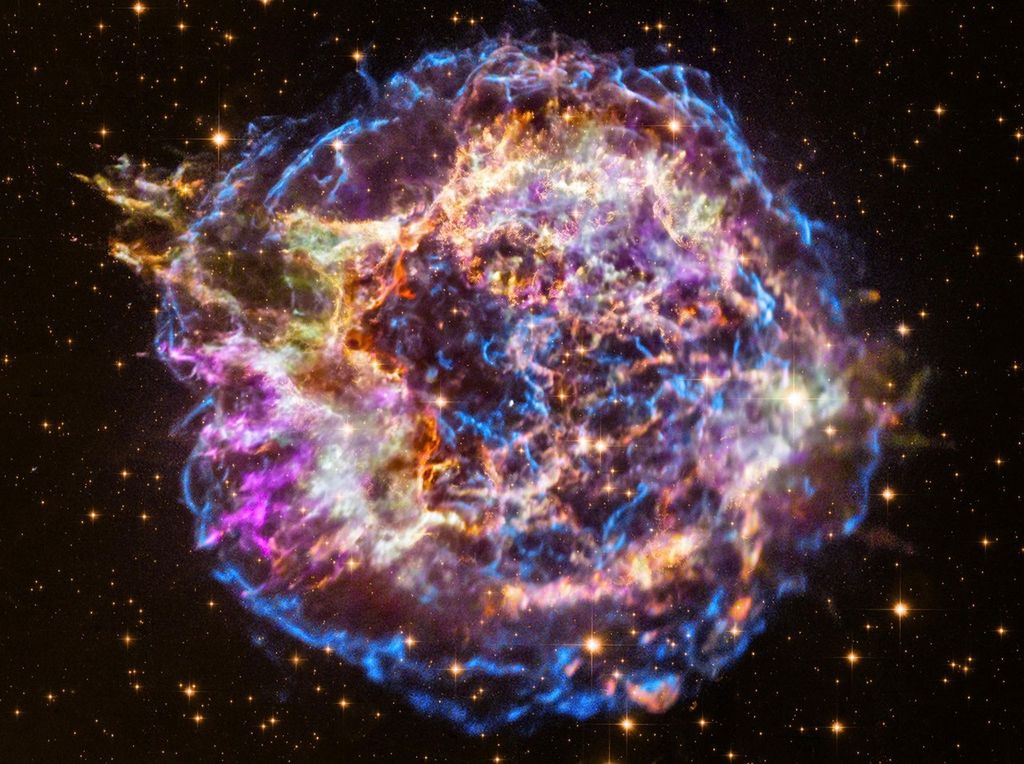
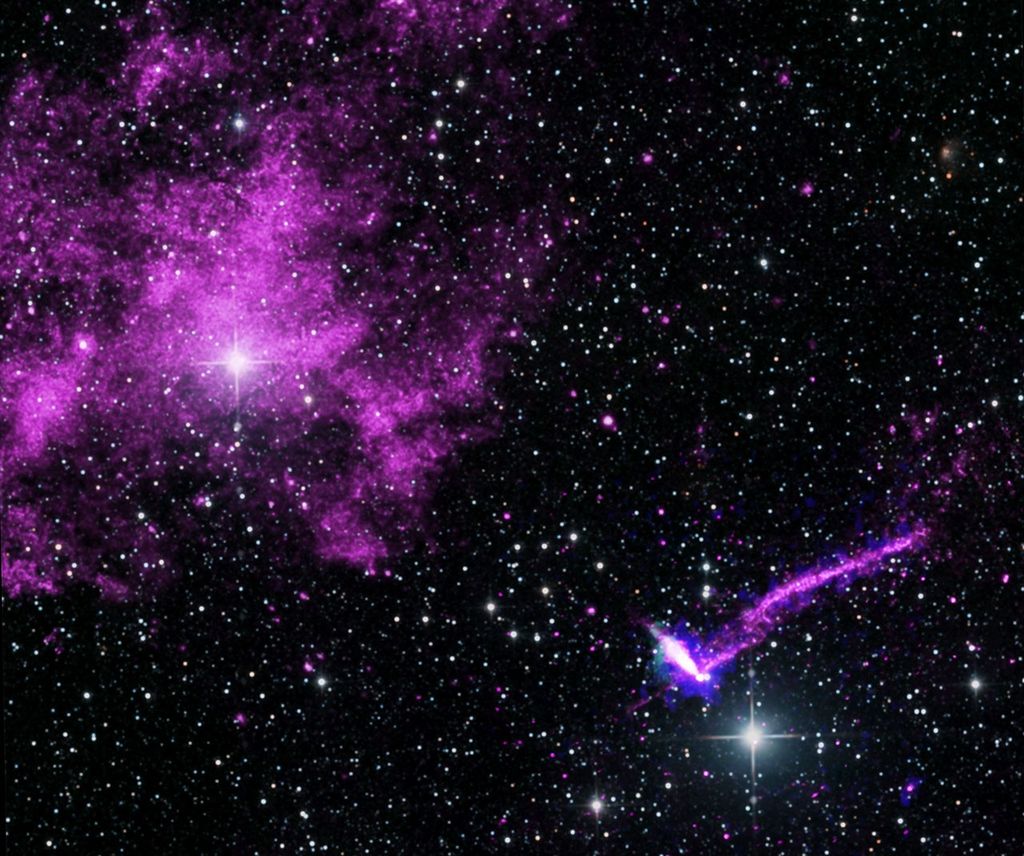
The Chandra X-ray Observatory allows scientists from around the world to obtain X-ray images of exotic environments to help understand the structure and evolution of the universe.
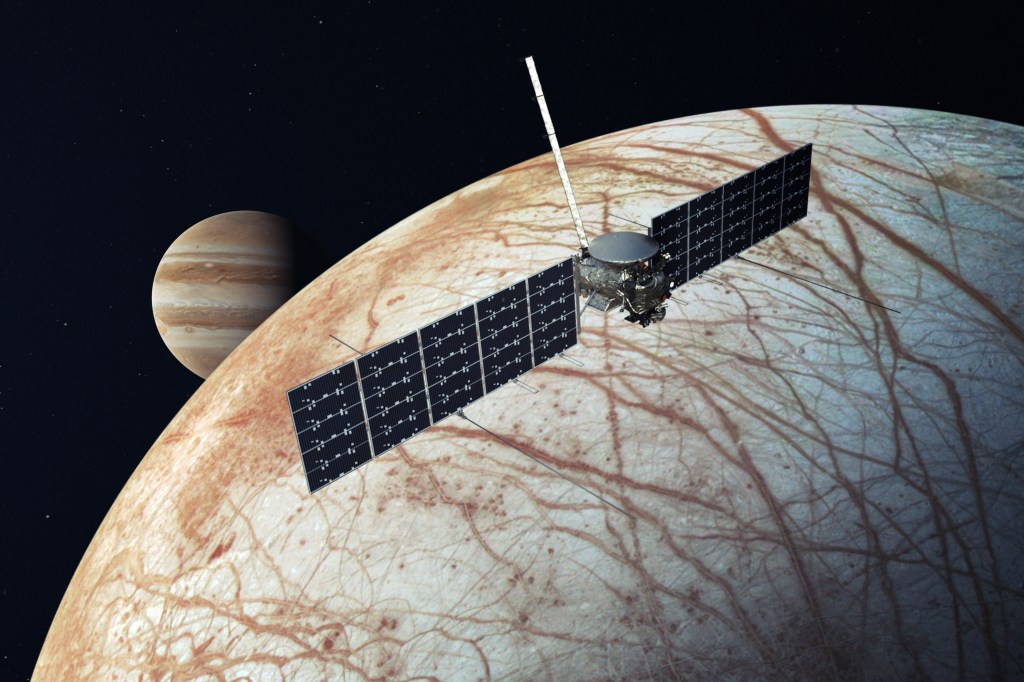
Europa Clipper
Europa Clipper is the first mission designed to conduct a detailed study of Jupiter's moon Europa. The spacecraft will travel 1.8 billion miles to reach Jupiter in April 2030.
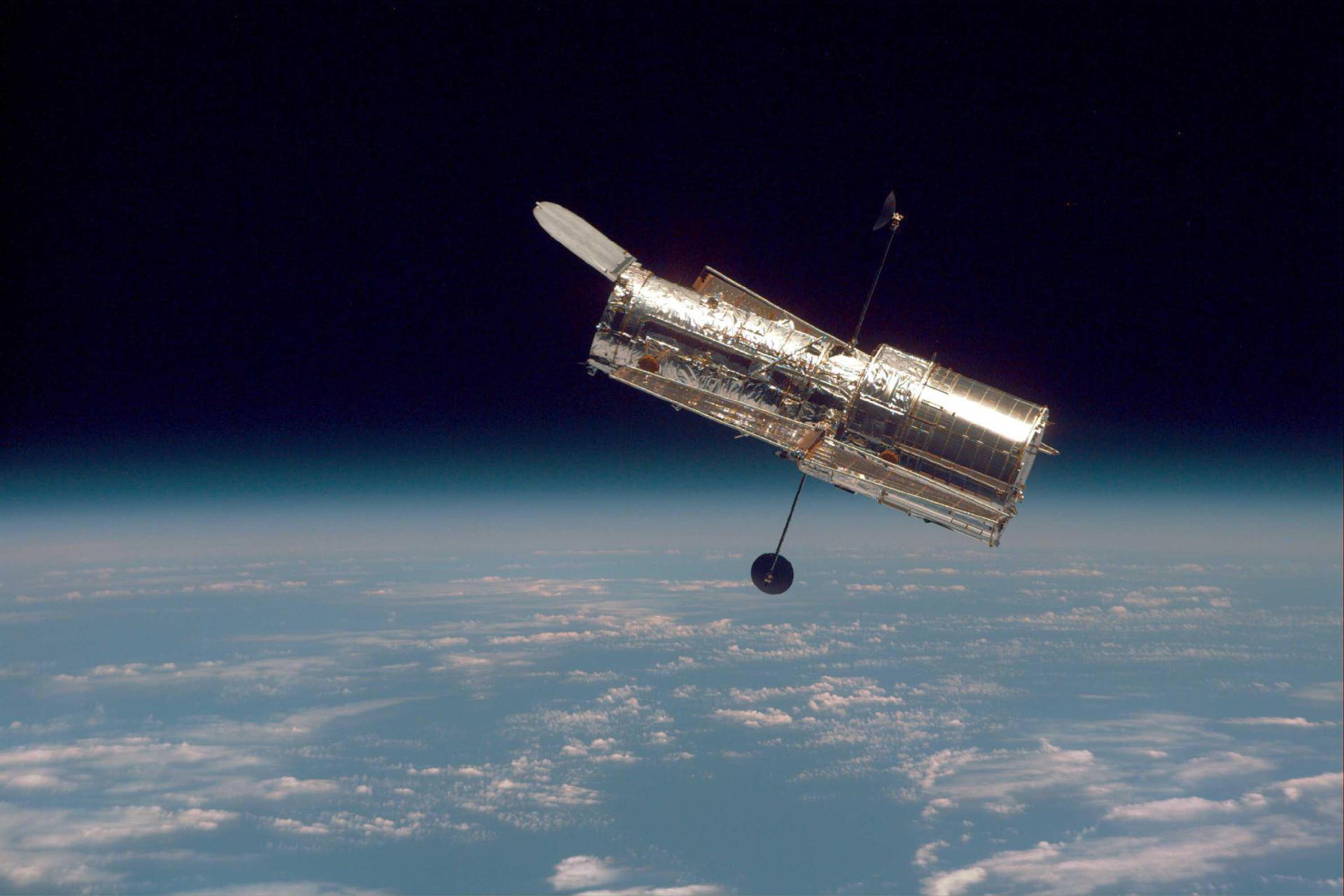
Hubble Space Telescope
NASA's Hubble Space Telescope began its groundbreaking mission in 1990, forever changing the way we understand our universe. 35 years later, Hubble’s science continues to inspire.
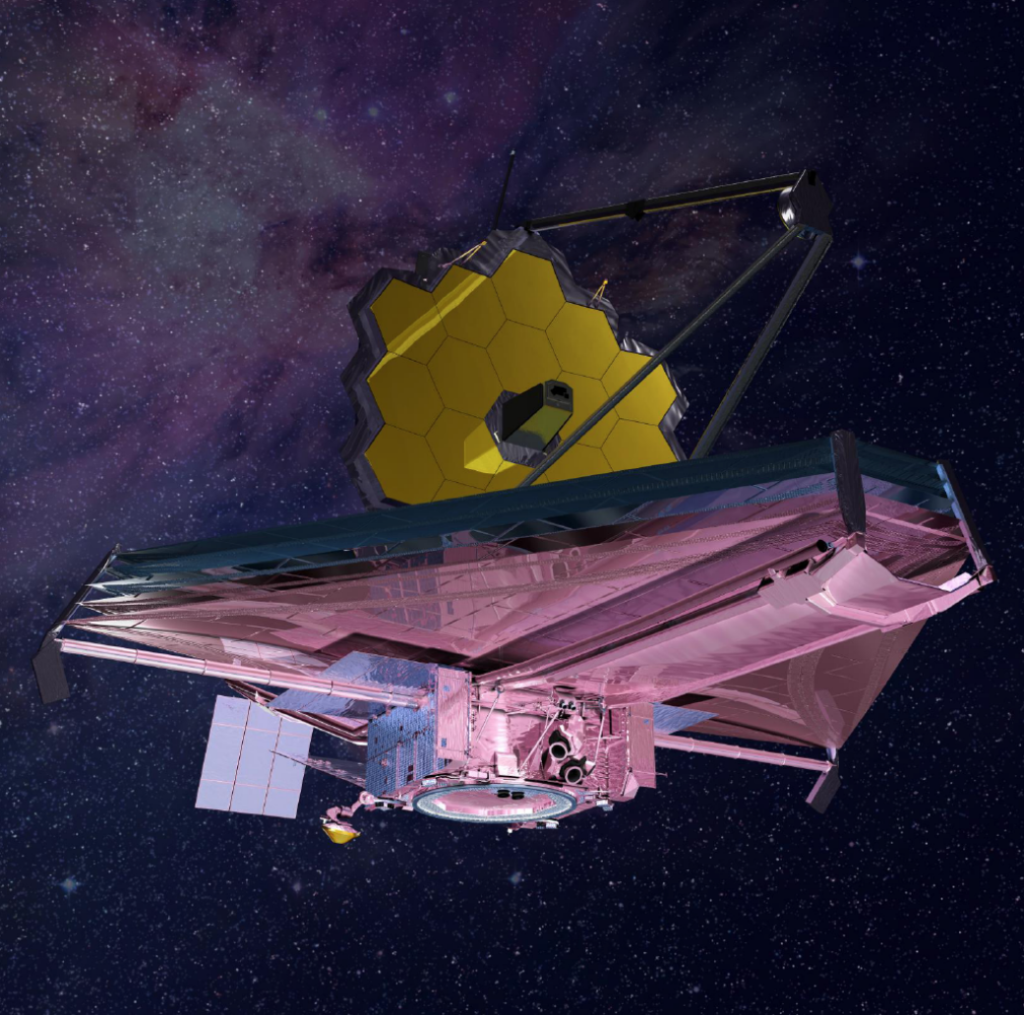
James Webb Space Telescope
Webb studies every phase in the history of our Universe, ranging from the first luminous glows after the Big Bang, to the formation of solar systems capable of supporting life on planets like Earth,
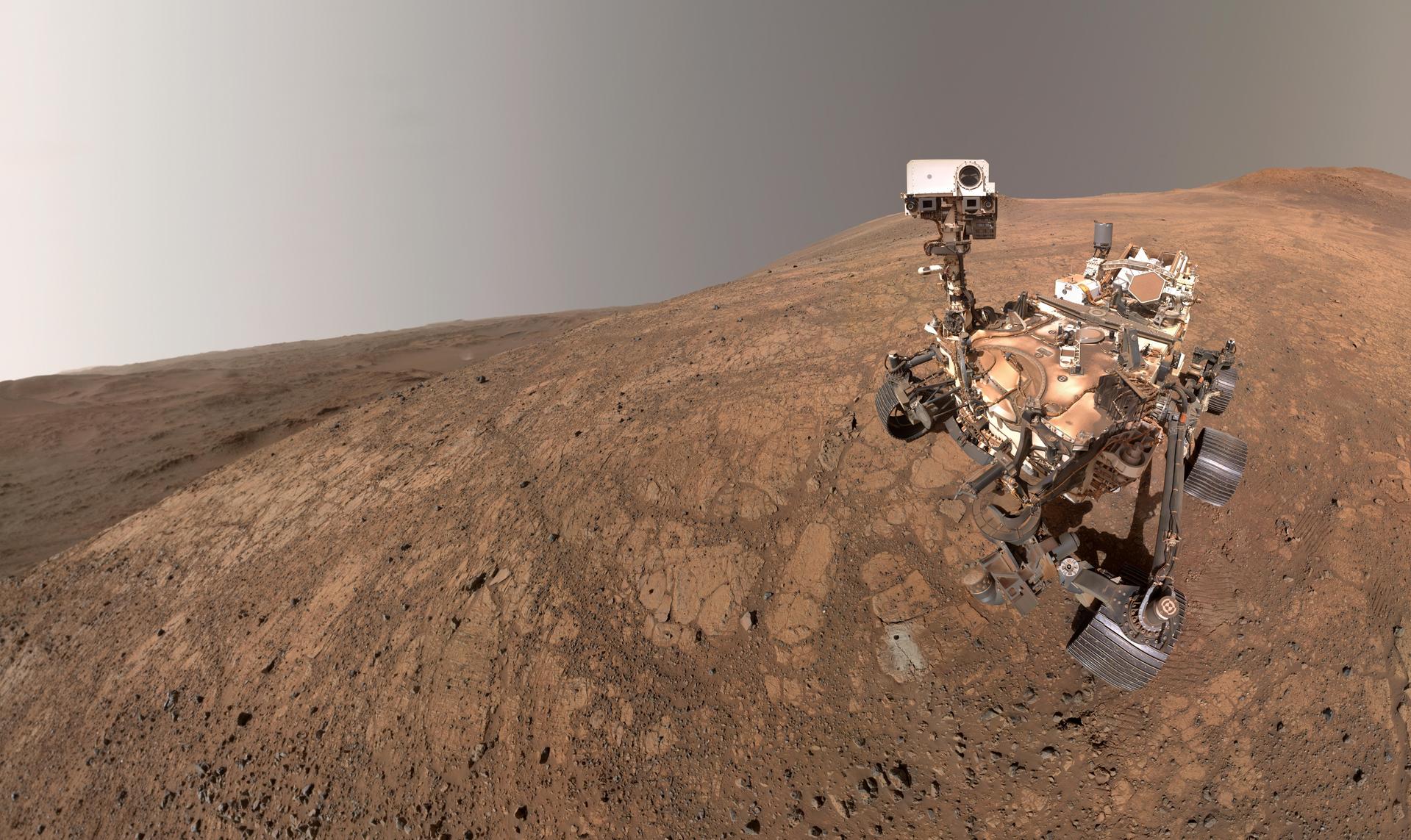
Mars Perseverance Rover
The Mars Perseverance Rover is collecting core samples of Martian rock and regolith for potential pickup by a future mission that would bring them to Earth for detailed study.
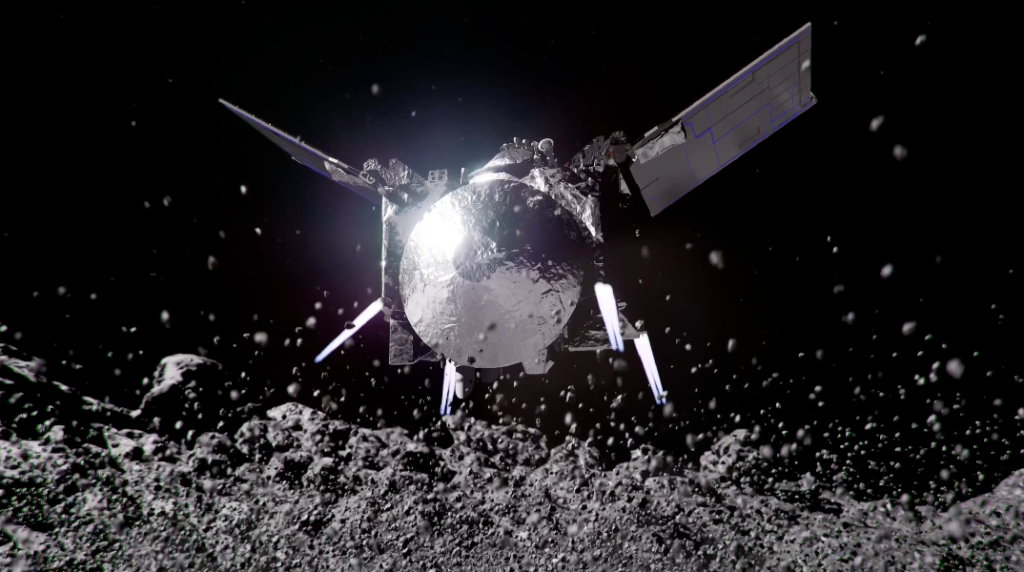
OSIRIS-APEX
OSIRIS-APEX, a follow-on to OSIRIS-REx, is a mission to study the physical changes to asteroid Apophis that will result from its rare close encounter with Earth in April 2029.
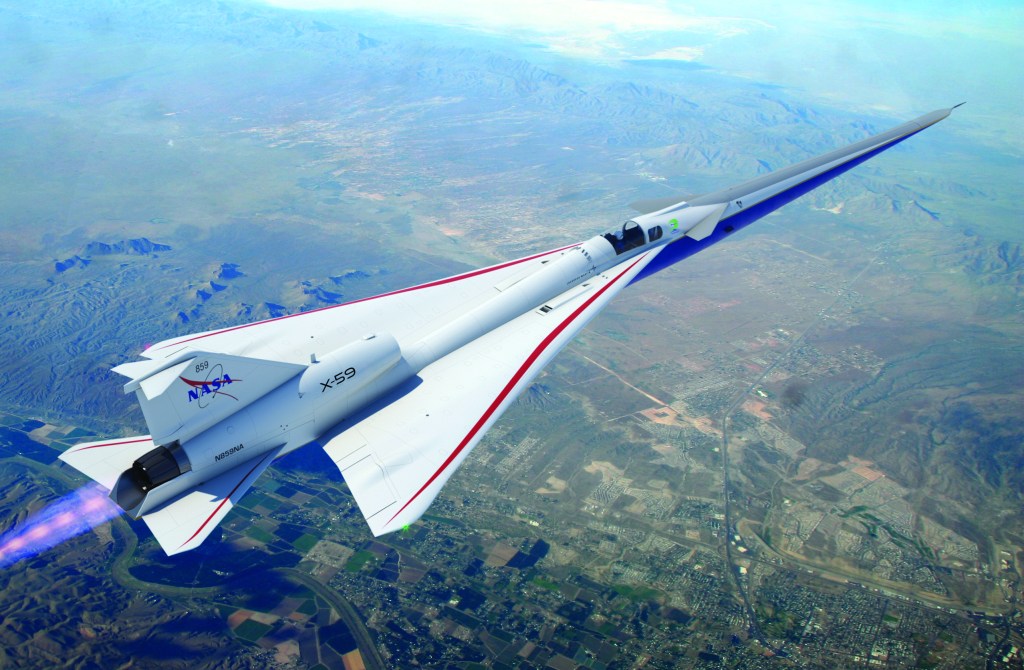
Quesst
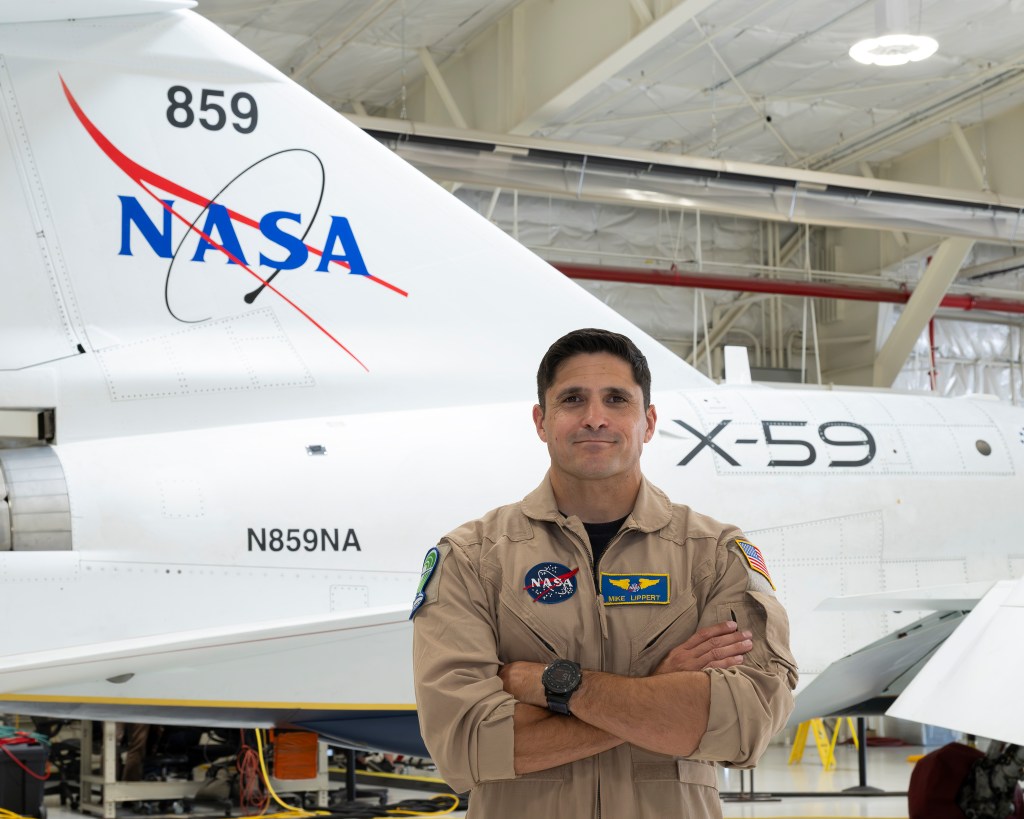
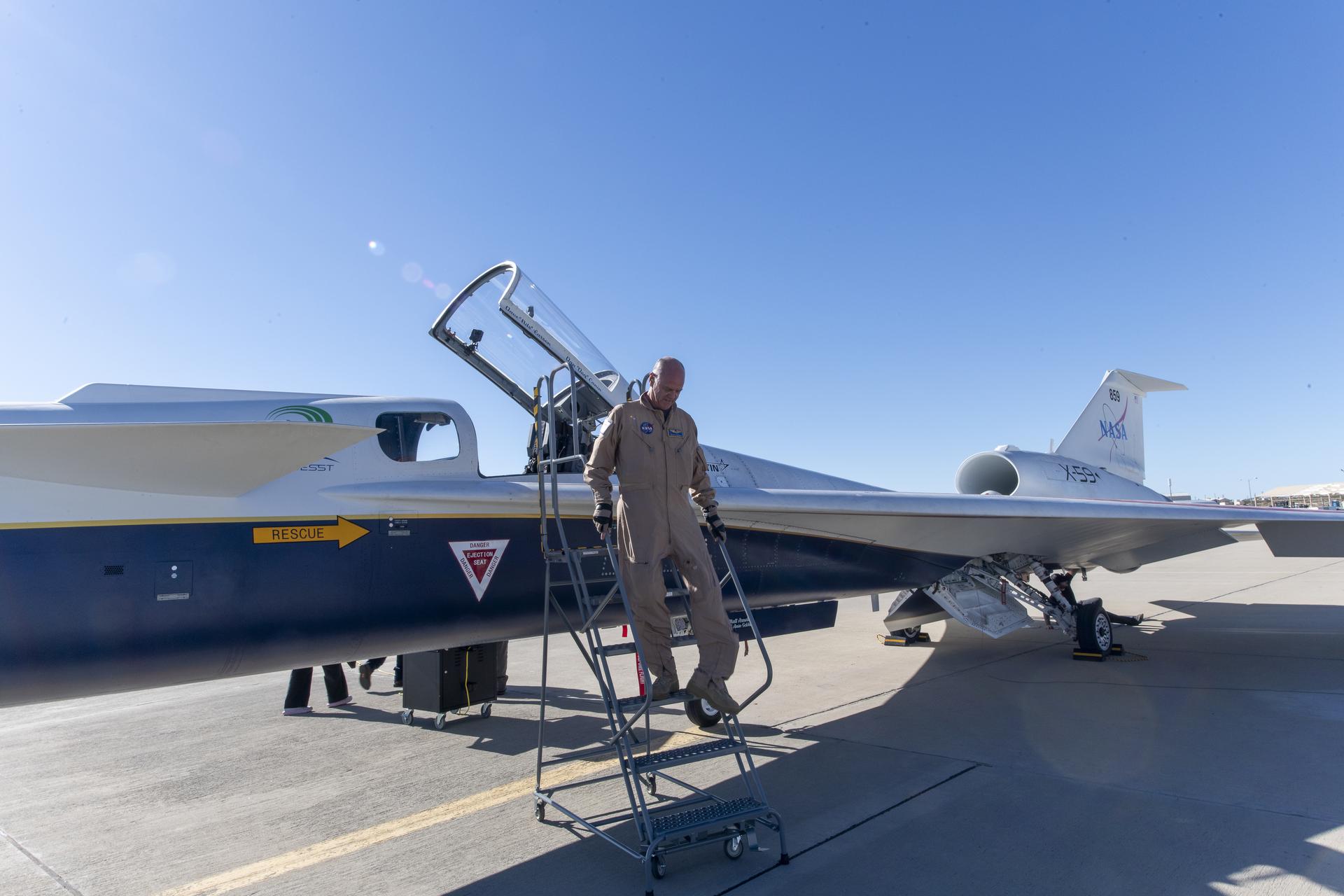
NASA's Quesst mission, which features the X-59 aircraft, will demonstrate technology to fly supersonic, or faster than the speed of sound, without generating loud sonic booms.
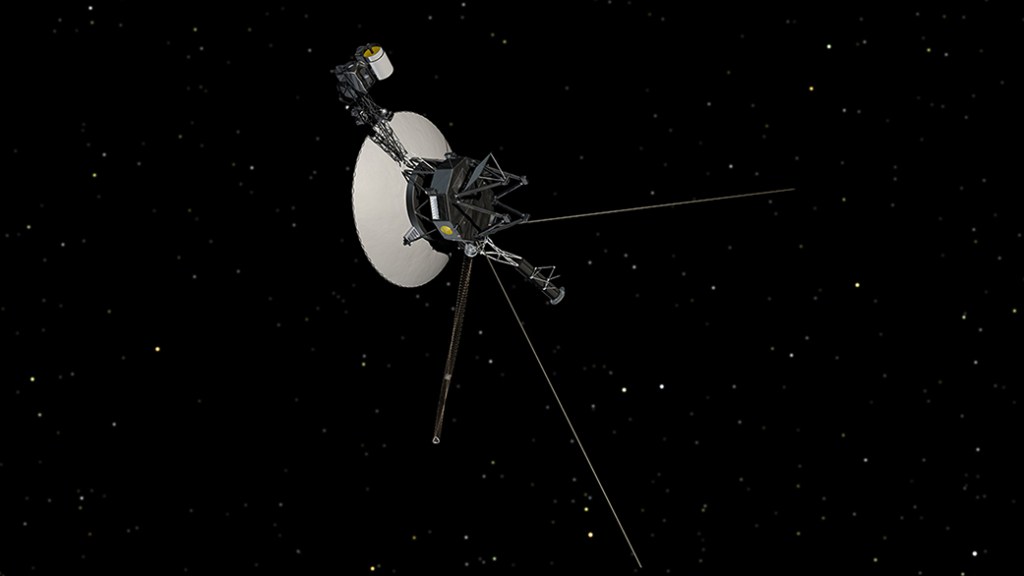
Voyager
Voyager 1 and its twin Voyager 2 are the only spacecraft ever to operate outside the heliosphere, the protective bubble of particles and magnetic fields generated by the Sun.