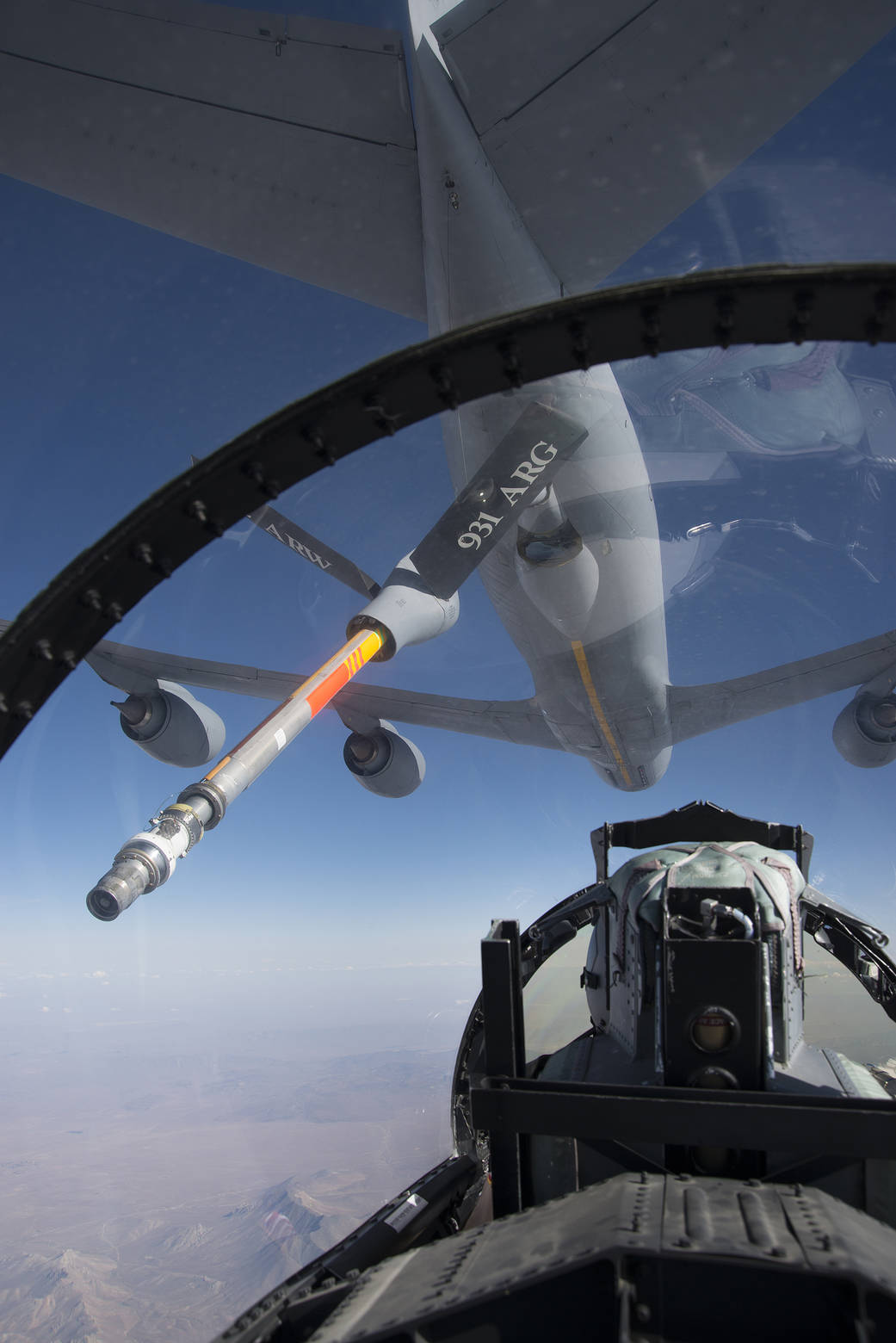
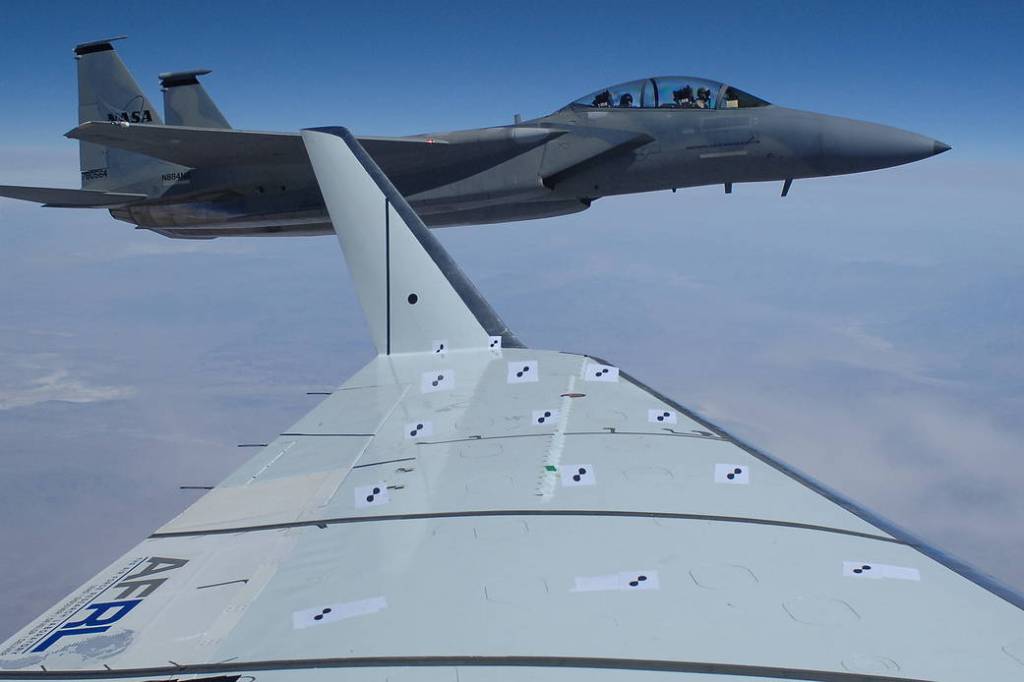
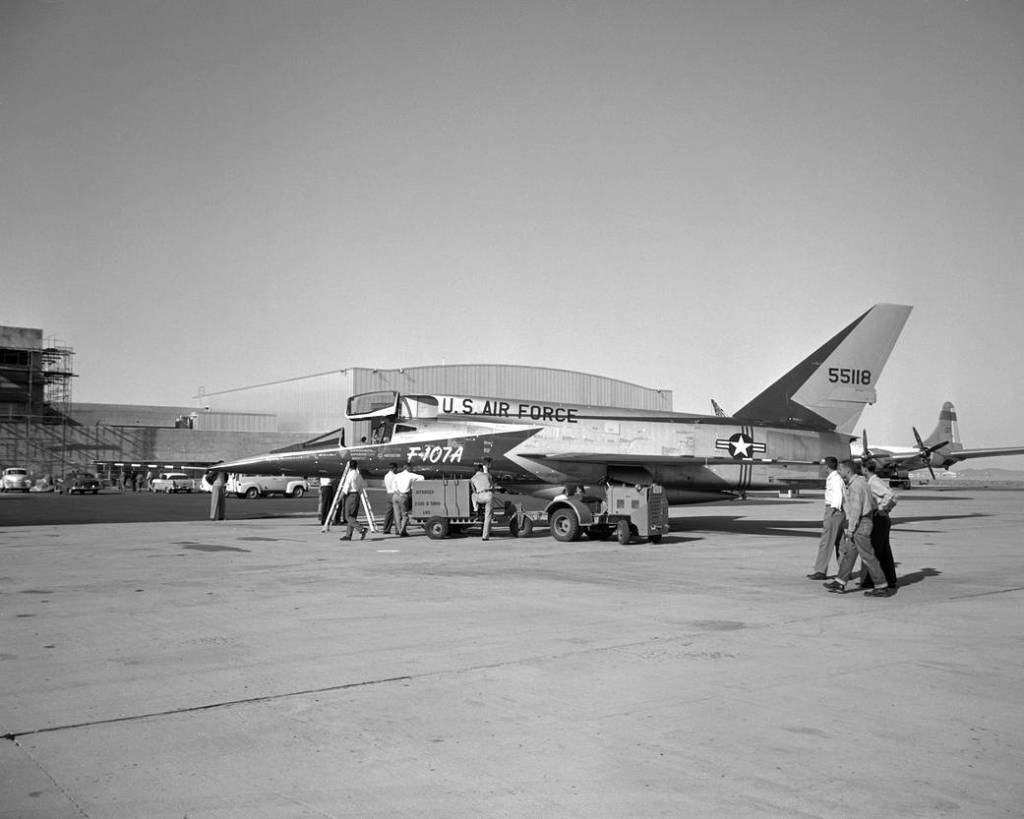
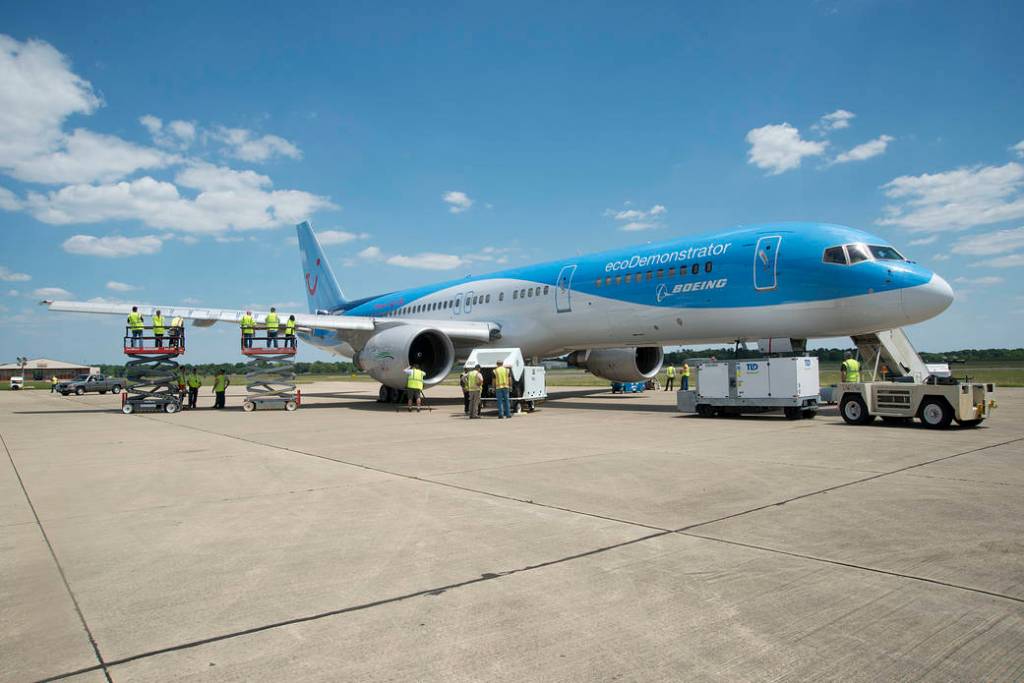
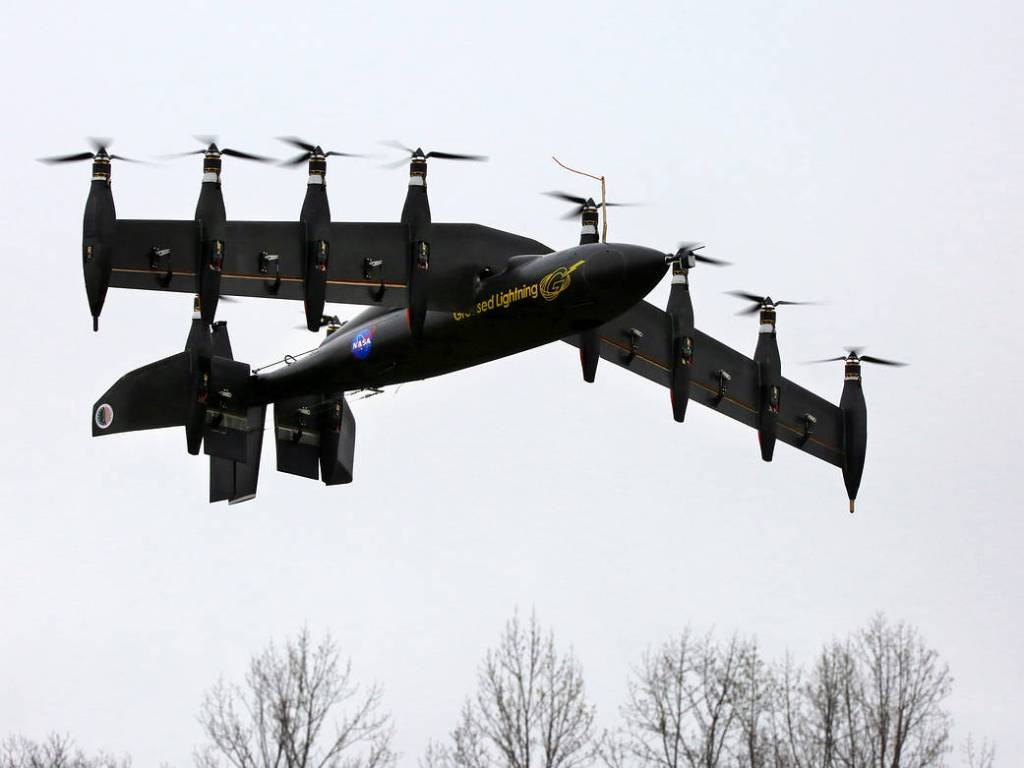
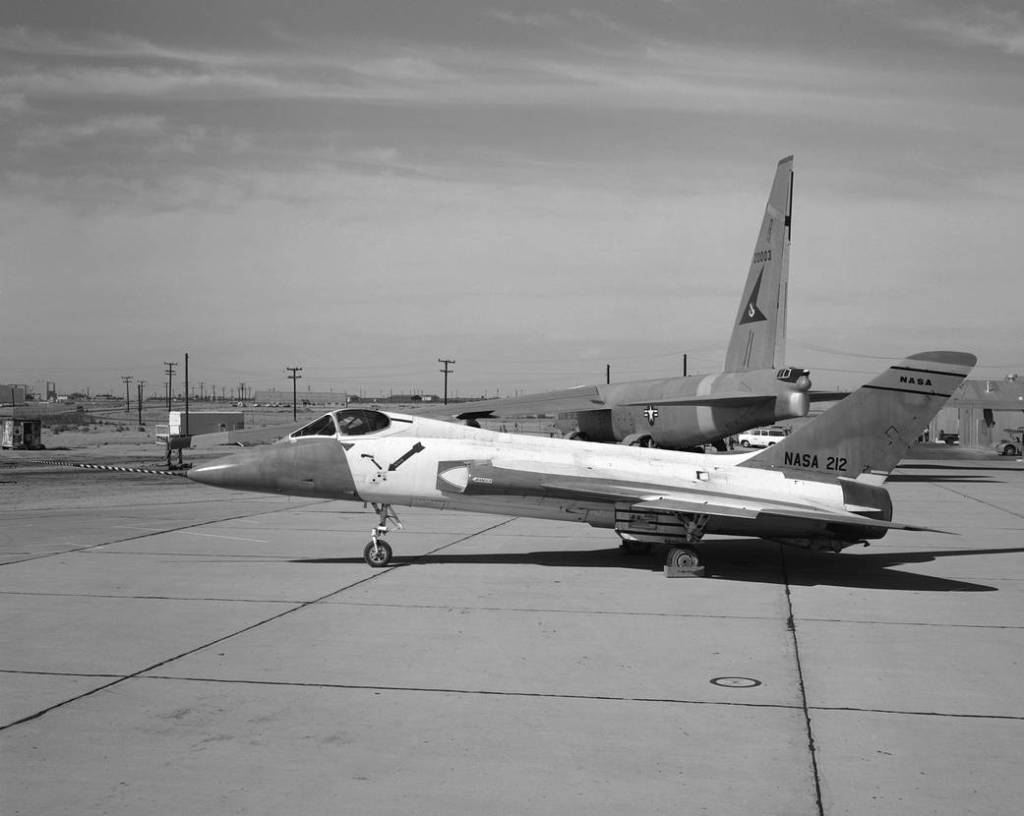
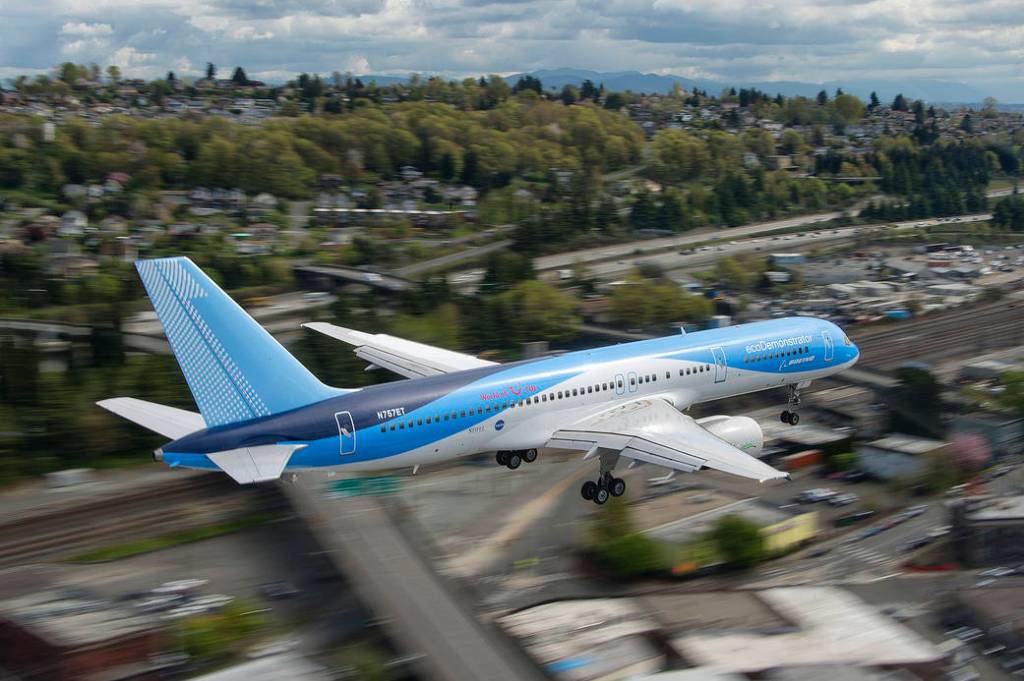
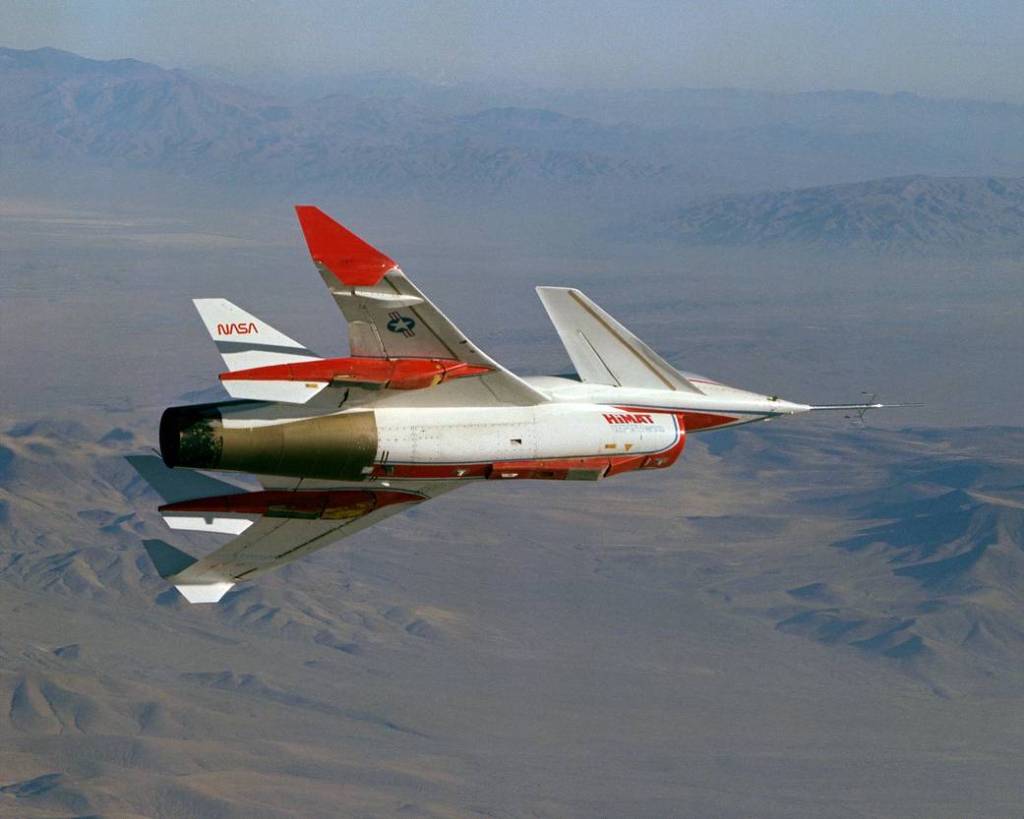
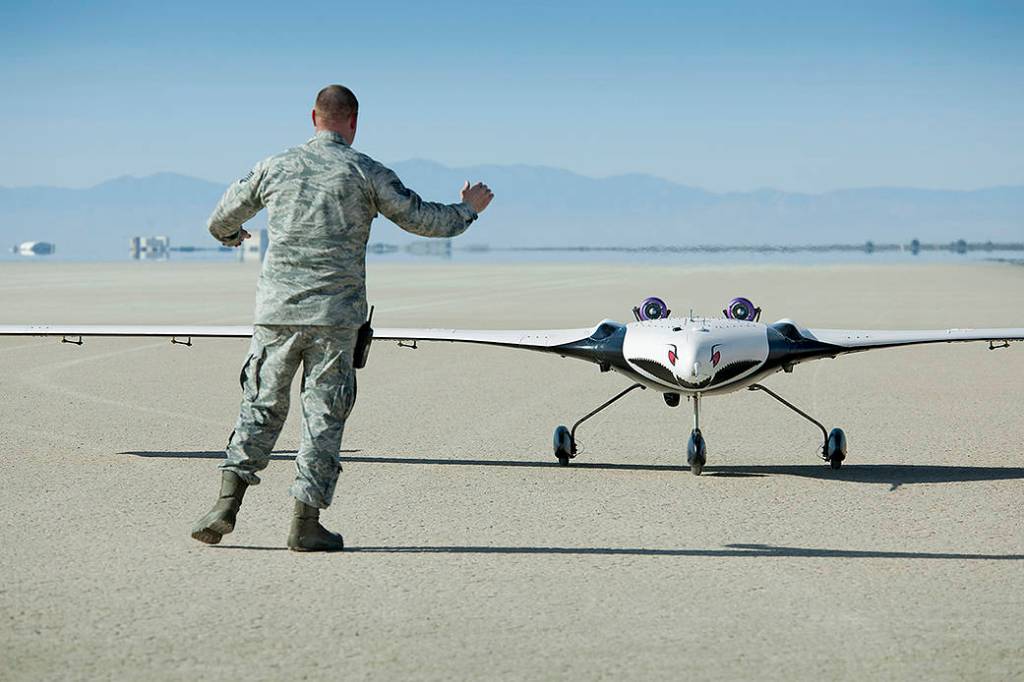
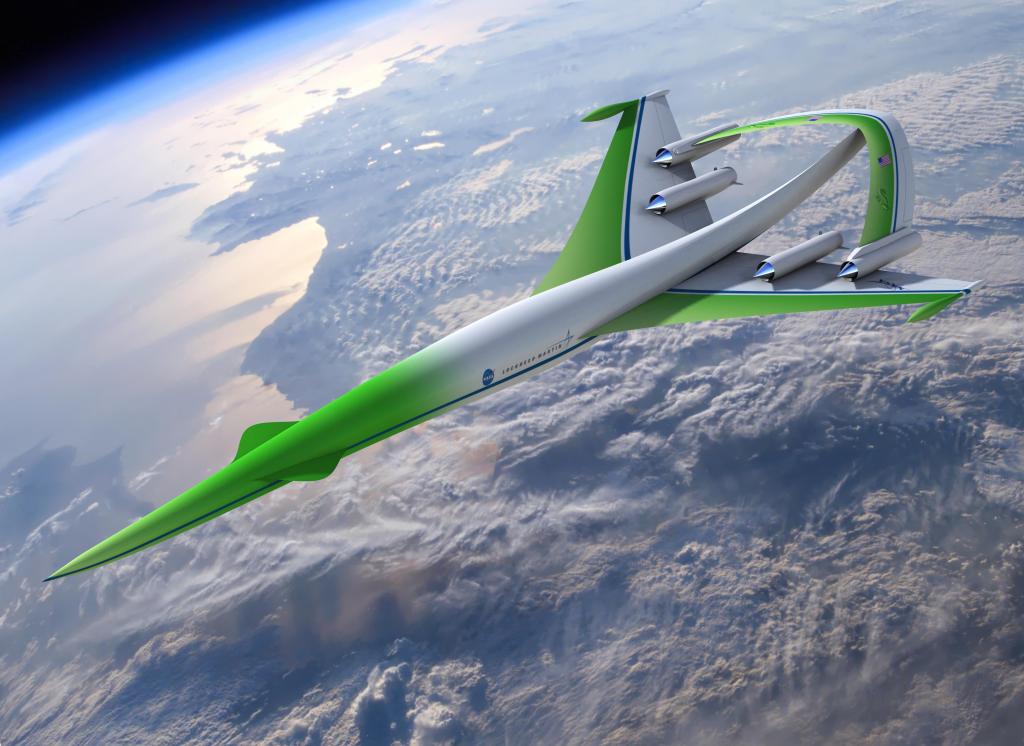
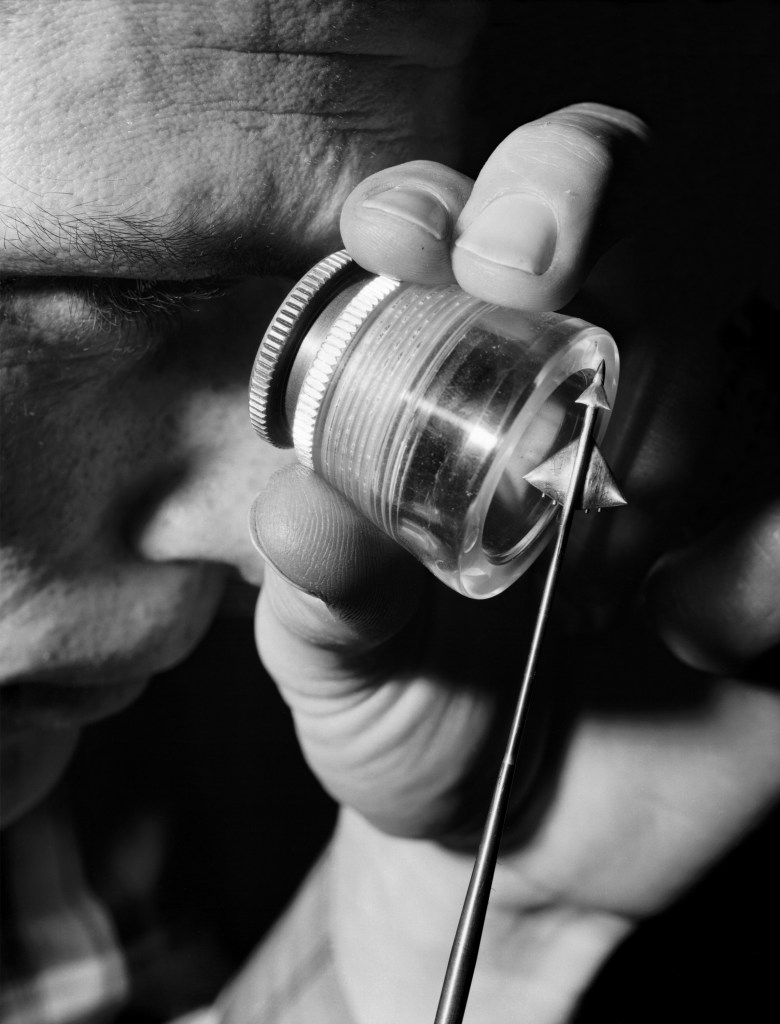
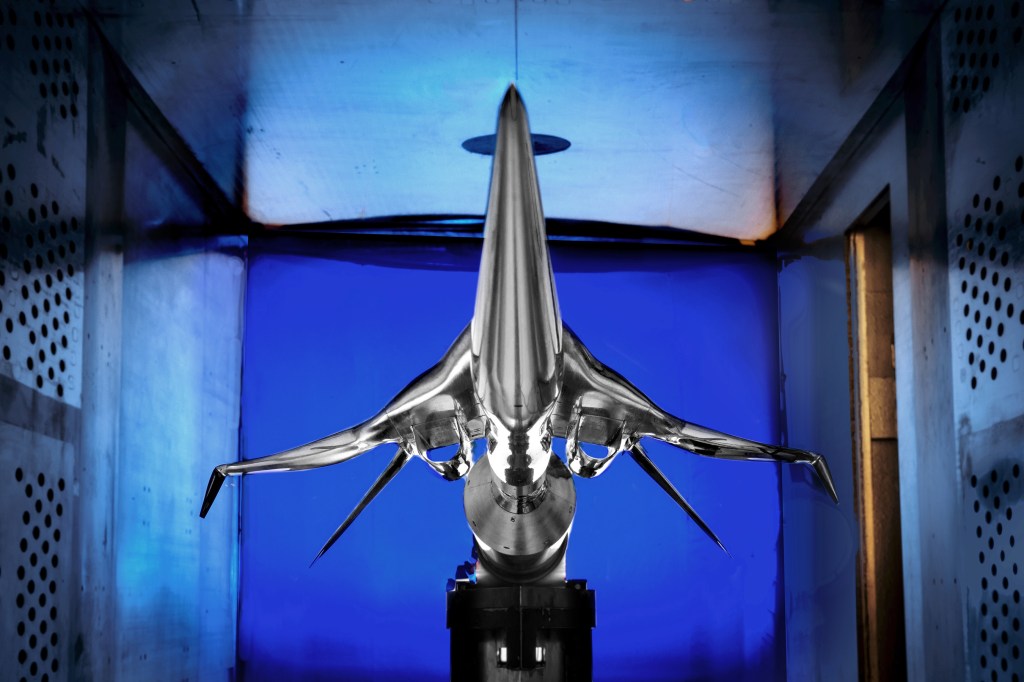
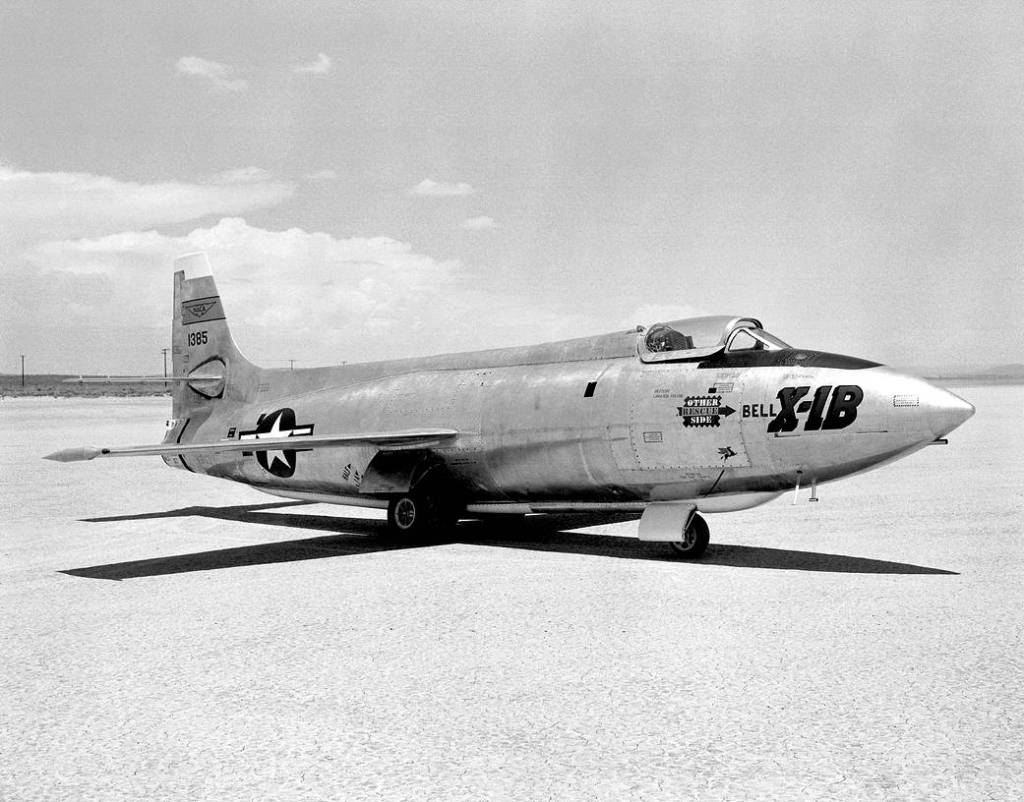
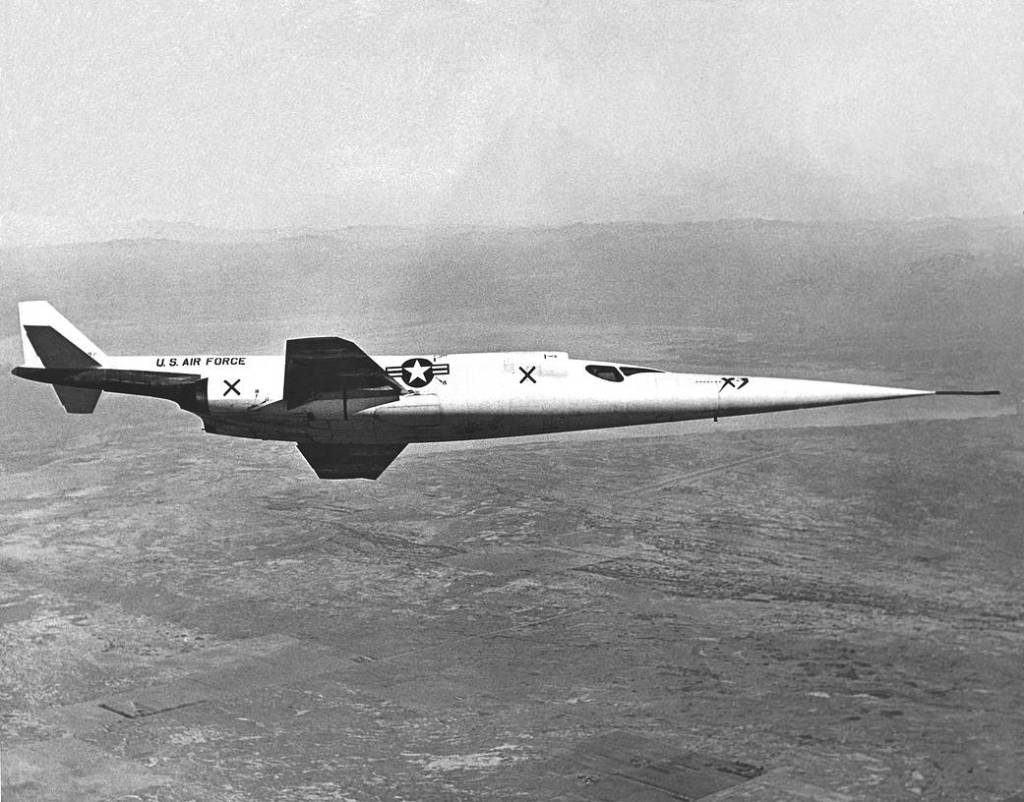
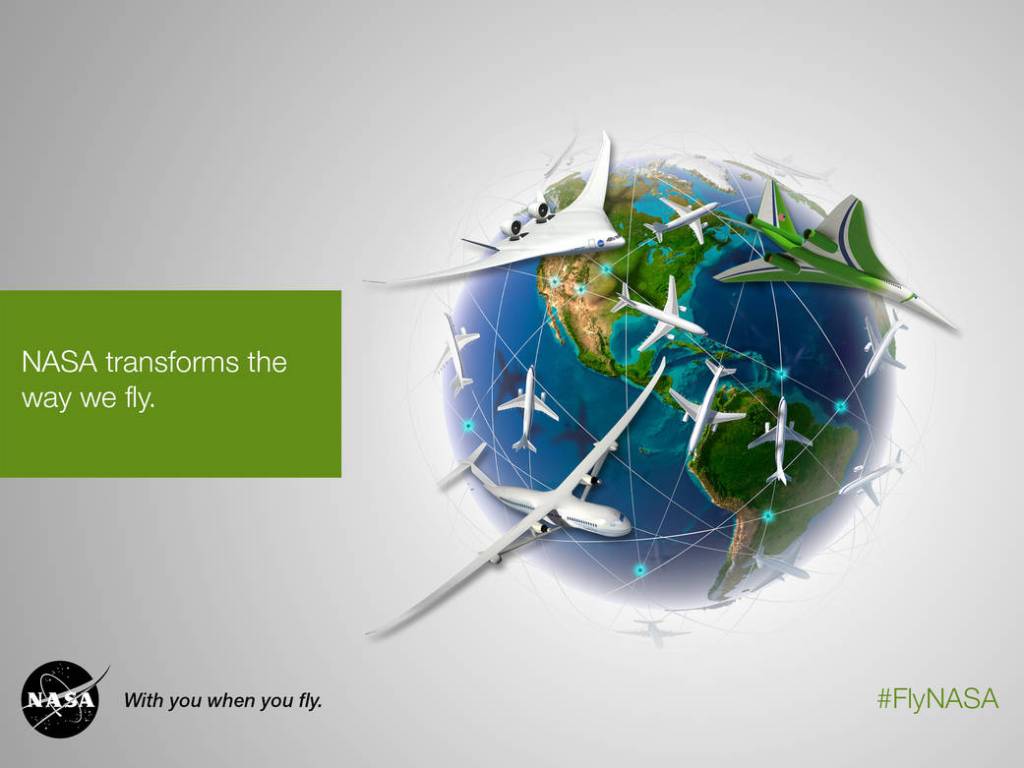
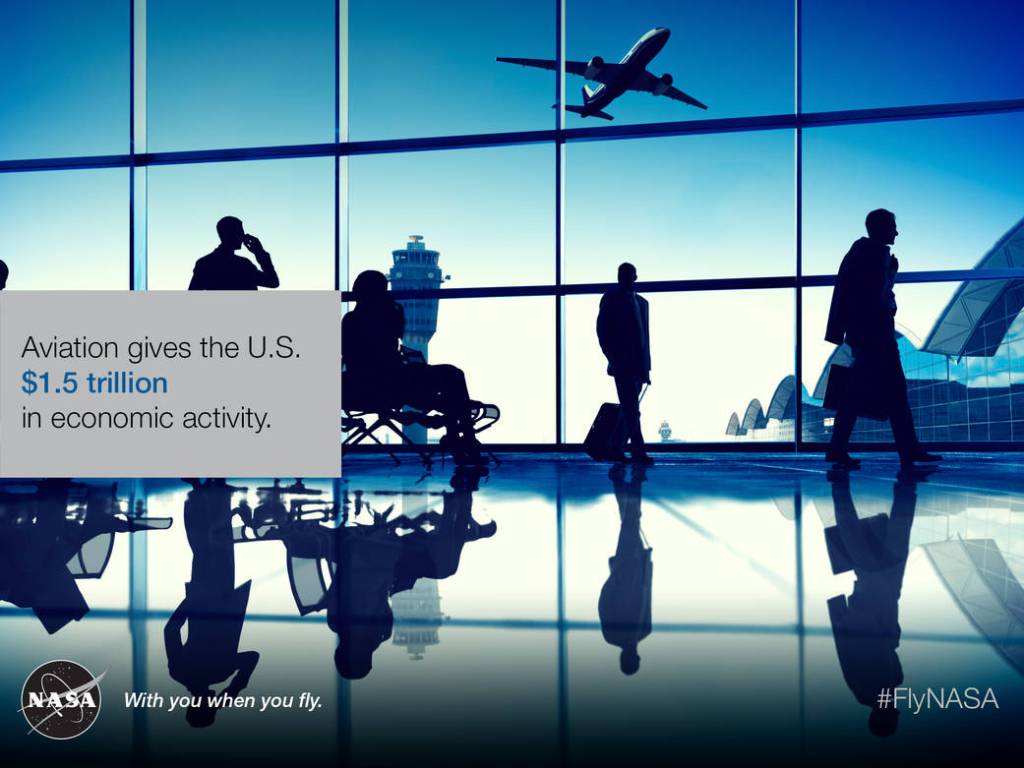
AeronauticsNASA pilot Jim Less and photographer Jim Ross pull their F-15D #897 aircraft away from a KC-135 refueling tanker. NASA...A NASA F-15D flies chase for the G-III Adaptive Compliant Trailing Edge (ACTE) project. The ACTE experimental flight research project...Two North American F-107A airplanes were flown at NACA/NASA High-Speed Flight Station starting November 1957 and continuing until September 1959....Researchers from NASA's Langley Research Center are in Shreveport, Louisiana, with the Boeing ecoDemonstrator 757 aircraft looking for bugs. They...The Douglas Aircraft Company built four F5D-1 Skylancers. They were built for the Navy as an all-weather fighter interceptor that...A team at NASA's Langley Research Center is developing a concept of a battery-powered plane that has 10 engines and...The Douglas Aircraft Company built four F5D-1 Skylancers. They were built for the Navy as an all-weather fighter interceptor that...In this photo taken from a chase plane, the Boeing ecoDemonstrator 757 flight test airplane --with NASA's Active Flow Control...The X-56A Multi-Utility Technology Testbed (MUTT) is greeted on an Edwards Air Force Base runway by a U.S. Air Force...From mid-1979 to January 1983, two remotely piloted, experimental Highly Maneuverable Aircraft Technology (HiMAT) vehicles were used at the NASA...X-56A Multi-Utility Technology Testbed is welcomed home by an AFRL team member.The X-51A successfully made the longest supersonic combustion ramjet-powered hypersonic flight to date off the southern California coast on May...This future aircraft design concept for supersonic flight over land comes from the team led by the Lockheed Martin Corporation....This 1961 photograph from NASA's Langley Research Center pictures a .005 inch x 1 inch supersonic transport scale model for...Earlier this fall, a subscale model of a potential future low-boom supersonic aircraft designed by The Boeing Company was installed...On March 3, 2015, hundreds gathered at an AIAA-organized event at the National Air & Space Museum in Washington, DC,...In this 1945 photo, test pilots (from left) Mel Gough, Herb Hoover, Jack Reeder, Steve Cavallo and Bill Gray stand...Our ability to fly at supersonic speeds over land in civil aircraft depends on our ability to reduce the level...In the turbulent era of 1960s Cold War confrontations, Moon race headlines, and war in southeast Asia, eight test pilots...NASA Aeronautics is taking off on a journey to jumpstart a new era in aviation. We’re focusing our research in...Cowboy Joe (NACA High-Speed Flight Station test pilot Joseph Walker) and his steed (Bell Aircraft Corporation X-1A) are pictured in...Scientific imaging specialist Quentin Schwinn uses a laser scanner to scan ice accretion on the leading edge of an airfoil...Aeronautics -- State of the Union SharableNASA-developed software tools deployed in the 1990s – CTAS, TMA –are the backbone of many air traffic control systems. They...During the 1960s and 1970s, NASA scientist Richard Whitcomb led a team of researchers to develop and test a series...At a public forum in Florida, NASA shared results from this spring's testing under the Alternative Fuel Effects on Contrails...Chevrons are the sawtooth edges found on the edges of jet engine nacelles and/or nozzles. They are proven to reduce...During the 1970s and 1980s, NASA research led to the development of vertical extensions that can be attached to wing...In the 1950s, NASA scientist Richard Whitcomb discovered several fundamental solutions to key aerodynamics challenges. One of the most revolutionary...During the 1960s and 1970s, NASA helped develop and flight test the digital “fly-by-wire” system, which replaced heavier and less...Aircraft, spacecraft, racing cars, 18-wheelers – wind tunnels are still a critical tool for testing and proving aerodynamic performance. NASA...Ever see an old airplane cockpit and how it was chock-full of dials and gauges and things that spun around?...As early as the 1930s, wind tunnels built and operated by NASA’s predecessor, the National Advisory Committee for on Aeronautics,...The second generation X-1s used the same wing, horizontal tail, and XLR-11 rocket engine as the first generation aircraft, with...The Douglas X-3 Stiletto was the sleekest of the early experimental aircraft, but its research accomplishments were not those originally...Nearly every aircraft flying and air traffic management system now in use includes NASA-supported technologies that improve efficiency and safety....For decades, NASA has worked with the aviation community to develop technologies that help keep air transportation the safest way...Aviation gives the U.S. $1.5 trillion per year in economic activity – jobs, commerce, leisure.You may not have flown today but something you needed did – a designer suit, the latest iPhone, a new...NASA-developed tools have been in use by the FAA and its controllers for decades.