






Launch Services Program
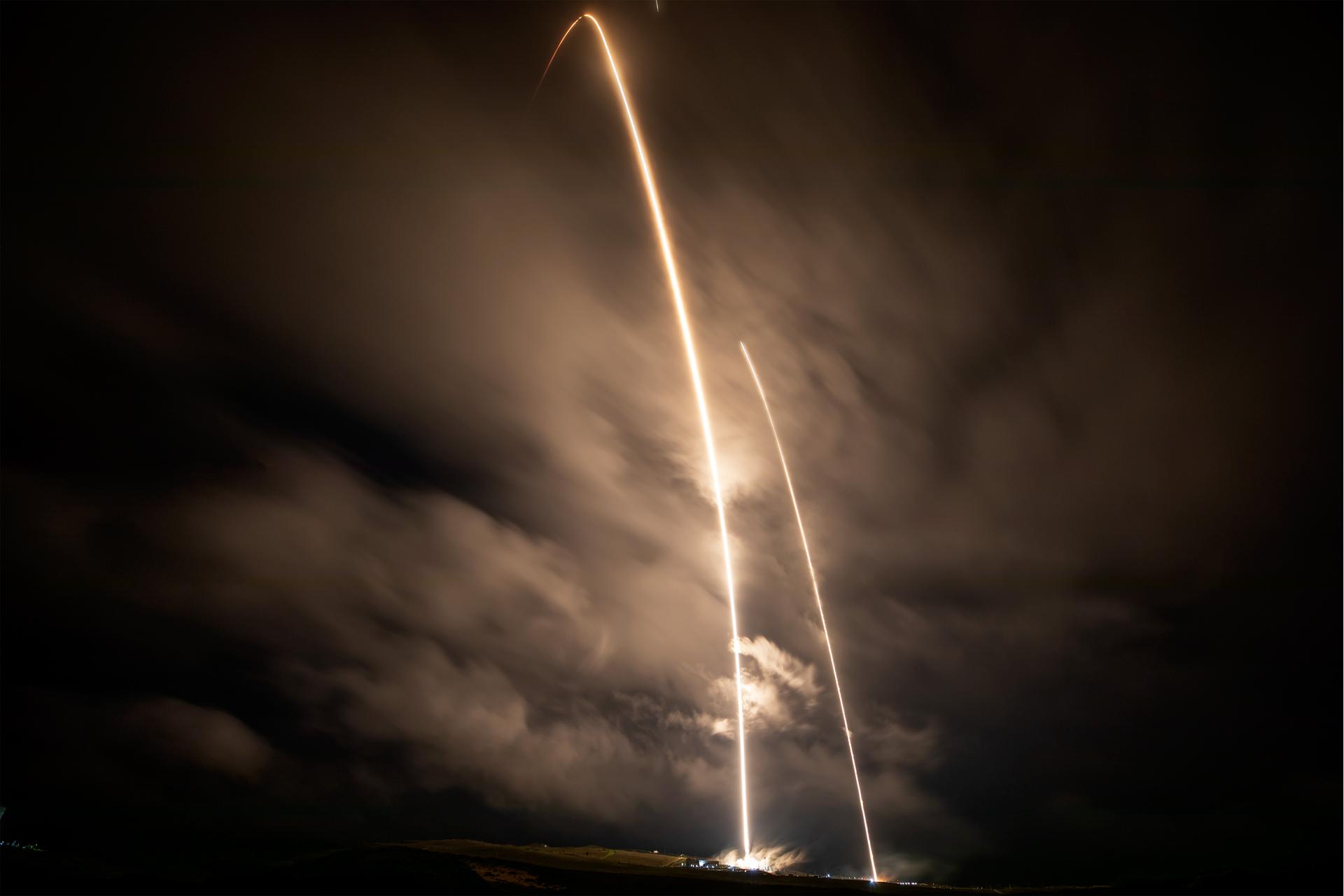
NASA’s Launch Services Program (LSP) is responsible for launching rockets delivering spacecraft that observe the Earth, visit other planets and explore the universe – from weather satellites to telescopes to Mars rovers and more.
LSP functions as a broker, matching spacecraft with the best-suited rockets, managing the launch process, providing support from pre-mission planning to post-launch. LSP helps implement NASA’s policy of a mixed-fleet launch strategy, which uses both existing and emerging domestic launch capabilities to assure access to space.
Latest News


Rockets
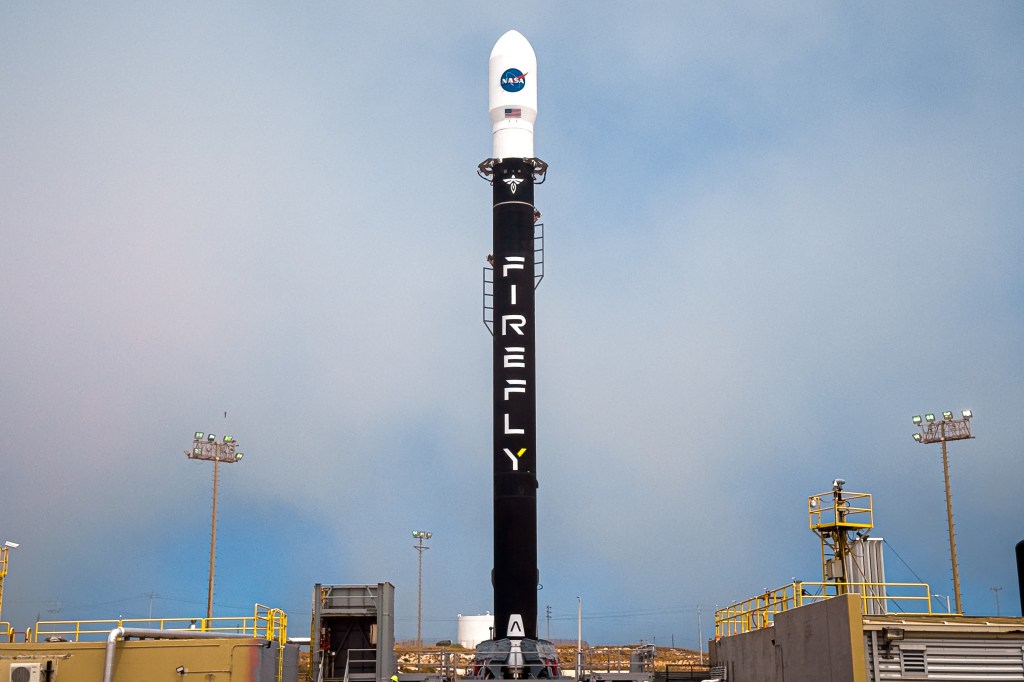
Firefly Aerospace Alpha
Firefly’s small-lift rocket, Alpha, is equipped to launch more than 1,000 kg to low Earth orbit. Alpha can be launched at Firefly’s launch facilities at the Vandenberg Space Force Base in California and new launch capabilities coming soon at the Mid-Atlantic Regional Spaceport (MARS) on Wallops Island, Virginia as early as 2025.
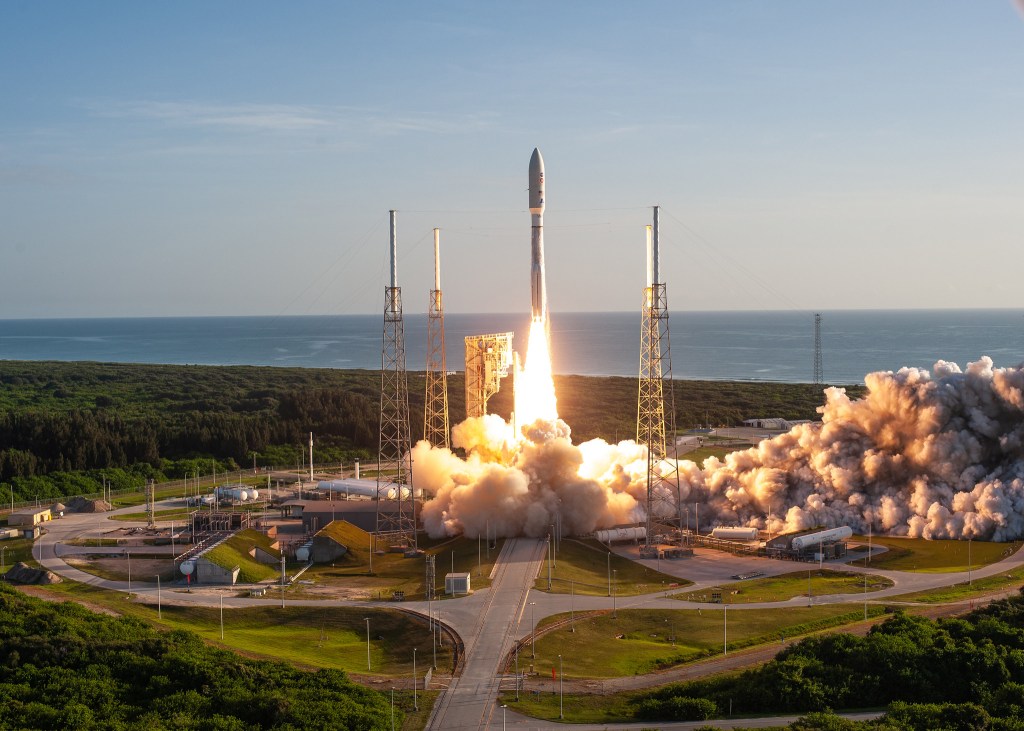
United Launch Alliance Atlas V
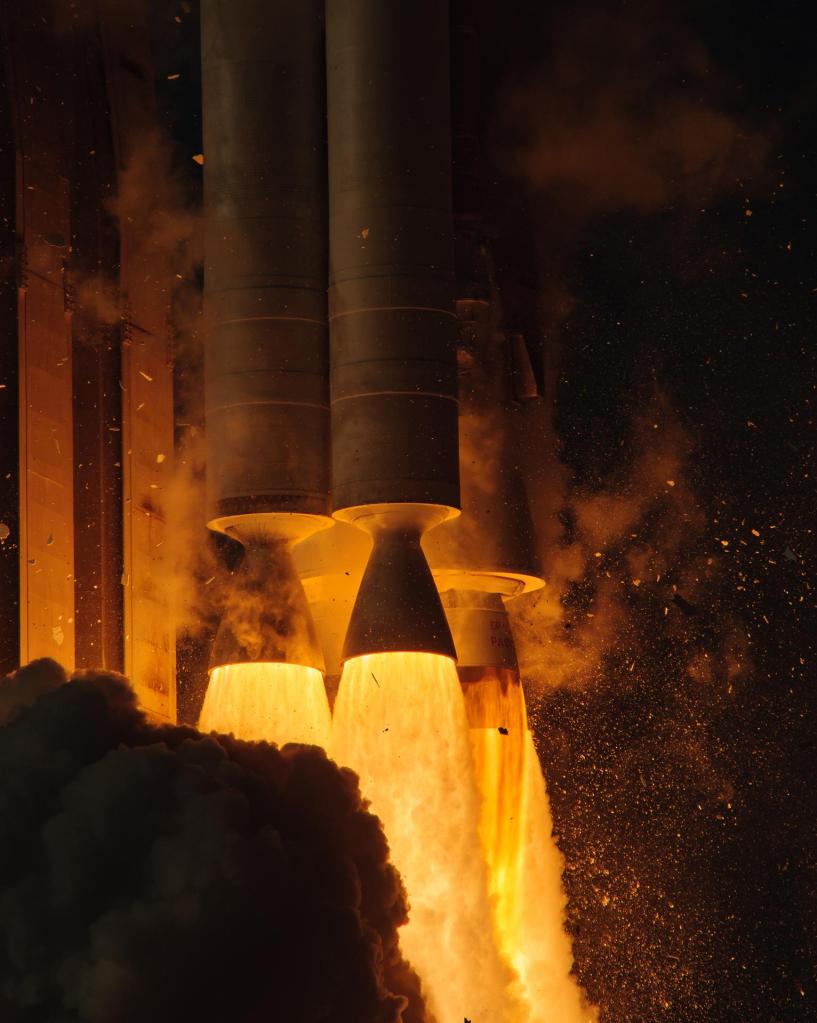
Atlas V uses a standard common core booster, up to five solid rocket boosters (SRBs), a Centaur upper stage in a single- or dual-engine configuration, and one of several sizes of payload fairings. Atlas V is on NASA’s Launch Services II contract.
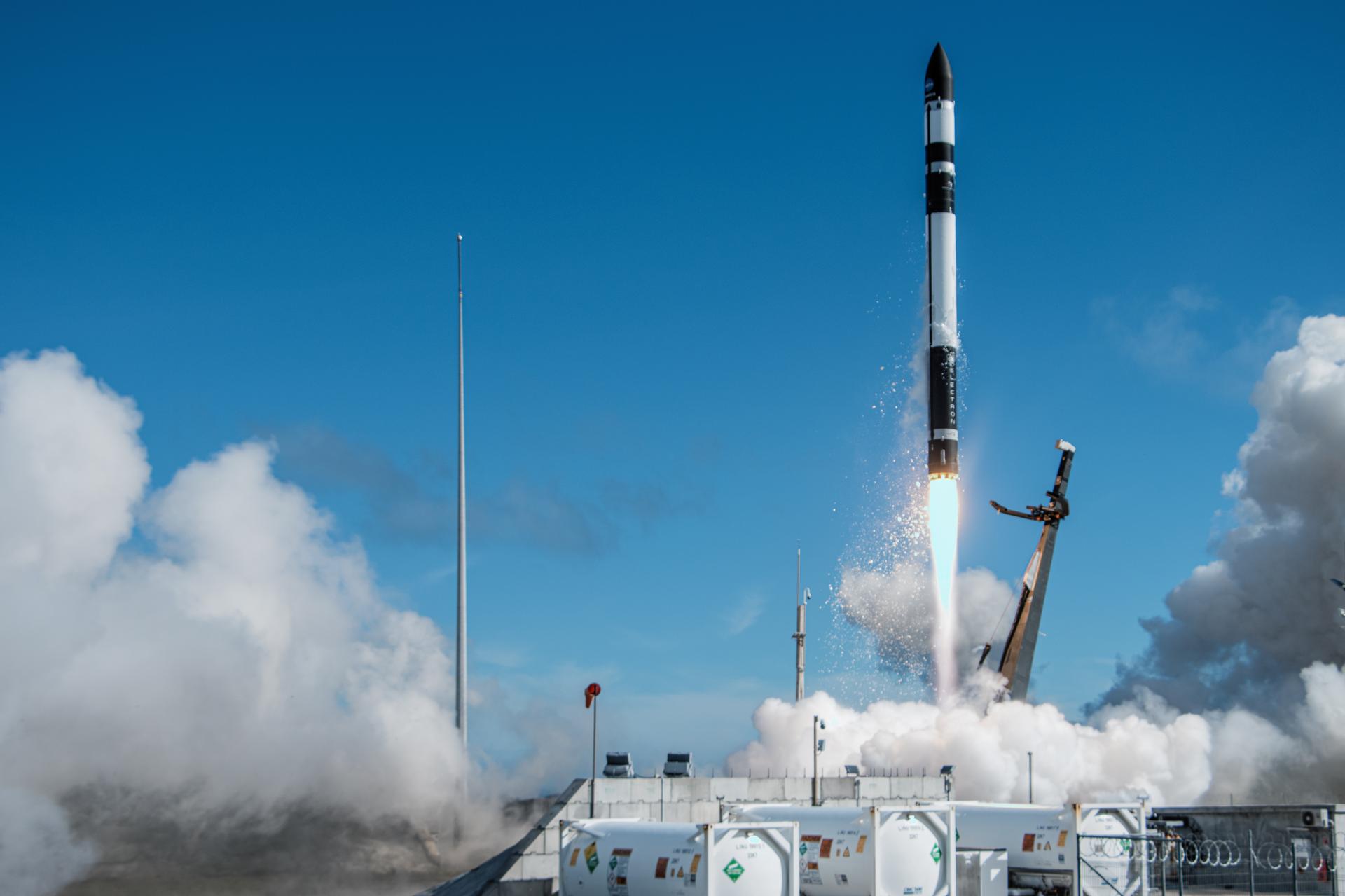
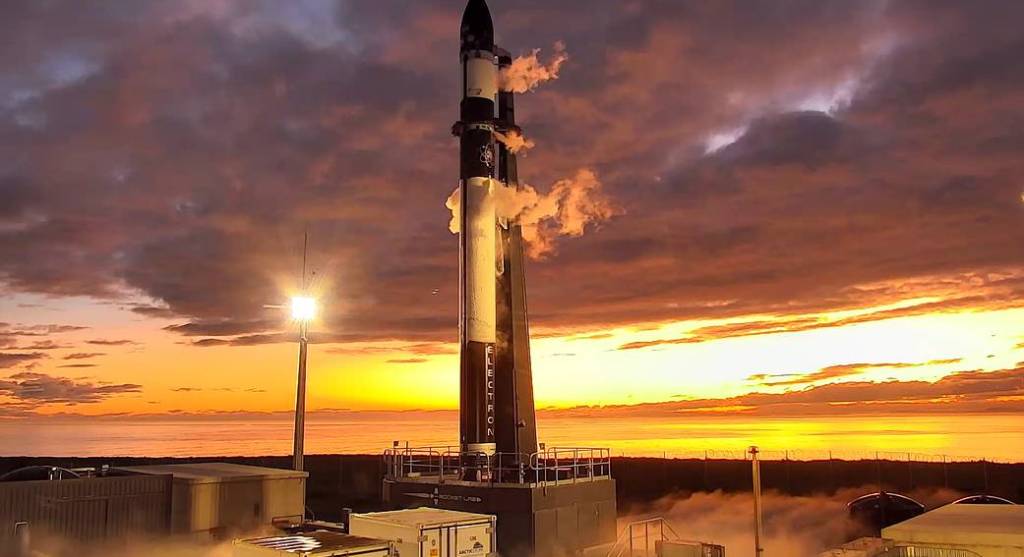
Rocket Lab Electron
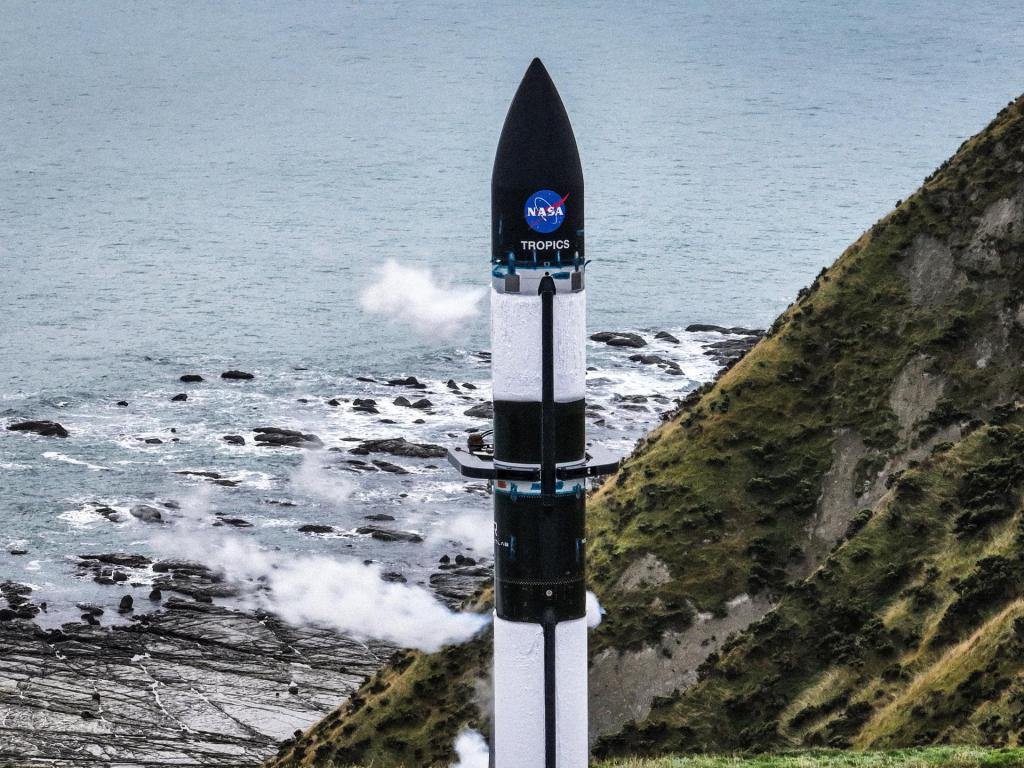
Rocket Lab’s Electron is a reusable orbital-class small rocket. Capturing and reflying Electron’s first stage enables higher launch frequency without expanding production and lowers launch costs. Rocket Lab has three launch pads at two launch sites, including two launch pads at a private orbital launch site located in New Zealand and a third pad at NASA’s Wallops Flight Facility in Virginia.
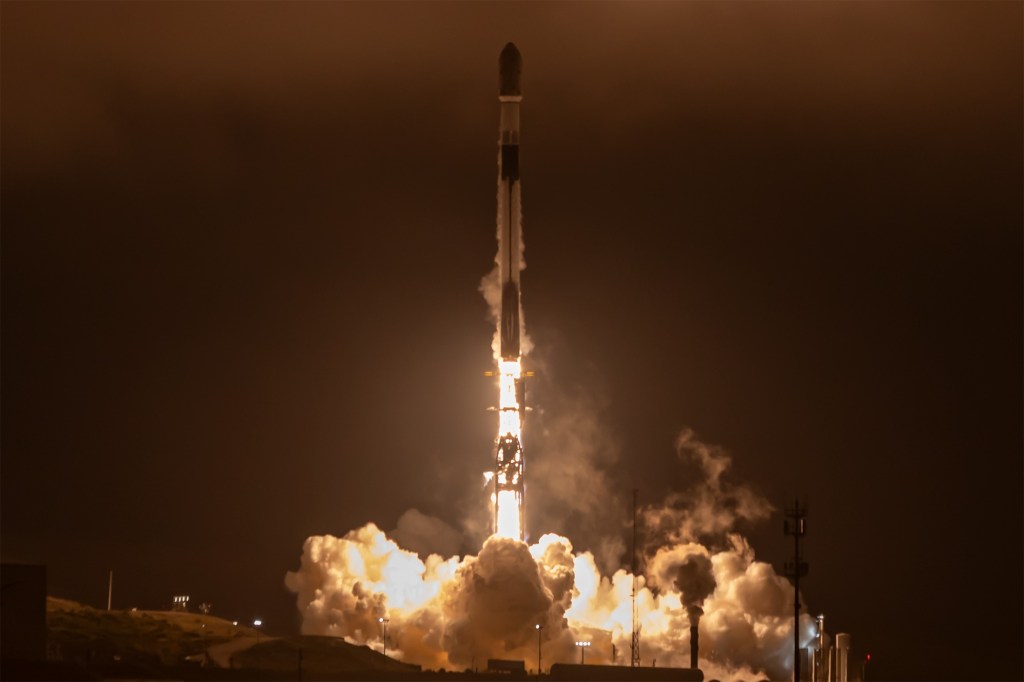
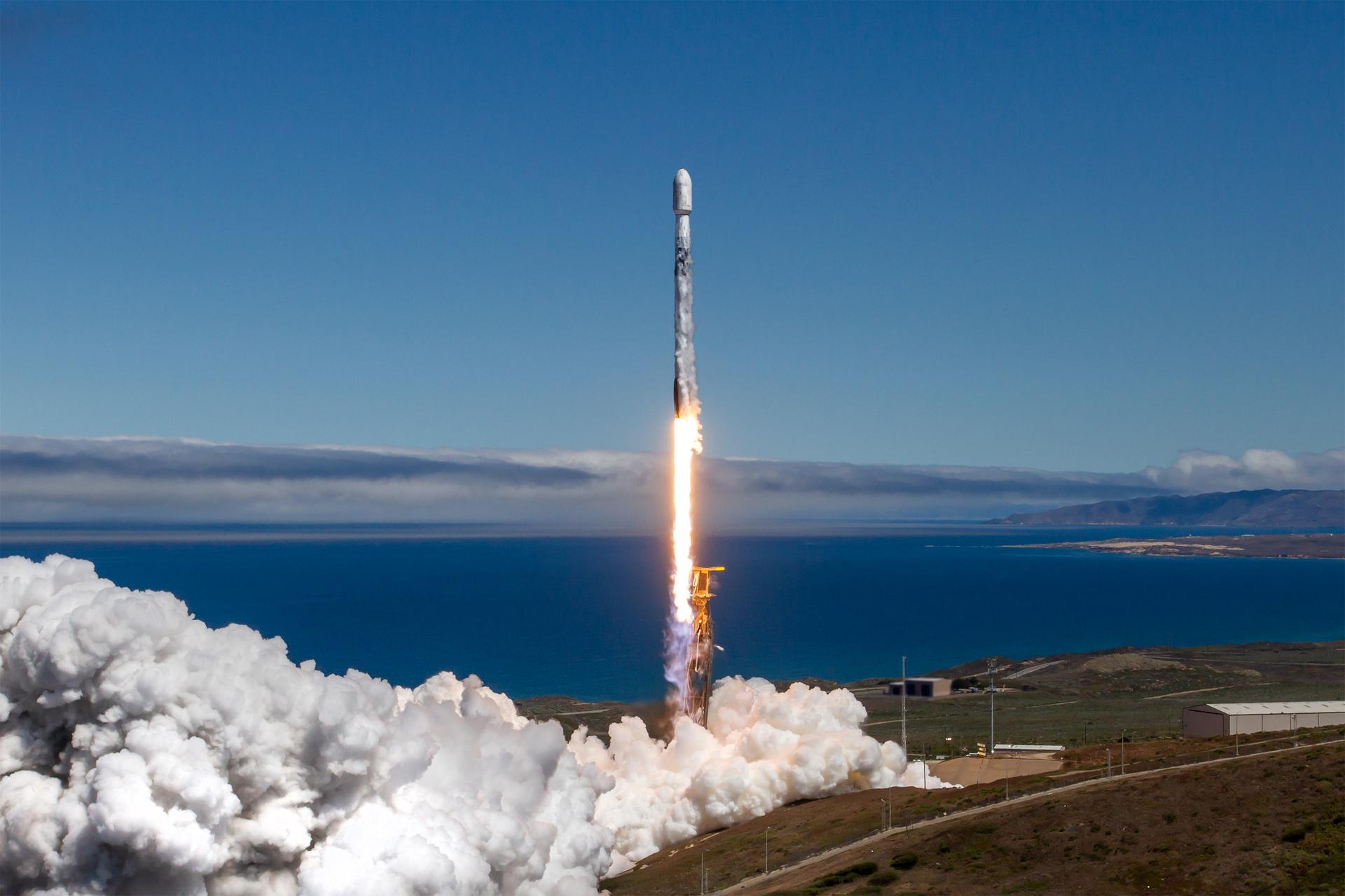
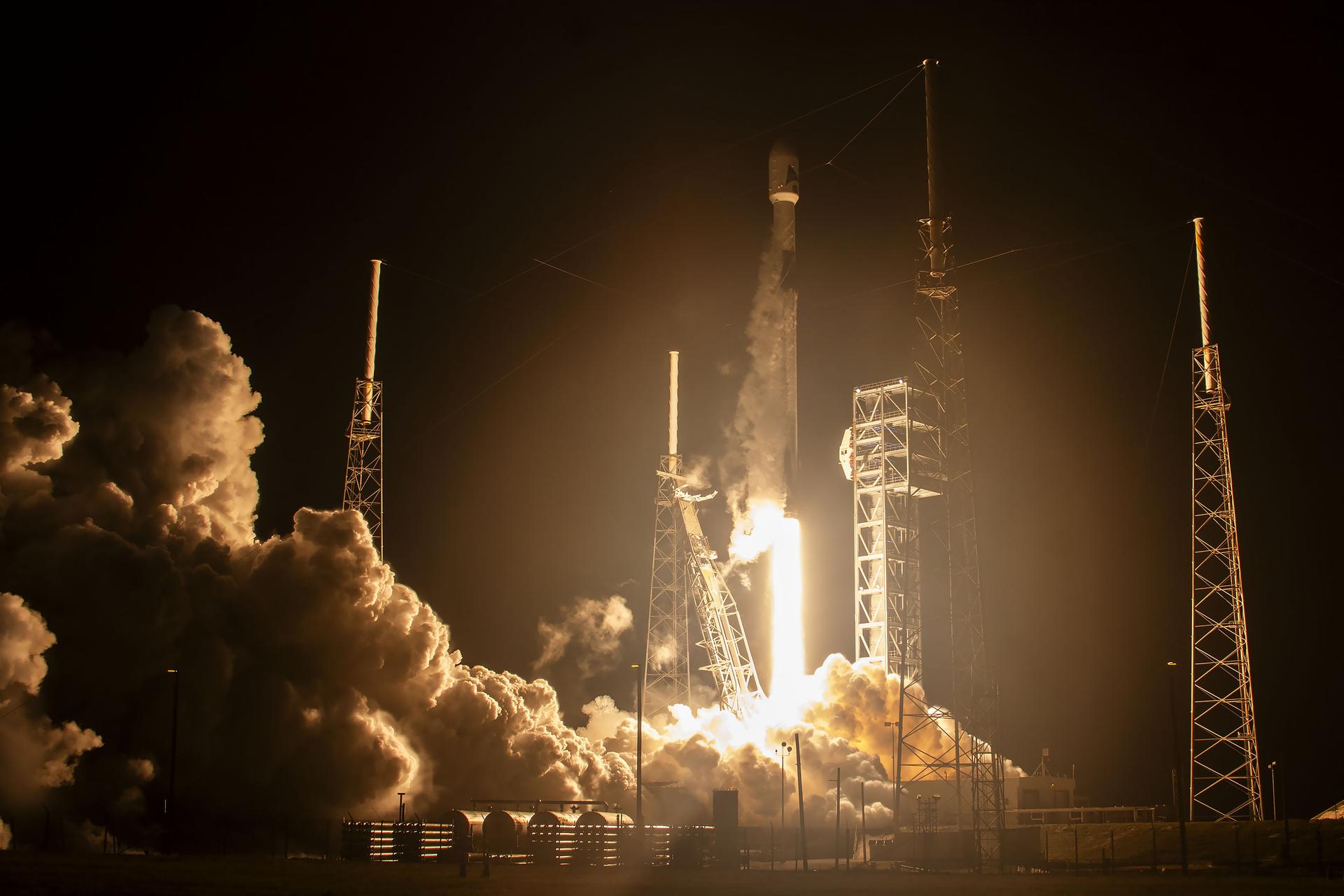
SpaceX Falcon 9
Falcon 9 is a reusable, two-stage rocket designed and manufactured by SpaceX for the reliable and safe transport of people and payloads into Earth orbit and beyond. Falcon 9 is on NASA’s Launch Services II contract.
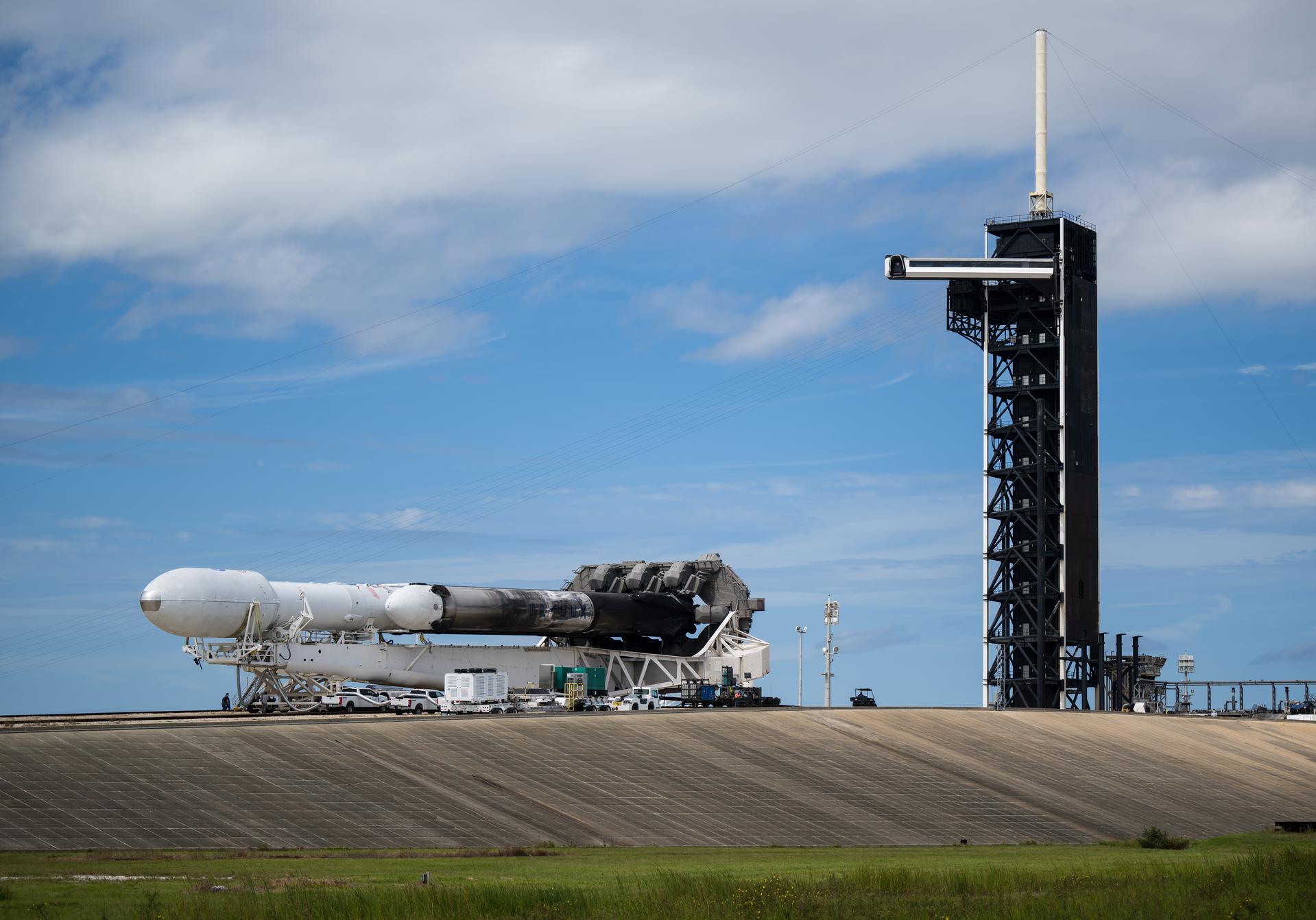
SpaceX Falcon Heavy
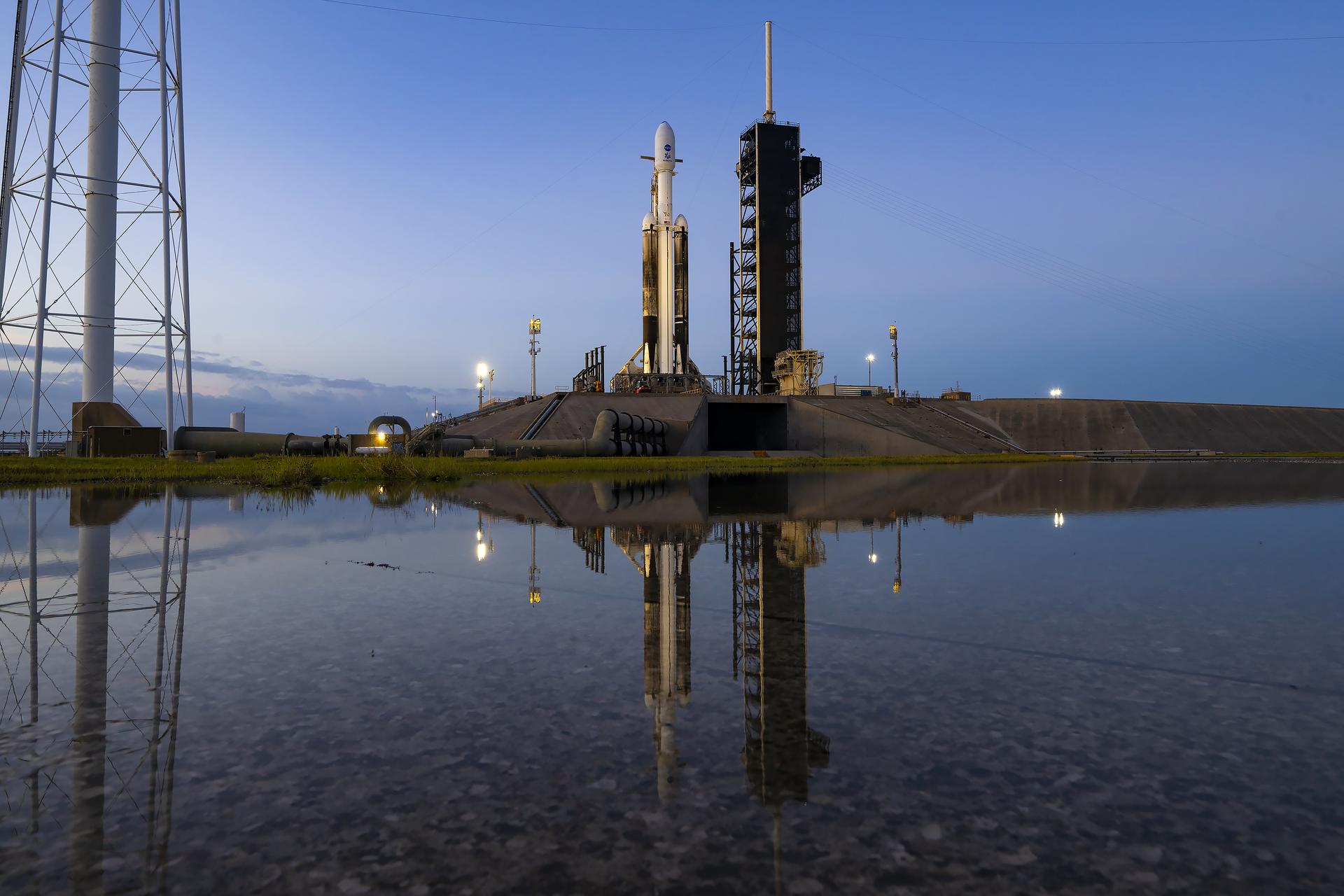
Falcon Heavy is composed of three reusable Falcon 9 nine-engine cores whose 27 Merlin engines together generate more than 5 million pounds of thrust at liftoff, equal to approximately eighteen 747 aircraft. As one of the world’s most powerful operational rockets, Falcon Heavy can lift nearly 64 metric tons (141,000 lbs.) to orbit. Falcon Heavy is on NASA’s Launch Services II contract.
Blue Origin New Glenn
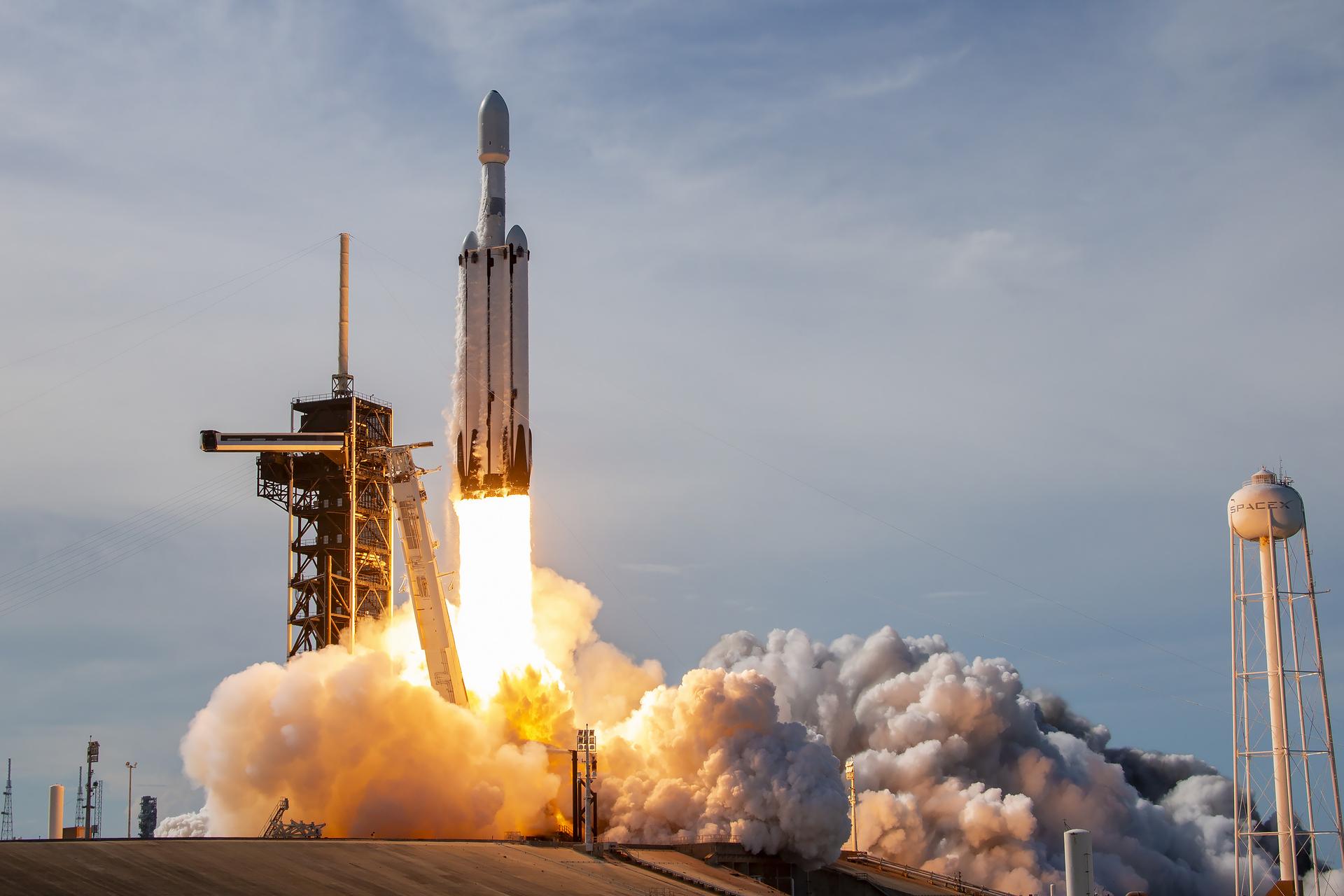
Named after John Glenn, the first American astronaut to orbit Earth, New Glenn is a single-configuration, heavy-lift orbital launch vehicle with a first stage designed for a minimum of 25 flights. Powered by seven Blue Engine 4 (BE-4) engines, it can carry more than 13 metric tons to geostationary transfer orbit and 45 metric tons to low Earth orbit. New Glenn is on NASA’s Launch Services II contract.
Northrop Grumman Pegasus XL
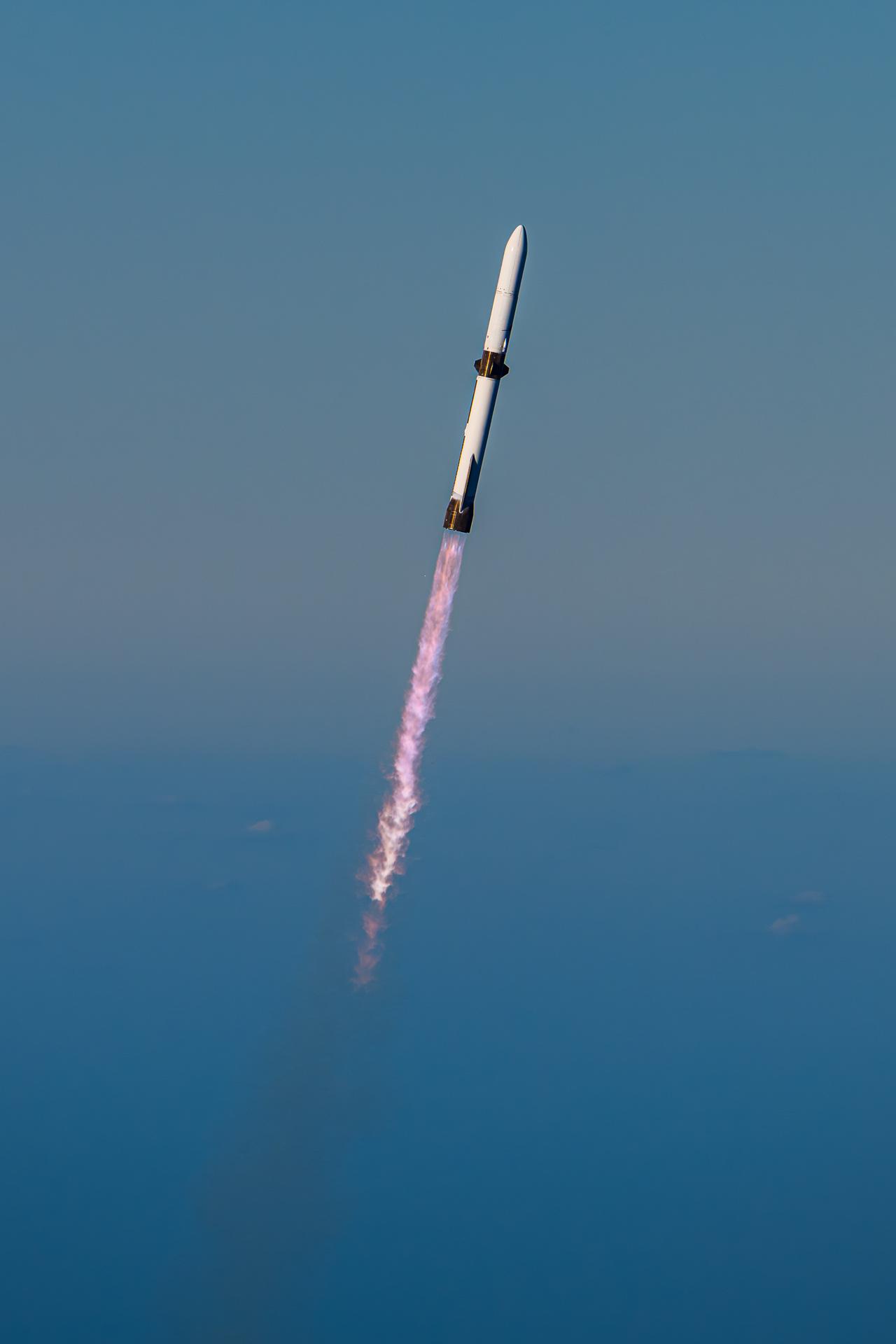
The three-stage Pegasus rocket is used to deploy small satellites weighing up to 1,000 pounds (453.59 kg) into low-Earth orbit. Pegasus is carried aloft by the Stargazer L-1011 aircraft to approximately 40,000 feet over open ocean, where it is released and free-falls five seconds before igniting its first stage rocket motor. With its unique delta-shaped wing, Pegasus typically delivers satellites into orbit in a little over 10 minutes. Pegasus is on NASA’s Launch Services II contract.
SpaceX Starship
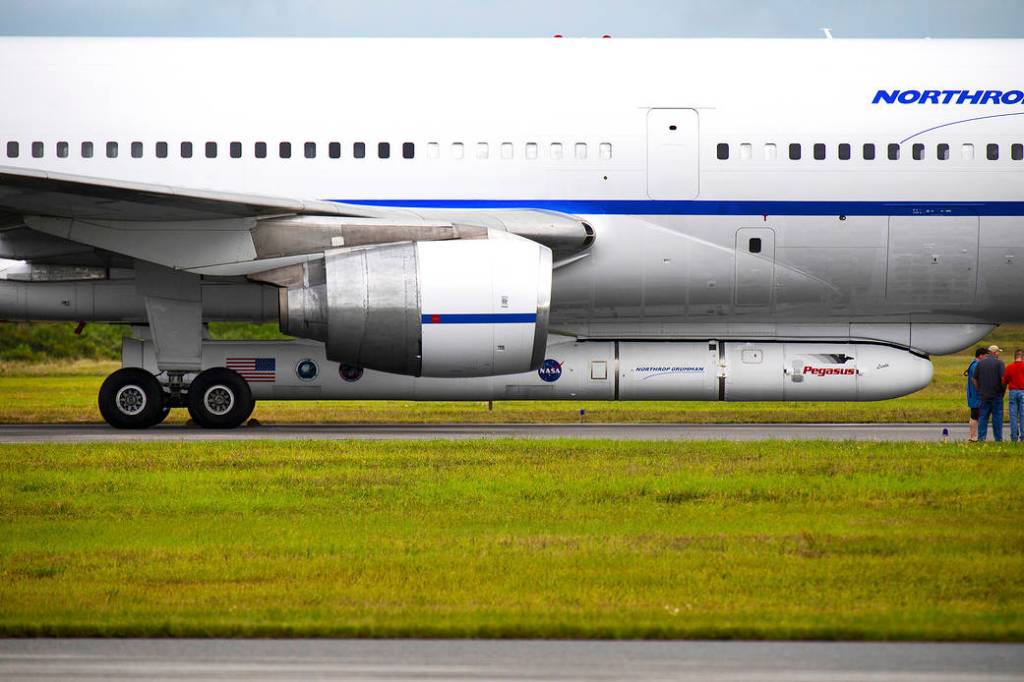
SpaceX’s Starship spacecraft and Super Heavy rocket – collectively referred to as Starship – represent a fully reusable transportation system designed to carry both crew and cargo to Earth orbit, the Moon, Mars, and beyond. Starship is on NASA’s Launch Services II contract.
United Launch Alliance Vulcan
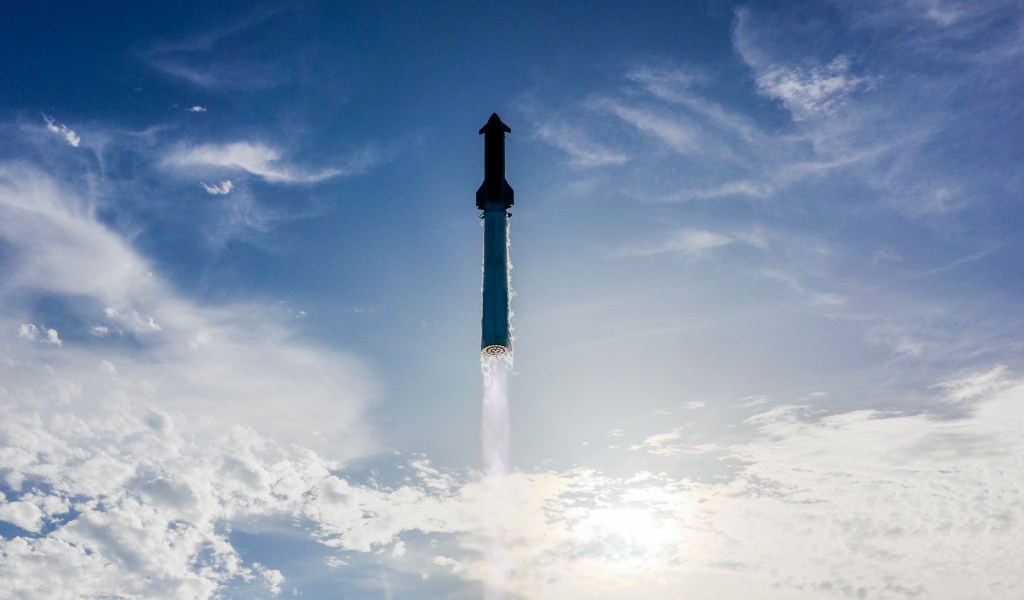
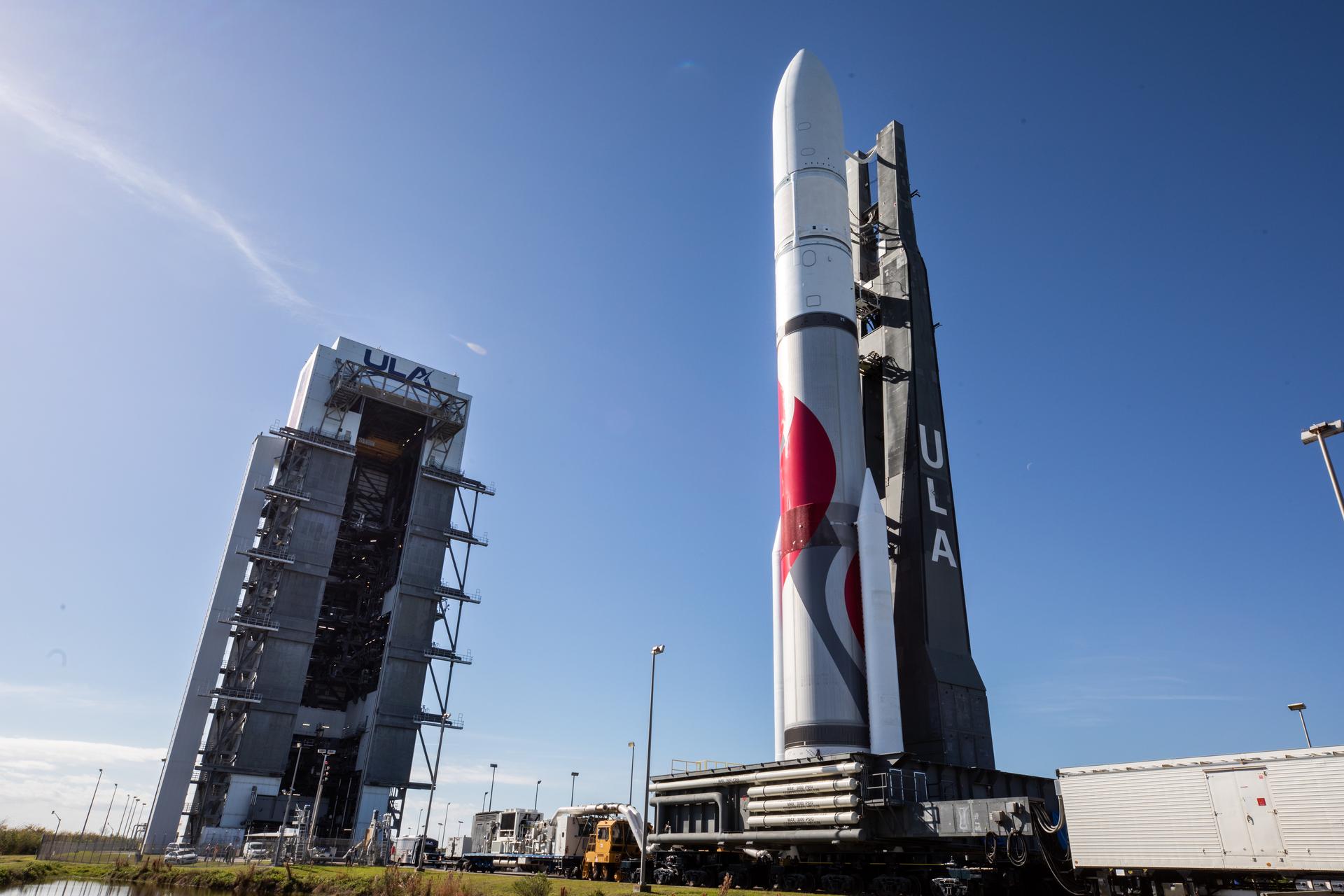
Vulcan is United Launch Alliance’s next generation rocket available in four standard offering configurations including zero, two, four and six solid rocket booster variants. ULA will launch Vulcan from both Cape Canaveral Space Force Station in Florida and Vandenberg Space Force Base in California. Vulcan is on NASA’s Launch Services II contract.
Launch Sites
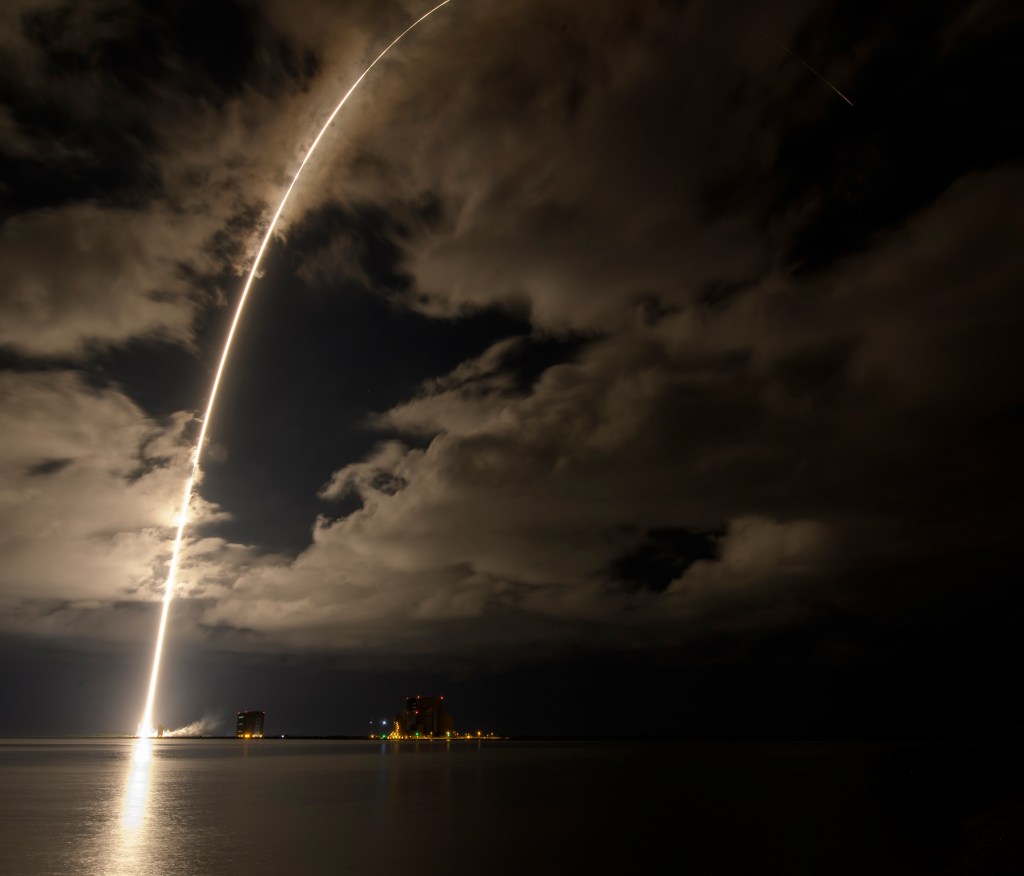
Kennedy Space Center
One of two primary launch sites for NASA’s Launch Vehicles.
Located along Florida’s central Atlantic coast between Jacksonville and Miami, our nation’s premiere spaceport is ideal for spacecraft requiring a west-east or equatorial orbit.
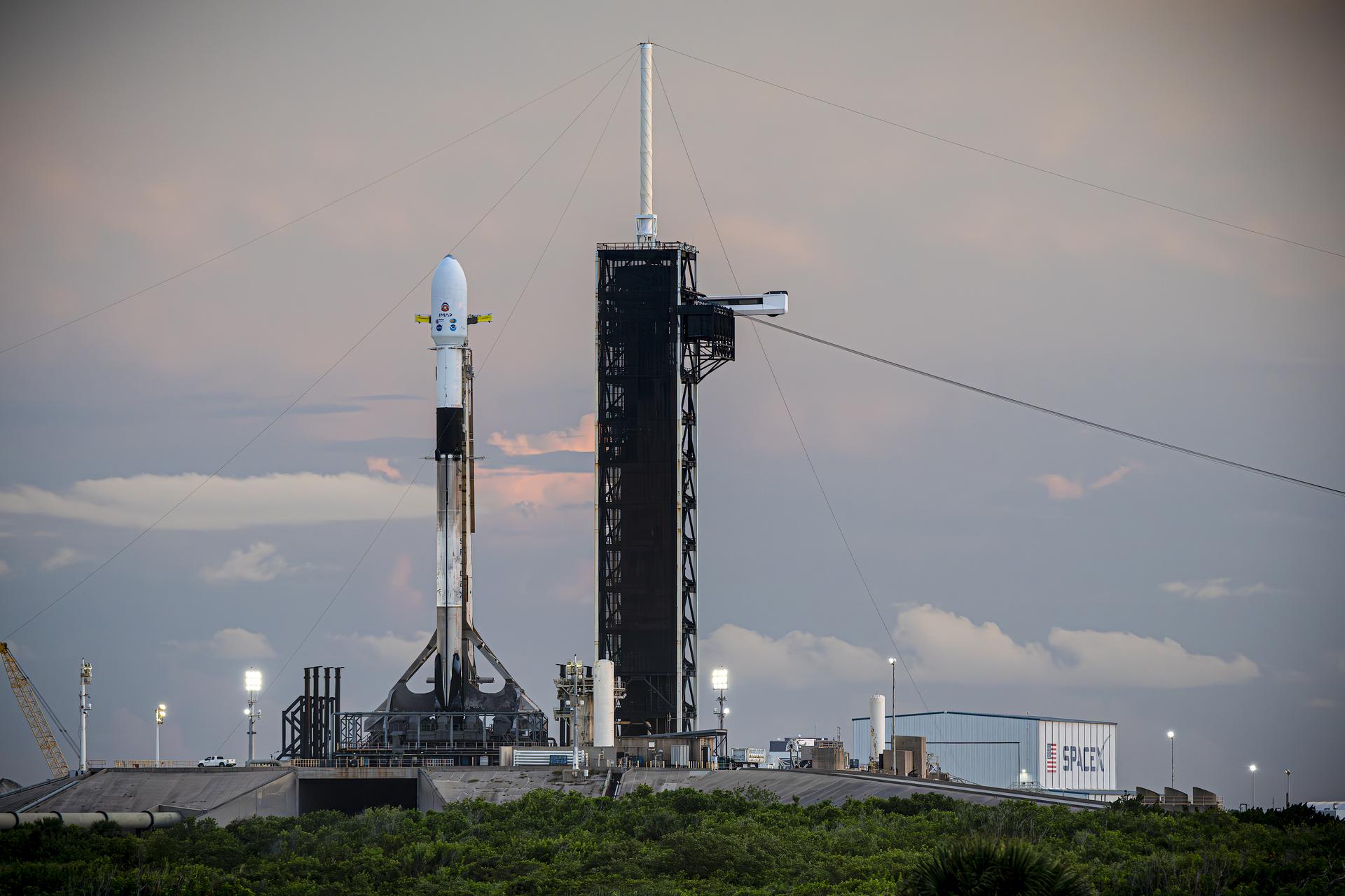
Cape Canaveral Space Force Station
One of two primary launch sites for NASA’s Launch Vehicles.
Located along Florida’s central Atlantic coast between Jacksonville and Miami, our nation’s premiere spaceport is ideal for spacecraft requiring a west-east or equatorial orbit.
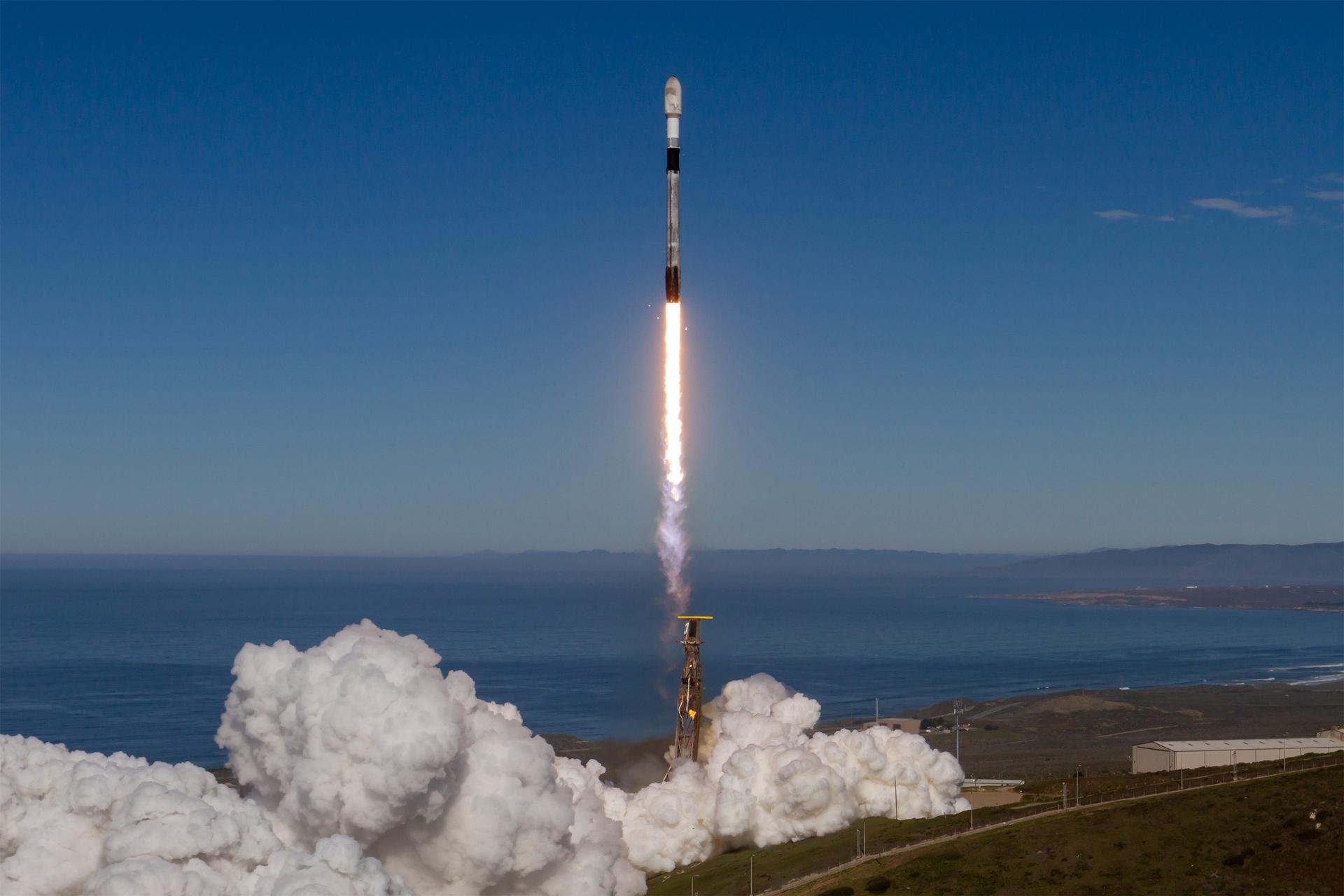
Vandenberg Space Force Base
One of two primary launch sites for NASA’s Launch Vehicles.
Located along California’s central coast between Los Angeles and San Francisco, Vandenberg is preferred for spacecraft requiring a north-south, or polar, orbit.
Wallops Flight Facility
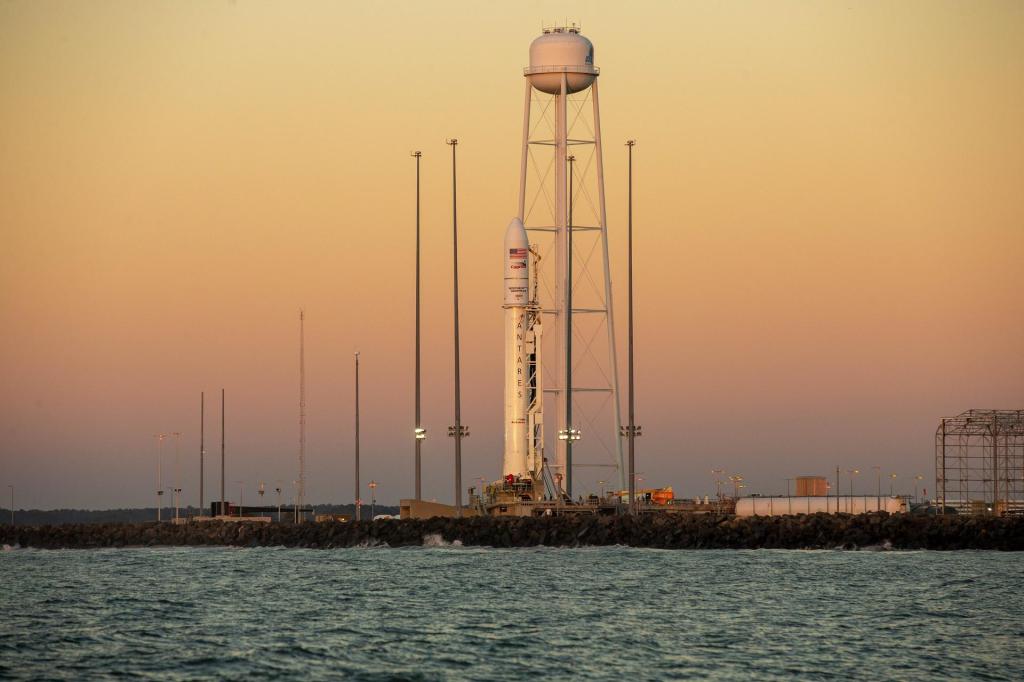
Located along the Atlantic Coast on Wallops Island, Virginia.
Operated by Goddard Space Flight Center in Greenbelt, Maryland, Wallops is NASA’s principal facility for suborbital research programs.
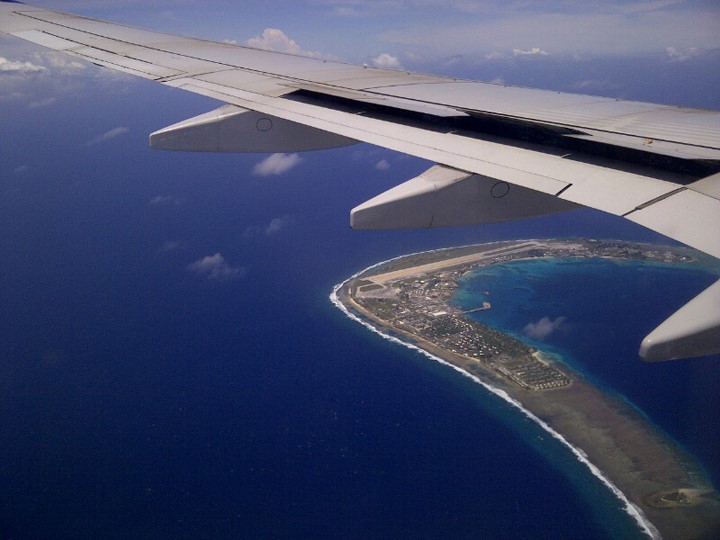
Reagan Test Site, Kwajalein Atoll
An additional Expendable Launch Vehicle launch location in the Republic of the Marshall Islands in the North Pacific.
The Kwajalein site is located between Hawaii and Australia and is used for missions requiring equatorial orbits and low inclinations.
Additional Launch Sites
Additional launch sites specific to LSP’s VADR launches include Rocket Lab’s Launch Complex 1 in Mahia, New Zealand; and SpaceX’s Starbase in Boca Chica, Texas. Kodiak Island, located in Alaska, is considered one of the best locations in the world for polar launch operations, providing a wide launch azimuth and unobstructed downrange flight path.
Roman
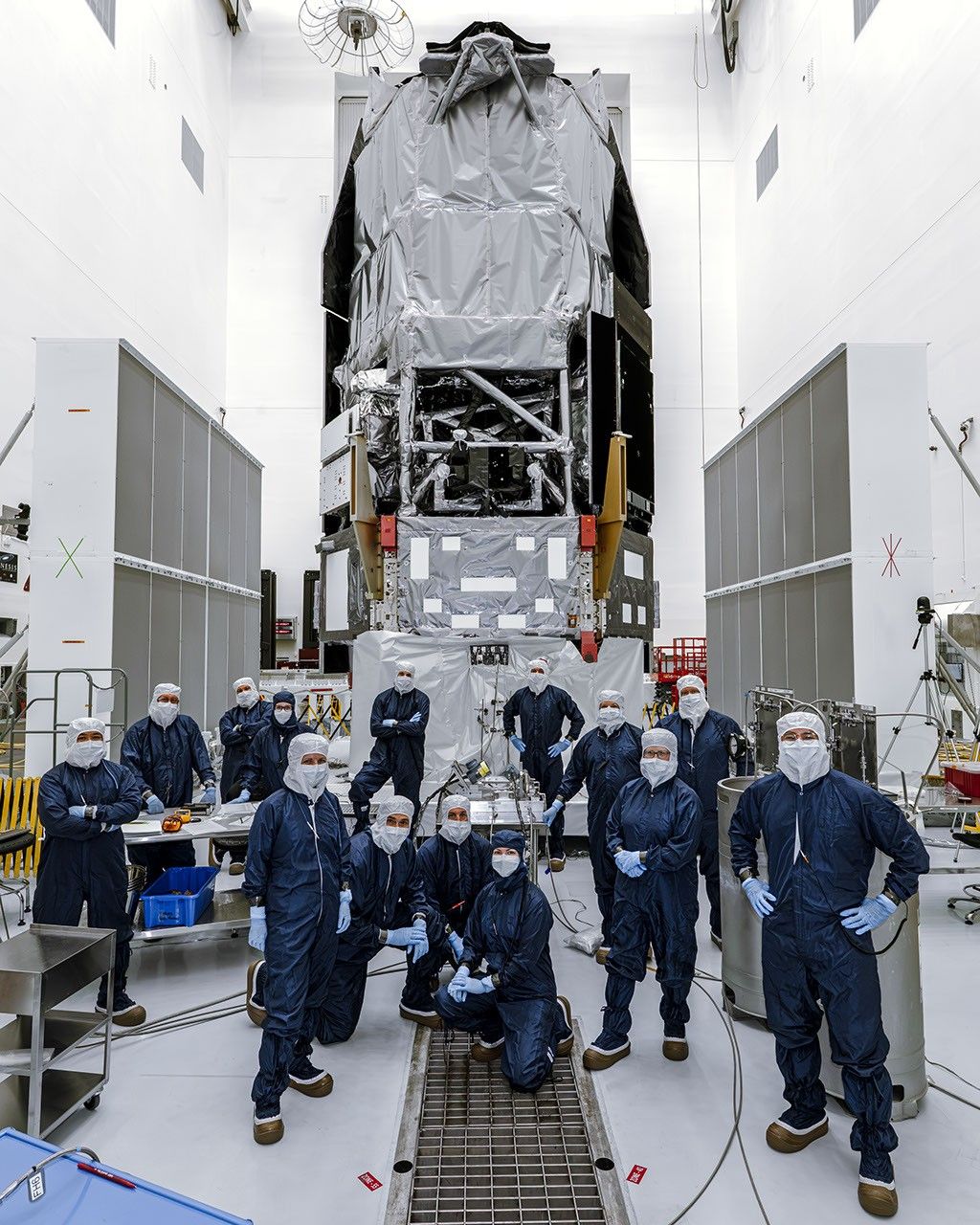
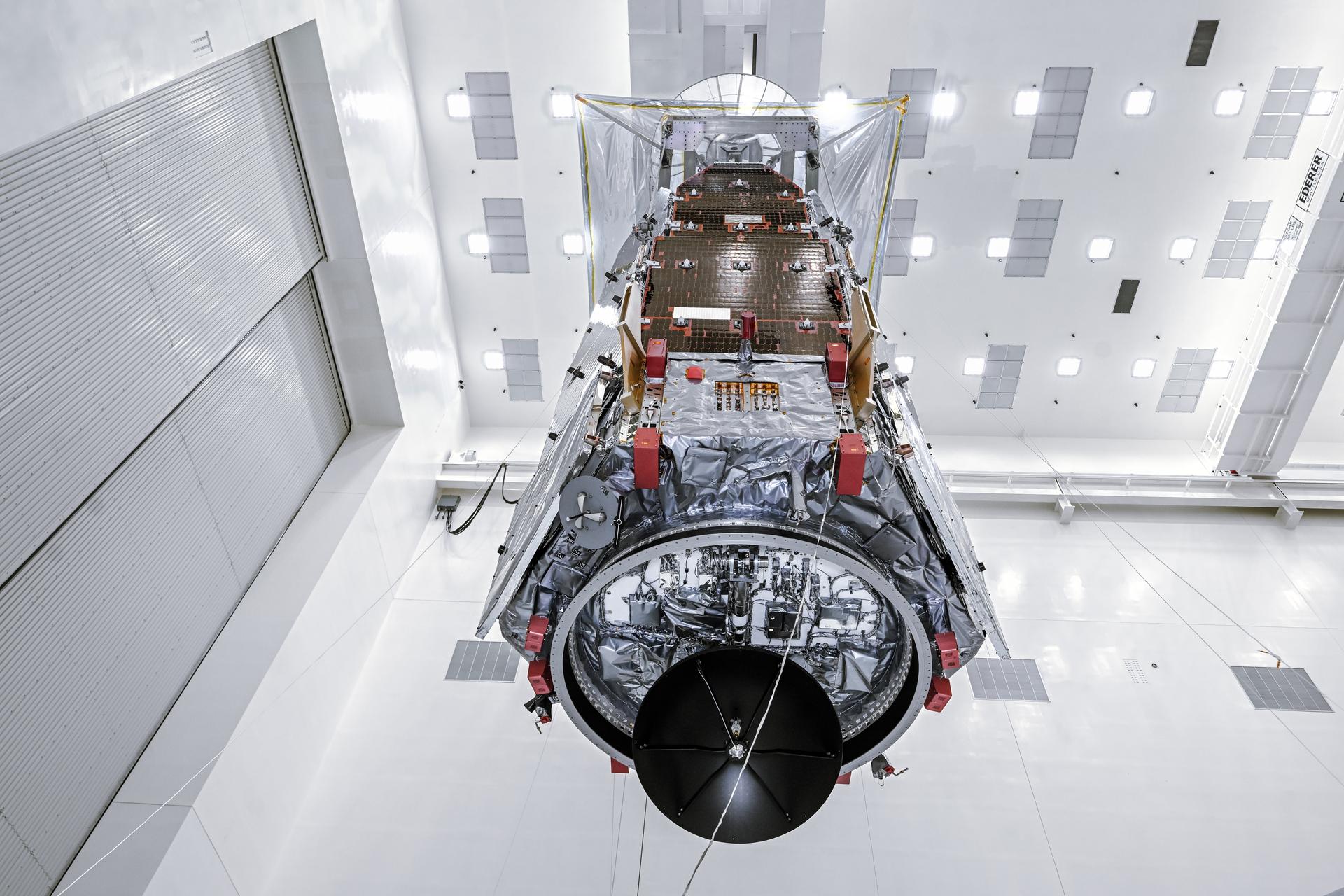
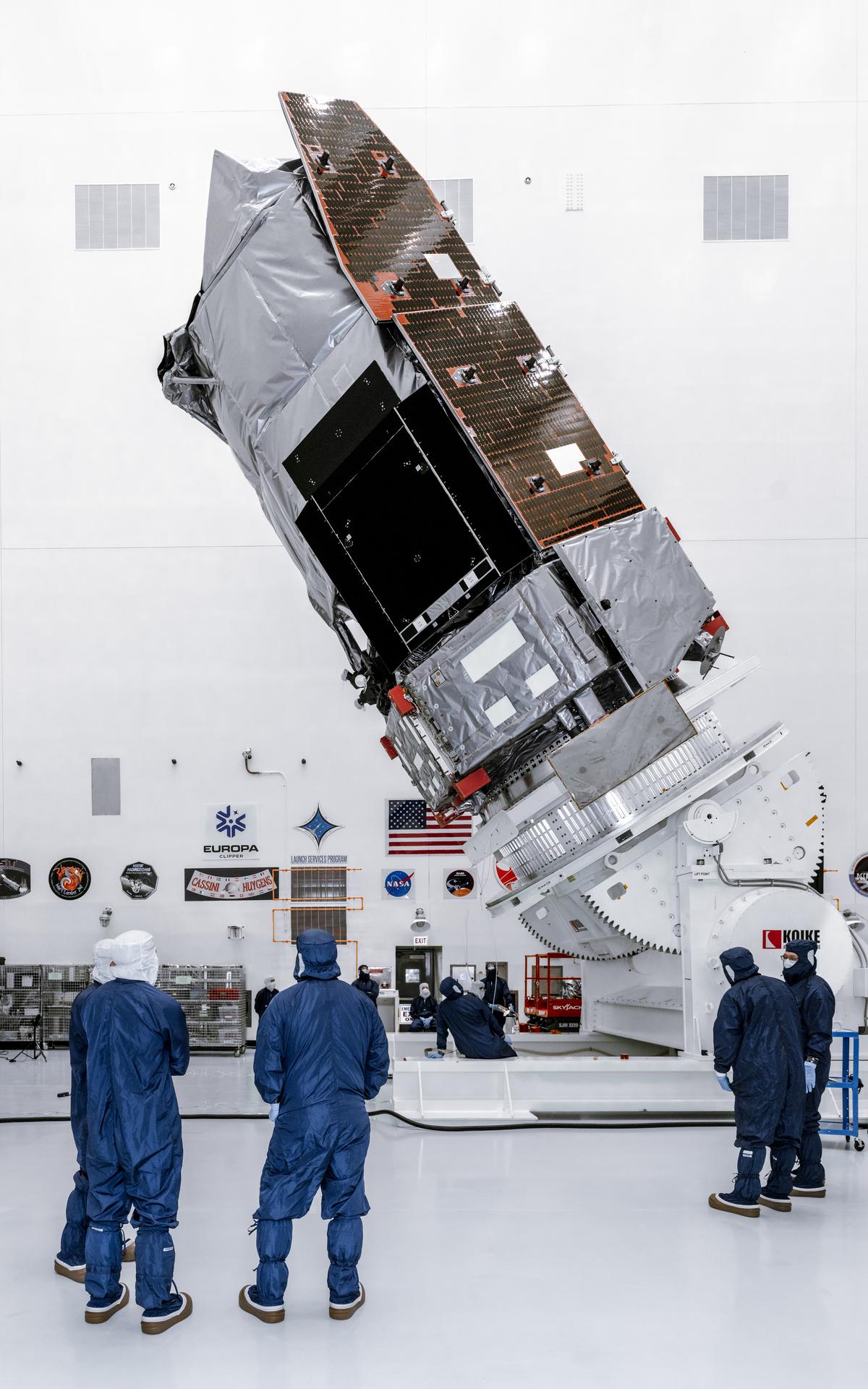
The Nancy Grace Roman Space Telescope will be able to block starlight to directly see exoplanets and planet-forming disks, complete a statistical census of planetary systems in our galaxy, and settle essential questions in the areas of dark energy, exoplanets, and infrared astrophysics.
Learn More about Roman
Upcoming Missions
Learn more about future missions managed by NASA's Launch Services Program.
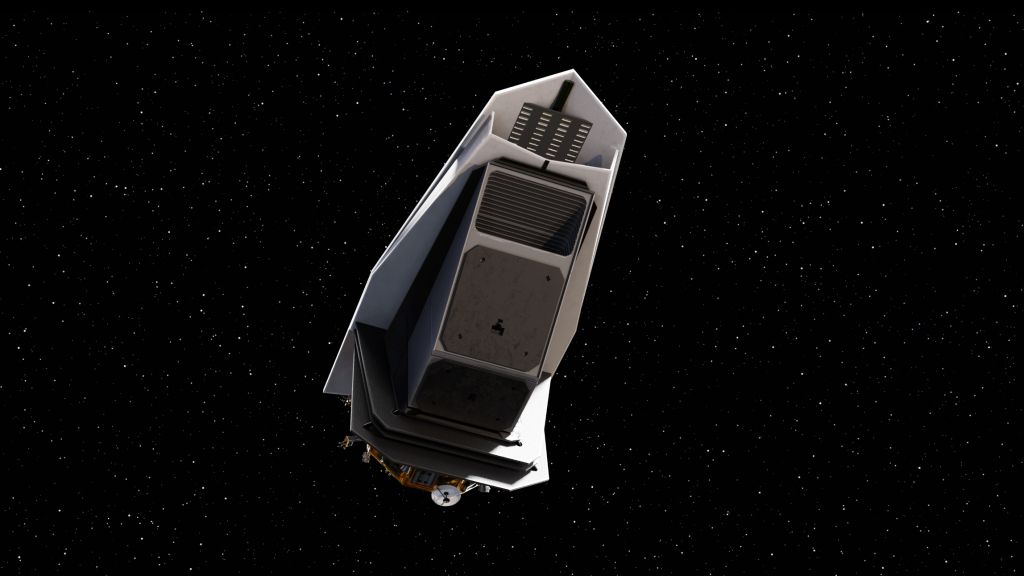
NEO Surveyor
The Near-Earth Object (NEO) Surveyor is the first space telescope specifically designed to hunt asteroids and comets that may be potential hazards to Earth.
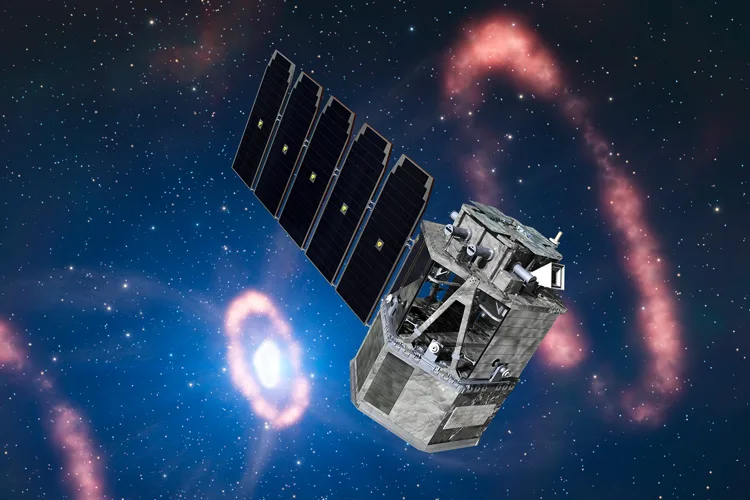
COSI
COSI (Compton Spectrometer and Imager) is a wide-field gamma-ray telescope that will study energetic phenomena in the Milky Way and beyond, including the creation and destruction of matter and antimatter and the final stages of the lives of stars.
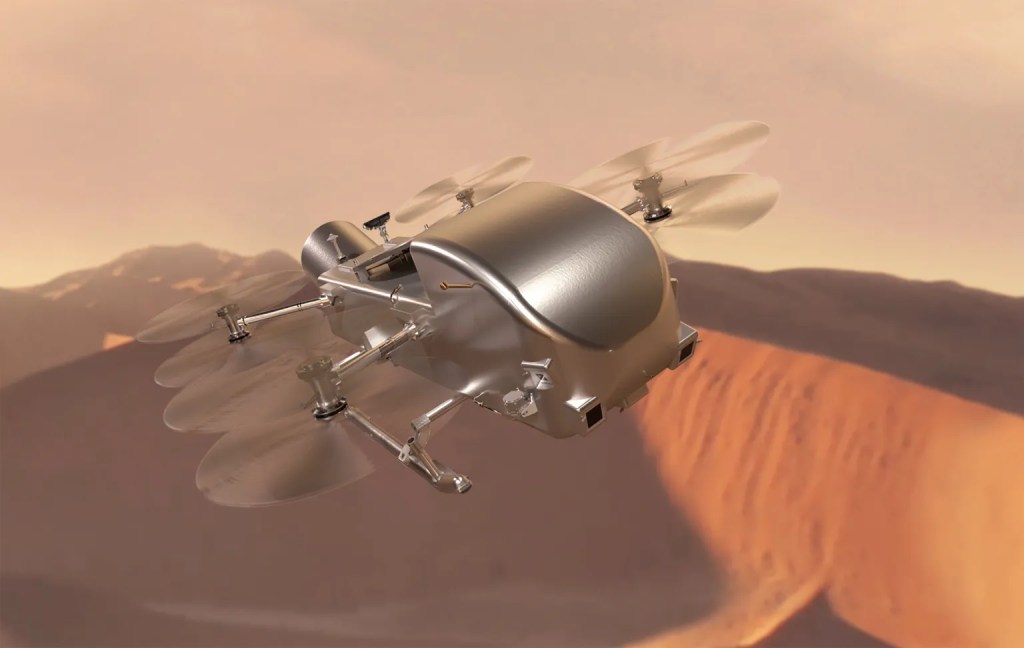
Dragonfly
Dragonfly, the first-of-its-kind rotorcraft to explore another world, will fly to various locations on Saturn’s moon Titan. The Dragonfly rotorcraft will break the barriers for exploration of other planetary bodies.
Learn More About Launch Services Program

About
CubeSat Launch Initiative
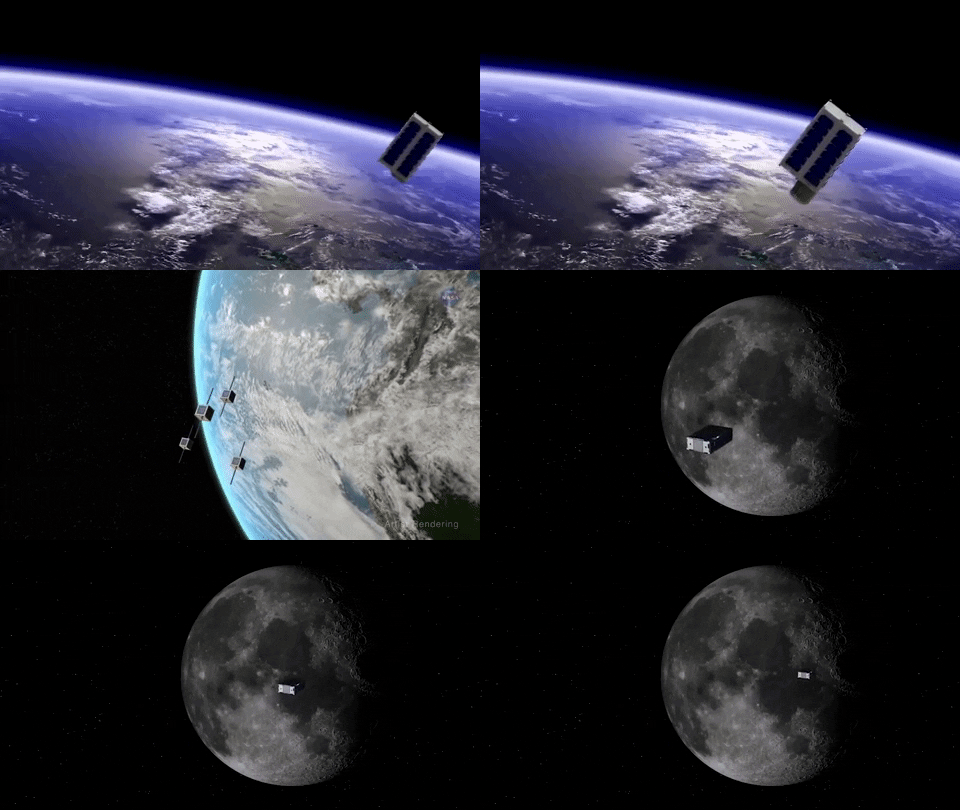
Since its inception, NASA’s CubeSat Launch Initiative has launched over 150 CubeSats on more than 40 Educational Launch of Nanosatellites (ELaNa) missions.
NASA’s CubeSat Launch initiative (CSLI) provides low-cost access to space for U.S. educational institutions, informal educational institutions such as museums and science centers, non-profits with an education/outreach component, and NASA centers for early career workforce development. The initiative’s intent is to inspire and develop the next generation of scientists, engineers, and technologists by offering a unique opportunity to conduct scientific research and develop/demonstrate novel technologies in space.
Learn More about CubeSat Launch Initiative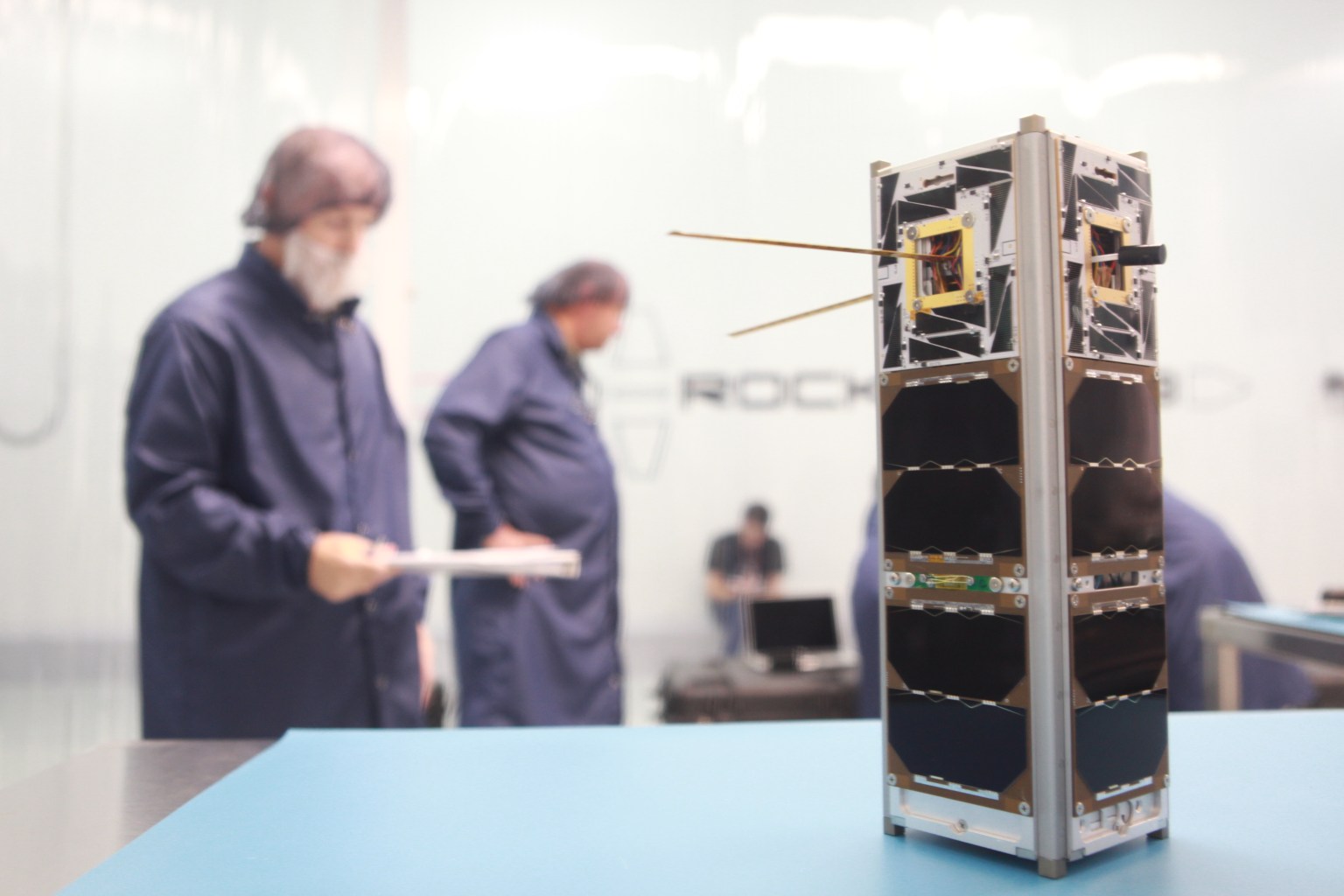



Meet Our Team

Jennifer W. Lyons
Jenny Lyons is the acting program manager of the Launch Services Program at Kennedy.
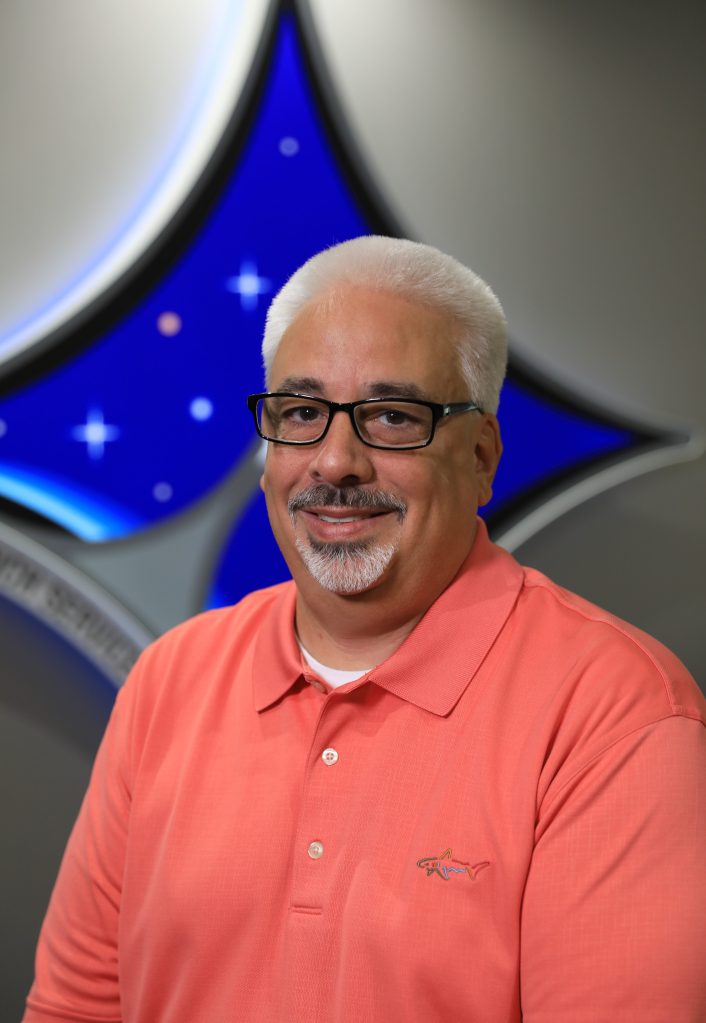
Jorge L. Piquero
Jorge Piquero is the Senior Technical Integration Manager of the Launch Services Program at Kennedy.

Denton K. Gibson
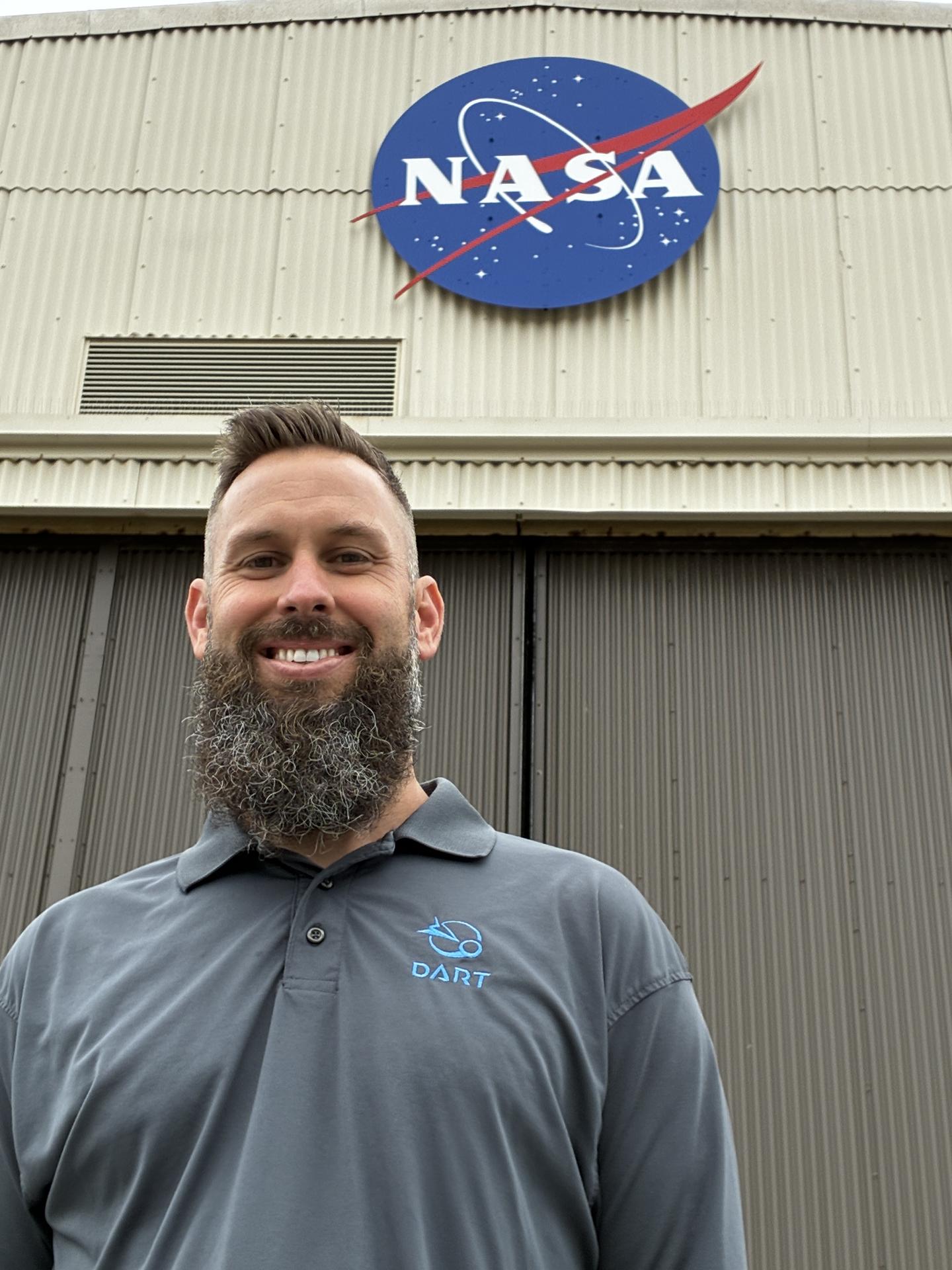
Denton Gibson is launch director of the Launch Services Program at Kennedy.