






















NASA Life Sciences Portal
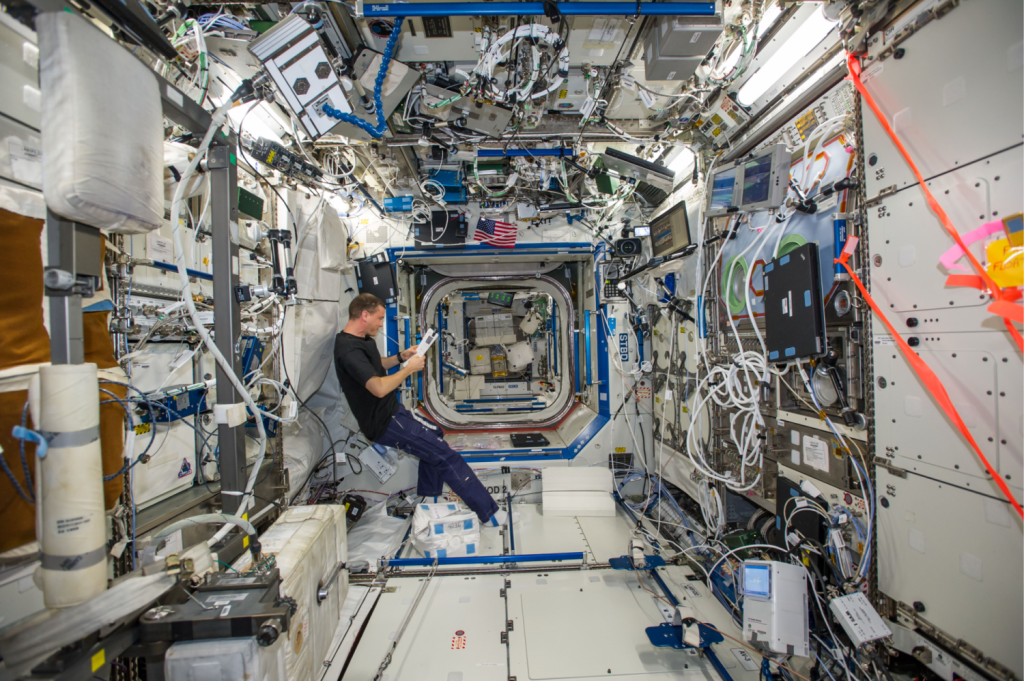
The NASA Life Sciences Portal provides access to human research data from spaceflight and ground-analog studies dating back to 1961.
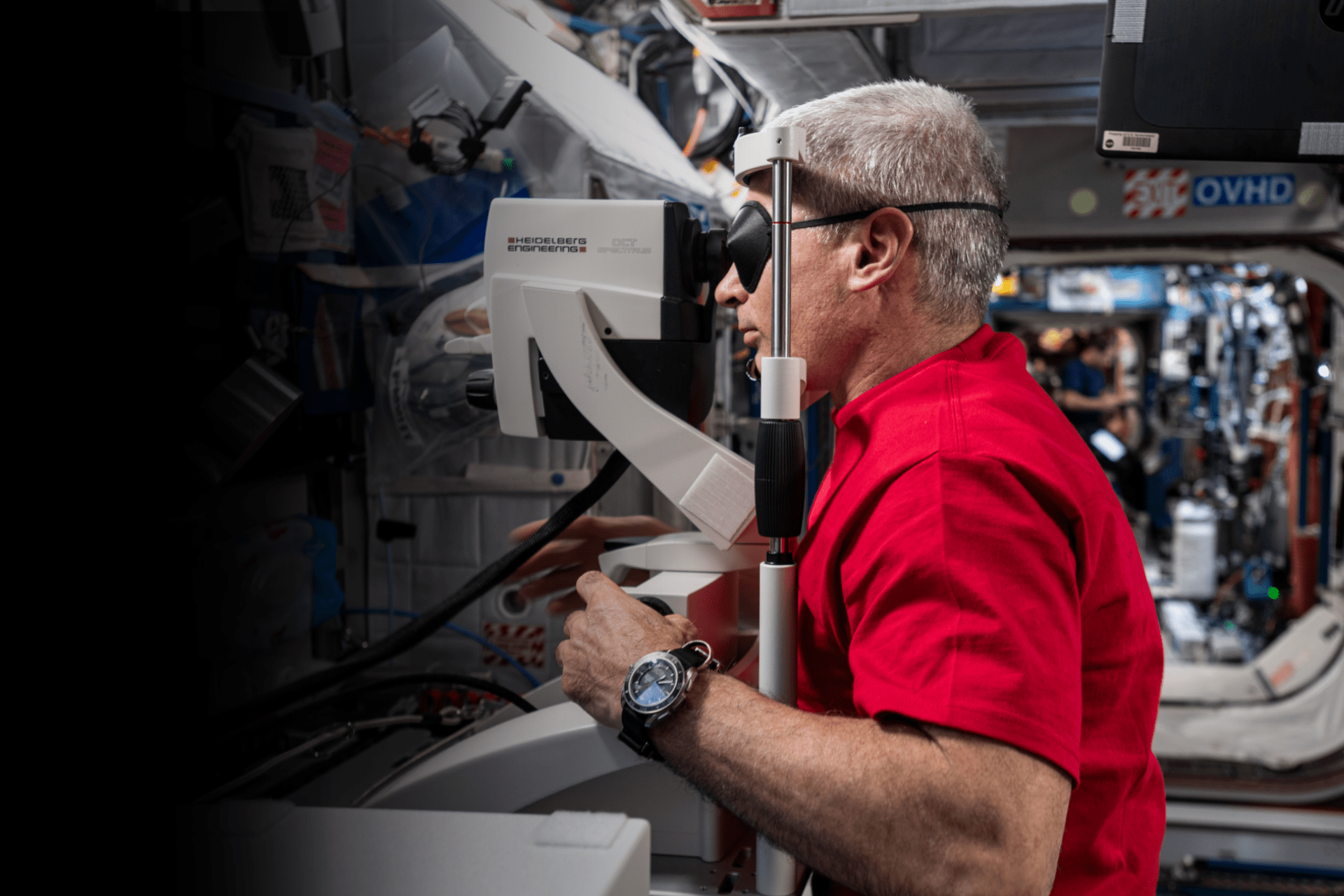
This portal draws from investigations supported by NASA’s Human Research Program (HRP), including all those in the Life Sciences Data Archive and from the Lifetime Surveillance of Astronaut Health program, among other resources.
For NASA employees/affiliates: Go to the Internal Site
NASA's Databases for Life Sciences
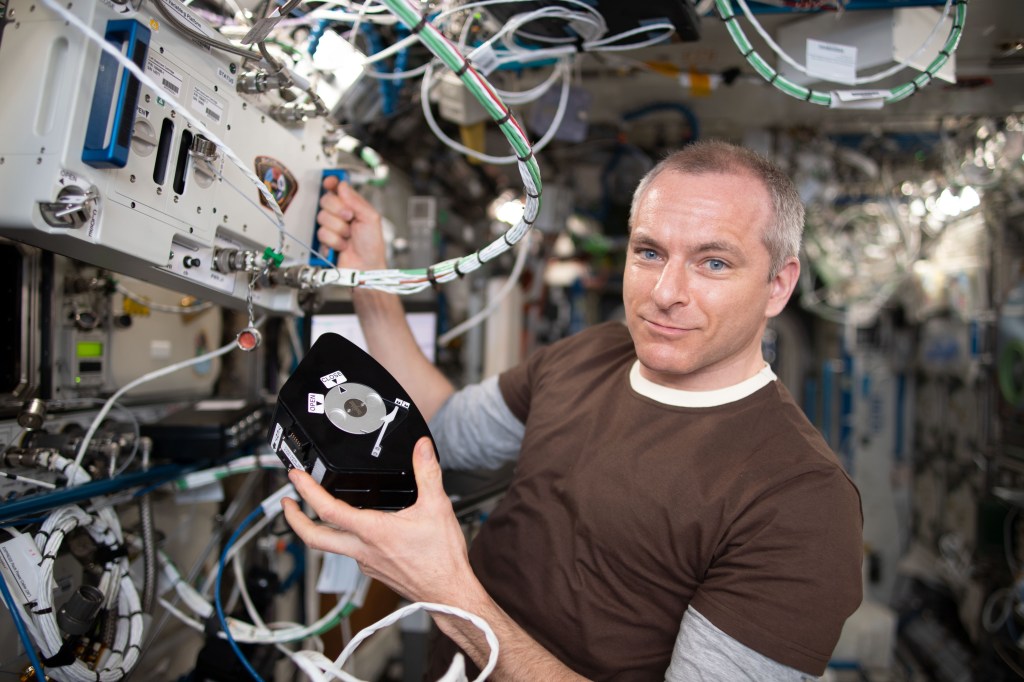
The NASA Life Sciences Data Archive houses de-identified human research data from spaceflight and analog missions.
The Lifetime Surveillance of Astronaut Health program uses medical monitoring data for astronaut health surveillance.
Human Research Data Repository
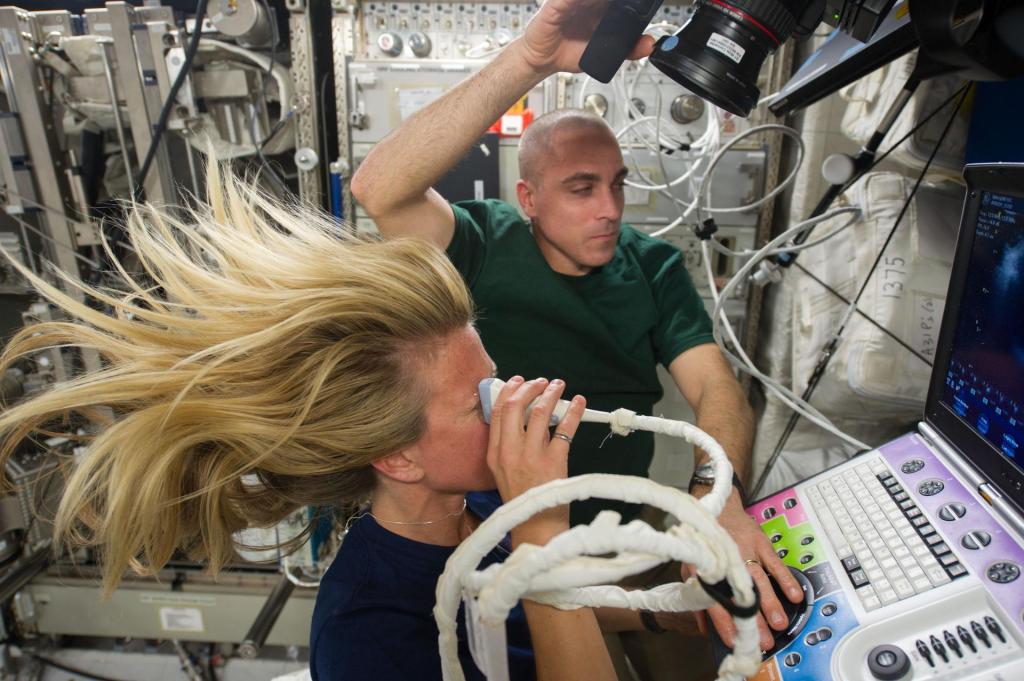
Learn about the data associated with human research in flight and analog studies.
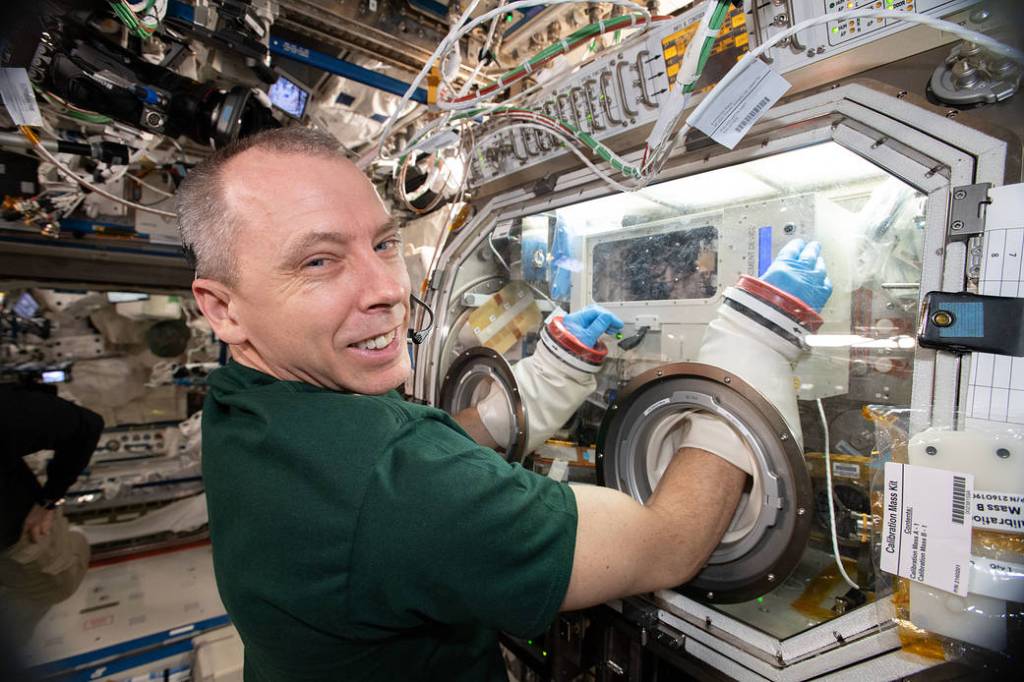

Human Research Open-Access Datasets
Explore and access human research data. These datasets contain bedrest analog studies from the University of Texas Medical Branch (UTMB). Inverted bedrest studies mimic fluid shifts experienced in microgravity.

UTMB Bedrest Campaign 1
These investigations were among the first to simulate microgravity's effects on the human body via a head-down-tilt bedrest protocol.

UTMB Bedrest Campaign 3
Following Campaign 1, these head-down-tilt bedrest studies investigated and explored new research areas, simulated microgravity’s effects on bones, the cardiovascular system, neurology, and more.
Standard Measures
Explore a baseline set of health measurements from astronauts and from analog crews simulating spaceflight conditions.
Learn More About Standard Measures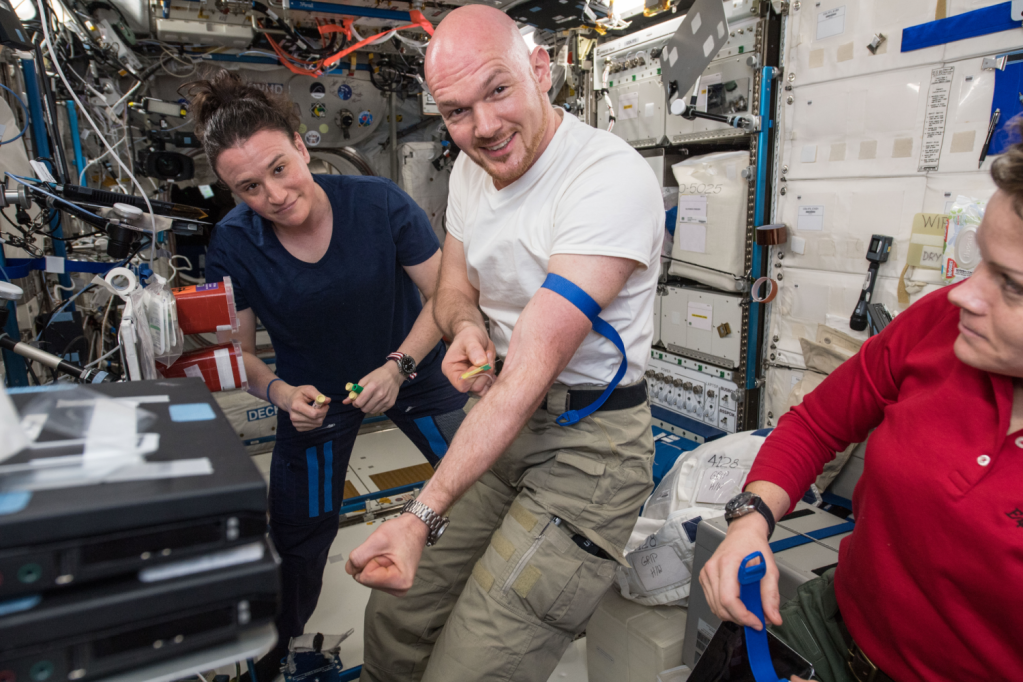
Publications
Read research articles and evidence reports published by HRP.

Review highlights of HRP-funded research published in fiscal year 2024.

Review highlights of HRP-funded research published in fiscal year 2023.

Review HRP evidence reports detailing the science on spaceflight health risks.
Collaborate With HRP
HRP offers funding, collaboration, and partnership opportunities to those interested in the future of human spaceflight.
Learn More About How to Get Involved With HRP
Open Science Data Repository
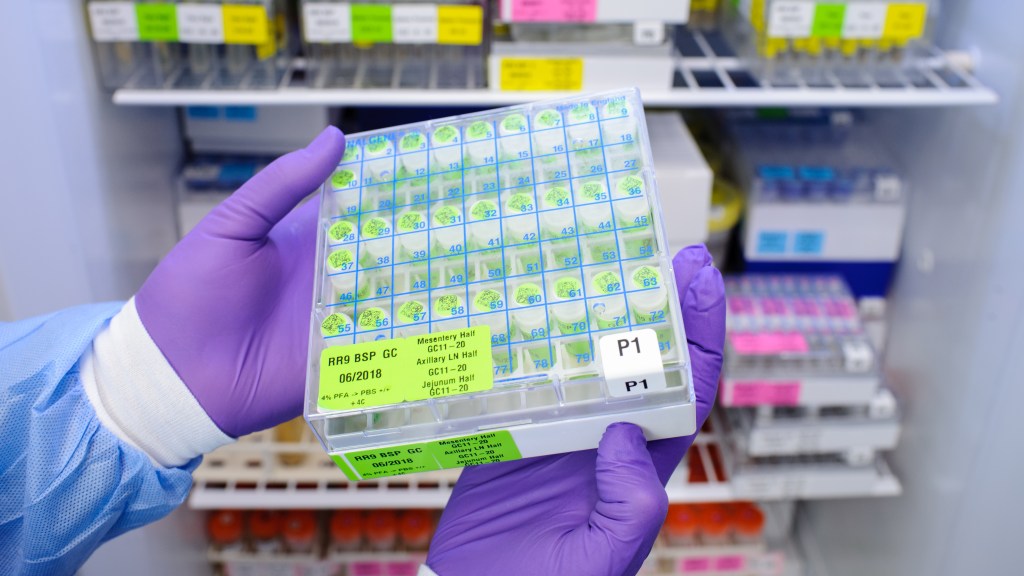
NASA's Open Science Data Repository provides access to human cellular and non-human life science data.
Explore Plant and Animal Data
For NASA employees/affiliates: Go to the Internal Site