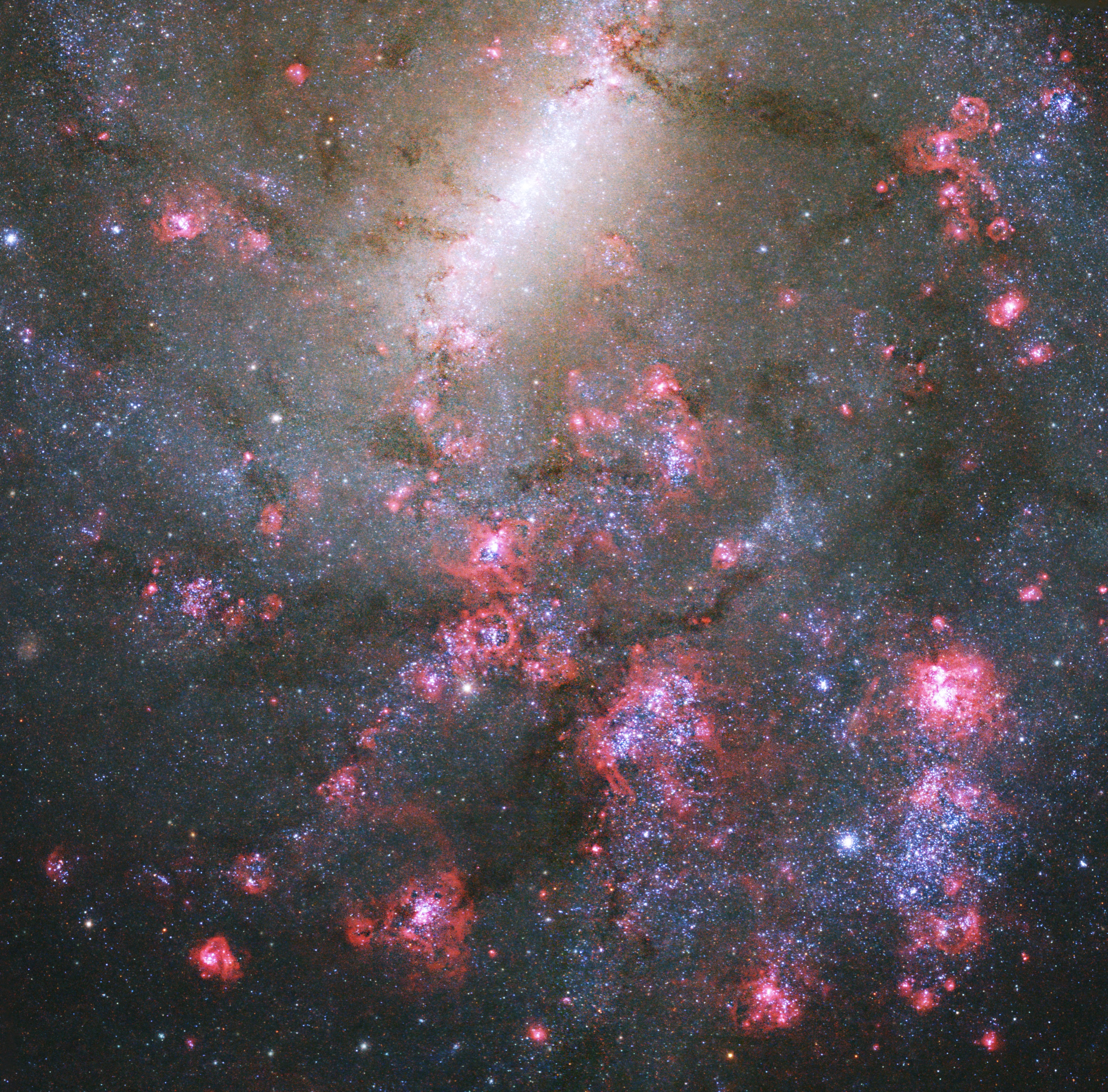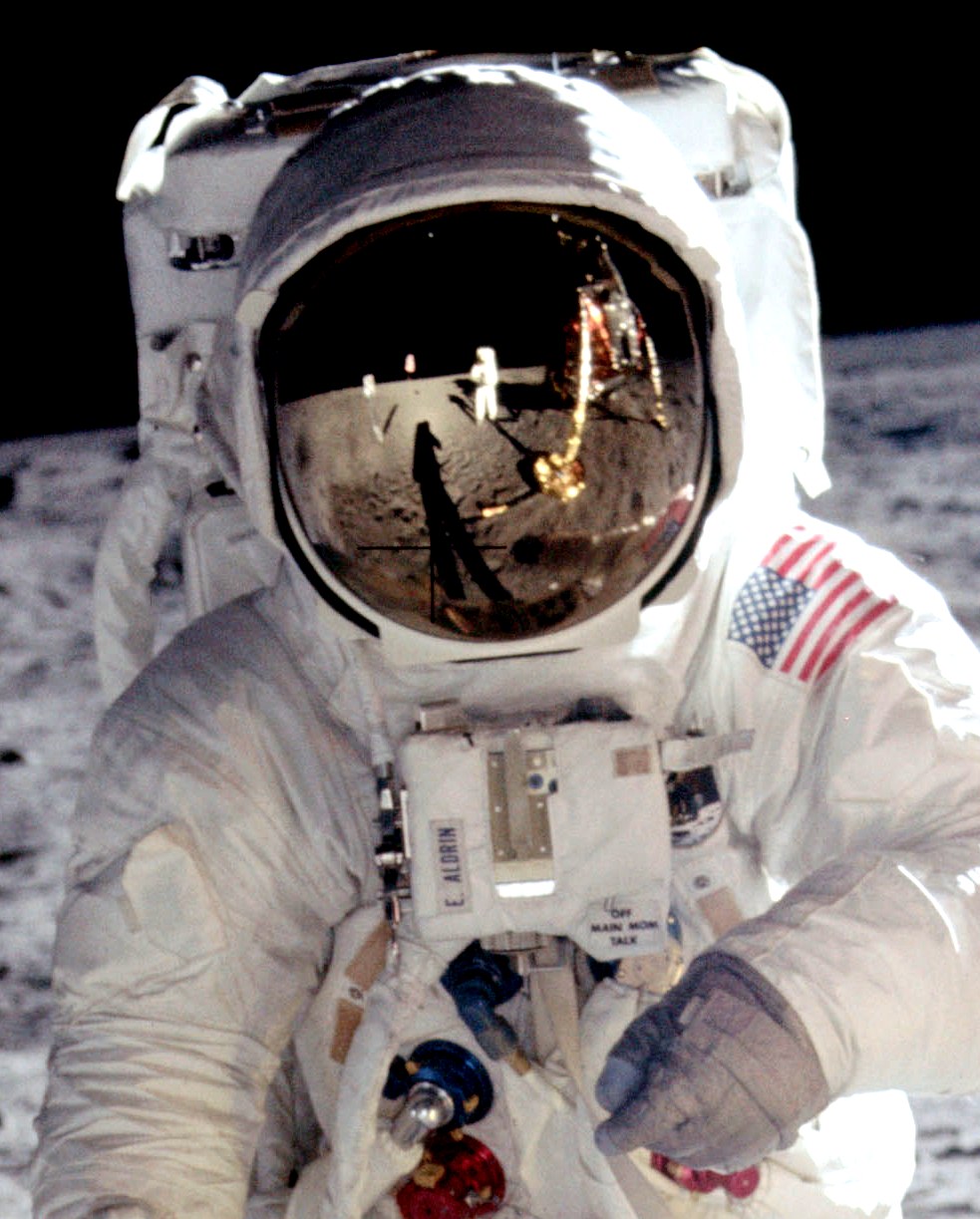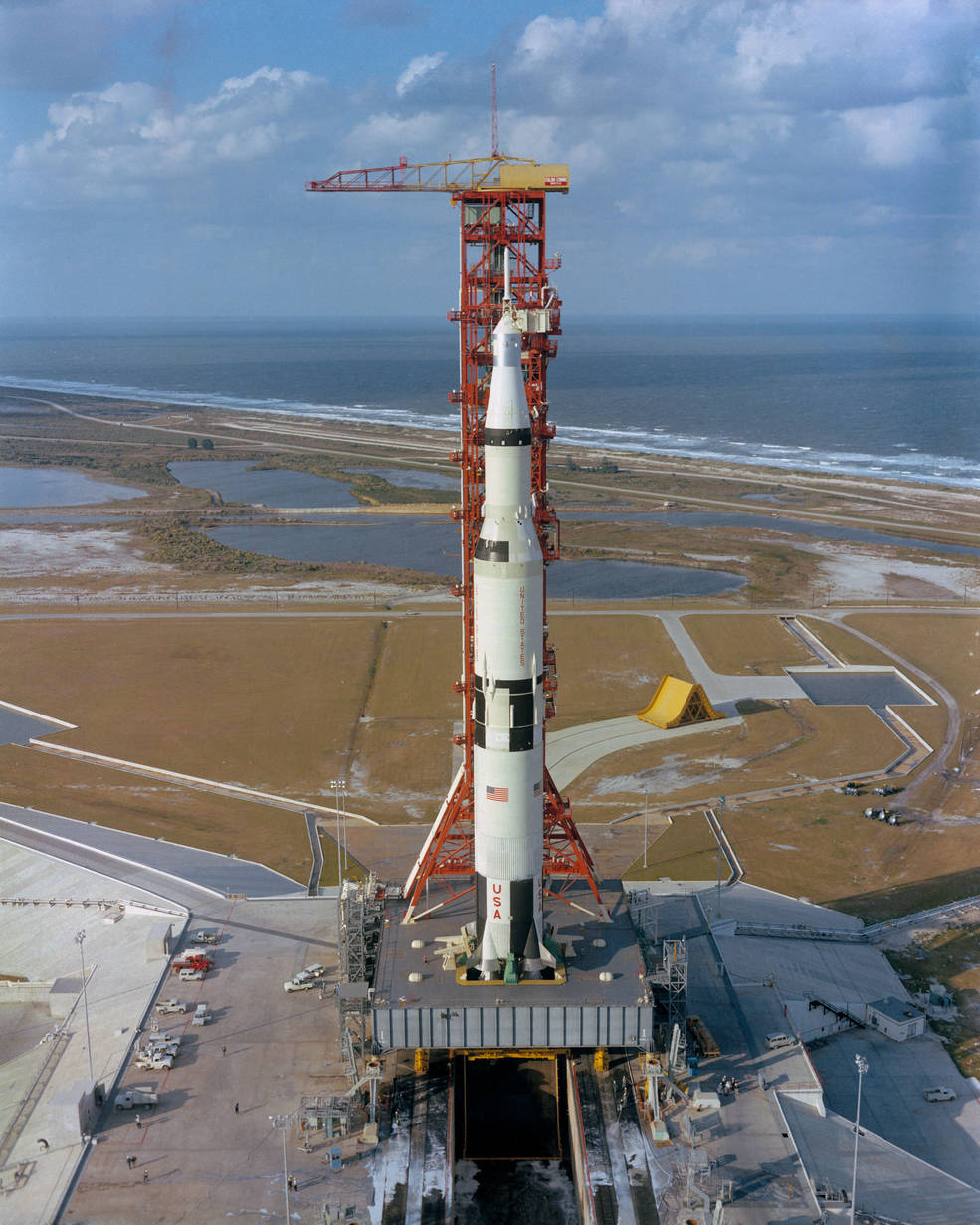











In celebration of the 25th anniversary of the Chandra Space Telescope’s launch into space, NASA historians highlight Marshall Space Flight Center’s evolution into a center of excellence in high-energy astronomy, Martin Weisskopf’s lessons learned from the Chandra mission, how a proposal for an x-ray observatory has evolved, and Chandra’s rocky ride to space on space shuttle Columbia in 1999.

Volume 41, Number 2
Summer 2024
Featured Articles
From the Chief Historian
By Brian Odom
When I began working in the NASA Marshall Space Flight Center’s history office, I expected the research to be dominated largely by investigation of the Saturn V, space shuttle, and various other propulsion projects. Apollo and Shuttle certainly occupied a prominent position at the center. The surrounding community in Huntsville reflected as much, with “big propulsion” represented everywhere you looked.
But diving just beneath the surface of this history revealed something else of significance—the world of high-energy astronomy. It turns out that while some science had been there from the beginning, high-energy astronomy was an intentional development sought in the austerity of post-Apollo planning. Serving as the lead center for Skylab’s Apollo Telescope Mount had brought Marshall scientists, engineers, and managers into contact with scientists around the country. And as solar physics was a primary emphasis for Skylab, high-energy studies became the dominant focus. Continue Reading
Martin Weisskopf's Lessons Learned from Chandra
By Jennifer Ross-Nazzal
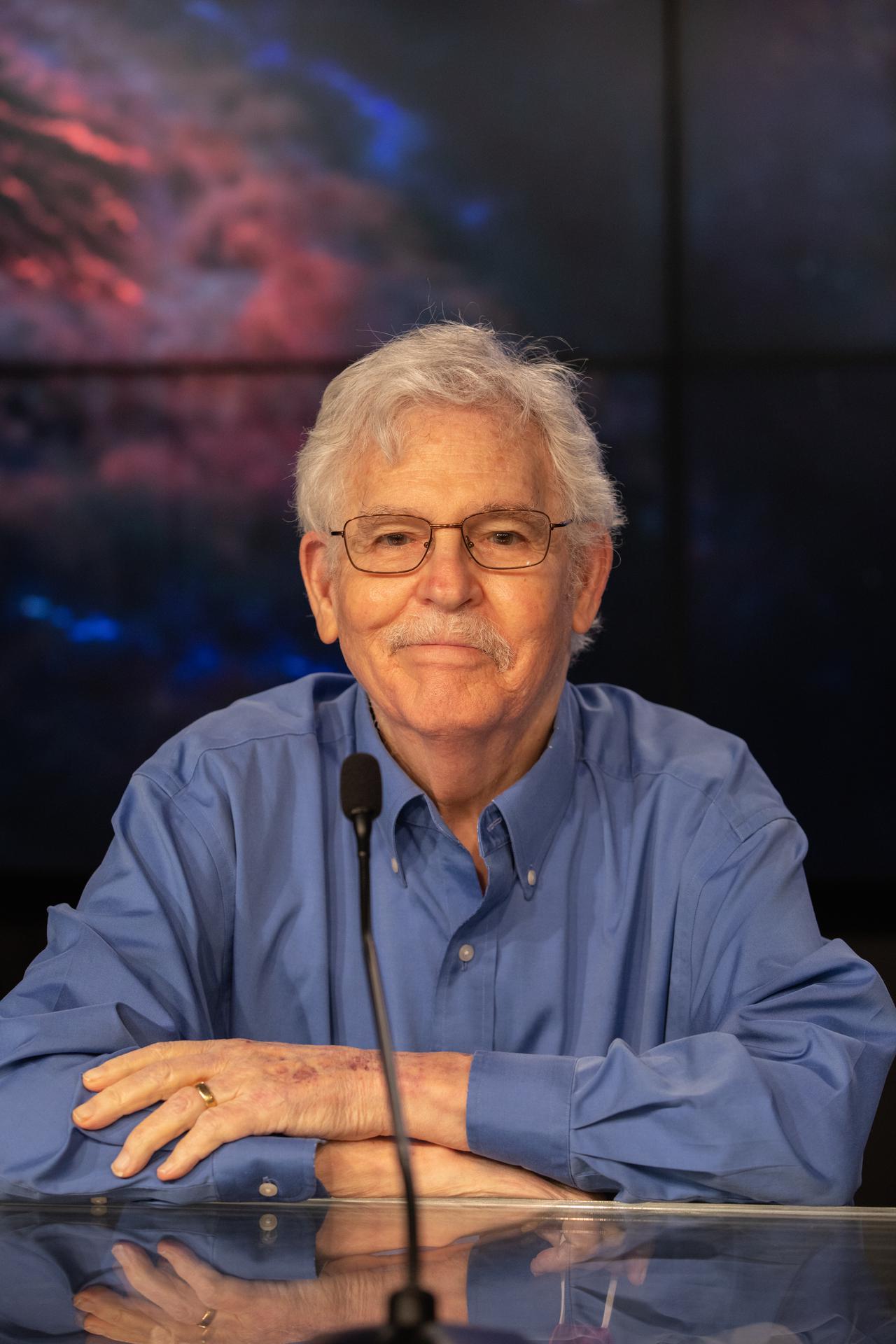
In 1999, the five crewmembers aboard the Space Shuttle Columbia deployed the Chandra X-ray Observatory. Chandra was one of four Great Observatories launched by NASA between 1990 and 2003, and its development, design, testing, and restructuring offer important lessons learned for scientists, engineers, and managers working on similar projects. Chandra succeeded because the people involved built upon earlier scientific programs, including the High Energy Astronomy Observatory (HEAO). Additionally, the team proactively managed risk and developed what Chandra Program Manager Keith Hefner called a “high-performance culture” that “fully integrated” the scientific community. This effort was so successful that Chandra Project Scientist Martin Weisskopf called the telescope “an outstanding example of the power of the science-driven approach.” Weisskopf’s career exemplifies the importance of Chandra’s inclusive strategy as well as the value of teamwork, mutual respect, friendship, and understanding that led to a mission that came in at cost and on schedule. Continue Reading
Chandra's Rocky Ride into Space
By Robert Arrighi
At 7:47 a.m. EDT on July 23, 1999, STS-93 mission specialist Cady Coleman released the Chandra X-ray Observatory and its Inertial Upper Stage (IUS) booster from Columbia’s payload bay into space. An hour later, the IUS’s two solid rockets fired in succession, propelling Chandra into a transfer orbit, where it separated from the IUS and deployed its solar arrays. After more than 20 years of development and a series of last-minute hurdles, NASA’s latest Great Observatory commenced its groundbreaking x-ray astronomy mission. Continue Reading
Arcus: Evolution of a Proposal
By James Anderson
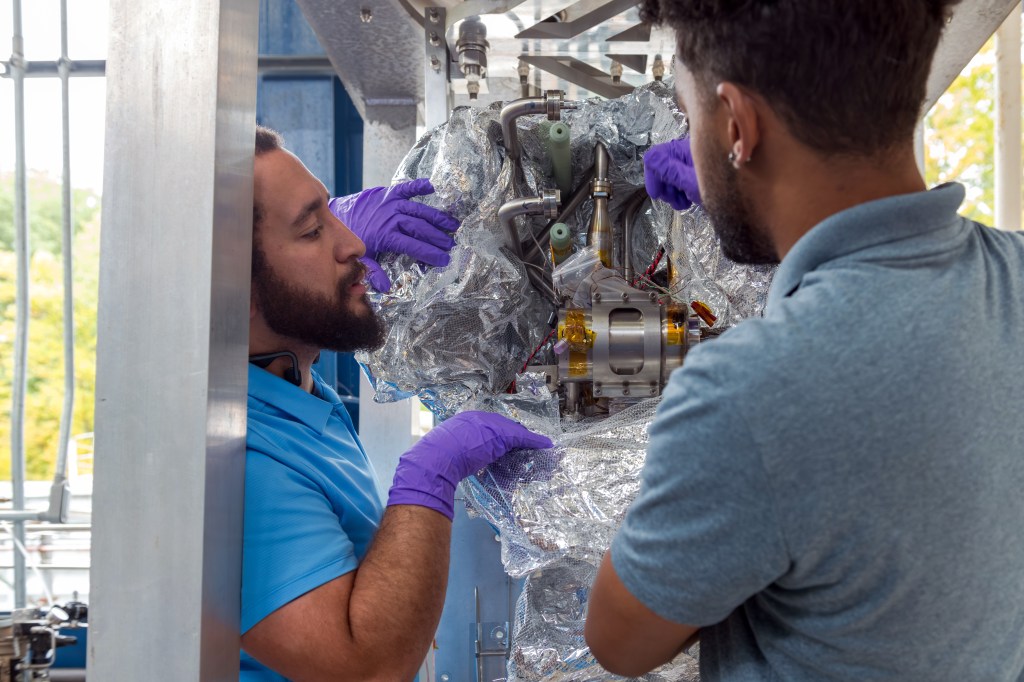
Every mission begins its life as a proposal. The collaboration required for developing a proposal includes much more than simply documenting plans and describing the concept behind a proposed mission. The investment in time is significant. Team dynamics take shape as the core members—often coming from different institutions across government, academia, and industry—address the challenges that arise throughout development. Proposals must demonstrate that a team can realistically achieve its scientific goals while staying within parameters set for cost, schedule, and risk. Many team members work on multiple and even competing proposals, hoping for at least one to be funded. Missions selected for flight can define careers and shape the future of scientific fields. Most proposals are not selected for flight, yet every proposal has its own developmental history. Those histories represent a fuller scope of the work involved in scientific fields like high-energy astrophysics. Continue Reading