

















Transforming Flight
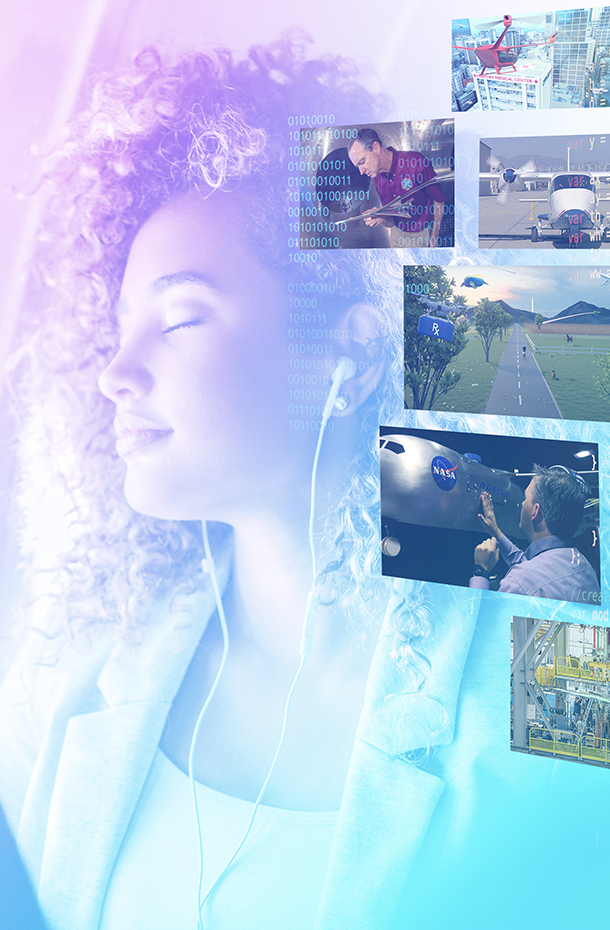
Building on a legacy of aeronautical research that can trace its origins to the earliest days of powered, heavier-than-air flight, NASA remains committed to transforming aviation by improving operational efficiency while maintaining safety in more crowded skies, and paving the way for revolutionary aircraft shapes and propulsion that opens new possibilities for commercial air travel.
NASA is more than our nation’s space agency.
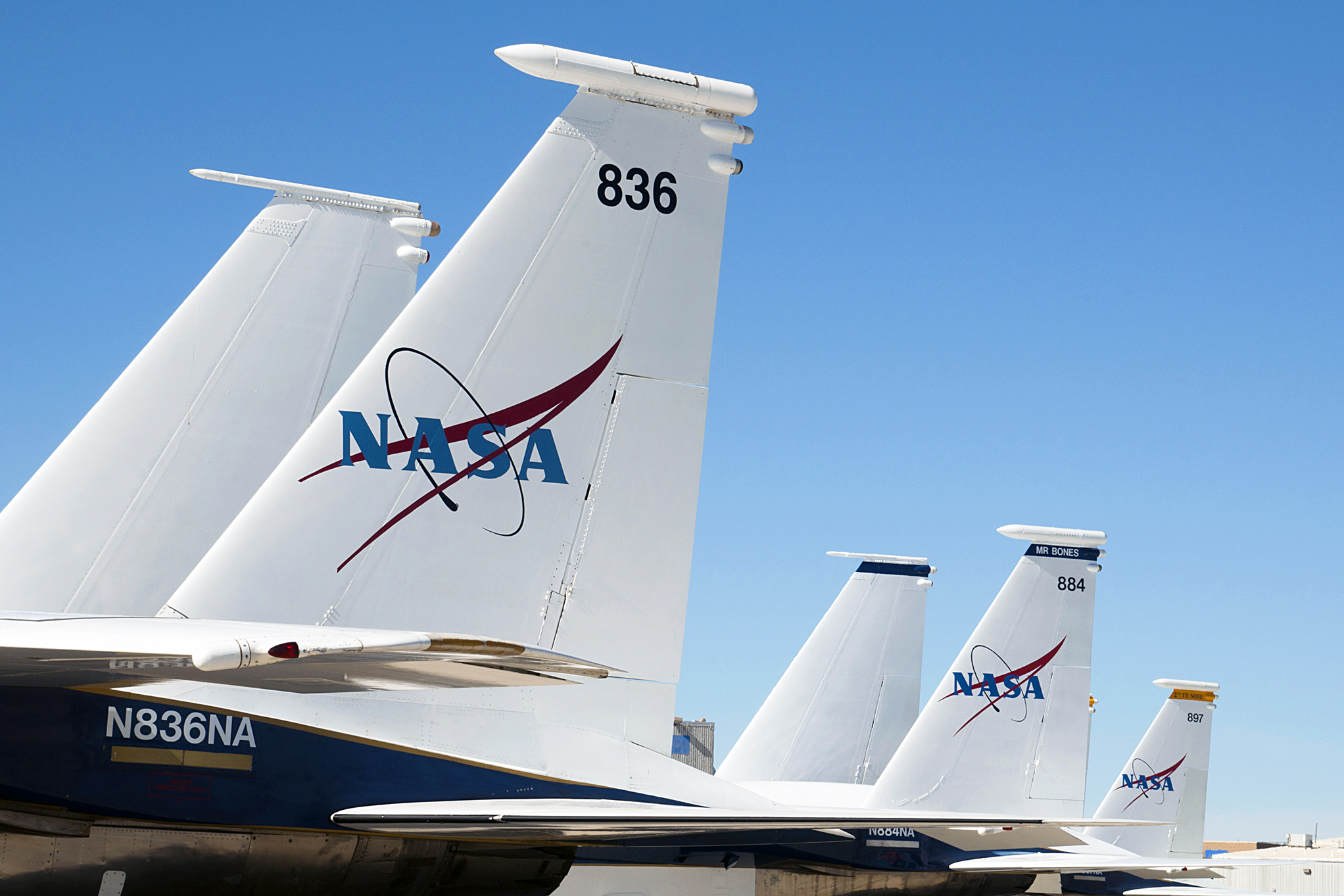
NASA’s first “A” stands for aeronautics. In this special feature, read about why aviation is so important to our economy and learn how NASA is transforming aviation for the 21st century in four key technological areas — all of which is intended to give you new options for air travel.
Chapter 1
Aviation and the U.S. Economy
You may not have flown today, but something you needed or used today did. The latest electronic gadget, flowers for a loved one, life-saving medicine, or even fresh seafood for supper — many of your most important needs and wants were delivered to you thanks to air travel. The importance of aviation in our lives and to our economy is undisputed. Ensuring we have the safest, most efficient, and most advanced aeronautics technology is the goal of our hard-working aeronautical innovators.
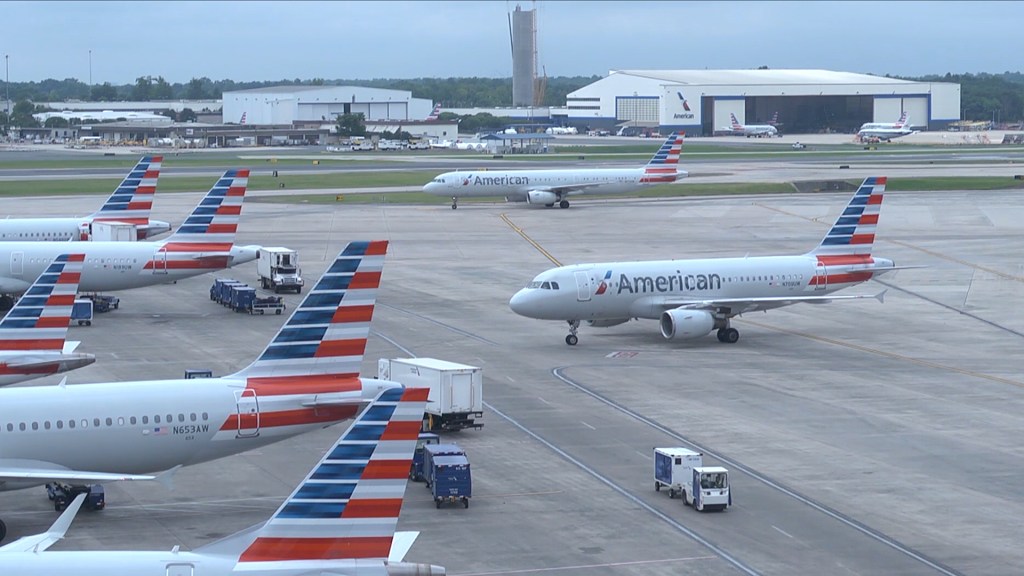
$1.45 trillion total U.S. economic impact from commercial aviation in 2024
NASA’s Aeronautics programs focus on research, development, and testing of aviation technology advancements that will benefit humankind and retain U.S. leadership in a vital manufacturing and transportation sector.”

robert pearce
NASA Associate Administrator for the Aeronautics Research Mission Directorate
Why Should I Care?
Here are some fast facts about aviation’s contributions to the U.S. economy:
9.24 million flights by U.S. carriers worldwide in 2025
972 million passengers flown by U.S. airlines in 2025
22 million tons of freight transported by U.S. airlines in 2025
2.23 million aerospace/defense jobs; 4,682,000 in aeronautics/aircraft jobs in 2025
Chapter 2
NASA is working on innovative transformations in aviation
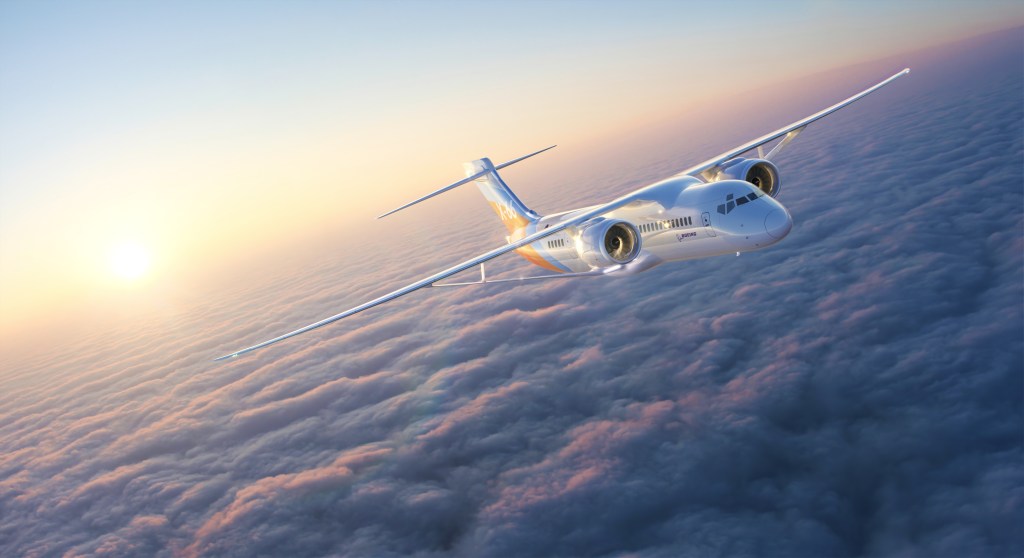
Our vision includes faster air travel, new choices for moving people and cargo through the National Airspace System, and all of it happening more safely and efficiently than ever before.
Chapter 3
Safer, more efficient air traffic operations in the sky
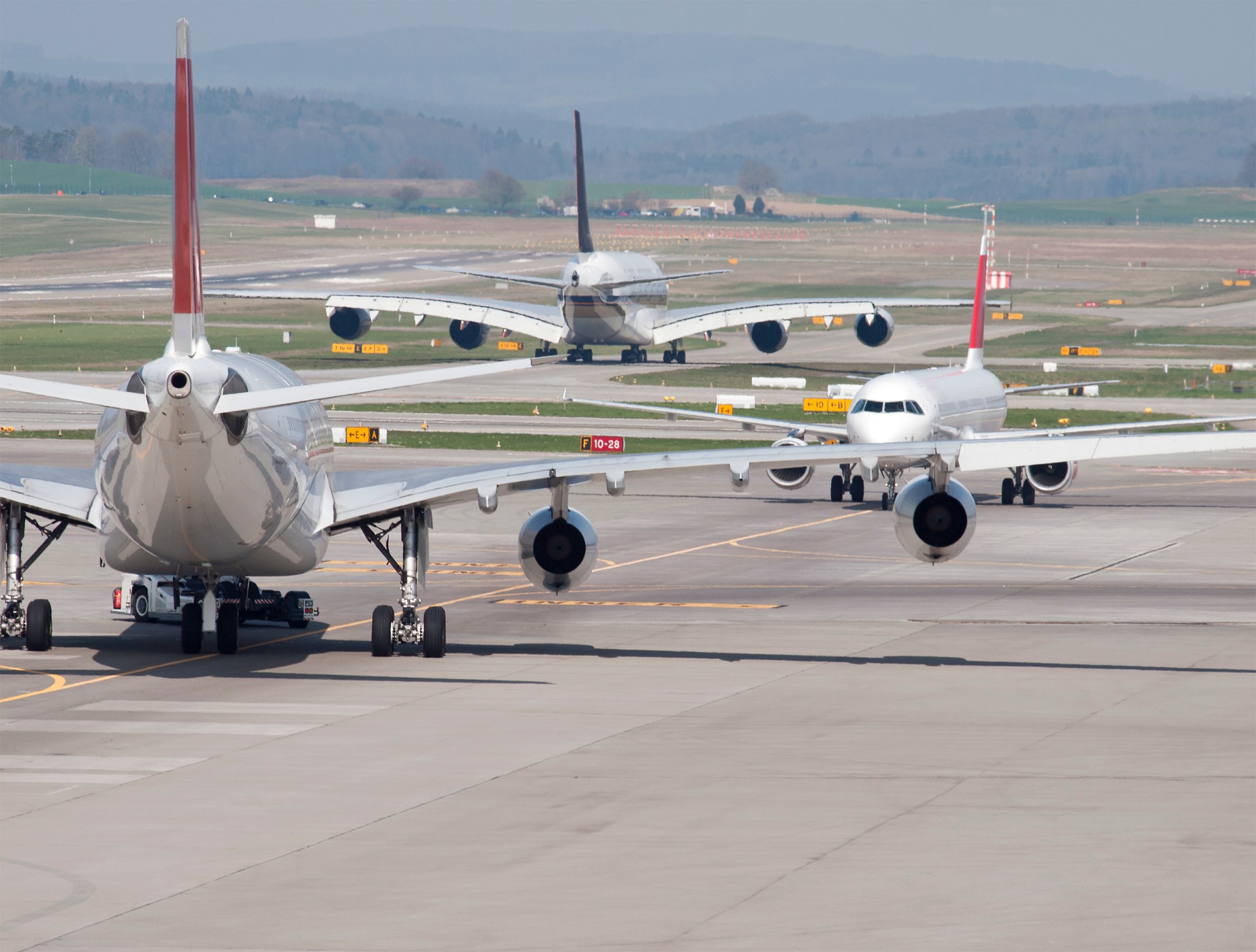
Increased operational efficiency brought on by innovative air traffic management solutions reduces fuel burn and saves airlines money, while also increasing on-time departures and arrivals as you fly from gate to gate.
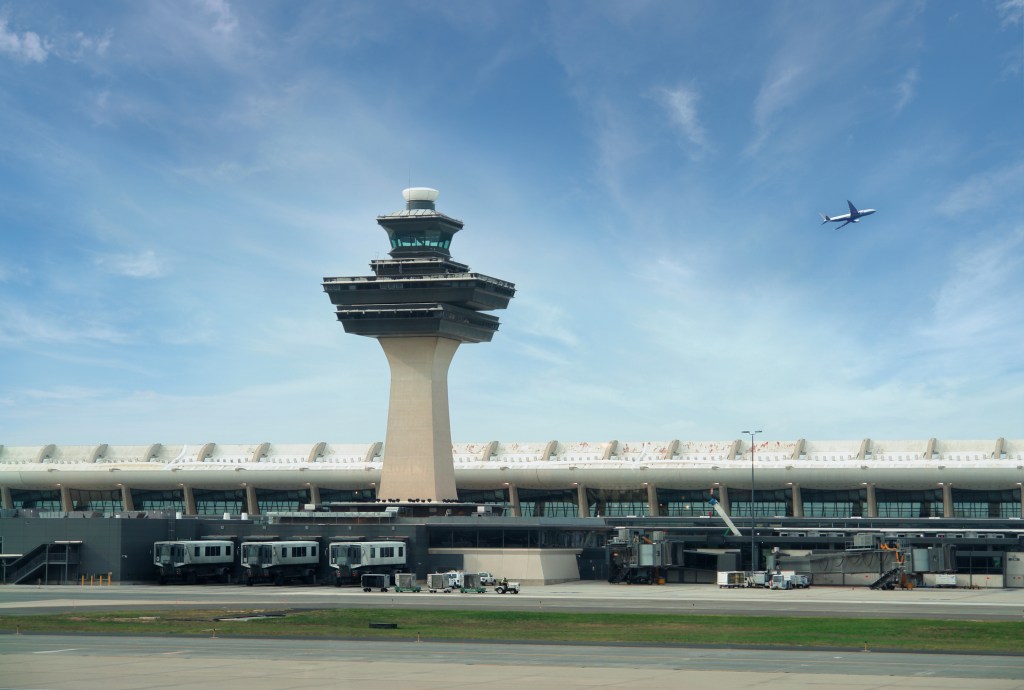
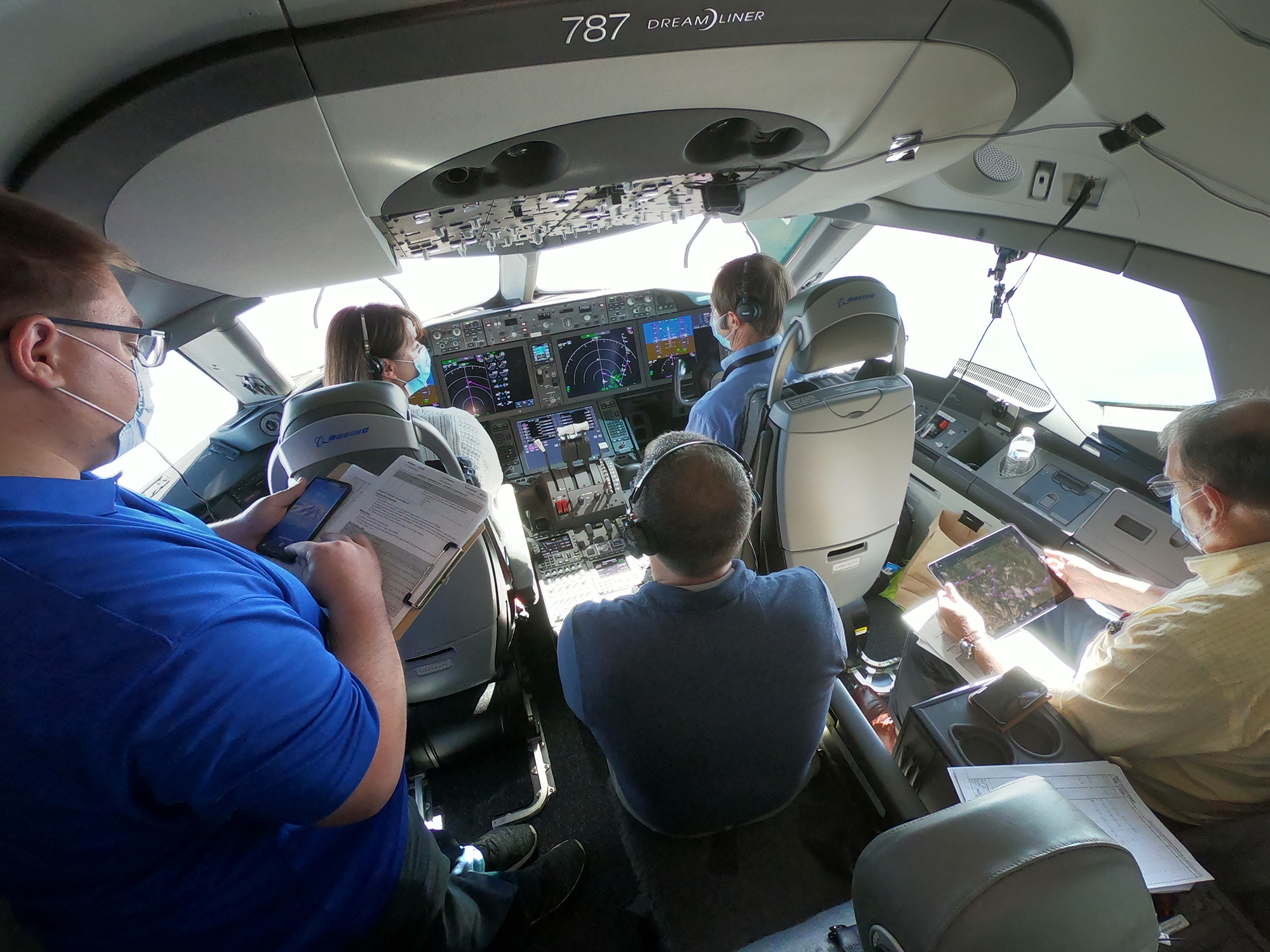
We are fully committed to safely optimizing flight operations to benefit the flying public.
Chapter 4
High-Speed Commercial Flight
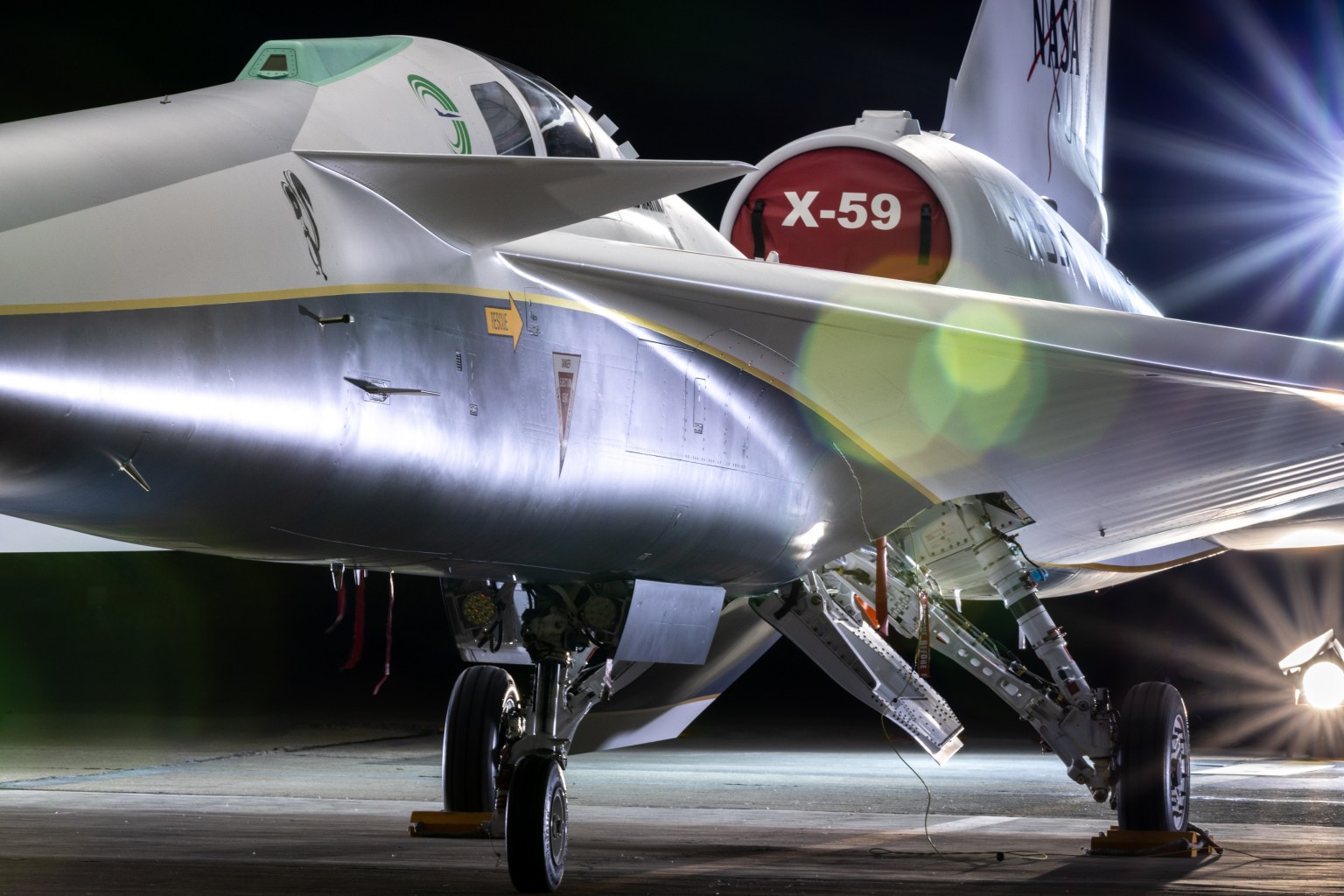
NASA’s aeronautical innovators are leading a government-industry team to collect data that could make commercial supersonic flight over land possible, dramatically reducing travel time in the United States or anywhere in the world. At the same time, others are considering even faster, hypersonic air travel with vehicles moving more than 5 times the speed of sound.
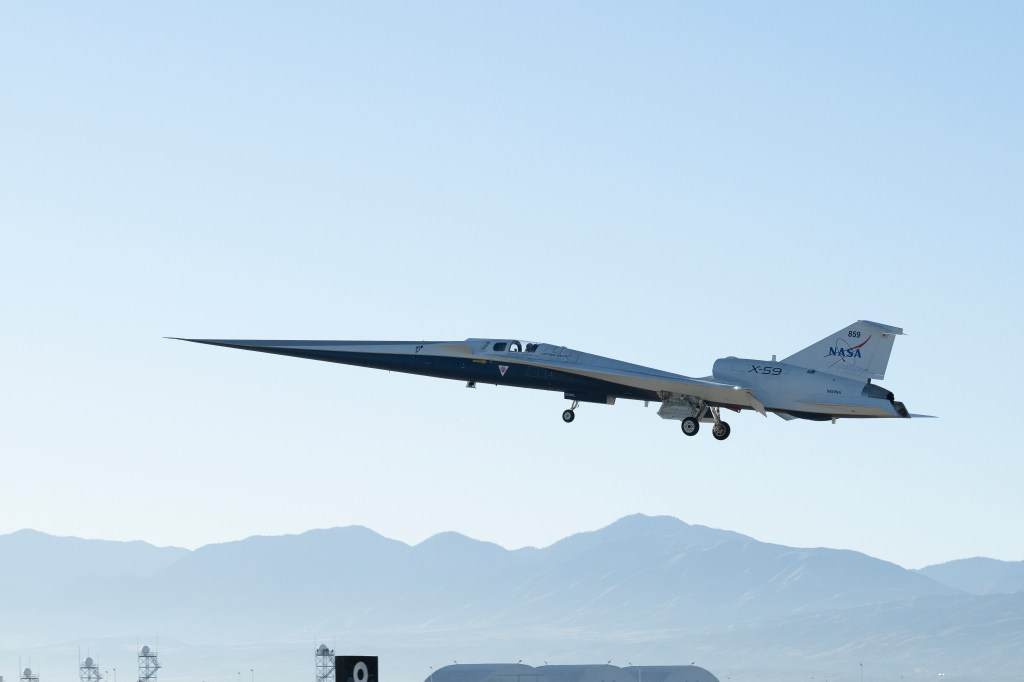
NASA is addressing the unique barriers to enabling high-speed flight.
History
Reassessing a 50-Year Supersonic Speed Limit
Fifty years ago, the federal government banned all civilian supersonic flights over land.
The rule prohibits non-military aircraft from flying faster than sound so their resulting sonic booms won’t startle the public below or concern them about potential property damage. Officially put into effect on April 27, 1973, the ban’s introduction was strongly influenced by public opinion surveys in cities where supersonic military jets were flown overhead, and many folks said they didn’t like what they heard or the way their windows rattled because of the sonic booms.
Learn More about Reassessing a 50-Year Supersonic Speed LimitChapter 5
Advanced Air Mobility Options are Emerging
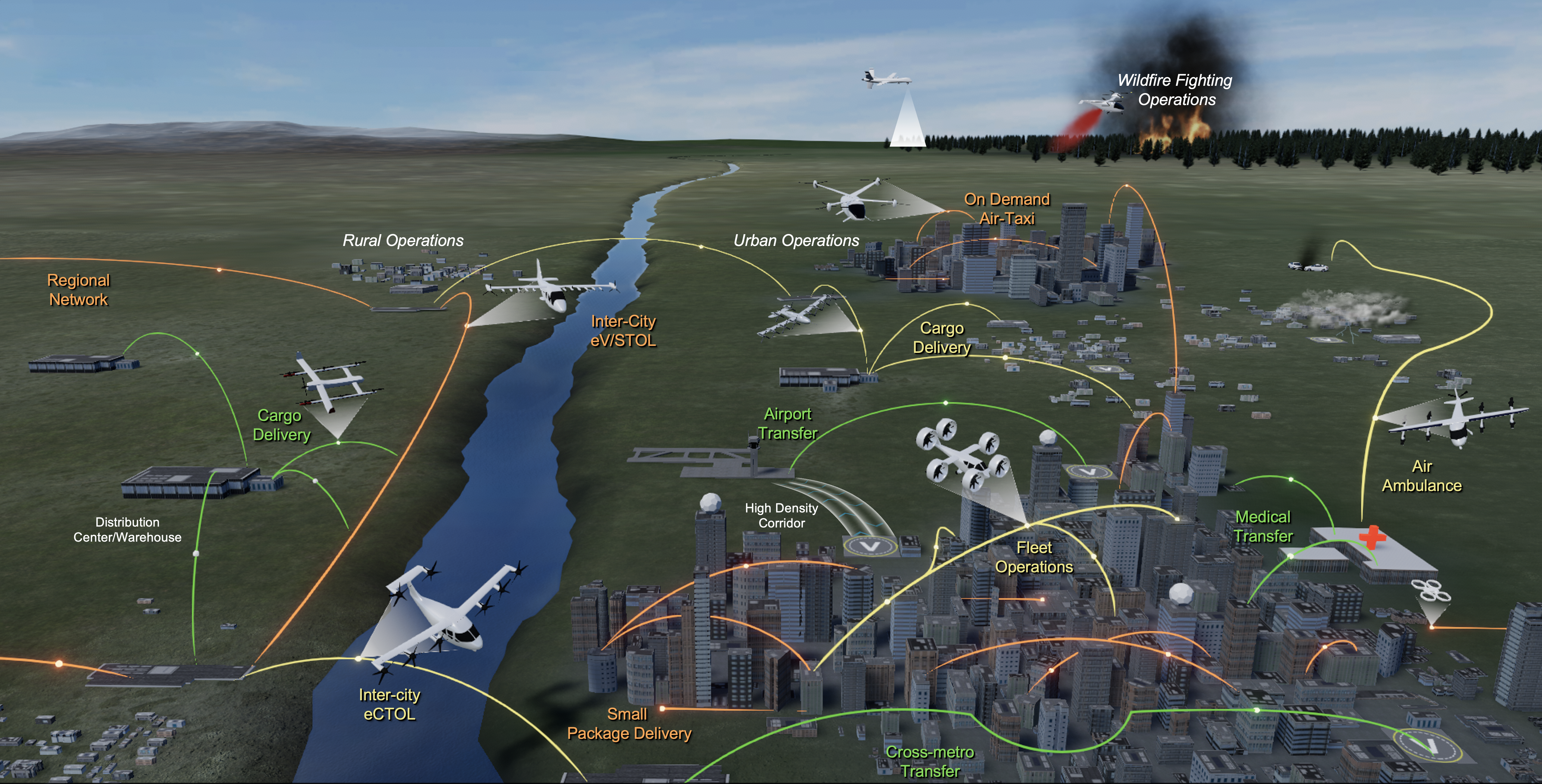
NASA is working with its partners in industry, government, and academia to build a system that enables the possibility of safely soaring over traffic in air taxis, providing medical and other emergency services by drone, and receiving packages at your doorstep using faster and more accessible forms of air transportation.
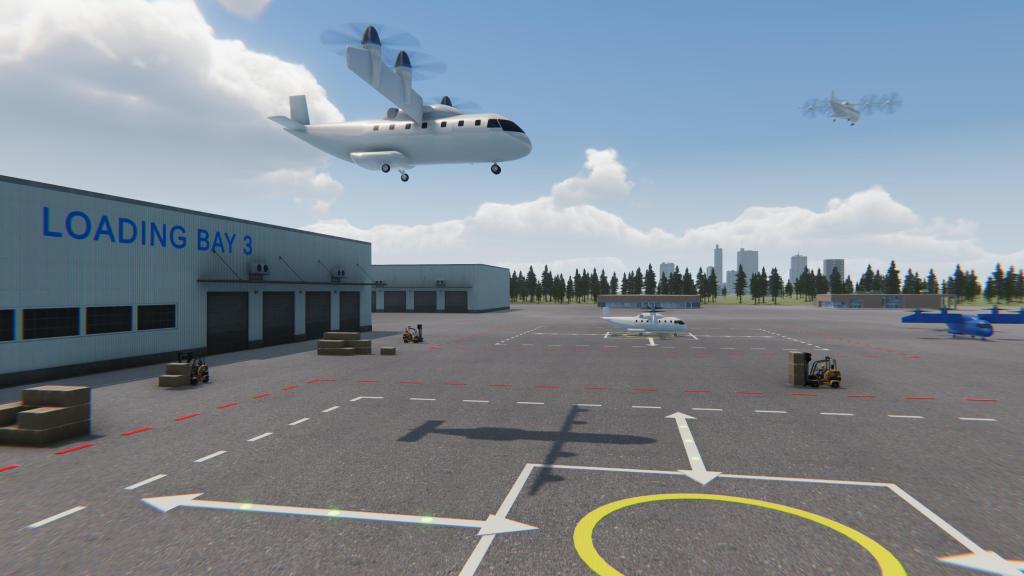
NASA research is focusing on vehicle development, airspace design and operations, and community integration.
Chapter 6
Engaging the University Community
Teams of university faculty and students selected for NASA’s decade-long University Leadership Initiative and other activities are exploring transformational innovations in aeronautics, including high-speed flight, advanced air mobility, future airspace and safety, and more fuel-efficient options such as electrified propulsion.

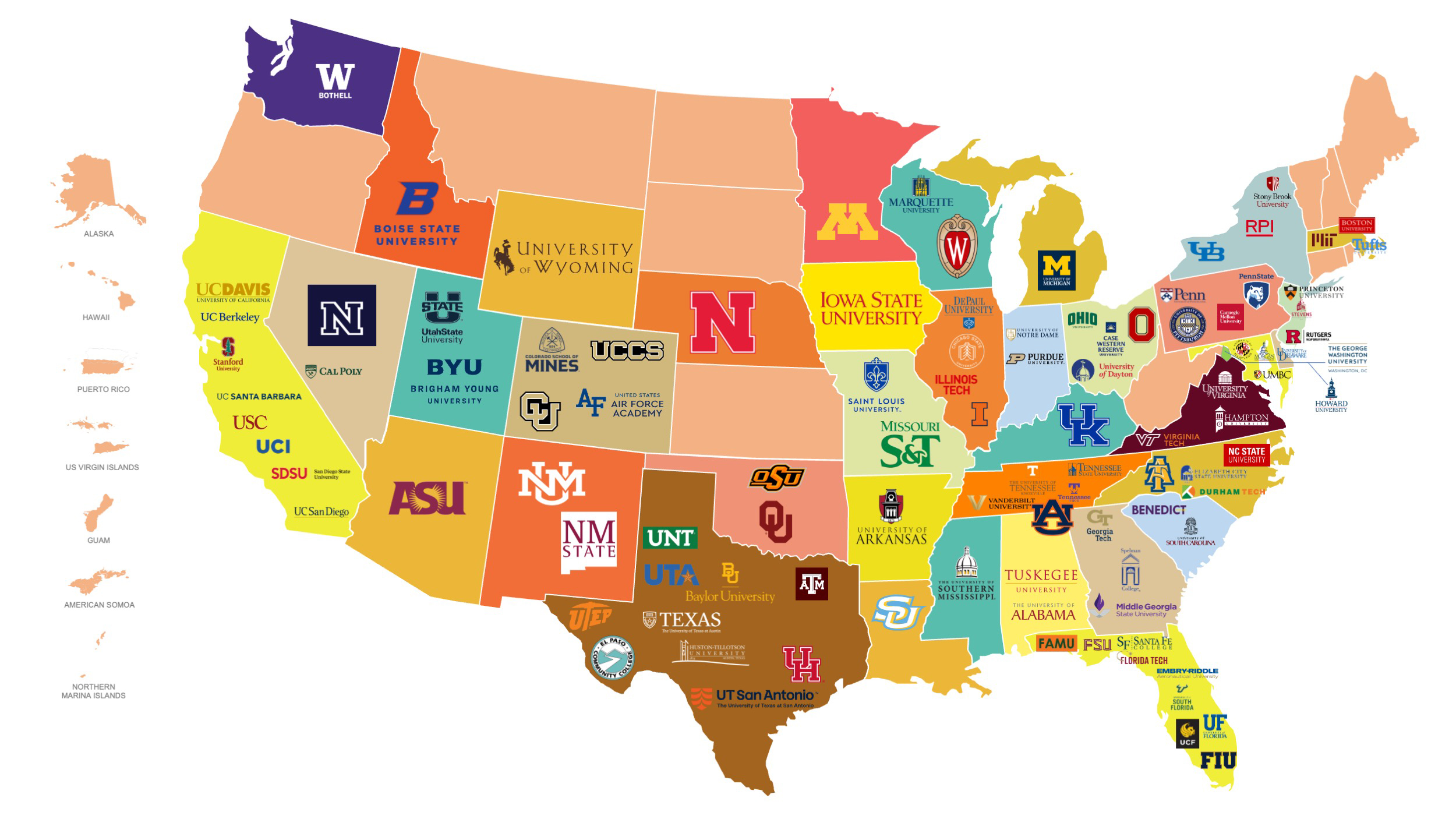
Eight Rounds of ULI Solicitations Leading to $220M of Awards
• 33 teams awarded to date
• 100 universities involved including 12 Historically Black Colleges and Universities / 23 other Minority Serving Institutions
• More than 1,100 students involved
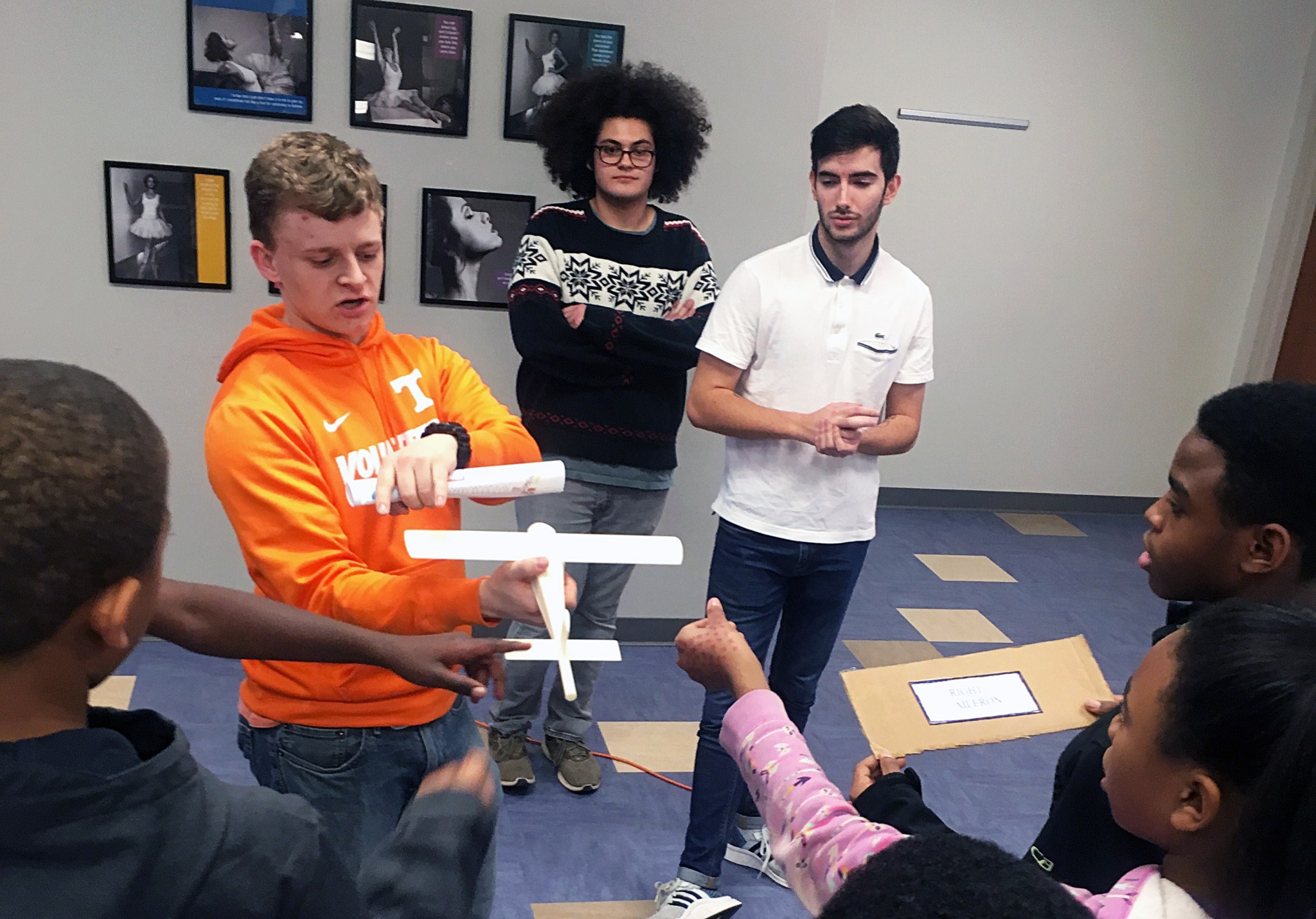
We’re giving the academic community an opportunity to support NASA’s aeronautical research goals and provide students with valuable experience trying to solve real-world technical challenges.
gelsomina cappuccio
University Innovation Project Manager
Let’s Fly!
NASA’s work in aeronautics is accelerating research and development of aircraft technologies that are more efficient and quieter, without compromising safety. Achieving this goal is also critical to the competitiveness of the U.S. aviation industry. Our vision and partnerships don’t stop there. Through ambitious experimental programs, including the X-59 supersonic aircraft and researching innovative airframe and propulsion technologies, NASA is poised to transform the future of air travel.