




















SCaN: Enabling Moon to Mars
Our Moon to Mars Projects
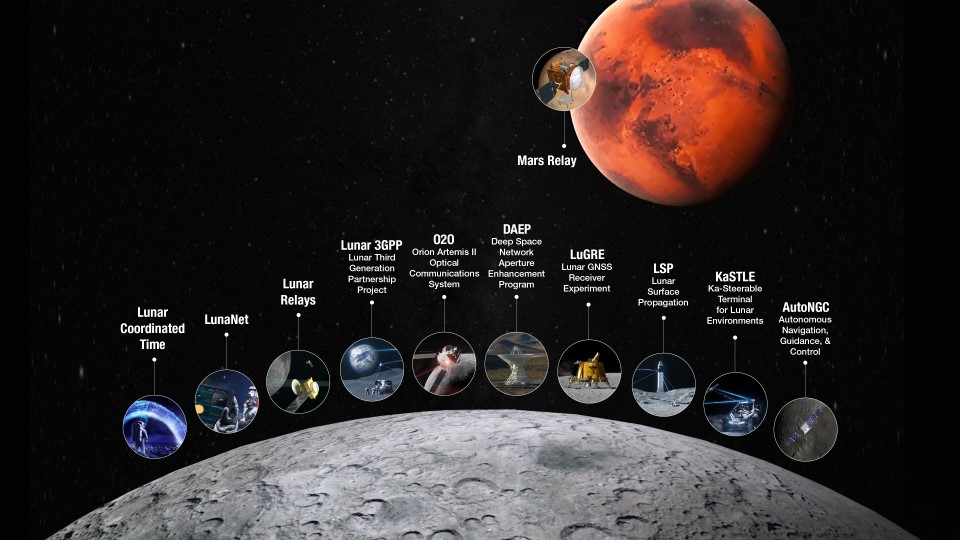
NASA’s SCaN (Space Communications and Navigation) Program is implementing cutting-edge technology, partnering with industry, forging global standards, and creating a resilient, interoperable future in space. Learn more about these unique activities below.
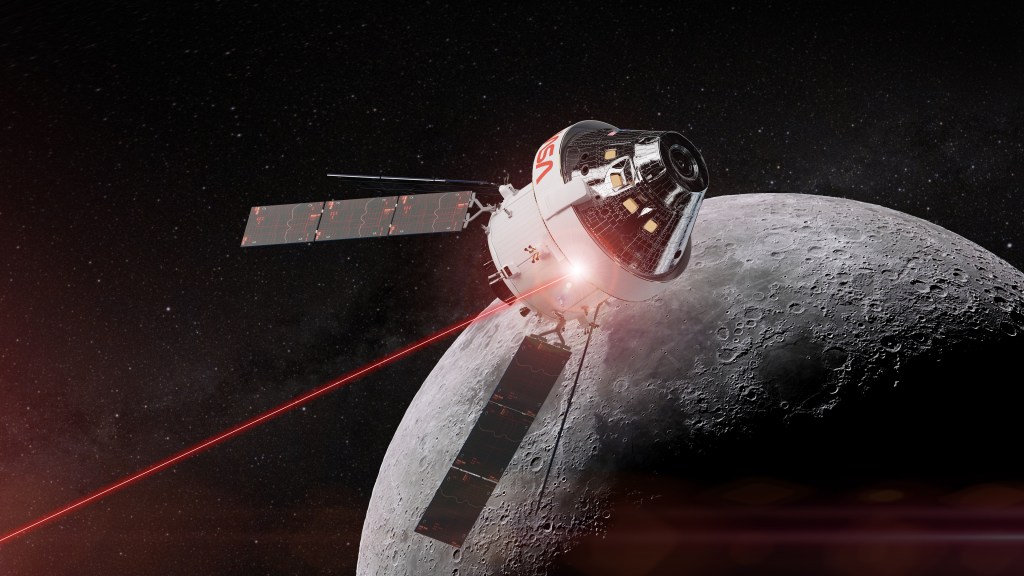
Orion Artemis II Optical Communications System
Bringing Laser Communications to Artemis
During the Artemis II’s 10-day journey, Orion Artemis II Optical Communications System (O2O) transmitted over 484 gigabytes of data – roughly equivalent to 100 high-definition movies. Using laser, or infrared, signals instead of traditional radio frequency, NASA was able to gather crisp, clear photos of Earthset, Earthrise, and many other images during the mission.
Lunar Coordinated Time
Establishing Time in Space
NASA will coordinate with U.S. government stakeholders, partners, and international standards organizations to establish a coordinated lunar time (LTC) following a policy directive from the White House. The agency’s SCaN Program is leading efforts on creating a coordinated time, which will enable a future lunar ecosystem that could be scalable to other locations in our solar system.

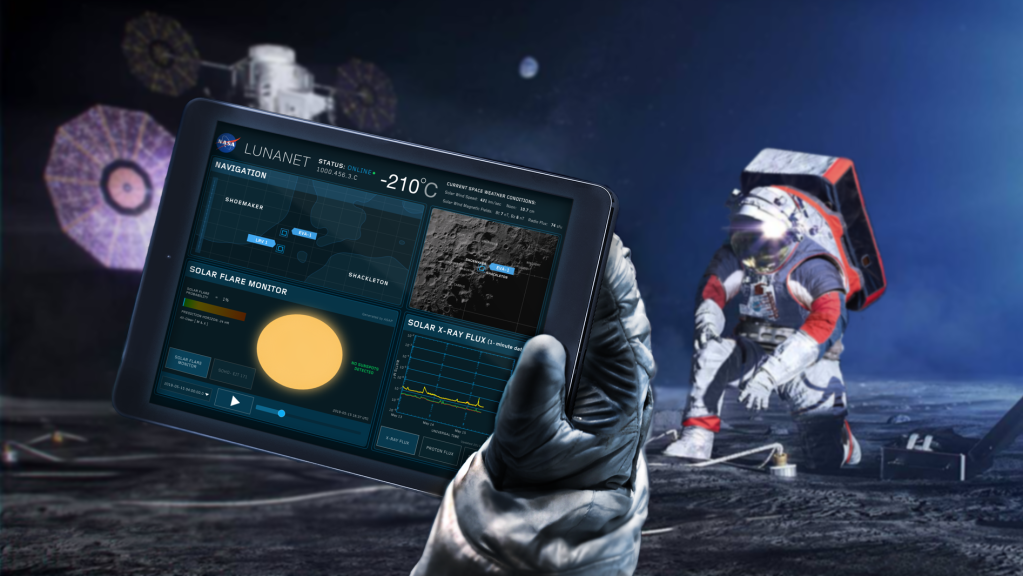
LunaNet
Bringing Internet-like Connectivity to the Moon
LunaNet is an internationally coordinated framework for interoperability. The LunaNet concept is based on a structure of mutually agreed-upon standards, protocols, and interface requirements that will enable interoperability across multiple organizations.
Lunar Relays
Connecting Assets On and Around the Moon
Establishing a network of communication relay satellites in lunar orbit will enable continuous and reliable communication between lunar missions and mission control on Earth. NASA SCaN’s Lunar Communications Relay and Navigation Systems (LCRNS) project is working with selected commercial companies to verify the relay services are developed to the established Artemis requirements.
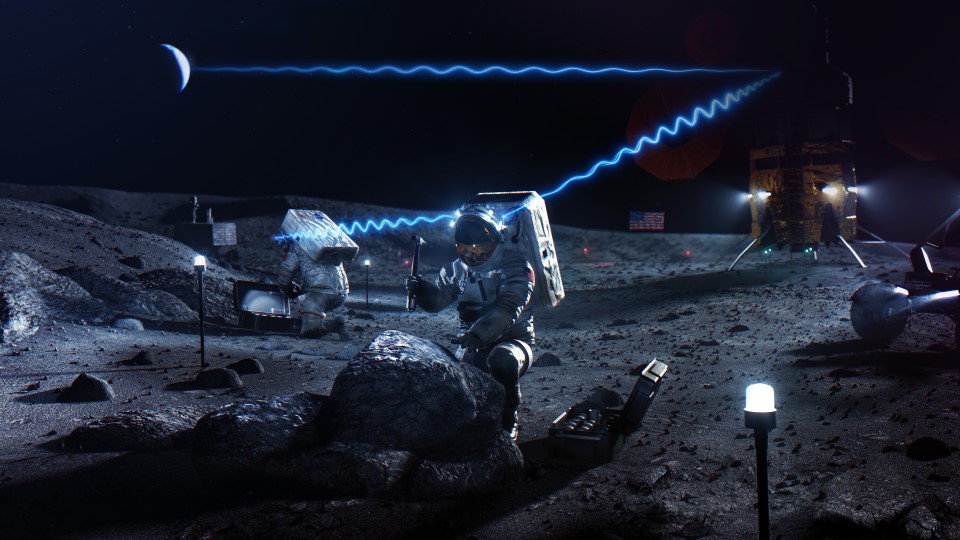
Lunar 5G
Bringing Cellular Service to the Lunar Surface
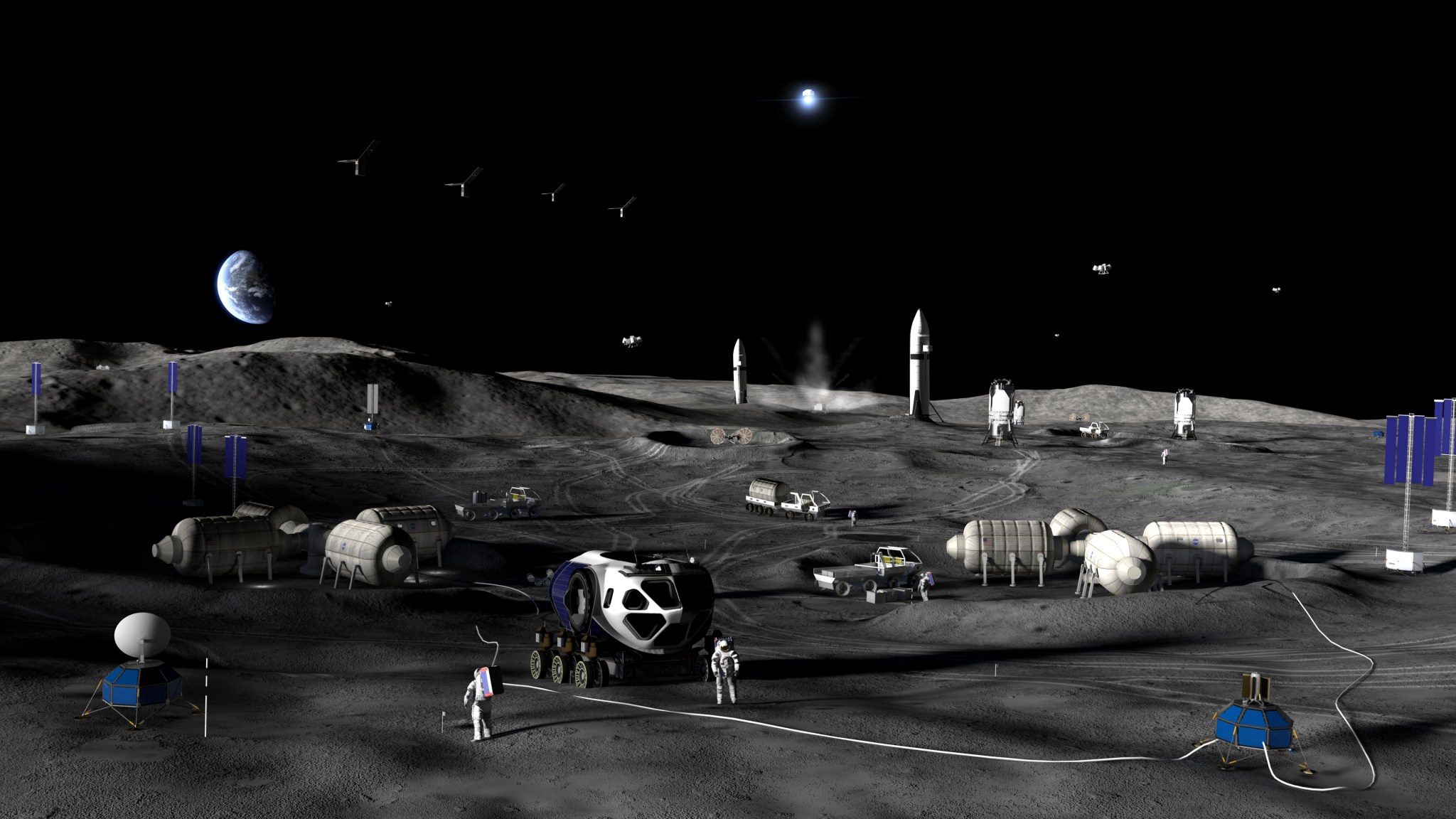
NASA is researching how to bring wireless cellular networks to the Moon, using 5G and Wi-Fi technology, to ensure astronauts can reliably communicate with each other, their vehicles, and their instruments while exploring the lunar South Pole. By building on proven terrestrial standards instead of starting from scratch, NASA is enabling faster deployment, greater interoperability, and more ambitious exploration than ever before.
Lunar GNSS Receiver Experiment
Using GPS on the Moon
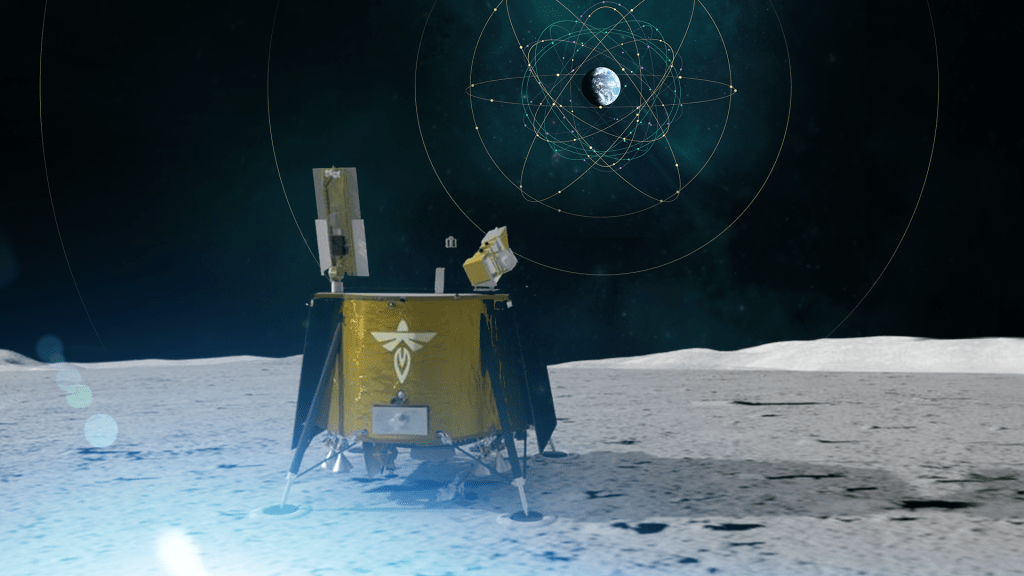
In 2025, as part of the NASA Commercial Lunar Payload Services (CLPS) initiative, Firefly Aerospace landed the “Blue Ghost” lunar lander on the Moon. Onboard was SCaN’s Lunar GNSS Receiver Experiment (LuGRE), which investigated whether signals from two GNSS constellations could provide precise navigation on the Moon. NASA and the Italian Space Agency made history when LuGRE became the first technology demonstration to acquire and track Earth-based navigation signals on the Moon’s surface.
Lunar Surface Propagation
Handling the Refraction on the Moon
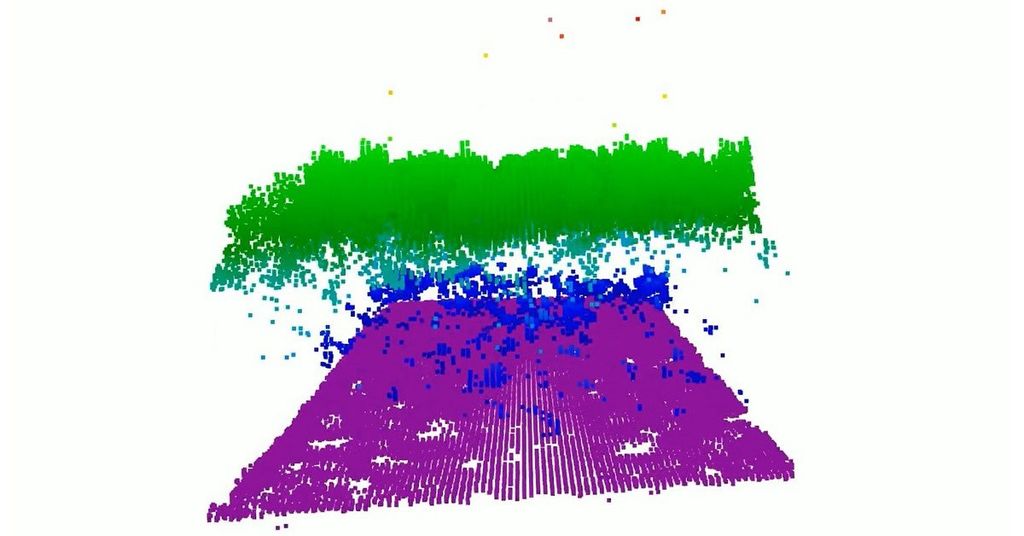
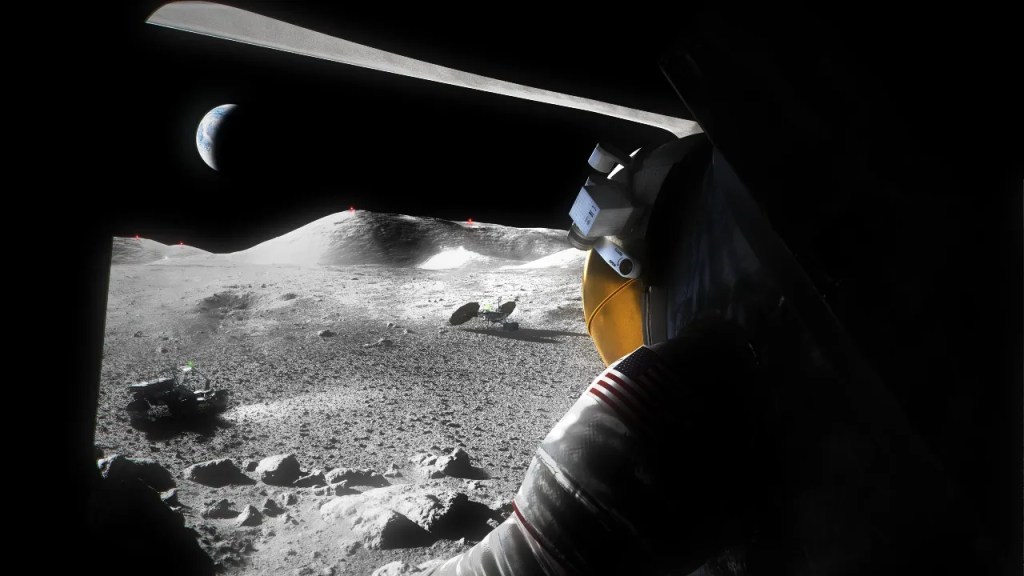
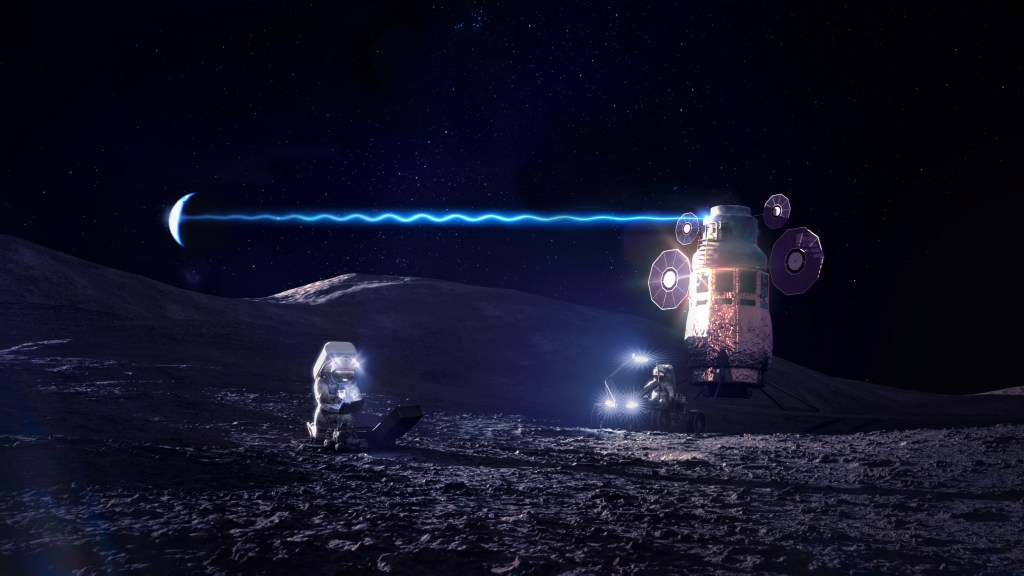
Near the lunar south pole, the Earth is only visible near the horizon, which means communications links between the Earth and the Moon are more likely to reflect off the lunar terrain and result in destructive interference. SCaN’s Lunar Surface Propagation (LSP) project is gathering performance data from recent and upcoming lunar landers and studying how to model, simulate, and emulate wireless communications for the unique conditions of the lunar surface.
Ka-band Steerable Terminal for the Lunar Environment
Streaming High-Definition Video on the Moon
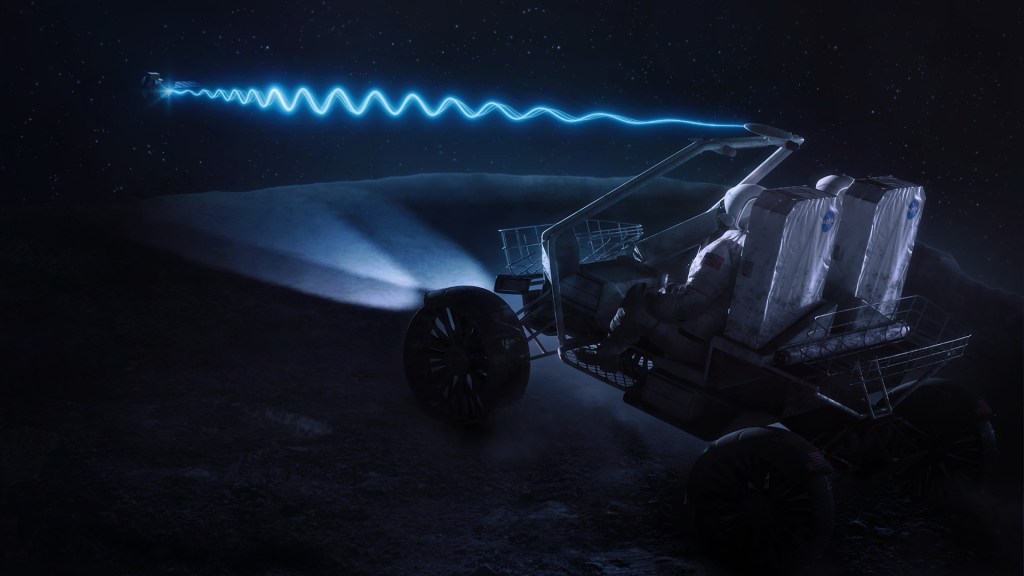
SCaN is working closely with private industry to develop innovative communications technology needed to enable NASA’s Lunar Terrain Vehicle (LTV). The Ka-band Steerable Terminal for the Lunar Environment (KaSTLE) project is is designing and building a product line of electronically steerable Ka-band phased array antennas capable of meeting the unique requirements of NASA’s LTV. This will enable the LTV to stream high-definition video while in motion on the lunar surface.
Deep Space Network Aperture Enhancement Program
Adding Antennas to the Deep Space Network
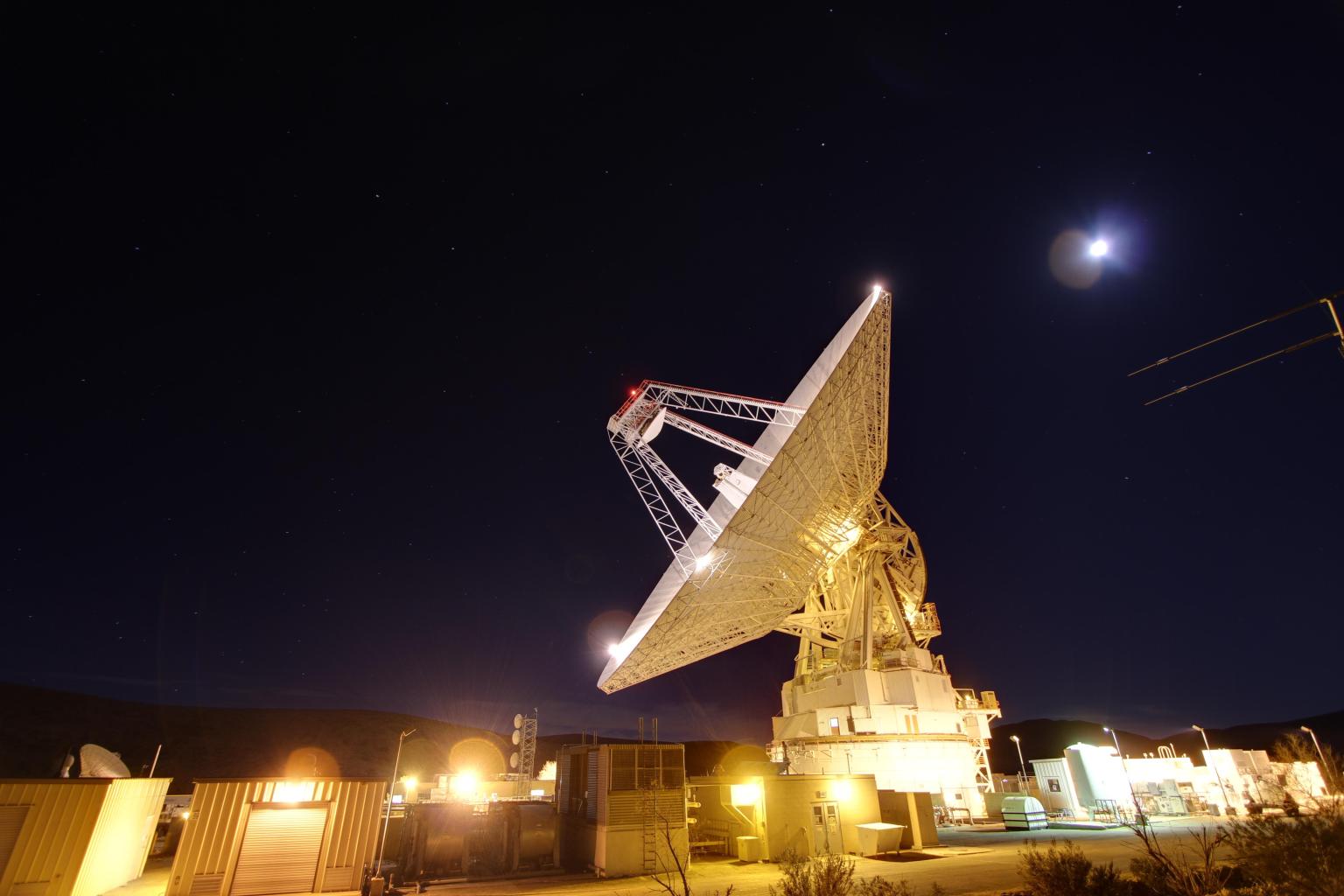
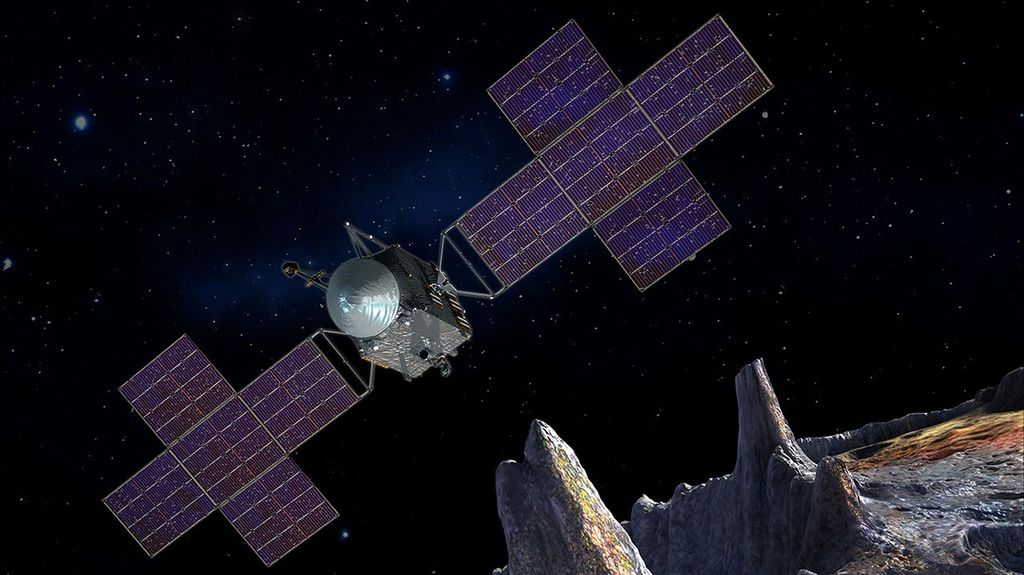
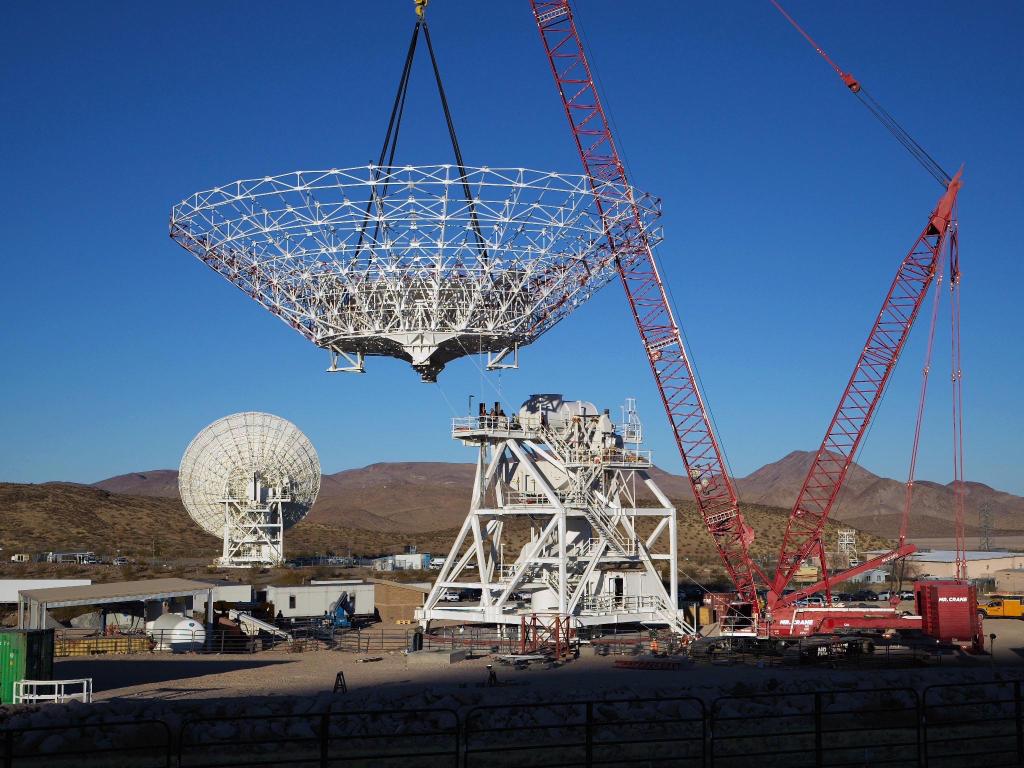
Through the Deep Space Network Aperture Enhancement Program (DAEP), NASA SCaN is adding a new antenna to support increased demand for the Deep Space Network. When operational, Deep Space Station 23 will receive transmissions from missions such as Perseverance, Psyche, Europa Clipper, Voyager 1, and a growing fleet of future human and robotic spacecraft in deep space.
Autonomous Guidance, Navigation, & Control
Equipping Missions with More Autonomy
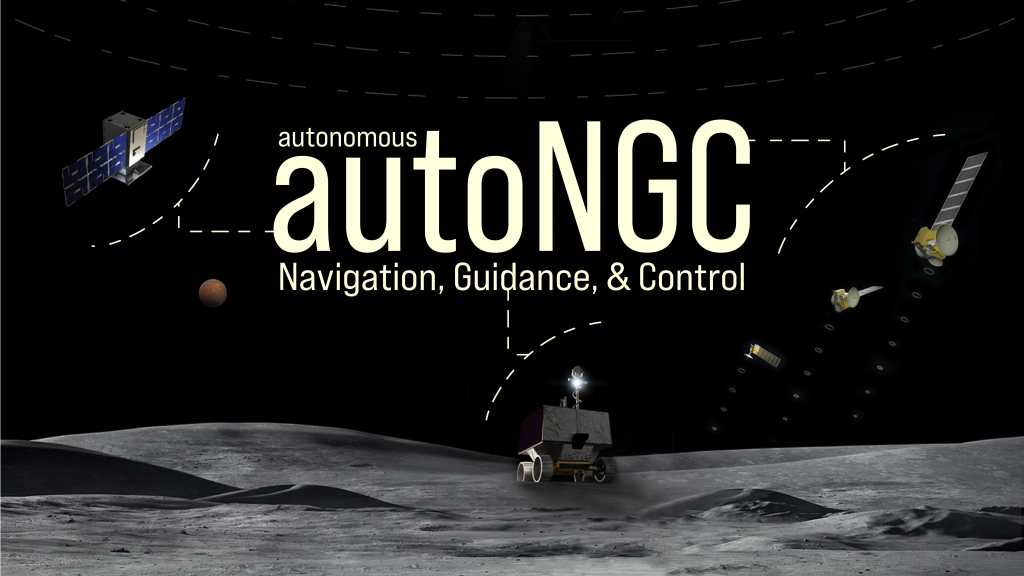
The farther NASA travels toward the Moon, Mars, and beyond, the more missions will need to function autonomously with less reliance on Earth-based operators. NASA is developing an onboard core Flight System (cFS) application suite and flight hardware solution that enables spacecraft with autonomous navigation, guidance, and control (autoNGC). autoNGC integrates navigation, guidance, and control functions into a cohesive system, enhancing mission responsiveness.
Lunar Multi-Global Navigation Satellite System
Navigating at the Moon with Earth Technology
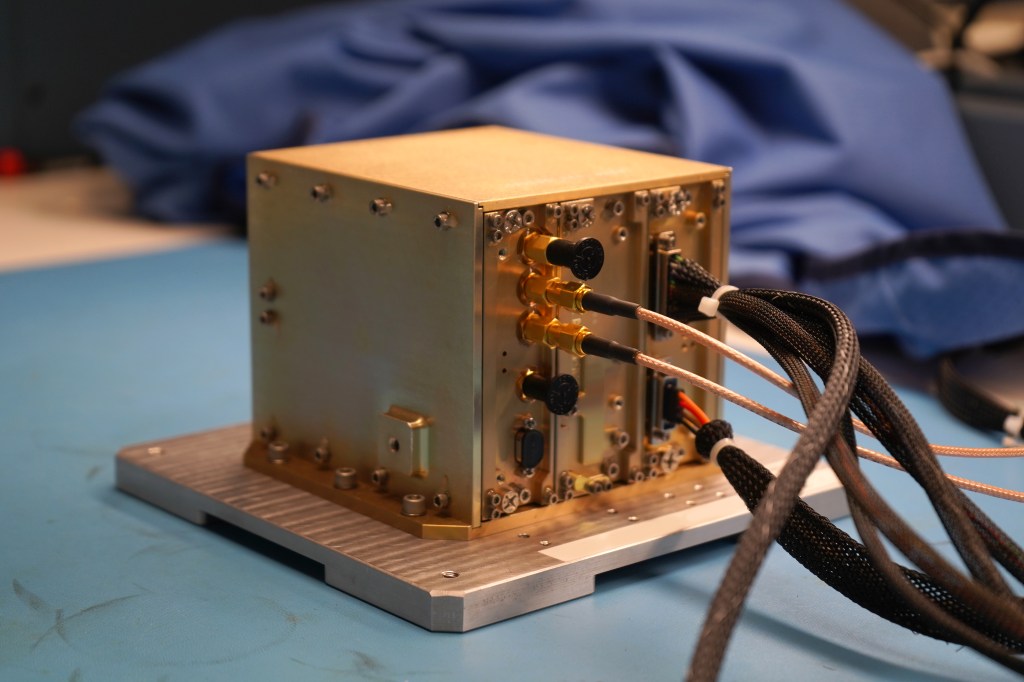
The lunar multi-Global Navigation Satellite System (mGNSS) transforms existing GNSS like GPS into a robust, operational navigation solution for the Moon. As a bridge technology, the lunar mGNSS receiver enables near-term mission readiness while complementing future lunar positioning systems, including NASA’s Artemis relay satellite constellation.
Lunar Exploration Ground Sites (LEGS)
Expanding our capacity to bring more data home from the Moon.
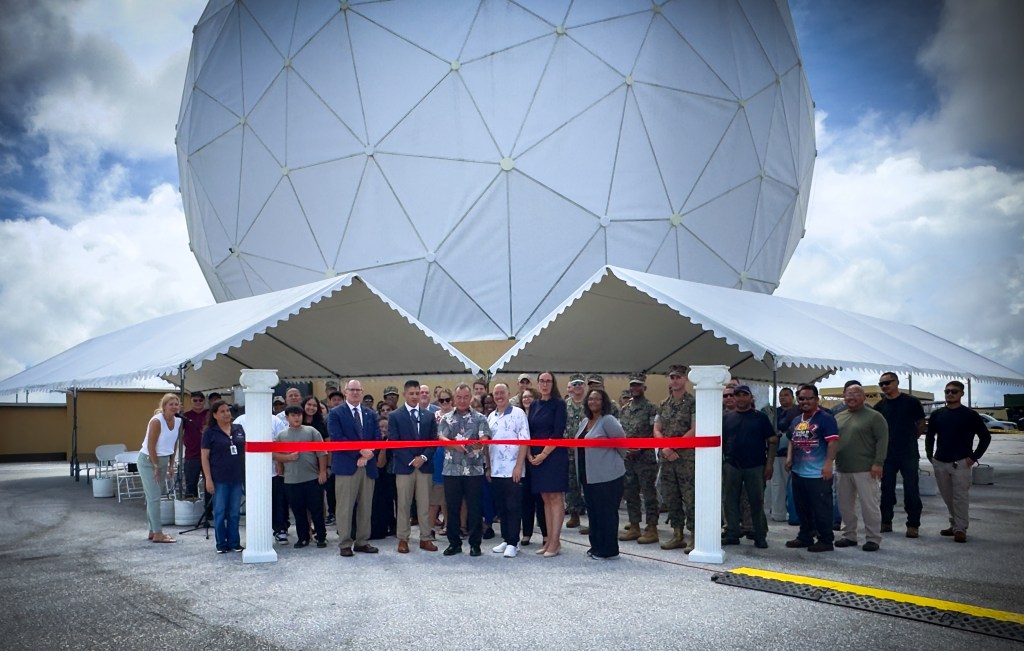
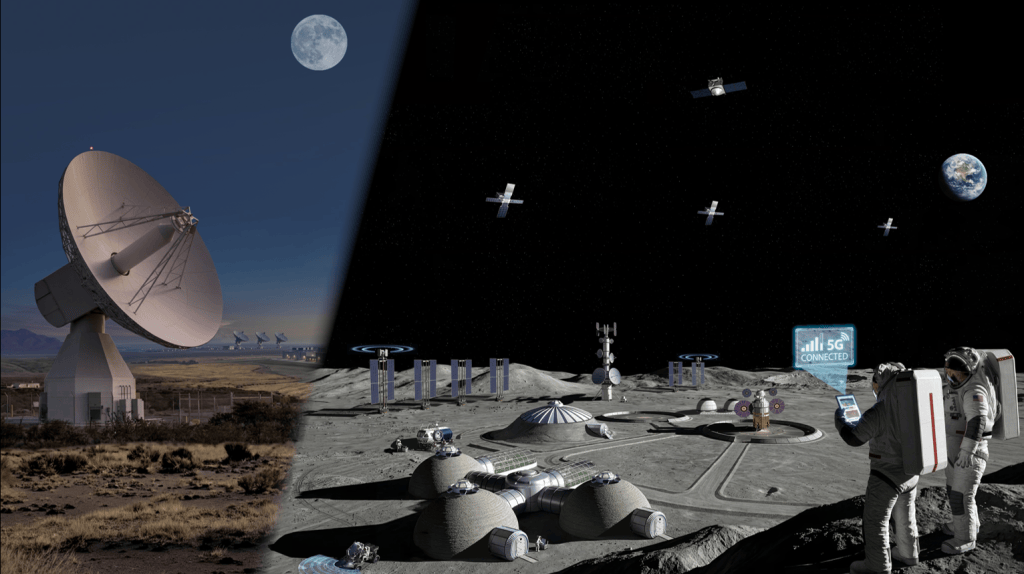
To meet America’s growing needs for lunar exploration, NASA is working with industry to build a global network of state-of-the-art ground stations, known as Lunar Exploration Ground Sites. The ground stations will provide high-availability, direct-to-Earth communications coverage for missions operating between 36,000 kilometers and 2 million kilometers from Earth, increasing the Near Space Network’s capacity to send and receive lunar data.
NASA Mission Needs at the Moon
As NASA prepares for a sustained presence at the Moon, expanded communications, navigation, timing, and observation capabilities will be essential. These services will support Artemis missions, lunar science investigations, and the development of Moon Base. This white paper outlines the needs of future lunar and cislunar missions and identifies opportunities for commercial industry to help provide these capabilities. This demand signal will serve as context for future SCaN market research efforts and public solicitations.
Read the Paper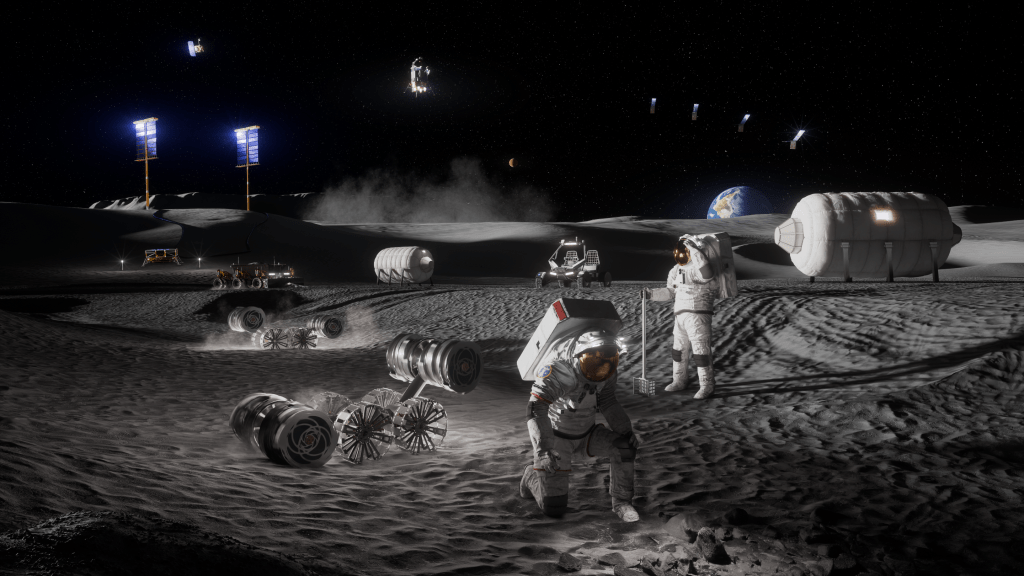
Mars Relay
Partnering With Industry for Mars Communications Relay
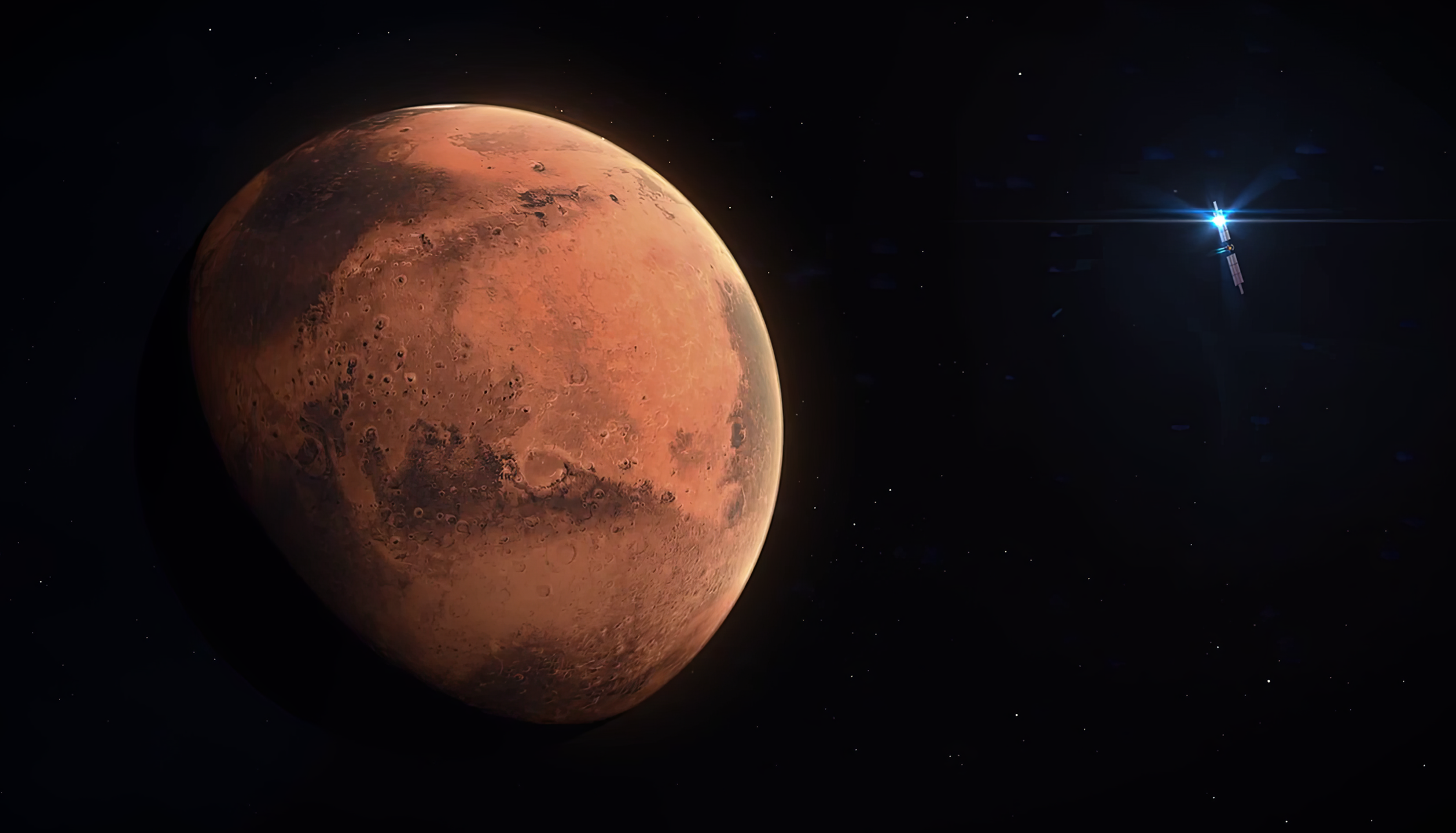
Reliable, high-bandwidth communications are essential for transmitting science data, imagery, and critical mission information during Mars exploration. NASA’s Mars Telecommunications Network will use high-performance orbiters to provide communications services for future surface, orbital, and human missions at the Red Planet.
Learn More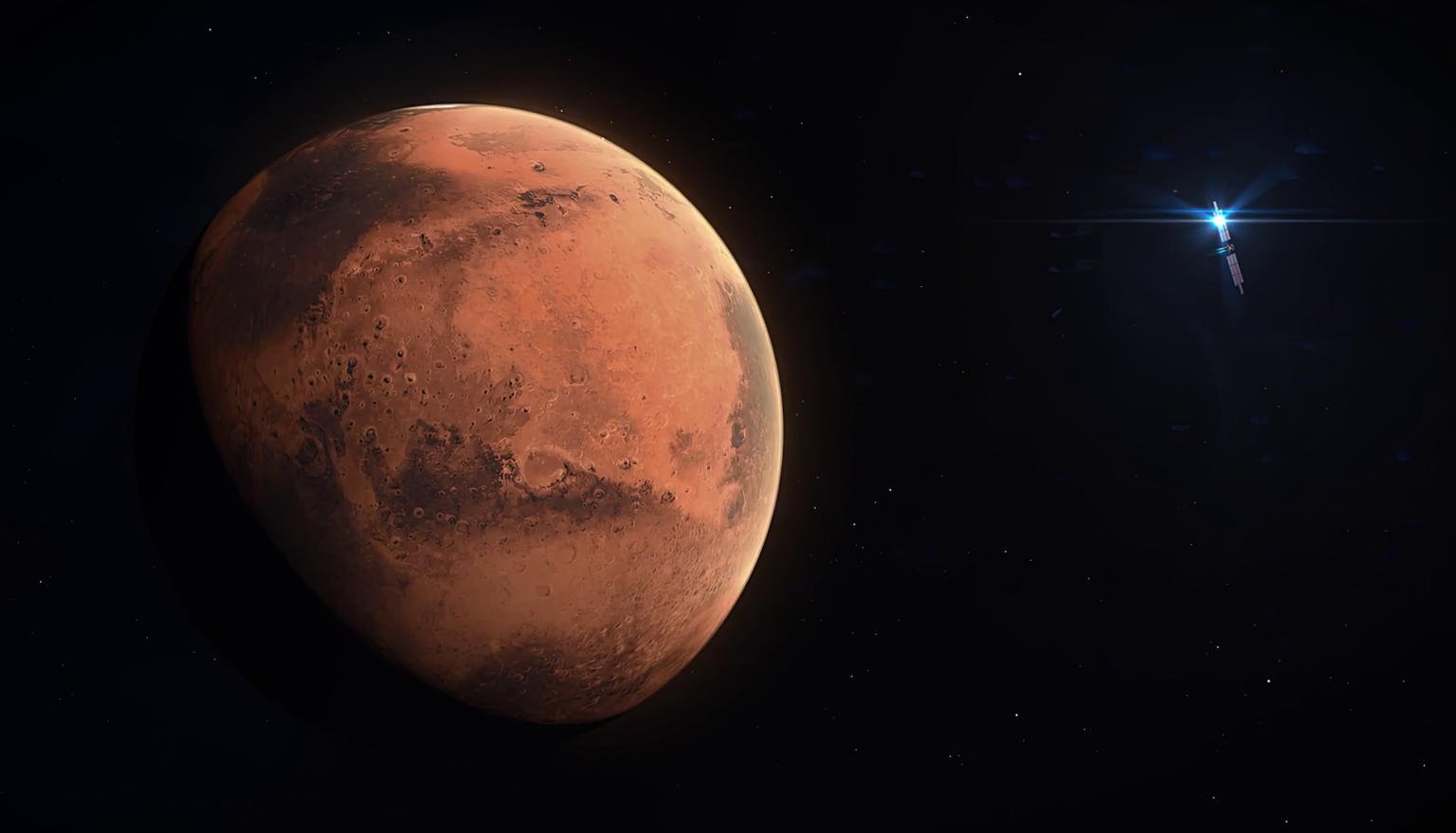
Artemis II Support
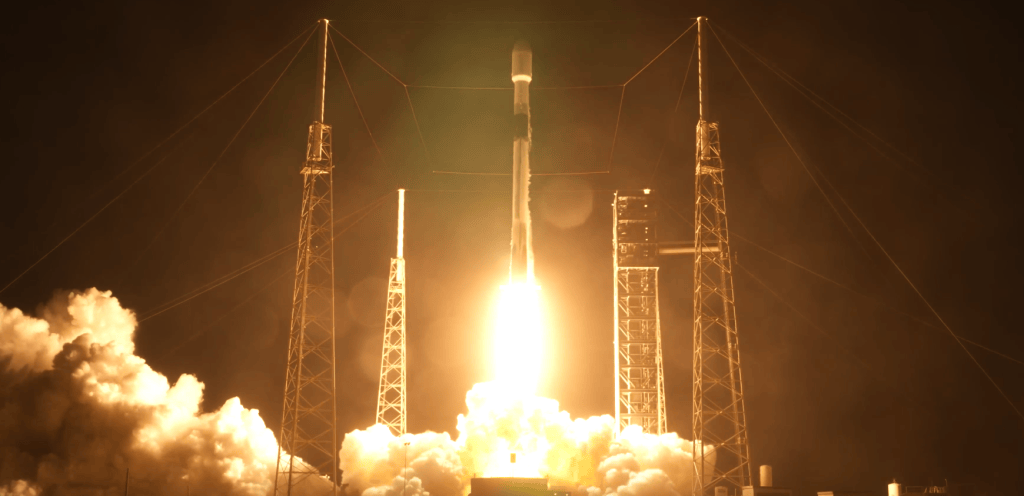
NASA’s Artemis II mission ferried four astronauts around the Moon, bringing humanity farther into space than ever before. Throughout the mission, astronaut voice, images, video, and vital mission data traveled thousands of miles, carried on signals from NASA’s powerful communications systems.
Learn More about Artemis II Support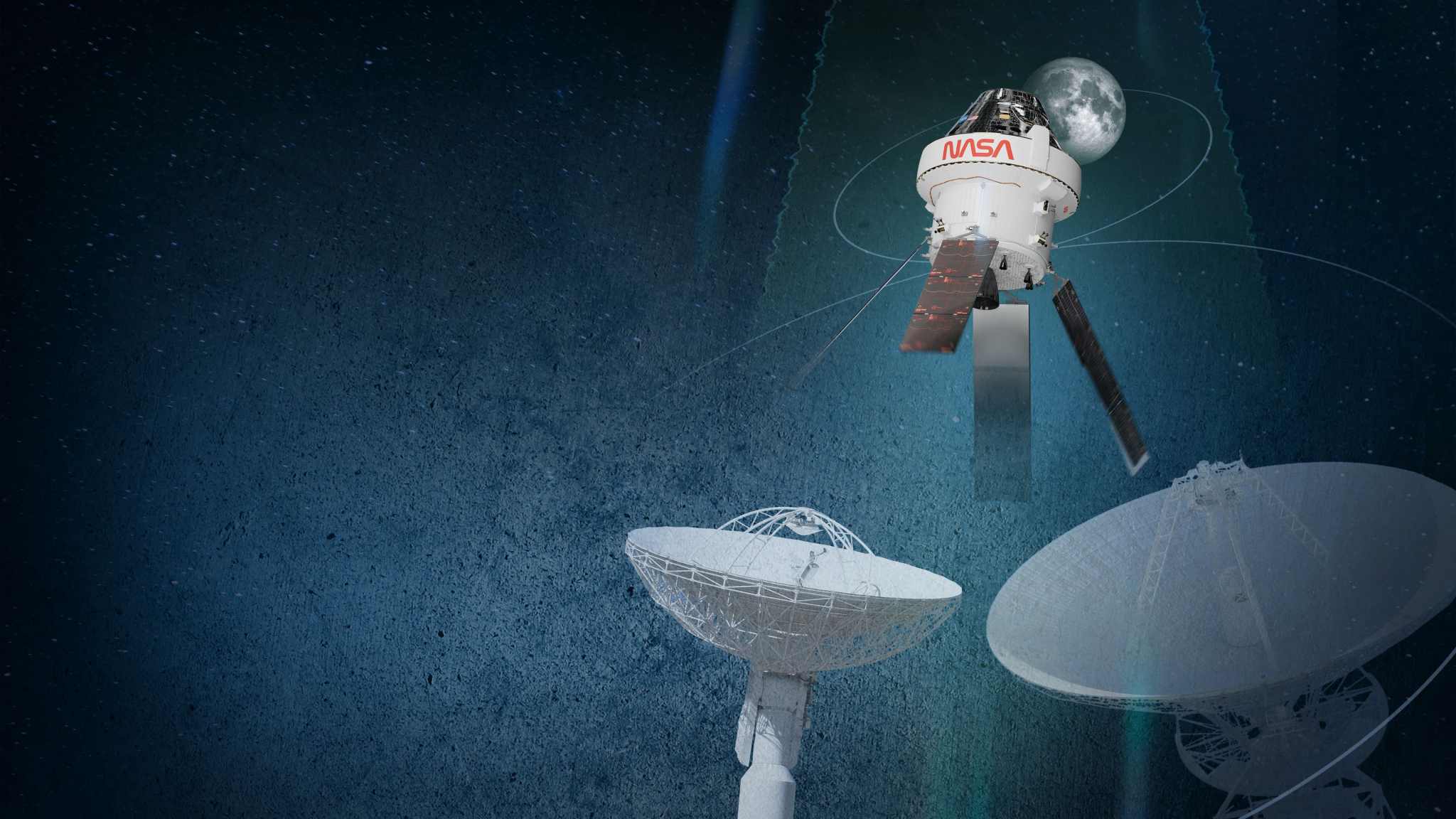
History
Artemis I Support
The Artemis I mission used NASA SCaN’s Near Space Network and Deep Space Network to communicate critical data to Earth.
On the launch pad and during their early orbit phases, Orion and the Space Launch System (SLS) rocket received services from the Near Space Network. 22,000 miles above Earth, communication was handed over to the Deep Space Network, which was Artemis I’s primary network during lunar orbit.
Learn More about Artemis I Support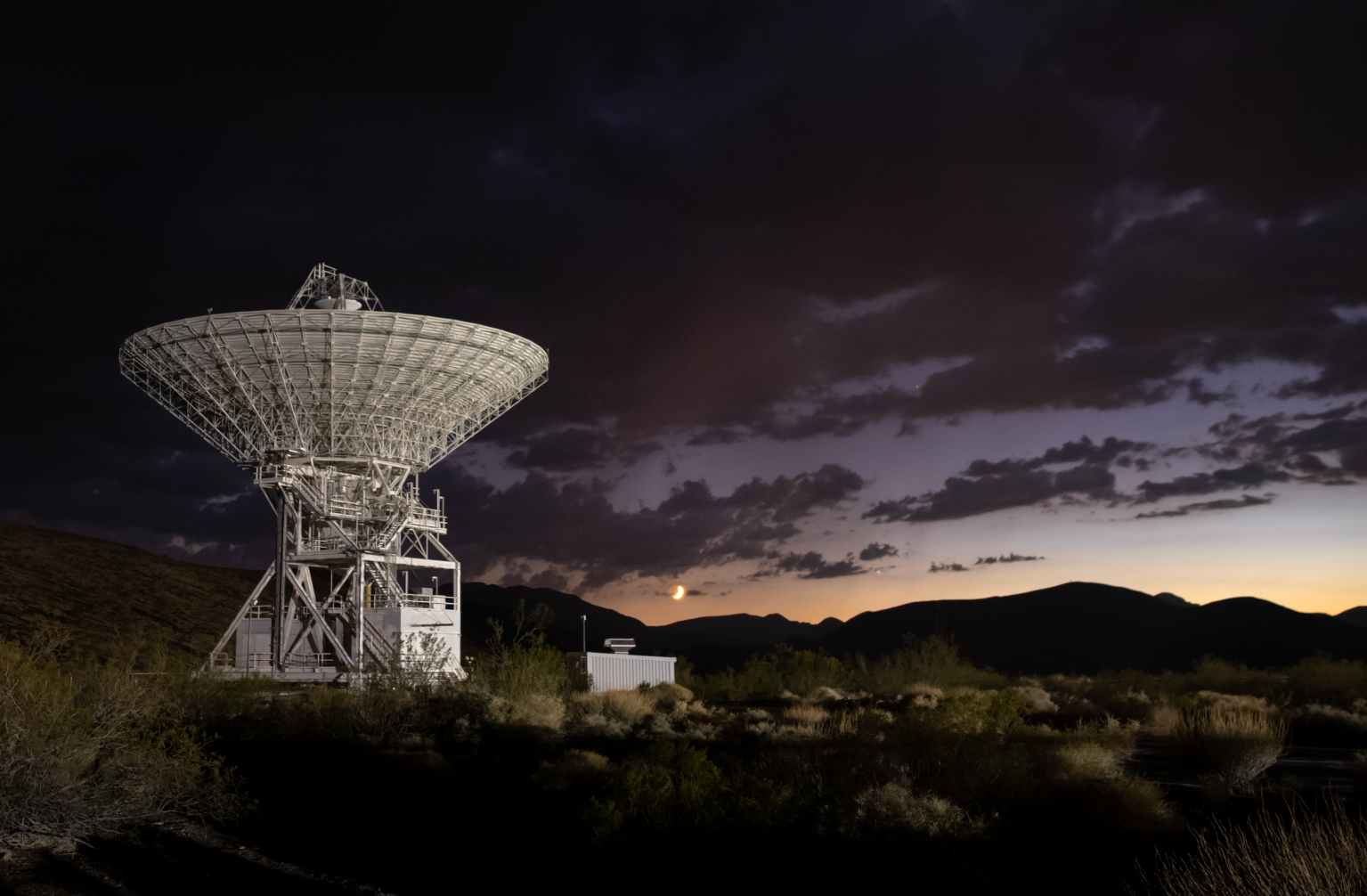
Goldstone is part of NASA’s Deep Space Network (DSN), which operates three complexes around the globe that support communications with dozens of deep space missions.