
























Commercial Lunar Relay
As humanity prepares for a sustainable return to the Moon and looks toward Mars, reliable communications and navigation will be just as critical as rockets and spacecraft. NASA’s Lunar Communications Relay and Navigation Systems (LCRNS) project is enabling the infrastructure needed to support astronauts, rovers, and orbiters on and around the Moon.
What is LCRNS?

Why Lunar Relays?
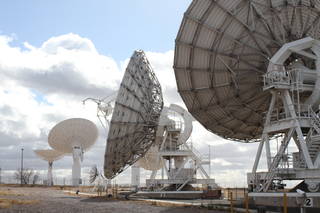
NASA’s Space Communications and Navigation (SCaN) program identified a gap in support for Artemis missions: areas on the Moon, like the far side or the South Pole, where there is limited or no direct viability to antennas on Earth.
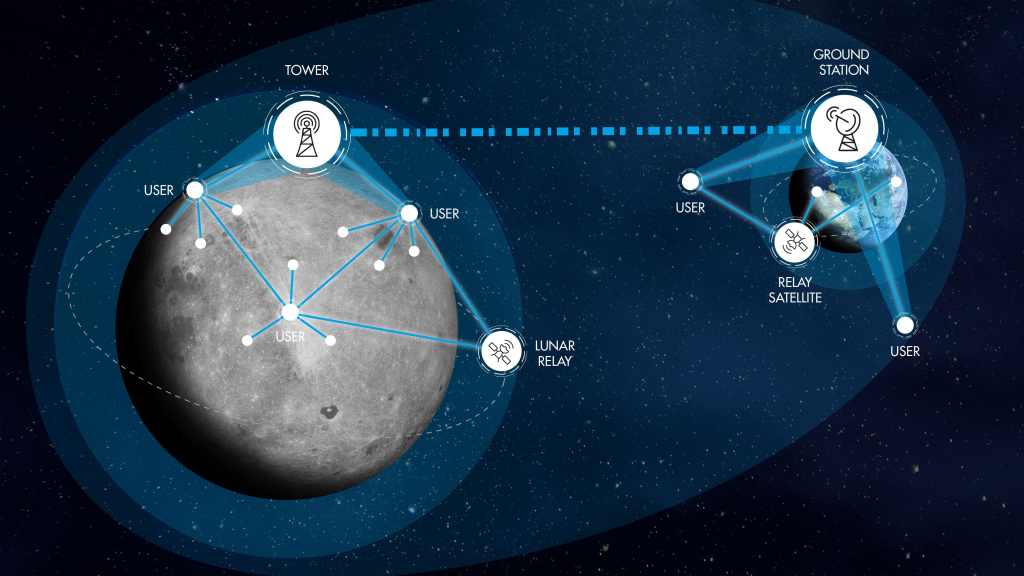
LCRNS was initiated to deliver a more flexible, interoperable, commercial lunar communications and navigation relay service infrastructure. Its aim is to support Artemis, science, robotic missions, and future Moon to Mars exploration—enabling continuous communications even where Earth is blocked from view, improving landing site flexibility, supporting vehicle navigation on and around the lunar South Pole, and reducing reliance on ground networks.

Moon to Mars
Reliable communications and navigation are essential for crewed missions, robotic missions, rovers, and infrastructure development on and around the Moon. The LCRNS lunar relays, once operational, will be part of NASA’s Near Space Network (NSN), which uses government and commercial assets to provide communications and navigation support to missions within 1.25 million miles of Earth.
The LCRNS project is a part of the Artemis Moon to Mars architecture documentation. Artemis, and its associated missions, aim to return humans to the Moon and establish a sustained lunar presence so that one day, NASA can bring humanity to Mars.
Commercial Partnership
In 2024, Intuitive Machines (IM) was competitively selected under the Near Space Network Services (NSNS) contract to become the first commercial LCRNS Service Provider. This commercial partnership demonstrates how industry can provide services traditionally developed by government alone. By contracting with industry, NASA is stimulating a new marketplace where multiple providers can eventually supply lunar communications and navigation capabilities.
Learn More about Commercial Partnership
Interoperability
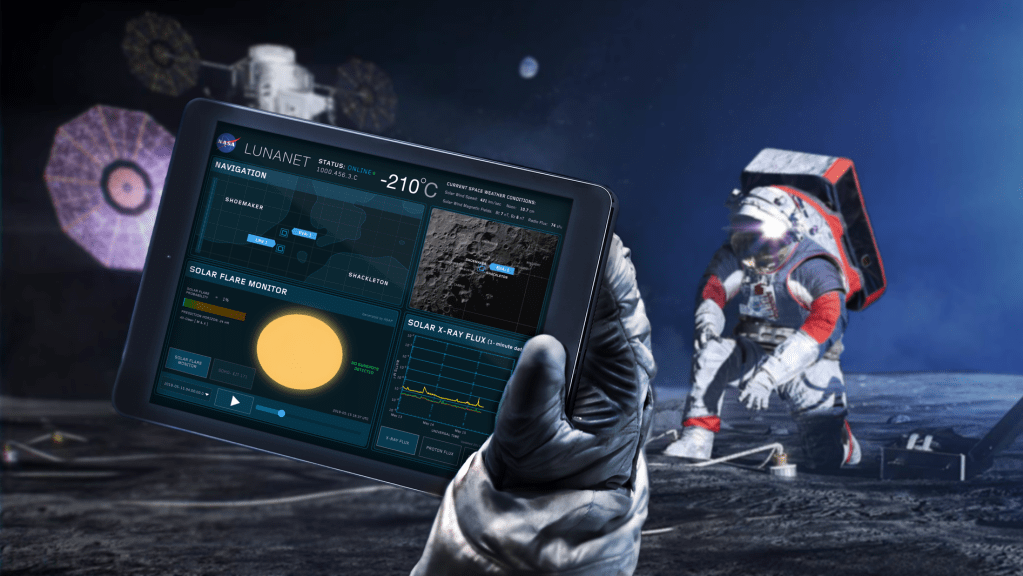
Interoperability is crucial. LCRNS uses the LunaNet Interoperability Specification (LNIS) to ensure that different agencies and commercial providers (e.g. NASA, ESA, JAXA) deliver compatible services. This enables a robust critical infrastructure, and allows users to mix and match service providers, much like picking among Internet or telecom providers.
Learn more about LunaNet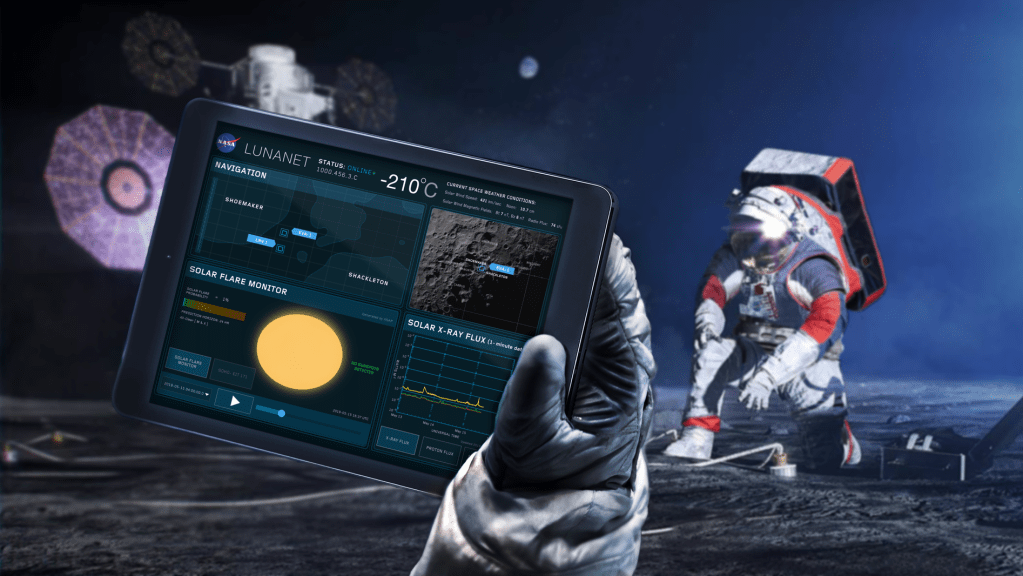
Service Validation &
Lunar Technologies
Interoperability & Performance Testbed
Validation of performance and interoperability is crucial before full operational deployment.
The Interoperability & Performance Testbed (IPT) is a hardware-in-the-loop facility that emulates a “universal lunar user terminal,” verifying that commercial lunar relay services meet the performance and interoperability requirements as described in NASA’s LCRNS service requirements and the relevant LunaNet specification sections.
LCRNS Government Analysis Tools
NASA uses a variety of software to ensure commercial services meet performance and safety standards.
The LCRNS Government Analysis Tools (LGAT) is a suite of software tools to analyze performance via modeling. LGAT handles static analyses (link budgets), dynamic analyses, navigation & timing, latency, data store-and-forward behavior (DTN), and signal error analyses.
NASA uses LGAT to model and check how well commercial relay services will perform. LGAT can simulate coverage, timing accuracy, data transfer delays, and other key factors. It helps NASA validate those services from commercial partners, like Intuitive Machines, meet the performance and safety standards future lunar missions will depend on.
LCRNS Position, Navigation, and Timing Instrument
To reduce service risks, LCRNS is developing technology that work in space and on the ground.
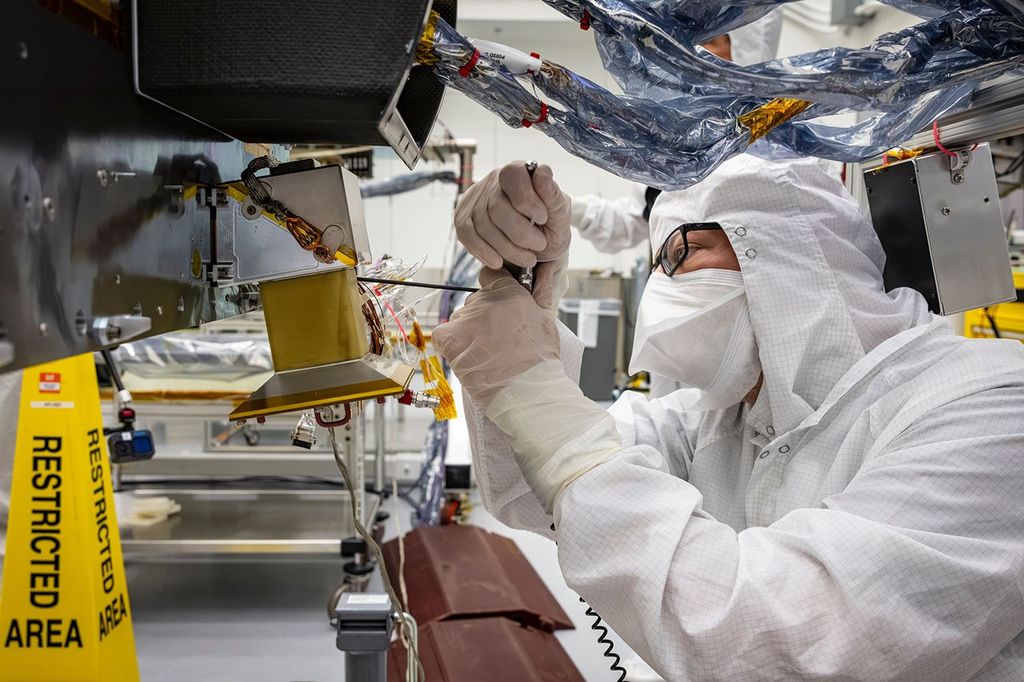
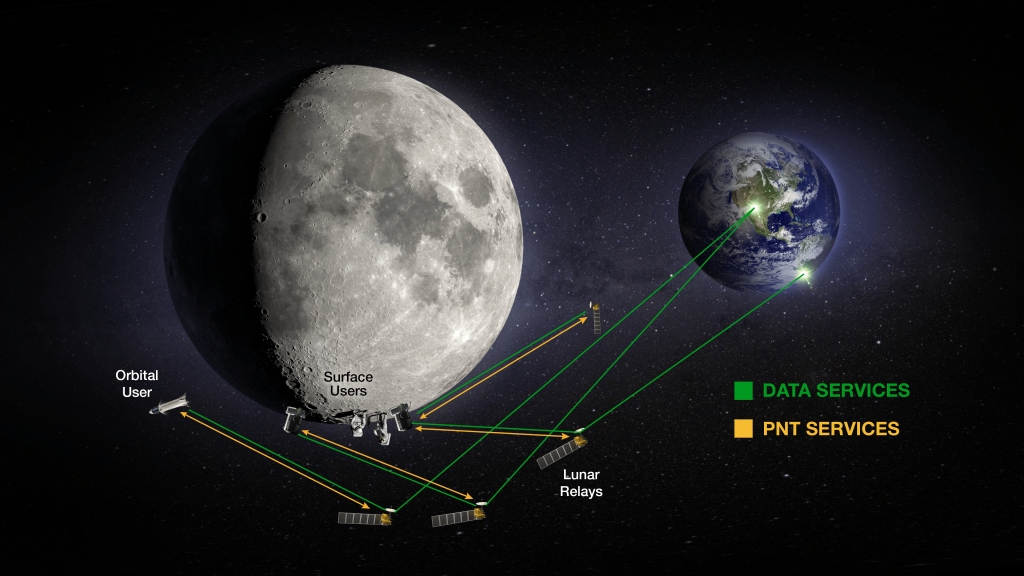
The LCRNS Position, Navigation, and Timing Instrument (LPI) is a hardware and software solution designed to reduce service implementation risk and support performance verification. Using sensor fusion, the instrument generates precise, real-time onboard position and velocity estimates, along with timing signals, which are broadcast to lunar users as an “Augmented Forward Signal.” This enables users to determine their precise location in the lunar domain. The first relay will also include NASA’s NavCube3-mini, a compact lunar navigation receiver that leverages Earth-based navigation signals, such as GPS, to provide positioning, navigation, and timing around the Moon.
Together with the LCRNS Government Analysis Tools, LPI ensures that lunar explorers get trusted, accurate, and tested services — with the relay satellites delivering navigation in orbit, and NASA’s tools on the ground confirming those services are ready for mission use.
Commercial Readiness
Upon successful completion of the multistep validation process, lunar relay services will be fully certified to deliver services under the Near Space Network Services Contract.
Concept Development: Define operational concepts, system architecture, and support functions.
Service Requirements Definition: Establish service requirements and develop comprehensive plans.
Design Maturation: Finalize service designs, refine plans, and identify potential risks.
Integration Planning: Maintain requirements compliance, establish preliminary interfaces, and conduct mission testing.
Testing: Develop and execute comprehensive service test plans and establish operational interfaces.
Verification: Demonstrate data flow and readiness of flight and ground configurations; execute verification support.
Service Validation Completion: Finalize test plans, validate end-to-end service performance, and provide demonstrable data flow.
Transition to Operations: Onboarding of validated providers into the broader Near Space Network infrastructure.
Operational Phase: Authorized commercial providers deliver services to user missions as part of the operational network.
Commercial Capabilities
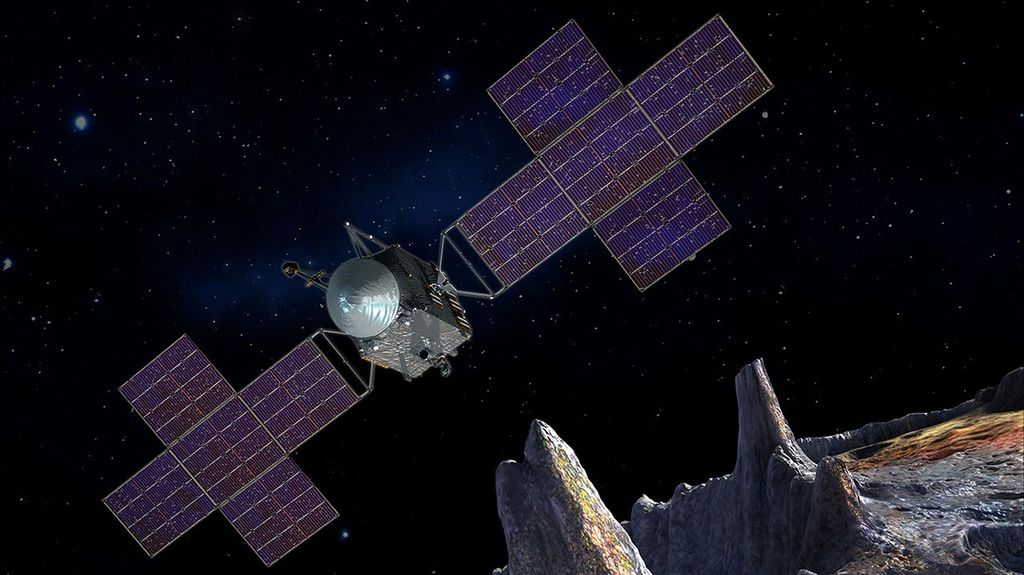
NASA is partnering with the aerospace industry to develop lunar relays. Establishing a network of communication relay satellites in lunar orbit will enable continuous and reliable communication between Earth and lunar missions, even in locations where the Earth is not directly visible from the Moon.
Artemis Moon to Mars Architecture